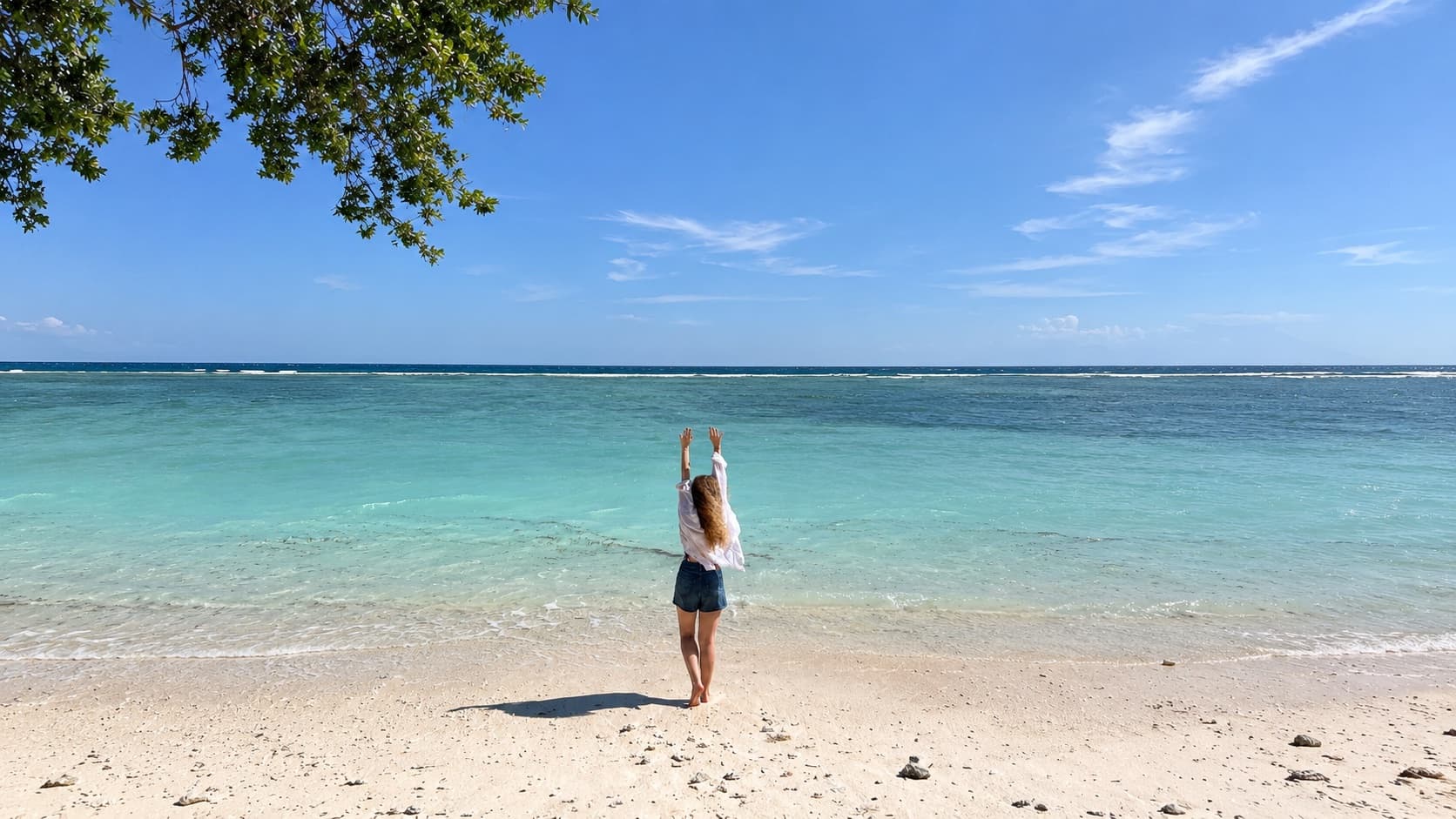
Solo Female Travel · Global Guide
Best Solo Female Travel Destinations & Digital Nomad Hubs (2027)
I always knew there's more to experience than what I could get from settling in one place, so I was flirting with the idea of solo travel for years — and for a long time I couldn't get going, mostly because of endless questions about how livable a place would be, whether the Wi-Fi would hold up for real work, how I'd make friends, and how I'd know if I'd feel safe before committing to three months of rent. Those unanswered questions might be stopping you too. This guide is my attempt to answer them — what the best destinations are to go for work, fun, and exploration alone, depending on the season.
In this guide
Quick Comparison
Click any destination to jump straight to its section.
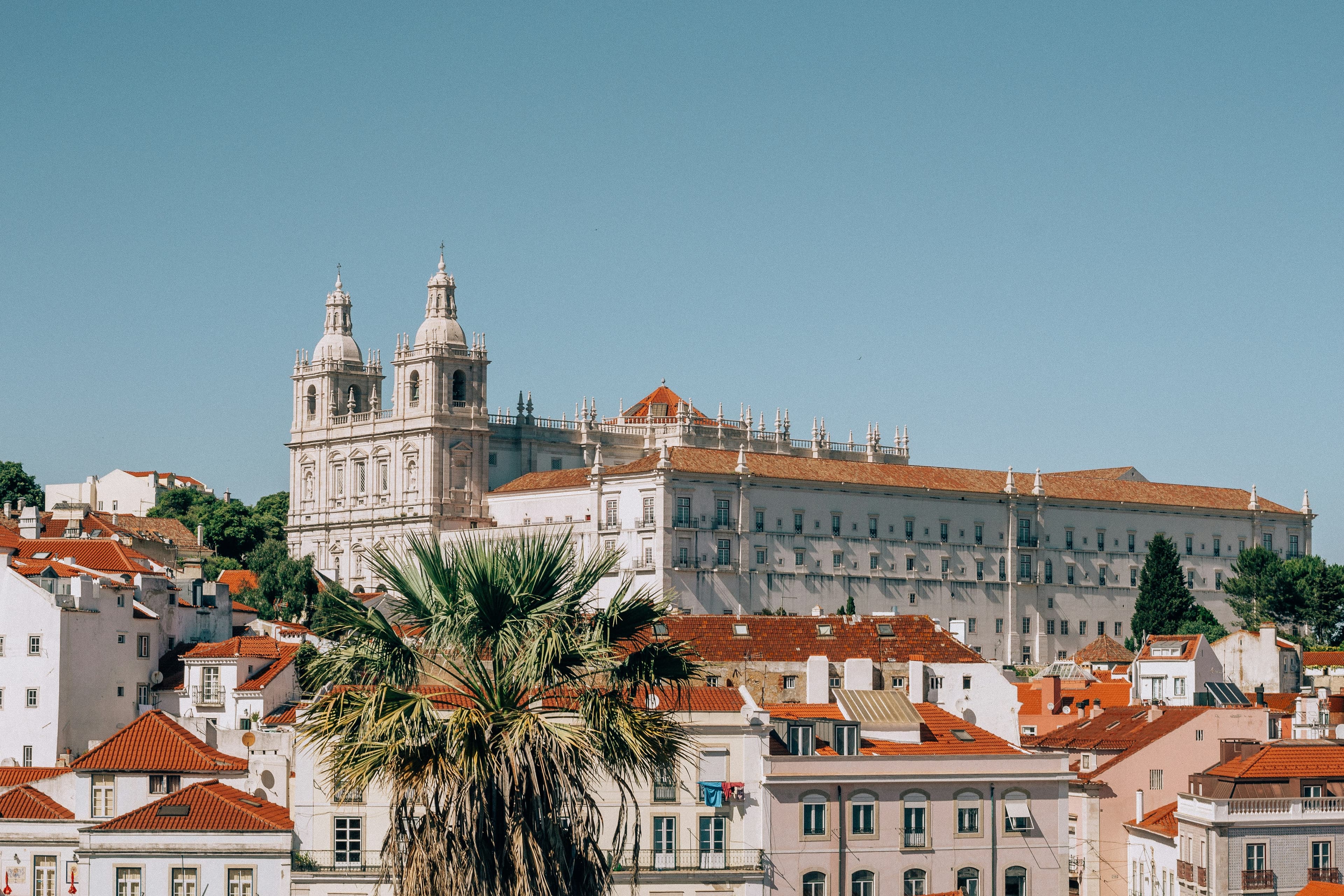
Lisbon & Porto
Portugal
Sunny, walkable, dense nomad scene
Best time: Apr–May, Sep–Oct
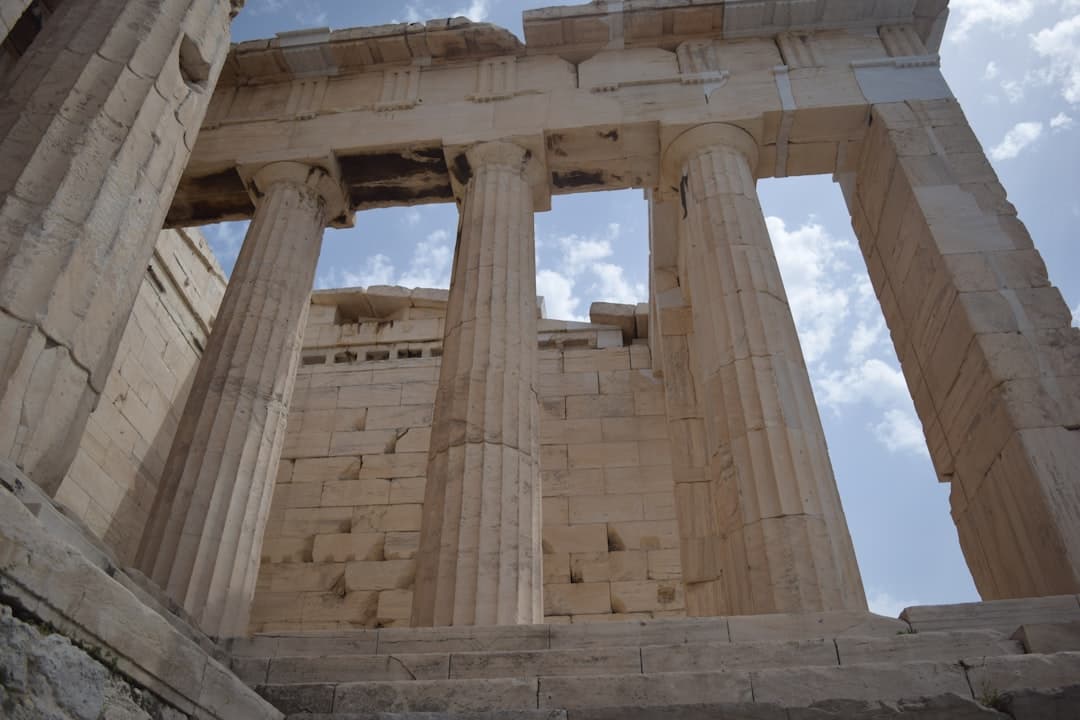
Athens
Greece
Ancient history + raw creative energy
Best time: Apr–May, Sep–Oct
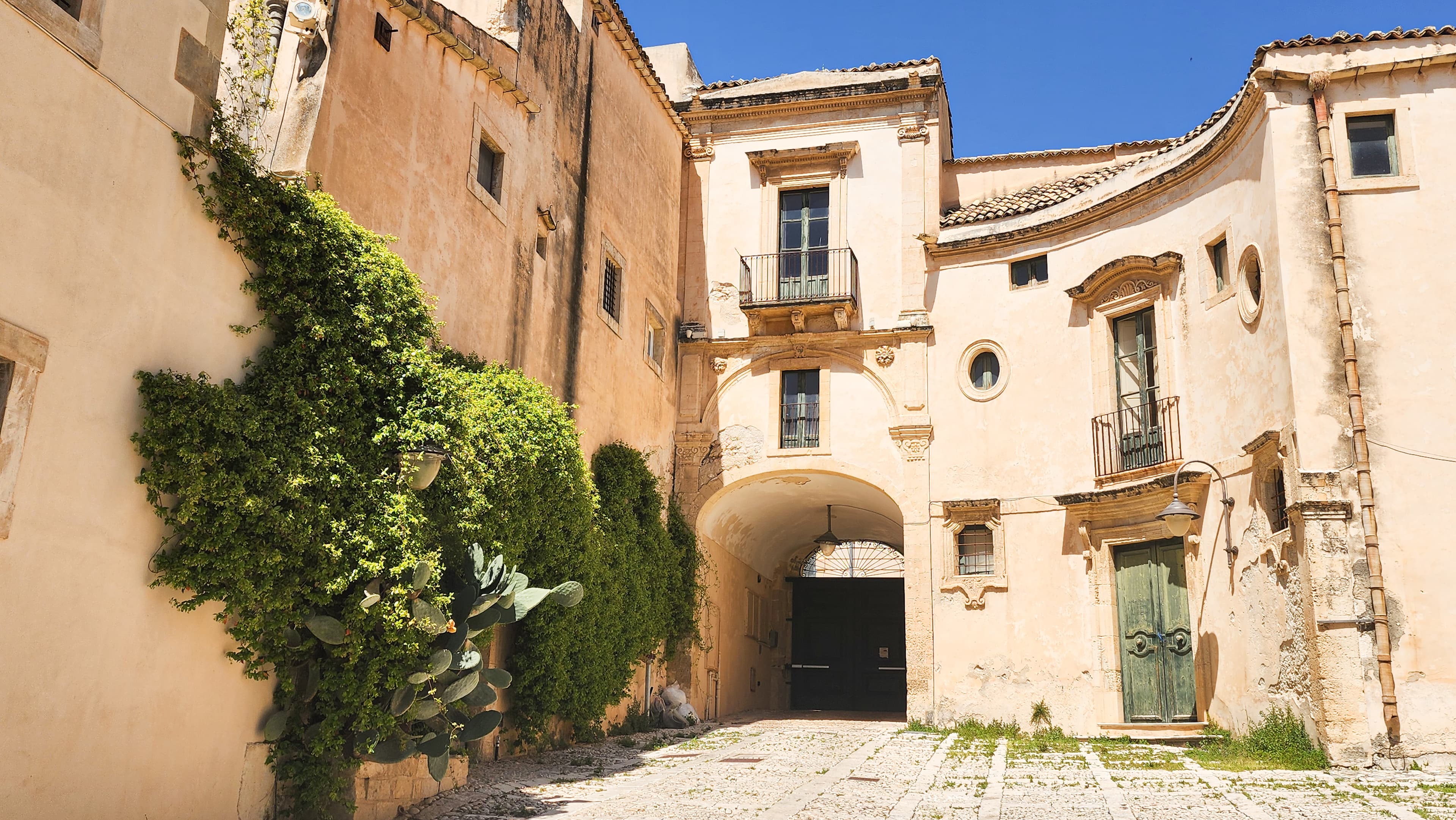
Sicily
Italy
Coastal, slow-paced, outstanding food
Best time: Apr–Jun, Sep–Oct
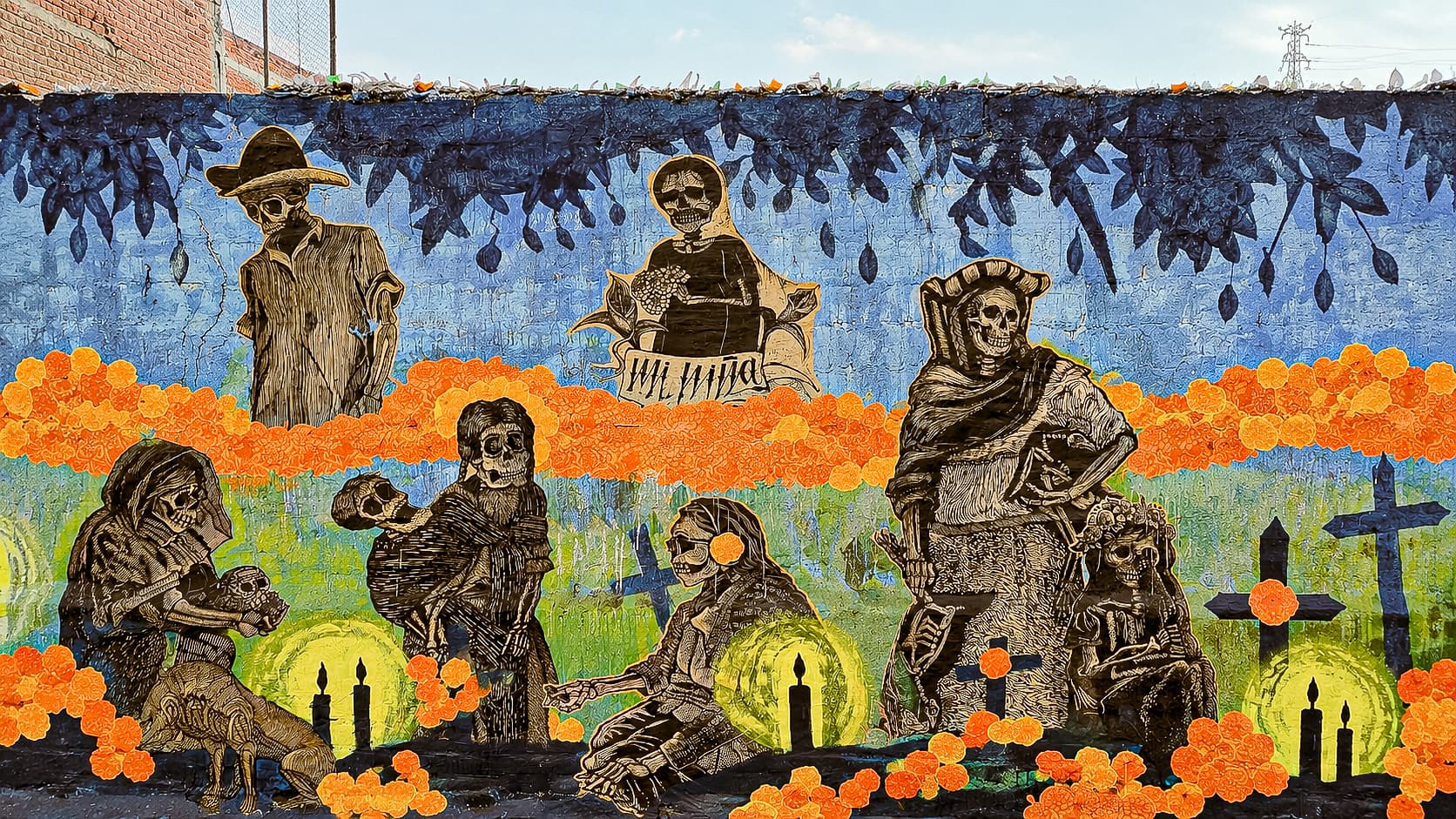
Oaxaca
Mexico
Artsy, walkable, mezcal & markets
Best time: Oct–Nov
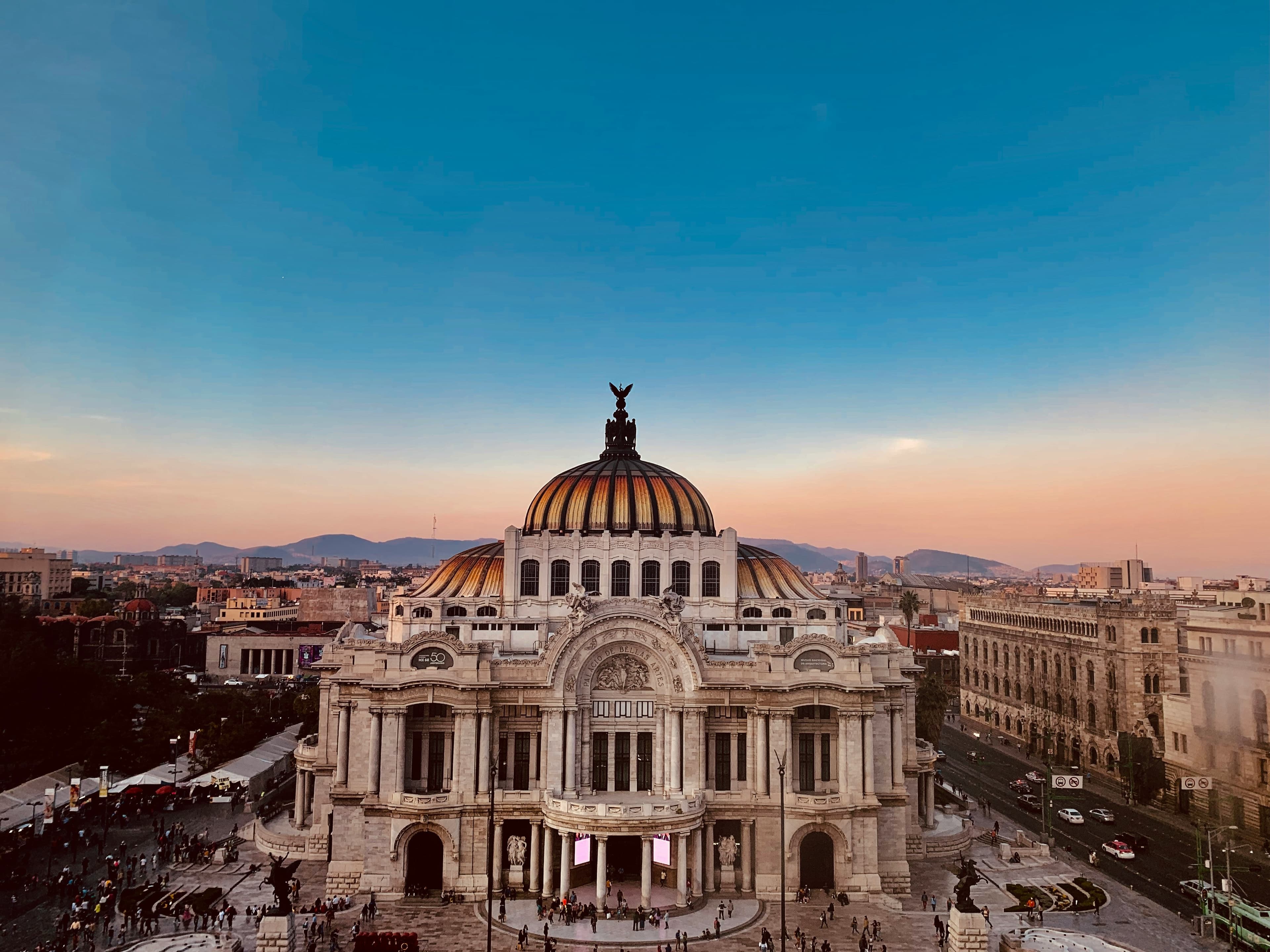
Mexico City
Mexico
Mega-city, world-class food & culture
Best time: Mar–May, Oct–Nov
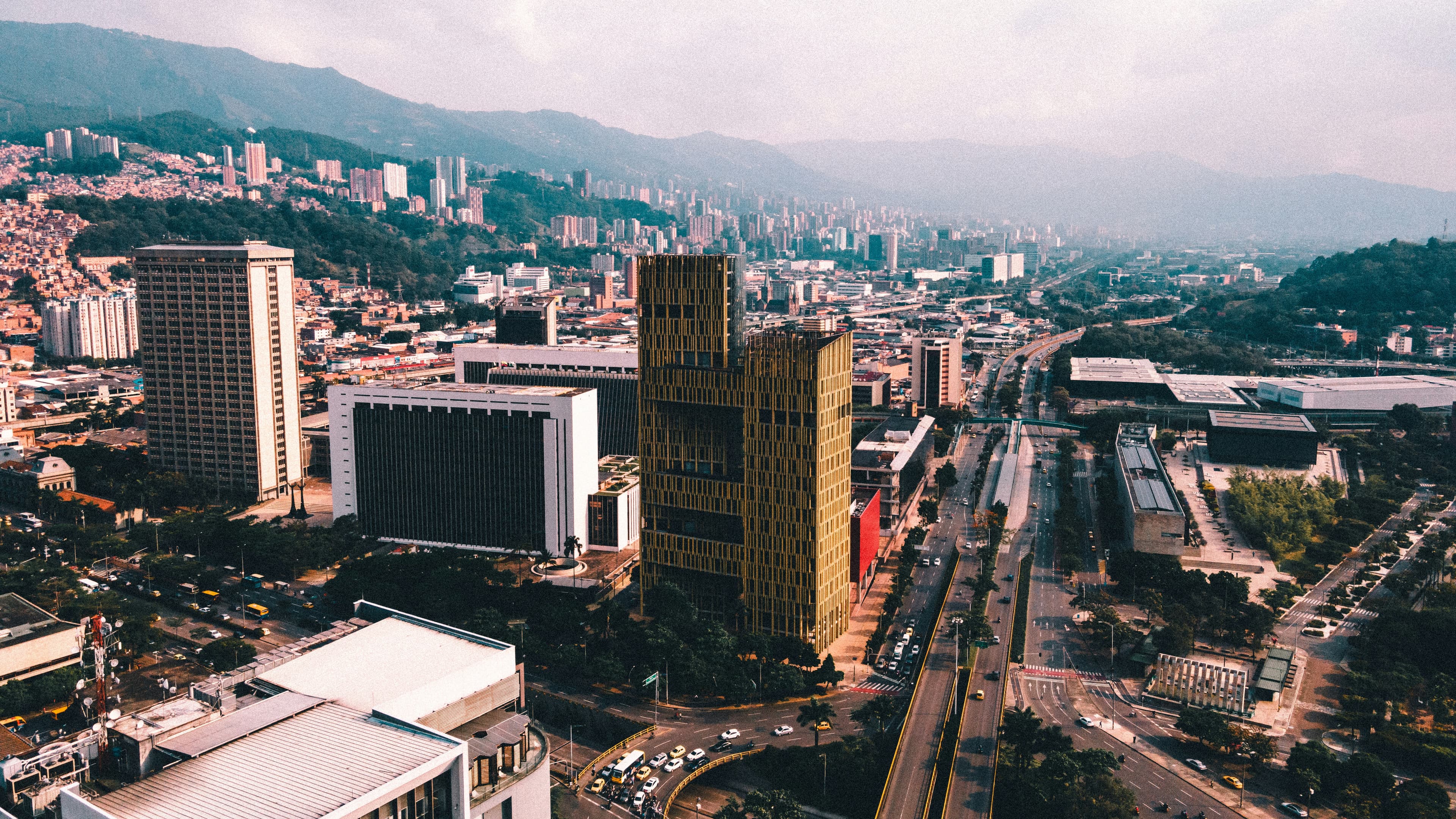
Medellín
Colombia
Eternal spring, vibrant, alert required
Best time: Dec–Feb, Jun–Aug
1. Lisbon & Porto, Portugal
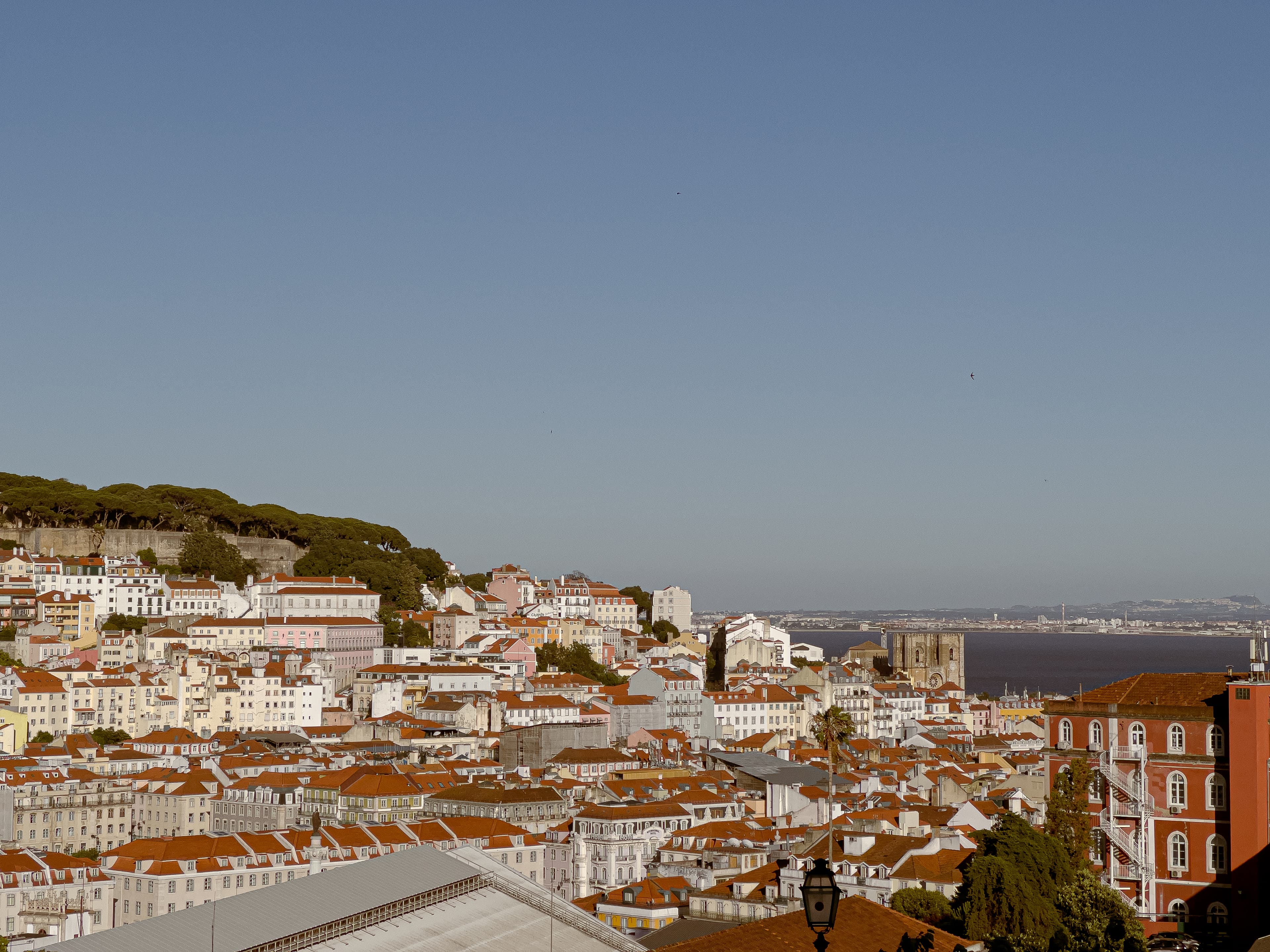
Lisbon established itself as a digital nomad hub by hosting Web Summit since 2016, which pulled together a network of tech workers, creatives, and freelancers with portable income. Coupled with the D8 visa, that gave strong incentives for nomads to base themselves here beyond the Schengen 90-day limit. An extended summer lasting from late April to early November, a cost of living lower than most Western European capitals, unique culture, and a dense nomad community that organises events, dinners, and co-working sessions year-round — Lisbon is hard to argue against.
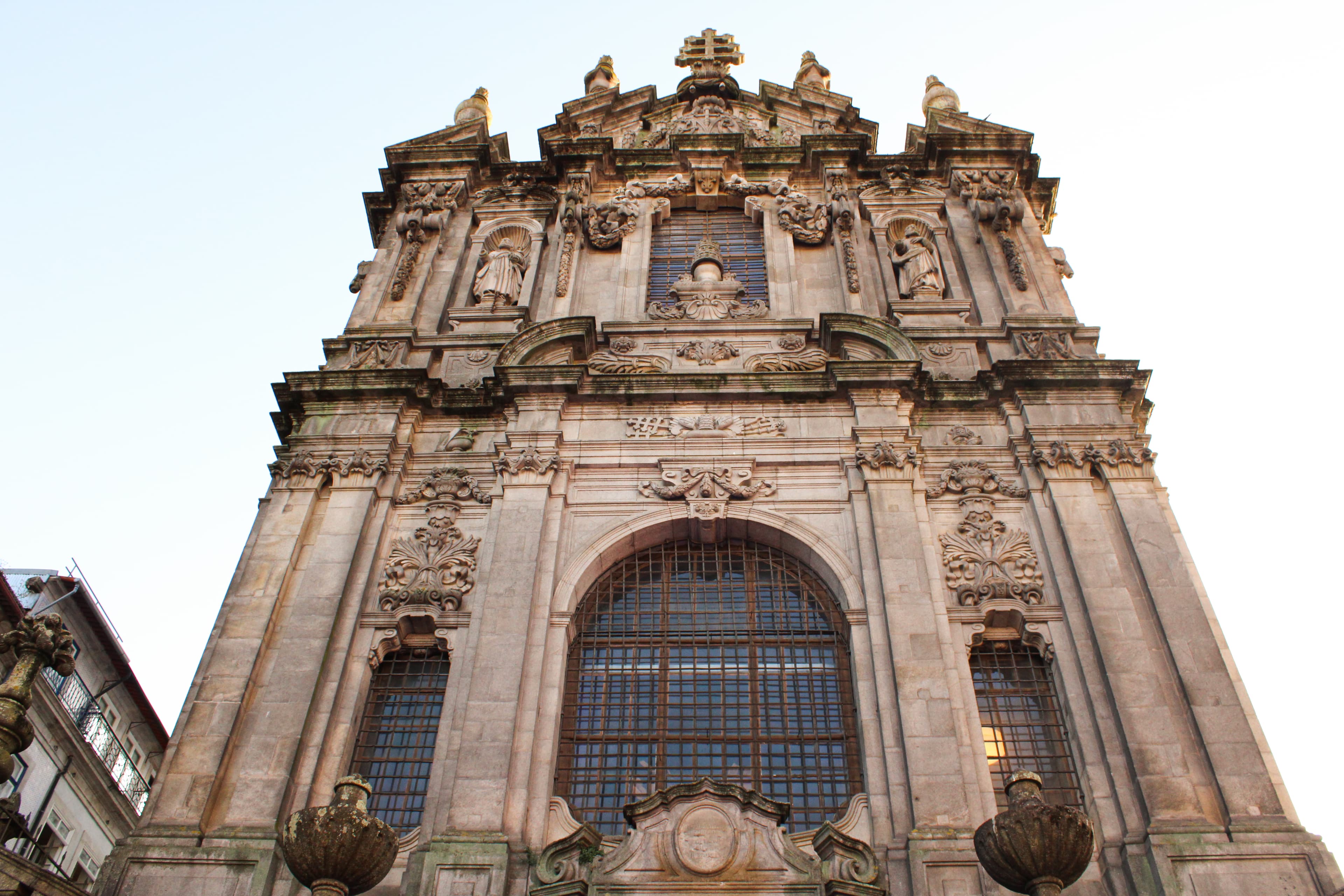
Porto grew into the second nomad hub of Portugal as Lisbon got expensive. It's smaller, more creative, slightly cheaper, and has preserved a charm that makes you feel like you stepped back in time when you reach the Ribeira riverfront. It has everything Lisbon has — pastéis de nata, local tascas, port wine cellars — plus modern cocktail bars and brunch spots without the tourist-to-local ratio flipping on you.
Where to stay in Lisbon & Porto?
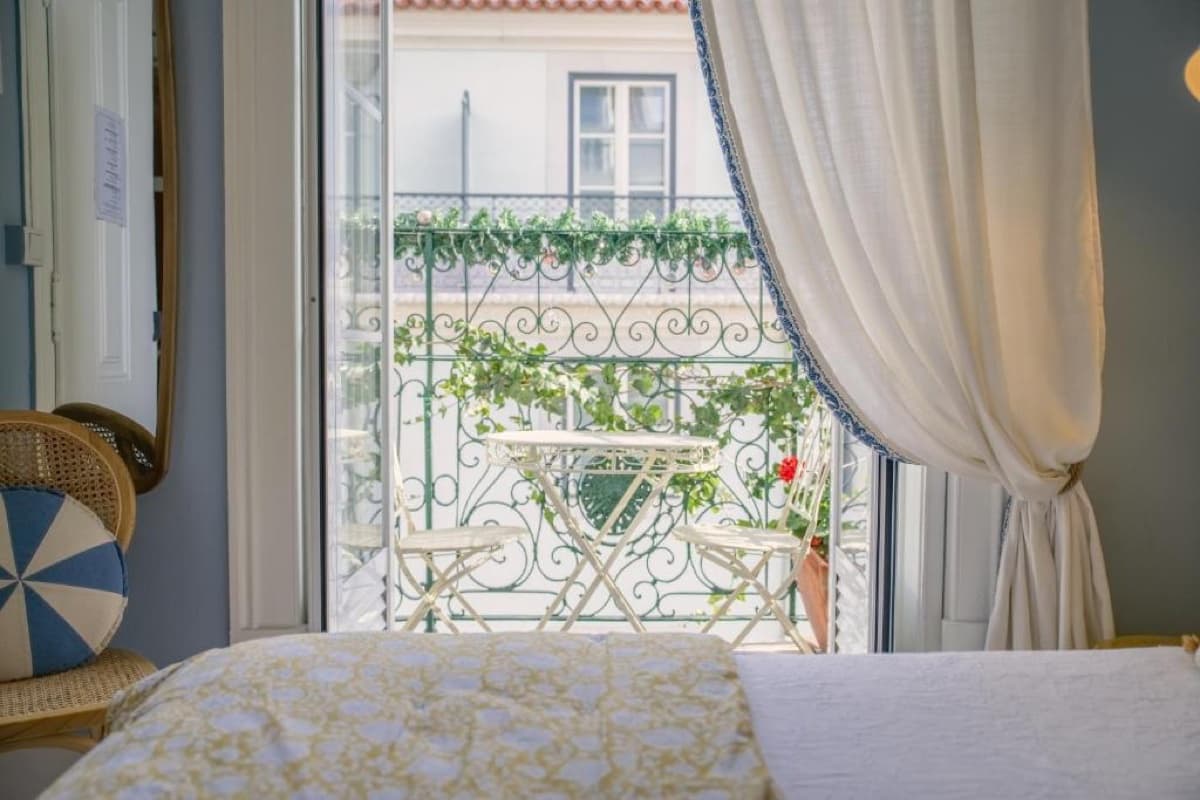
In Lisbon: Mouraria for a local, multicultural feel close to the centre; Príncipe Real for the most curated, design-forward neighbourhood; Intendente for an authentic, slightly edgier pocket that feels nothing like the tourist corridors. In Porto: Bonfim is the nomad sweet spot — walkable, creative, not yet overrun.
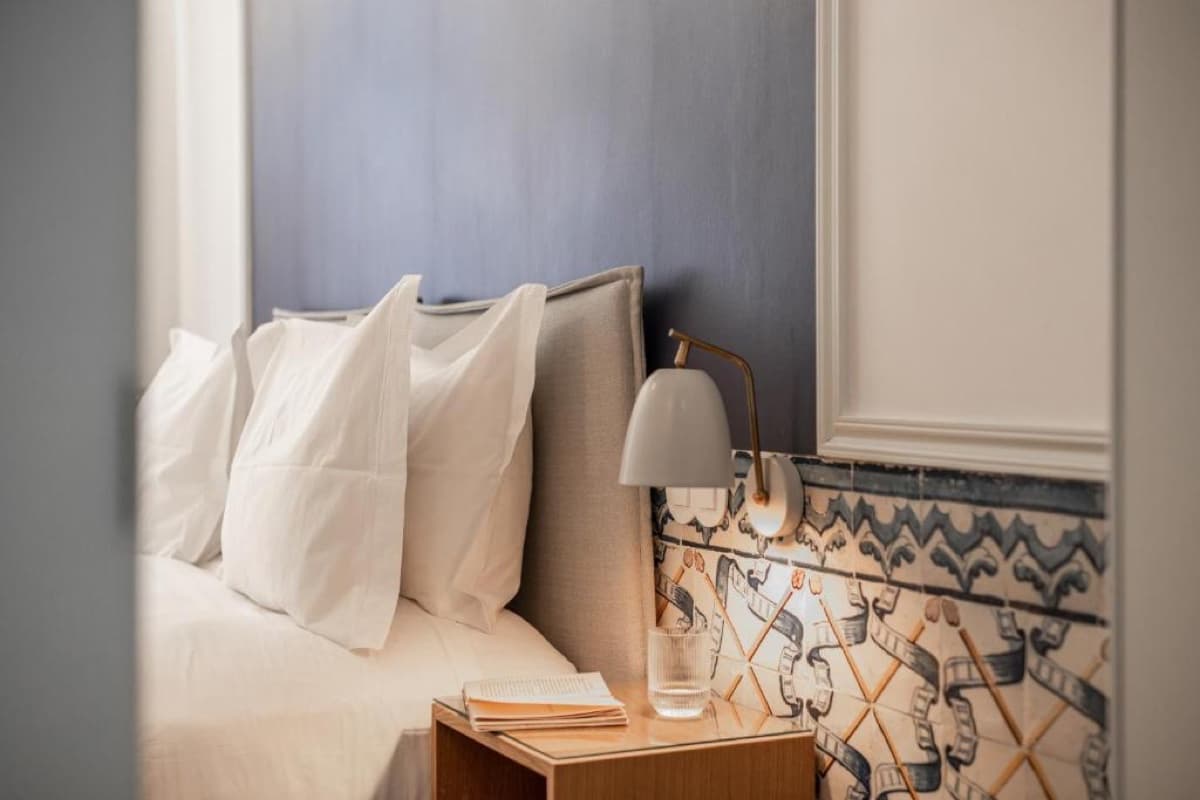
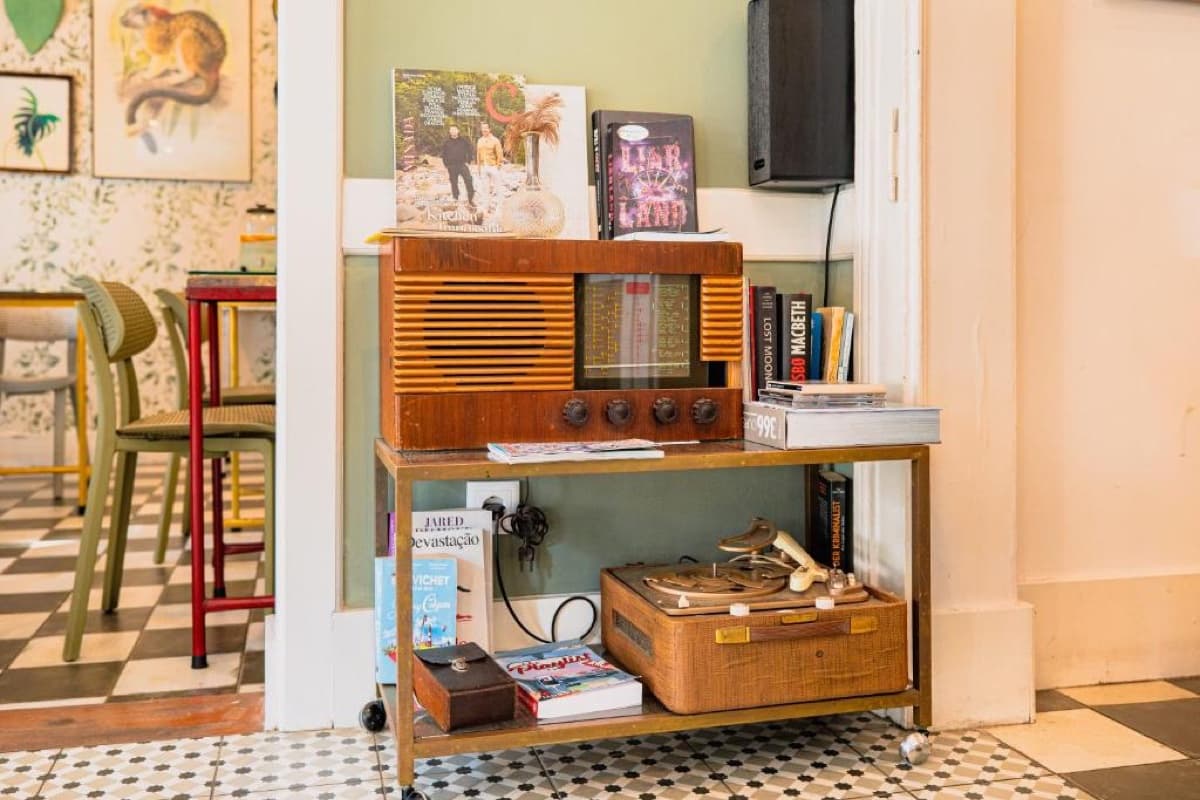
My favourite selected hotels
Safety
5.0 / 5. Both cities feel safe to walk around day and night. Pickpockets work Lisbon's Tram 28, Baixa, and the Alfama viewpoints — keep your bag in front, especially in summer. Violent crime is very rare.
Best time to visit
April–May and September–October are the sweet spot: warm enough for outdoor life, cheap enough to enjoy it. Summer (June–August) is hot, crowded, and expensive. November through February brings most of the rain.
Trade-offs
Central Lisbon rents have climbed to Western European capital levels — budget accordingly or look at Almada, Barreiro, or outer neighbourhoods. Both cities are built on steep hills with slippery cobblestone streets; comfortable shoes are non-negotiable. Porto gets significantly rainier and colder than Lisbon in winter.
Read more
2. Athens, Greece
Athens has become one of Europe's most compelling hubs for nomads and creatives — ancient history layered over gritty, contemporary culture. Unlike polished European capitals, Athens has a raw energy that's genuinely hard to find elsewhere. It's also one of the few capital cities where the Mediterranean is genuinely close, so beach runs and promenade mornings are part of a normal week rather than a day trip. The craggy limestone hills rising from the flat cityscape mean you don't need to leave the city for a proper urban hike.
Greece has a deep hospitality culture — you feel it in every interaction — which matters when you're settling in for a month or two rather than passing through. Athens also ranks second among European capitals in cafes per capita (397 per million inhabitants), which matters more than it sounds when you're building a laptop-friendly daily routine.
Where to stay in Athens?
Koukaki for the best laptop-friendly cafes, close to the Acropolis. Pangrati for creative, hipster energy and a neighbourhood feel. Exarchia for alternative and bohemian, raw and very local. Kolonaki for polished and upscale streets that feel the safest after dark.
Safety
4.0 / 5. Athens is generally safe for visitors and remote workers. Violent crime is very low, and street life stays active late into the night. Pickpocketing is common on the Metro (especially the airport line to Syntagma/Monastiraki) and in tourist areas. Omonia Square, Victoria, and parts of Metaxourgeio can feel sketchy after dark due to open drug use.
Best time to visit
April–May and September–October — warm enough to enjoy outdoor dining and ancient sites without heatwaves. Spring has wildflowers and low crowds; early autumn has warm seas and no peak-season chaos.
Trade-offs
July–August bring consistent 35–40°C heatwaves. The coworking scene is smaller and more fragmented than Lisbon or Bali — spaces like Stone Soup and Impact Hub exist, but the setup isn't seamless. Vet your accommodation's Wi-Fi before booking.
3. Sicily, Italy
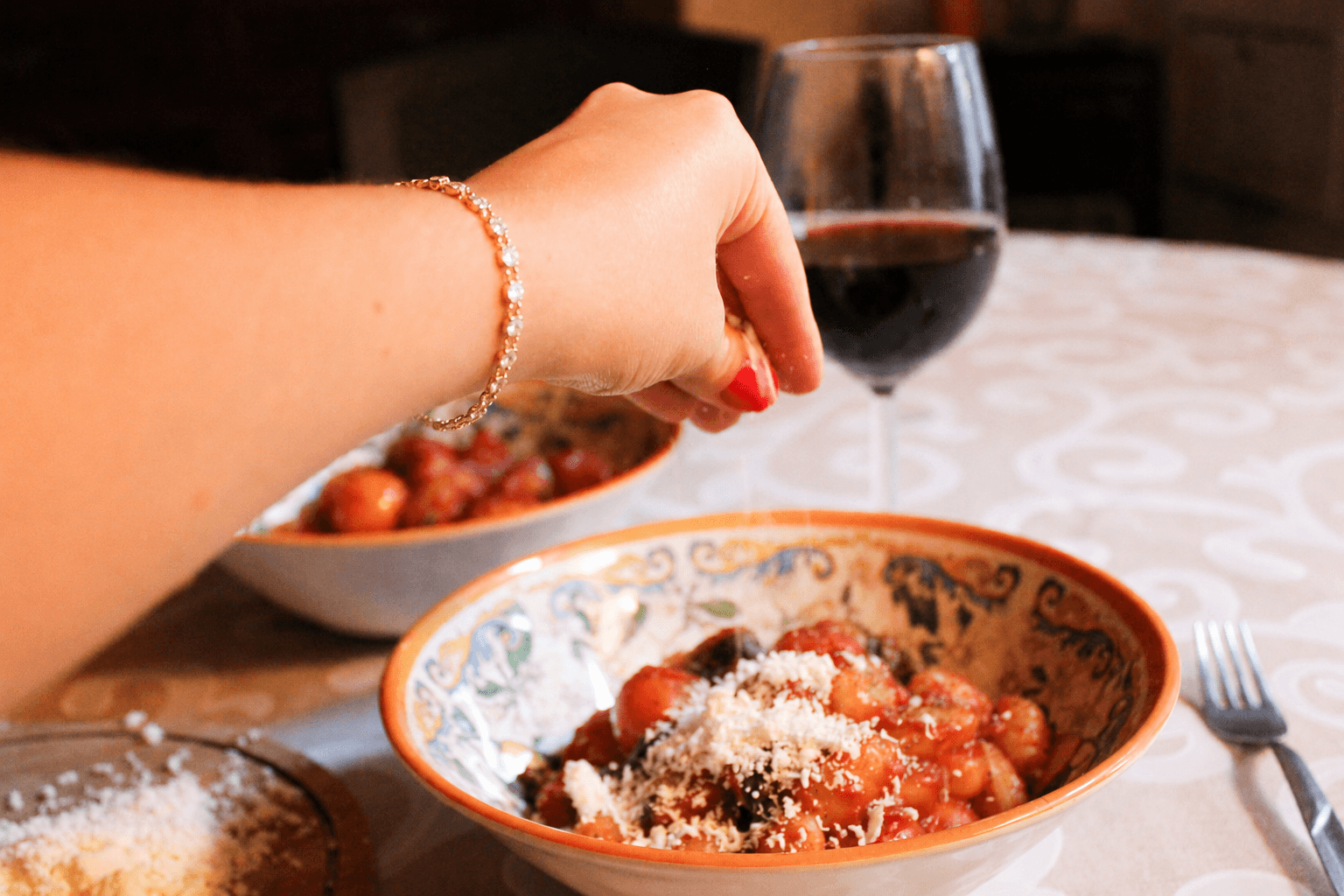
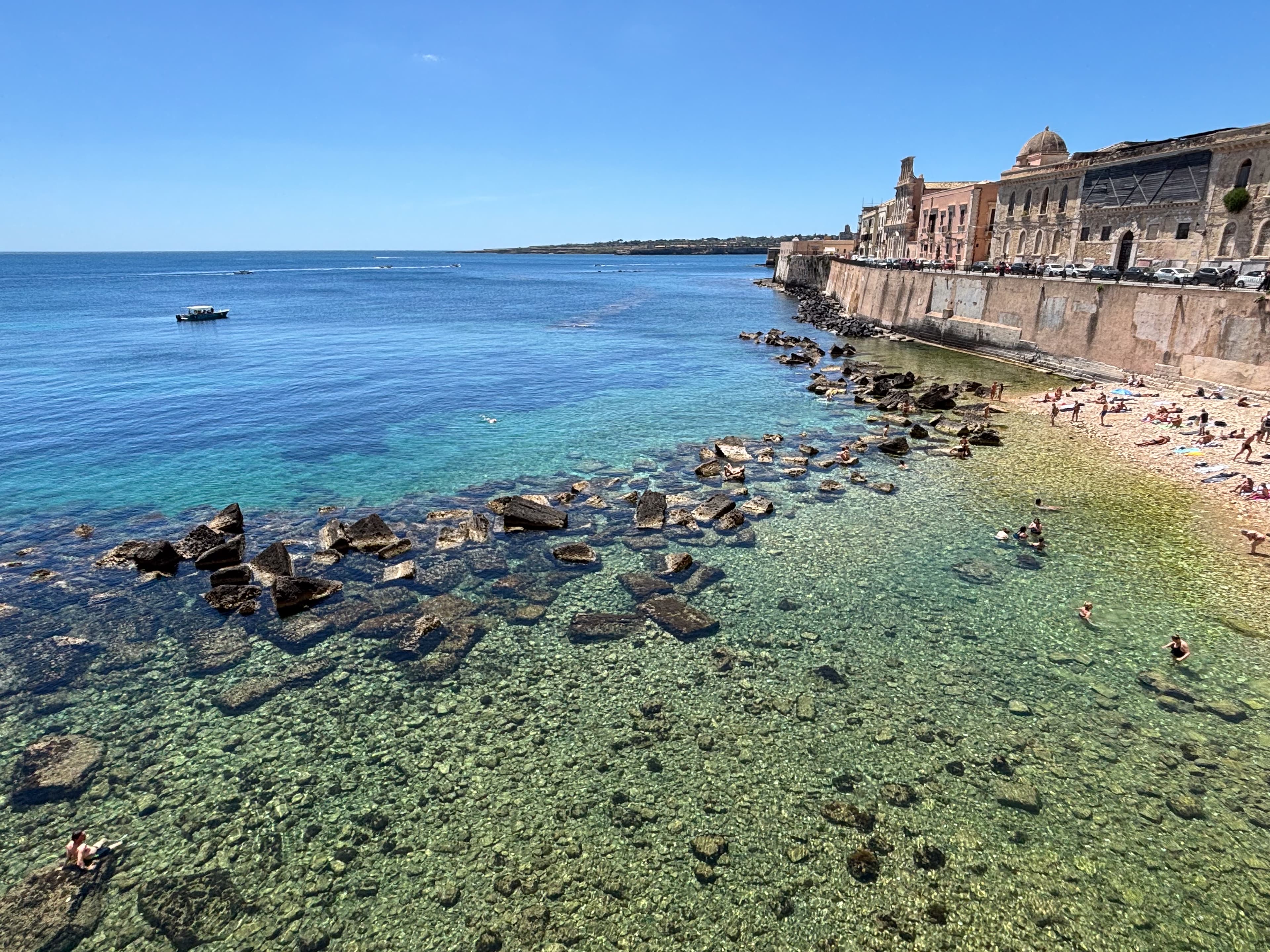
Sicily has been drawing visitors for decades with its cultural depth and outstanding food. Nomads started arriving more recently, and it's obvious why: rent, daily espresso, market-fresh produce, and eating out cost a fraction of mainland Italian prices. The rhythm of life forces you to slow down — post-work hours revolve around swim breaks in turquoise water, evening passeggiata, and long late dinners with arancini, cannoli, and fresh seafood that tastes completely different from anything you get elsewhere.
I spent a month living in Ortigia, Syracuse, last spring and fell in love with it. The light is different there. The pace is different. If you've been bouncing between fast-paced nomad hubs and feel burned out, Sicily is the reset.
Where to stay in Sicily?
Palermo for a growing remote worker community and the most urban feel. Catania for energetic grit, a tech-friendly scene, active nightlife, and quick access to Mount Etna. Ortigia (Siracusa) for the most relaxed option — stunning sea views, a slow pace, and a small town that's easy to navigate on foot.
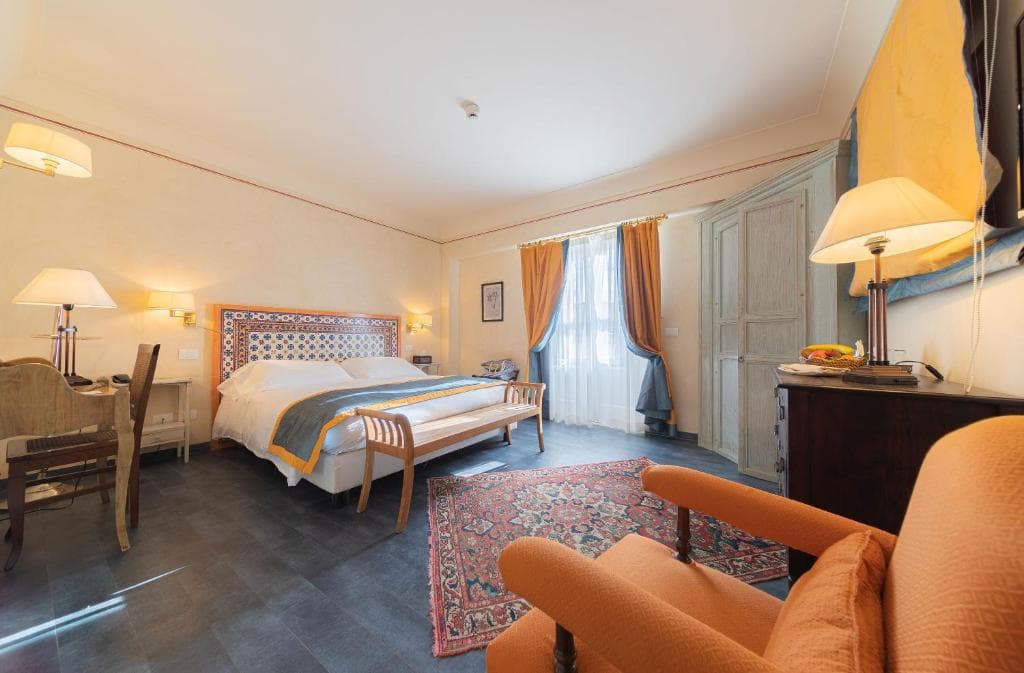
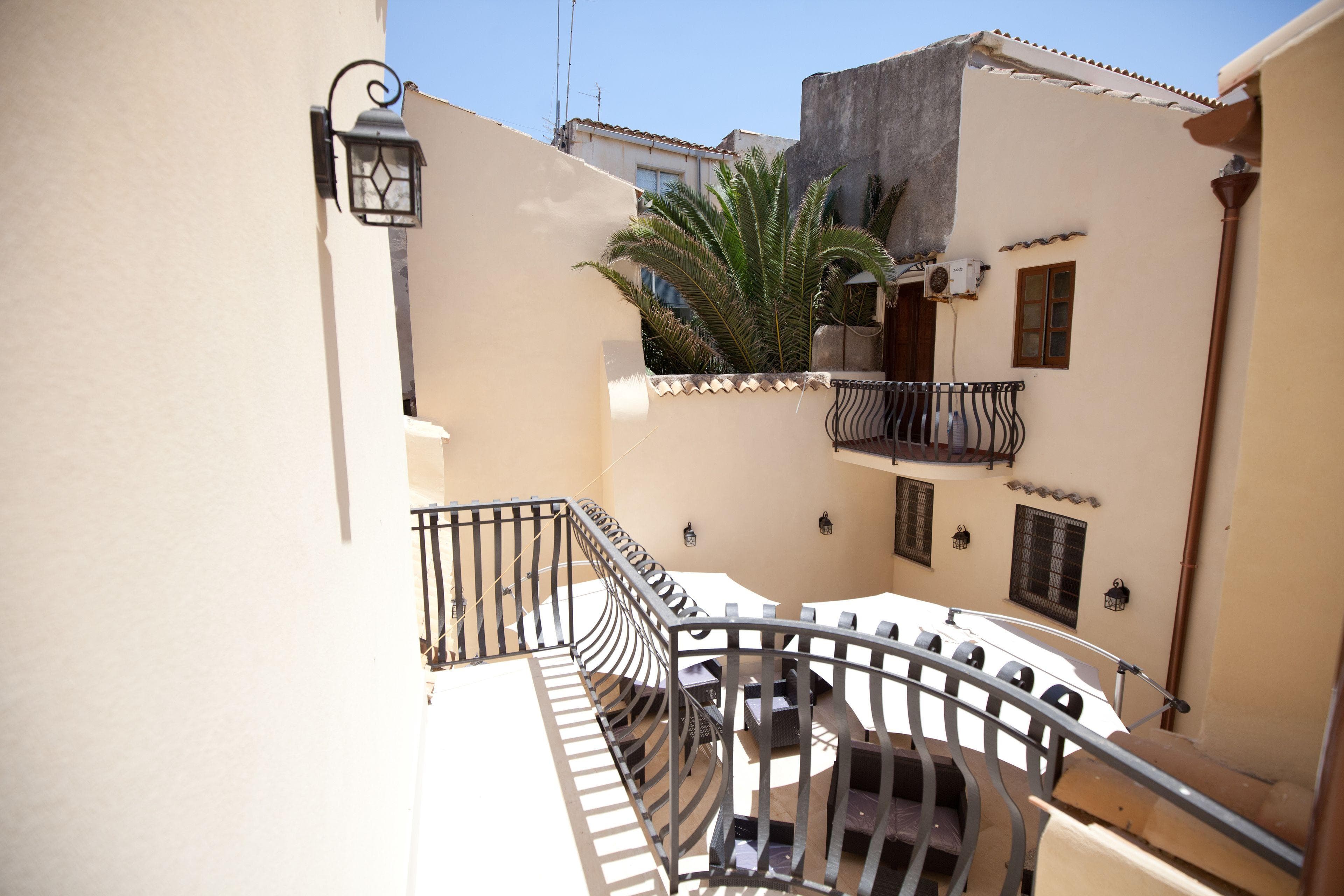
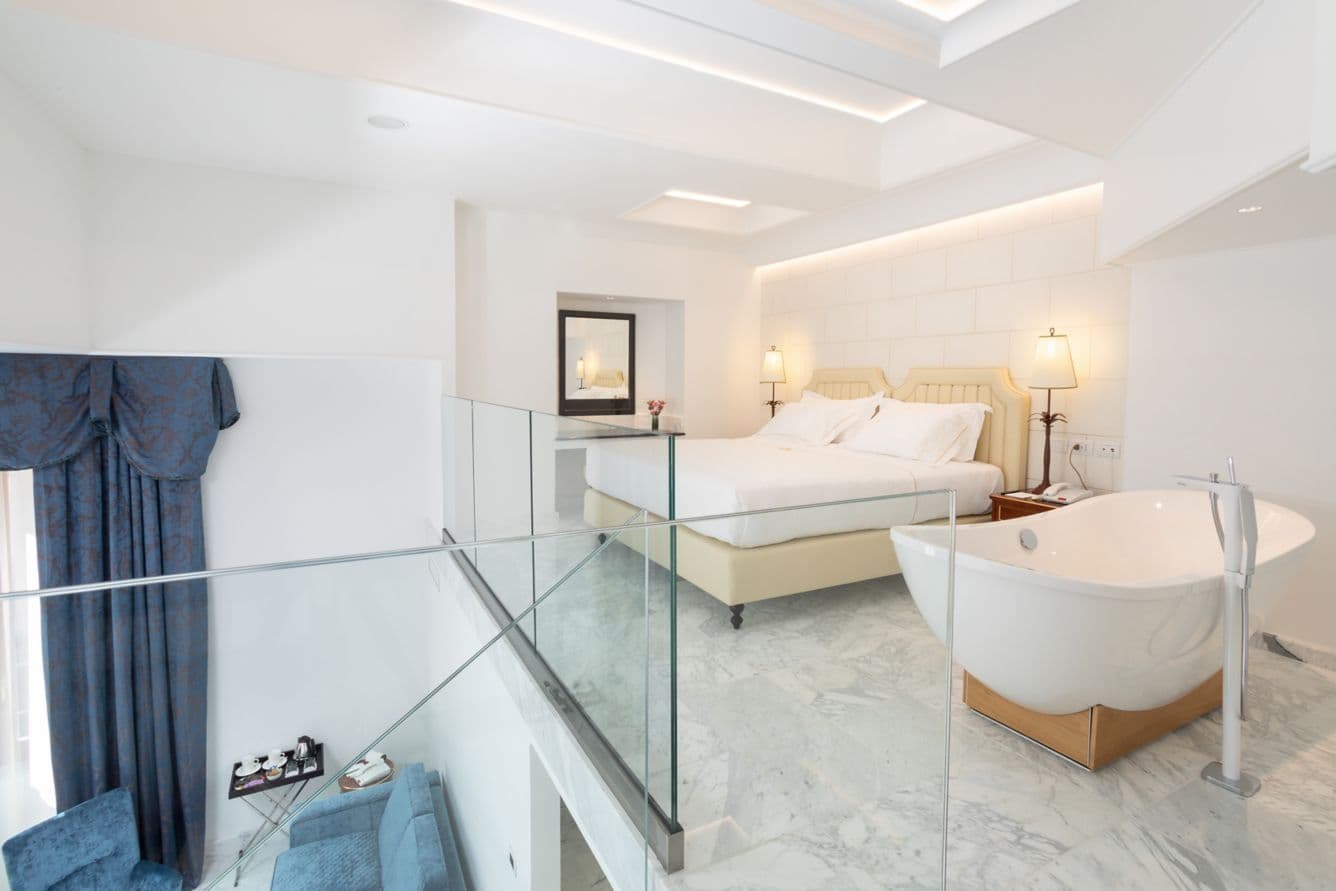
My favourite selected hotels
Safety
4.0 / 5. The mafia stereotype doesn't affect tourists or visitors in any meaningful way. Well-lit central districts with outdoor dining are safe late into the night. Standard street smarts apply on dark side streets and around central train stations late at night.
Best time to visit
April–June and September–October — wildflowers in bloom, warm coastal weather, and empty historic sites before summer crowds arrive. Spring is particularly beautiful.
Trade-offs
Buses and regional trains can be slow or unreliable — I've been in many situations where the schedule wasn't accurate or the connection didn't exist. A car is essential if you want to explore freely. Come with patience for siesta closures and the general slower pace of life.
Read more
4. Oaxaca, Mexico
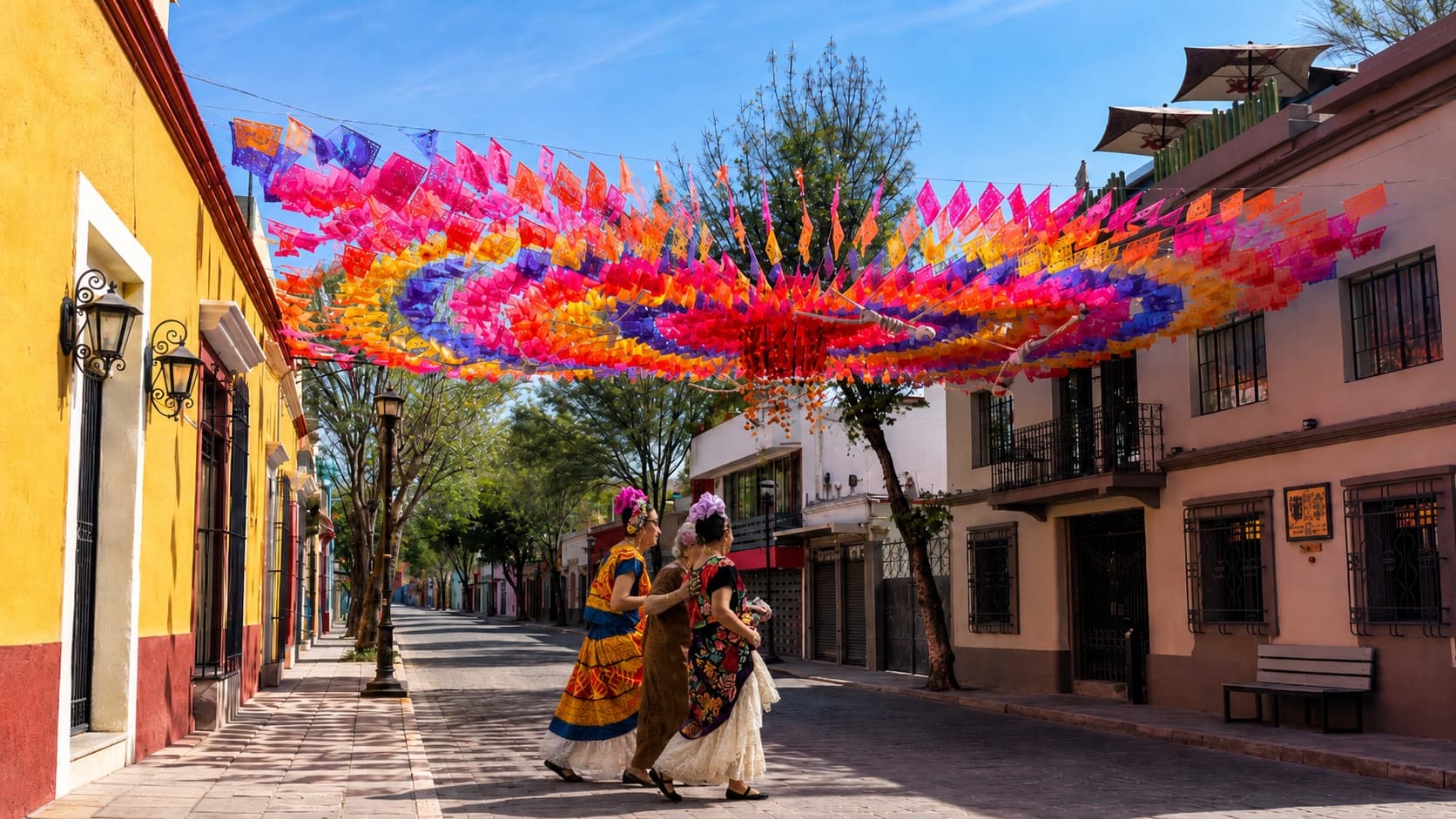
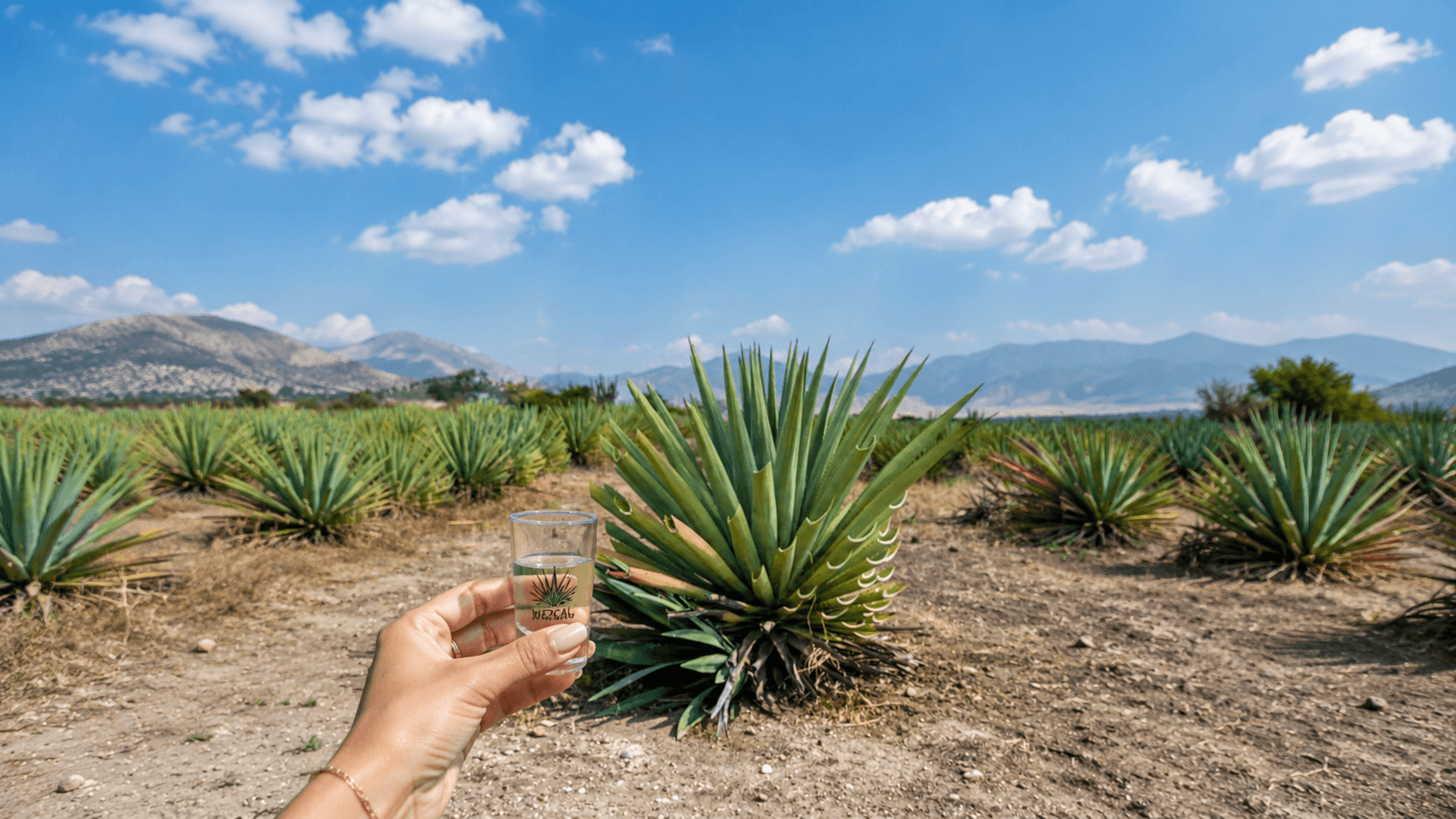
Oaxaca City started attracting remote workers partly because it's one short flight from most US cities. But proximity alone doesn't explain why people keep going back. It has world-class restaurants and food stalls, an artistic pace of life, established coworking spaces like Céntrico and Selina, and a warm international creative community that quickly makes it feel like home. Rooftop mezcal bars, historic markets, ceramic showrooms, local textile brands — it's extremely walkable and full of things to discover slowly.
October and November are the best months — the weather is ideal, and if your timing is right, you witness the preparations and celebrations for Día de los Muertos, which is one of the most visually stunning things I've seen anywhere.
Where to stay in Oaxaca?
Jalatlaco for an artsy, colourful, calm and village-like feel — Instagram-famous for good reason. Centro Histórico for vibrant, historic, loud energy right in the heart of everything. Barrio de Xochimilco for a quieter, more local pocket away from the tourist centre.
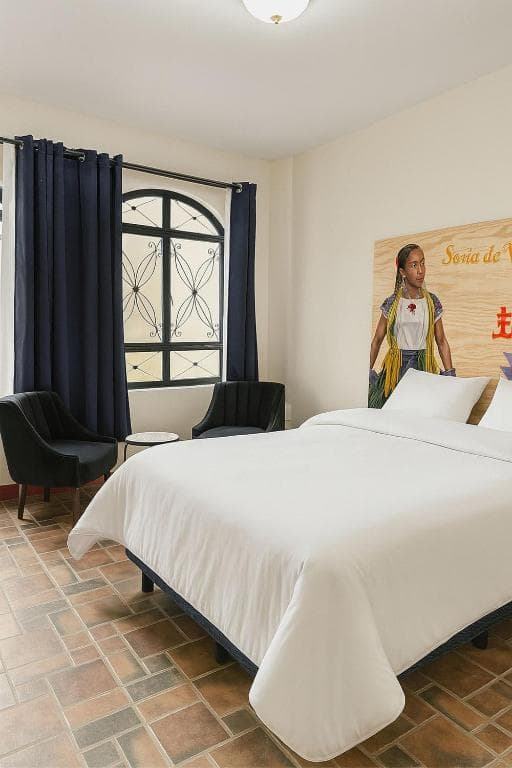
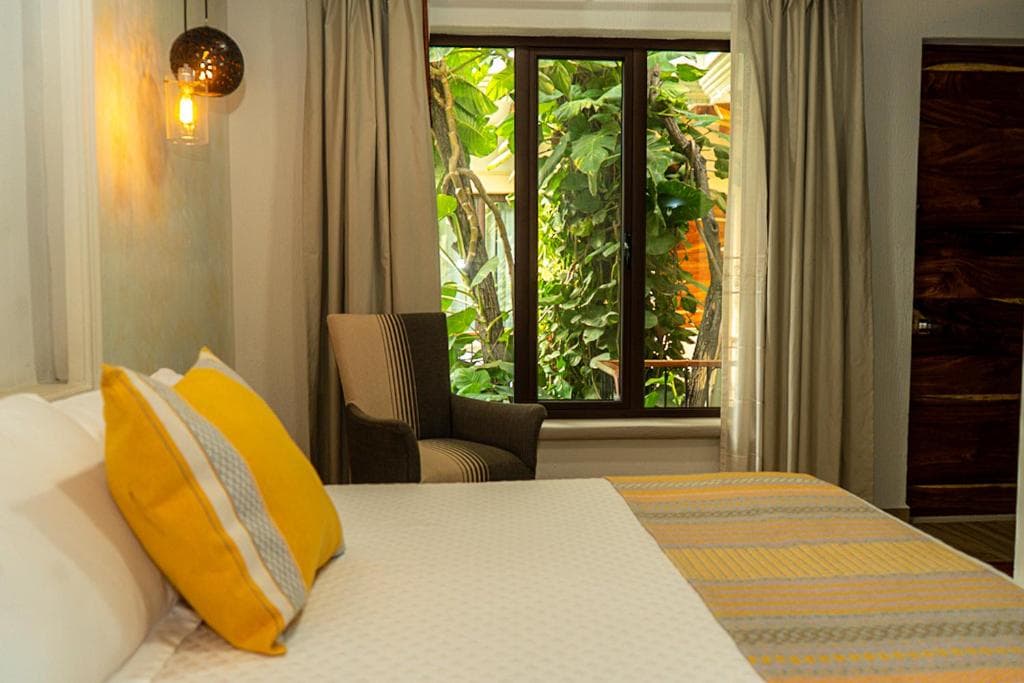
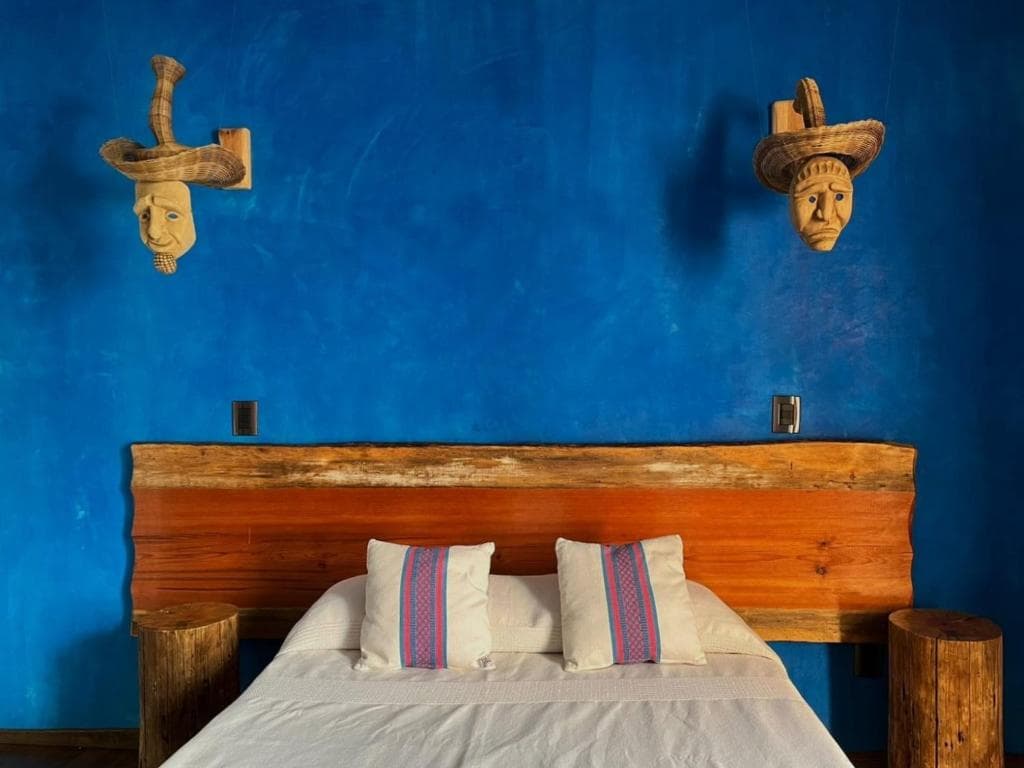
My favourite selected hotels
Safety
4.3 / 5. Widely considered one of the safest state capitals in Mexico for tourists and expats. I have never felt unsafe there. Pickpocketing in crowded markets like Mercado de Abastos is the main issue, but it's relatively rare.
Best time to visit
October–November for Day of the Dead and ideal fall weather. March–May is also excellent — warm, dry, and buzzing with creative energy before the summer rainy season.
Trade-offs
Remote infrastructure can be patchy — coworking spaces with fiber or generator backup are your best bet for reliable video calls. The city is noisy with celebrations, music, festivals, and traffic; noise-cancelling headphones are worth packing.
Read more
5. Mexico City, Mexico
Mexico City is one of my all-time favorites for long-term nomadic living. I've spent a lot of time here — it's been a regular reunion spot for my husband's family, and I know the city well. It's a flagship mega-city: world-class gastronomy, dozens of avenues for cultural depth, top-tier remote infrastructure, and a massive international creative community. You can find $1 tacos and Michelin-starred restaurants on the same street. It sits at 2,240 meters altitude, which you feel in your breath immediately, but the climate is mild and warm year-round.
Where to stay in Mexico City?
Roma Norte and Roma Sur for hip, artsy, tree-lined streets full of specialty coffee and the best-rated restaurants. La Condesa for a leafy, relaxed, dog-friendly Art Deco neighbourhood. Polanco for sleek, high-end, ultra-safe streets — the best option if you prioritise security above all.
Safety
3.8 / 5. Safety in CDMX varies heavily by neighbourhood and street. Keep your phone off restaurant tables; watch your bag; don't keep valuables visible near busy streets. Avoid wandering alone late at night in Centro Histórico side streets, Doctores, Tepito, or La Merced without local guidance.
Best time to visit
March–May for the warmest, driest weather. Late October–November for Day of the Dead celebrations, which in CDMX are spectacular. December is festive and pleasant.
Trade-offs
The rainy season (June–September) brings heavy afternoon downpours almost daily. Air pollution is noticeable in the dry spring months. The city sits in an active earthquake zone — worth knowing what to do when the seismic alarm sounds.
6. Medellín, Colombia
Medellín is called the City of Eternal Spring for a reason — year-round temperatures of 22–26°C (72–79°F), no need to own a winter coat or pack a fan. Add fast fiber internet (100–300 Mbps widely available), world-class cafe culture, dedicated coworking spaces, and a high-energy local Paisa culture, and you have one of the most popular Latin American long-term home bases for nomads from the US and worldwide. The mountain landscape is dramatic and beautiful.
Where to stay in Medellín?
Laureles for a leafy, walkable, nomad-dense neighbourhood with a more local feel than El Poblado. El Poblado for an upscale vibe with international dining, high-end coworking spaces, and the densest concentration of other expats.
Safety
3.0 / 5. Medellín requires higher situational awareness than most places on this list. Violent crime targeting remote workers in mainstream zones is relatively uncommon, but opportunism, petty crime, and targeted scams are persistent risks. This is a place where staying alert becomes part of the daily routine.
Best time to visit
December–February and June–August are the drier months with the most comfortable weather. The two rainy seasons (March–May and September–November) bring heavy afternoon downpours.
Trade-offs
The constant need to stay alert can feel draining over time. Drink-spiking incidents and scams on dating apps mostly target male travelers but remain a city-wide advisory — never leave a drink unattended and meet dates in busy public places.
Final Words
Choosing the next place to go and committing to stay longer is hard — I know how hard it is to weigh all the pros and cons, find the right match, and commit to months of solo travel as a female traveller. The anxiety of not knowing whether you'll find your people, making sure you're landing in a safe neighbourhood, keeping access to the things you love — the workouts, the coffee ritual, whatever keeps you grounded. That's all admin work, and I do it every single time.
And every single time I actually land somewhere new, I couldn't be happier I pulled the trigger and got on that plane.
I hope this article clears up some of the uncertainty and takes a bit of that admin off your plate. If you're new to this and still have questions, don't hesitate to reach out — I'm happy to answer.
xoxo, Daria
@gonomadbabeYou may also like
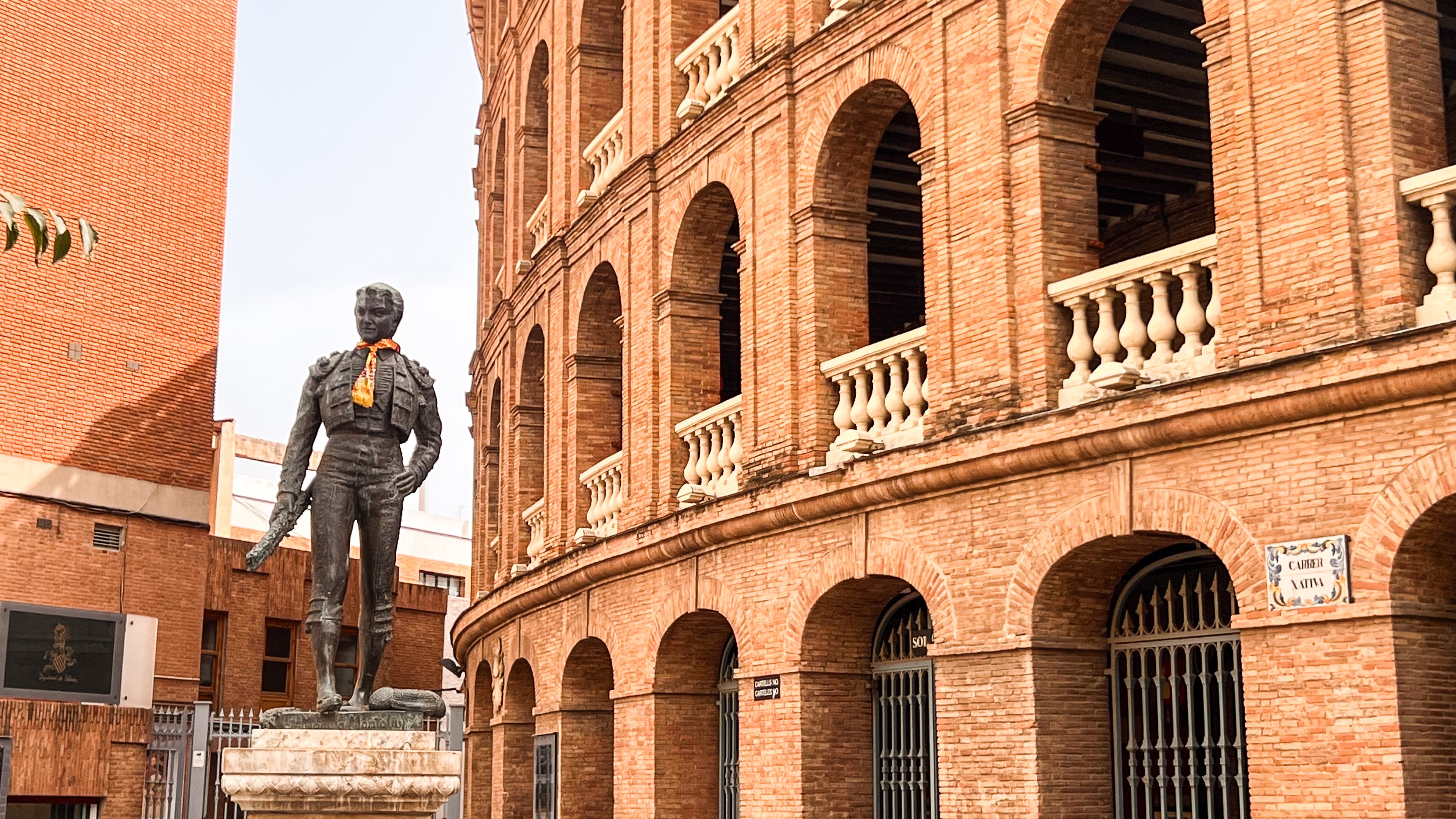
Is Valencia Safe for Solo Female Travelers?
Best Coffee Shops to Work From in Antigua, Guatemala
The Honest Weekend Guide to the Aeolian Islands
Some of the links on this site are affiliate links. This means I may earn a small commission if you purchase them at no extra cost to you. I only recommend things I genuinely use or believe in.