
Spain | Valencia
Is Valencia Safe for Solo Female Travelers? Areas to Avoid, Risks & Safety Reality
Last updated: October 8, 2026
I've been traveling solo for a while now, and the most persistent concern has always been safety. Whenever I arrive somewhere new, I want to know which areas call for extra caution, what scams are circulating around the tourist spots, and what specific precautions to take. This summer I stayed in Valencia across different neighborhoods — and when I was planning the trip, I did extensive research on every part of the city. Since I had a hard time finding any relevant, up-to-date guides, this article breaks down what I found and what I actually observed on the ground.
Valencia Safety Snapshot
Overall Solo Female Safety Index
Exceptional
Night Walkability Score
Safe along main lit thoroughfares
Solo Comfort Score
Very low unwanted attention
Pickpocket & Scam Risk
Moderate around central tourist hubs & beach dining
Safest neighborhoods: Ruzafa, L'Eixample, Gran Vía, Ciutat Vella
Primary risk: Opportunistic phone theft on outdoor terraces & beach blanket unattended items
In this article
The Quick Verdict
Valencia is statistically one of the safest major cities in Europe for solo women — and it feels that way on the ground. While it shares the Mediterranean sun, historic architecture, and culture with its neighbor Barcelona, the safety reality is vastly different.
Violent crime targeting tourists in Valencia is almost non-existent. Pickpocketing happens primarily during massive festivals like Fallas, or through basic opportunistic distractions — like someone sliding an unattended phone off a cafe table while you look away.
If you're still comparing cities, our guide to the best solo female travel destinations breaks down safety scores, costs, and nomad communities for six cities worldwide — useful context before you decide where to base yourself.
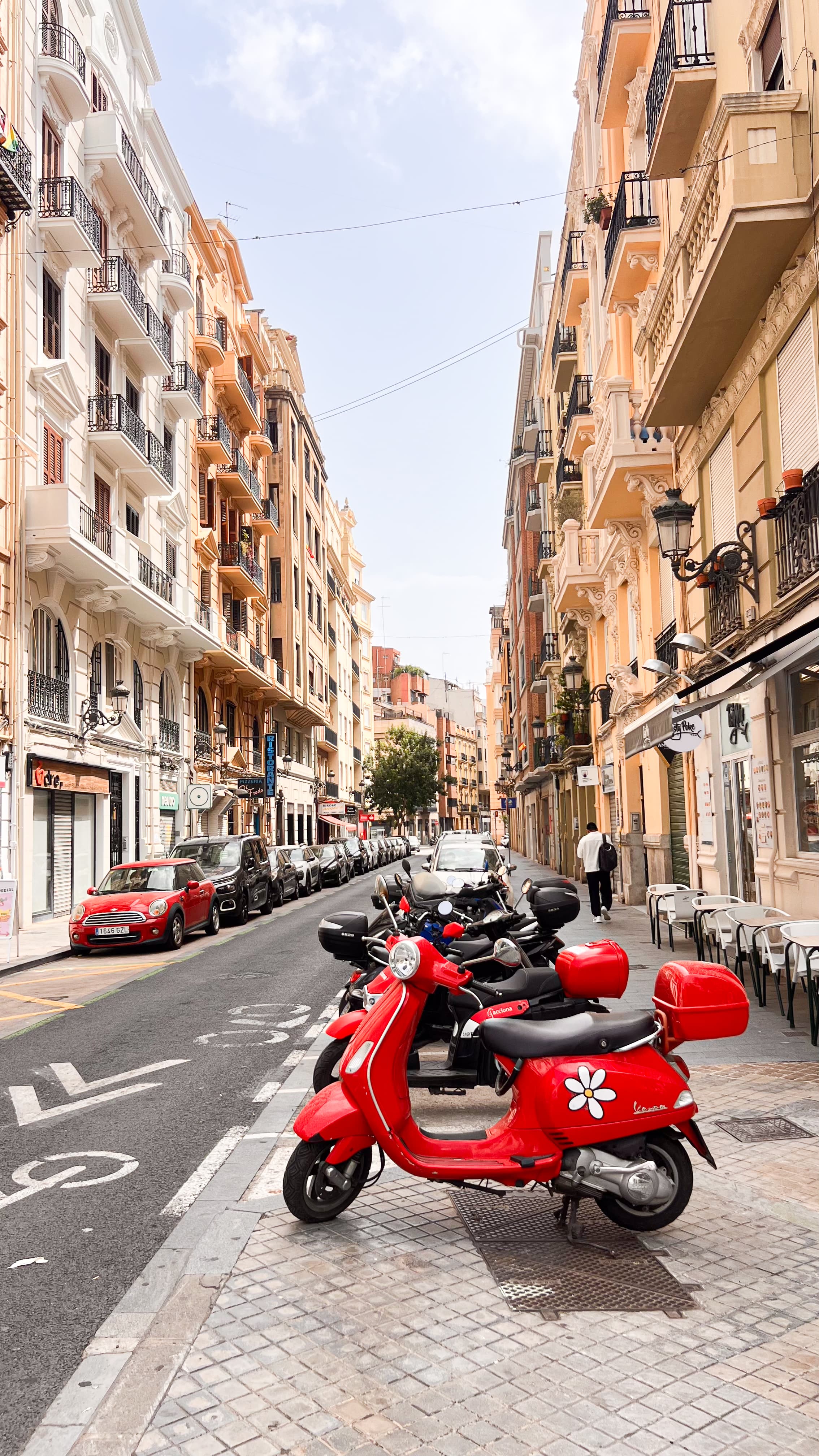
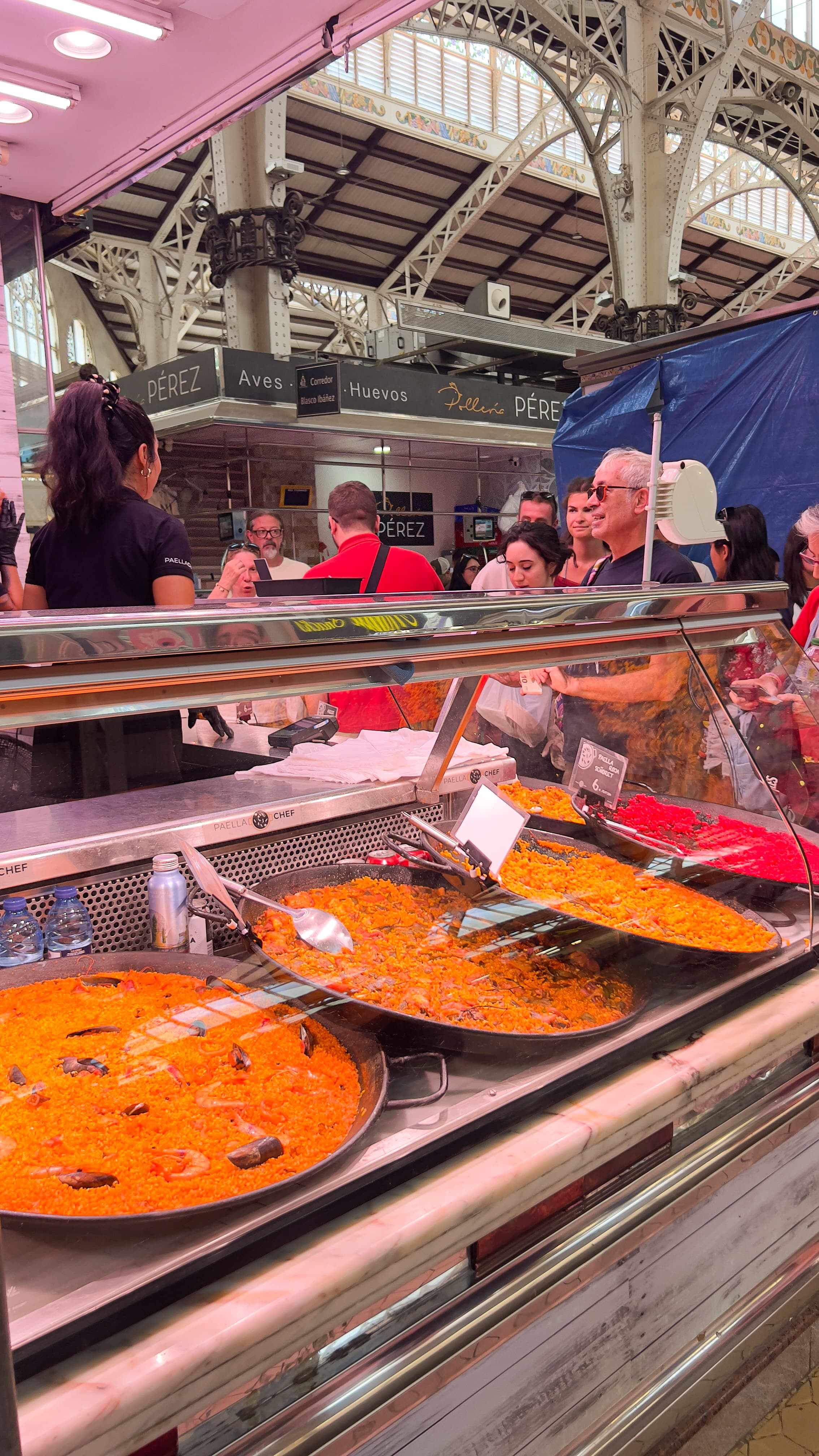
The Time-of-Day Safety Shift Matrix
Safety in any European city is dynamic — it depends on the hour. Valencia's streets are exceptionally welcoming overall, but the environment shifts as foot traffic drops late at night.
| Time Block | Vibe & Foot Traffic | Risk Score | Actionable Advice |
|---|---|---|---|
| Daytime (8 AM – 8 PM) | Packed plazas, café terraces, family-friendly, heavy police presence in the center. | 9.5 / 10 Very Safe | Total freedom. Keep your phone off table edges at outdoor cafes and zip your crossbody bag. |
| Evening (8 PM – 11 PM) | Vibrant Spanish dinner hours. Restaurants, plazas, and wine bars are buzzing. | 8.8 / 10 Safe | Perfect for solo dining in Ruzafa or El Carmen. Stick to lit streets with active open terraces. |
| Late Night (11 PM – 2 AM) | Bar crowds disperse into smaller side alleys. Foot traffic thins out. | 7.0 / 10 Moderate | Avoid narrow, dark labyrinth alleys in Old Town. Stick to major avenues (Avinguda de les Glòries, Plaza Ayuntamiento). |
| Pre-Dawn (2 AM – 6 AM) | Shutters down, quiet streets, closed public transit. | 5.5 / 10 Caution | Do not walk alone in unlit parks or empty beach stretches. Take a direct door-to-door rideshare (Cabify / FreeNow / Uber). |
Areas to Avoid & Neighborhood Safety Breakdown
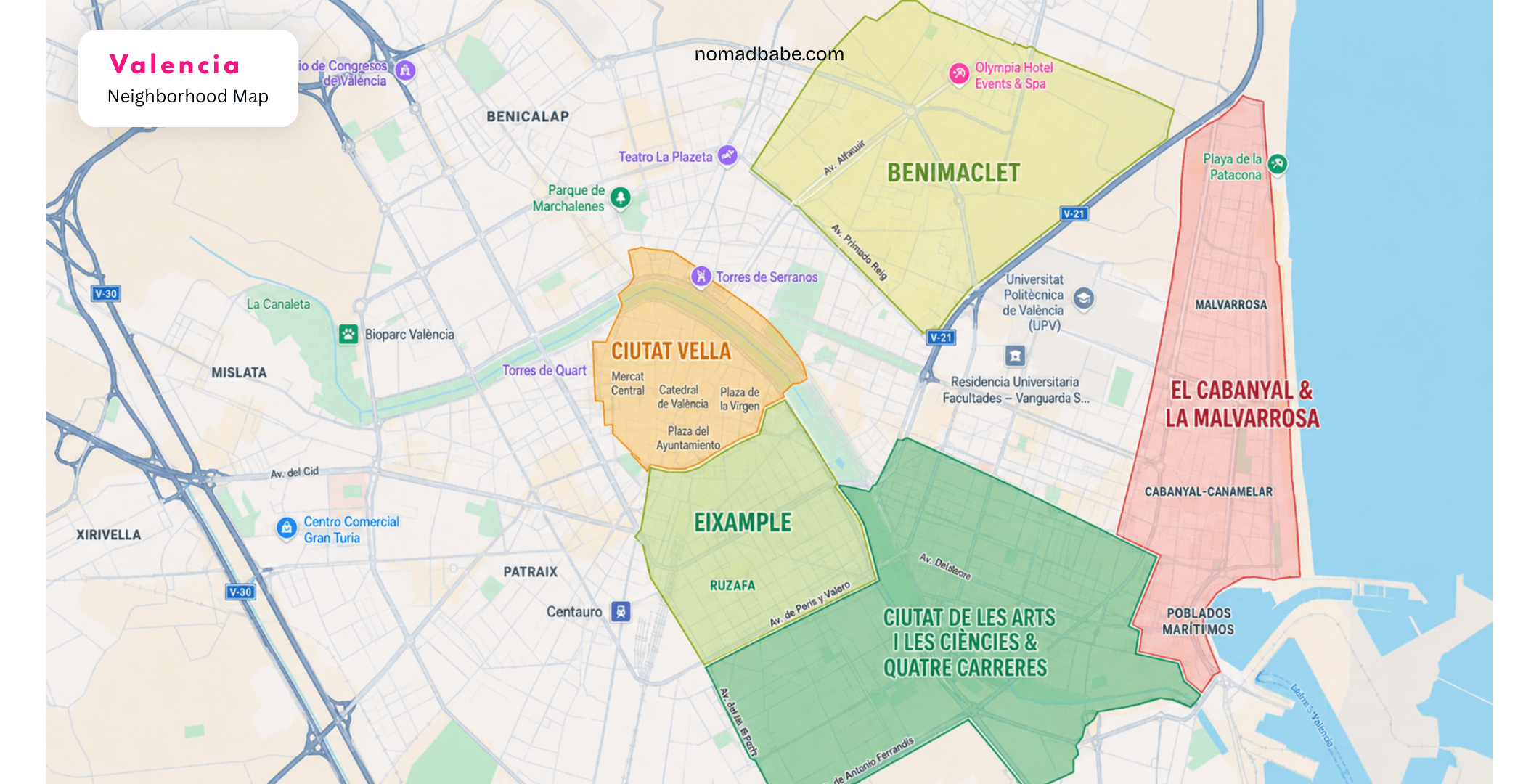
What I learned while staying in Valencia is that understanding micro-locations matters far more than broad neighborhood labels. One block can be lively and well-lit; the next can feel completely different after dark.
Safest Neighborhoods for Solo Women
Ruzafa & L'Eixample — Day: 9.1 / 10 | Night: 7.8 / 10
Safe micro-zones: Plaza de la Virgen, Plaza del Ayuntamiento, Calle Caballeros.
The trendiest area in the city. Filled with third-wave coffee shops, digital nomads, and brightly lit restaurant terraces that stay active late into the night.
Ciutat Vella (Old Town Center) — Safety Score: 8.8 / 10
Extremely safe and walkable by day. The main plazas — Plaza del Ayuntamiento and Plaza de la Virgen — are well-policed and lively. After 11 PM, the narrow backstreets off the main squares are worth avoiding (see below).
Ciutat de les Arts i les Ciències & Quatre Carreres — Day: 9.8 / 10 | Night: 9.0 / 10
Safe micro-zones: Avenida de la Francia, CC Saler plaza, main park complex paths.
Caution after midnight: Deep interior paths of the Turia riverbed park — stick to the upper street level if alone.
Wide, modern avenues with high-end residential towers. Exceptionally clean and well-policed.
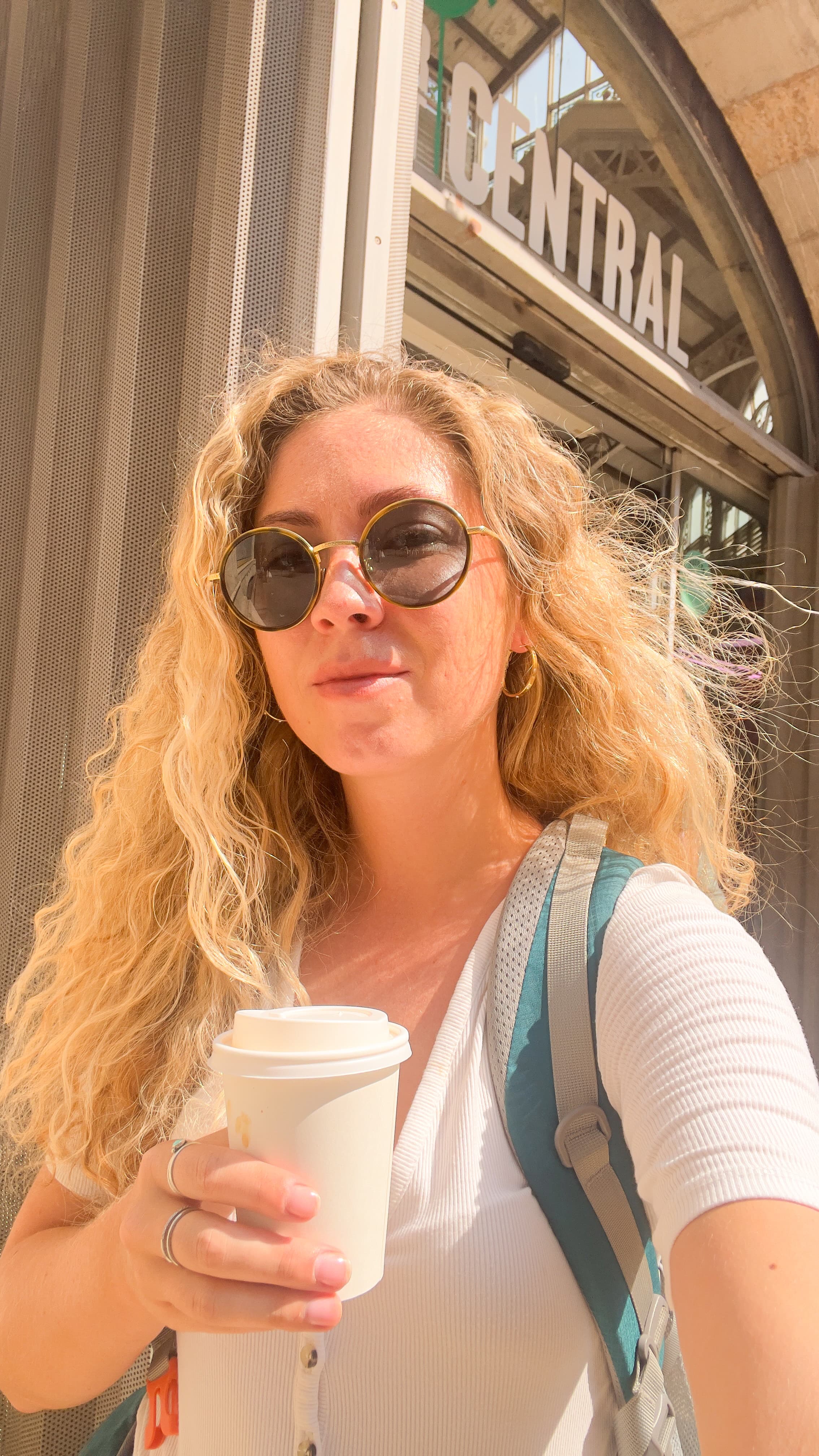
Caution Micro-Zones
Sometimes one street is perfectly safe by day and shifts completely after dark. These specific areas are worth knowing:
El Carmen (narrow backstreets). After 11 PM, when shop shutters close, its labyrinth of unlit side alleys behind the Mercado Central can feel desolate. Stick to main thoroughfares like Calle de Casser.
El Cabanyal & Malvarrosa Beach. A sunny and historic seaside village by day. While the major seafront avenues (Passeig Marítim) are fine during active dining hours, avoid walking alone through unlit backstreets near the train lines or deep on the beach sand after dark.
Estació del Nord & Xàtiva Metro Station. Bustling by day — like most major European railway hubs, they attract elevated loitering and opportunistic pickpockets late at night.
Neighborhoods to Skip for Accommodation
These peripheral areas offer minimal tourist interest and higher localized petty crime rates. I'd look elsewhere when booking:
La Coma & Nazaret: Industrial and port-adjacent housing projects far outside the center, with elevated petty theft rates.
Orriols: A non-tourist residential neighborhood on the northern periphery with higher reported incidents of late-night theft.
What to Beware of in Valencia
You don't need to be paranoid in Valencia, but a few specific setups are worth knowing.
The "Table Grab" (Phone Snatches)
The most common petty crime in Valencia. Someone approaches your outdoor cafe table holding a petition clipboard, a map, or flowers for sale. They lay the item over your phone on the table and slide both away when they leave.
Beach Blanket Distraction
Leaving your phone, camera, or wallet in a bag on the sand while you swim. There's less risk here than on, say, the public beaches of Barcelona — but there's always some. When I was swimming alone I'd leave my things very close to the water so I could keep an eye on them, and never stayed in longer than 15–20 minutes at a stretch.
Unmetered Airport Taxis
Official white taxis at Manises Airport and Joaquín Sorolla train station are metered and safe. Watch out for unvetted drivers who approach you in the arrivals hall with offers of cheap private rides.
Crowded Festival Pickpocketing
During Las Fallas (March) or major summer outdoor concerts, dense street crowds create pickpocket opportunities — the same as in any crowded event. It has never happened to me, but it does happen.
How to Get Around Valencia at Night as a Solo Female Traveler
Metro Valencia
Exceptionally clean, modern, and heavily monitored by security. Lines 3 and 5 connect directly to the airport. Just keep an eye on your bag during rush-hour crowding — that's the one time to stay alert.
Valenbisi (City Bike Network)
My preferred way to get around, especially at just €13.50 a week — cheaper than the metro. Valencia is flat, with over 160 km of protected cycle lanes. Cycling is one of the fastest and most practical ways for solo women to move around at night, as long as you stick to the main lit bike paths rather than cutting through dark parks.
Late Night (After 1 AM)
If you're heading back to your accommodation after 1 AM, skip walking through unfamiliar Old Town side streets. Use Uber, Cabify, or wave down an official white street taxi (the taxi sign will be lit) for a direct €10–€15 ride to your door.
Read next
The Perfect 3-Day Valencia Itinerary: First-Timer's Guide
Old Town, City of Arts and Sciences, El Cabanyal beach, Albufera, and the best tapas bars in El Carmen.
3 Rules for Valencia Safety
These are the three rules I stuck to throughout my time in Valencia to avoid putting myself in any situation I'd regret:
The Closed Shutter Rule
If more than 50% of the storefronts on a narrow street are closed and dark, move one block over to a main lit avenue.
The Turia Park Rule
The Turia Gardens riverbed park is a paradise by day. After dark, unlit sections become isolated — use street-level sidewalk avenues instead.
The Zipped Bag Rule
Always zip your bag shut and wear it across your body when walking through Mercado Central or boarding crowded buses.
FAQ
Get Ready for Your Trip to Valencia
Book Your Accommodation
For the best deals and discounts, I always use Booking.com (opens in new tab) to book my hotel stay, villa, apartment, or hostel.
Book Your Flight & Car
Looking for cheap flights or rental cars? Trip.com (opens in new tab) is the way to go. I've been using it for years and have saved so much money along the way.
Book Tours & Activities
Here you can find amazing deals for any trips and activities — the platform only works with trusted tour operators, so you can book with confidence.
Get Travel Insurance
SafetyWing (opens in new tab) has been my go-to travel insurance, and I couldn't be happier. Highly recommend them for peace of mind on your trip.
You may also like
The Perfect 3-Day Valencia Itinerary: First-Timer's Guide
Where to Stay in Valencia (2026): Best Neighborhoods & Hotels for Every Vibe
8 Best Things to Do in Cadaqués, Spain + Where to Stay
Some of the links on this site are affiliate links. This means I may earn a small commission if you purchase them at no extra cost to you. I only recommend things I genuinely use or believe in.