Italy | Sicily
Where to Stay in Ortigia, Sicily
Last updated: October 13, 2026
My honest breakdown of the island's best areas — from sea-view Lungomare hotels to the quiet Giudecca — plus the properties I'd actually book.
In this article
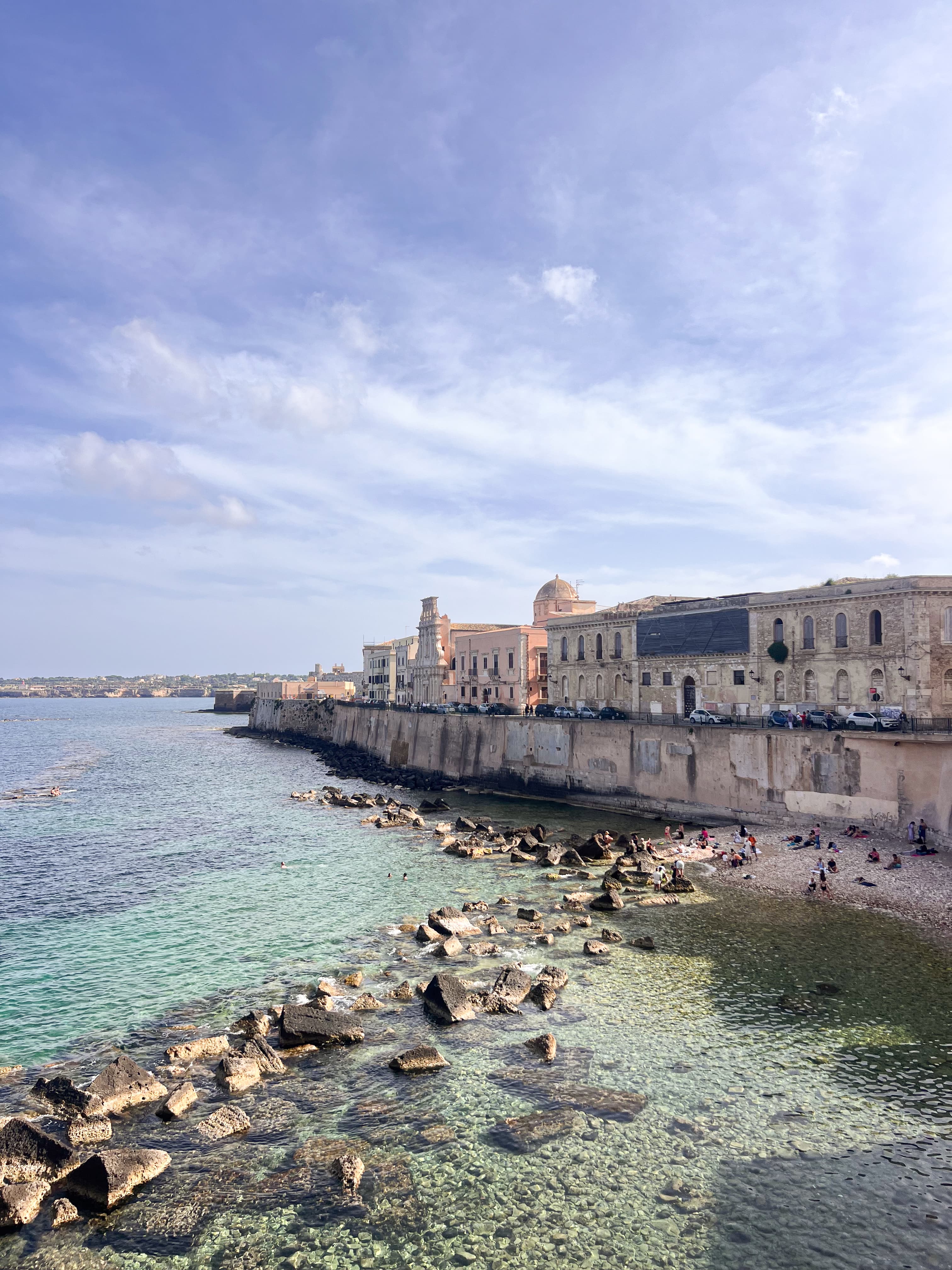
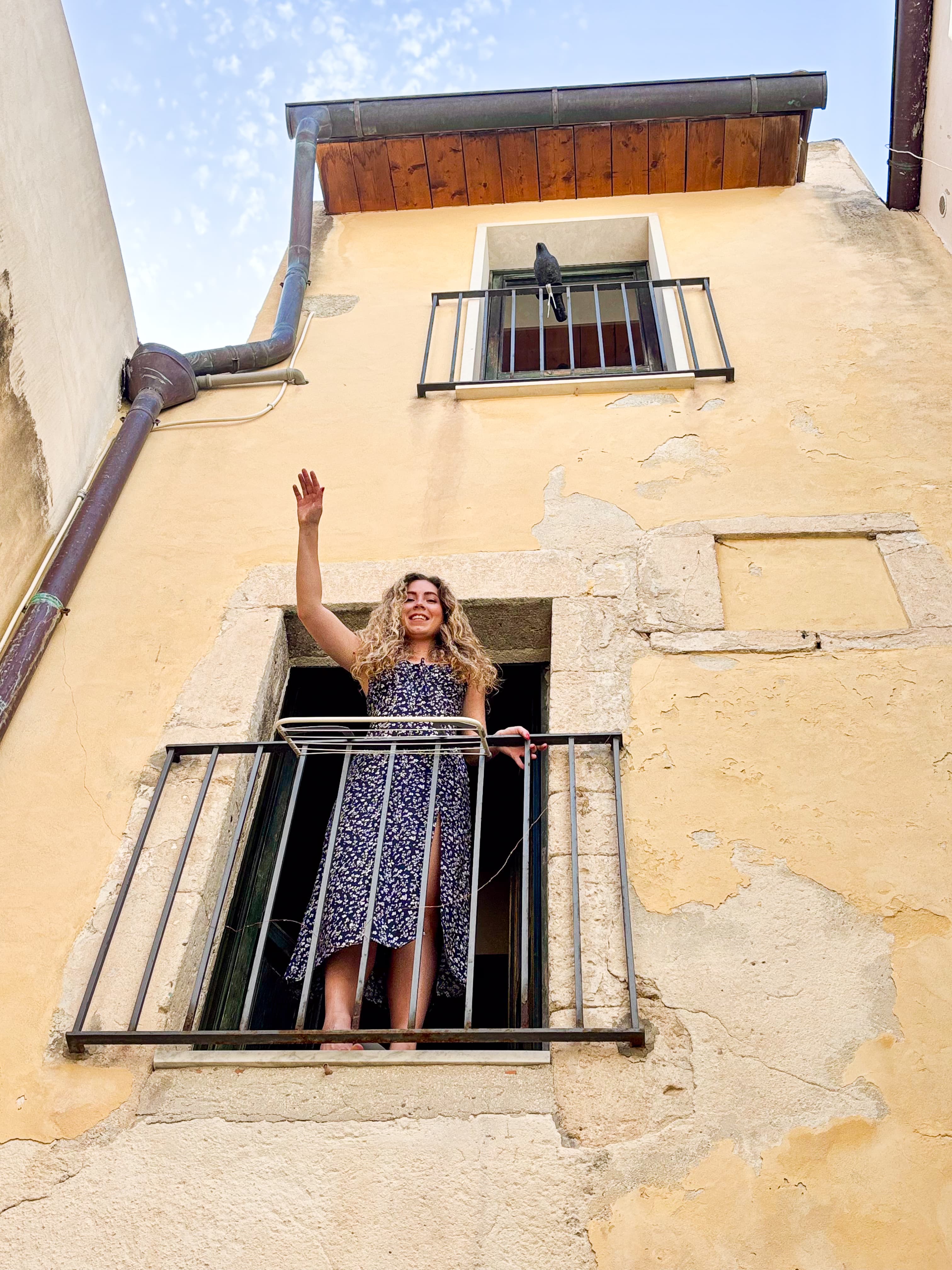
Ortigia is a little peninsula of Syracuse that has centuries of history — different rulers, cultures, and traditions — yet it still feels very authentically Sicilian, with its cuisine highlights, architecture, and charm. I'd personally heard nothing about this place before I came across it while researching where to stay in Sicily, so I assumed it was going to be quiet and very hidden. I'll be honest: it does get its crowds, and tourists are actively coming here. But with some strategic planning you can avoid the peak times. We visited in April, when it had started warming up toward summer weather and locals had already opened their swimming season. Here's my honest experience.
What I loved most about Ortigia is that it feels intimate due to its secluded location — connected to the mainland by three bridges — hopelessly romantic, and very eclectic, with Arabic pottery and Sicilian baroque UNESCO (opens in new tab)-protected architecture. It's a labyrinth of narrow, cream-coloured limestone alleys, limestone palaces, and seaside promenades. The mainland Syracuse, in comparison, is a sprawling, modernised Italian city that doesn't have such a density of character. It's a busy, working Sicilian city with 1960s apartment blocks, heavy traffic, and everyday shops, and in my opinion, lacks the immediate fairy-tale aesthetic of Ortigia.
That said, picking the right pocket of this tiny island does matter. Here's how I'd break it down.
Quick look at my top hotel picks:
- Best for sea views:Algilà Ortigia (opens in new tab)
- Best value in Lungomare:Hotel Maniace (opens in new tab)
- Best full-service hotel:Ortea Palace (opens in new tab)
- Best for quiet & atmosphere:Alla Giudecca (opens in new tab)
- Best terrace rooms:La Via della Giudecca (opens in new tab)
Best Hotels in Ortigia
A quick reference before you dive into the area breakdown below.
Algilà Ortigia Charme Hotel
Lungomare · $$$
Best for sea views — boutique, 18th-century building on the seafront, elevators, free bicycles.
Book here → (opens in new tab)Italiana Resort Maniace
Lungomare · $$
Best value in Lungomare — steps from the sea and Castello Maniace, walkable to Duomo in five minutes.
Book here → (opens in new tab)Ortea Palace
Temple of Apollo & Marina · $$$$
Best full-service — the only hotel on the island with a pool, spa, gym, and private parking.
Book here → (opens in new tab)Alla Giudecca
Giudecca · $$
Best for atmosphere — massive suite-style rooms with antiques and kitchenettes, sea a 60-second walk.
Book here → (opens in new tab)La Via della Giudecca
Giudecca · $$
Best terraces — bright modern rooms, several with private terraces and sea views.
Book here → (opens in new tab)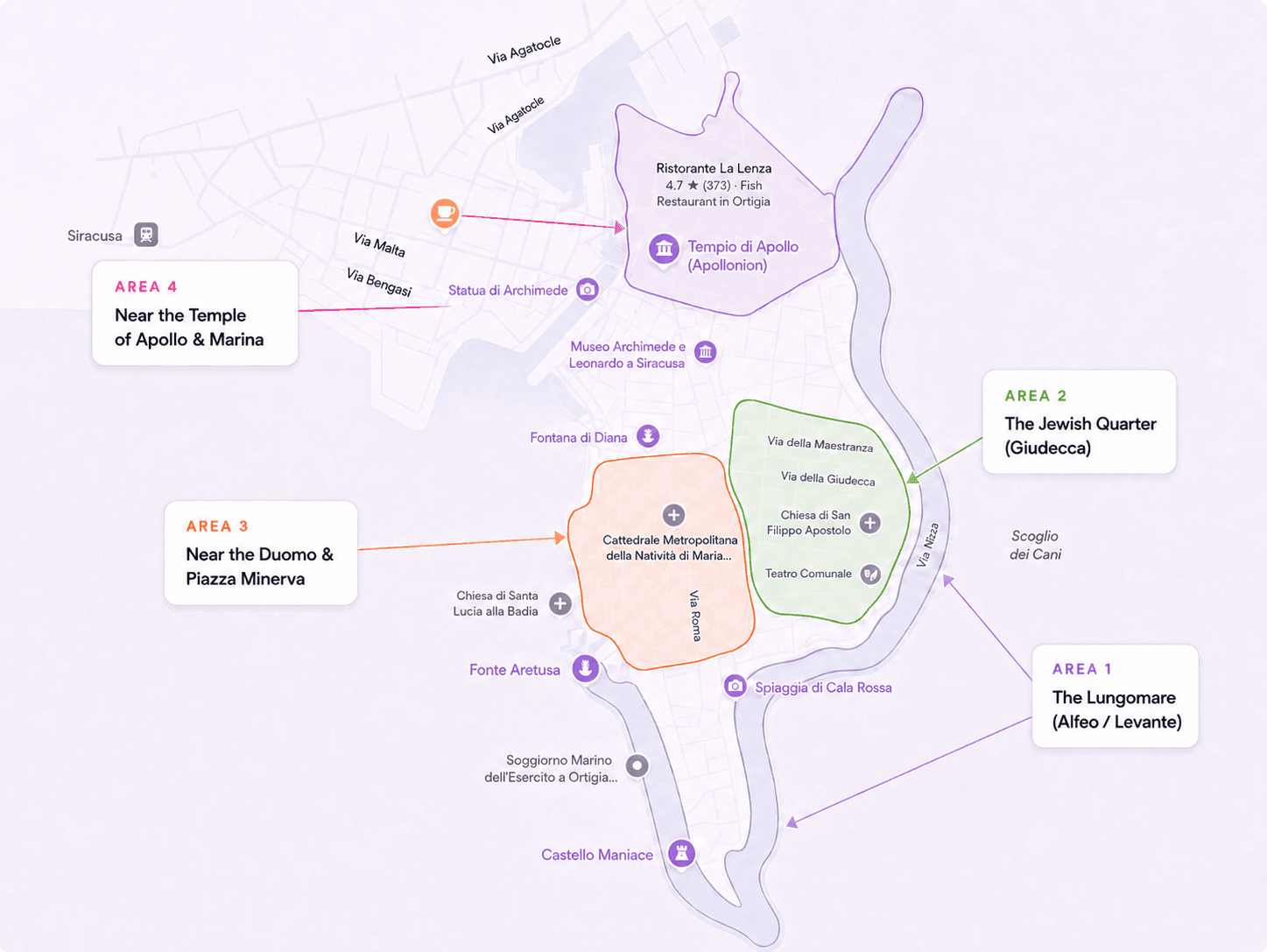
Areas to stay in Ortigia
Lungomare
My number one pick for sea views & romantic sunsets
If you're someone who will choose a view over any other kind of comfort every single time, this is the area for you. We were looking to book here for the second part of our stay and could only get a place in the inland streets of this area — not on the first row. But I did proper research, and I have strong opinions on what's worth booking here.
Algilà Ortigia Charme Hotel
One of the true gems of this charming seafront is Algilà Ortigia (opens in new tab). It's housed in meticulously restored historic buildings dating back to the 1700s, right on the seafront. I always love choosing boutique small hotels over popular resorts and grand hotels, especially in places like Syracuse. The rooms are individually decorated with hand-painted Moroccan tiles in the bathrooms, wood-beamed ceilings, and actual 18th-century antique furniture.
Unlike many ancient, protected buildings in Ortigia where you're forced to climb 80 stone steps with your luggage, Algilà has elevators to access the guest rooms. Let me tell you — this is unseen luxury in Syracuse.
Another perk: they offer bicycles free of charge so you can explore the peninsula. It's definitely on the pricier end, but many travellers confirm it's absolutely worth it for the view and proximity to the sea.
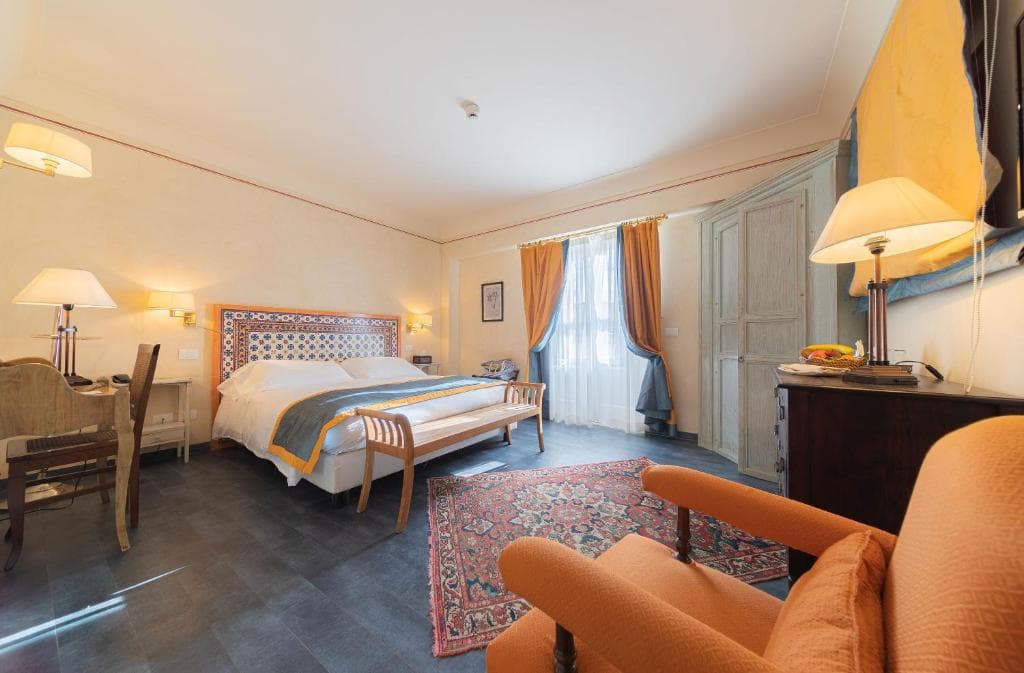
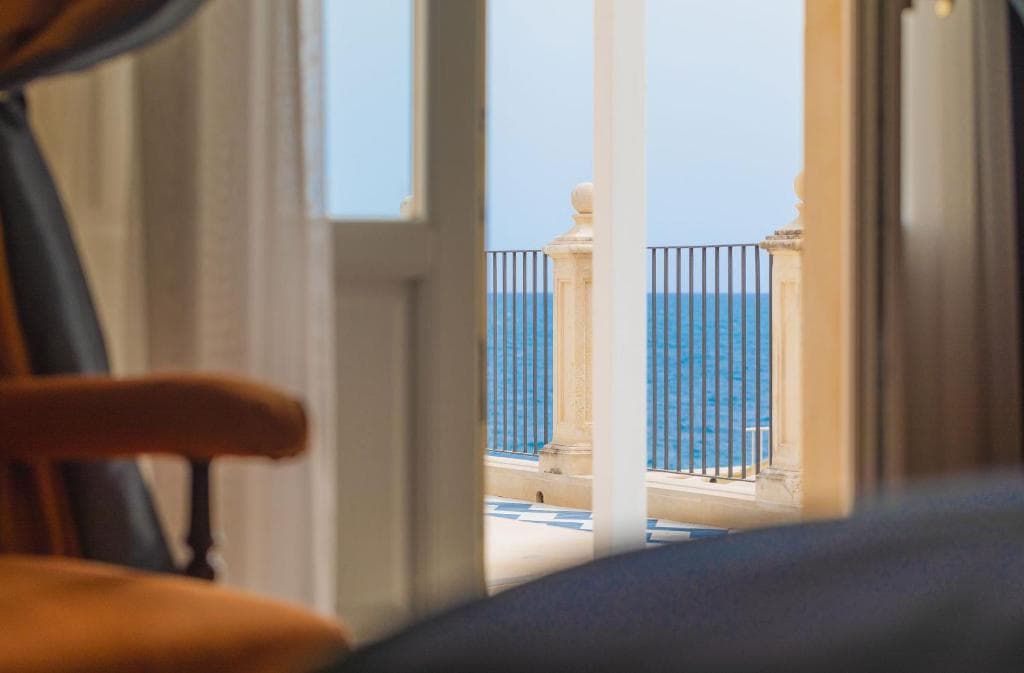
Photo credit: Algilà
Italiana Resort Maniace
Best value-for-money pick in the Lungomare area.
My personal favourite for its 10/10 location. You're literally steps away from the sea, the sweeping views of the Lungomare, and Castello Maniace. It's peaceful, slightly removed from the heavy tourist traffic of the northern bridge entrance, yet you can walk to Piazza del Duomo in under five minutes. Rooms are more modern and minimalistic, and there are no balconies, but you can enjoy an internal patio. It's a mid-budget option and an absolute best value for money in this price range.
A few things to keep in mind: unlike big hotels with 24-hour desks, if you arrive late (between 8:00 PM and midnight), they charge a €25 late check-in fee. And while they advertise free in-room Wi-Fi, guests have noted that the thick historic stone walls sometimes cause the signal to drop. It'll handle email and documents, but I wouldn't rely on it for back-to-back Zoom calls.
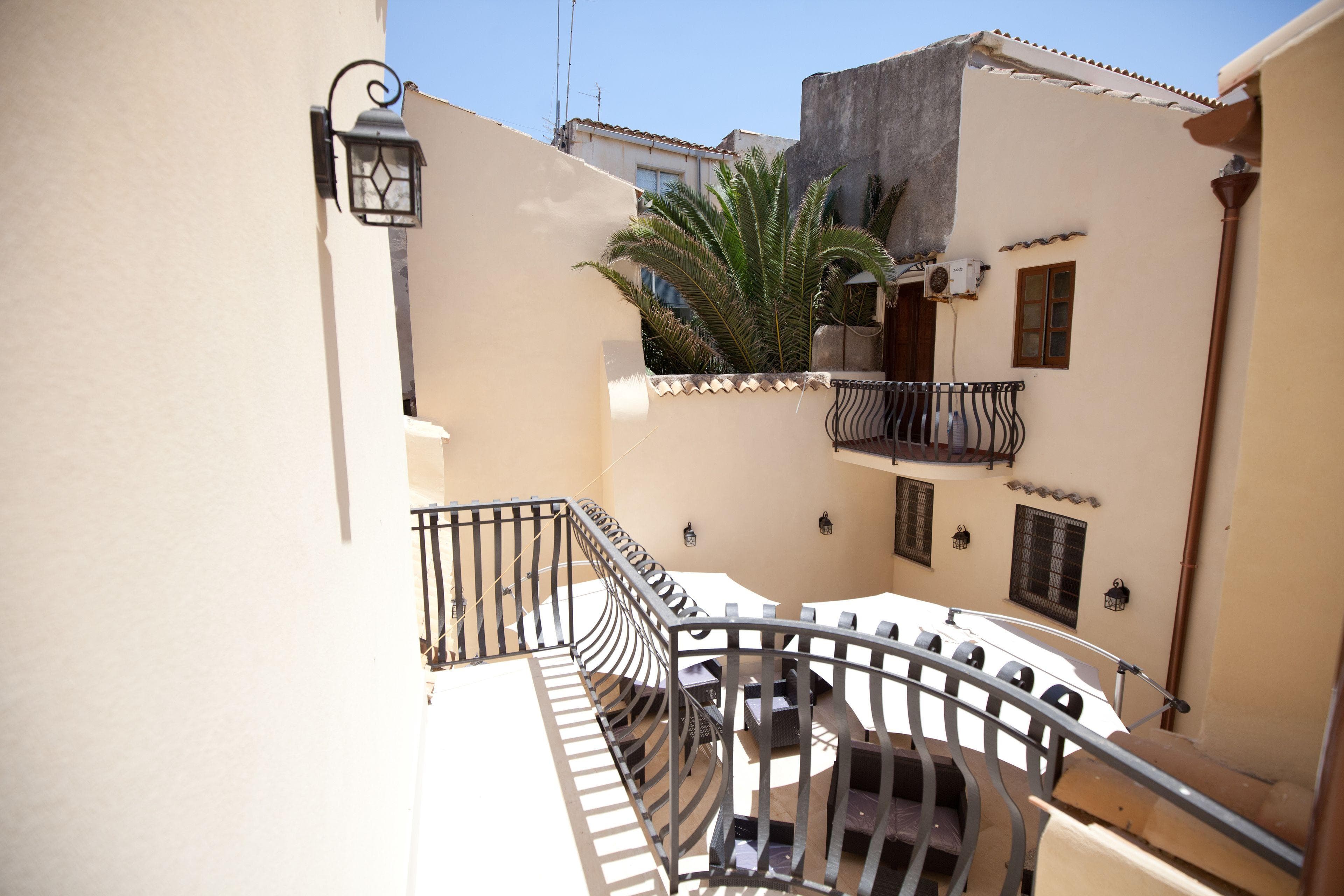
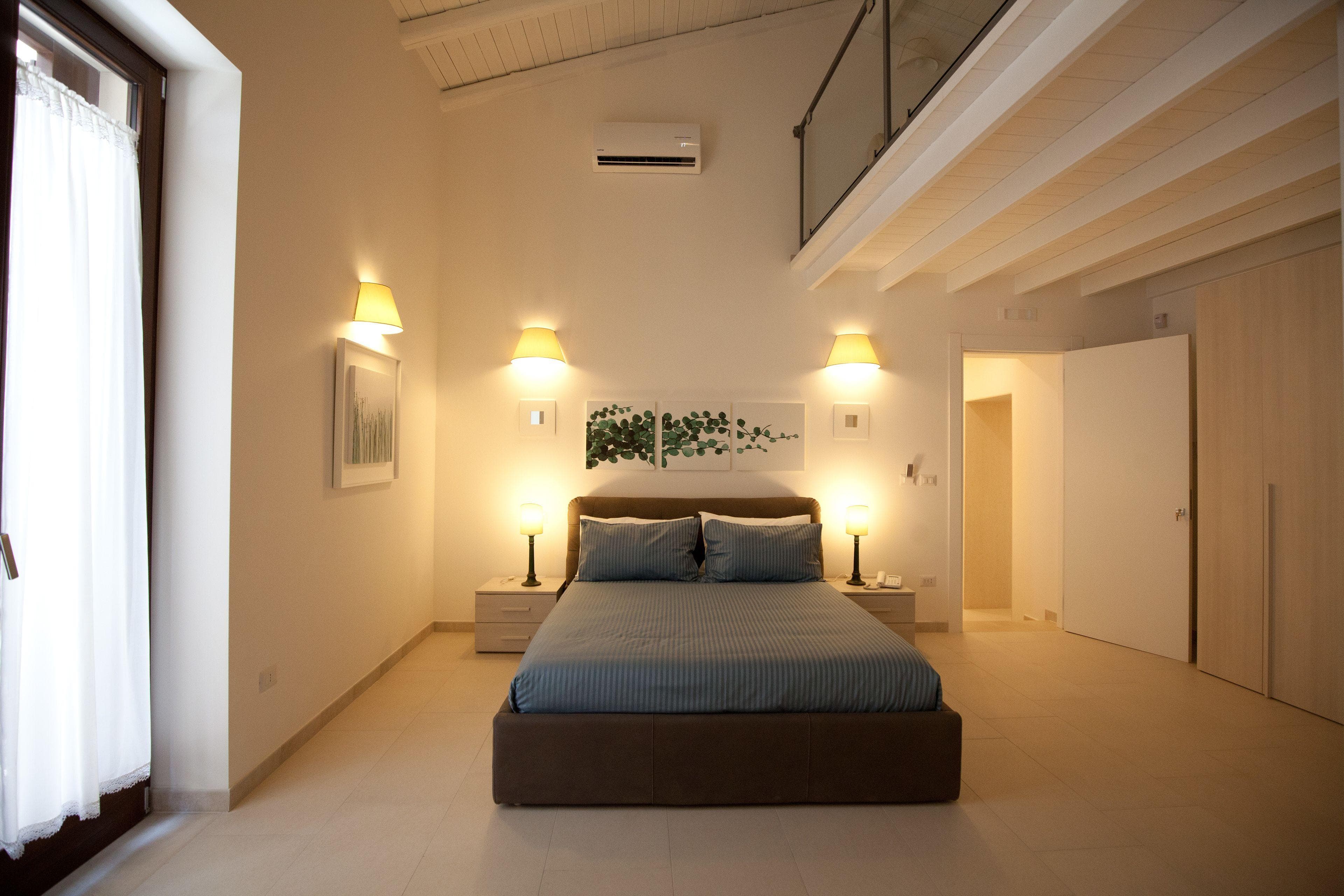
Photo credit: Syracuse Hotels
Check out my article on why Ortigia should be on your radar for a perfect Sicilian vacation
Near the Temple of Apollo & Marina
Best for easy access & car travellers
This is by far my favourite area to stay in Ortigia. Here's why: it's right by the entrance to the island, which allows very easy car access and lets you navigate your luggage straight to your hotel without a long walk. It's 2 minutes to the Ortigia Market (open every day until 1 PM), which was incredibly convenient — I went every morning to shop for fresh fruit and cheese for breakfast, or had breakfast right at the market on Saturdays. And it has quick access to the mainland, which was important for us — to hit the gym or reach the bus station for a day trip to Palermo.
The trade-off: being the most strategically convenient area, it has the priciest accommodation options. But I'd say it's absolutely worth it. You won't regret staying here.
Ortea Palace
If you love uncompromised comfort and a variety of amenities when you travel, this place has it all: it's one of very few properties on the island to offer on-site spa facilities — a Turkish hamam, sauna, pool, and gym — plus its own private parking. A rich, delicious breakfast is served daily at the top-floor Terrazza sul Mare restaurant. Imagine sipping coffee and eating fresh local pastries on the rooftop while looking directly over the harbour.
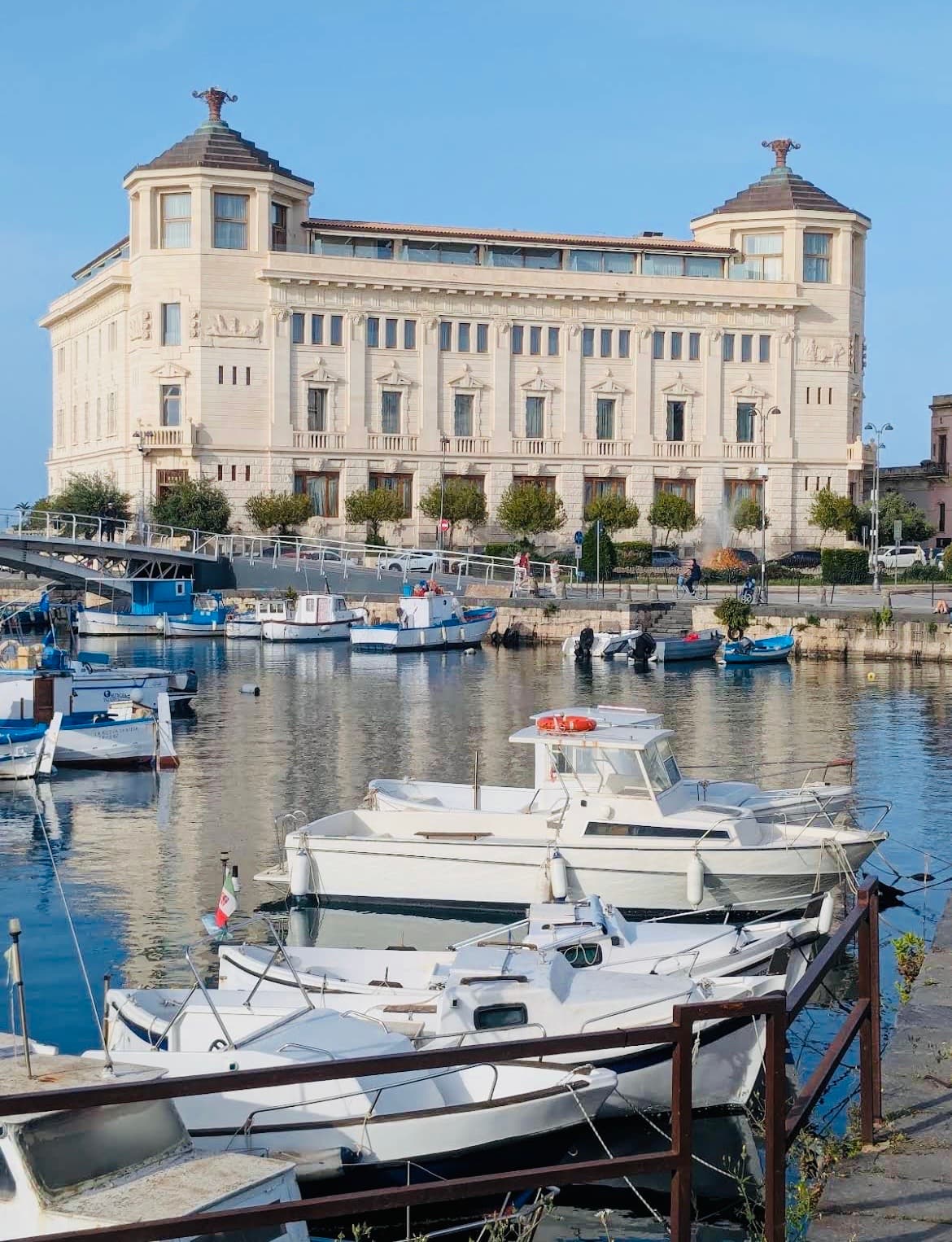
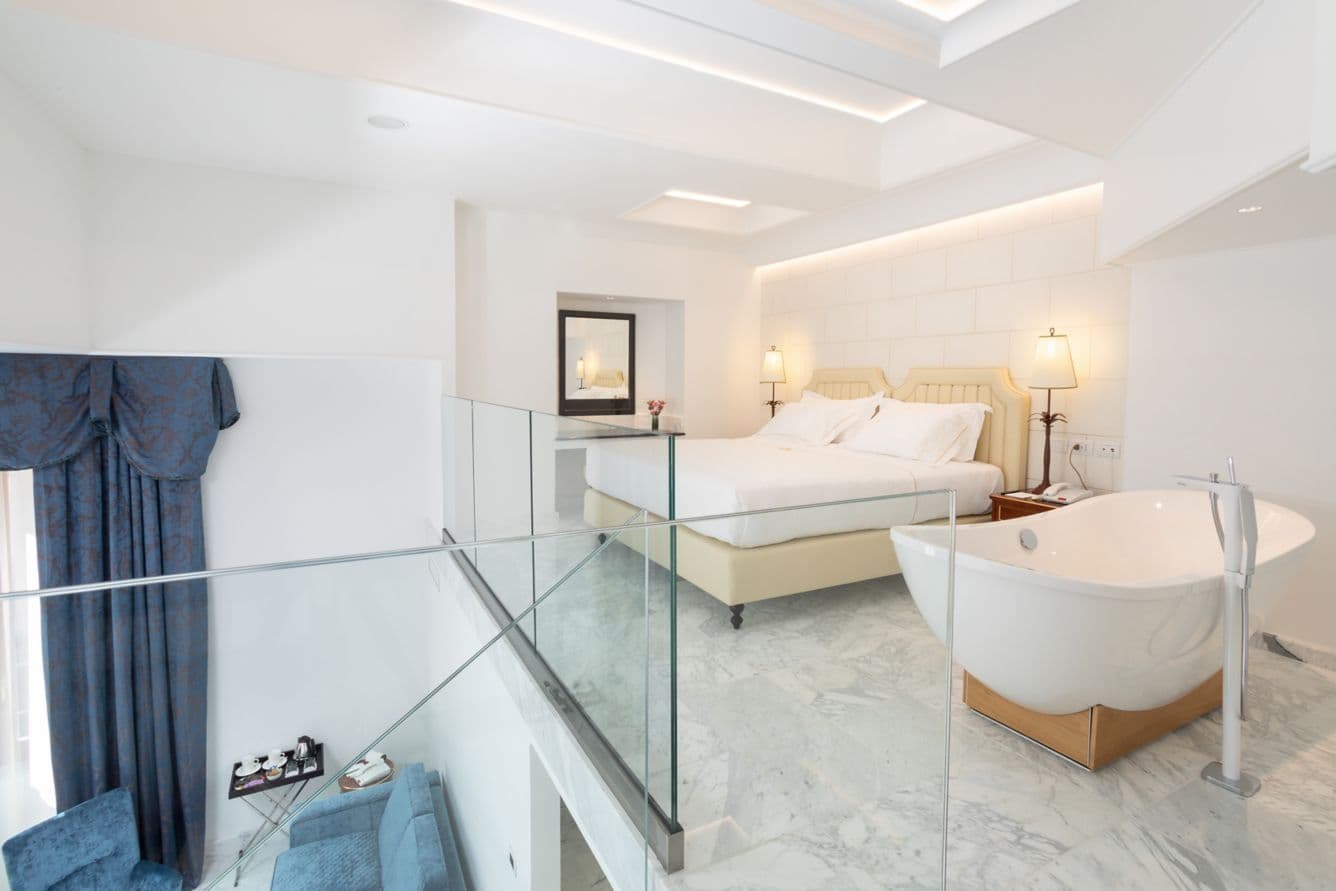
Photo credit: Marriott Hotels
Apollo Suite
If you love chic, modern, and minimalistic accommodation within walking distance of the Apollo temple, this is exactly what you're looking for. Simona, who runs the property with incredible care, makes guests feel genuinely welcomed and is always on hand with local advice on what to see and do.
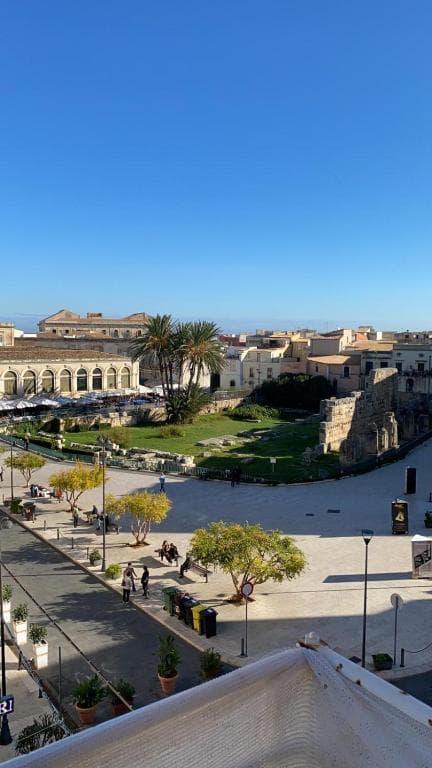
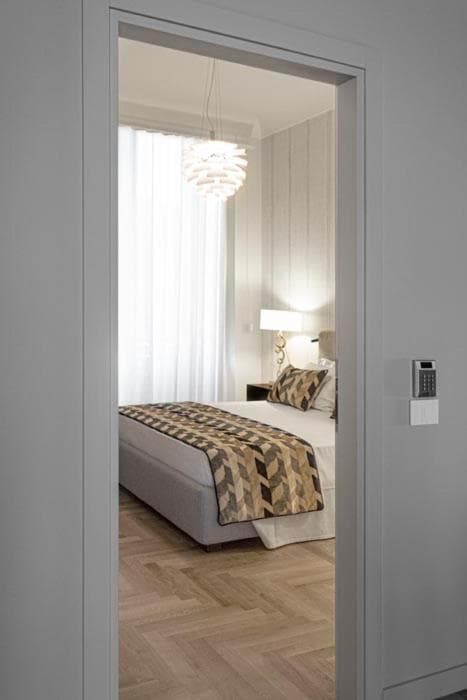
Photo credit: Apollo Suite
The Jewish Quarter (Giudecca)
Best for quiet, historic charm
We loved walking in the Jewish Quarter to escape the heat and whenever we felt like hiding from the touristic routes. This part of Ortigia is genuinely secluded and very calm. Winding, narrow stone alleys, residential corners, hidden cafes, and local craft shops. If you don't like falling asleep to people talking loudly at the bar on the corner, this is where you want to be. You can walk 3 minutes to the adjacent streets for dinner and exploring — and it's the most budget-friendly part of the island.
Alla Giudecca
Whenever there's an opportunity to get a bigger room, I go for it — and it's not common in ancient towns like this. But the rooms at Alla Giudecca are massive, suite-style setups filled with antiques, including separate living areas and convenient little kitchenettes. The sea is a 60-second walk away.
The main inconvenience: like many small boutique hotels in Syracuse, there's no 24/7 reception. Late check-in requires coordination with the hotel in advance. Message them on Booking.com as soon as you know your flight times.
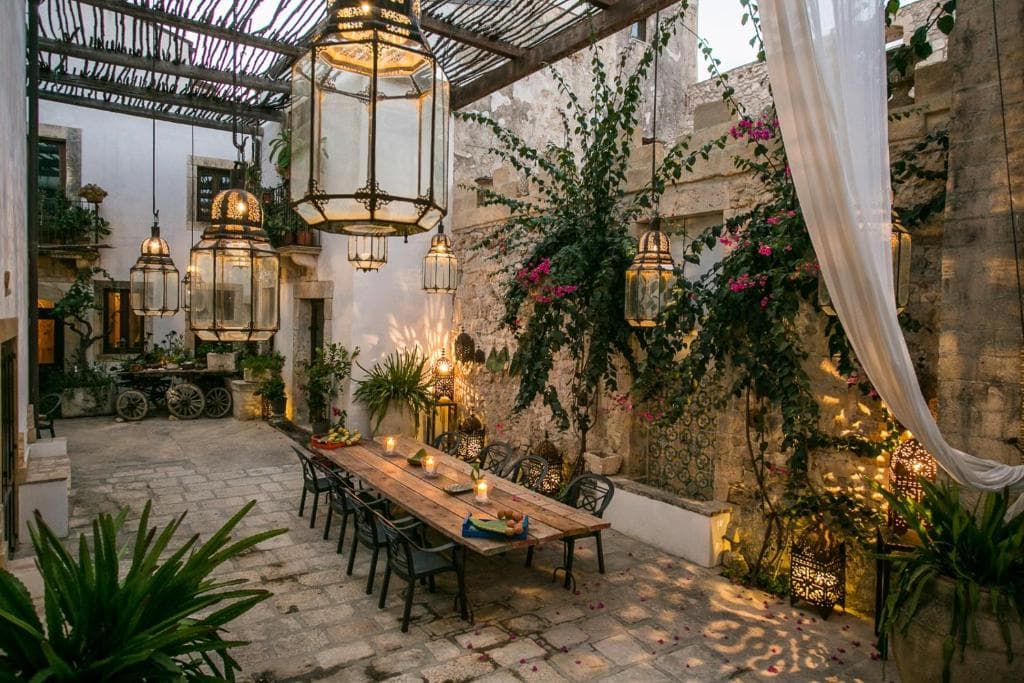
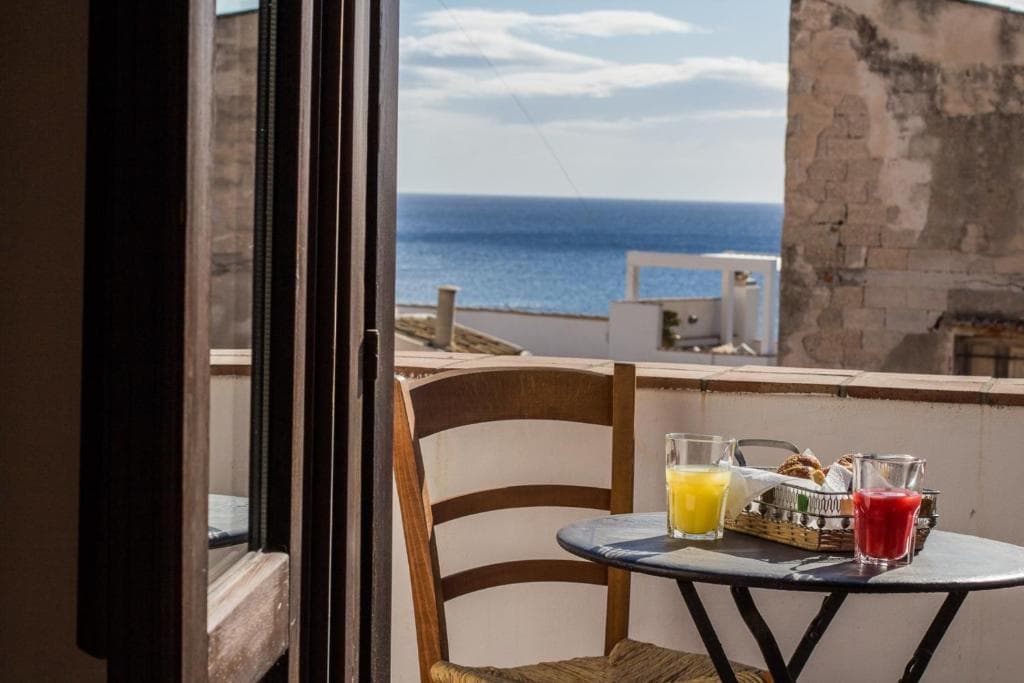
Photo credit: Alla Giudecca
La Via della Giudecca
If you prefer modern and contemporary over antique, this is your spot. It's full of light, with bright rooms and a lot of white on the walls and furniture. The standout benefit: rooms with terraces, which make a huge difference — you can enjoy the sea view with a coffee and a book any time, without leaving the property.
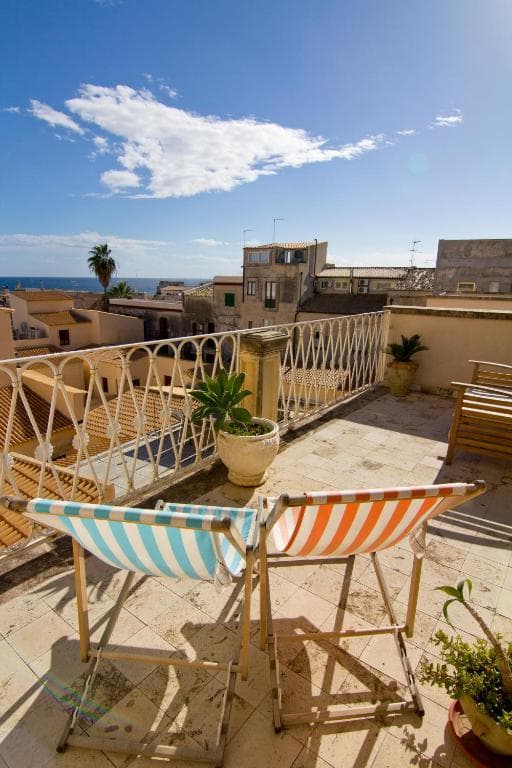
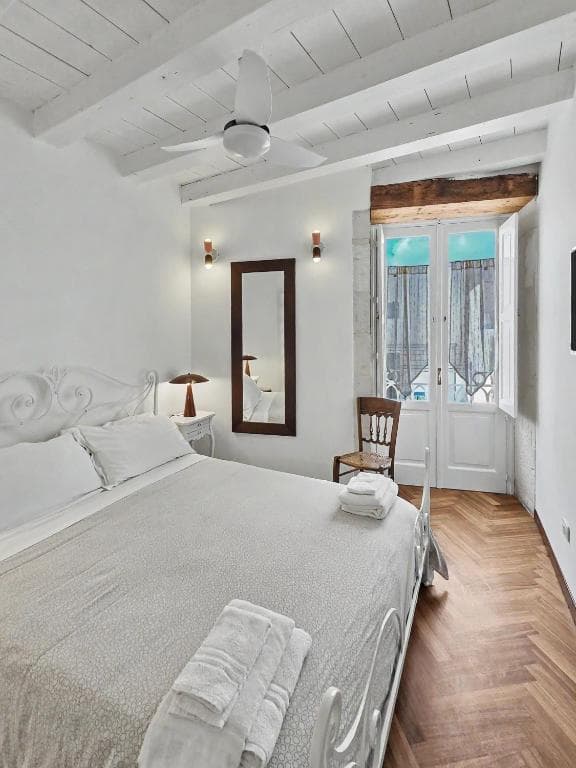
Photo credit: La Via della Giudecca
Near the Duomo & Piazza Minerva
Best for first-timers — with a caveat
While this is undoubtedly the most central location on the island — putting the blindingly beautiful Syracuse Cathedral right on your doorstep — I'd actually advise against booking your accommodation here.
Because this is the absolute epicentre of Ortigia's tourism, it's packed with busy restaurants, street performers, and souvenir vendors. Combine that with the local Sicilian culture of dining incredibly late, and you have a recipe for sleepless nights. Admire the Duomo by night, absolutely — but lay your head somewhere quieter, unless you don't mind falling asleep to the echo of late-night chatter and forks clinking against plates on the cobblestones below your window.
A Few Things to Know Before You Book
Traffic restrictions
Traffic in Ortigia is limited, and cars are only allowed early in the morning (2–11 AM) or during the siesta break (3–5 PM). We didn't know that when we arrived, and a taxi driver explained he couldn't take us to our hotel — so he dropped us off within walking distance. Adjust your logistics accordingly. (Authorised excursion tuk-tuks are exempt from this rule, so those tours are still fine to book.)
No elevators in many buildings
Ortigia is a protected UNESCO World Heritage site (opens in new tab), and property owners are strictly forbidden from altering the structural integrity of ancient stone buildings. Like in most historic European towns: don't bring more bags than you can carry, and be ready to take them up the stairs.
Stone alleys carry sound
Narrow stone alleyways act like natural acoustic chambers — any noise below, a passing scooter, late-night tourists talking, a neighbour shouting a greeting, echoes loudly off the stone. If you're a light sleeper, pack earplugs.
One more tip
Ortigia's best boutique hotels are tiny — often just a handful of rooms — and they sell out fast once summer hits. Book as soon as your dates are locked in, especially if you're visiting between June and September.
Final Thoughts
Whichever area you choose, you're never more than a short walk from the sea, the Duomo, or a plate of fresh Sicilian seafood. Let your priorities — a view, quiet, or convenience — decide for you, rather than worrying there's a wrong pick. There isn't.
Frequently Asked Questions
Get Ready for Your Trip to Ortigia, Sicily
Book Your Accommodation
For the best deals and discounts, I always use Booking.com (opens in new tab) to book my hotel stay, villa, apartment, or hostel.
Book Your Flight & Car
Looking for cheap flights or rental cars? Trip.com (opens in new tab) is the way to go. I've been using it for years and have saved so much money along the way.
Book Tours & Activities
Here you can find amazing deals for any trips and activities — the platform only works with trusted tour operators, so you can book with confidence.
Get Travel Insurance
SafetyWing (opens in new tab) has been my go-to travel insurance, and I couldn't be happier. Highly recommend them for peace of mind on your trip.
You may also like
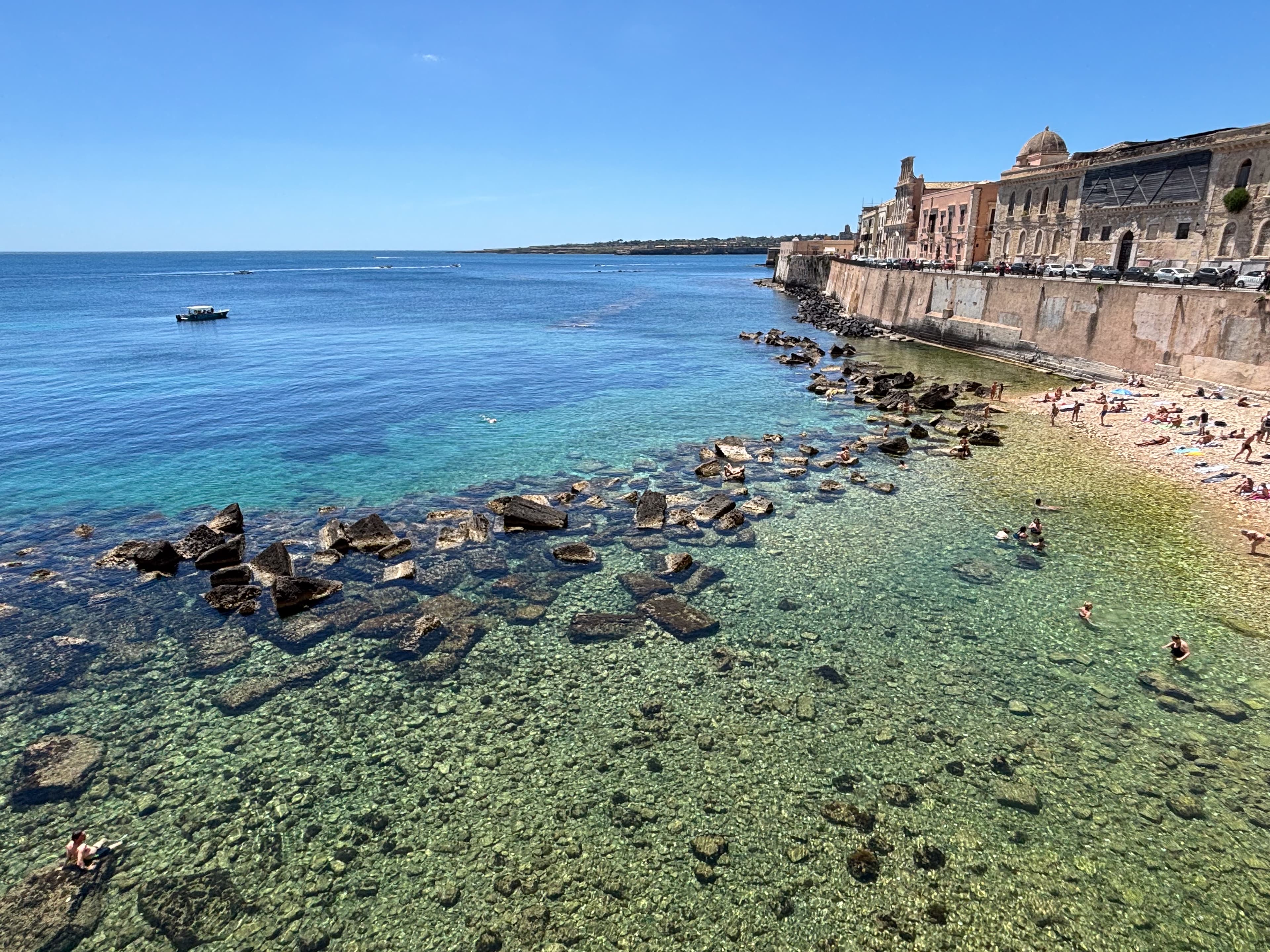
Replicate Dua Lipa's Sicilian Wedding Vibe in Ortigia on a Budget
How I Walked the Camino de Santiago Portuguese Coastal Route in 10 Days

7-Day Argentine Patagonia Itinerary
Some of the links on this site are affiliate links. This means I may earn a small commission if you purchase them at no extra cost to you. I only recommend things I genuinely use or believe in.