Things to Do in Oaxaca, Mexico: A Slow Traveler's Food, Mezcal & Culture Guide
June 17, 2026 · Updated October 8, 2026
The best things to do in Oaxaca come down to three: eating everything you can, drinking mezcal slowly, and wandering a walkable city full of markets, ruins, and rooftops. Here's how I'd spend the time.
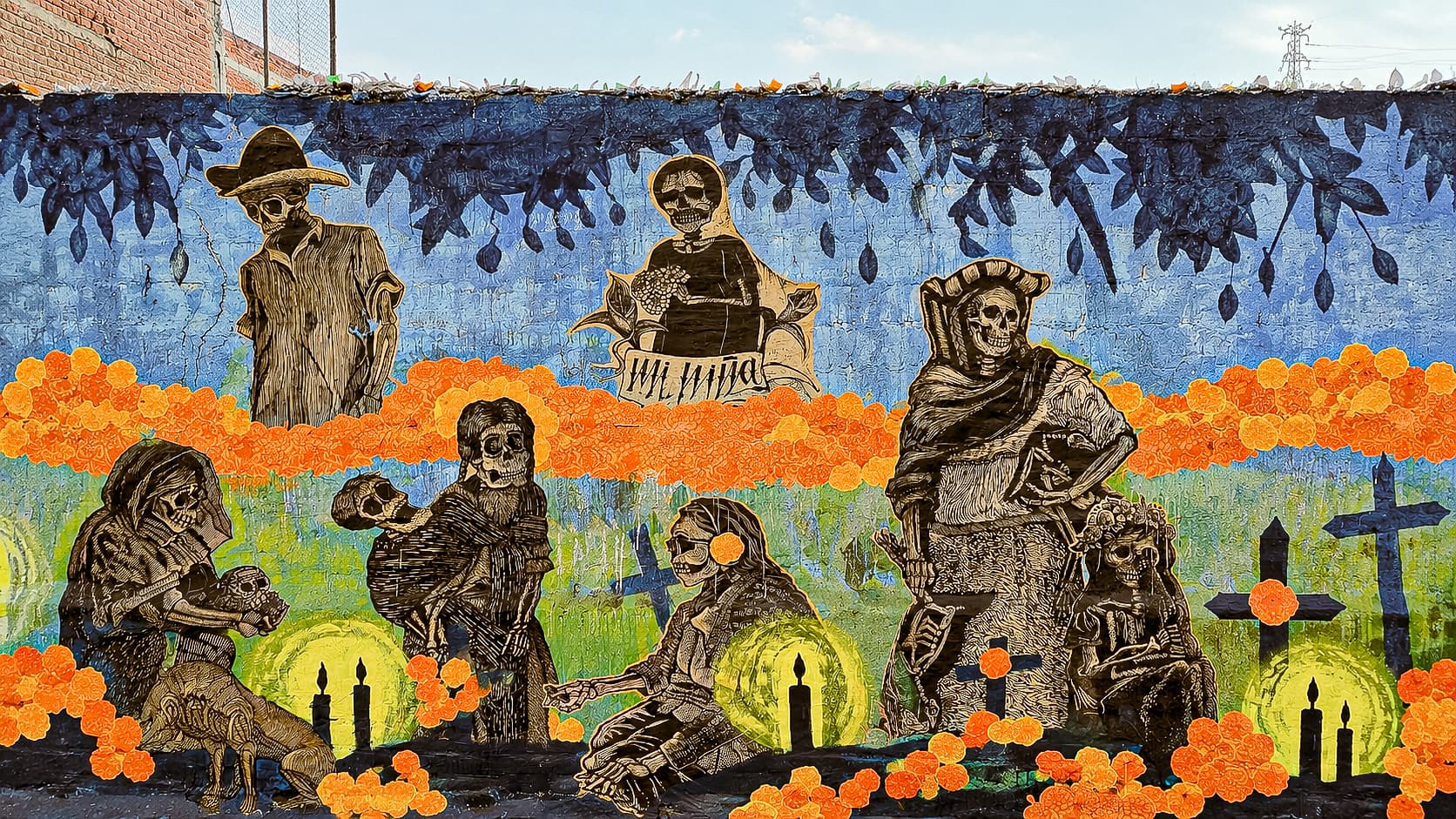
Oaxaca has, for quite a while, been one of those off-the-beaten-path destinations, but it's now gaining popularity among digital nomads and travelers alike. I am deeply in love with Mexico, for a multitude of reasons — starting from the food that fills a hole in your heart, to its people who explode with a smile and warmth at every encounter, to its granular and complex culture, built on a mosaic of indigenous civilizations, from the Olmec to the Zapotec and Purépecha, and its Spanish colonial influence.
Oaxaca, in particular, is considered the cultural heart of Mexico, as it has preserved most of its historic traditions. I was aspiring to go to Oaxaca as someone who loves a good foodie and culinary adventure, artisanal pottery and textile shopping, deep dives into history, and vibrant festivals.
You'll like Oaxaca if you:
- 1.enjoy authentic, unique destinations where you'll be immersed in the culture locals actually live, instead of one staged for tourists;
- 2.love local markets and pub crawls, are open-minded and adventurous about food, keen to try new flavors and spices, and eager to learn new food culture from local cooks and markets;
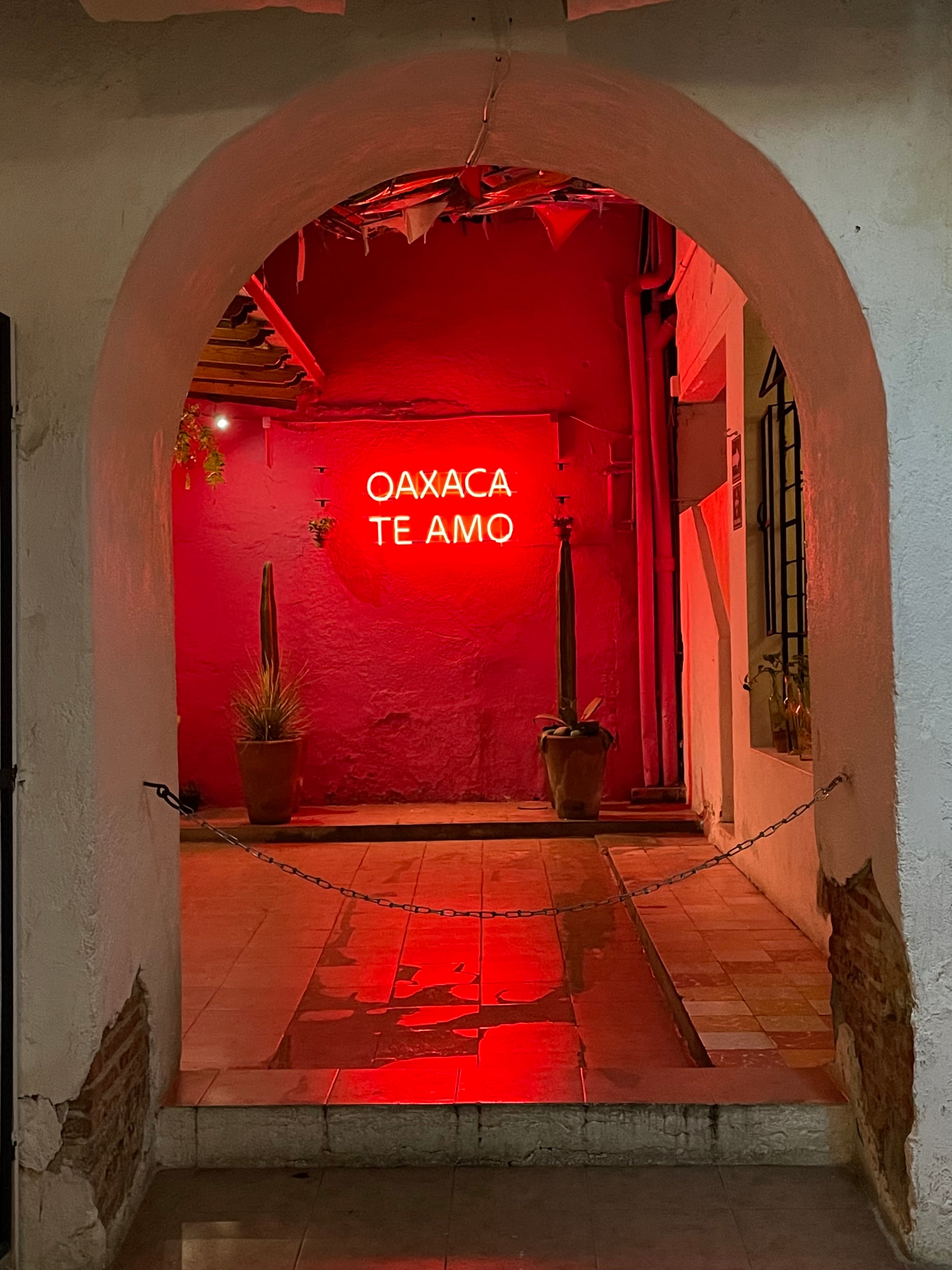
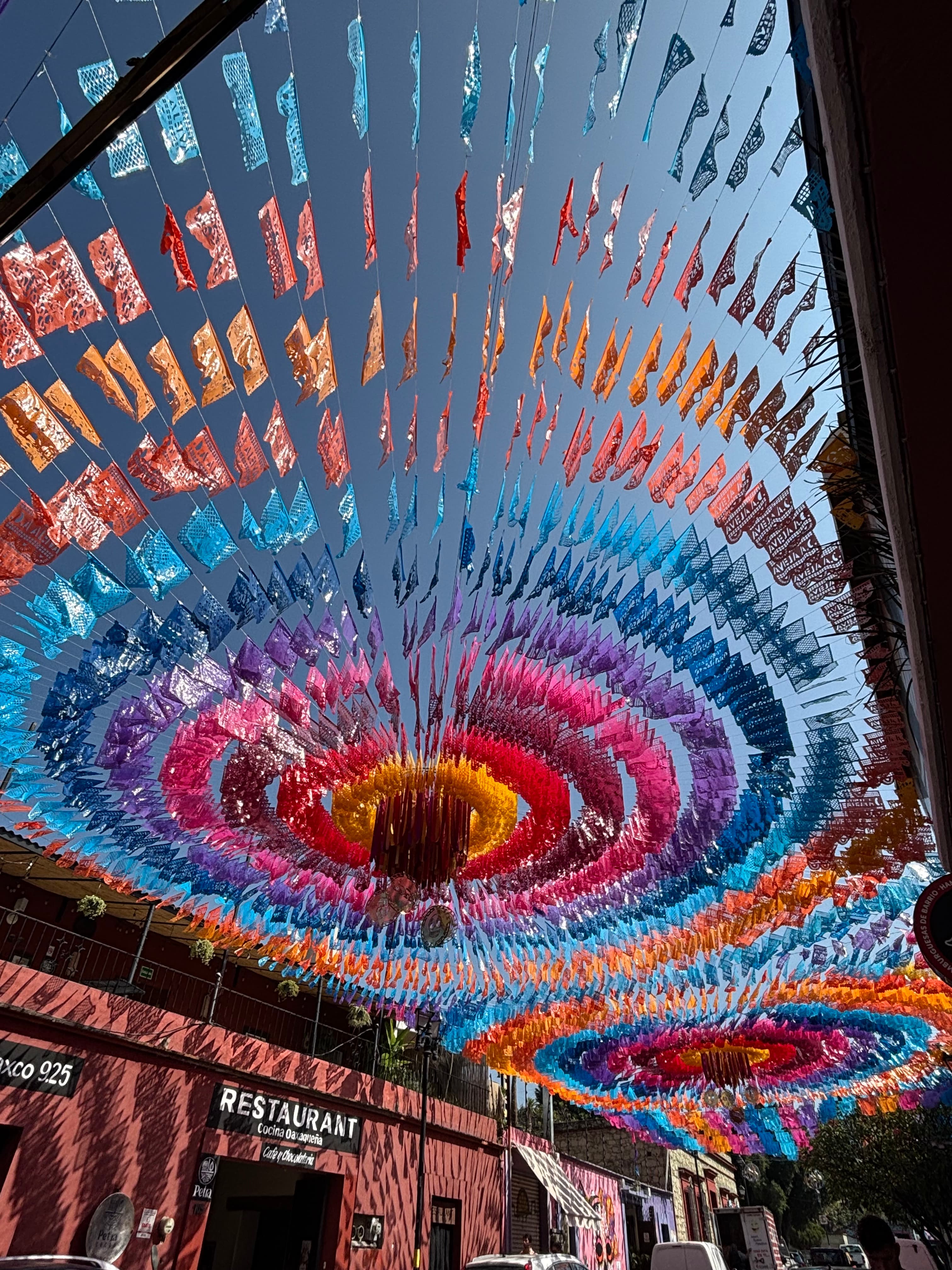
- 3.want a walkable, human-scale city with village vibes, where you can reach most cafes and bars on foot and almost never need a taxi.
Things to Do in Oaxaca de Juárez
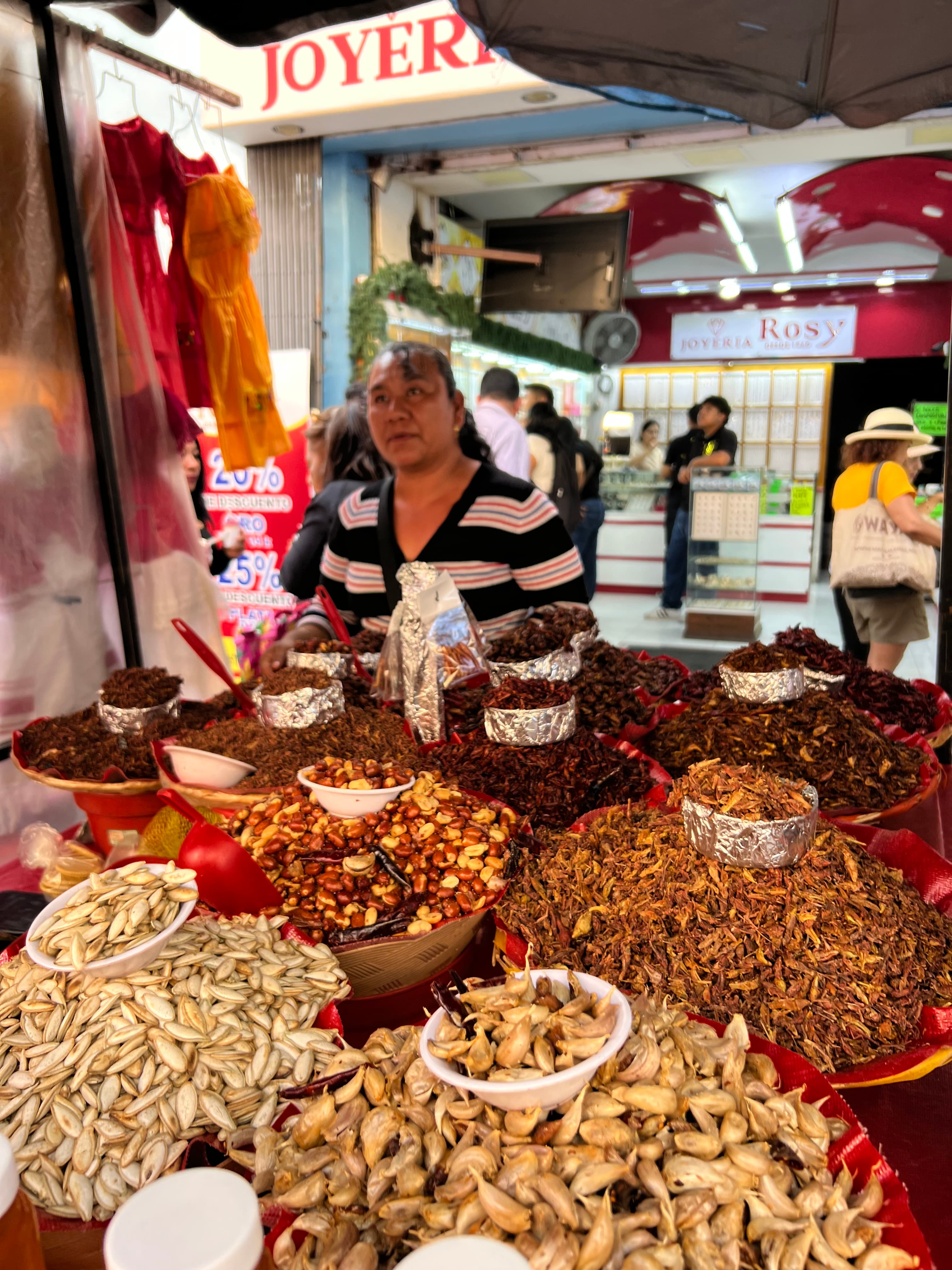
1. Explore local markets and try weird-looking food
My main tip for you is: eat, eat, and eat — as much as you can, and try as many things as you'll be able to tolerate (some of them, I have to say, are quite extreme).
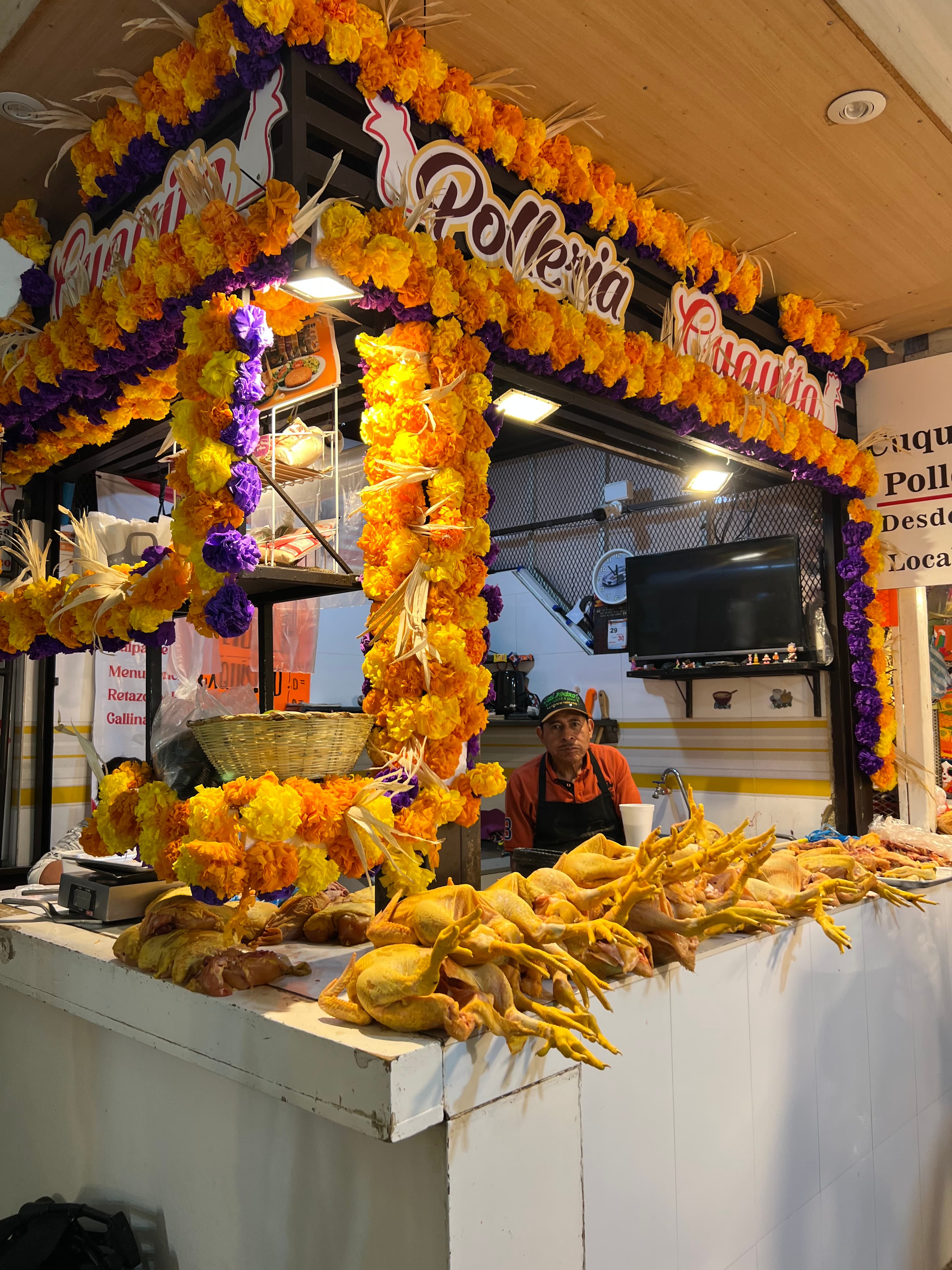
Oaxacan cuisine is one of the most famous in the world, and it's especially famous for its mole. The best places to try things are Oaxacan markets, which have such an authentic look and feel — we found ourselves eating with locals at the same table, where families come over on the weekends to enjoy Tlayudas and Memelas.
A few Oaxacan markets to check out:
Mercado Benito Juárez (opens in new tab)
Things to look for: El tejate, a famous Mexican sweet corn drink (it might not look too attractive at first glance, but it's actually tasty). If you dare — and I think it's the most fun thing to do — taste grasshoppers. You'll see shelves filled with bread buns that Oaxacans consume in enormous amounts with their daily cup of hot chocolate, famously produced in this region. I got seriously addicted to this ritual.
Mercado 20 de Noviembre (opens in new tab)
The coolest thing I discovered there was a meat corridor, which is exactly what it sounds like — a passage where, on the left and the right, men fry meats. You leave it happy, full, and soaked in the tempting, mouthwatering smells of woodfire and grill through and through.
If you travel alone and want company, or simply enjoy connecting with people over food, you can join a guided Oaxacan markets food tour where a local guide takes you to both markets and shares some history, recipes, and ingredient secrets.
I love looking at local ingredients and experimenting with how they can be played with in the kitchen, so I most frequently leave with a thing or two I want to get my hands dirty with at home. If you're like me but also want practical tips from local chefs, a market visit combined with a cooking class is the best experience money can buy.
For more on how I ate my way through the city, check out my Oaxaca food guide.
2. Go Mezcal-bar hopping
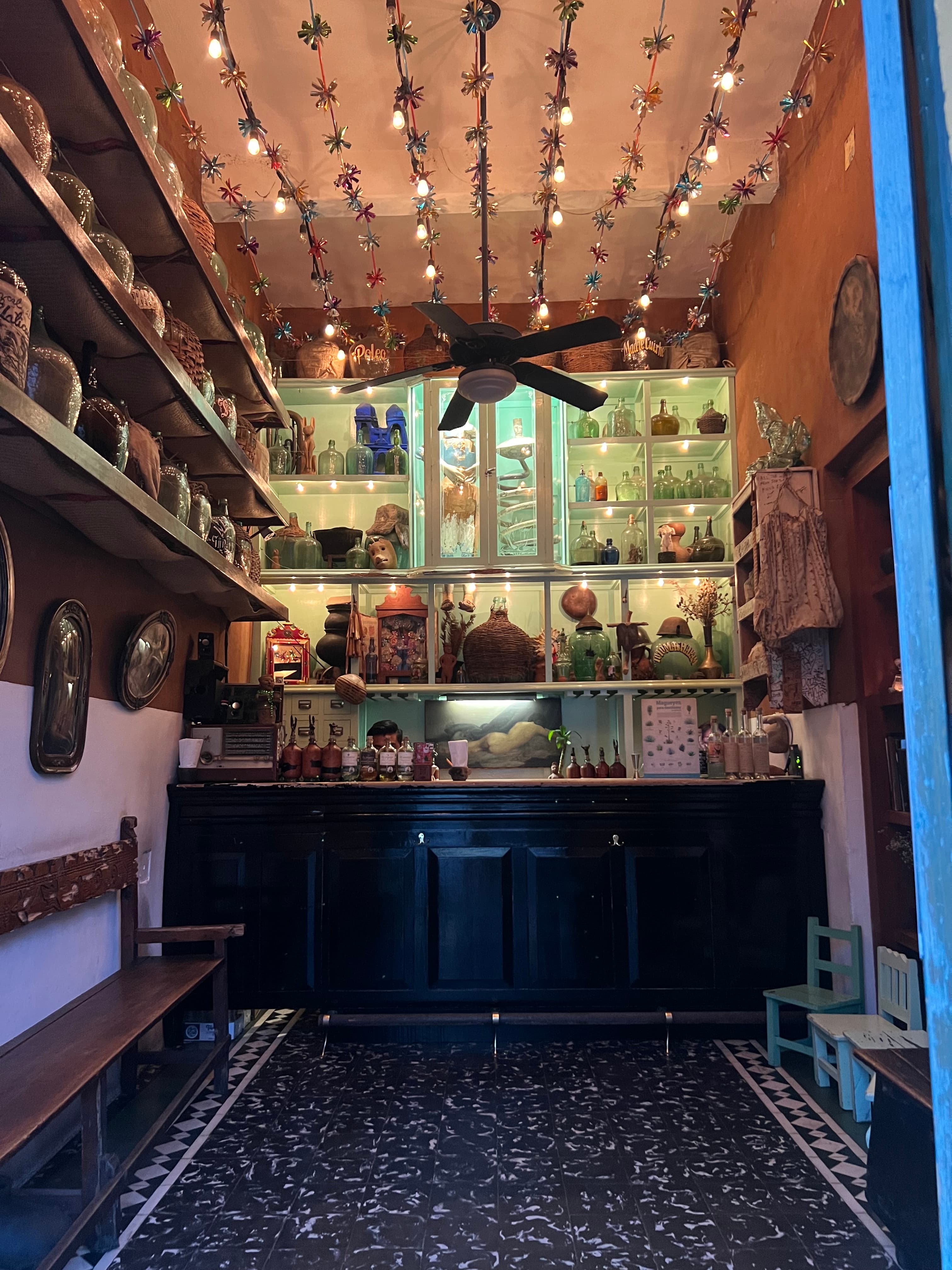
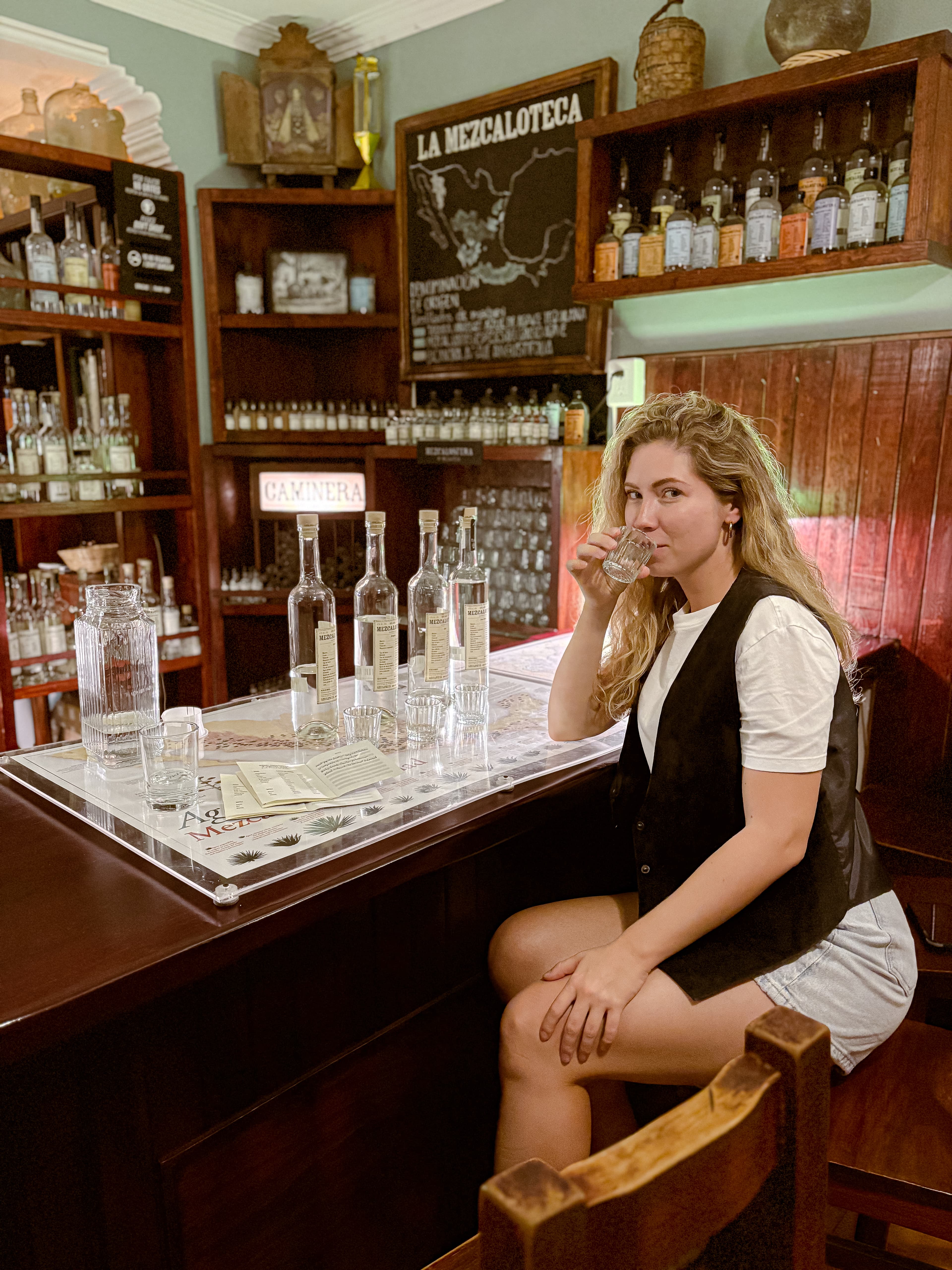
Oaxaca is the only city on earth with such a developed and versatile mezcal-bar network, and it's worth exploring while you're there. Mezcal is an agave-based drink, and many associate it with a smoky-tasting tequila (not exactly that, though). You can learn a lot — how to drink it properly to actually enjoy it, and even how to distinguish a variety of tasting notes. If that sounds crazy or impossible, let me give you some hope: even I, who loves beer and isn't very well-versed in wine tasting notes, was able to train my palate and find so many different flavors in mezcal's complexity.
There's a long list of mezcalerías; my favorites are listed in my guide to tasting mezcal in Oaxaca.
3. Visit the Oaxaca Ethnobotanical Garden
Designed by the iconic local artist Francisco Toledo, the garden sits in central Oaxaca and is a great place to walk around and gaze at cacti species you've probably never seen all in one place (unless you're from Texas or something). Check hours and tour times on the official garden site.
4. Do some artisanal-goods shopping
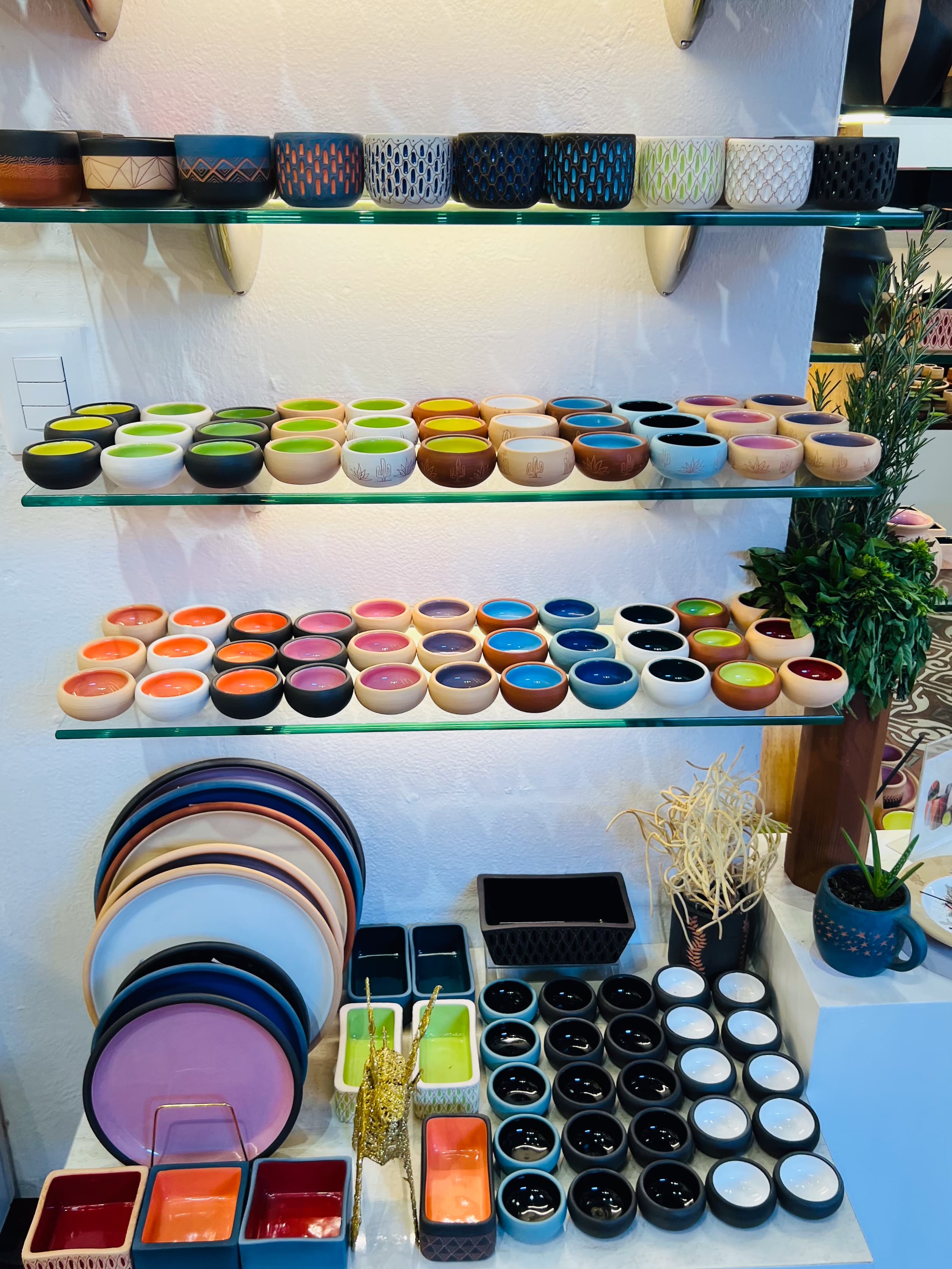
One thing I noted to myself is the immense number of shopping options for textiles, pottery, and rustic, vivid, colorful clothing items.
Ceramics
Oaxacan black clay — barro negro — is one of the most iconic crafts in all of Mexico. You'll find it everywhere, from market stalls to dedicated ceramics shops. Here are a few worth visiting:
- La Chicharra (opens in new tab)
A beloved local shop with a well-curated selection of Oaxacan ceramics and crafts — good range of sizes and styles, reasonable prices.
- Habitáculo Diseño + Arte (opens in new tab)
Part gallery, part design shop — a great mix of contemporary Oaxacan art and handmade objects. Worth a browse even if you're not buying.
- Tierra Quemada (opens in new tab)
Specializes in traditional barro negro pieces made by Zapotec artisans. The quality here is exceptional — a good place to find something you'll actually use at home.
Vintage
In a separate category, I have to put all the vintage and thrift shops. I had so much fun looking through curiosities and really unique items in such good condition: we left with a vintage Coca-Cola shirt and a suede vest to complement my cowgirl boots.
Best vintage shops I was able to find:
- Juana La Vintage (opens in new tab)
- Sobre Ruedas (opens in new tab)
- Juana La Vintage (opens in new tab)

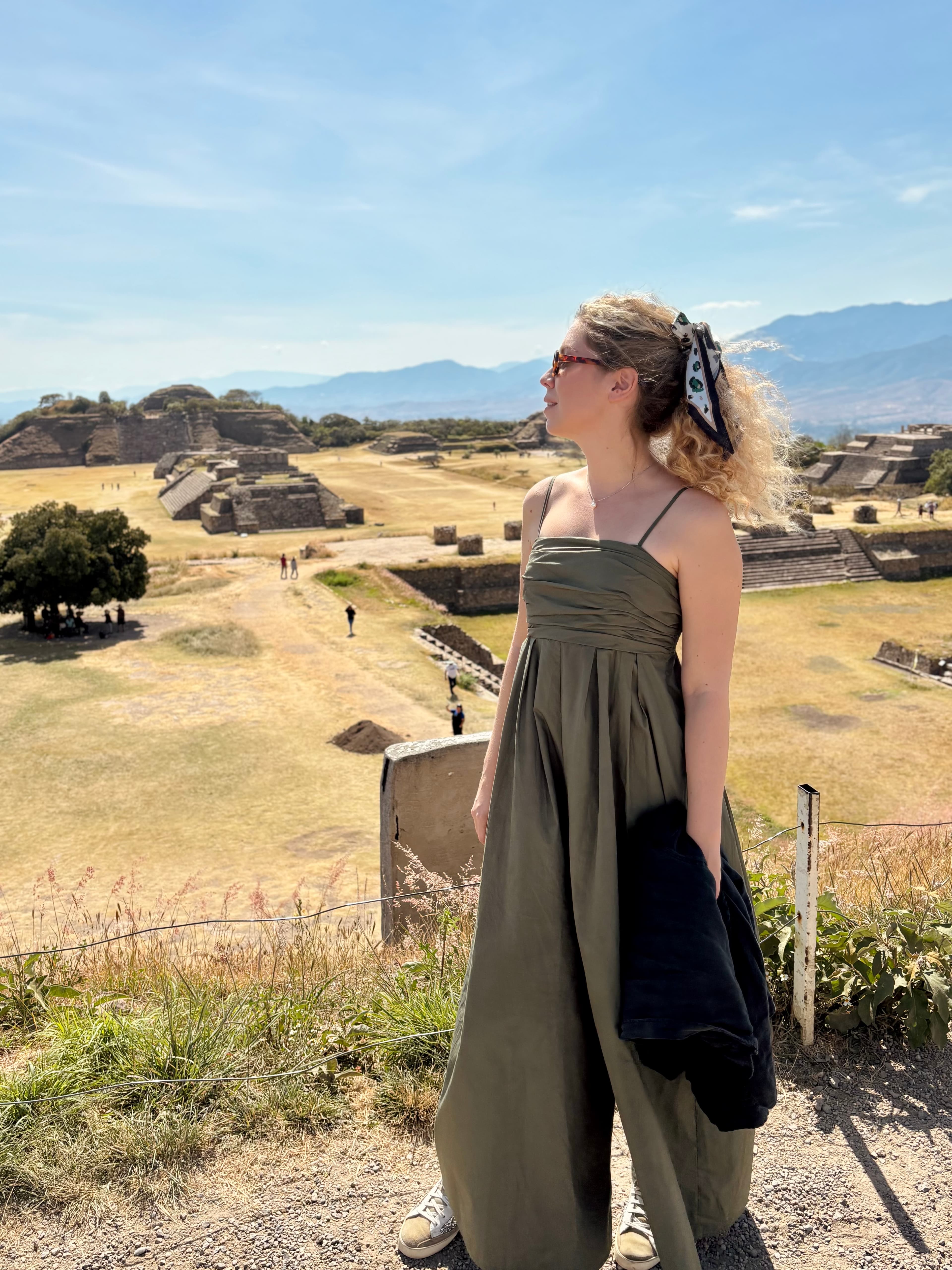
5. Visit Monte Albán
That's one of the best-preserved remnants of a pre-Hispanic city in Mesoamerica and a center of Zapotec civilization.
We took a public bus, which was around 120 pesos ($7 USD). This is a budget option, but you have to be ready for a rough ride — it runs on super old-school buses where you feel every bump of the road, and they pack them full. If you prefer a private transfer, the most popular and comfortable option is the Lescas Co Monte Albán shuttle: smaller, much more comfortable shuttle buses. (I'd have gone with this if I'd known.)
6. Hang out at the Zócalo
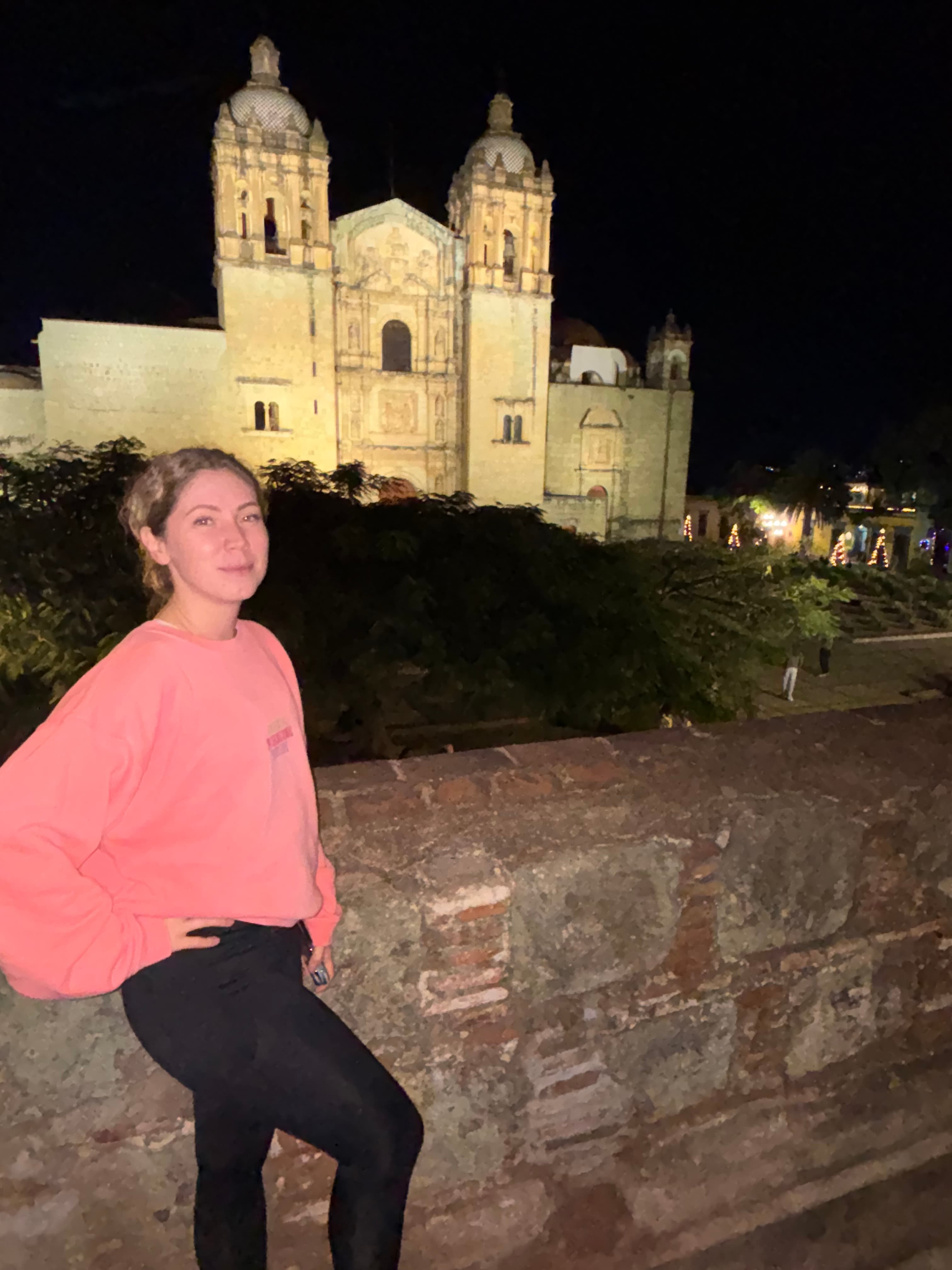
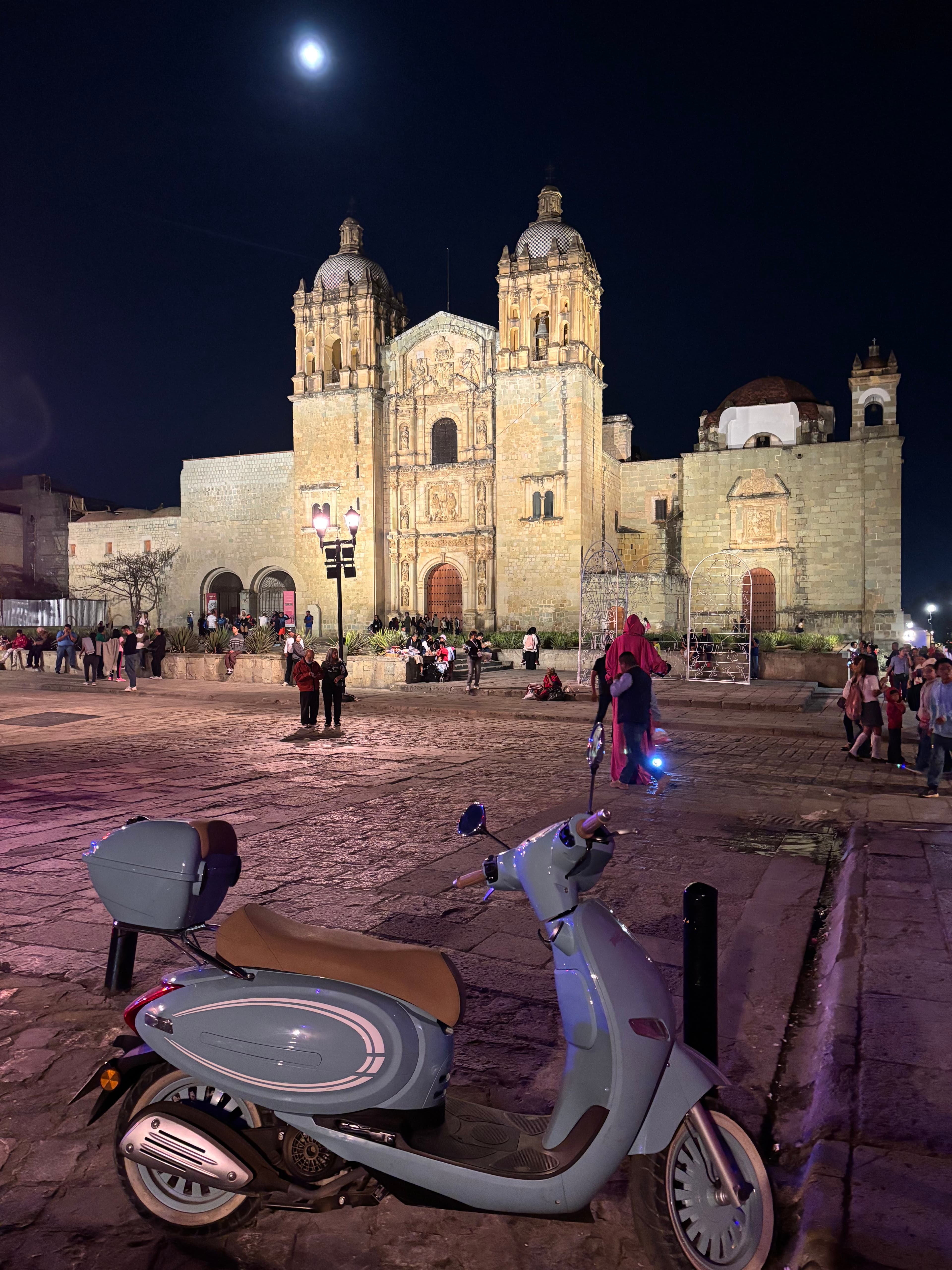
Whenever we didn't have a clear plan at night, or just felt like walking around, all paths led us to the Zócalo — and it's indeed a great center of everything important happening in Oaxaca. If there's any festival or religious holiday celebration, you'll definitely see things happening at the center of this square.
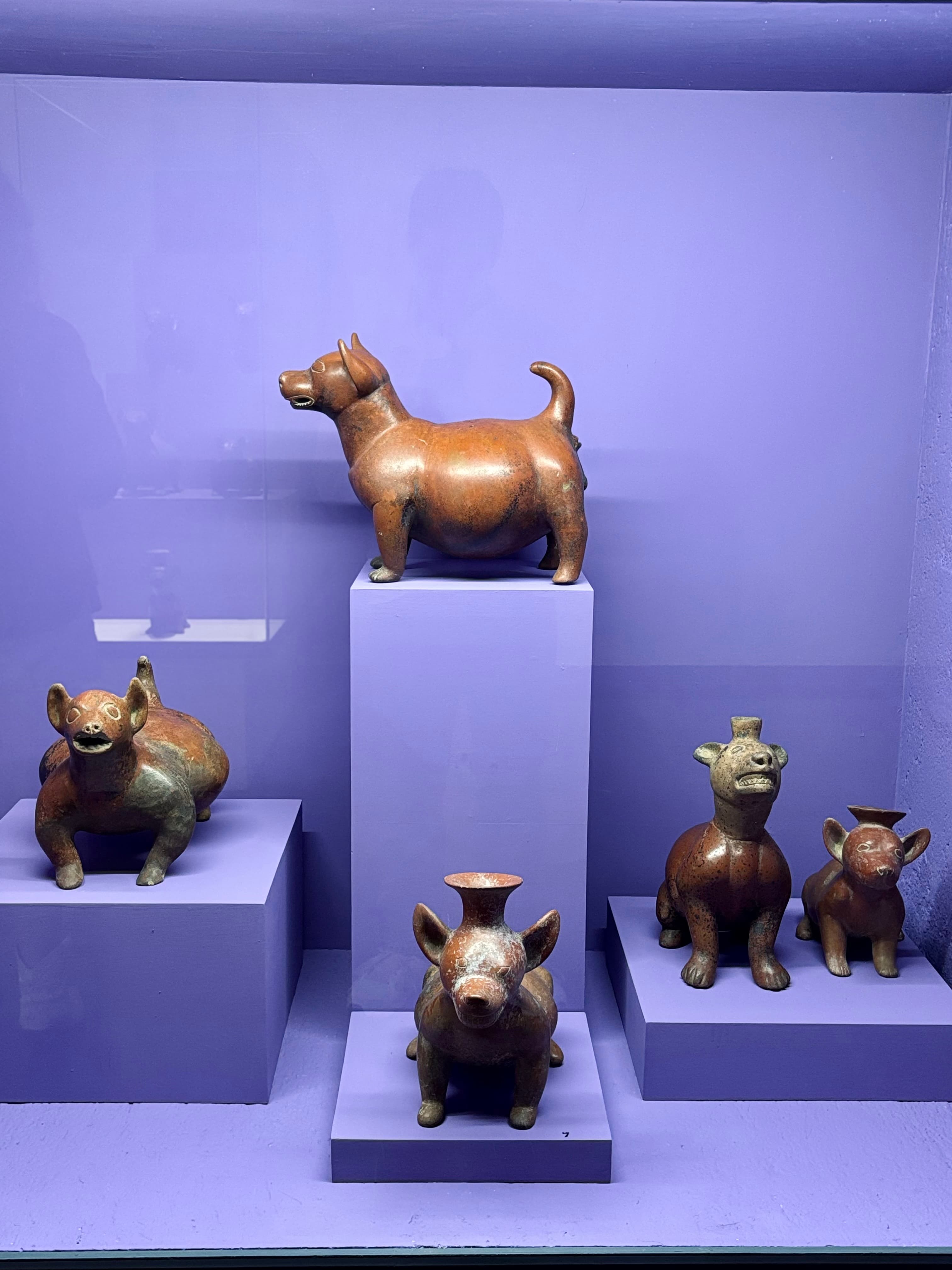
7. Visit the Museo de las Culturas de Oaxaca
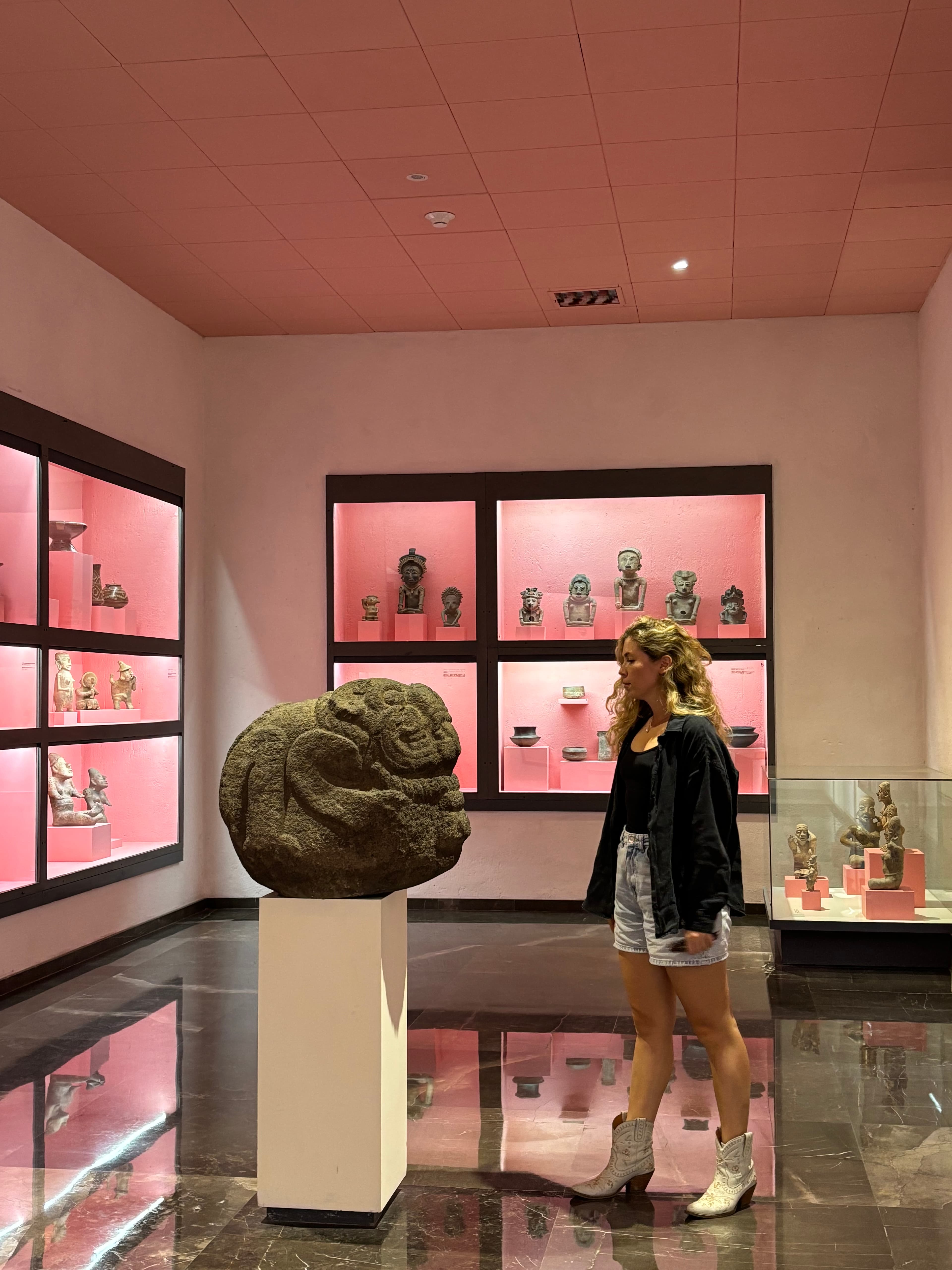
Located inside a magnificent former Dominican monastery, it's now home to a growing collection of artifacts — precious metalwork, ritual objects, and carvings and gems found at Monte Albán.
8. Finish the day on a rooftop
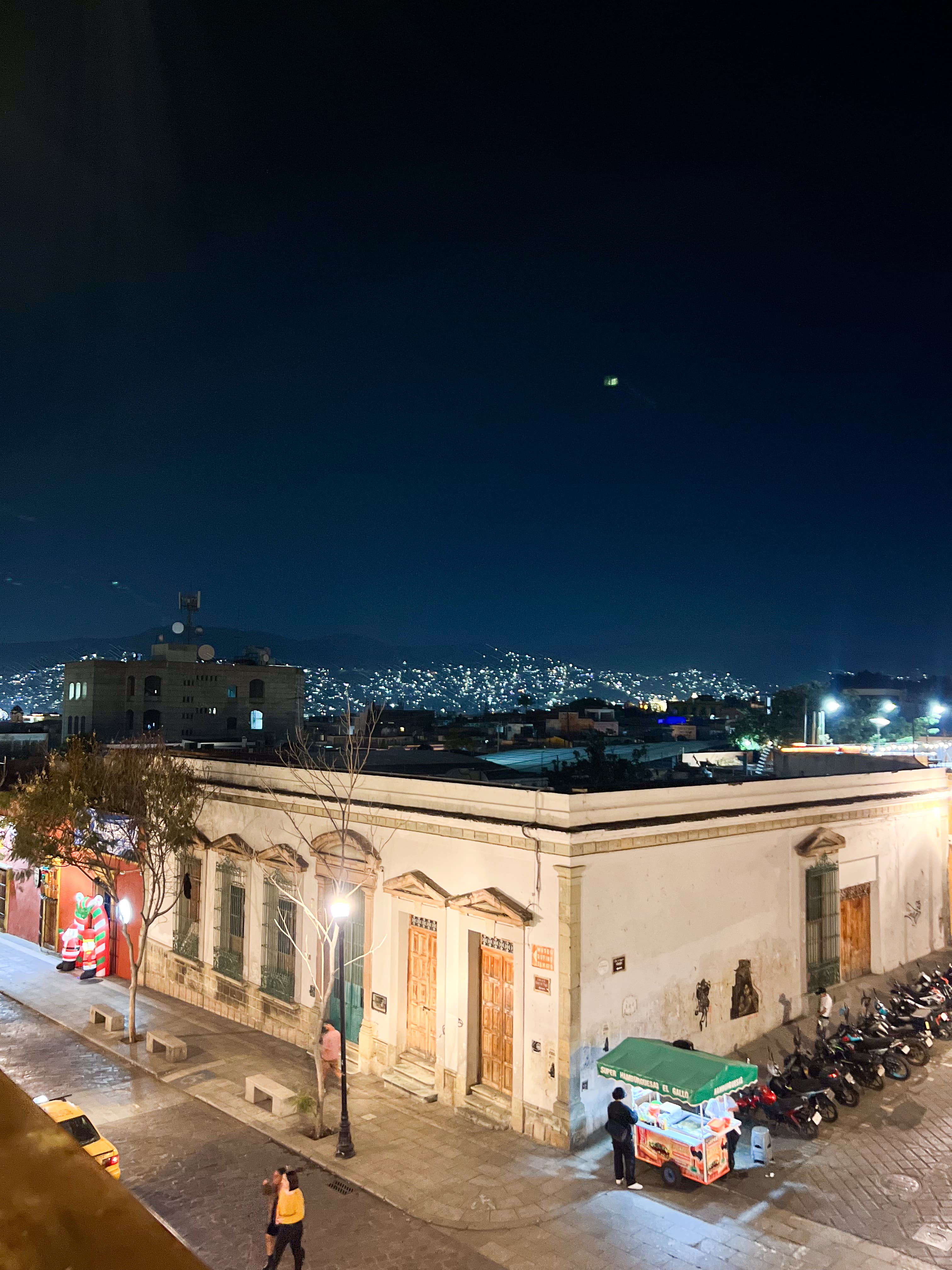
For me, nothing can beat a great view of the city from a rooftop, especially in a place like Oaxaca, where you can see really far out since there aren't many tall buildings — coupled with a great Margarita or Mezcalita, you just can't miss it. This is the best way to wrap up your day.
My favorite rooftops are:
- Viajero Rooftop Bar (opens in new tab)
Our go-to every Friday night. It has a big nomad community socializing there all the time — located next to a hostel, so there's always someone to talk to.
- Ama Terazza (opens in new tab)
A good option for both food and drinks. The menu is solid and the terrace view doesn't disappoint.
- Gozobi Restaurant and Bar (opens in new tab)
Everything we ordered was delicious — but the mezcalita Jamaica is the one to get. One of my favorites in the whole city.

Where to Stay in Oaxaca
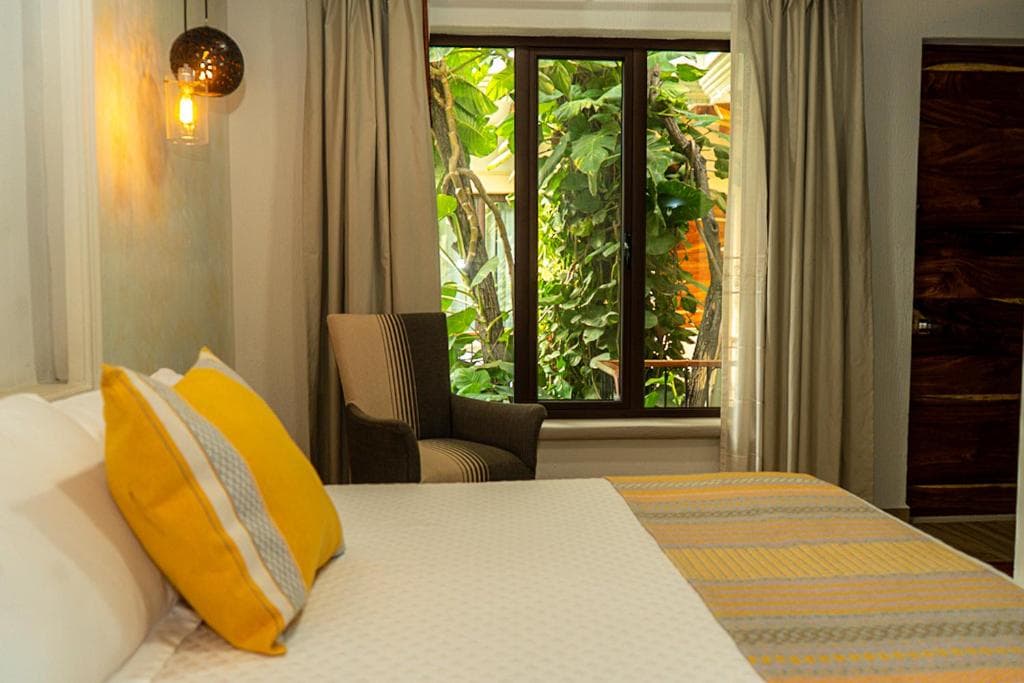
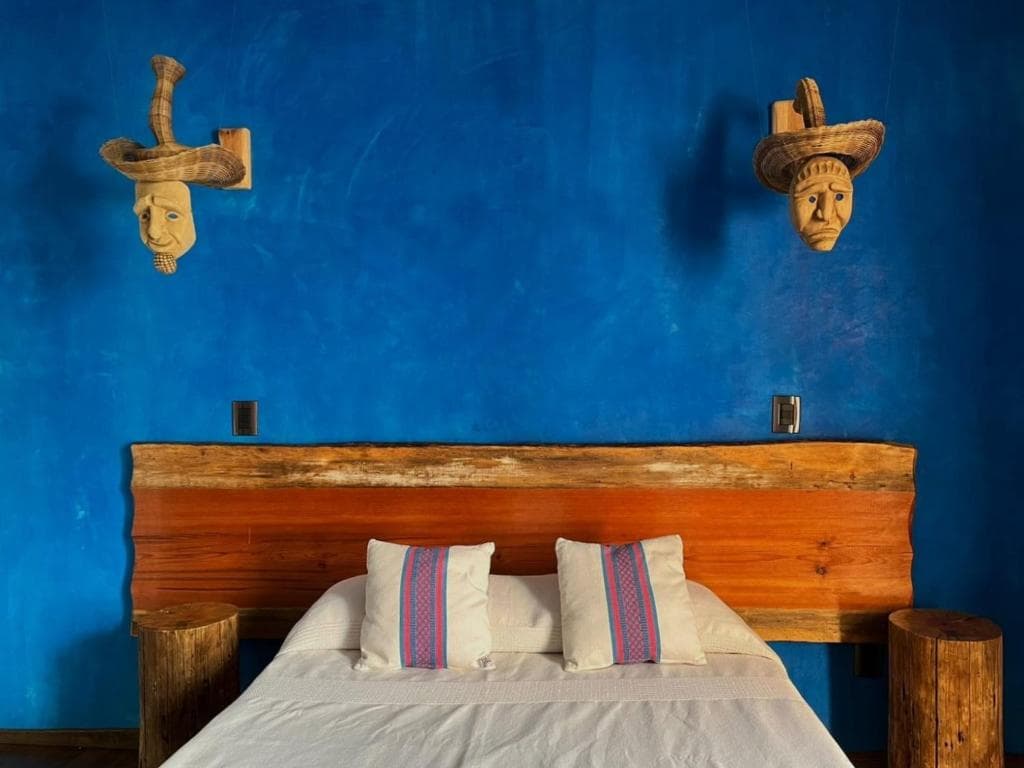
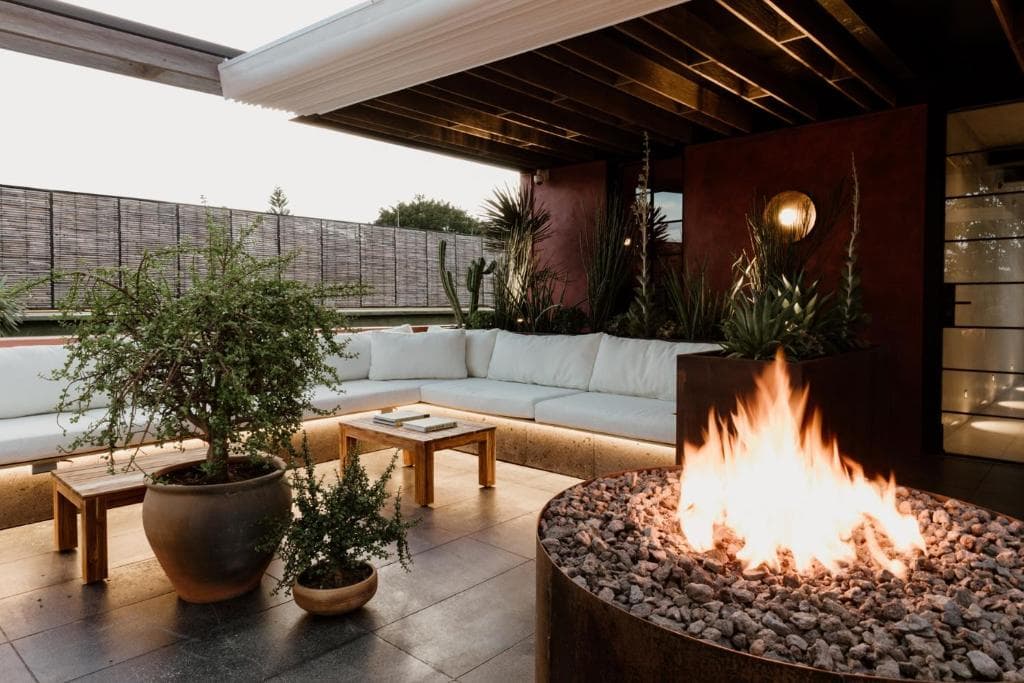
Looking for where to stay in Oaxaca? Check out my favorite hotel options:
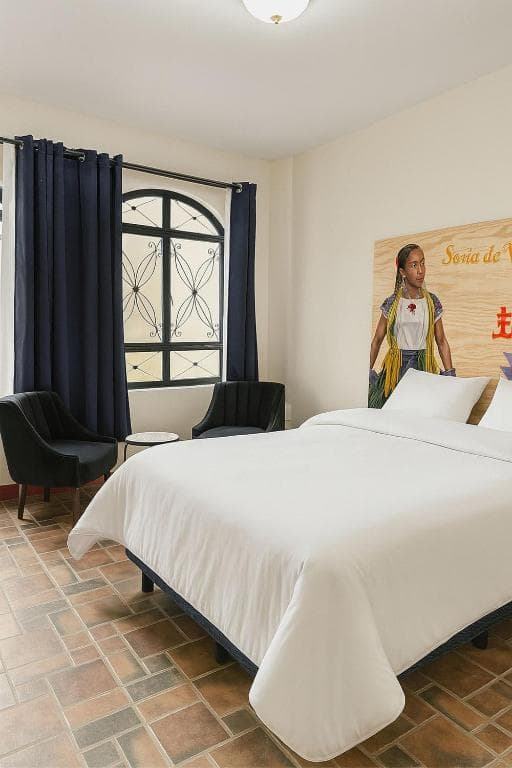
Oaxaca · $$
Oaxaca · $$
Frequently Asked Questions About Visiting Oaxaca
You may also like
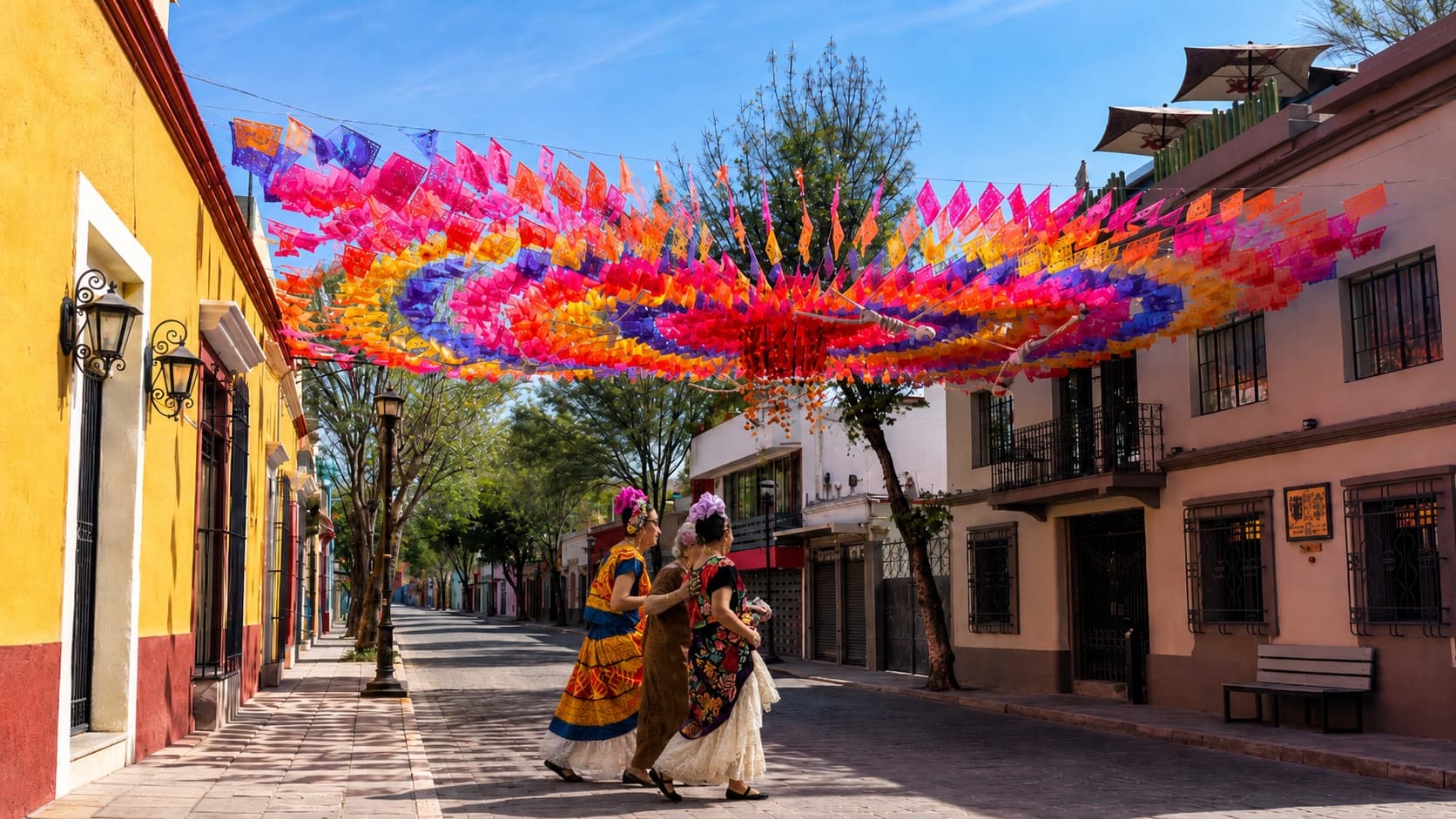
What to Eat in Oaxaca: A Food Lover's Guide
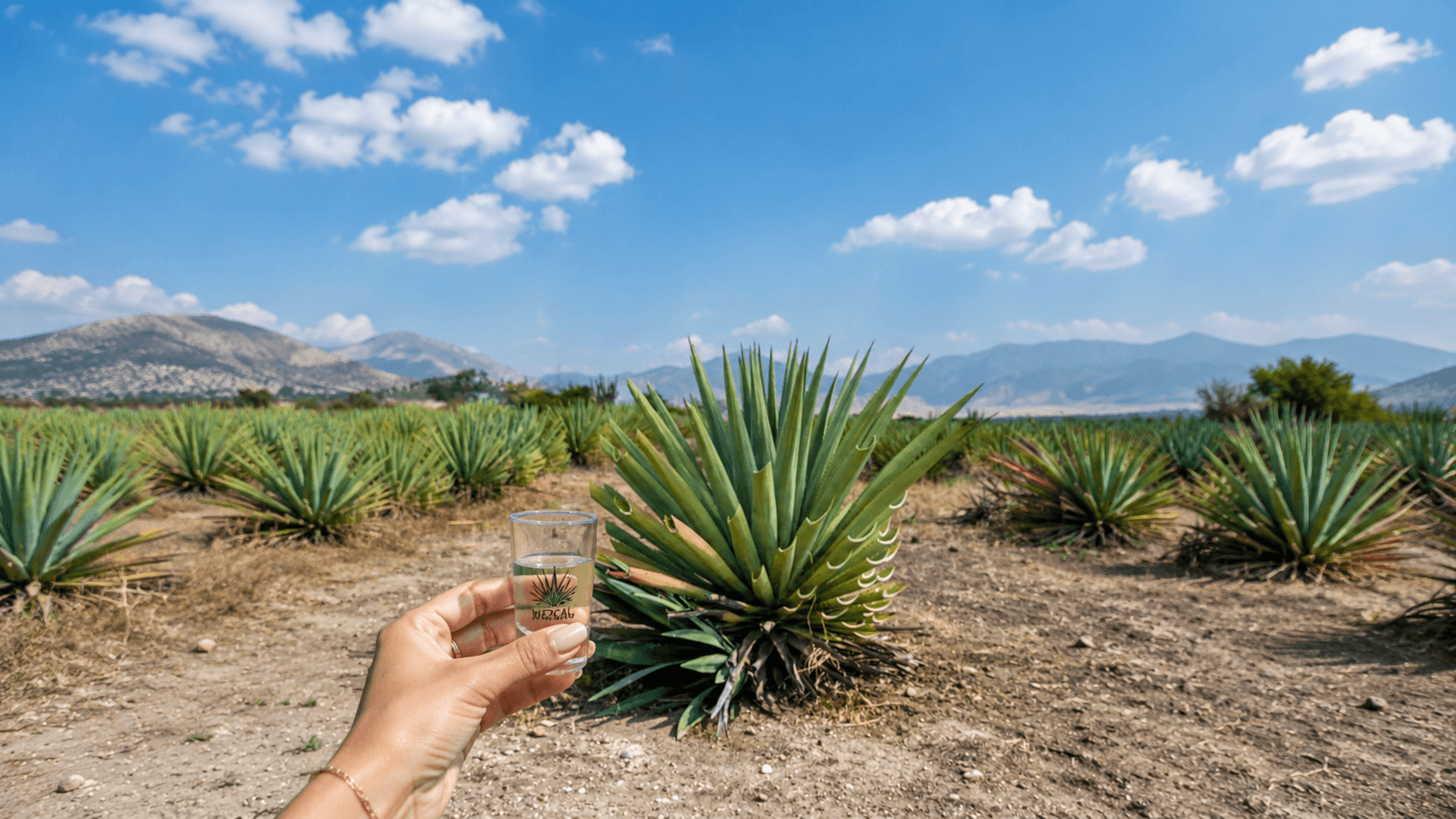
How to Taste Mezcal in Oaxaca
Hiking Acatenango Volcano Solo as a Female Traveller
Some of the links on this site are affiliate links. This means I may earn a small commission if you purchase them at no extra cost to you. I only recommend things I genuinely use or believe in.