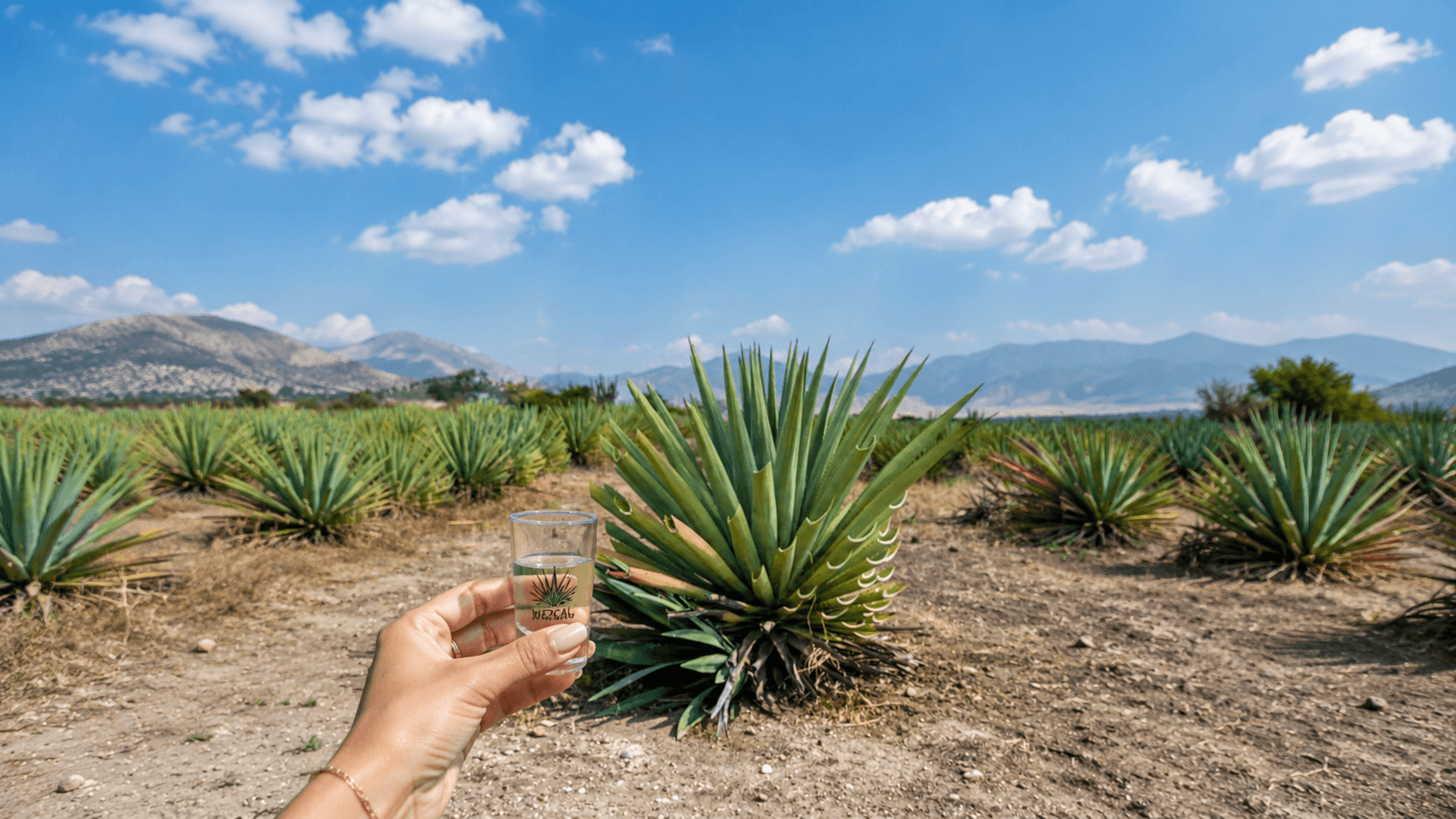
How to Taste Mezcal in Oaxaca: A Beginner's Guide to Espadín, Tobalá, and Beyond
June 16, 2026 · Updated October 8, 2026
I get to spend a little more than two weeks in Oaxaca (also referred to as Oaxaca de Juárez), the land of Mezcal, and get acquainted with the craftsmanship of Mezcal producers and walk around mezcalerías, bars that serve only mezcal in all kinds of varieties - from the most common, Espadín, to the rarest, Sierra Negra.
If you're curious about culture and heritage, love to explore new flavours, and don't mind getting into a strong liquor tasting, Oaxaca, Mexico could be a great place to be for solo female travelers and digital nomads alike - and the main reason to try mezcal!
The only way to get to know this drink and be able to tell the difference between various agave types is to go around Oaxaca and taste as much as you can (it's tough work, given how strong this drink is!). To make it easier for you, this article breaks down for you how to drink mezcal, the best bars to try it, and how to choose which types to start with if you want to cut straight to the best ones.
How mezcal is made
It's created with the heart of the agave plant (also known as a maguey in Spanish). With roots that trace back centuries, mezcal was named for the Nahuatl term for cooked agave, because unlike tequila, the agave plants must be roasted before they can be transformed into mezcal. That's where mezcal gets its smoky, almost spicy, flavour.
Mezcal vs. Tequila: What is the Difference?
The question that comes to mind, if you try mezcal for the first time: how is it related to Tequila then? Tequila is simply the legal name for one type of mezcal. Mezcal can be produced from up to fifty different species of the agave plant, including the one that tequila must be made from: Agave tequilana Weber. Tequila is also usually steamed in ovens instead of roasted underground, so the definitive smoke characteristic is often absent. Finally, like mezcal, tequila has a regulated Appellation of Origin and can only be made in the states of Jalisco, Guanajuato, Tamaulipas, Nayarit, and Michoacán. Everything that's produced outside of those states has no actual right to be called mezcal.
How to Drink Mezcal Correctly: Tips from a Maestro Mezcalero
Here's what most people get wrong - they assume that mezcal is just like tequila, that it is served in shots and you're supposed to shoot it. This is wrong, and I also thought that this is how you do it - but a maestro mezcalero quickly gave me a how-to on how to actually drink it the right way. A few tips I learned from bartenders who specialize in mezcal and maestros mezcaleros:
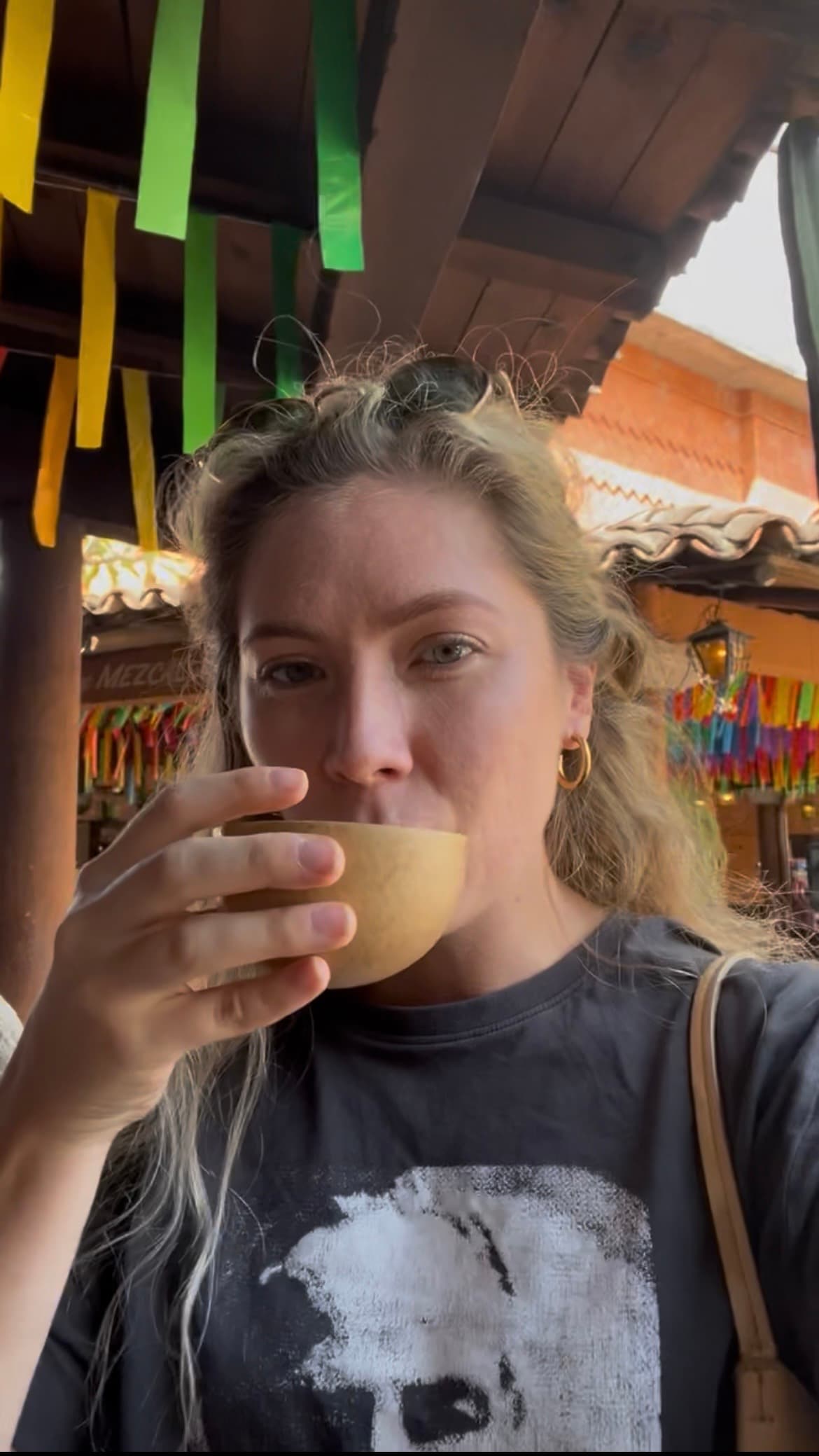
- 1.Use the Right Vessel. Pour about half an ounce into a traditional copita (a small, shallow clay bowl) or a veladora (a short, small glass). The wide mouth allows the spirit to breathe and releases the rich aromas.
- 2.Nose the Mezcal (mezcaleros call it - The Kiss). Bring the glass to your nose at a slight angle with your mouth slightly open. Inhale gently! This allows you to appreciate the aromas without burning your sinuses with alcohol.
- 3.Prime Your Palate. Mezcal has a high proof, so the first sip is just a primer. Take a “kiss” of the liquid - a tiny sip that coats your lips and the tip of your tongue. Swish it briefly, swallow, and exhale through your nose.
- 4.Sip and Aerate. Take a second, normal-sized sip. Let the mezcal rest on your tongue for a few seconds to experience the sweet agave, followed by the smoky and mineral finish. Swallow, and again, exhale through your nose to catch the lingering flavors.
- 5.Use Traditional Chasers. Many drinkers pair mezcal with orange slices dusted with sal de gusano (a traditional Oaxacan salt made with ground agave worms and chiles - I know, it sounds disgusting, but it tastes just plain spicy, which I liked). Take a bite of the orange to cleanse your palate between sips of mezcal.
My honest warning
Mezcal is very strong. High-quality artisanal mezcal regularly clocks in between 45% and 55% ABV.
Something that helped me to sit through a tasting: avoiding drinking before a good fatty meal; pacing myself and taking more time - 20-30 min to finish one shot; hydrating aggressively - a full glass of water on one mezcal shot. Trust me, if you follow these rules, you'll be just fine (I'm speaking as a quite petite, not very tall girl with a skinny build, and it helped me through my tasting a lot).
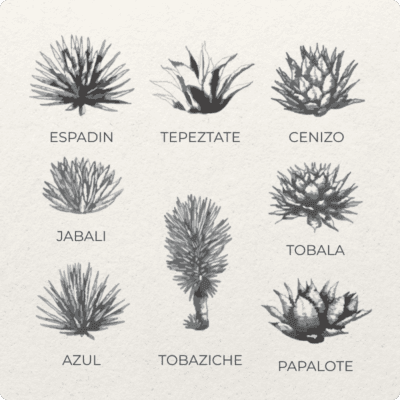
Types of Mezcal Agave: Espadín, Tobalá, Tepeztate, and More
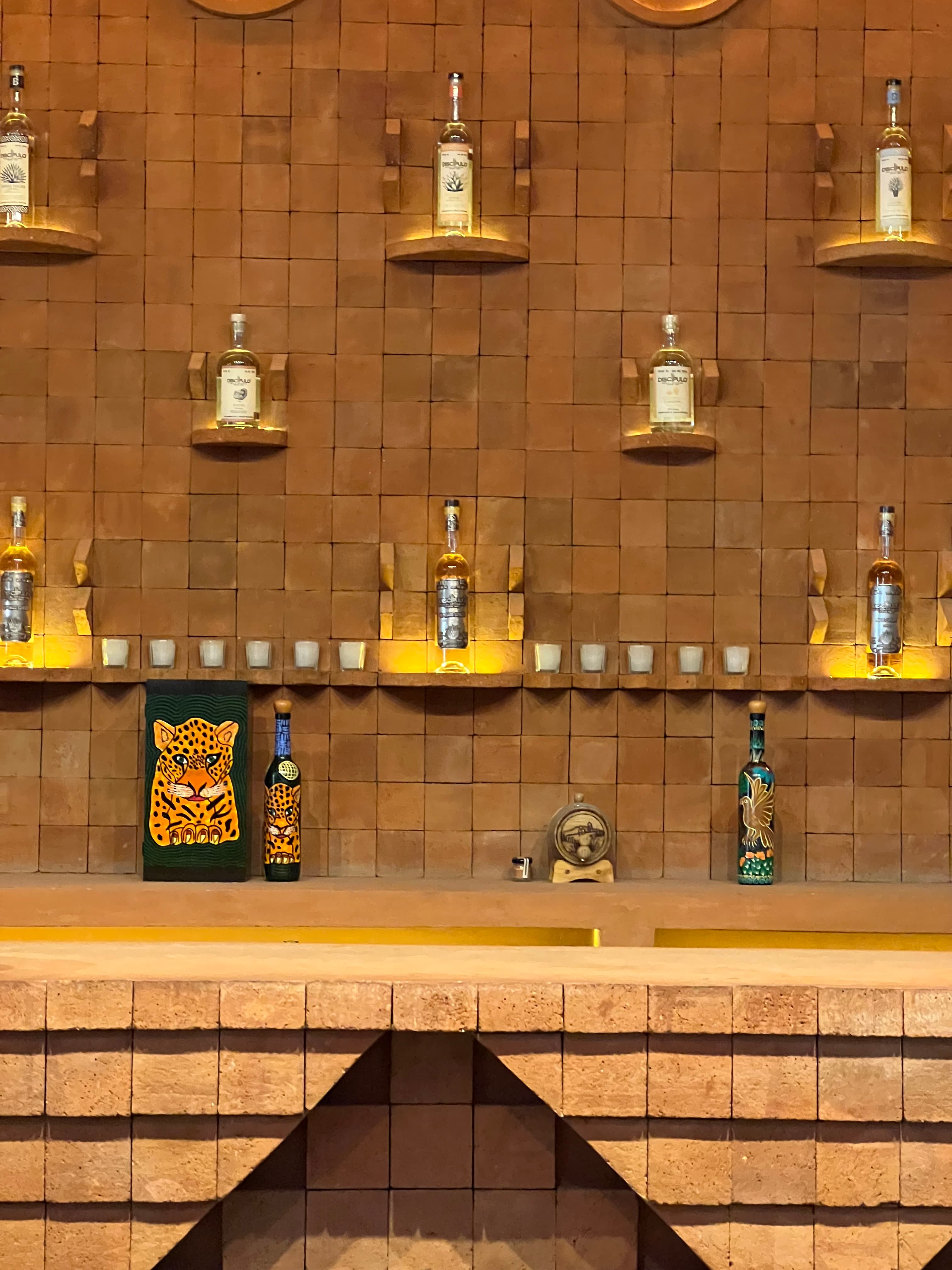
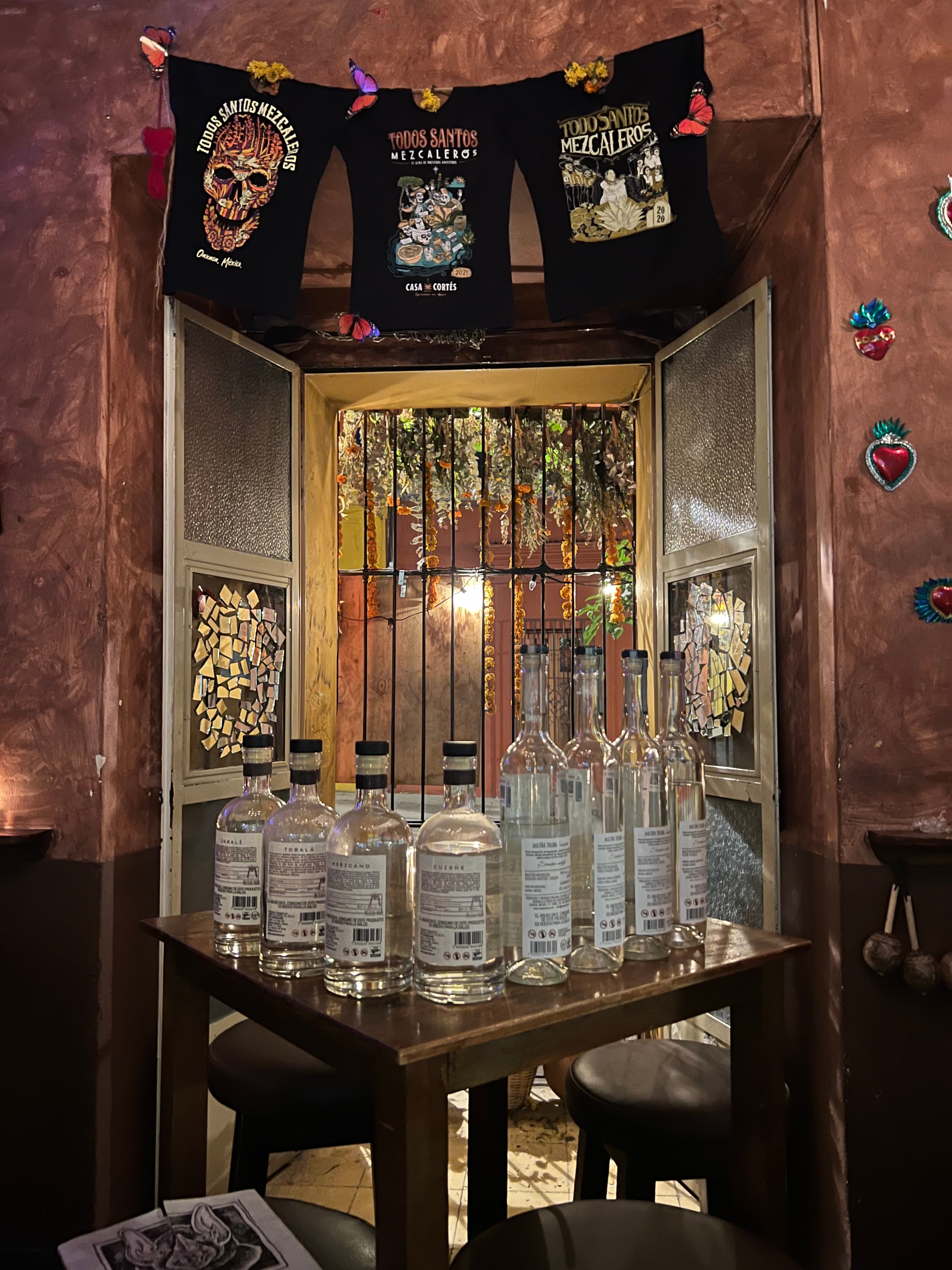
Once in Oaxaca, we went on a Mezcal adventure with a desire to know more about this drink, and decided just to pop into any bars that were serving mezcal to get an idea of how this drink works. Why does every mezcalería have so many bottles displayed on their shelves, and what is the difference between those? One important note, before I dive in, is: most of the bottles and shots you will see served in Oaxaca are called artesanal mezcal, which is different from what you can find in most of the liquor stores, usually referred to as industrial mezcal. Artisanal mezcal brands, on the other hand, are usually produced with a semi-manual method: using a stone wheel (tahona) pulled by a horse or a donkey, and a copper still container for the distillation process. There's Ancestral, which is considered the closest to the heritage method used by indigenous people of Oaxaca.
1. Espadín Agave (The Most Common)
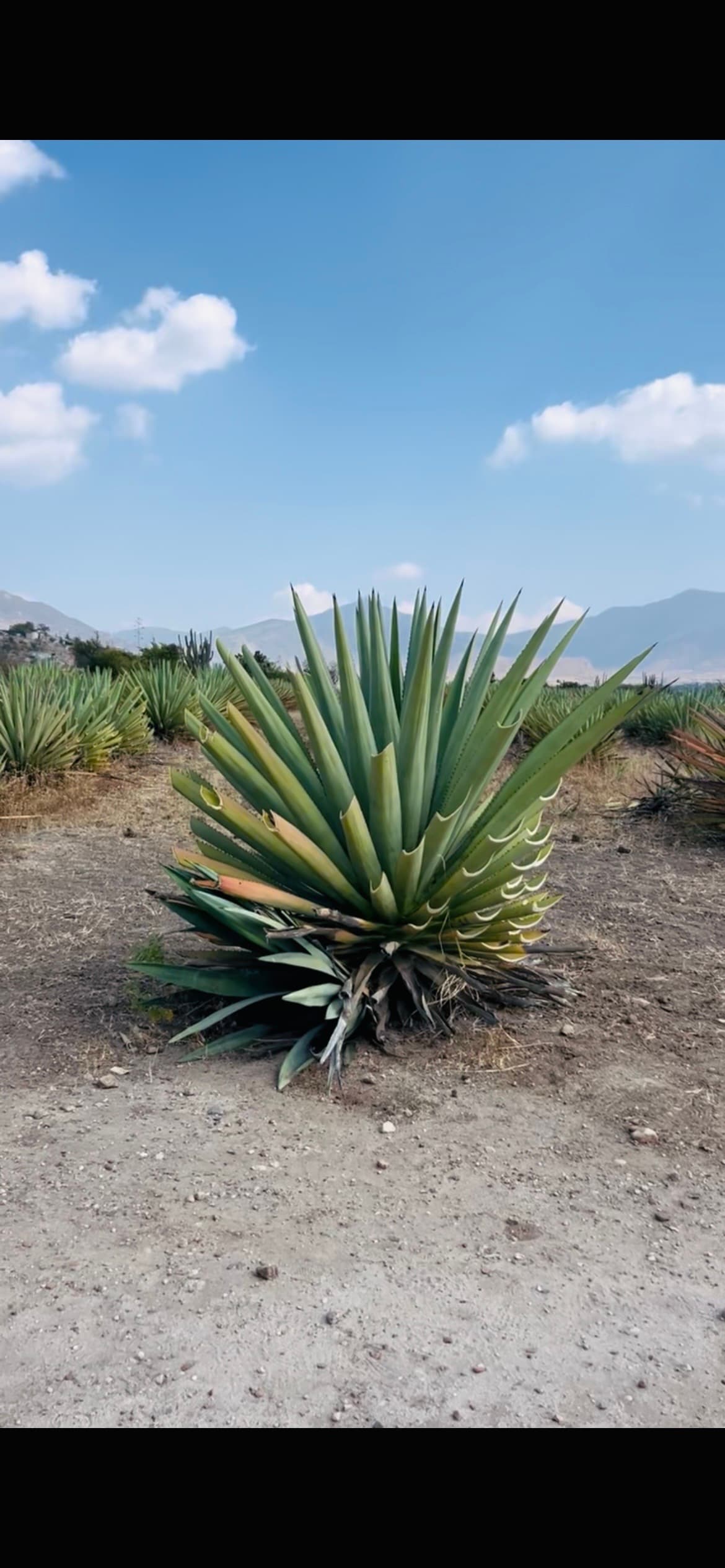
Espadín is a sort of agave that is used to produce mezcal most commonly - this is what you'll see in any bar where they make mezcal-based cocktails (who doesn't love a good mezcalita?!). The reason why it's so popular and responsible for almost 90% of all produced mezcal is that it matures quickly (6-8 years) and carries a high sugar content.
As I was told by a few bartenders at mezcalerías - that the tasting notes widely vary not only between the types of agave, but between the places of origin, and also, quite shockingly, between the batches - every new batch could taste absolutely different!
When we were in Oaxaca I got to taste some of the unique types of Mezcal that are not widely available outside of the state, but after doing a few tastings and looking for tasting notes trying to distinguish them I was able to tell one from the other.
That's been such a unique and exciting experience that I took a lot of notes while doing that and am sharing those with you to help you find your favorite kind and get introduced to this amazing drink.
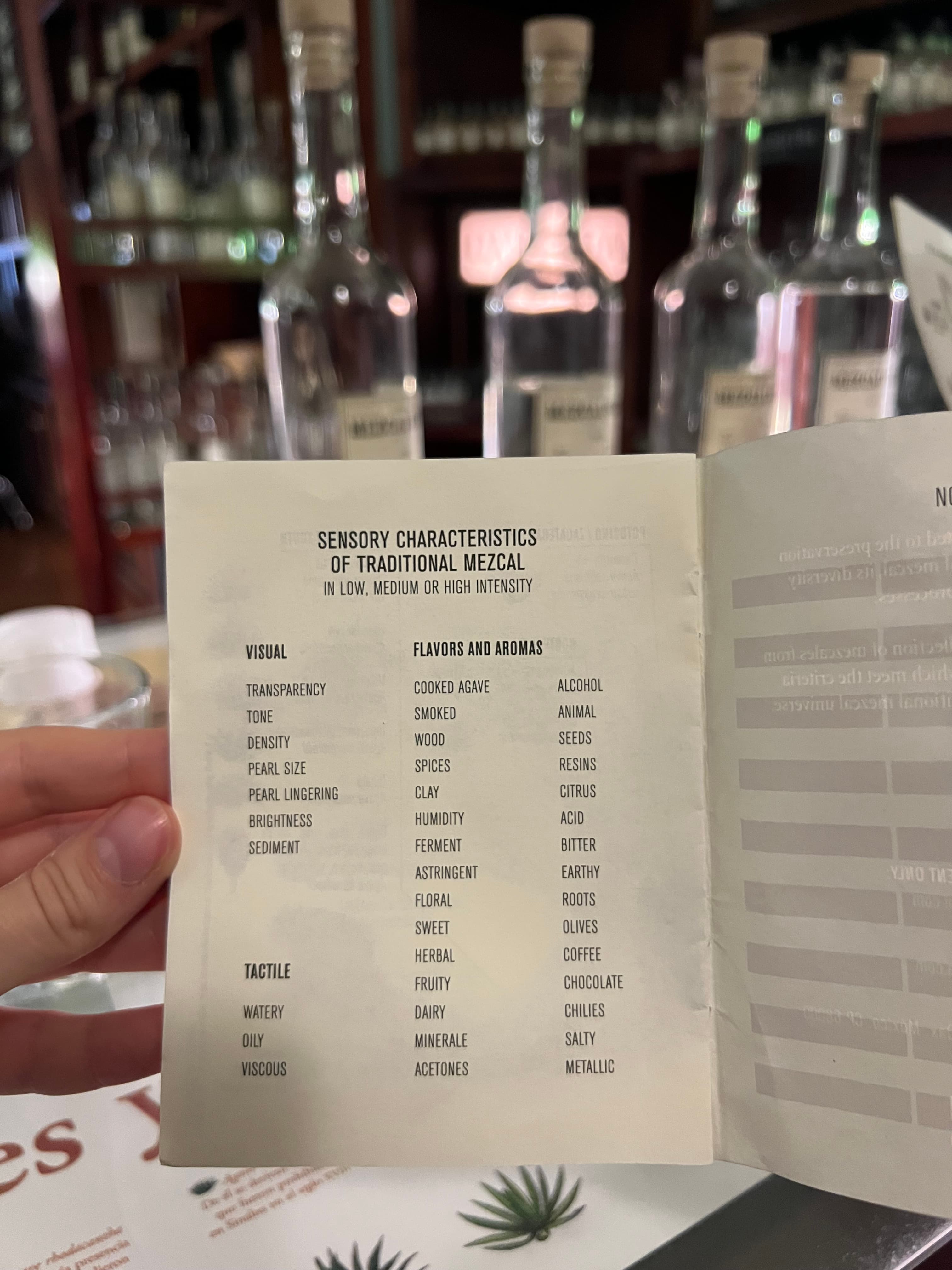
Here are the espadíns I tried and these are my tasting notes:
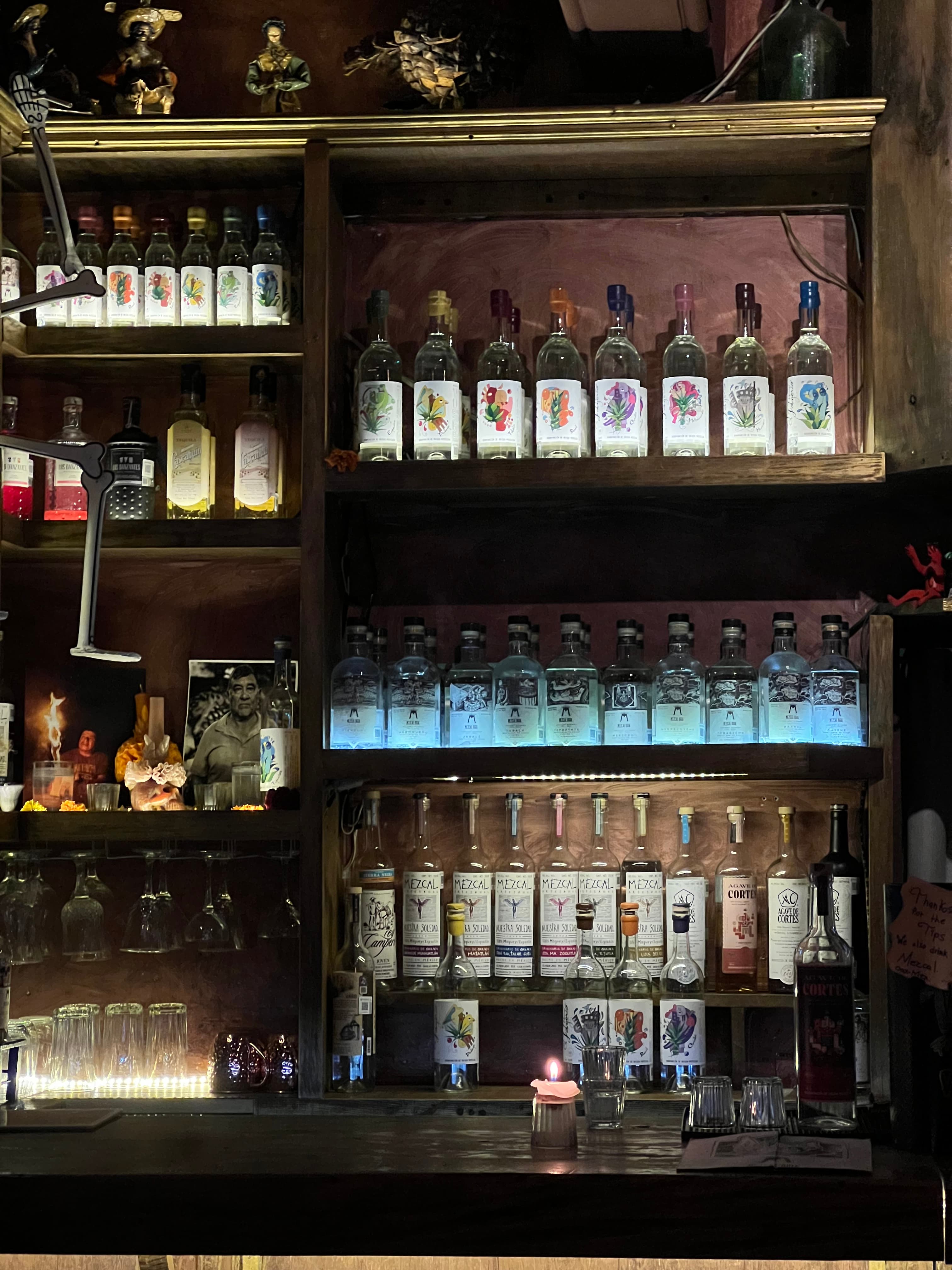
- —Espadín from Matatlan (“Nuestra Soledad”) — bubble gum, sweet acetone, strong alcohol (my rating was 7.5/10)
- —Espadín from Ejutla (“Nuestra Soledad”) — fatty, whipped cream, coconut piña colada with a grape finish (strong 9/10)
- —Espadín from San Baltazar Guel (“Nuestra Soledad”) — ginger, clay mineral sweet (also, very confident 9/10)
- —Espadín from Miahuatlan (“Nuestra Soledad”) — jalapeño, strawberry candy (8)
What I learned from this is how different terrain produces such different tasting notes.
Ejutla (Nuestra Soledad) is famous for its rich, dairy-like texture; that “fatty, whipped cream, piña colada” note comes from the local wild yeasts and water profile during fermentation.
San Baltazar Guel sits in a humid, tropical river valley with mineral-rich soil, giving you that gorgeous “ginger, clay mineral sweet” structure.
Miahuatlán is iconic for its iron-rich soil and distinct local yeasts, yielding that fascinating juxtaposition of savory heat (jalapeño) and bright, artificial fruit (strawberry candy).
2. Sierra Negra (Agave Americana)
Time to mature: 12 to 25 years. Tasting notes: buttery feel in the mouth, green apple on the nose (9.5/10 - my strongest favorite!)
3. Jabalí (Agave Convallis)
Time to mature: 12 to 15 years. Notes: pickled jalapeño, beetroot astringency, Negroni bitters. (7/10)
4. Tobalá Agave
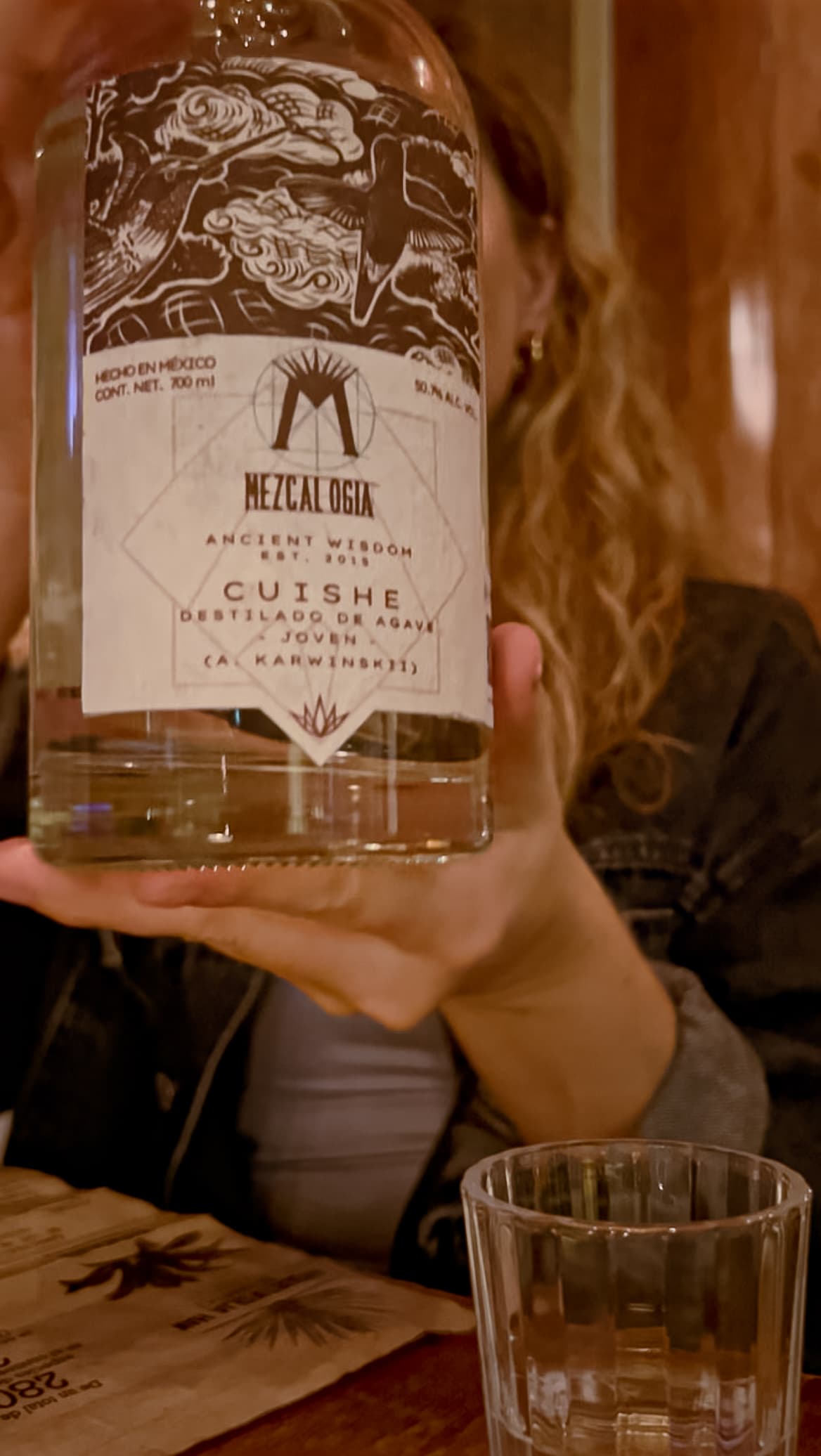
Tasting notes (from Mezcalogia): “unripe bananas, coffee”, and “caramel at the end”. This bottle has incredible depth, transitioning from bright fruit into dark, roasted, sugary warmth! (strong 9/10)
Clay vs. Copper Distillation: How Does it Affect the Flavor?
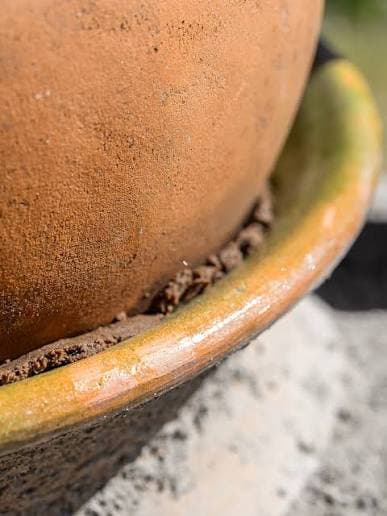
Clay or Ancestral method makes earthy, savory, and rustic flavours. The clay itself imparts heavy mineral compounds directly into the liquid. It tames the bright fruit and citrus notes, transforming them into deep, roasted root vegetables, baking spices (cinnamon, nutmeg), and damp earth. - as you noticed in my tasting notes, this is not my first choice!
Copper or Artisanal method: If you like bright, clean, and high-definition flavours, look for bottles that are made with an artisanal method. Copper preserves the volatile chemical compounds of the plant. If an agave is naturally fruity or herbal, copper amplifies those exact notes. My favorite bottles were copper-distilled!
Best Mezcal Bars in Oaxaca & How to Explore Safely
A few honest tips on how to explore Mezcal on your own:
- 1.If you're completely new to mezcal, I'd recommend starting with just mezcal-based cocktails that are served in any bar in Mexico
- 2.If you feel like you're ready to try it clean - visit mezcalerías, which are special bars around Oaxaca specializing in Mezcal and working directly with maestros mezcaleros. They can be found every one hundred meters. Here are my favorites I visited myself and can strongly recommend.
The normal range for a mezcal tasting flight that we paid for was $25 to $55 for 3 shots of different mezcals, but depending on the preferred types of mezcal, it could also climb up to $200 USD.
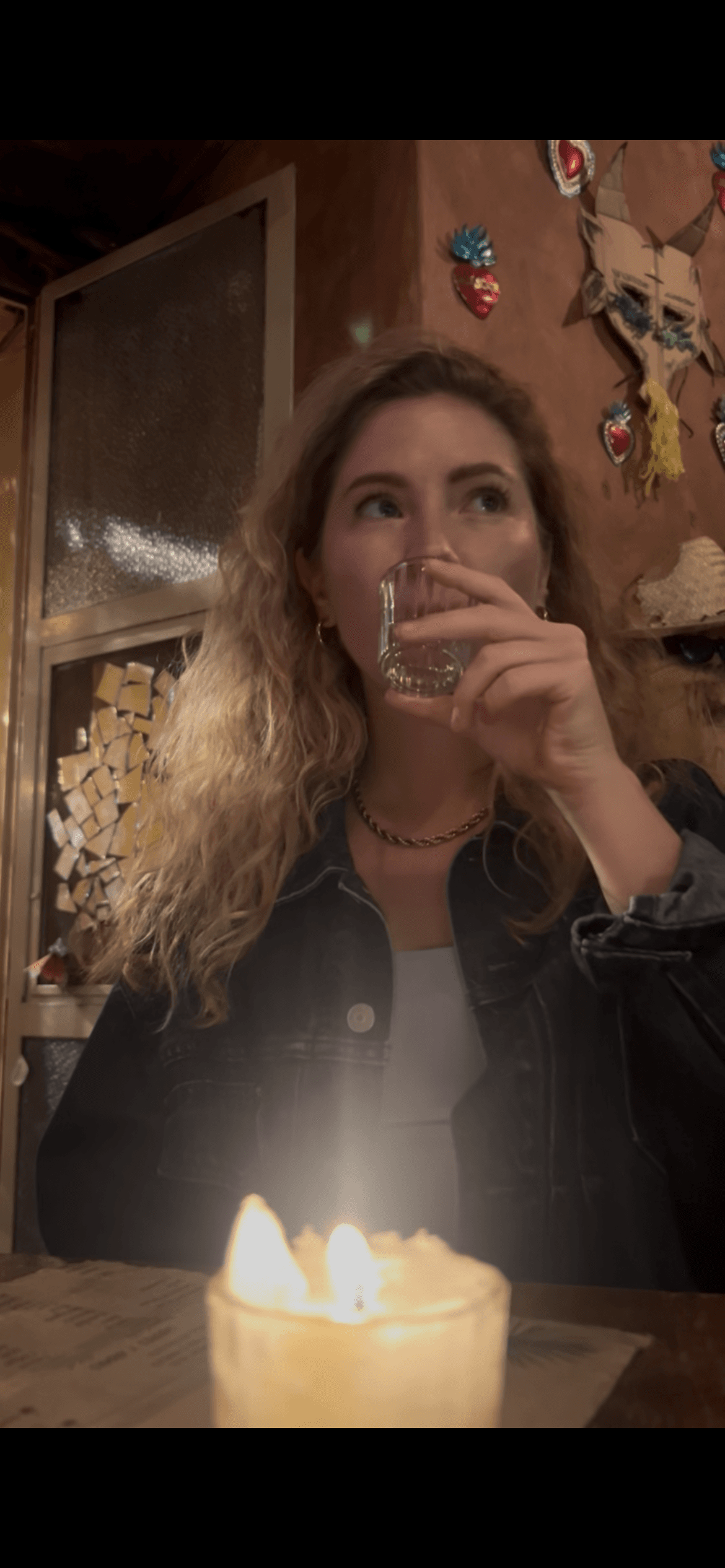
For a laid-back evening to explore mezcal, they have a very attentive staff who told us a lot about different regions of mezcal. A great add-on was live music with a gentleman playing my favorite Mexican song on his guitar. I'd be happy to be back to try more of their mezcal.
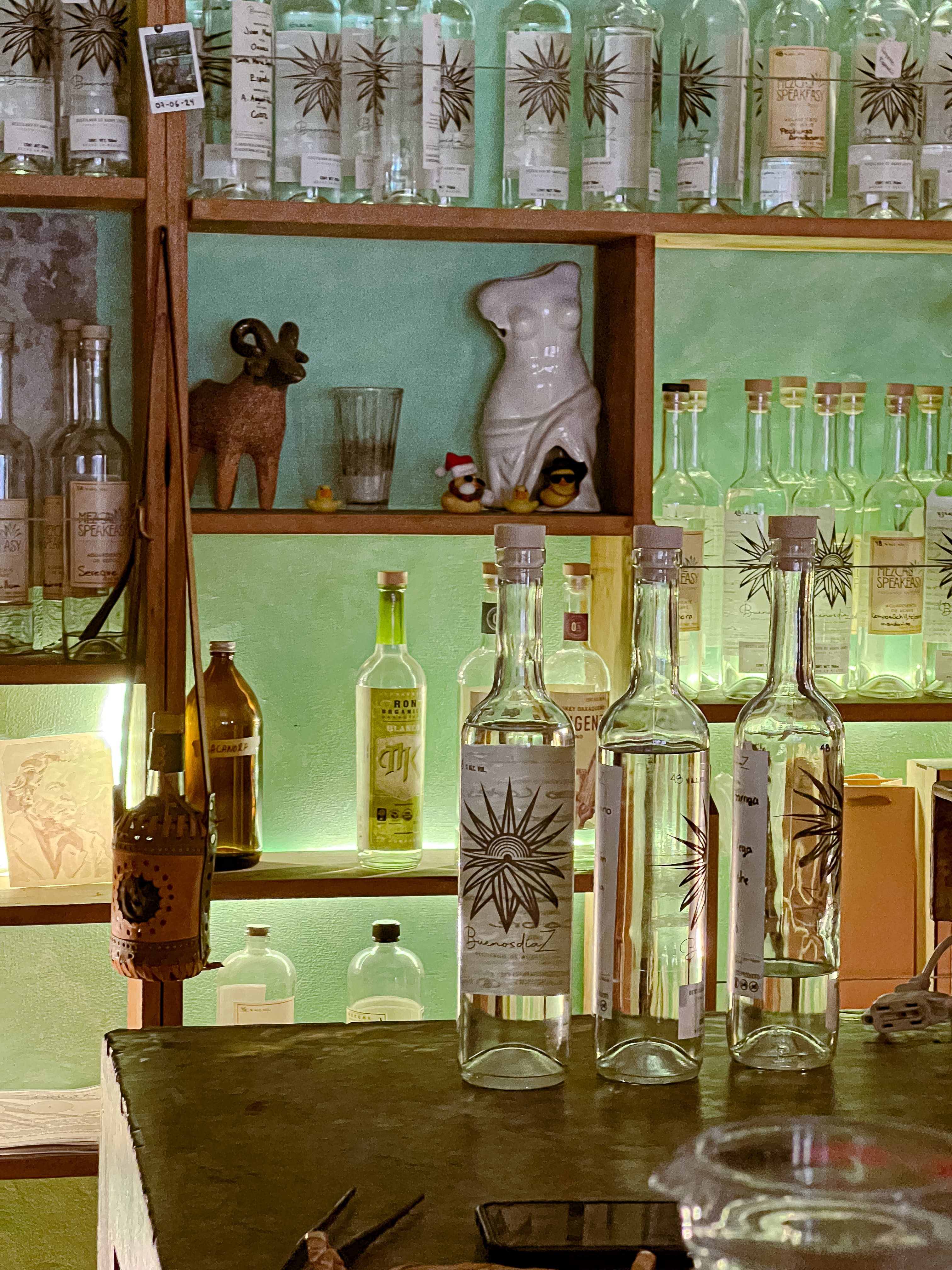
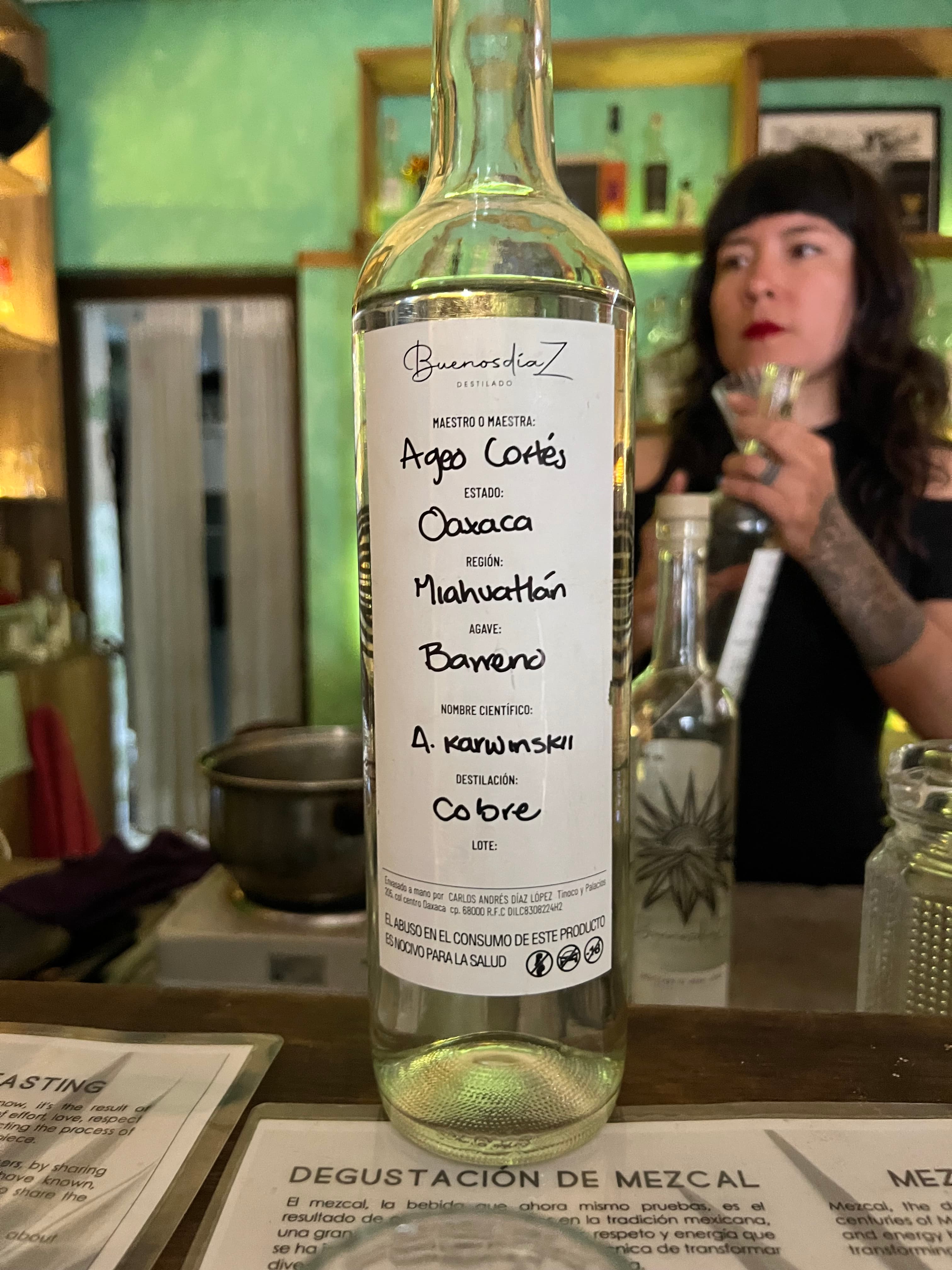
Sobrio by Mezcal Speakeasy
They had a decent selection of bottles from one producer, Buenosdiaz, which, in fact, as a bartender girl explained, is their house-brand that they pack and put on their shelves, but the content is a unique selection of mezcals that they source directly from mezcaleras from the region. If you're there, try their Tepextate, Penca Larga, and Berreno - all from Huahualtlan.
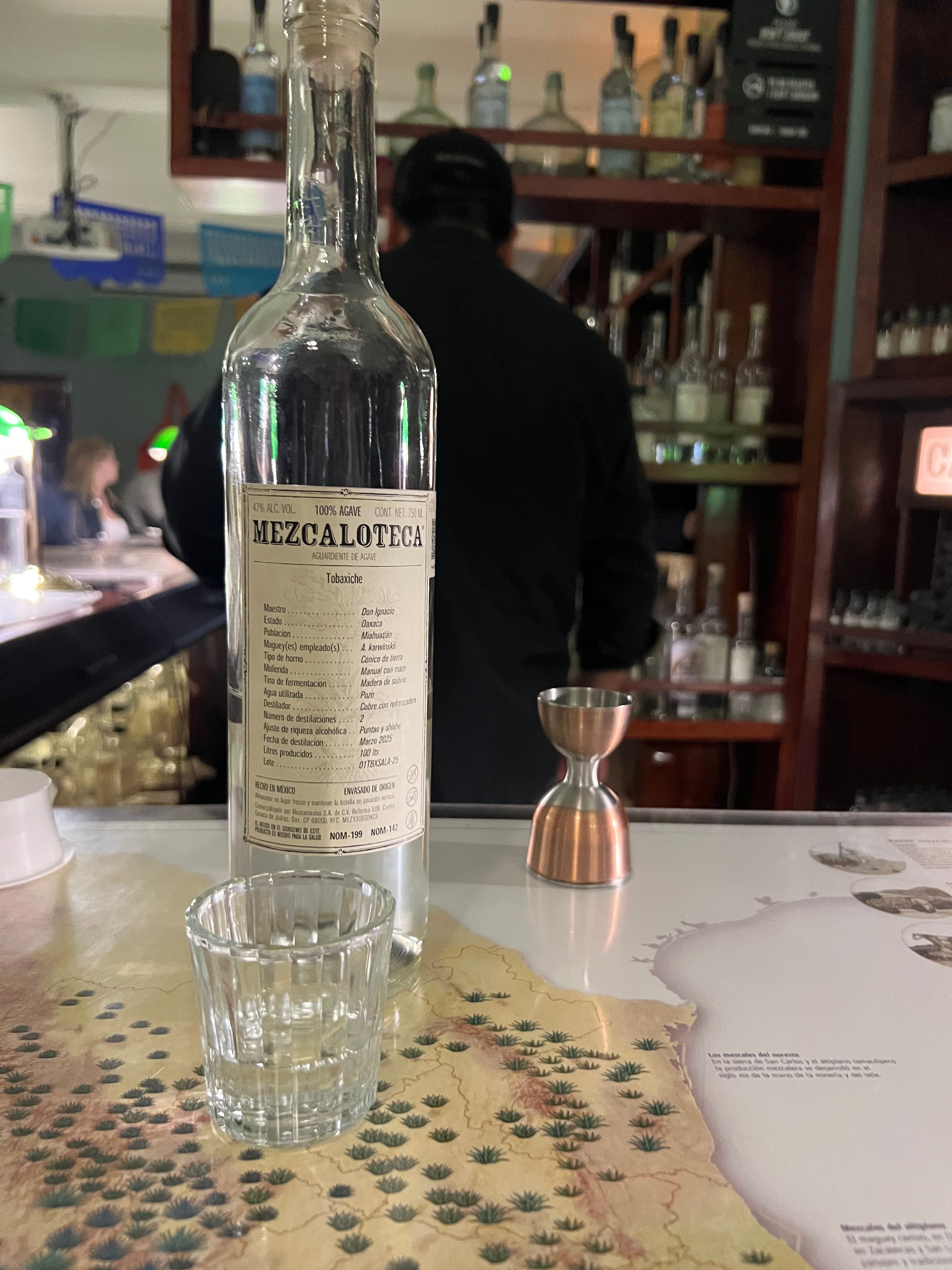
La Mezcalotheca
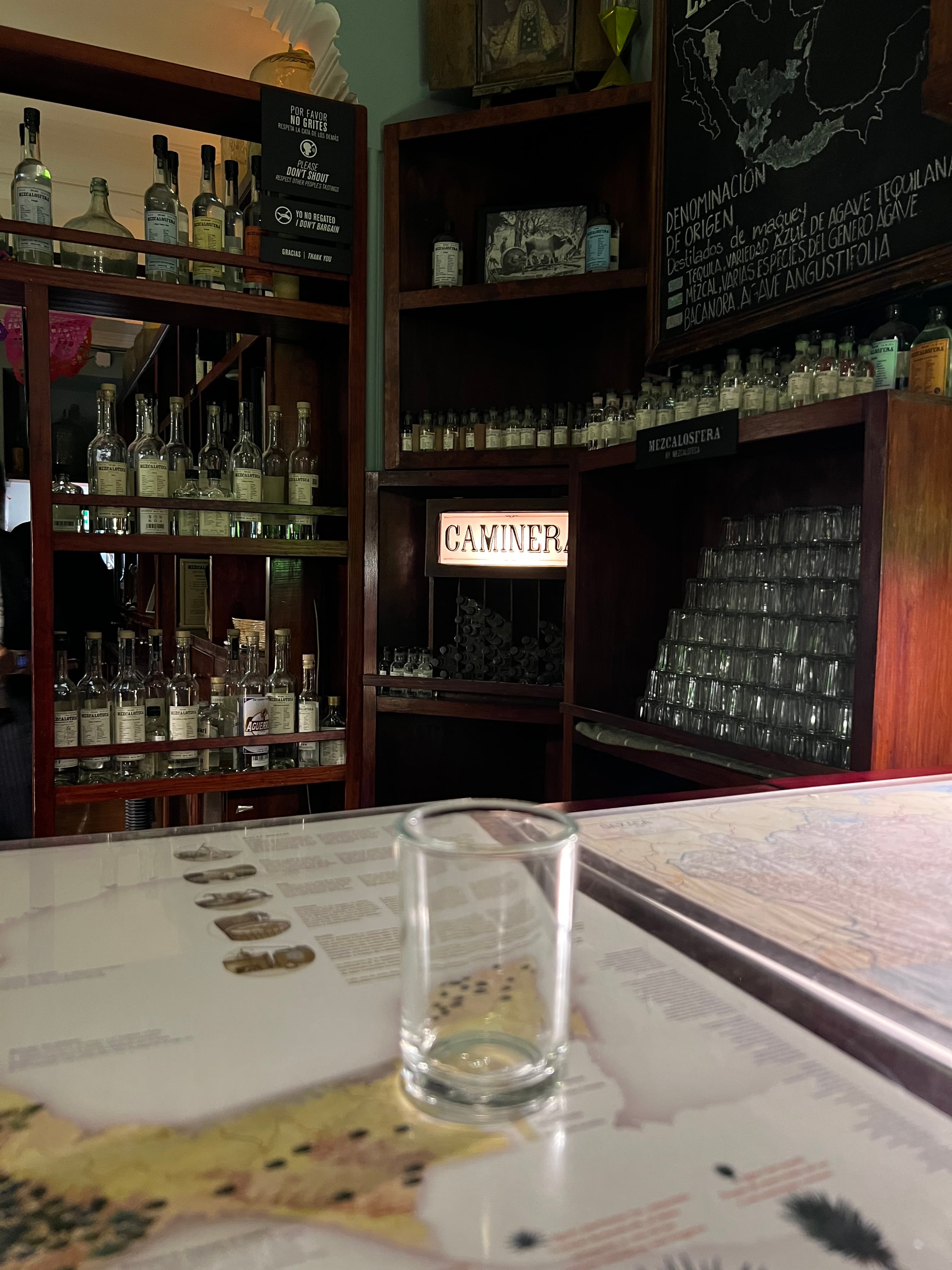
This place is truly the embassy of mezcal. They have a setup that genuinely made me feel like I'm in the university library or even a chemical laboratory with all these bottles of different shapes and sizes, maps of different regions, and a tasting notebook to capture your notes. My favourite bottles I've tried there were Penca Verde and Sierra Negra (that I described above).
Where to Stay in Oaxaca
Looking for where to stay in Oaxaca? Check out our favorite hotel options:
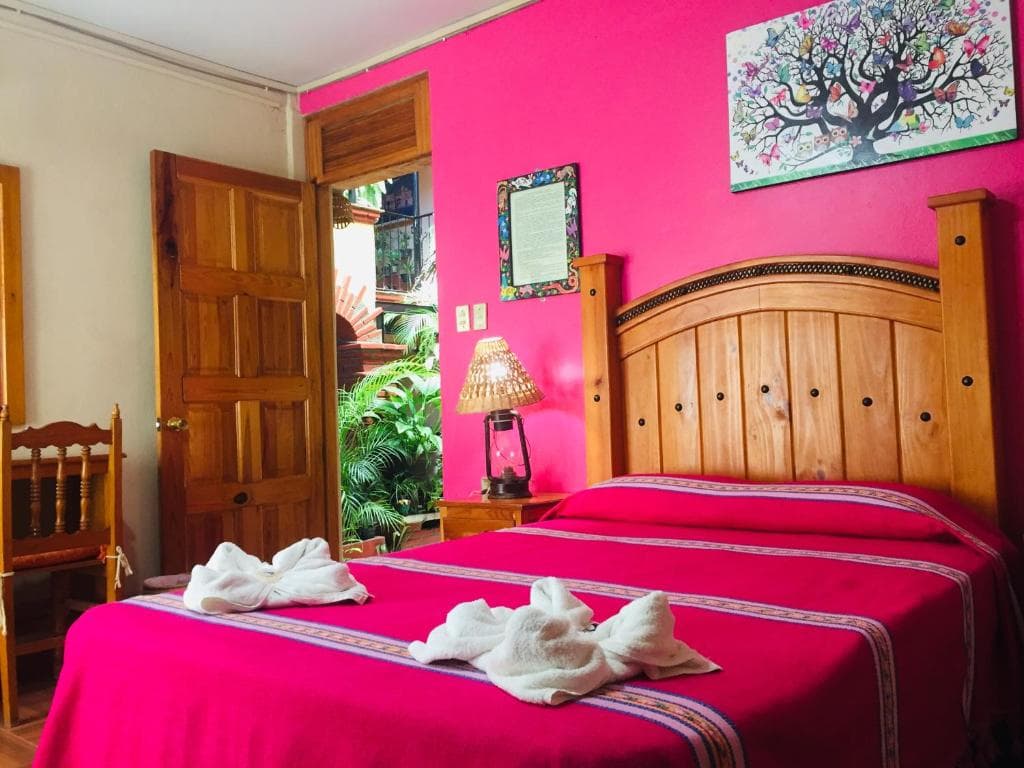
Jalatlaco · $
Charming family-run gem tucked into the cobblestone streets of Jalatlaco.
Check availability (opens in new tab)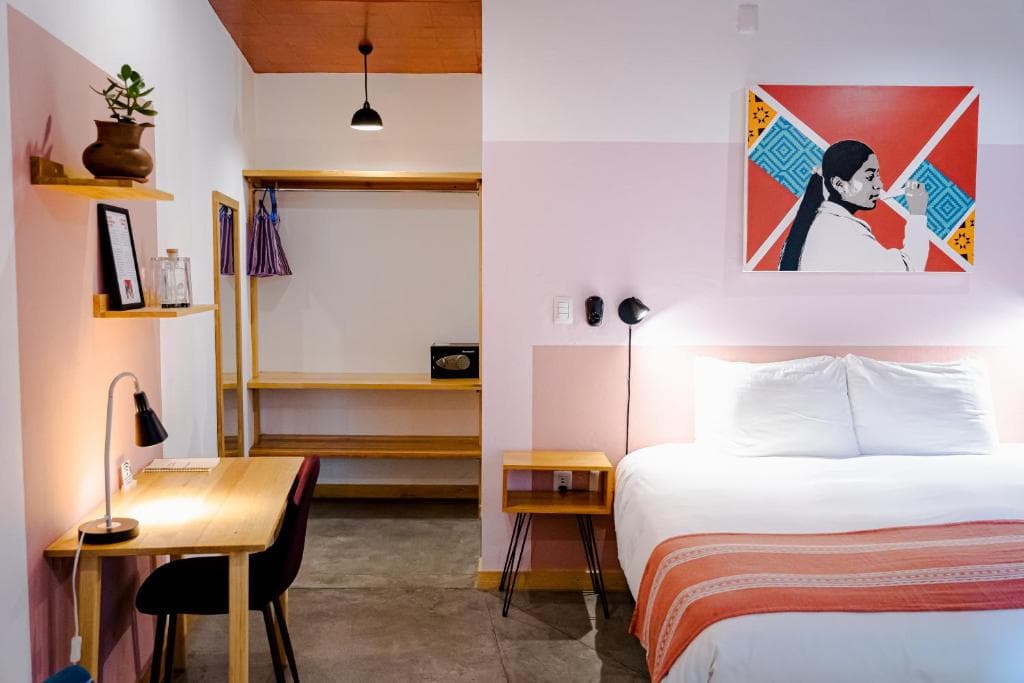
Centro · $$
Safe, feel-good stay with a standout breakfast and a social vibe.
Check availability (opens in new tab)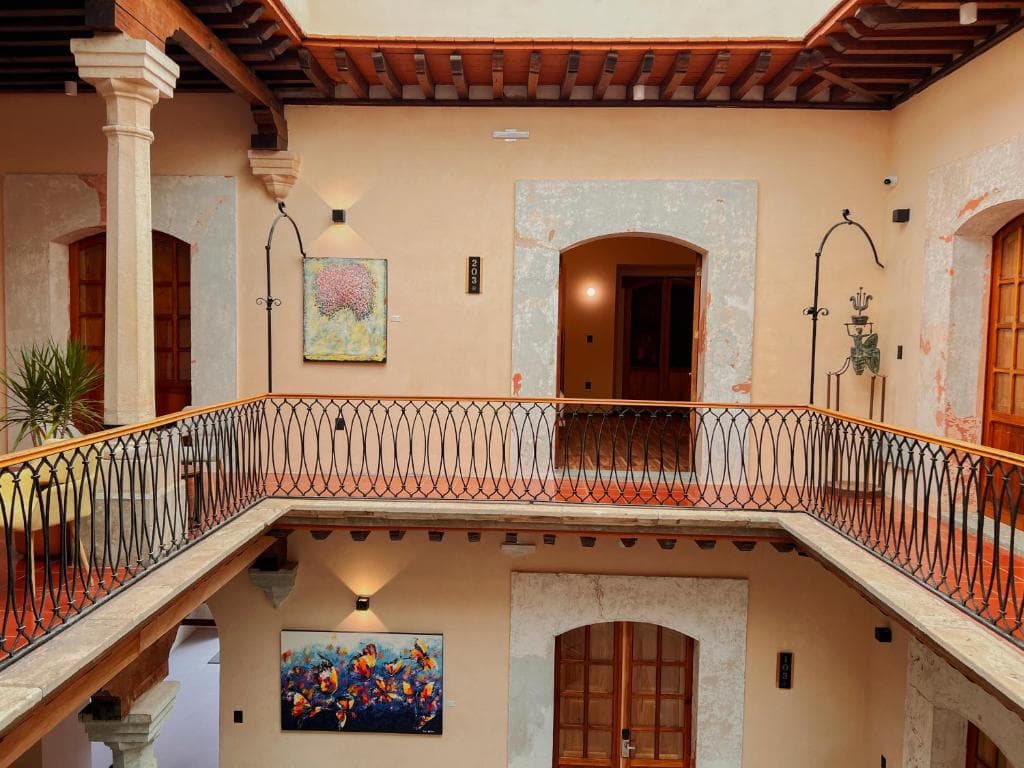
Centro · $$
Serene, central, walk-everywhere boutique — great base for exploring on foot.
Check availability (opens in new tab)
Xochimilco · $$$
Boutique splurge with a rooftop jacuzzi in the quiet, artsy Xochimilco neighborhood.
Check availability (opens in new tab)Frequently Asked Questions About Tasting Mezcal
Some of the links on this site are affiliate links. This means I may earn a small commission if you purchase them at no extra cost to you. I only recommend things I genuinely use or believe in.