3 Days in Lisbon Winter Itinerary: Highlights, Indoor Fallbacks & Cozy Spots
In the past decade, Lisbon has been on a rise and its popularity continues to grow — it attracts travellers from every part of the world, those who want to explore classical Portuguese history.
Whenever my friends ask me to tell what it's like in Lisbon, I always say that it is one of those places that has this interesting blend of historical places and tradition — with its tascas and Portuguese restaurants, and a new wave that brought modern dining and brunching, specialty coffee shops and modern art galleries. Whether you're looking for one or the other, if you're in the process of researching what to do in Lisbon during your trip — you're in the right place. I wrote this detailed guide, designed to fit all the most important things to see in 3 days — during winter time. I hope it will help you plan your upcoming Lisbon journey!
What to Keep in Mind When Travelling to Lisbon in Winter
Mind the shorter daylight hours
Sun sets around 5:15 PM–5:30 PM in Portugal during winter, so make sure to plan outdoor viewpoints earlier in the morning.
Dress up warm
The temperature in Lisbon is mild compared to Northern Europe (10°C–16°C / 50°F–61°F), but what makes it tricky is that January and February are the rainiest months, and it makes it feel chillier than the actual temperatures are.
Beware of slippery streets
Lisbon's cobblestone streets become extremely slick during wet season, so it would be safer to walk in high-traction waterproof boots or sneakers (it's especially challenging to navigate these streets on the hills).
3 Days in Lisbon Winter Itinerary: Day-by-Day Guide (2026)
On a good day, when it's not pouring rain and ideally the sun is out — Lisbon feels like one big, very well kept secret. There's less crowds and considerably shorter lines almost everywhere, very mild weather, cheaper accommodations, and cozy taverns that keep you warm after long walks around the city.
If you're someone who loves getting to know a new city through long walks, learning and exploring a place slowly, popping by cute-looking cafés and bookshops, visiting museums and cultural landmarks from castles to monasteries, you will definitely enjoy Lisbon during the off season. There are also some day trips that look so charming during autumn and winter — such as Cascais and Sintra that are only 1 hour away.
| Day | Focus Areas | Key Highlights | Indoor Rainy-Day Fallback |
|---|---|---|---|
| Day 1 | Alfama, Baixa & Chiado | Castelo de São Jorge, Santa Justa, Fado Dinner | Church of São Roque & Carmo Convent Museum |
| Day 2 | Belém & Alcântara | Jerónimos Monastery, Pastéis de Belém, LX Factory | Calouste Gulbenkian Museum or MAAT |
| Day 3 | Day Trip: Sintra | Pena Palace & Quinta da Regaleira | National Palace of Sintra (fully indoor) |
Day 1 — The Historic Heights of Alfama
Castelo de São Jorge
Morning · 09:00 – 12:30
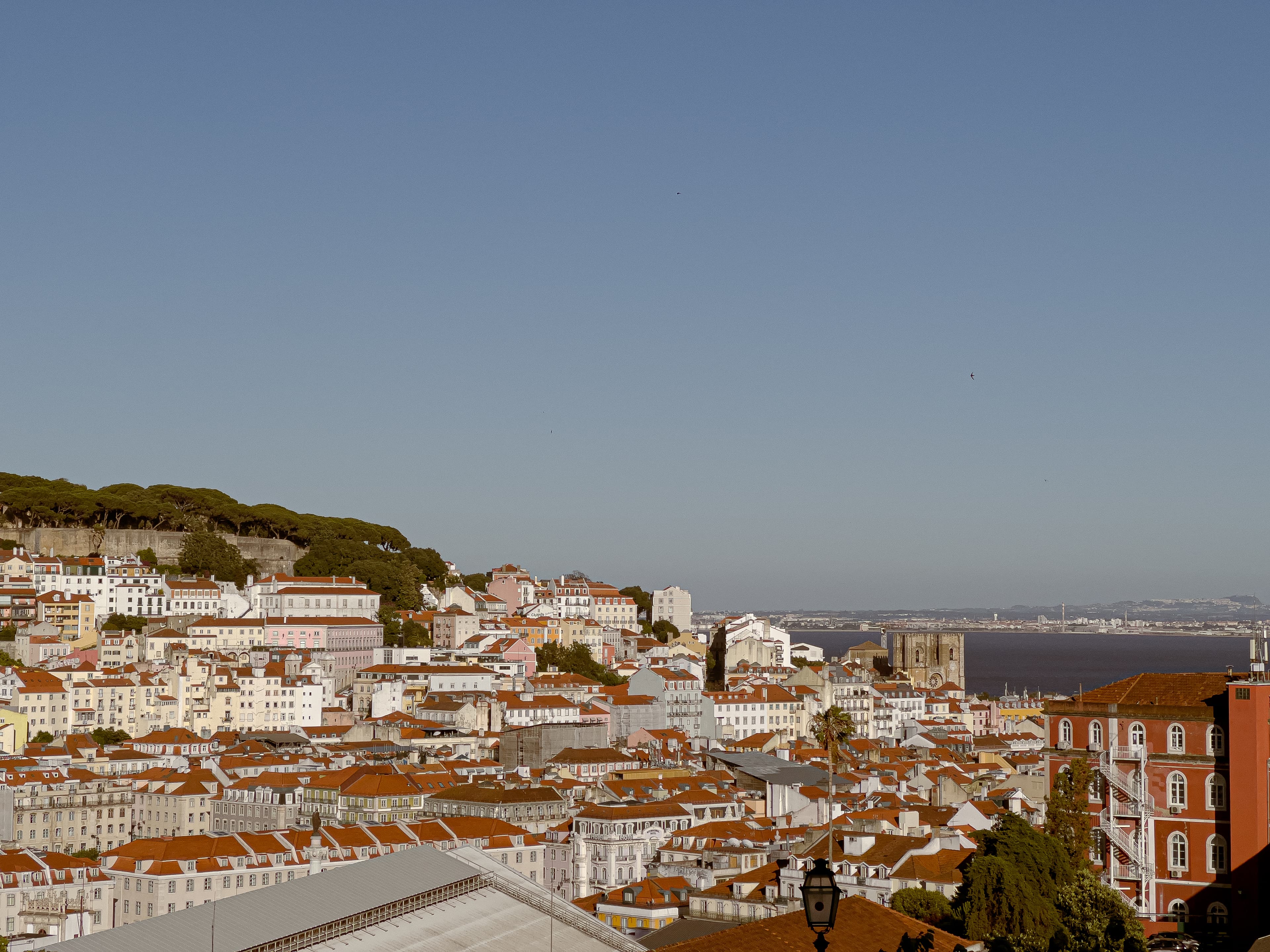
We headed to the oldest historical area of Lisbon — the only one that survived the earthquake back in 1755 — to get to one of the best viewpoints to enjoy the early morning, crisp winter view over the Tagus river. The place is not so secret, and you've probably seen it printed on every second postcard — it's Castelo de São Jorge, an 11th-century Moorish castle crowning the highest hill of Lisbon, giving an unbeatable 360-degree view of the city.
I was quite surprised the moment I stumbled upon a flock of peacocks, which roam freely through the shaded pine courtyards and gardens. Apparently, the peacocks were brought by King Manuel I in the early 16th century, which back then symbolised prestige, wealth and status.
Since then, birds have safely bred on the hilltop for hundreds of years — they are now entirely domesticated to the location and choose to stay, with a whole team of vets supervising their health and care.
Miradouro de Santa Luzia
Morning · 09:00 – 12:30
Miradouros, or viewpoints, are a very unique hangout spot for both locals and visitors in Lisbon. Every miradouro has a little quiosque that serves wine and warm coffee — there's nothing that can beat a warm drink with a view on a chilly morning. Take a 5-minute stroll and stop for a warm coffee at Miradouro de Santa Luzia to enjoy the view.
There's one winter hack I learned: take Tram 28 early in the morning to beat tourist crowds and shelter from the cold wind. It has a perfect route that covers the best Lisbon highlights, which makes it very convenient to explore — but it also attracts crowds and pickpockets, so watch out and keep your stuff in a closed bag that you hold tight!
Lunch: Bacalhau à Brás at a local tasca
Afternoon · 12:30 – 16:30
One of the first dishes I ever tried was Bacalhau à Brás — and I have to say, it hits the spot on a chilly winter day. Alternatively, if you prefer a plate of hot soup — go for Caldo Verde. The most important thing is to get it at one of the traditional tascas. I always say that Portuguese food is one of the cuisines that is lesser known abroad and, I have to say, a little misunderstood. I have many friends who'd pick any other cuisine over Portuguese, but all I say in response — you should try it in the right places!
I have a list of best places I keep coming back to, and I put them in this guide: Best tascas in Lisbon
Baixa & Chiado: Praça do Comércio & Carmo Convent
Afternoon · 12:30 – 16:30
One of the places I only got a chance to check out during my last trip to Lisbon is Carmo Convent — and I wish I had done that sooner! It's an open-air Gothic ruin damaged in the 1755 earthquake, and it looks especially stunning under winter light.
☂ If it's raining: Step inside the gold-adorned Igreja de São Roque or browse Livraria Bertrand (world's oldest bookstore).
Pastéis de Nata at Manteigaria
Evening · 17:00 – Late
The other day I went to Paris, and the first thing I saw getting out of the metro — Manteigaria, at the center of Paris. I wasn't surprised at all. I always thought that among other places that make pastéis de nata, this one nailed the recipe just right. I have been arguing with my friends and other people visiting Lisbon — as many people prefer Pastéis de Belém or Fábrica de Nata. But for me the choice is obvious. Let me paint that picture: imagine a crisp, thin layered dough baked to perfection — so it's not too dry, not too moist — and a sweet, milky, creamy custard filling, powdered with a pinch of cinnamon on top. Sounds simple, but wait until you try it in a few places, and you'll join my Manteigaria team. Forever and ever!
Head to Manteigaria in Chiado — hop off Tram 28 or take a slow walk. My perfect order: 2 Pastéis de Nata, a cortado and ginja, a sweet cherry liqueur that goes perfectly with natas.
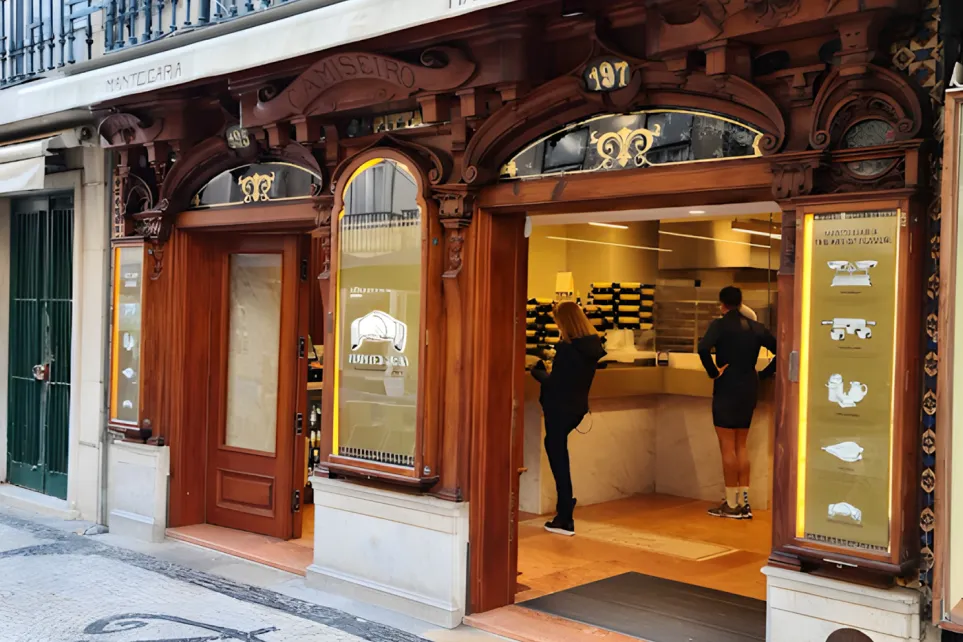
Lisbon's finest pastel de nata, made fresh every 20 minutes through a glass window you can watch from the street. The custard tart here is the benchmark against which everything else is measured — scorched on top, custardy in the center, brittle pastry underneath.
Fado performance in Alfama
Evening · 17:00 – Late
Book a cozy, intimate Fado performance in Alfama, paired with a glass of Douro red wine.
Dinner in Lisbon
Evening · 17:00 – Late
I can't think of a harder question when it comes to choosing a place for dinner in Lisbon. The choice is so abundant — depending on what kind of mood you're in that night. Here are some of my favorite neo-tascas, with Portuguese classics elevated with new experimental flavours:

A proper traditional Portuguese taverna where petiscos (those small shared plates that predate Spanish tapas) are done right. Natural wine list that actually knows what it's doing, and the kind of place that's always packed because people actually want to be there.

One of Lisbon's most celebrated one-Michelin-star restaurants where chef Henrique Sá Pessoa translates Portuguese culinary memory into contemporary plates. It feels less formal than other fine dining spots — more like dining in a sophisticated Lisbon home than a stuffy institution, which is probably why regulars keep coming back.

An old Lisbon taverna with tiled walls and zero pretense. This is Portuguese home cooking at prices that feel almost wrong — daily specials scrawled on a board, wine served in ceramic jugs, arched stone interior that looks like it's been here forever. The real deal that newer places in the neighborhood are trying to copy.
Note: Taberna da Rua das Flores is walk-ins only, cash payments only.
Best choice out of Lisbon's Michelin-starred options:

One of the best things I admire about Lisbon is that it so beautifully combines unique, traditional places and family-run tavernas with new and contemporary cuisine. For cocktails after dinner: best cocktail bars in Lisbon
Day 2 — Maritime History, Art & LX Factory
Belém district is situated 15 minutes away by Uber or public transport from central Lisbon, and compared to every street you walked yesterday — it's very flat. Today you're taking a little break from walking up and down Lisbon hills.
Jerónimos Monastery
Morning · 09:30 – 13:00
Get down to Jerónimos Monastery, a UNESCO site showcasing Manueline architecture. It's a large indoor cloister — ideal for rainy mornings.
Belém Tower & Monument to the Discoveries
Morning · 09:30 – 13:00
When I was in Belém, it was pouring rain and extremely windy. If the weather catches you in the same scenario — just get out for a quick coastal photo stop along the riverfront.
Pastéis de Belém
Morning · 09:30 – 13:00
Okay, now it's your turn to be a judge and get one of the most praised pastéis de nata — only to find out that Manteigaria is better. Anyways, it's worth checking out. Pastéis de Belém is technically where this recipe was designed, by nuns from the convent who just couldn't find another use for the excessive amount of egg yolks. The queue might take 20–30 minutes.
LX Factory
Afternoon · 13:30 – 17:00
Next, head to LX Factory — a repurposed 19th-century industrial complex filled with indoor boutique shops, art galleries, and cozy cafés. It's an interesting area to stroll around and I always find something new I've never visited before — a candle boutique, a bookshop, thrifts and independent designers. This is where you get to find some unique pieces to take home.
Make sure you don't walk past Livraria Ler Devagar — one of the world's most unique indoor bookstores.
☂ If it's raining: Visit the MAAT (Museum of Art, Architecture and Technology), which has temporary and always-changing art exhibitions — or, if you're more into classic art, go to the National Museum of Ancient Art (MNAA).
Time Out Market & Pavilhão Chinês
Evening · 18:00 – Late
This is the card I always hold in reserve, in case I don't feel like chasing reservations. It's less high-end and more down-to-earth, but nevertheless extremely delicious. Grab dinner under one roof at Time Out Market (Mercado da Ribeira) — a sheltered, lively food hall featuring top local chefs. My go-to orders are Bacalhau à Brás or Francesinha, which is unique to Porto and the area.
Wrap up the night at one of the cozy cocktail lounge bars in Chiado. A nice ending would be Pavilhão Chinês — a hidden speakeasy, just a door without a sign, but don't let it discourage you. Knock, or use the bell — and from your first steps look around to enjoy all the little curiosities hanging on the walls.

Day 3 — Winter Fairytale in Sintra
Day trip to Sintra's misty palaces — 30 minutes by train from Rossio Station.
Getting to Sintra
Morning · Depart 09:00
On an early travel day when the schedule is already packed, here's one of the best tricks I've ever discovered — get a quick breakfast at Padaria Portuguesa. It's a national chain with many locations around Lisbon. The move is to get their breakfast combo: a €3 deal with a brioche ham & cheese croissant, cortado and an orange juice. Best deal I've ever had.
Hop on an early train to Sintra departing from Rossio station.
I love to stay around the Chiado/Baixa area, as it's so close to the main sights and not far from the train station — so early mornings like this feel less punishing as you don't have to commute too long to get on a train. My hotel picks:
A 12-room guesthouse on Rua das Flores, steps from Taberna da Rua das Flores and the Baixa-Chiado metro. 18th-century tiled kitchen and a century-old library. Breakfast included.
15 individually decorated suites on a quiet side street off Praça Luís de Camões. Kitchenettes and balconies with city views. Great for a longer stay.
23-room guesthouse in Príncipe Real — the neighborhood I keep coming back to. Homemade breakfast, peaceful terrace. The Botanical Garden is three minutes away.
50 rooms on Praça da Figueira, with rooftop spa views of São Jorge Castle and Rua Augusta one minute on foot. Interior by Nini Andrade e Silva. Best for a shorter trip where you want the most central location.
My favourite hotels for a cozy winter stay
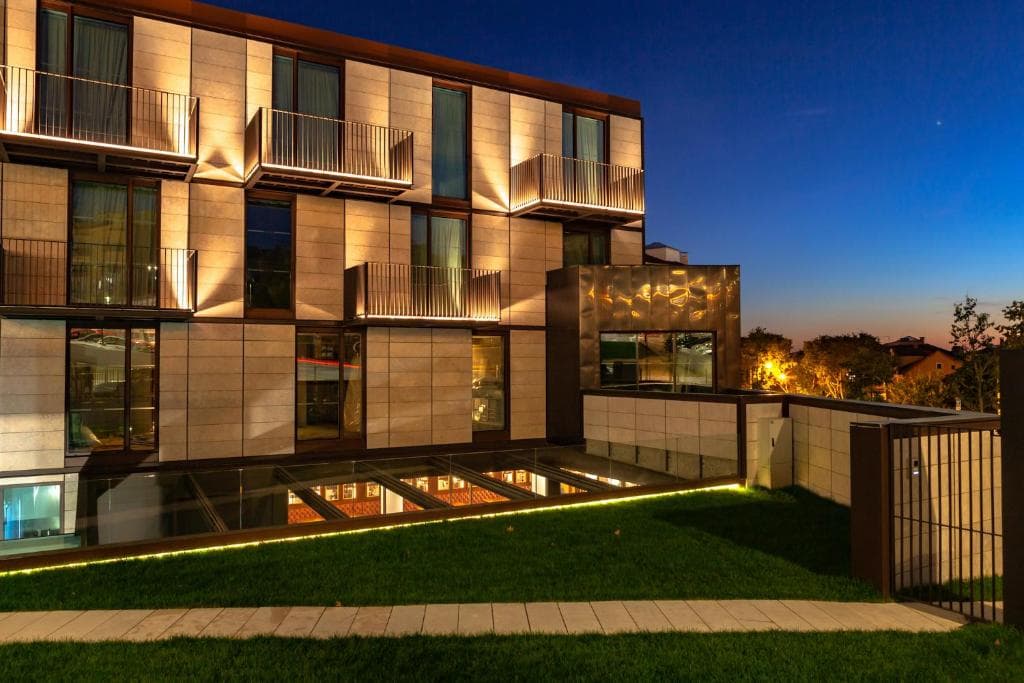
5-star boutique hotel an 8-minute walk from Jerónimos Monastery. Spa, sauna, fitness centre, terrace. Excellent breakfast on-site.
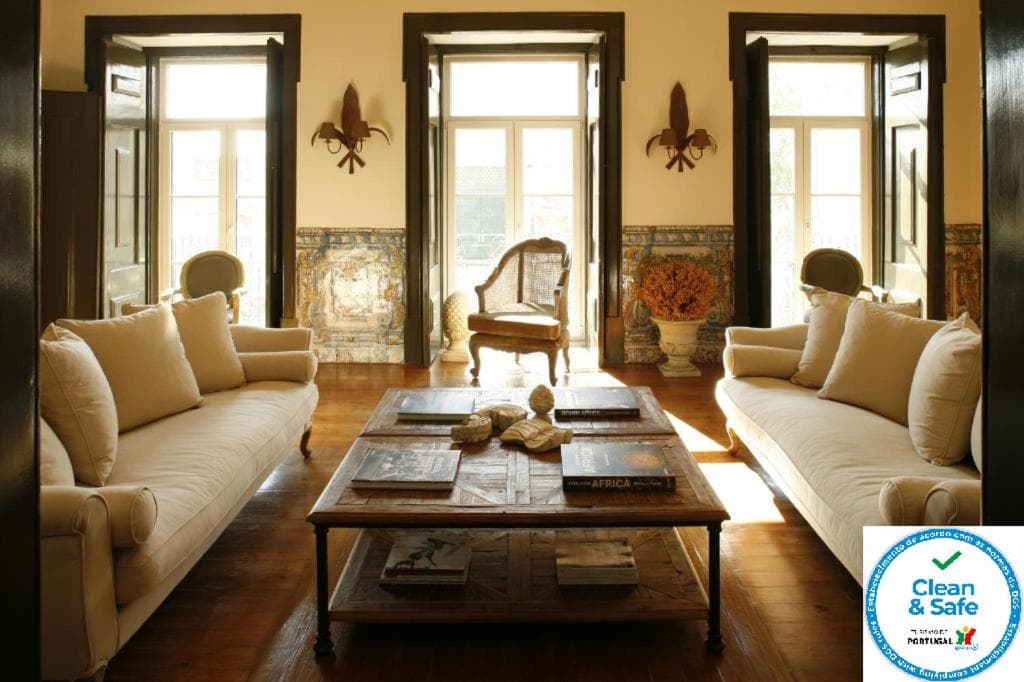
A 19th-century mansion converted into a boutique hotel, with a garden courtyard and outdoor pool. Quiet, residential Estrela street near the Museu Nacional de Arte Antiga.
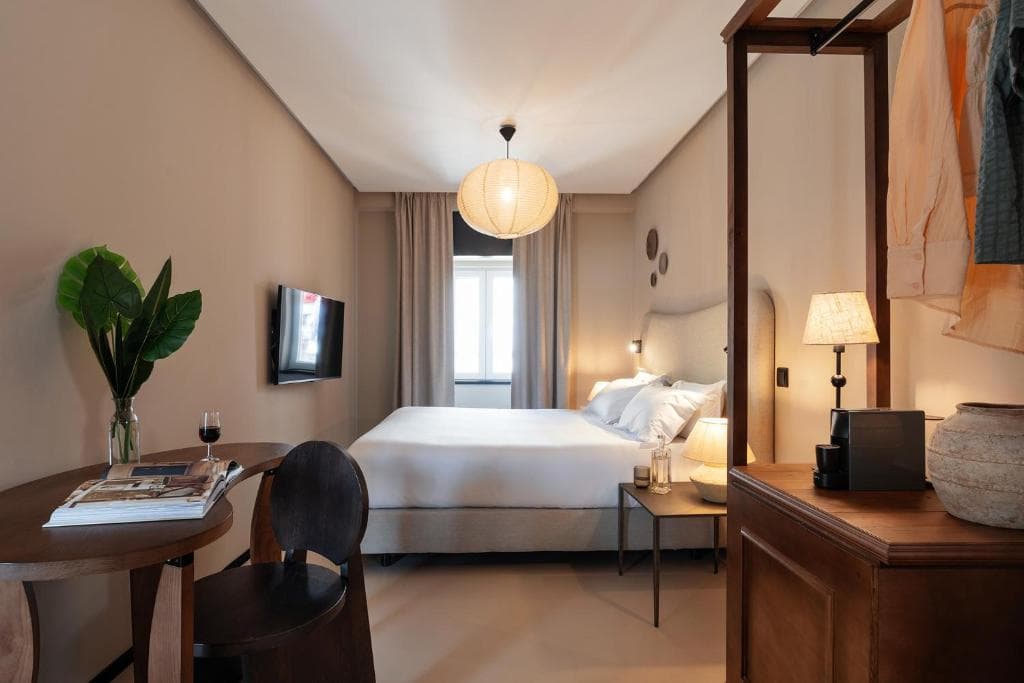
Boutique hotel on a quiet street steps from Martim Moniz, close to Alfama and São Jorge Castle. Spacious rooms, attentive staff, excellent value.
Pena Palace & Moorish Castle
Morning · 09:00 – 13:00
First stop in Sintra (after a coffee, of course) is Pena Palace. It's a Romanticist colourful castle that looks so dreamy framed by winter morning fog. First thing to know about Sintra — due to its location it has its own micro-climate, so it's almost always misty and gloomy. But it kinda makes it even more charming, especially in winter. Pena is hiding in plain sight — a Romanticist palace nestled on a high peak within the Sintra Mountains along the Portuguese Riviera. It has been commissioned by King Ferdinand II on the ruins of a 16th-century monastery and to this day it remains a UNESCO World Heritage Site. To say it's eclectic is probably just a slight understatement: it's a mixture of various architectural styles, which was an extremely popular approach to building palaces and castles in the 1800s. Romanticism celebrated emotion, fantasy, drama, and exoticism, so architects intentionally combined completely different eras and cultures to evoke a sense of wonder, making the building feel like an organic “dream sequence” rather than a traditional palace.
Great thing about visiting in winter — you'll get way less wait time to get in, which normally would be 1–2 hours hanging in the queue. Get your ticket online and come 15 minutes before your session to get in on time. If you have your Lisboa card, Pena Palace is one of the rare sights not included — but the card gives you a good 10% priority discount.
Lunch in Sintra village
Afternoon · 13:00 – 16:30
One thing to try while you're in Sintra is Travesseiros (puff pastry filled with almond cream) at Casa Piriquita. Sintra's Travesseiro — which literally translates to “Sintra pillow” — is an iconic snack, just as famous and unique as Pastel de Nata in Lisbon.
Quinta da Regaleira
Afternoon · 13:00 – 16:30
The first time I got to Quinta da Regaleira it gave me a gothic, dark and mysterious feel — and honestly, there's a very interesting, slightly dark history (opens in new tab) behind it. Exploring mystic gardens and winding paths and walking into an Initiation Well feels like you are discovering someone's secret.
If you have a bit more time and energy (and if the weather allows!): there's a short 4km hike up the Moorish Castle you can take to enjoy a 360-degree view overlooking the Atlantic Ocean. I did that hike on a sunny day — it's such a peaceful and easy hike with stairs and a well-walked, marked trail that makes a great addition to the Sintra itinerary.
Both palaces require exploration outside, so you'll spend 80% of the time outdoors.
☂ If it's raining: Skip outdoor gardens and explore the National Palace of Sintra (fully indoor royal palace) instead.
Farewell dinner in Lisbon
Evening · 18:30 – Late
Return to Lisbon by train.
Warm up with a glass of Port wine or a shot of Ginjinha (sour cherry liqueur) in a chocolate cup near Rossio Square.
For me, a final dinner in Lisbon is always about having that last one thing I can't find anywhere else — and it's the Prego sandwich they serve at Portugalia. Thick cut beef, medium-rare fried, put between Portuguese bread buns, with a fried egg on top, topped with a melted butter-garlicky sauce. I see this sandwich every month in my dreams. The atmosphere at Portugalia is unique — it makes you feel like you belong there: locals sipping beer from big pints, watching a soccer game and eating Portuguese comfort food.
Essential Winter Travel & Safety Tips
Wear comfortable shoes with a good grip
One thing that helped me enjoy exploring Lisbon in winter was wearing grippy shoes. I have two pairs — my ON shoes: classy but can handle hikes, runs and city walks. Best advice here is to avoid smooth-soled shoes, as Lisbon cobblestones become slick hazard zones during rainy winter spells.
Pack a rain jacket
Pack a packable rain jacket (or get one in gift shops scattered across Lisbon), an umbrella, warm layers and a scarf for chilly river breezes, and a portable power bank.
Public transport hacks
Get the Lisboa Card for 72 hours — it covers 51 museums + public transport, making it easier to get around Lisbon by metro and take trains to Sintra and Cascais. Get it here (opens in new tab)
FAQ
More from Lisbon
Lisbon
Explore Lisbon Like a Local: Solo Female Guide
Safe neighborhoods, family-run tascas, laptop-friendly cafés and digital nomad tips for your first trip.
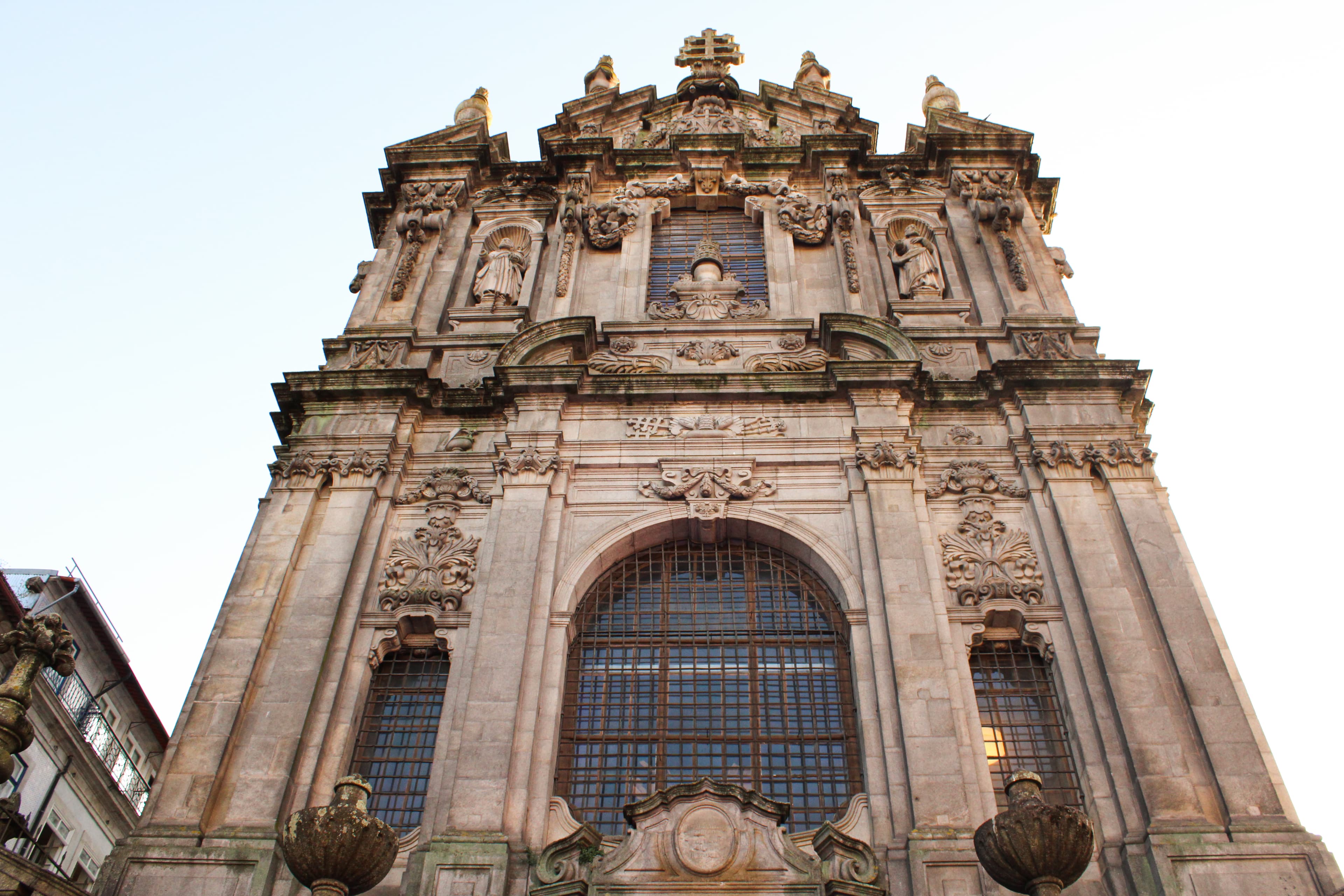
Porto
24 Hours in Porto Before the Camino
Where to stay, what to eat, and how to spend one day in Porto before walking north.

City guide
Lisbon city guide: where to stay, eat and work
Safety and wifi scores, cafes, coworking and stays in Lisbon, rated by nomad women.