Italy | Sicily
Dua Lipa's Sicilian Vibe in Ortigia, Syracuse: A Nomad Guide
Last updated: October 8, 2026
In this article
After Dua Lipa made some buzz in Sicily with her ultra-luxurious, high-fashion wedding, everyone got obsessed with the island — and in particular, with Palermo. Deservedly so, as Palermo has a very unique charm about it, with its multi-cultural tapestry; it's a sun-bleached and poetic retreat. Without celebrity budgets, Palermo can startle an inexperienced or unprepared traveller — it has more in common with Istanbul rather than Florence, in a good way, with its chaotic and noisy markets and street vendors, alongside decaying Baroque palazzos and grand piazzas.
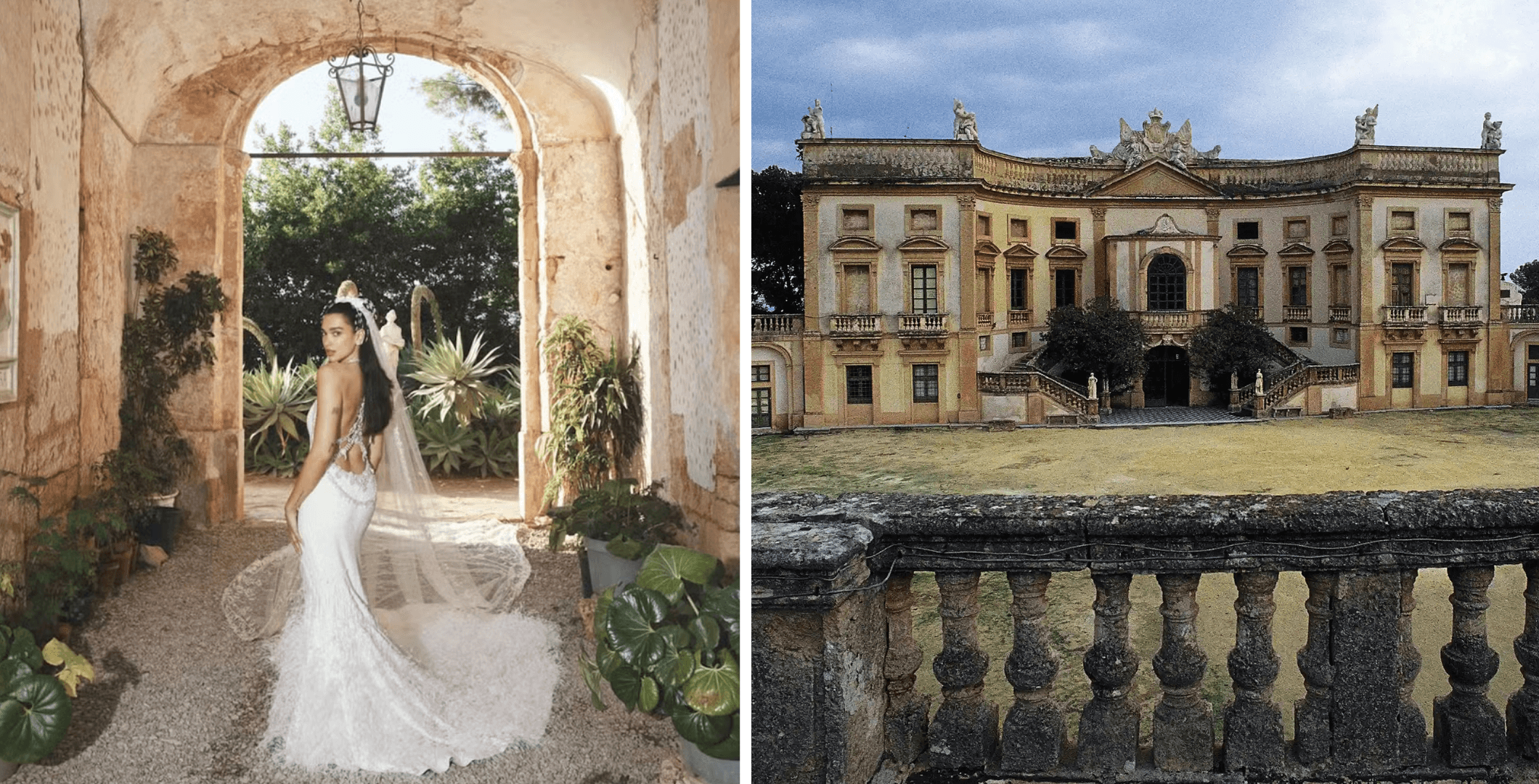
Photo credit: DE AGOSTINI PICTURE LIBRARY // Getty Images
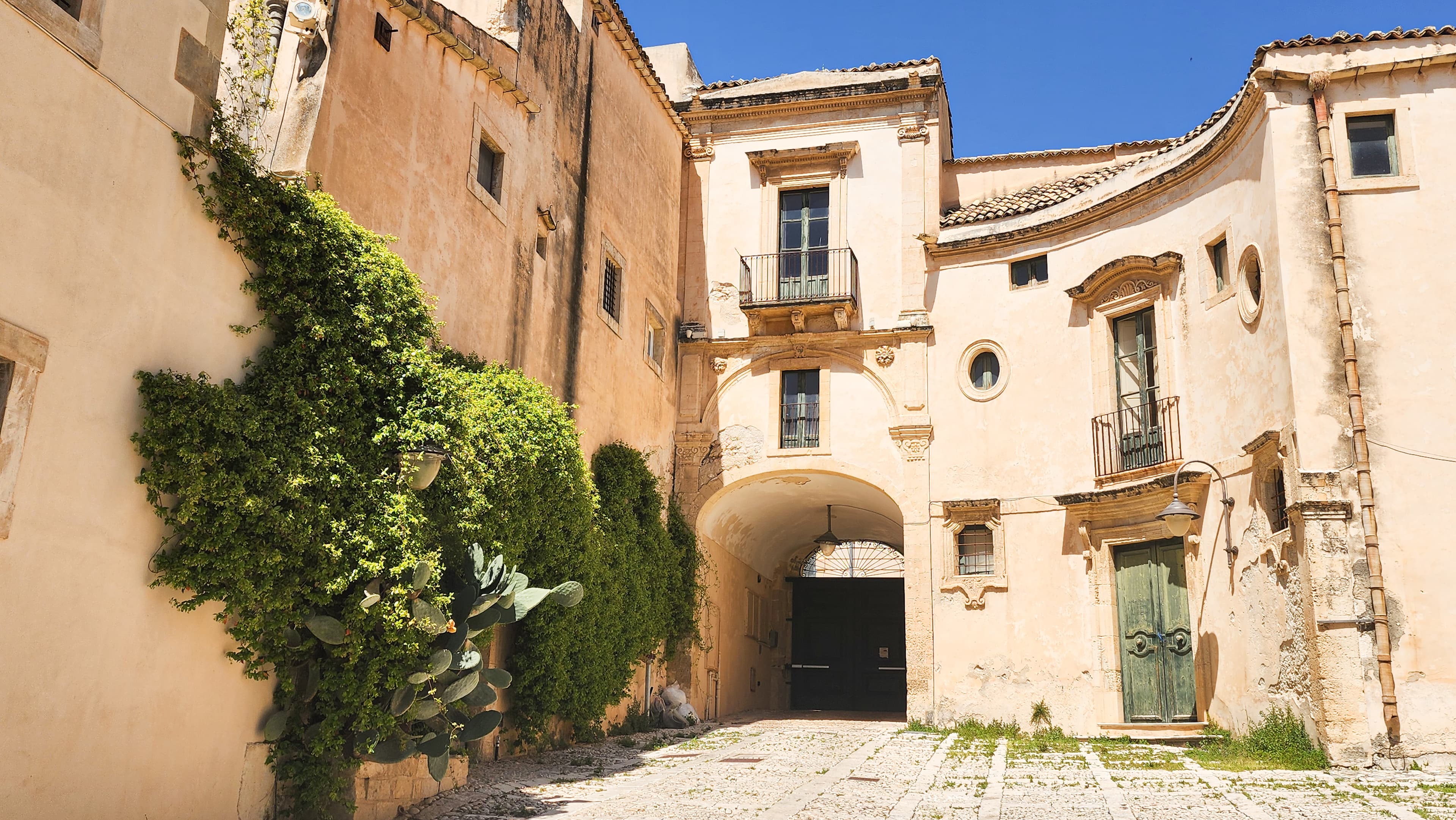
As someone who just spent a month in Sicily and visited a few parts of the island, I'd love to tell you about a place that would actually get you an aesthetic of tranquility and charm just like in Dua's pictures — on a moderate budget and slightly more laid-back and manicured. This place is called Ortigia — a peninsula in Sicily on the east side — and it feels like a natural, walkable movie set with the flavour of dolce vita flying in the air.
Here's a Syracuse guide for strategic travellers and nomads who want to experience a different kind of Sicily.
Luxury Palermo vs. Slow-Living Ortigia
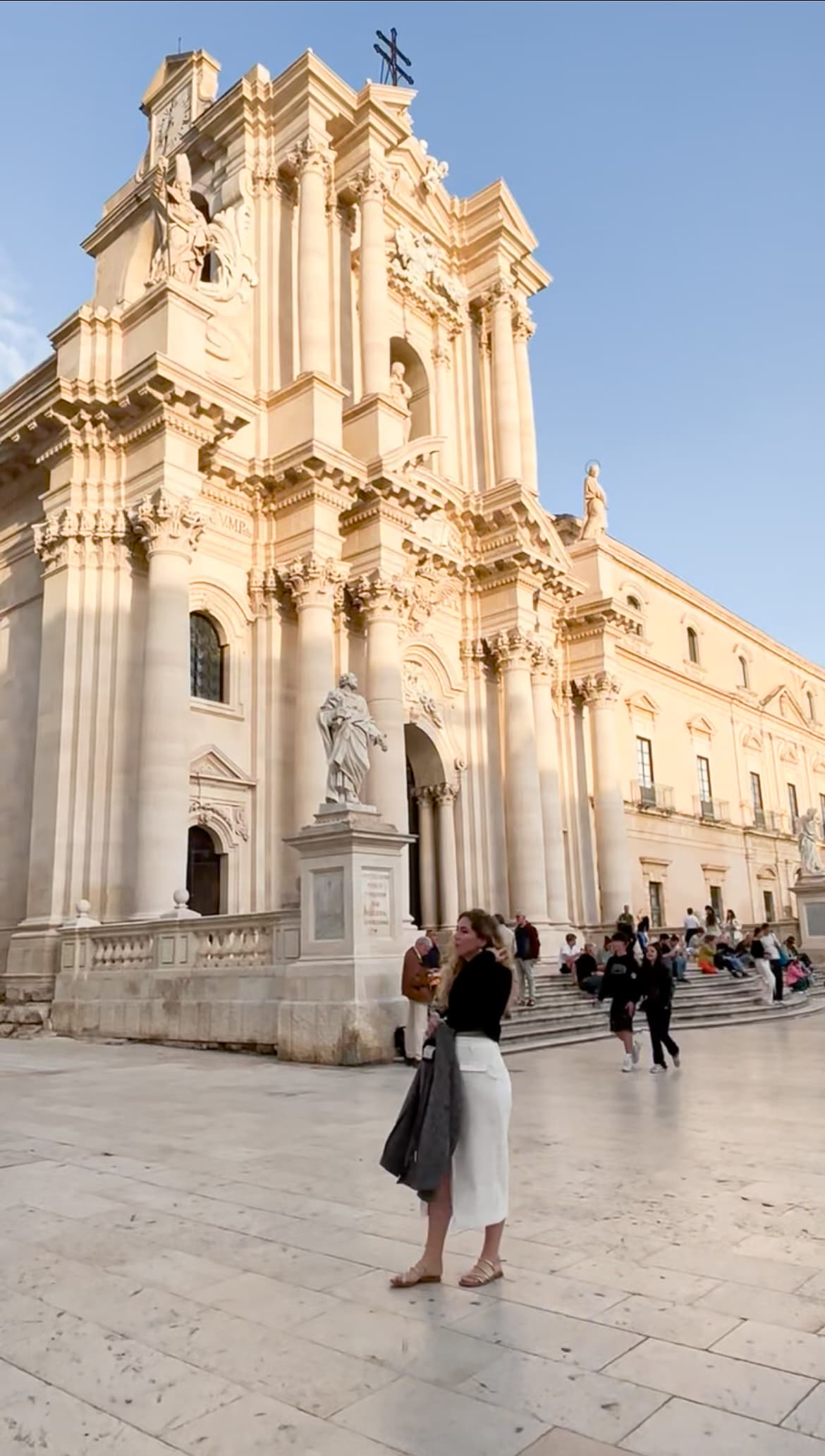
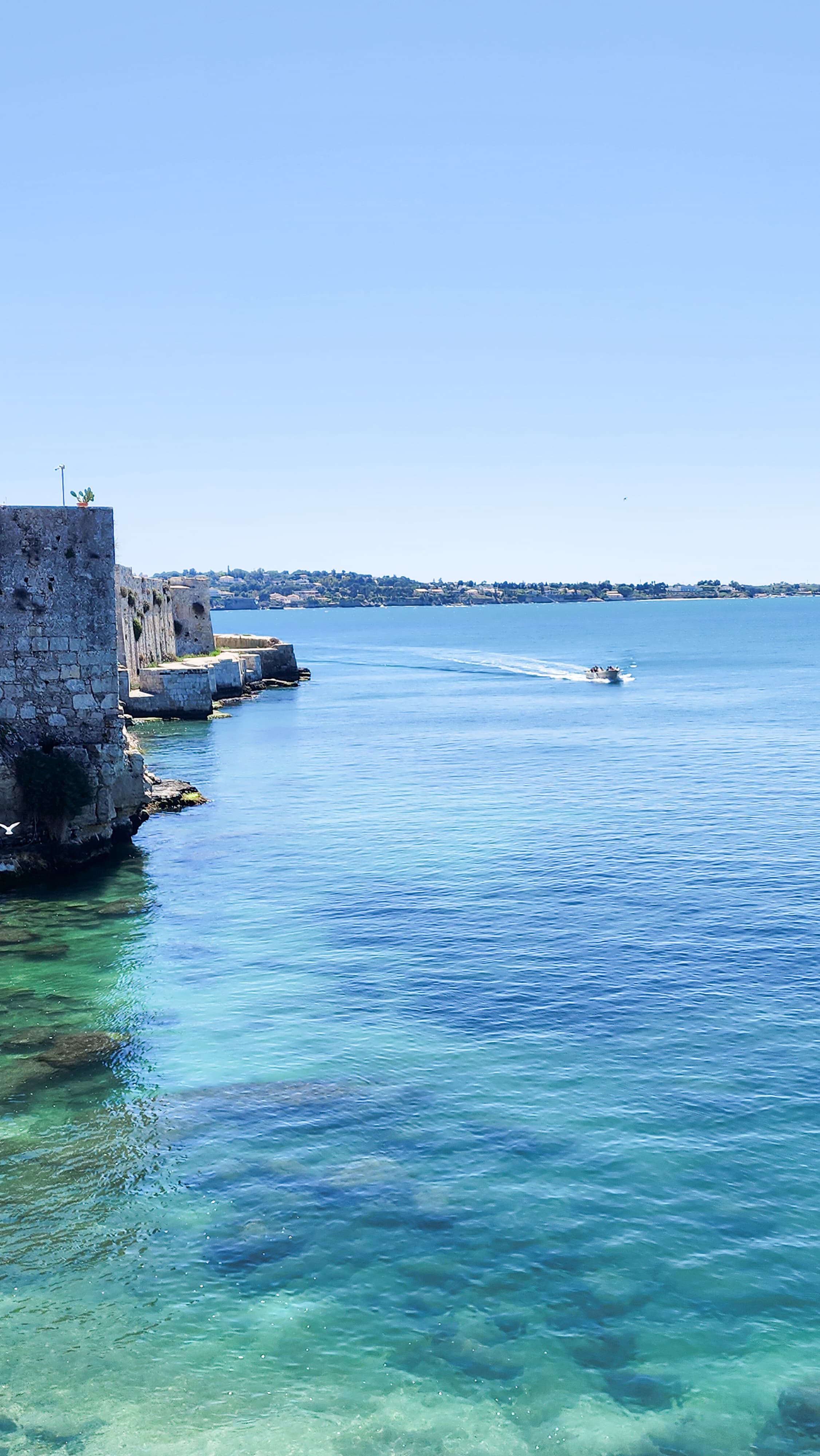
I haven't spent enough time in Italy, and our plan to spend a month in Sicily felt like a great opportunity to see a glimpse of Italy in depth. Given the fact that Sicily is nowadays a territory of Italy, it feels like a whole different world because of its cultural and historical complexity. For hundreds of years, Sicily has been under so many different rulers — Greeks, Romans, Byzantines, Normans, even the Spanish Empire and Bourbons — which couldn't avoid leaving its trace.
There were several reasons we chose Syracuse. This area has a fascinating history, and we wanted to spend some time learning about it. We were most interested in the little peninsula of Ortigia. Founded by Corinthian colonists in 734 BC (opens in new tab), Ortigia became the core of Syracuse, eventually rivaling Athens in power and wealth. It was the birthplace of the famed mathematician Archimedes. Besides history, after careful research and scrolling through hundreds of pictures I discovered how beautiful this area is — a mostly pedestrian island that reminds me of a maze, with every turn of the street taking you to another charming family-owned Italian trattoria, a bodega with wine, cannoli, a gelateria, or an artisanal leather workshop.
As someone who works while traveling, what we loved most is the idea of being able to have an early morning reading time, sipping espresso on the rooftop or a balcony before jumping to work (exactly when the heat kicks in), planning mid-day swim breaks diving straight into the Ionian Sea, heading to an Italian home-made dinner with aperitivo, and then wrapping up the day with some left tasks to catch up on.
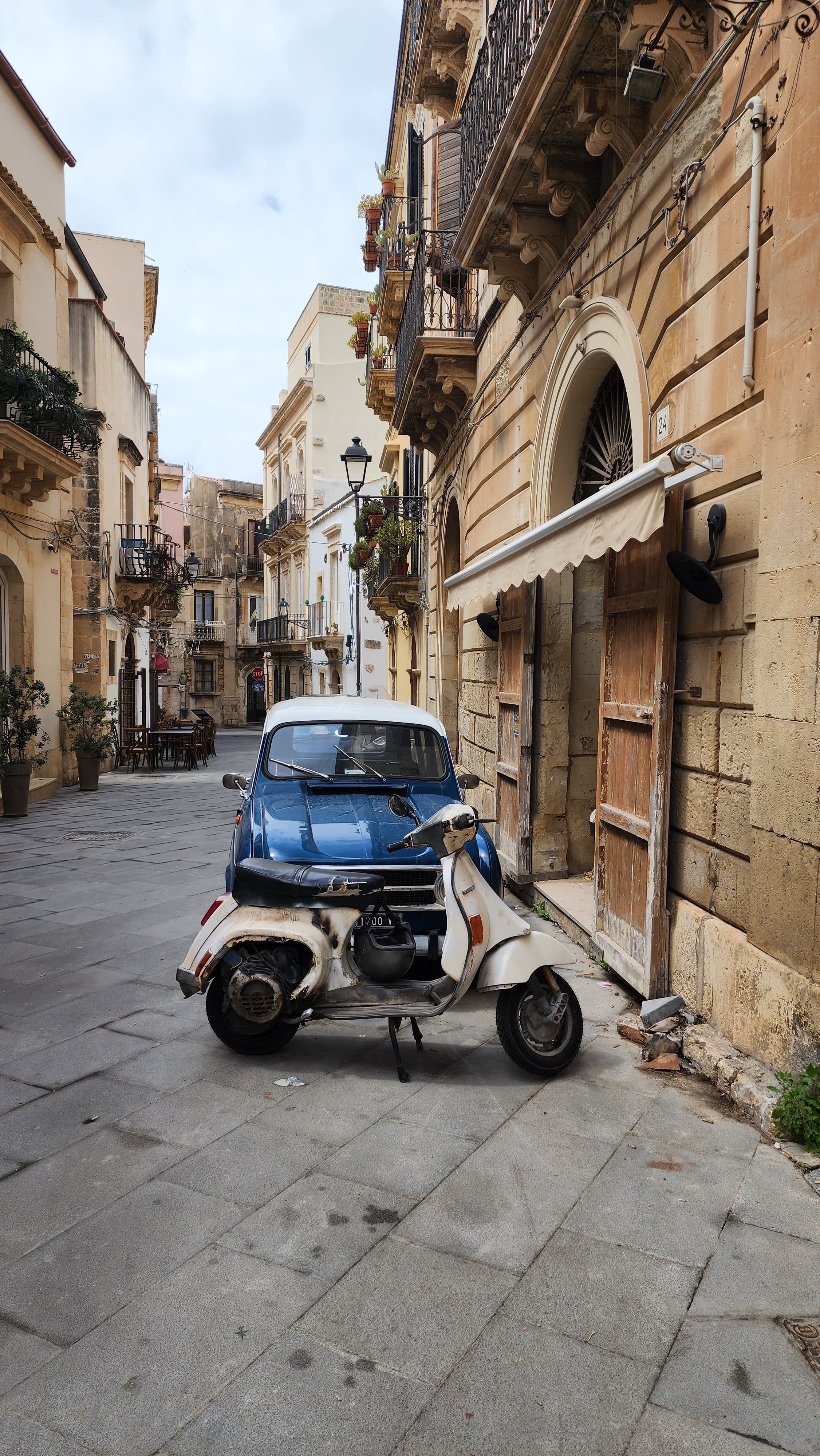
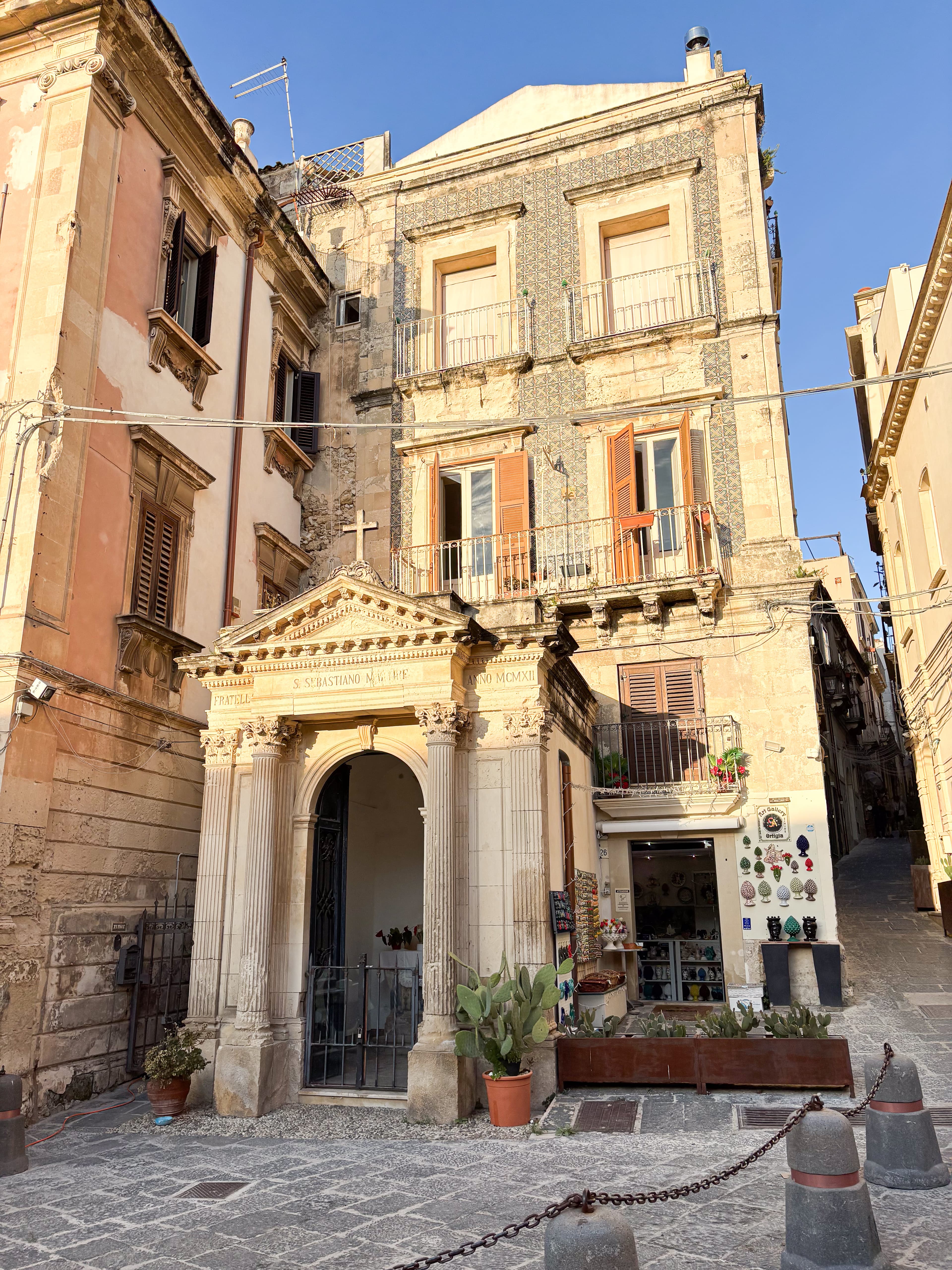
A Day in Ortigia
We enjoyed staying in Ortigia in early April, and memories of those days are still so fresh in my memory. Here's how our days looked, and based on that I'm sharing some ideas on what your time in Ortigia could look like.
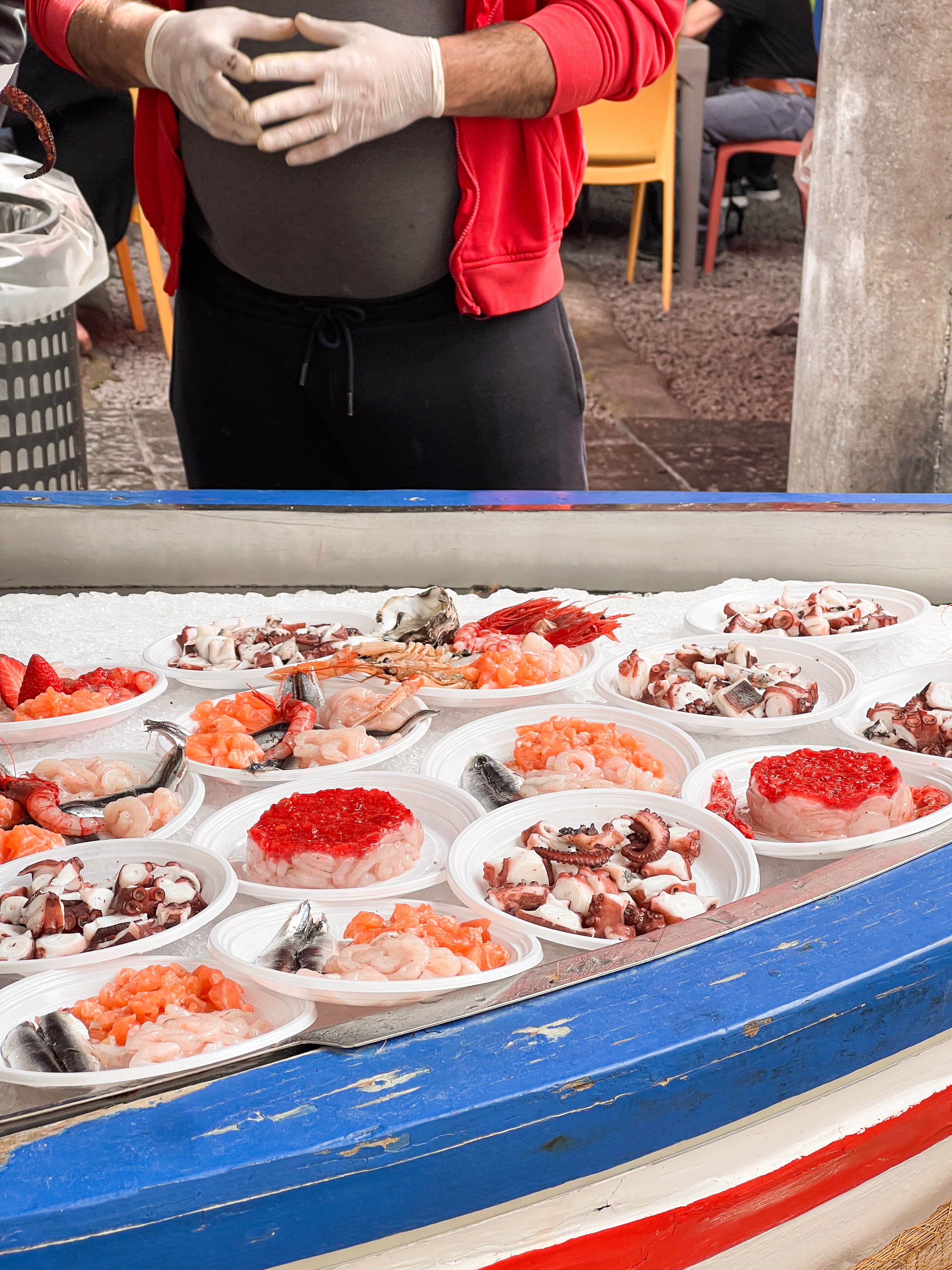
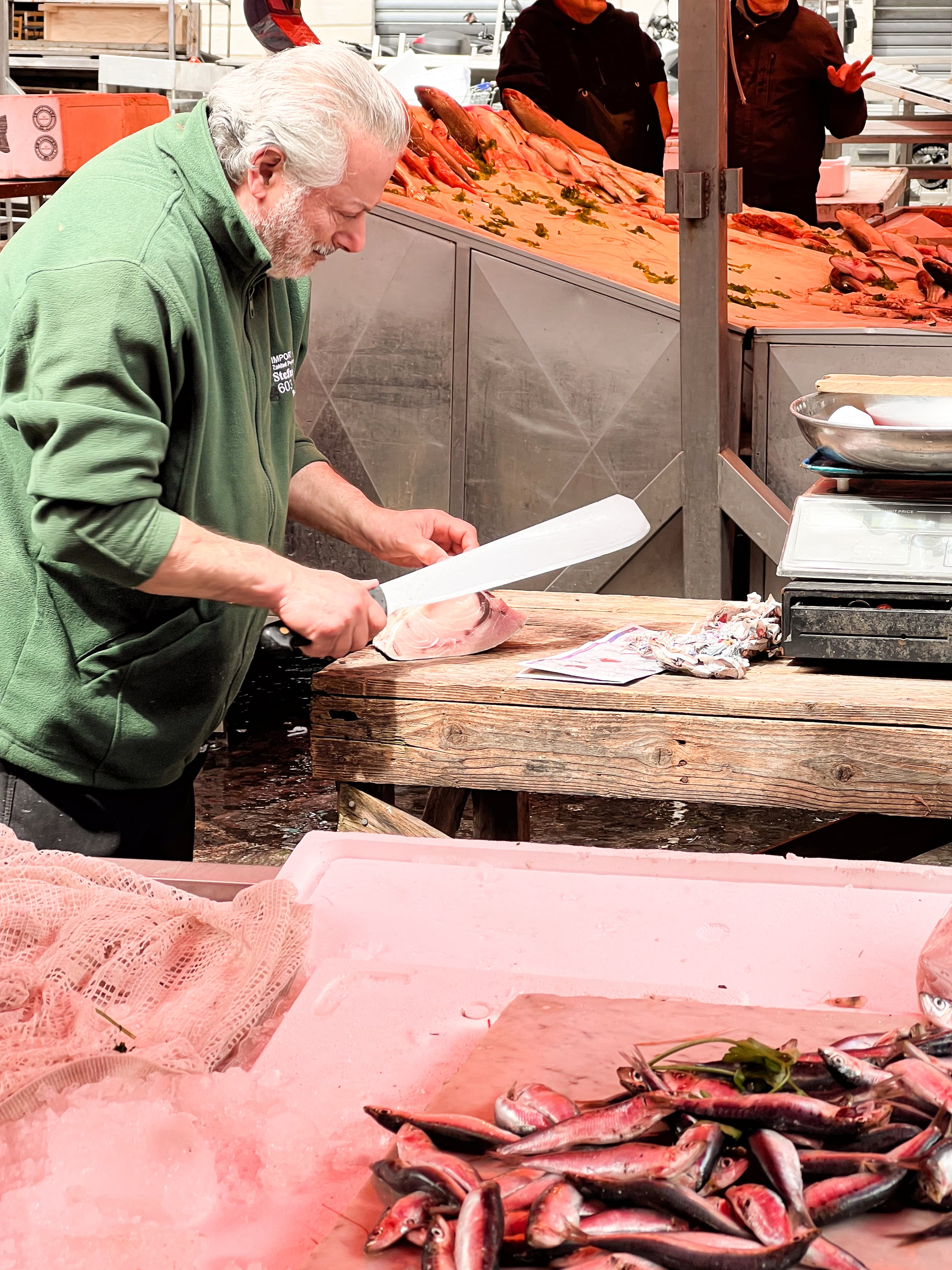
Ortigia Market
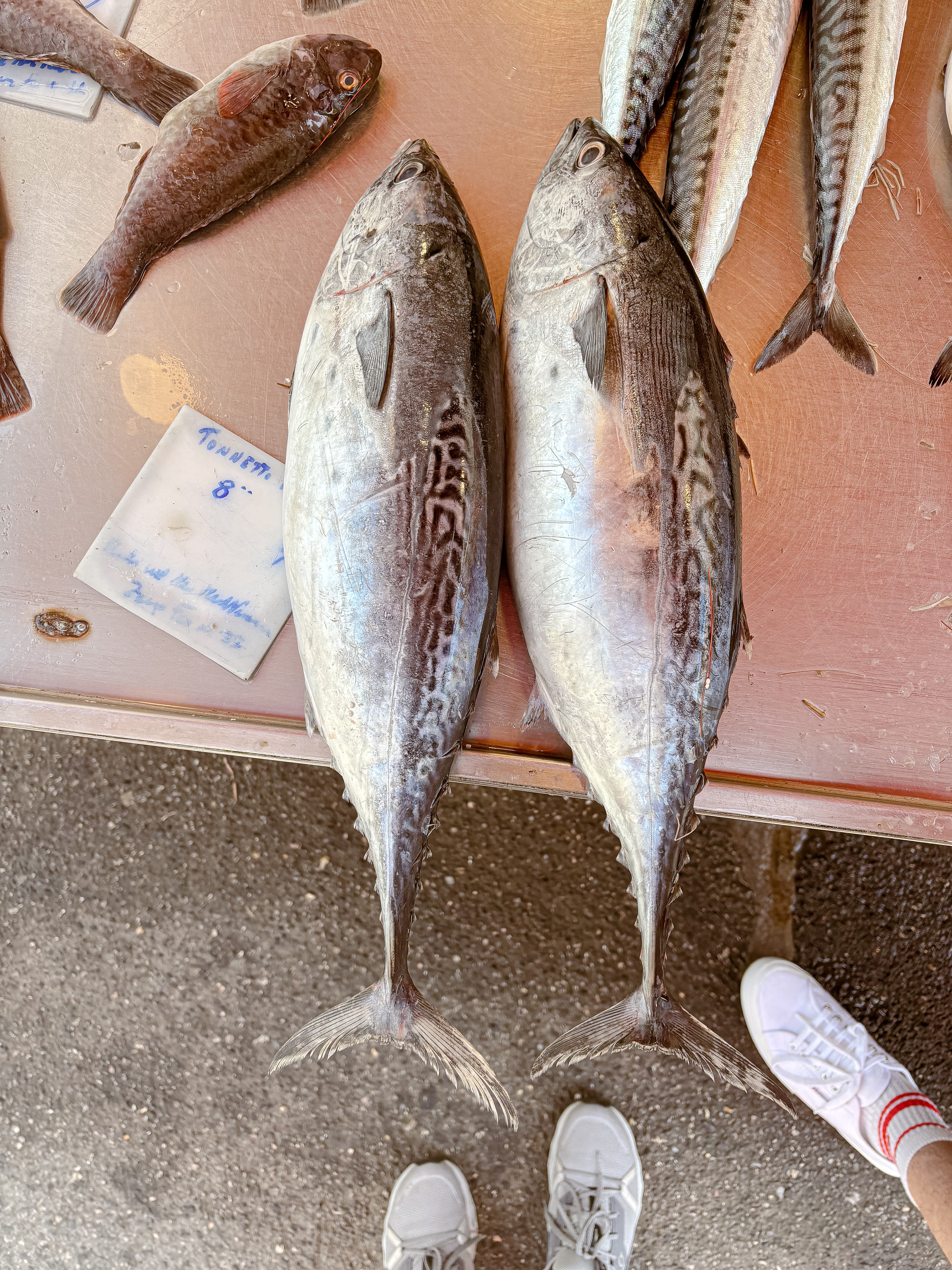
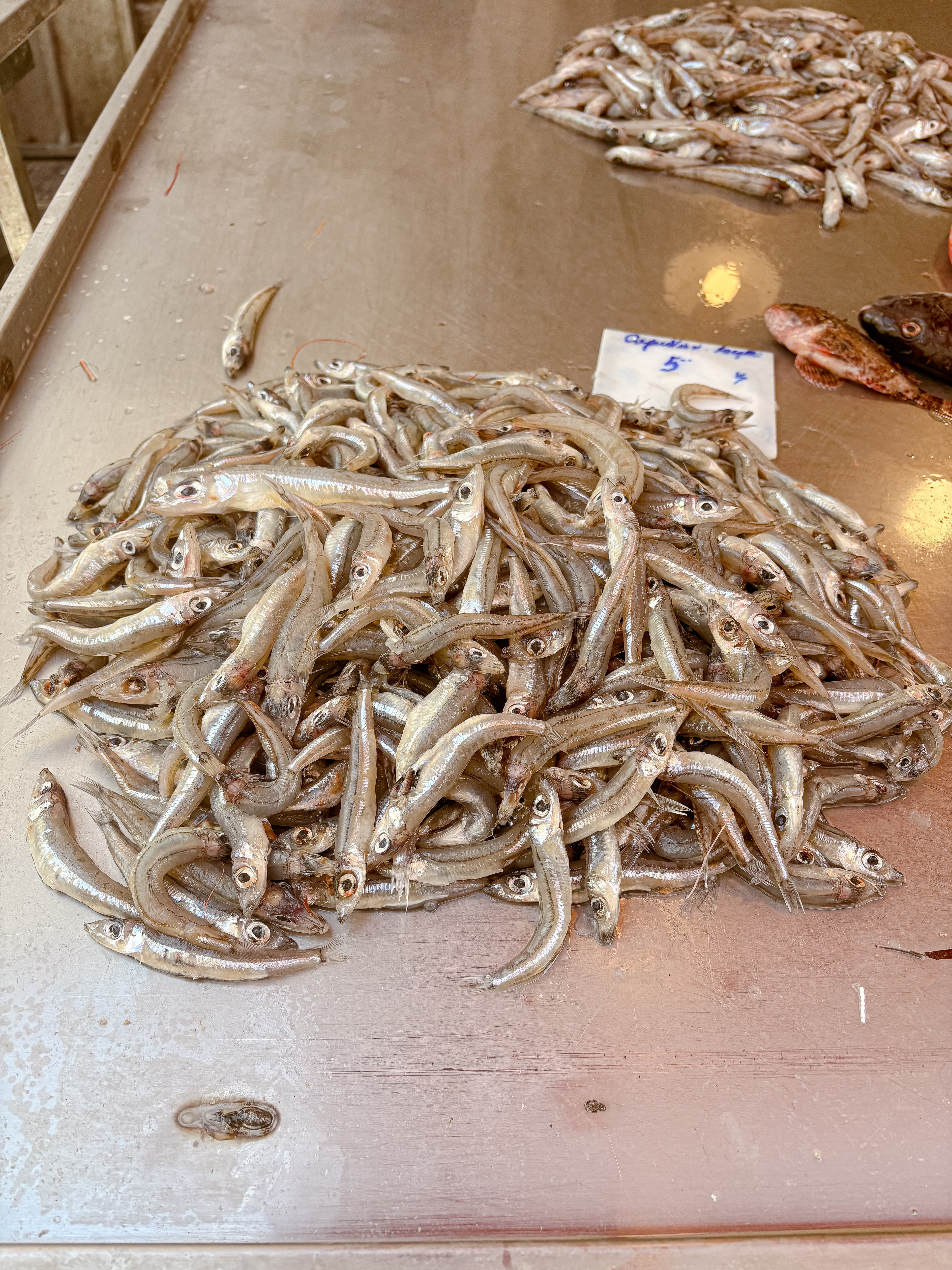
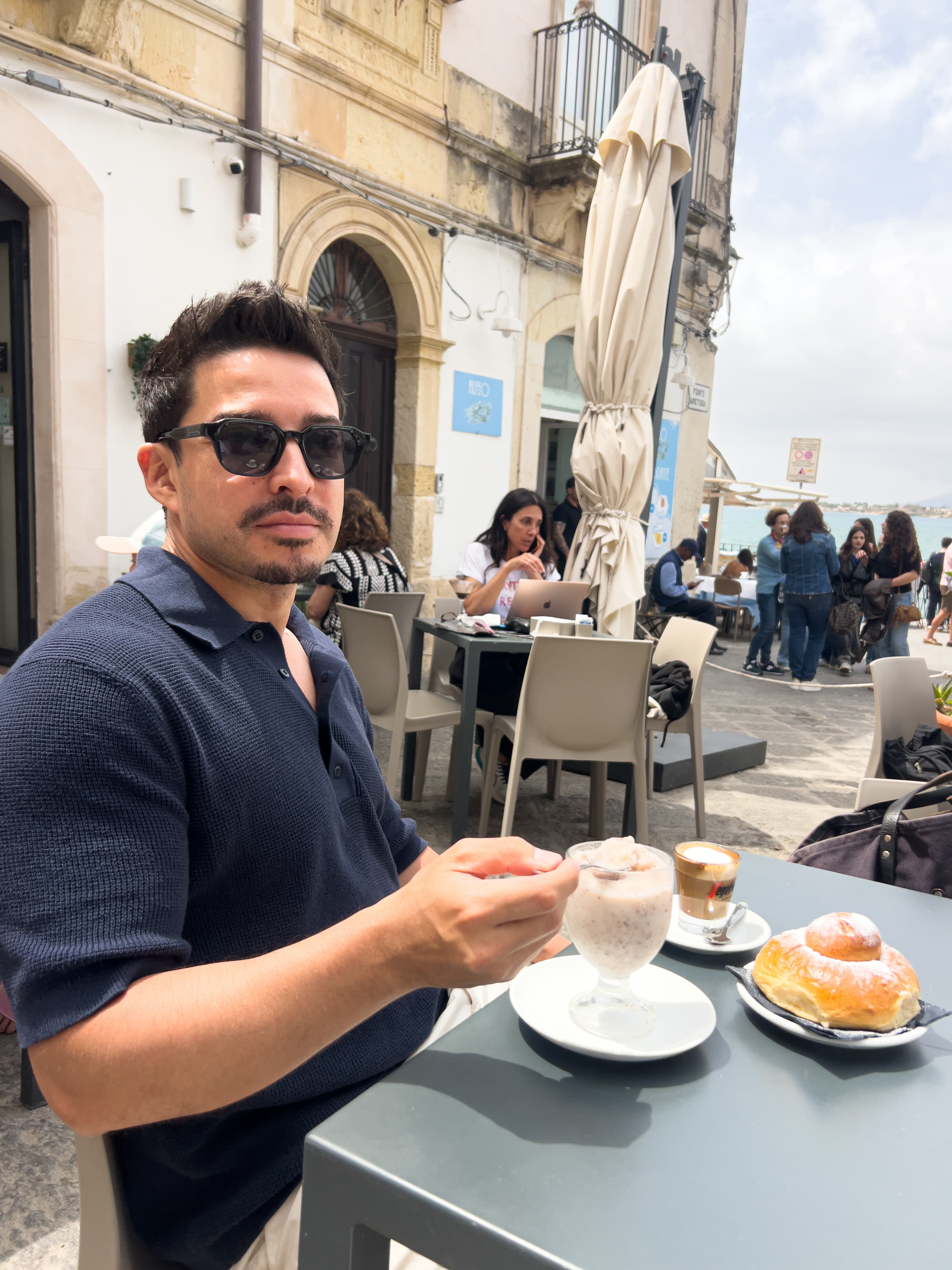
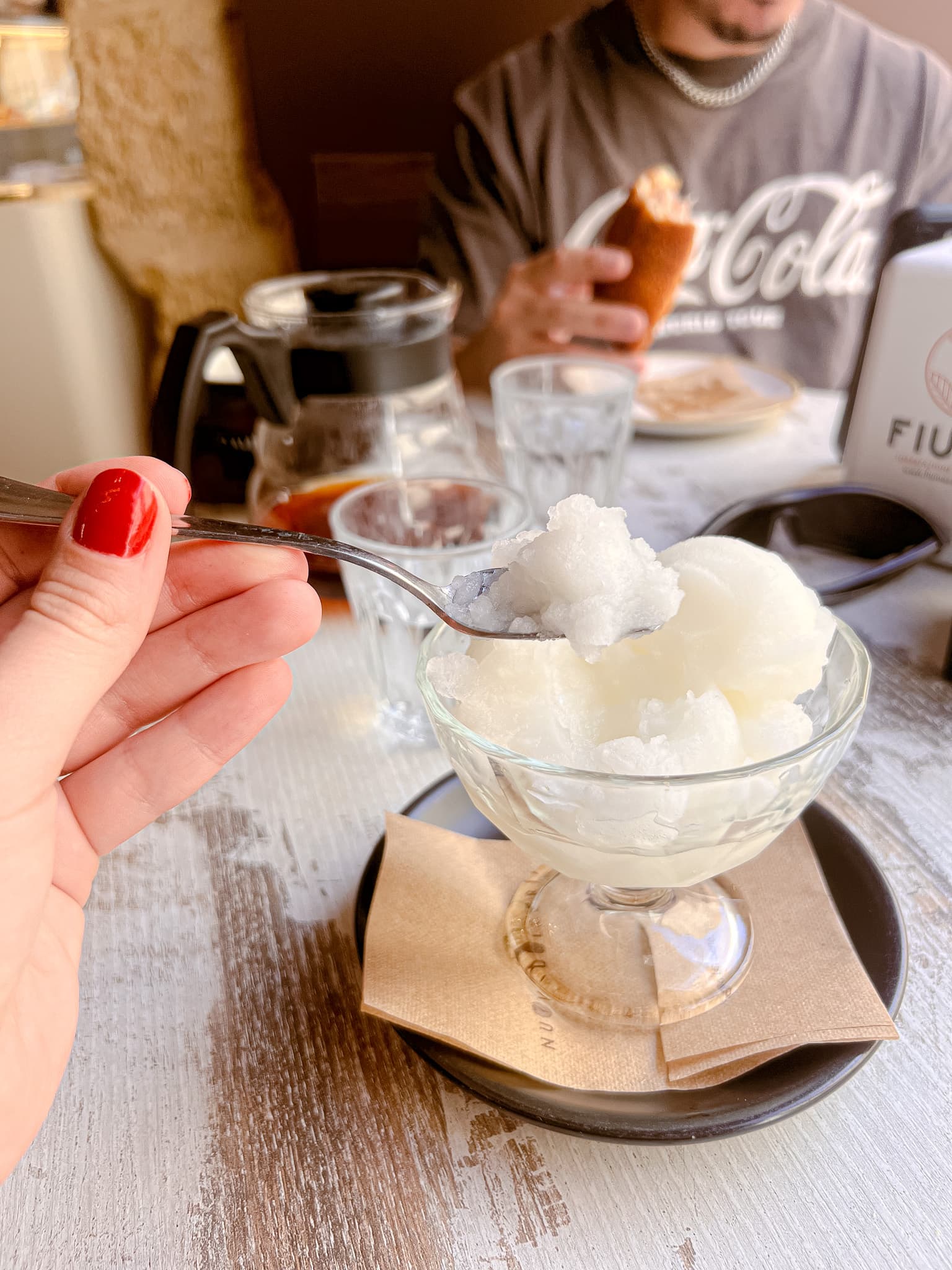
Breakfast at the Graniteria (opens in new tab)
Stroll through Piazza del Duomo
Work block or siesta
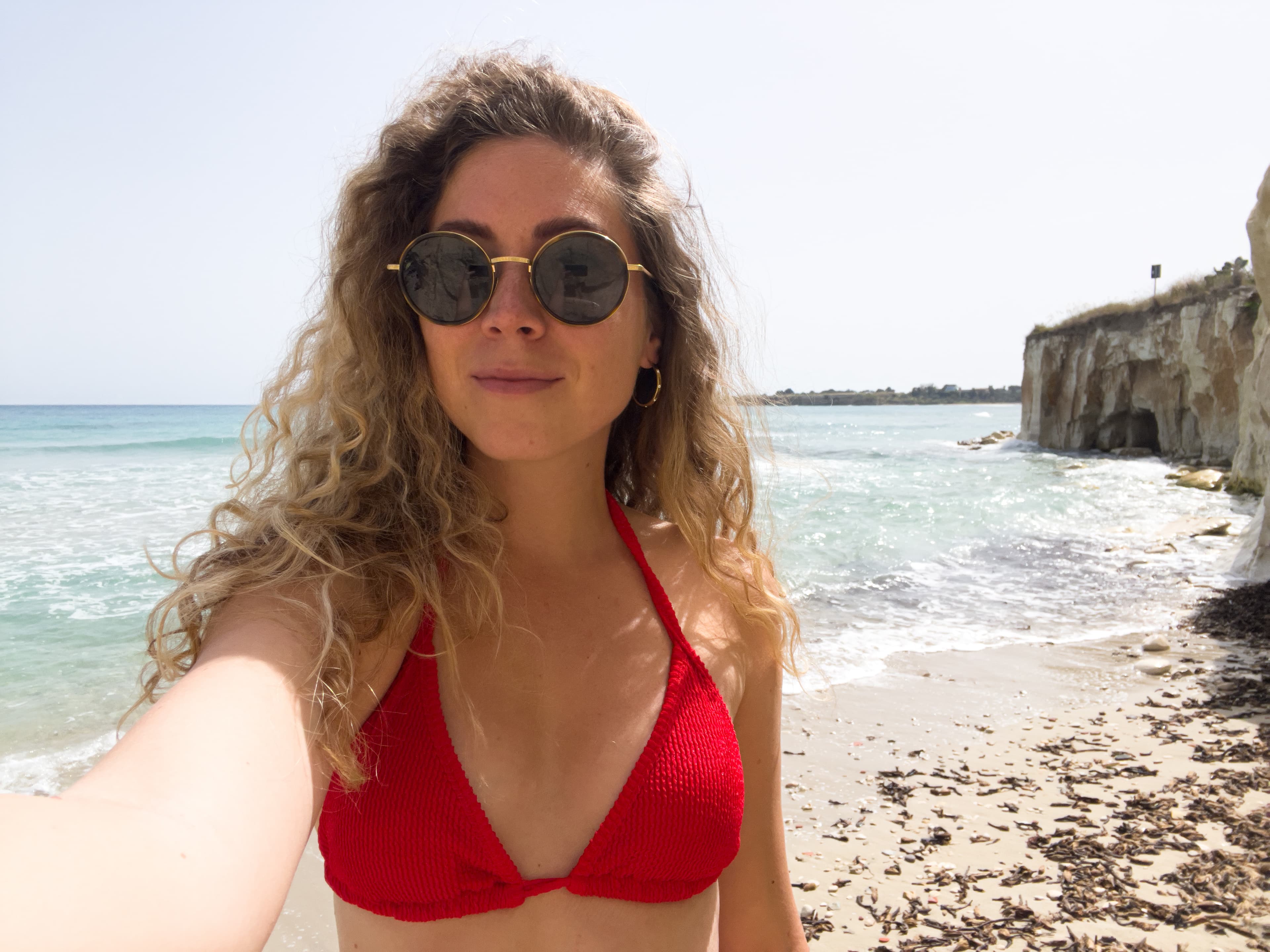
Late-afternoon swim
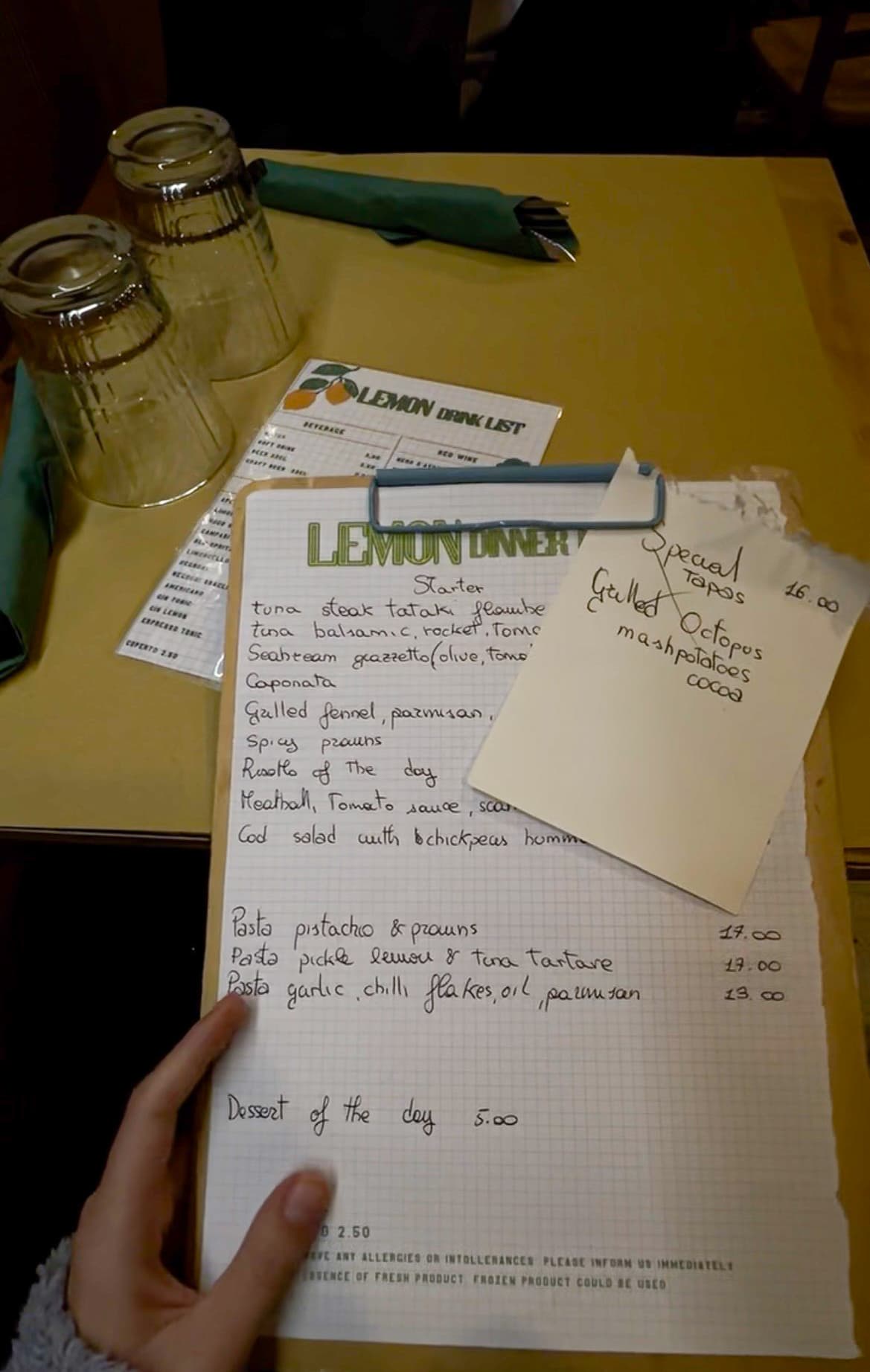
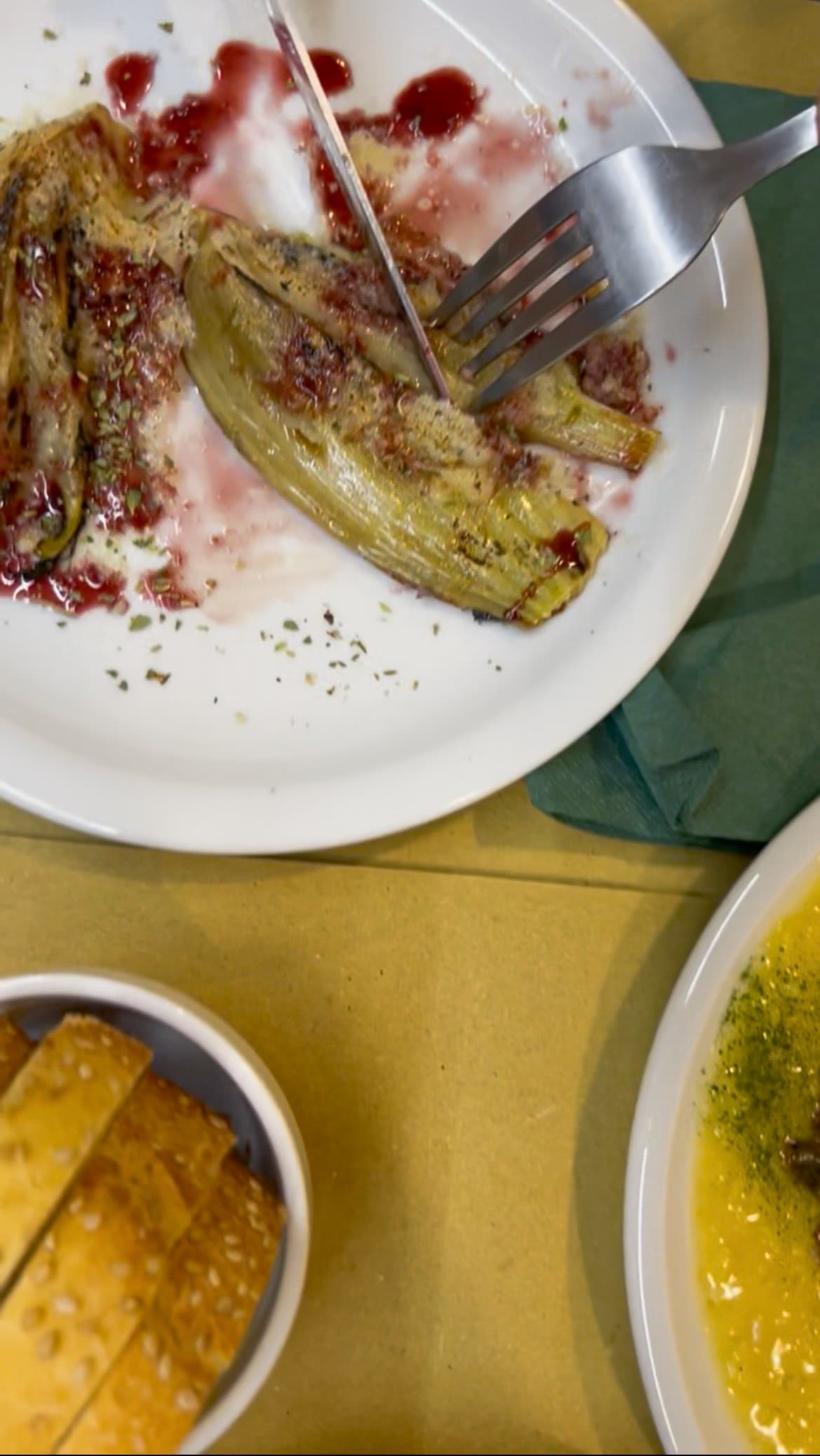
Dinner — Lemon Tapas & Cocktails Ortigia
Weekends in Ortigia
Saturday morning: Caseificio Borderi
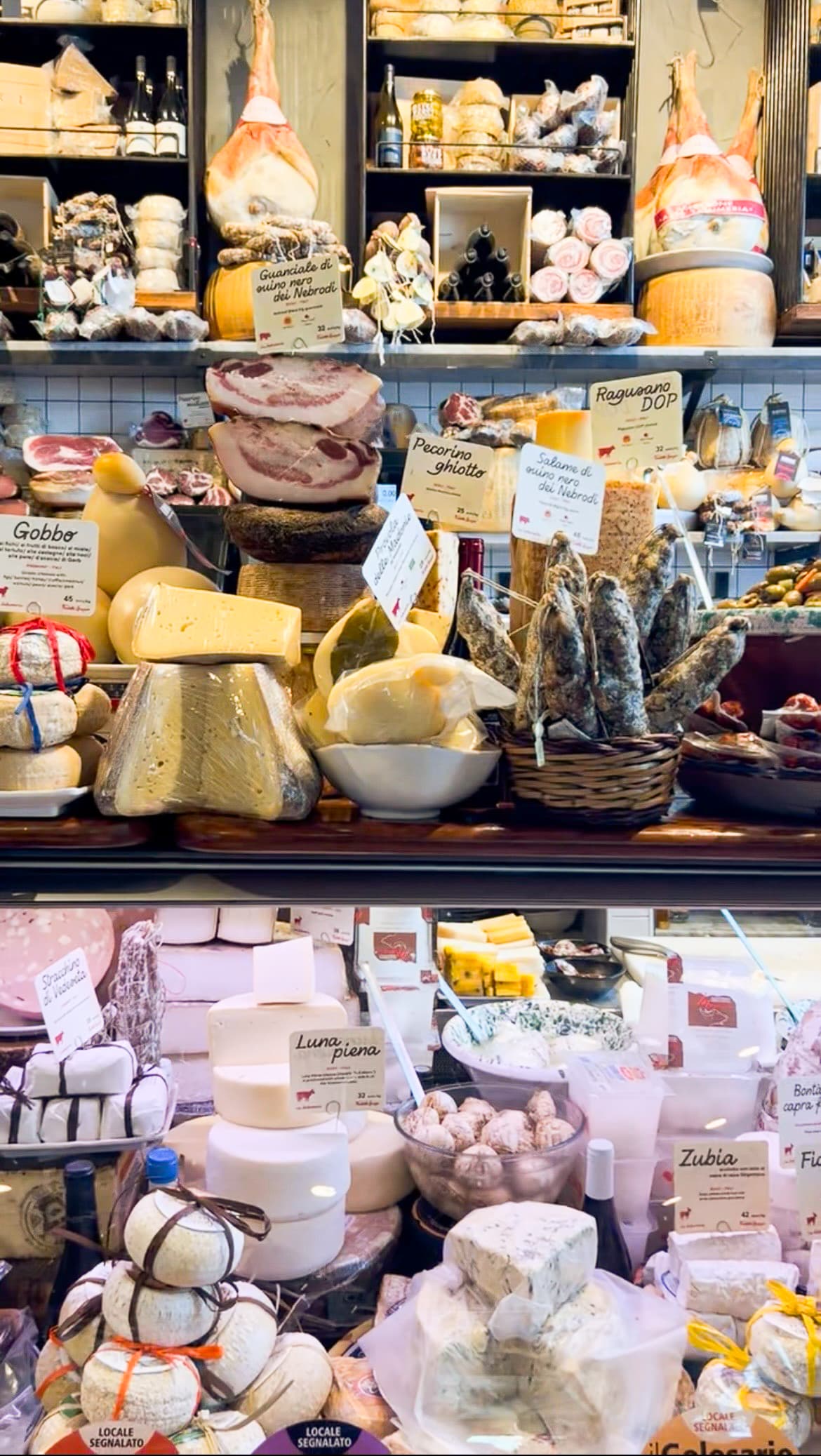
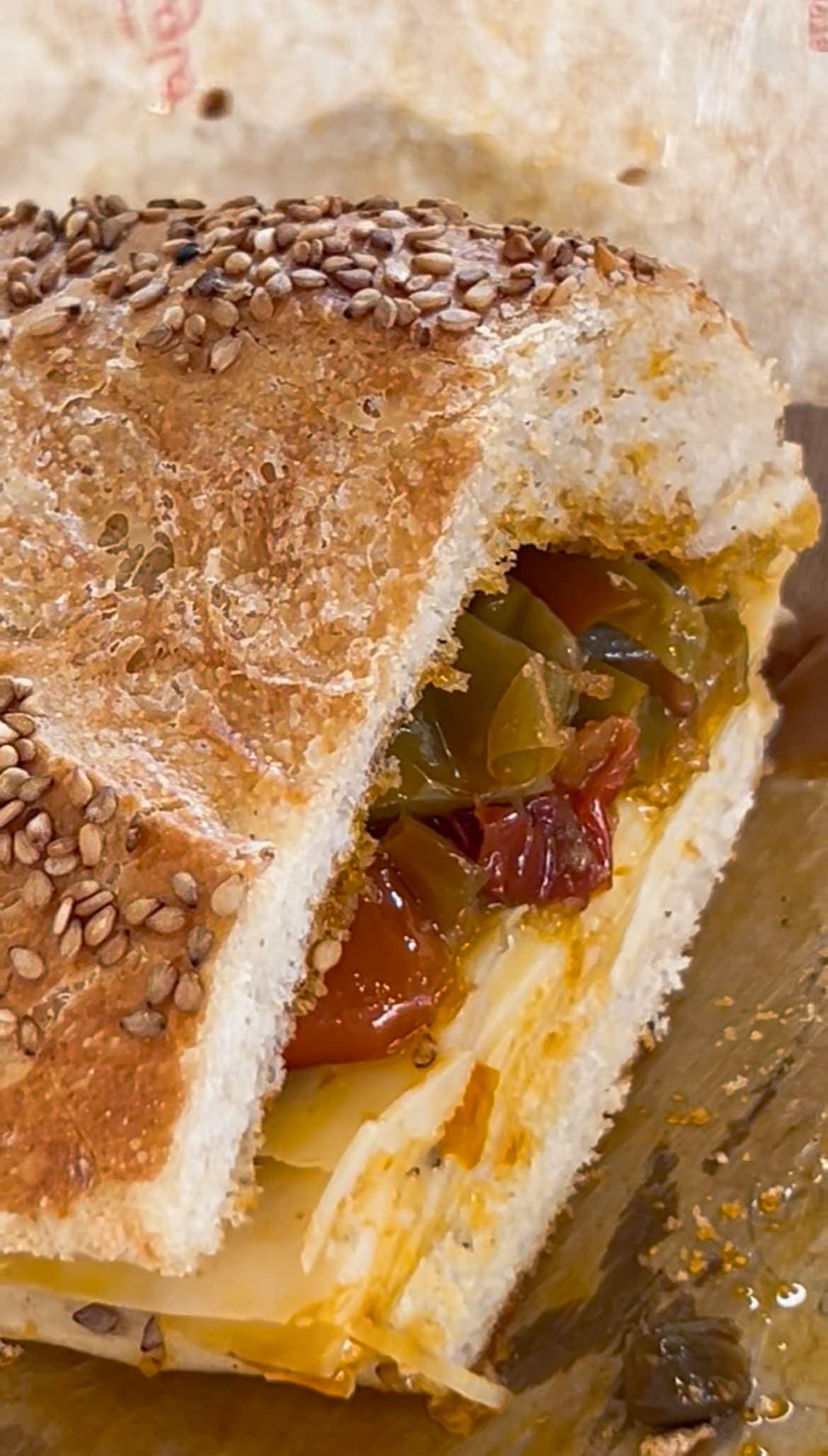
Start your morning at the Ortigia Market, at one of the best sandwich places, Caseificio Borderi (opens in new tab). Order panini #6 to let the chef surprise you, or go for caprese or #12 with Sicilian Caponata.
Afternoon: boat tour of the sea caves
On a sunny afternoon, get on the boat to explore Ortigia from the water and see some marine caves. You will glide past the colossal stone ramparts of Castello Maniace and see the freshwaters of Fonte Aretusa bubbling directly into the sea — all followed by a swim stop in the exceptionally clean and deep Ionian waters. While you dry off on the padded sundeck, the crew pops open a bottle of chilled prosecco and serves a platter of fresh seasonal Sicilian fruit.
Evening: dinner at a Michelin restaurant
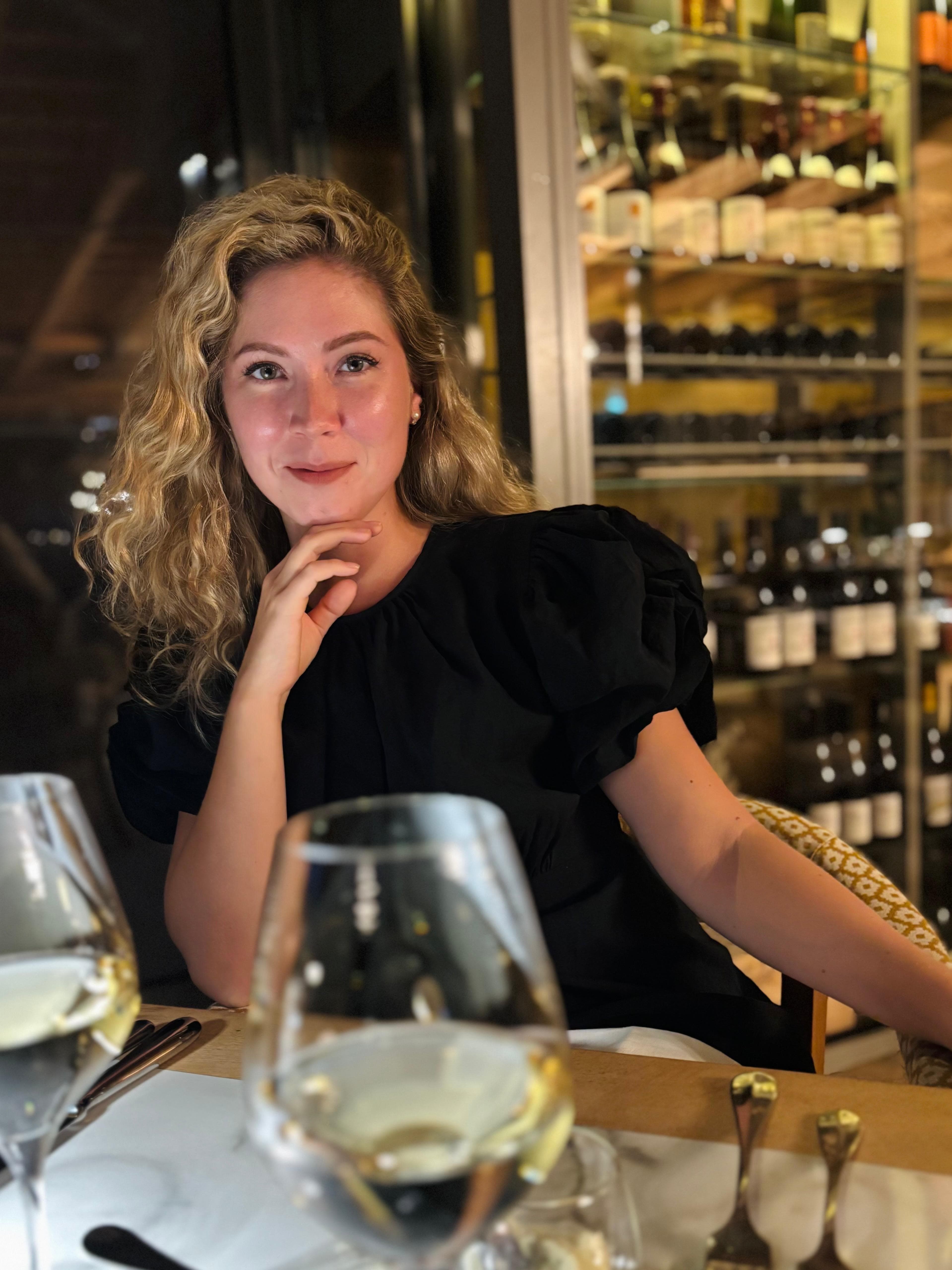
The heat of the day has faded, and you're stepping into an elegant, stone-walled Michelin restaurant in the heart of Ortigia. You're wearing your favourite summer sundress over glowing, sunkissed skin, still warm from the Mediterranean afternoon. As you sit down to a beautifully plated tasting menu of fresh Sicilian seafood and a crisp glass of local wine, you look around at the flickering candlelight and historic charm.
Nightcap: BOATS cocktail bar
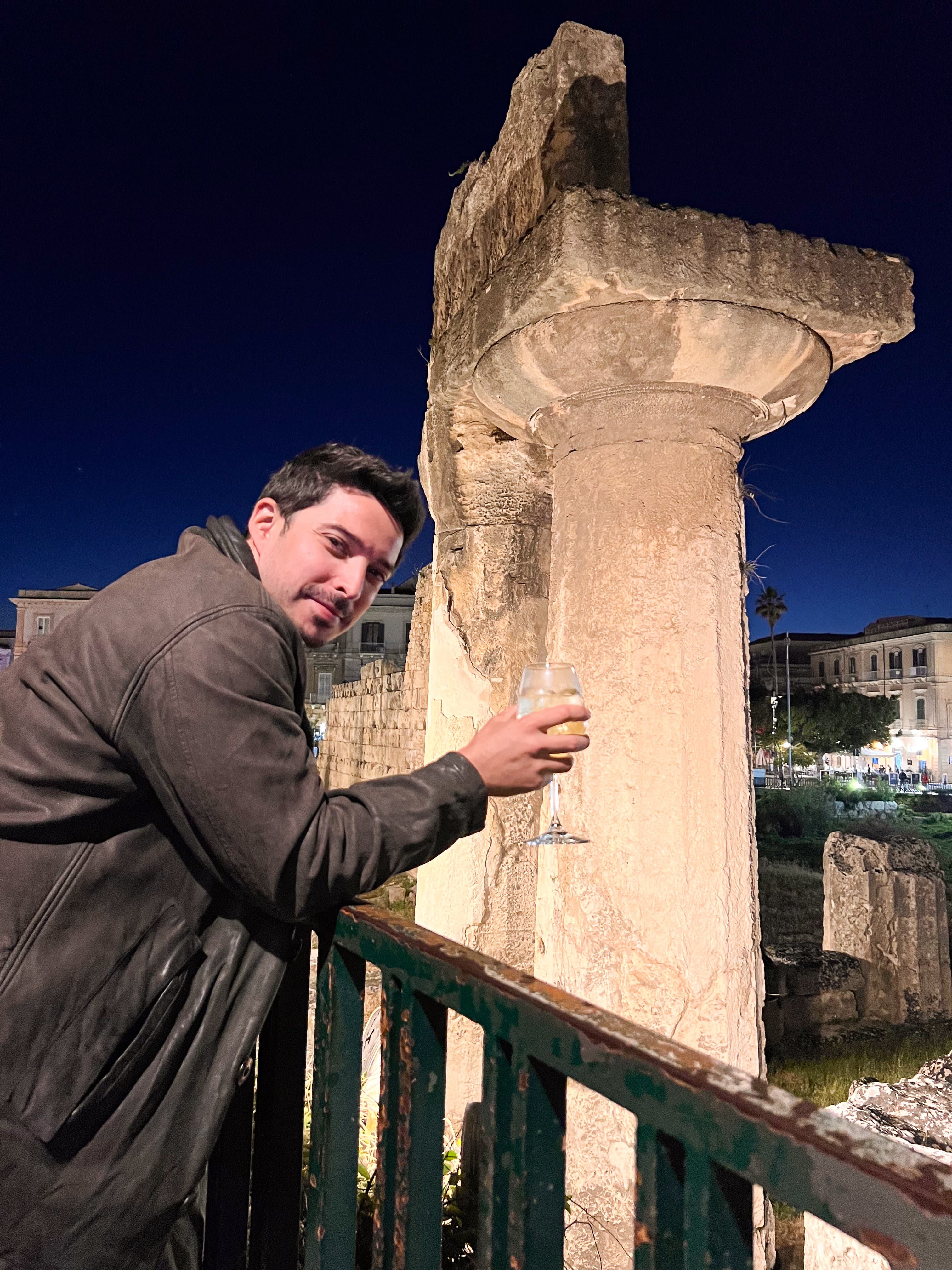
Wrap up the night with a Limoncello Spritz or a specialty cocktail at BOATS (opens in new tab). Behind the counter, Giulio Messina and his team craft a liquid “logbook,” with each drink list inspired by a different destination and spirit — from the rum-soaked Caribbean to Mexico's agave fields, Kentucky's bourbon, and England's gin traditions.
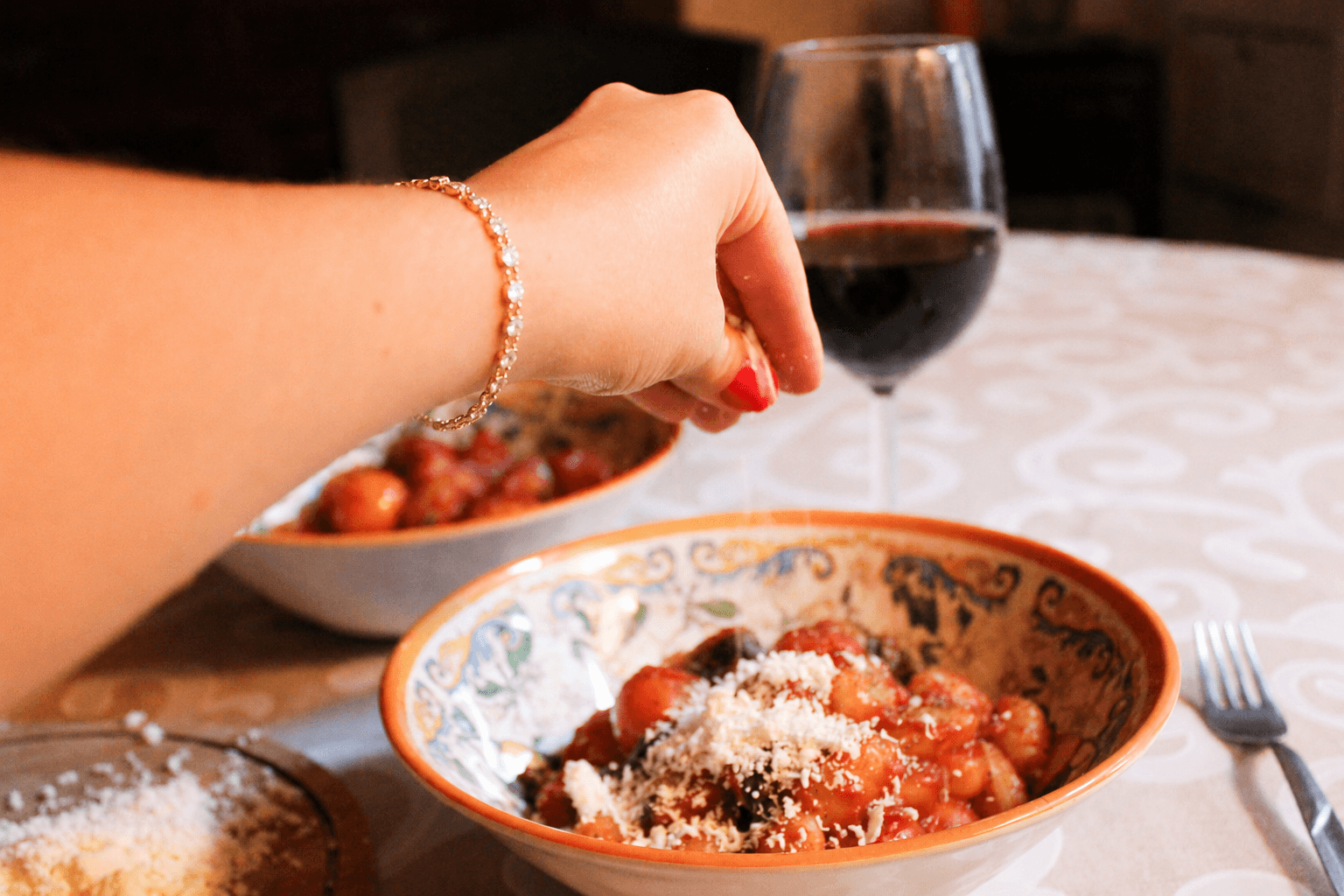
Read next
16 Authentic Sicilian Foods & Street Eats You Must Try in Sicily
Street eats, market hauls, volcanic wines, and pistachio specialties — from a full month in Ortigia.
Where to Stay in Ortigia
Here're my recommended accommodations in Syracuse, Ortigia:
My guide on where to stay in Ortigia — pros and cons of each area
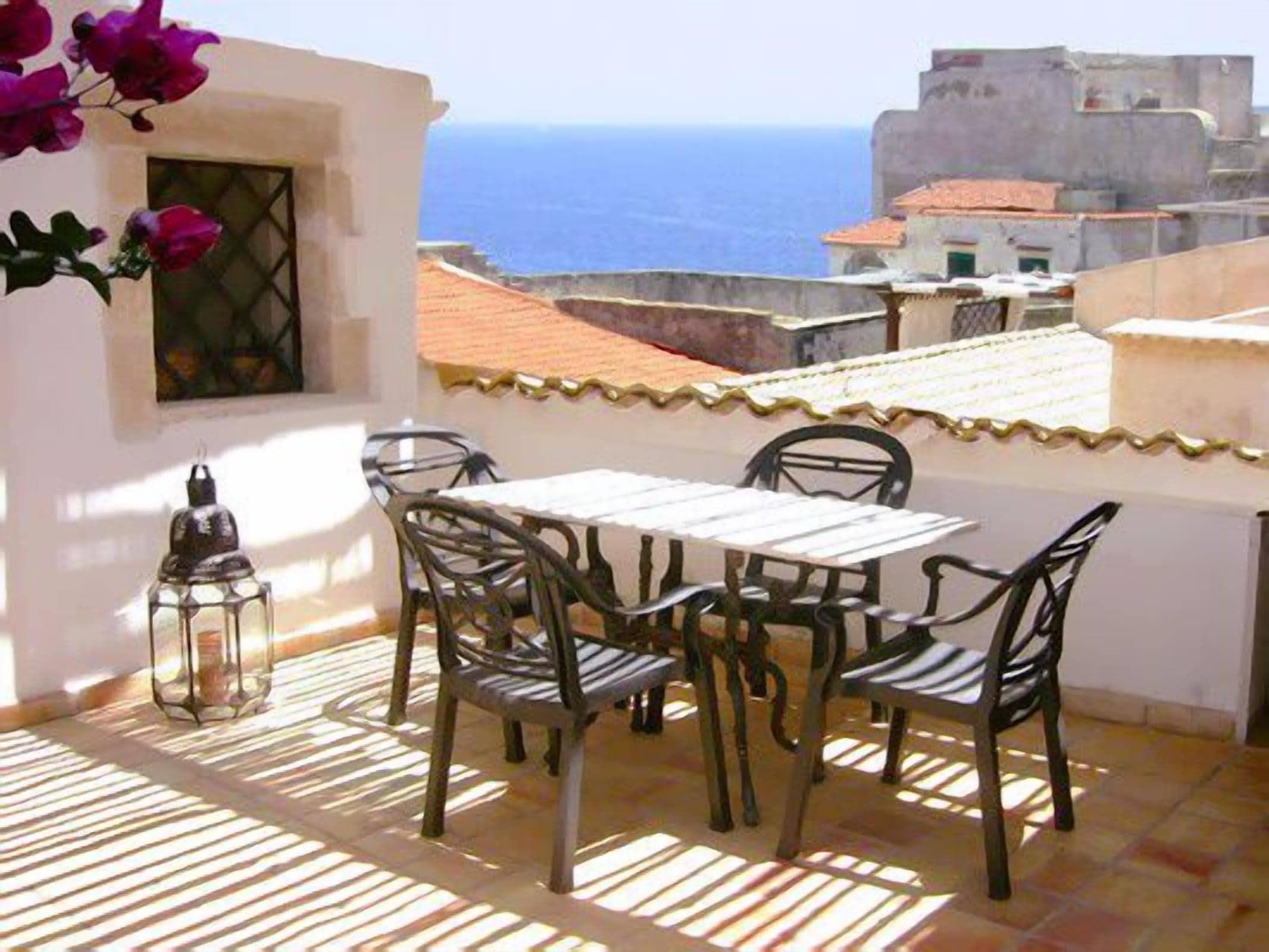
Alla Giudecca
$$$A former Jewish palace carved into the rock beneath Ortigia. Cave rooms, natural stone walls, and a small courtyard pool — one of the most atmospheric stays on the island.
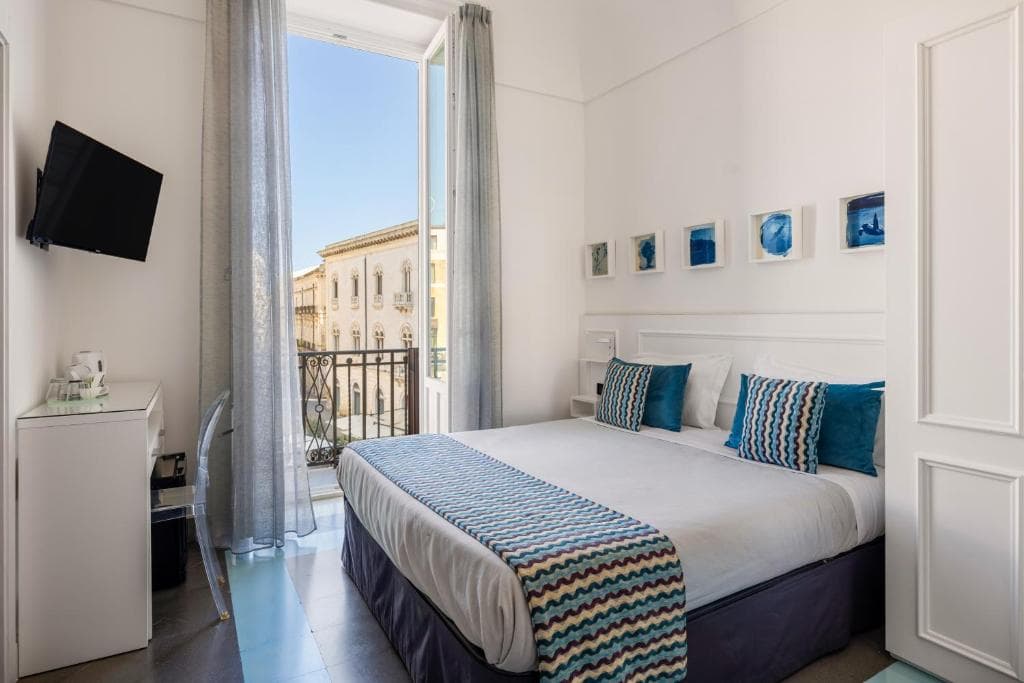
Archimede Charm B&B — Historical Palace
$$Boutique B&B inside a restored baroque palazzo in the heart of Ortigia. High ceilings, antique tiles, and breakfast included.
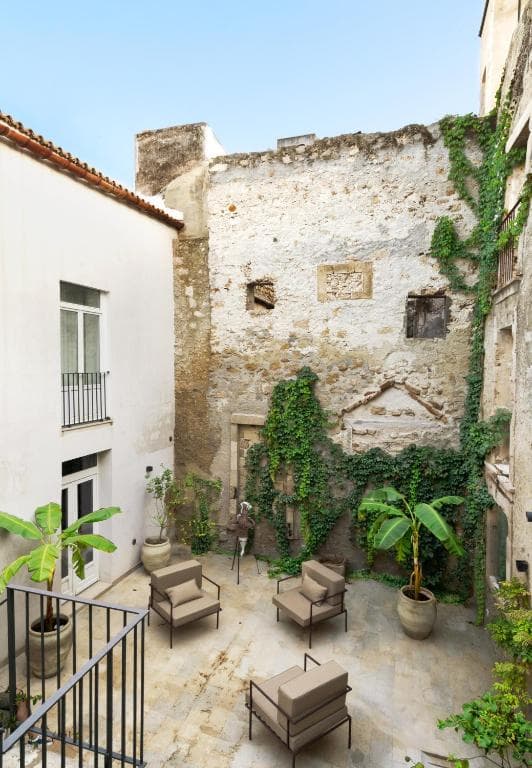
Isabella di Castiglia Apartments
$$Spacious self-catered apartments with a full kitchen — the smart pick for a longer stay or anyone who wants to cook from the market.
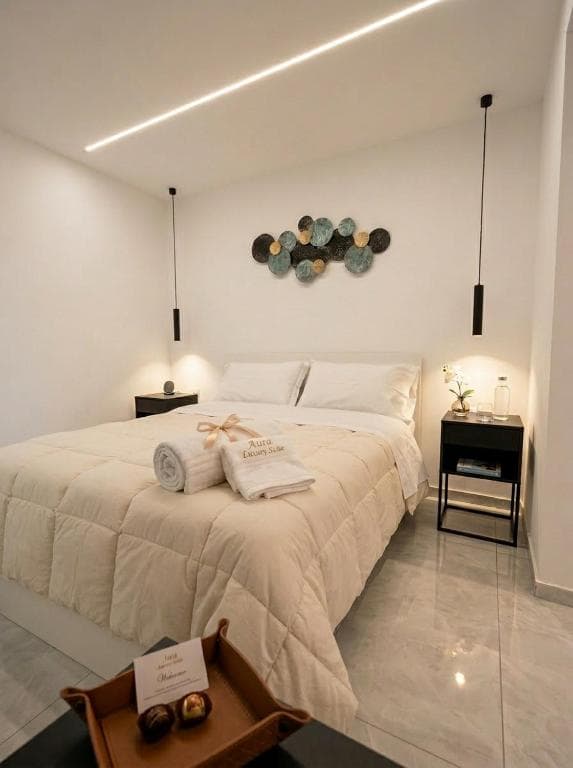
Aura – Luxury Suite
$$Sleek, modern suites in the heart of Ortigia. Minimalist interiors, high ceilings, and a quiet feel despite the central location.
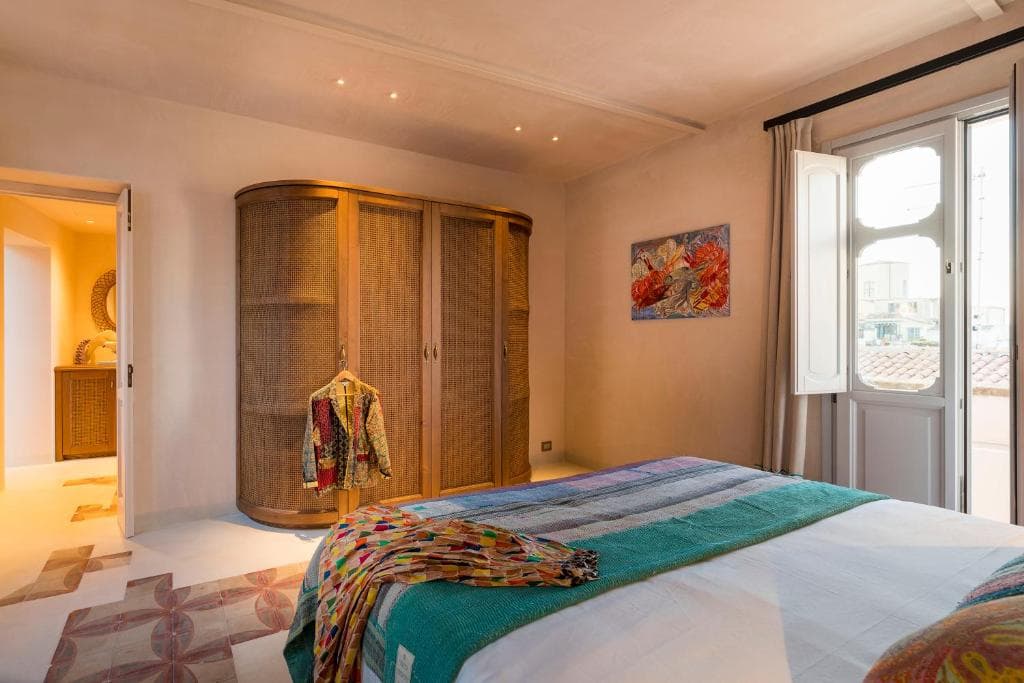
Lume
$$$A design hotel with a minimalist feel — clean lines, curated interiors, and a calm atmosphere a short walk from the cathedral.
Practical Nomad Checklist for Southeast Sicily
The one trade-off: swimming is a little chillier in shoulder season. But for us, that was an easy trade for having the beaches and the town practically to ourselves — zero crowds, none of the suffocating heat, and none of the inflated July–August prices.
As for the “traditional, vocal street culture” — in practice that just means a loud, lively town. Think busy market chatter, or construction workers singing under your window at 9 AM. Nothing that ever felt threatening. Compared to Palermo, Ortigia felt noticeably safer — mostly because of its size and shape. It's a small peninsula tucked at the edge of Syracuse, and that compactness gives it an “everyone knows everyone” feel that Palermo, being bigger and busier, just doesn't have.
For short rides, we grabbed tuk-tuks — they're everywhere and perfect for hopping over the bridge from the train station into Ortigia. A short, direct ride generally runs €10 to €20, depending on your haggling skills and luggage.
Traditional taxis are the other option, though they can't always squeeze into Ortigia's narrowest alleyways — better suited for trips to the mainland or out to the archaeological park. A standard taxi from the Syracuse Train/Bus Terminal into Ortigia costs roughly €6 to €10.
Taxi stands:
- •Directly outside the Syracuse Train Station exit (opens in new tab)
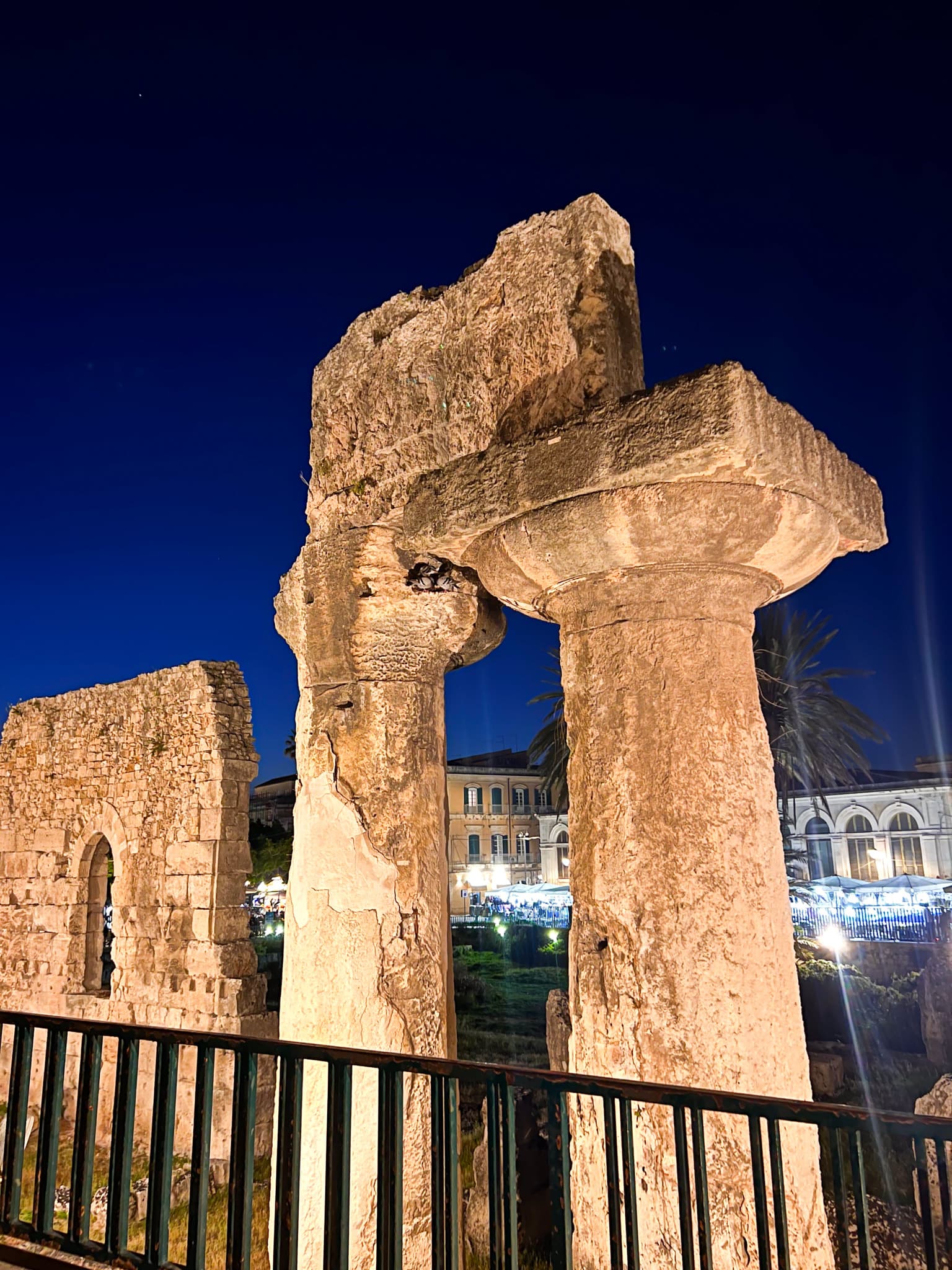
- •At the entrance of Ortigia near Piazza Pancali, right by the Temple of Apollo (opens in new tab)
- •Near the Molo San Antonio parking lot on the mainland side of the bridges
To call local dispatch: Radio Taxi Syracuse at +39 0931 1795 or +39 0931 17977. You can also use Uber or App Taxi (opens in new tab).
My recommendation: walk everywhere unless you genuinely need a car. For short hops, take a tuk-tuk. Save cars for the longer trips out.
Frequently Asked Questions About Syracuse
Write Your Own Sicilian Script
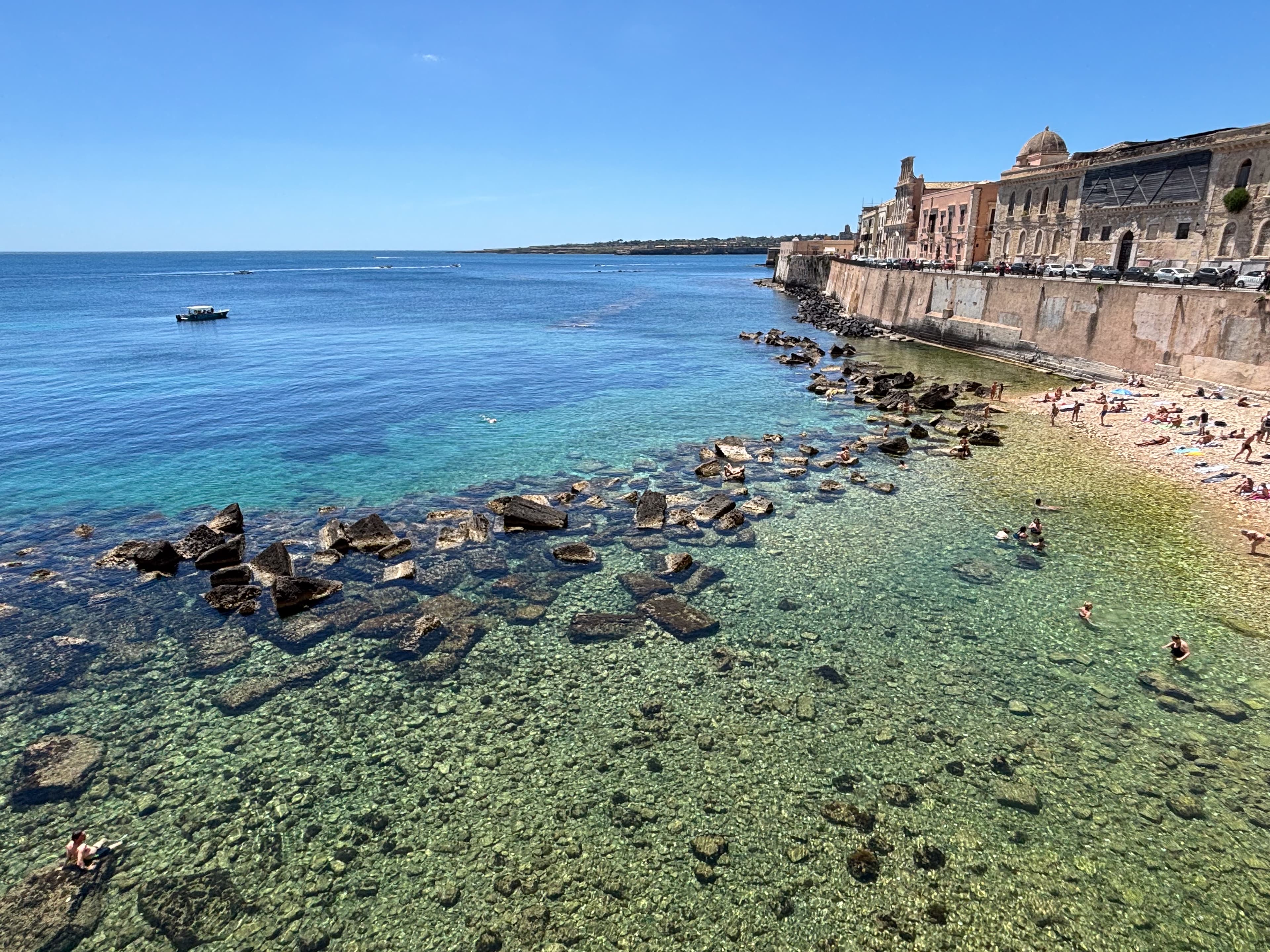
While all the hype seems to be shifting toward Palermo, we chose to base ourselves in Syracuse — and we never regretted it for a second. It felt like stumbling onto our own private paradise, a beautifully niche pocket of Sicily that still feels hidden from the masses. Centuries of history are woven into everything you touch as you wander the ancient streets.
I highly recommend basing yourself in Ortigia and using it as a launchpad for day and weekend trips around the island. Because it's a tiny, fortress-like island bridged to the mainland, it gives you an incredibly cozy, secluded, and quaint feeling — while still offering effortless public transit links directly to both Palermo and Catania.
Hope this was helpful. Wishing you the best Italian holidays.
More Sicily guides coming soon
- •10 things to do in Syracuse, Ortigia
- •Island-hopping the Volcanic Aeolian Islands
- •Your 48-hour escape to Palermo
Get Ready for Your Trip to Ortigia, Sicily
Book Your Accommodation
For the best deals and discounts, I always use Booking.com (opens in new tab) to book my hotel stay, villa, apartment, or hostel.
Book Your Flight & Car
Looking for cheap flights or rental cars? Trip.com (opens in new tab) is the way to go. I've been using it for years and have saved so much money along the way.
Book Tours & Activities
Here you can find amazing deals for any trips and activities — the platform only works with trusted tour operators, so you can book with confidence.
Get Travel Insurance
SafetyWing (opens in new tab) has been my go-to travel insurance, and I couldn't be happier. Highly recommend them for peace of mind on your trip.
You may also like
Where to Stay in Ortigia, Sicily
16 Authentic Sicilian Food & Street Eats You Must Try in Sicily
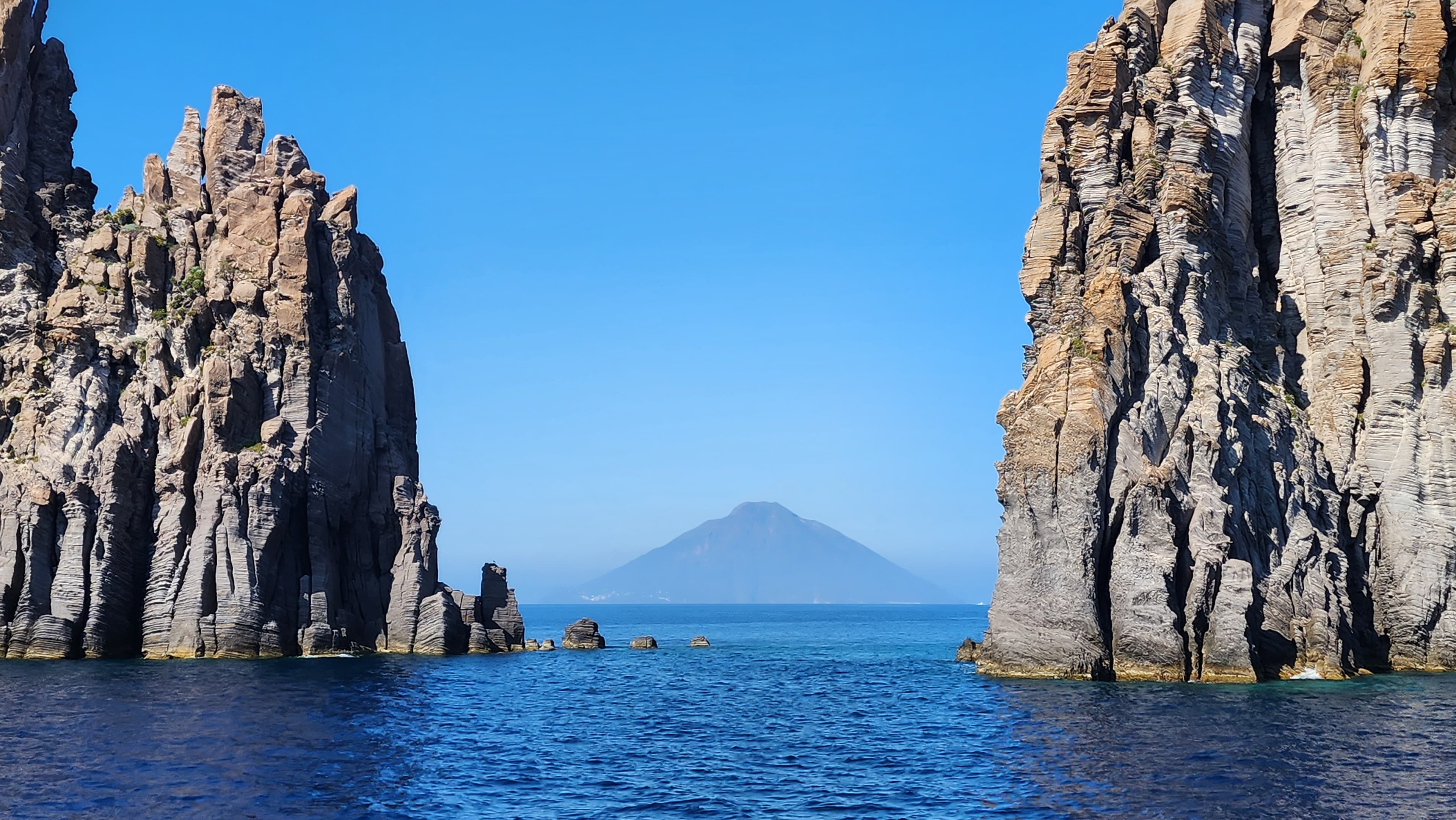
The Honest Weekend Guide to the Aeolian Islands
Some of the links on this site are affiliate links. This means I may earn a small commission if you purchase them at no extra cost to you. I only recommend things I genuinely use or believe in.