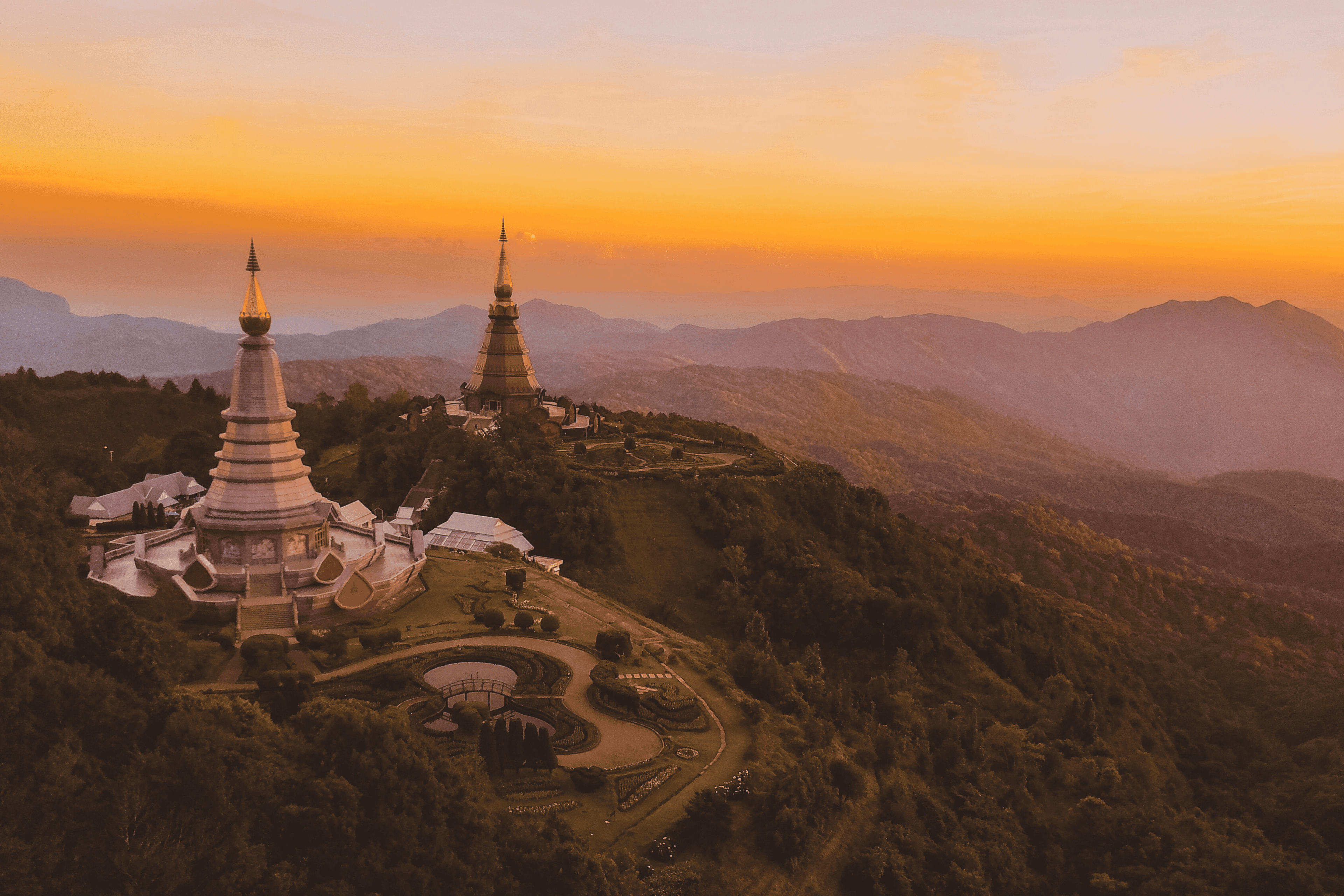
Chiang Mai Digital Nomad Guide: Why It's Still the Ultimate Hub for Solo Female Nomads
In this article
Once you set foot in the centre of Chiang Mai, the largest city in Northern Thailand, you can immediately spot why it has been declared the capital of digital nomads and why this crowd flocks here from every part of the world. Incredible coffee culture, an expanding network of co-working spaces and affordable accommodation, rich culture with layers of history, unbeatable nature escapes and Buddhist temples nestled in the mountains, plus night and morning food stall markets make it a great fit for solo female travellers and nomads.
In this guide, I break down why you should consider Chiang Mai, things to do around the city, where to base yourself, and how to work comfortably during a longer stay. Still choosing your next base? See our roundup of the best solo female travel destinations and the most underrated spots worth considering.
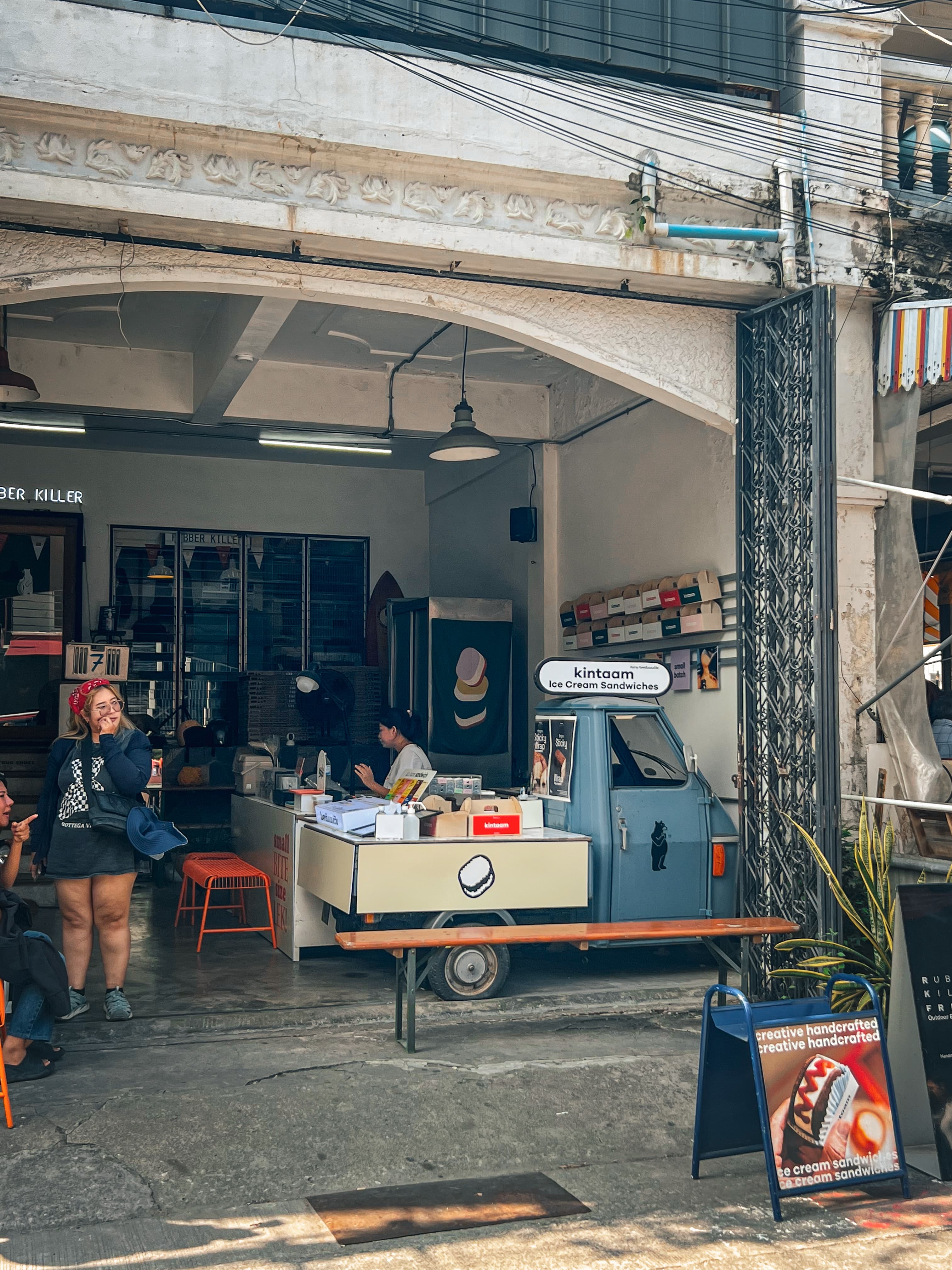
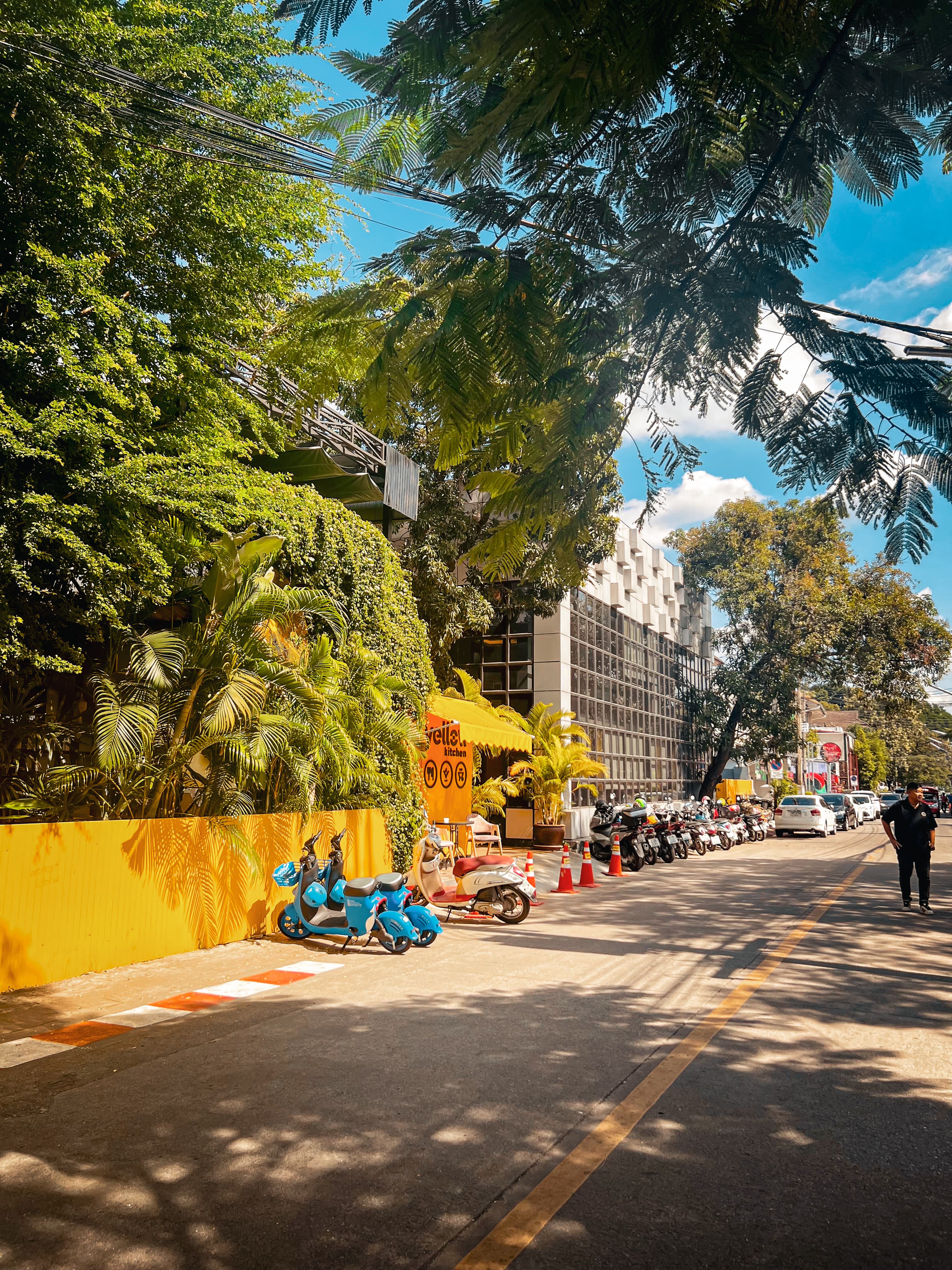
Streets of Nimman, looking like it could be straight out of a Ghibli Studio movie
Nomad Snapshot
Monthly budget
$1,200 – $1,500 USD
Wi-Fi
Fast, fiber everywhere
Safety
High — one of the safest in Asia for solo women
Best season
November – January
Avoid: February – April (burning season — PM2.5 air quality is poor across the north)
Is It Worth It to Go to Chiang Mai as a Solo Female Nomad?
To give you a quick answer: it's absolutely worth it, and it's one of those places that will be stuck on your mind long after you move on to the next destination. I'm writing this and feel so much nostalgia about the time spent in Chiang Mai. Let's break it down — why this place has been so popular among nomads:
Safety
Chiang Mai consistently ranks among the safest cities in Asia for solo women. The city has a large, established expat and nomad community, which means you're rarely far from other travellers, and the neighbourhoods used most by nomads — Nimman and the Old City — are walkable, well-lit, and genuinely low-stress to navigate alone at night.
Coming home late at night: Nimman is well-lit and residential, and walking short distances there is fine. In the Old City, stick to main roads after midnight rather than cutting through empty sois. For anywhere further out, use Grab or Bolt — both work reliably until late and cost almost nothing for short distances.
Common scams to know: tuk-tuk drivers near the Old City offering to take you to a temple and then routing you to a gem shop or tailor — decline politely and book your own Grab. Taxi drivers at the airport and train station sometimes refuse to use the meter and quote inflated flat rates; use Grab from the arrivals hall instead.
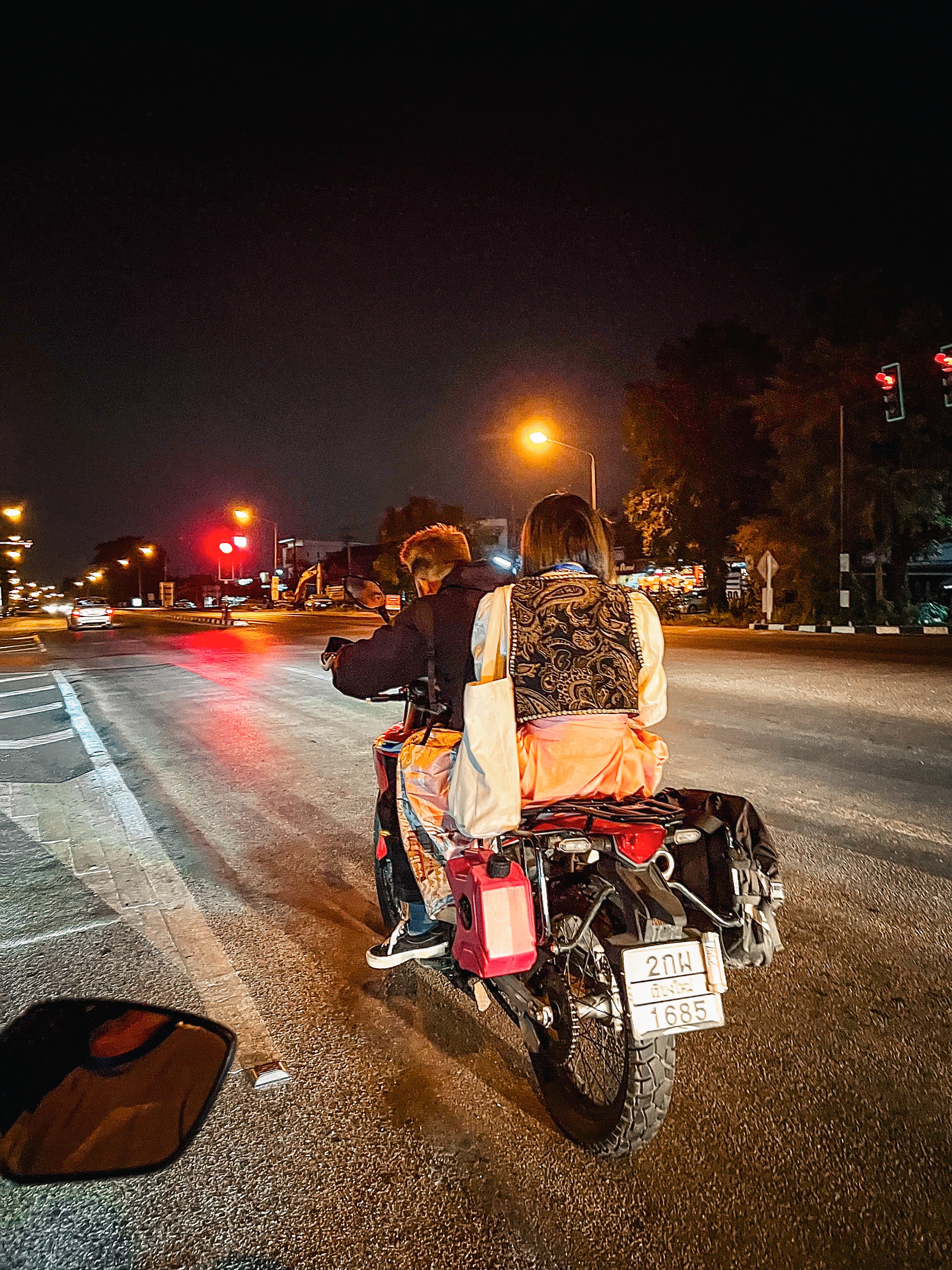
The main risk to stay aware of is the road. Traffic in Chiang Mai is chaotic, and scooter accidents are the single biggest danger for travellers here — including experienced riders, because the mountain roads to Doi Suthep are steep and winding. If you don't have riding experience, stick to Grab, Bolt, or the red songthaews.
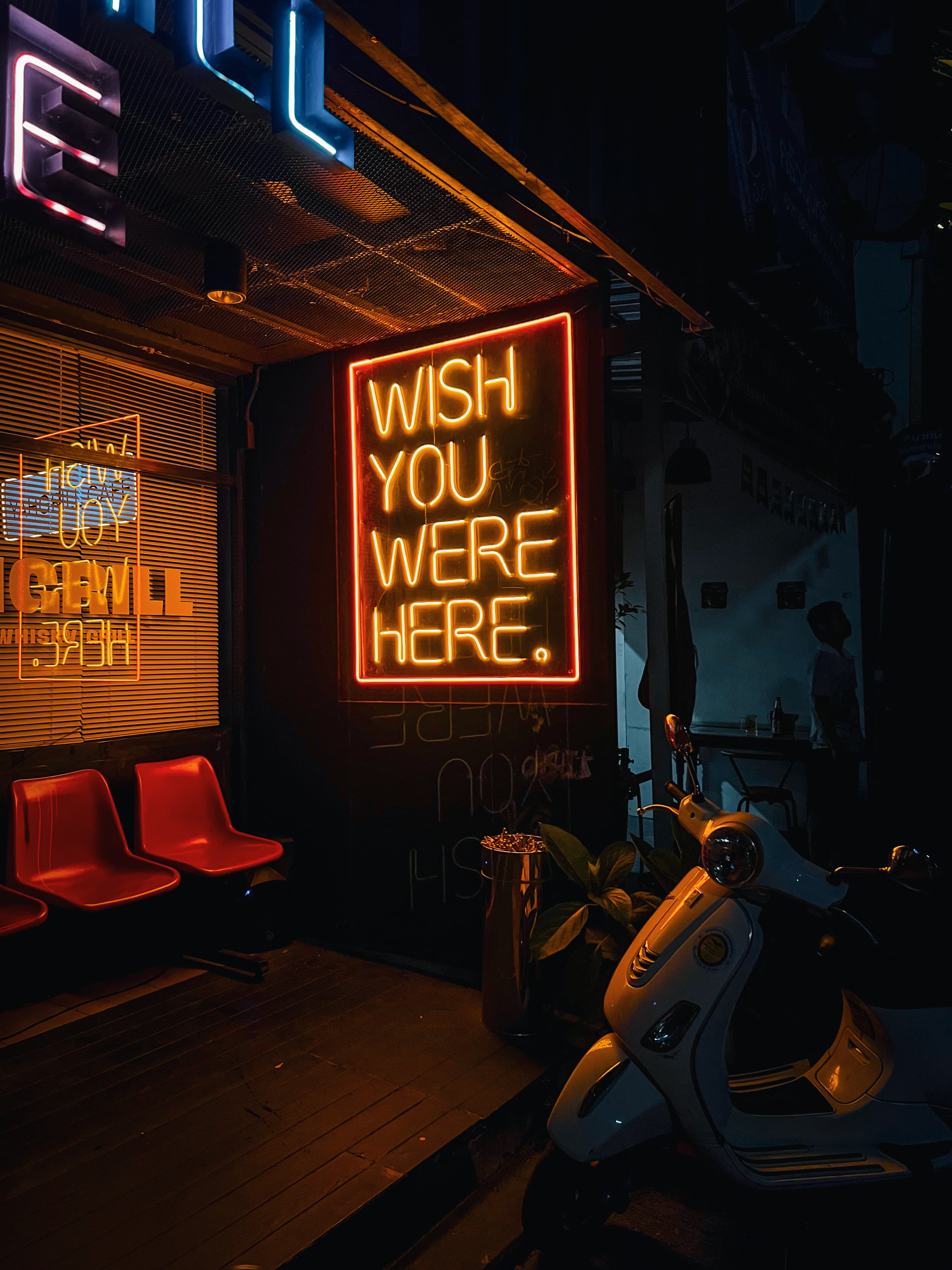
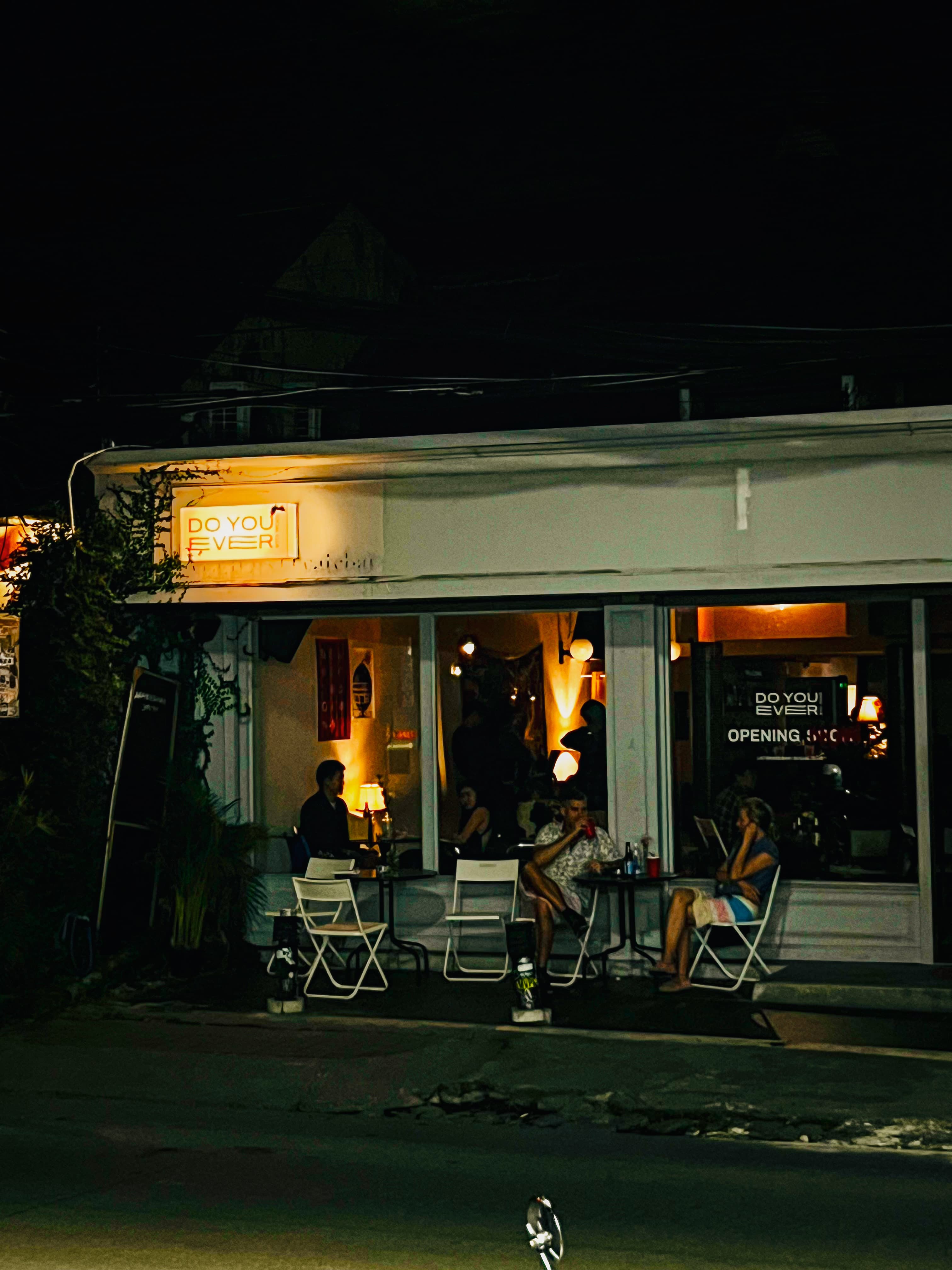
Chiang Mai feels incredibly safe even after dark
A built-in community
Weekly nomad meetups, active Facebook and WhatsApp groups, and a high density of co-working spaces mean you can go from landing at the airport to sitting across from another remote worker within 24 hours. It's one of the easiest cities in the world to not feel alone.
Lifestyle and wellness
Daily Thai massages starting at 60 – 80 THB, yoga studios, and some of the best plant-based and vegan food in Southeast Asia make Chiang Mai unusually easy to stay healthy in. The city is also surrounded by mountains and national parks, so weekend escapes to waterfalls, viewpoints, and hill tribe villages are always within reach.

Where to Stay in Chiang Mai as a Digital Nomad?
Best neighborhoods
Vibe: Modern, walkable, hipster — full of co-working hubs, condo buildings, and laptop-friendly cafés
Best for: Nomads who want convenience and a high density of other remote workers
All the little streets adjacent to Nimmanhaemin Road form the area called Nimman, which has grown into a high-end nomad neighbourhood — trendy coffee shops, co-working spaces, and eateries where most of this crowd hangs out day to day with their laptops. I stayed here for 1.5 months a couple of years ago, and found it very residential and convenient for day-to-day life. Most condos in the area have small gyms; some even have pools for a quick dip before catching up on emails. The apartments are cosy rather than spacious, but they work well.
Nimman sits about 10 minutes from the Teak Garden by Chiang Mai University — a lush garden with a lake and a few cafés, which makes a great place to read and journal. Teak Garden by Chiang Mai University
I didn't feel the need to go to the Old City too often, since Nimman is very self-sufficient with its street and craft markets, endless little shops and restaurants. Whenever I wanted to explore temples, it was a short 15-minute drive.
Rent from: $600 USD/month for a small condo, up to $1,200 USD for something bigger with a gym or pool.
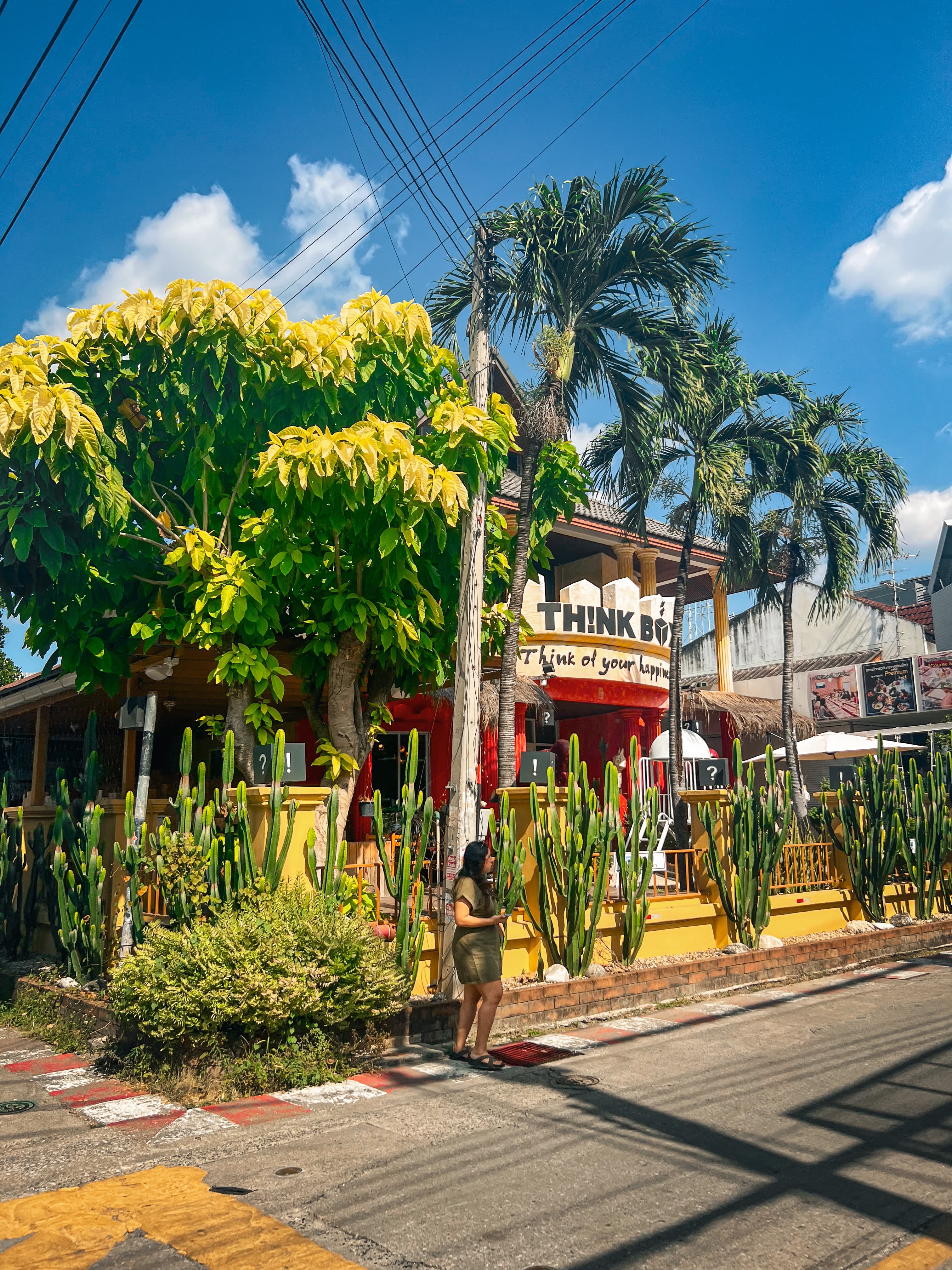
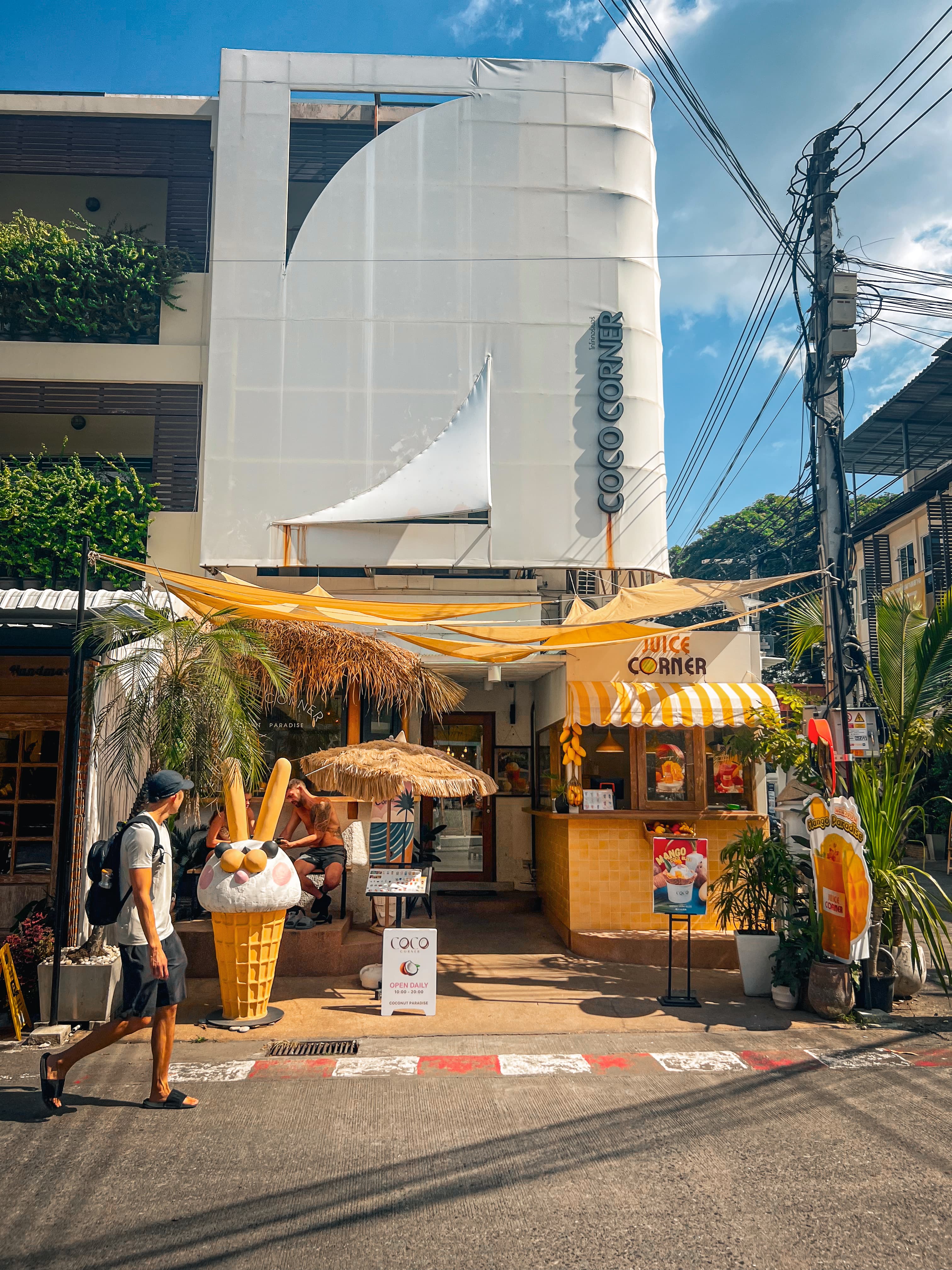
Vibe: Historic, charming, temple-lined — quiet alleyways, indie coffee shops, boutique guesthouses
Best for: Slow travellers, culture lovers, and anyone who prefers to get around on foot
Right behind the remnants of a 700-year-old defensive wall, a square-mile grid is packed with more than 30 active Buddhist temples, indie coffee shops hidden in narrow alleys, and boutique guesthouses. The famous Sunday Night Market stretches down Ratchadamnoen Road and is filled with hand-crafted Lanna goods, local art, and street food.
If you don't have a motorbike licence or prefer not to rent a scooter, staying in the Old City makes the most sense — you can explore most of it on foot, and Grab is cheap for anything further.
Rent from: $400 USD/month for an apartment.
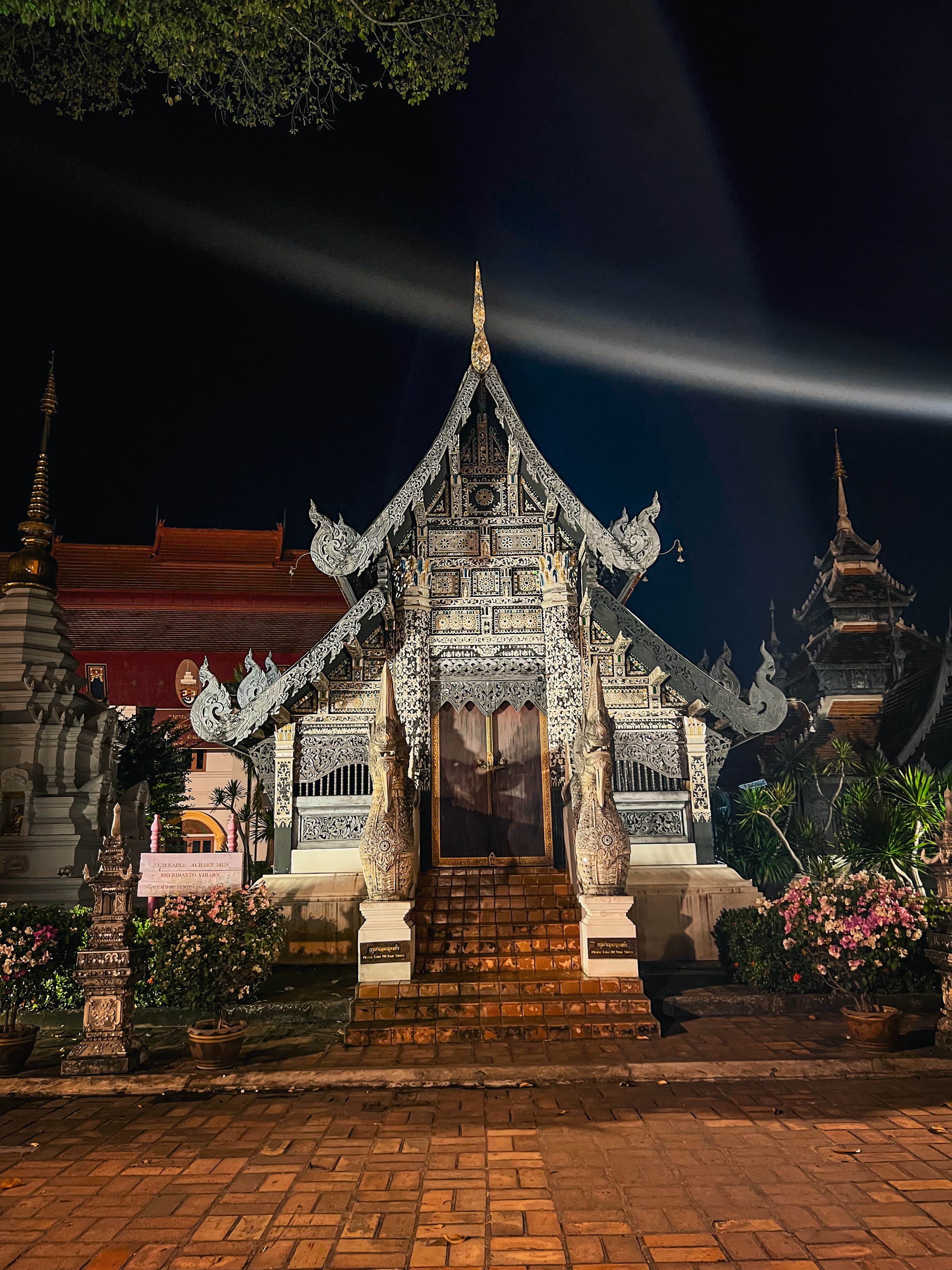
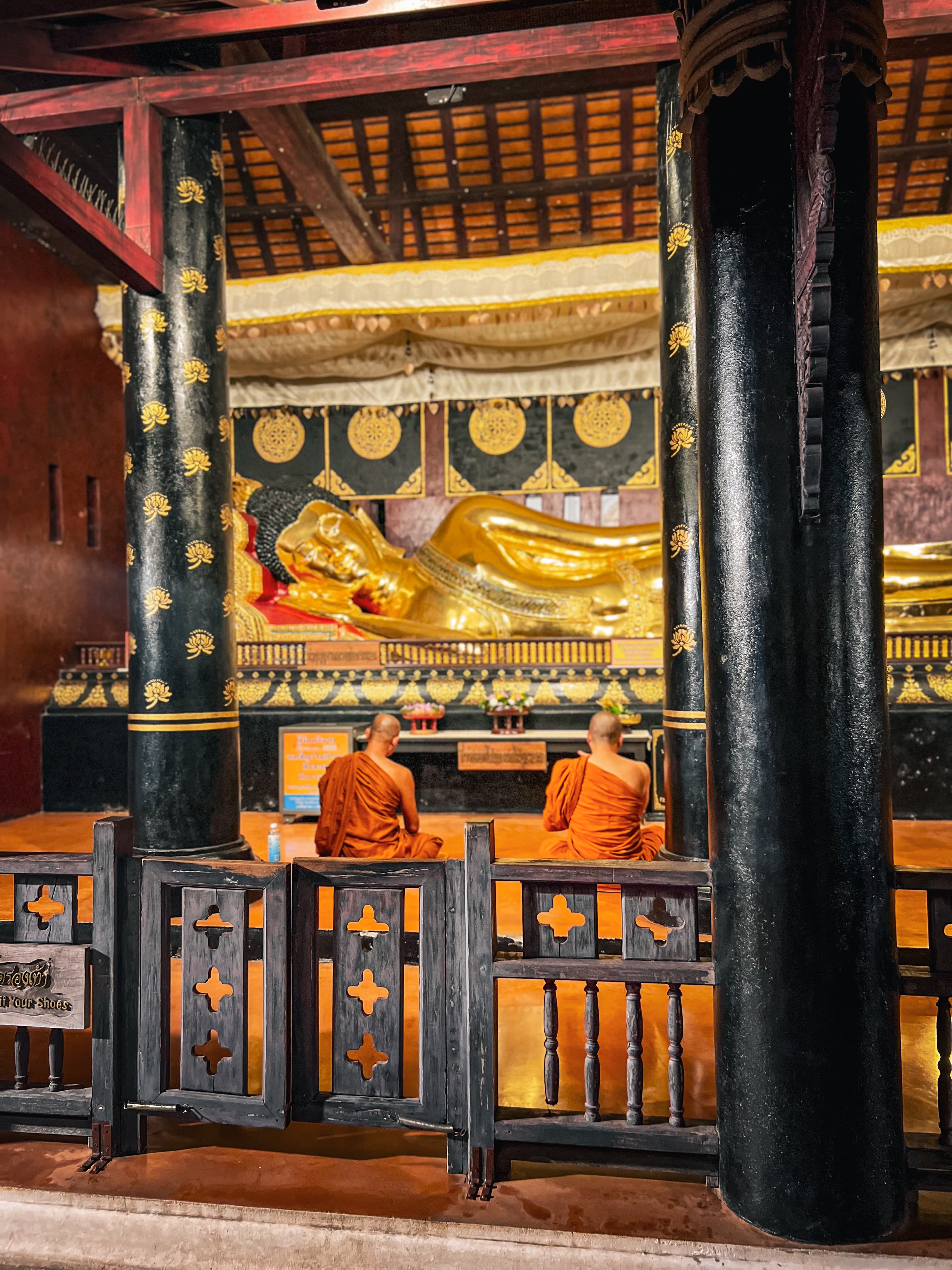
Old Town has more than 30 Buddhist temples — enough to see a new one every day
My favourite hotels in Chiang Mai
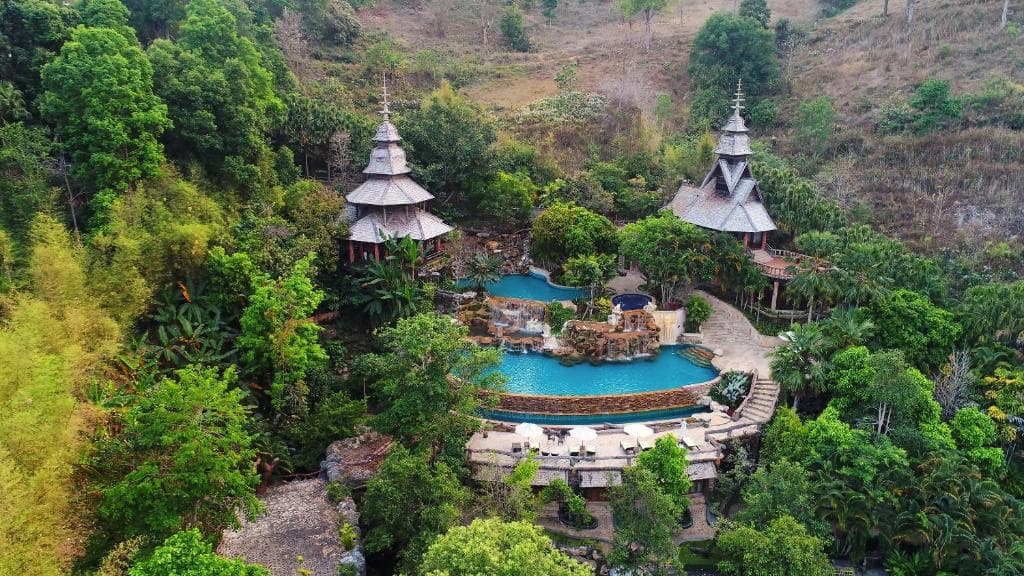
Luxury spa resort set in the lush hills north of the city. Private pool villas, thermal springs, and valley views — worth it for a splurge night before or after a long stay.
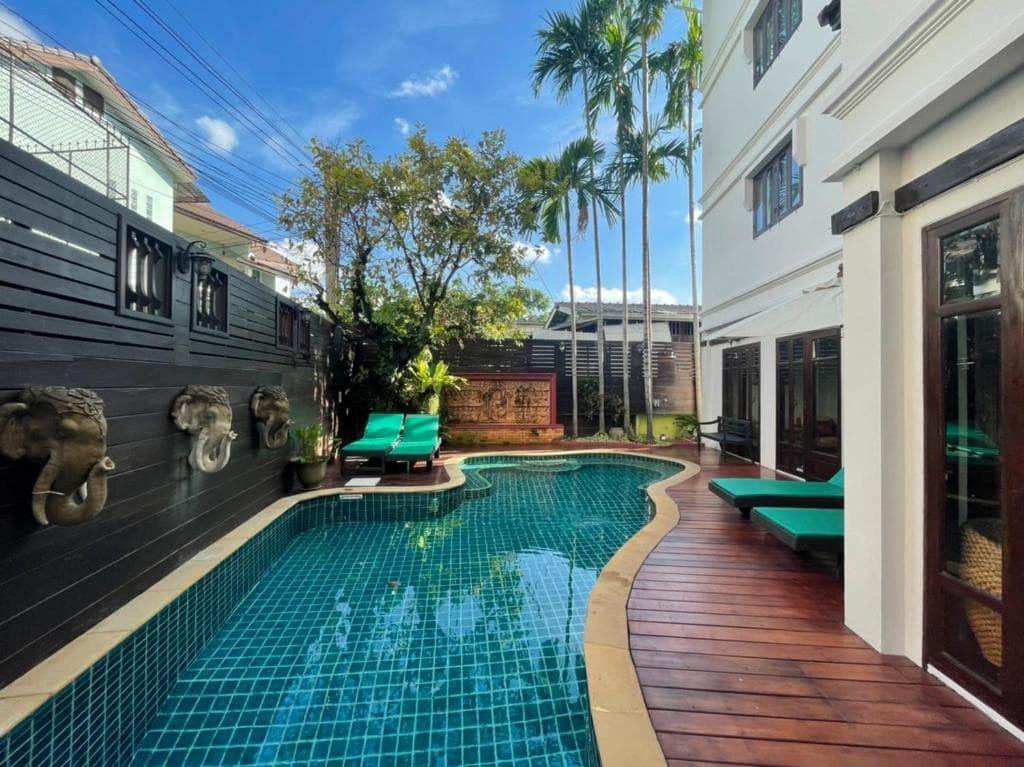
Boutique guesthouse with traditional Lanna-style architecture in the heart of the Old City. Quiet, walkable to all the major temples, and excellent value for the area.
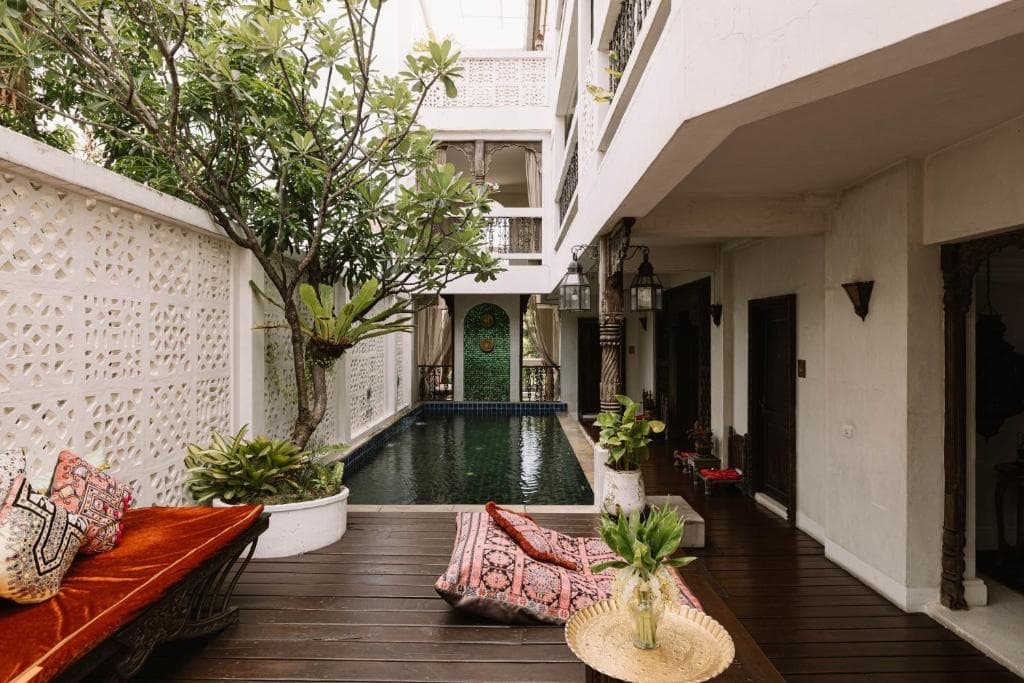
Design hotel steps from the Nimman coffee shops and weekend markets. Minimalist rooms, a relaxed lobby good for working, and easy walking distance to coworking spaces.
Where to Stay in Chiang Mai as a Solo Woman
Both Nimman and the Old City are safe for solo women, but they feel different at night. Nimman is dense and residential — short walks after dark are fine, and there's always someone around. The Old City is quieter after midnight; stick to main roads rather than cutting through empty sois if you're out late.
For hostels, look for properties with female-only dorms — several exist in both neighbourhoods and are popular with solo travellers. The Old City makes more sense if budget matters and you want temples on your doorstep; Nimman is better if coworking and convenience are the priority.
Best Coworking Spaces & Laptop-Friendly Cafés
Top coworking spaces

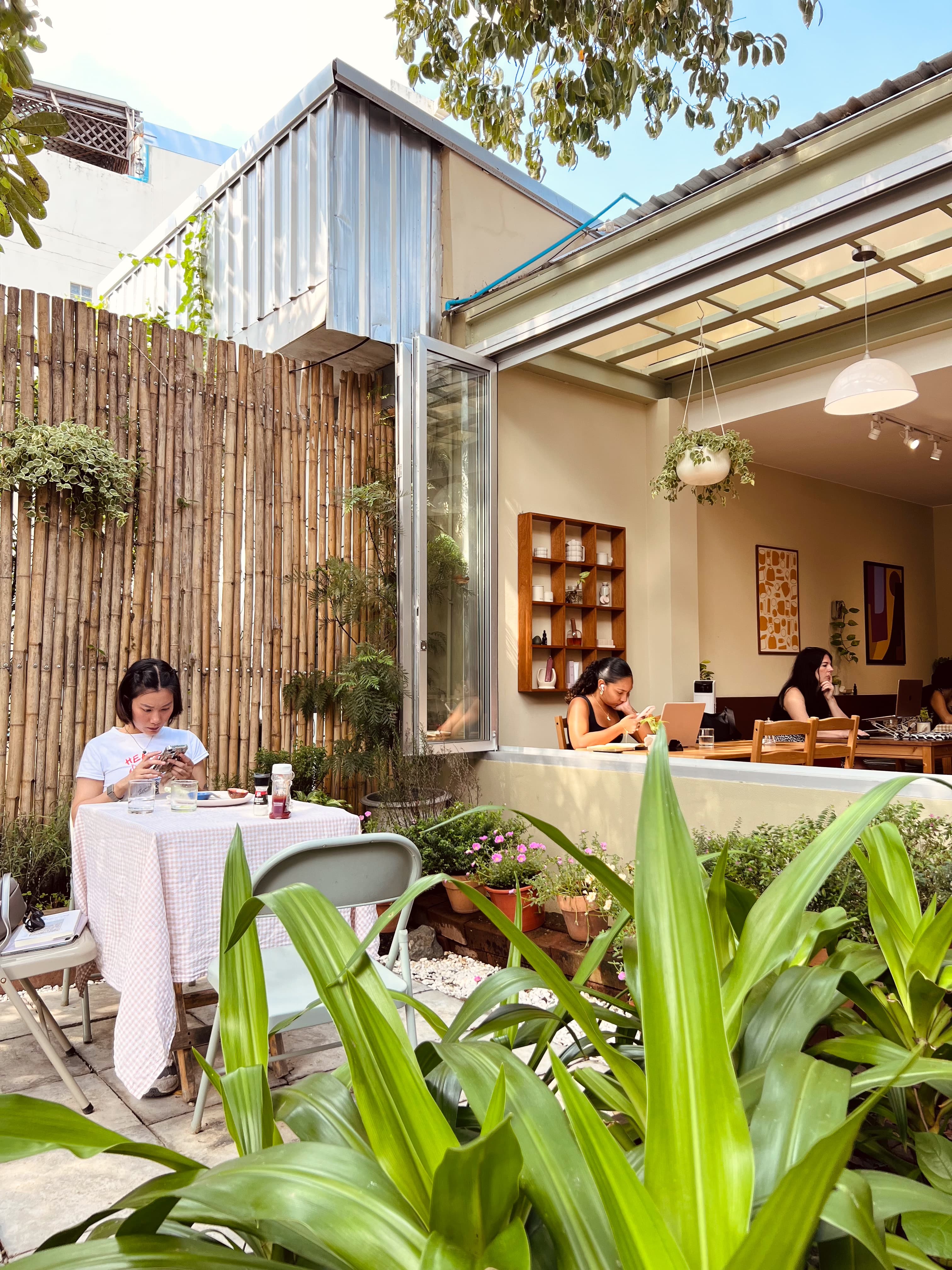
A coworking space that actually feels like a place you want to be — think lush plants, indoor-outdoor vibes, and zero institutional energy. The fact that they only do daily passes and 5-hour blocks (no monthly grind) means the crowd stays focused and genuinely productive. Plus, nap bunks are a real thing here.

A renovated soda bottle factory turned coworking space with serious outdoor charm — think massive patio, garden, hammocks, and people actually using the space to work instead of just Instagram it. The quietest of the Punspace locations, which means you can actually focus.

Casual coworking setup inside Maya Mall that's open 24/7 with solid seating, reliable WiFi, and plenty of outlets. Not fancy, but it's exactly what you need when you want to work without the pressure of a formal space — just order coffee every few hours to keep your connection active.

Run by an interior designer and former 5-star hotel manager — it shows. Huge windows, natural light everywhere, separate loud and quiet rooms so you can actually choose your vibe. Ergonomic setups throughout and weekly community events. You're working alongside people running real businesses here. Monthly hot desk or cold desk membership for the full community experience. The 4-hour or day pass works for testing the space before committing.

A crypto and Web3-focused coworking hub with sound-treated booths and seriously fast WiFi. If you're in the blockchain space, this is where the connected people are working. Great for anyone juggling multiple time zones.
Laptop-friendly cafés
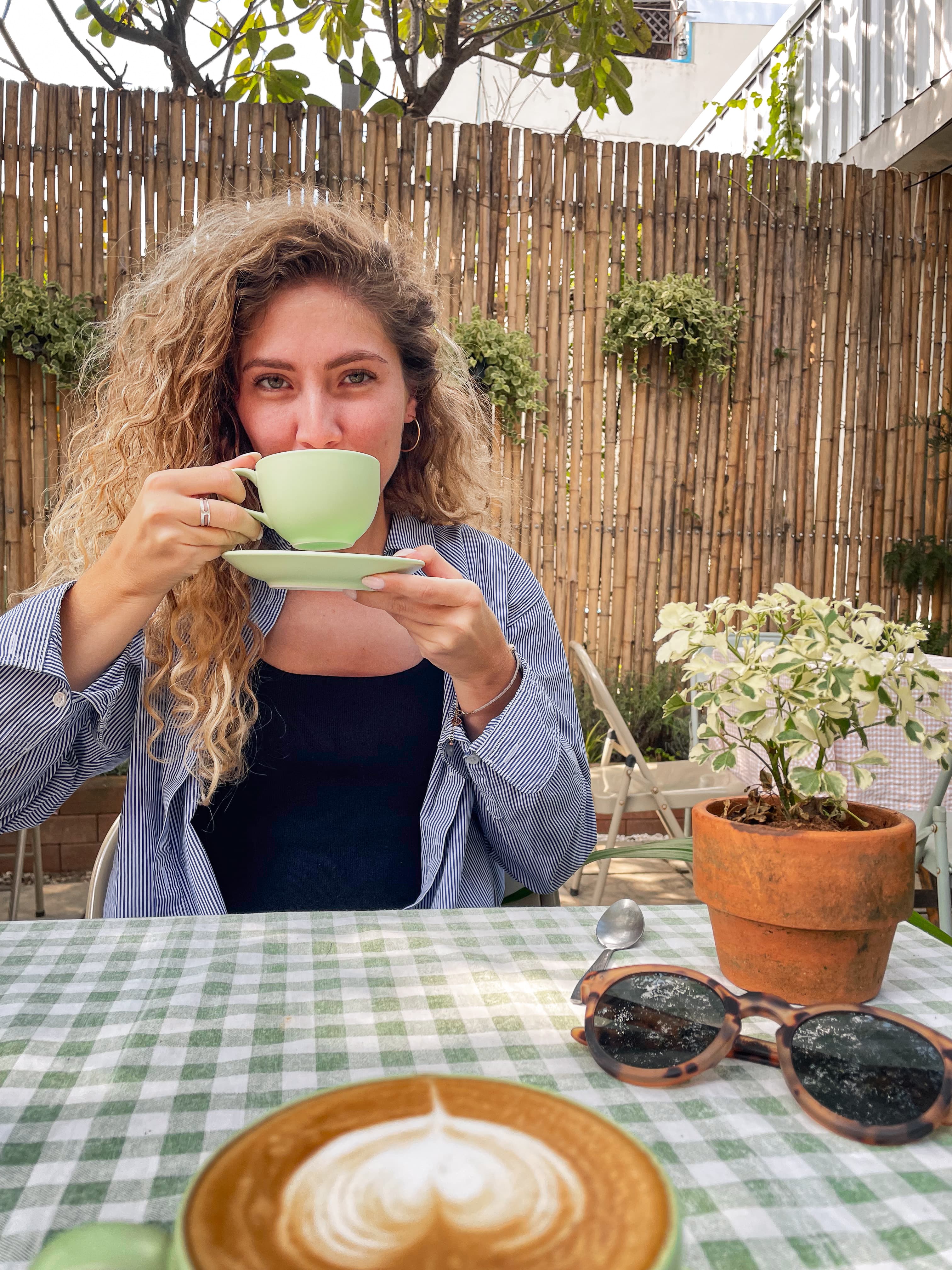
Chiang Mai has a ridiculous number of well-designed cafés with fast Wi-Fi and plenty of power outlets. Both Nimman and the Old City are full of them. Most will let you sit for hours on the price of a coffee. Start by exploring the sois (side streets) off Nimmanhaemin Road — you'll find new ones every day.
Chiang Mai in Winter (November–February): Weather & Burning Season
The cool season runs from November to February, and this is when Chiang Mai is at its most inviting. December and January are the best months: temperatures sit around 15–25°C (59–77°F) during the day, dropping to 12–15°C at night in the hills. It feels genuinely cool — bring a light jacket for evenings.
This is also the city's busiest time of year. If you're coming for more than a week, book accommodation at least a month in advance. The Yi Peng Lantern Festival (usually November) draws enormous crowds, and the night sky fills with thousands of floating lanterns. Book transport and housing well before it.
Burning season (February–April)
From late February through April, agricultural and forest fires across northern Thailand push PM2.5 into the unhealthy or hazardous range. Air quality apps become essential during this period. If you have respiratory issues or care about air quality, skip these months — or plan an escape to Krabi or Koh Lanta if you're already here.
Cost of Living in Chiang Mai
Chiang Mai is still one of the most affordable nomad hubs in Asia. You can live comfortably here on $1,200 – $1,500 USD a month. Spend less if you eat local every day; spend more if you want a big condo with a pool and Western restaurants every night.
| Item | Notes | |
|---|---|---|
| Rent — Old City condo | from 13,000/mo | Small condo in historic neighborhood |
| Rent — Nimman condo | 20,000–40,000/mo | Varies by size, gym, pool; check longer-lease rates |
| Electricity | 1,500–3,000/mo | Higher in hot months; usually billed on top of rent |
| Home internet (fiber) | 550–600/mo | Often included in rent — ask before signing |
| Street food meal | 50–70 | Pad Thai from the Sunday Night Walking Street |
| Western-style brunch | 150–200 | Cafe La Burie — Avocado Benedict |
| Coffee (cappuccino) | 85 | Baristro |
| Grab ride around town | 60–200 | Around the city / up to Wat Pha Lat temple |
| Coworking day pass | 429/day | Yellow Coworking — Nimman Soi 5 |
| Coworking monthly (24/7) | 5,990/mo | Yellow Coworking |
| Thai massage (1 hr) | 800 | Let's Relax |
Visas
Thailand tightened its visa-free rules in September 2026, and the allowance now varies by nationality — most countries get 30 days, some get 15. Since the rules have changed a few times and depend on your passport, check the current details on the official Thai e-Visa website before you book.
For stays longer than a month, look into the Destination Thailand Visa (DTV) — a five-year visa for remote workers that lets you stay up to 180 days per entry, with one extension of another 180 days. Requirements were updated recently, so confirm the current proof-of-funds amount and application fee on the Thai e-Visa website before you apply.
Getting Around Chiang Mai
Chiang Mai is small, and getting around is easy and cheap — even if you never get on a scooter.
Grab and Bolt
Download both apps before you land. Prices change, and sometimes one is cheaper than the other. A car from the Old City to Nimman costs around 60 – 90 THB (~$2 – $3). A motorbike taxi is even cheaper if you travel light. Prices go up a little during rush hour (7–9 AM and 4:30–7 PM). Grab is also the easiest way to get from the airport: 80 – 180 THB (~$2.50 – $5.50) to Nimman or the Old City, in 15–20 minutes.
Songthaews (red trucks)
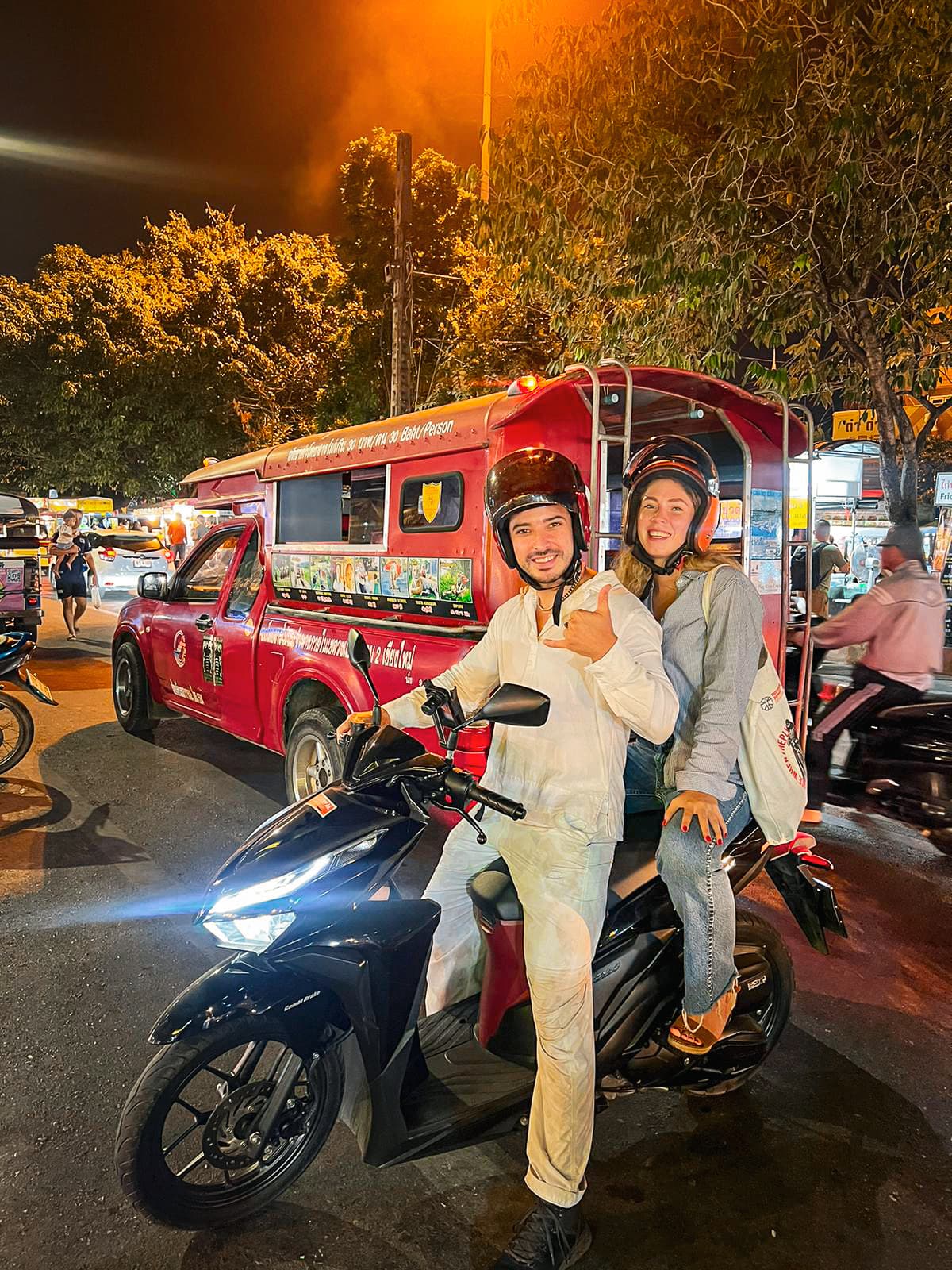
These are shared taxis — red pickup trucks with two benches in the back. Wave one down, tell the driver where you're going before you get in, and if he nods, hop on. A ride within the city (Old City, Nimman, Night Bazaar) is usually a flat 30 THB per person. Agree on the price first; drivers waiting at tourist spots sometimes quote more. You can also hire the whole truck for the day to Doi Suthep for around 800 – 1,200 THB and split it with others.
Scooters — read this before renting one
Renting a scooter costs 2,000 – 4,000 THB (~$60 – $120) a month, and you'll see plenty of nomads on them. I wouldn't recommend it if you don't already have experience. Traffic can be chaotic, the mountain roads to Doi Suthep are steep and winding, and Thailand has one of the highest road death rates in the world.
To ride legally, you need a motorbike licence from home plus an International Driving Permit that covers motorbikes. Rental shops rarely ask, but police checkpoints run daily in parts of the Old City and on the road to Wat Pha Lat — the fine is 500 – 1,000 THB. More importantly, if you ride without the right licence, most travel insurance policies won't cover you after an accident.
We rented motorbikes in Chiang Mai without any problem, and the rental never asked for a licence or warned us that one is required in Thailand. Don't let that fool you, though. In other places, like Bali, where you can take driving lessons and pick up the skill of riding a motorbike very easily, they don't strictly enforce licence checks. In Chiang Mai, the checks happen every day on one of the roads in the Old Town, and on the way to Wat Pha Lat there were always police checks forcing you to stop and show an international driving licence for the bike.
I'm a big bike fan and I'm convinced you can't experience raw Asia if you don't have your motorbike — ride whenever you feel like it, explore all the winding paths and neighborhoods where you'd never get otherwise just by going from point A to B. But it is indeed tricky in Thailand, due to strict regulations and enforcing tourists or nomads having a valid licence. To stay out of trouble, if you don't have a licence, stick to Grabs.
6 Best Things to Do in Chiang Mai as a Nomad
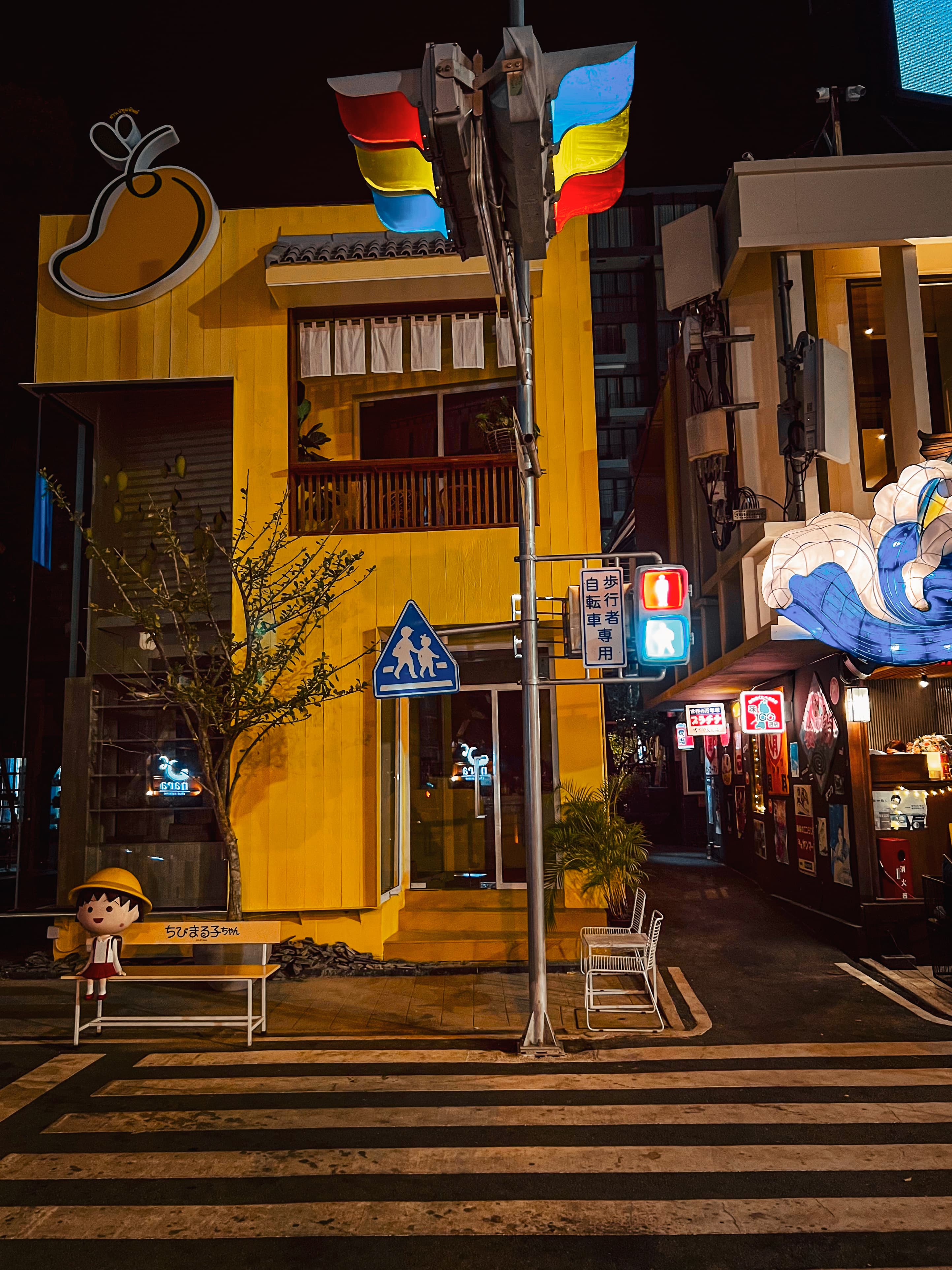
One of the biggest reasons I wanted to stay in Chiang Mai longer is the range of things you can only find in the north. Here are the ones I loved most.
1. Food stall hopping at a night market
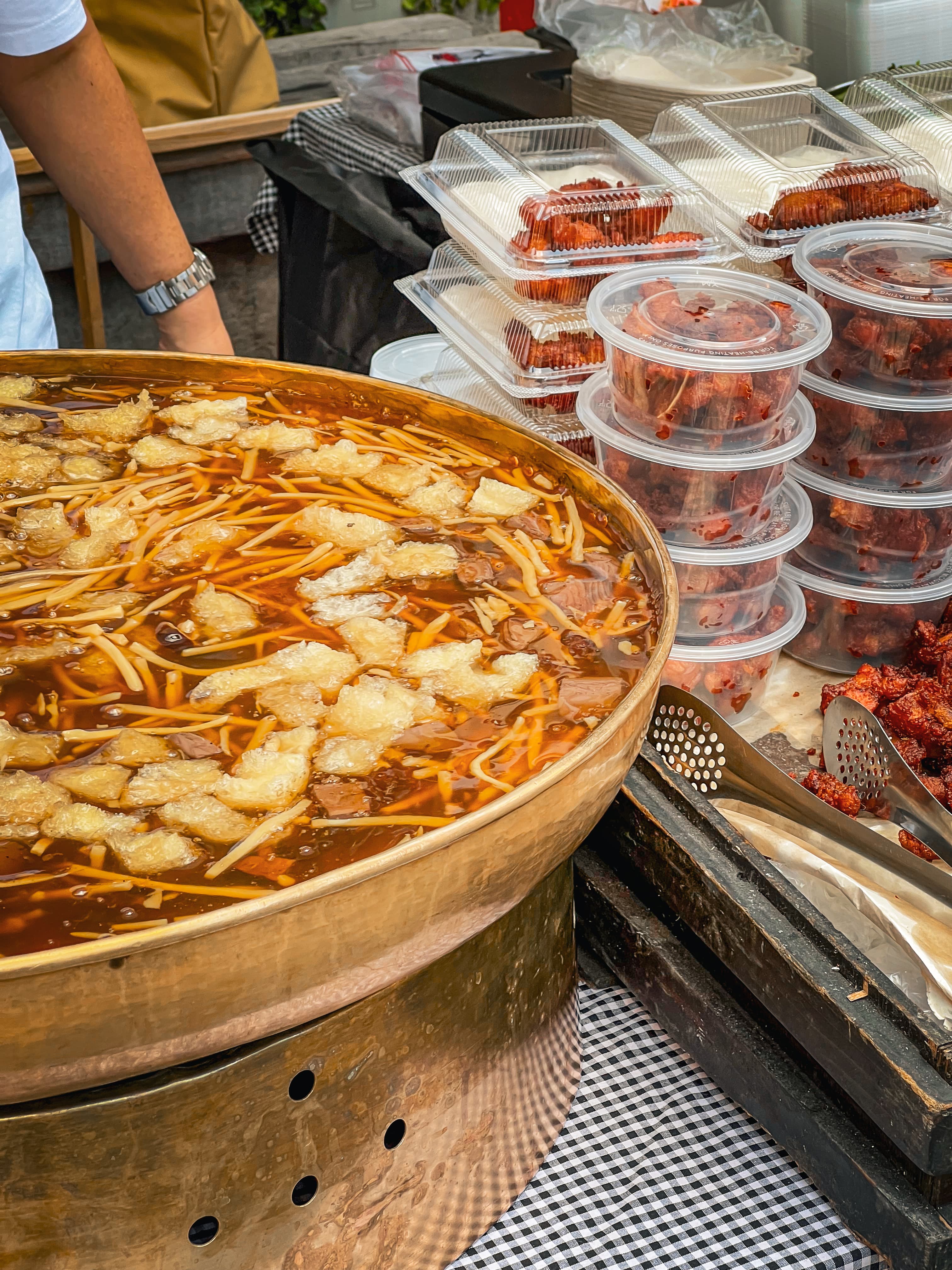
There's nothing more satisfying in Asia than walking around food stalls, watching vendors who chop, mix, and fry something interesting and a little intimidating, spreading the smell far and wide.
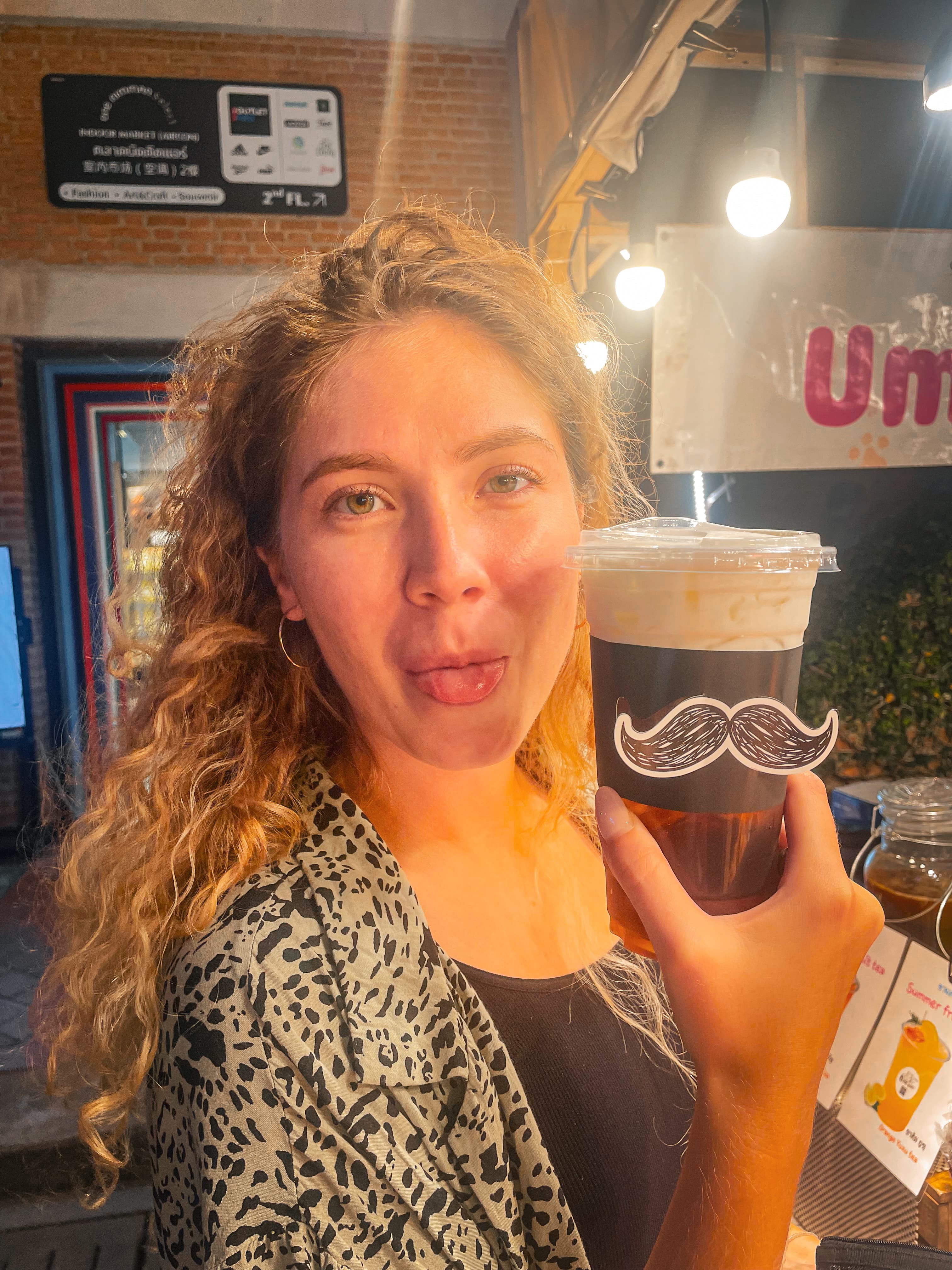
The street market at One Nimman was one of the places we kept returning to — a natural centre of gravity for everything going on in the Nimman area. Their food court stalls run daily from 11 AM to 10 PM, with noodle stations, pad thai, and excellent gyozas (I ate them pretty much every day — crispy, stuffed with herbs or crispy pork or shrimp, with spicy oil and soy sauce).
On weekends, the courtyard fills up with a pop-up street market, which was one of the best things to explore.
Other markets worth hitting: Jing Jai Market (Saturday and Sunday mornings — organic, artisan, and local produce) and Sunday Night Walking Street on Wualai Road.
2. Thai massage and steam saunas
Chiang Mai is a genuinely good city for wellness. A few places worth knowing:
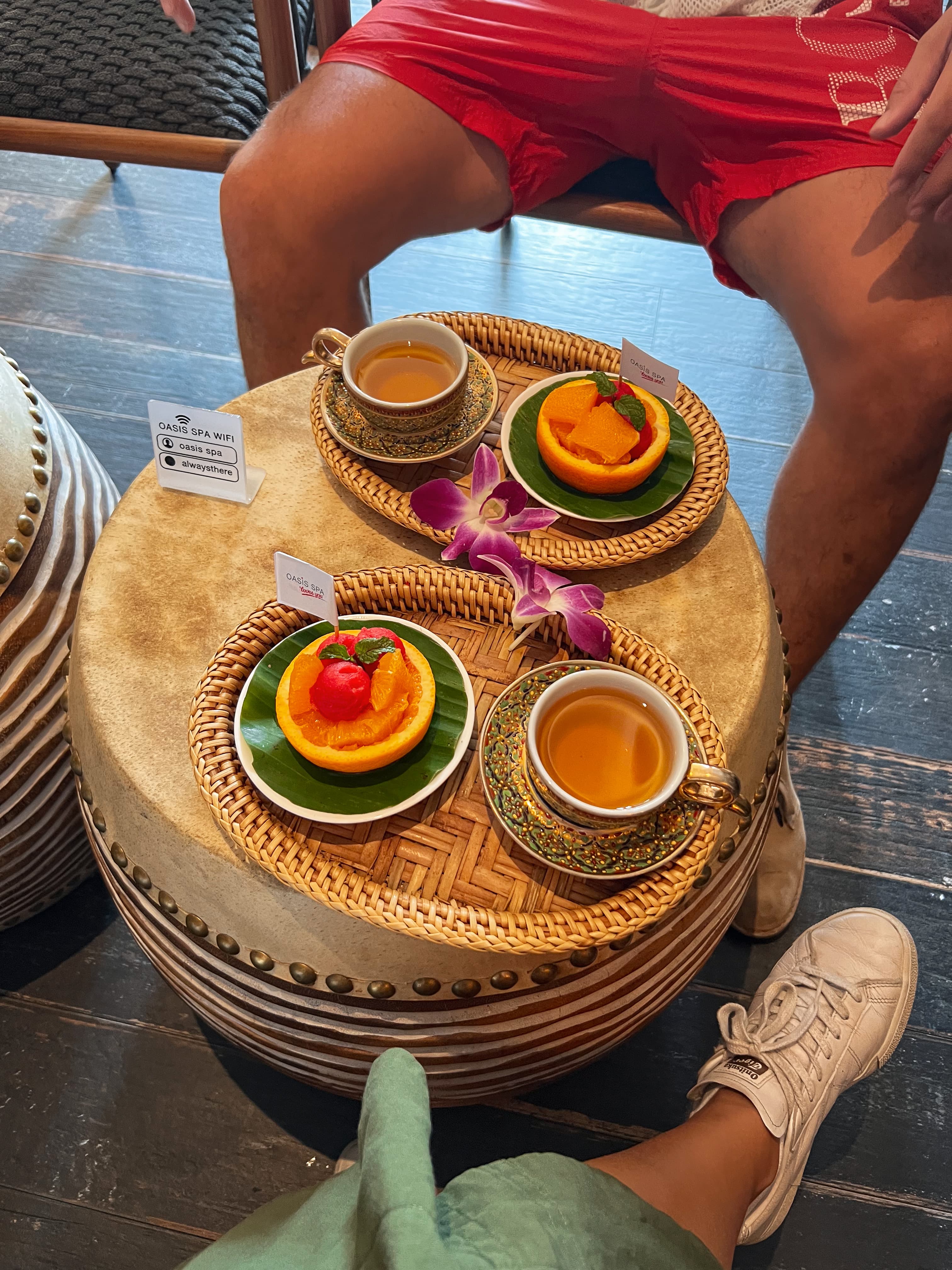
- •Oasis Spa ($$) — one of the best places for a private sauna and a massage. A step up in terms of setting.
- •Cozy Massage ($) — highly rated budget option for traditional Thai massage.
- •Let's Relax Spa ($) — affordable 120-minute full-body massage.
3. Hiking the Monk's Trail to Wat Pha Lat
If you're up for an uphill walk through jungle, passing waterfalls and mountain rivers, the Monk's Trail leads first to Wat Pha Lat monastery and then continues all the way to Wat Phra That Doi Suthep. You can do just the first section, which takes around 40 minutes — a path with a gentle incline winding through trees wrapped in orange monk cloth. The trailhead starts near the end of Suthep Road (west of Chiang Mai University, south of the zoo), with Basecamp Trail Cafe right at the entrance.
- •Total elevation: ~620 m
- •Total distance: ~7.5 km
- •Average time: ~3.5 hours (full trail)
- •Wat Pha Lat admission hours: 6:00 AM – 5:30 PM
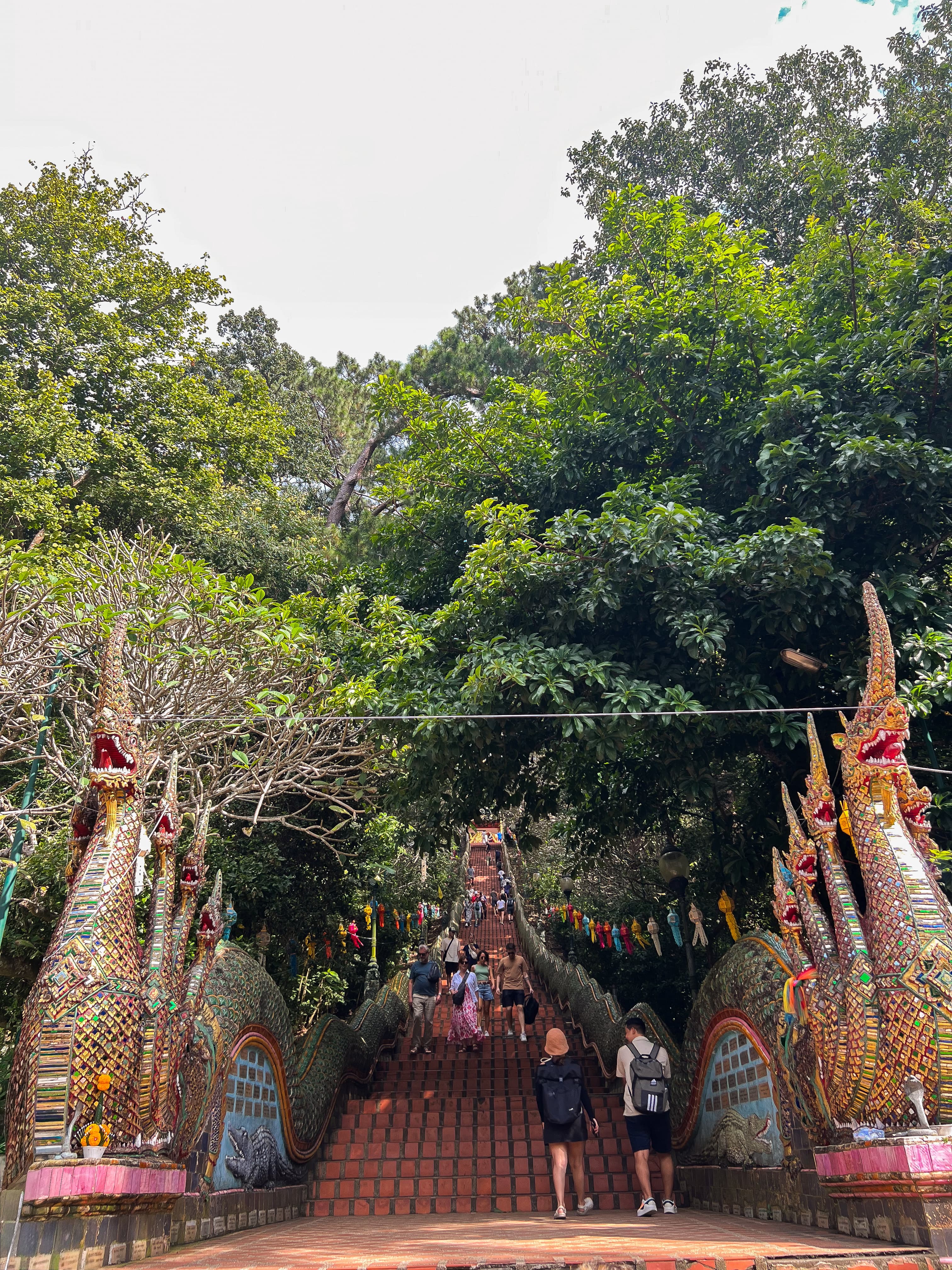
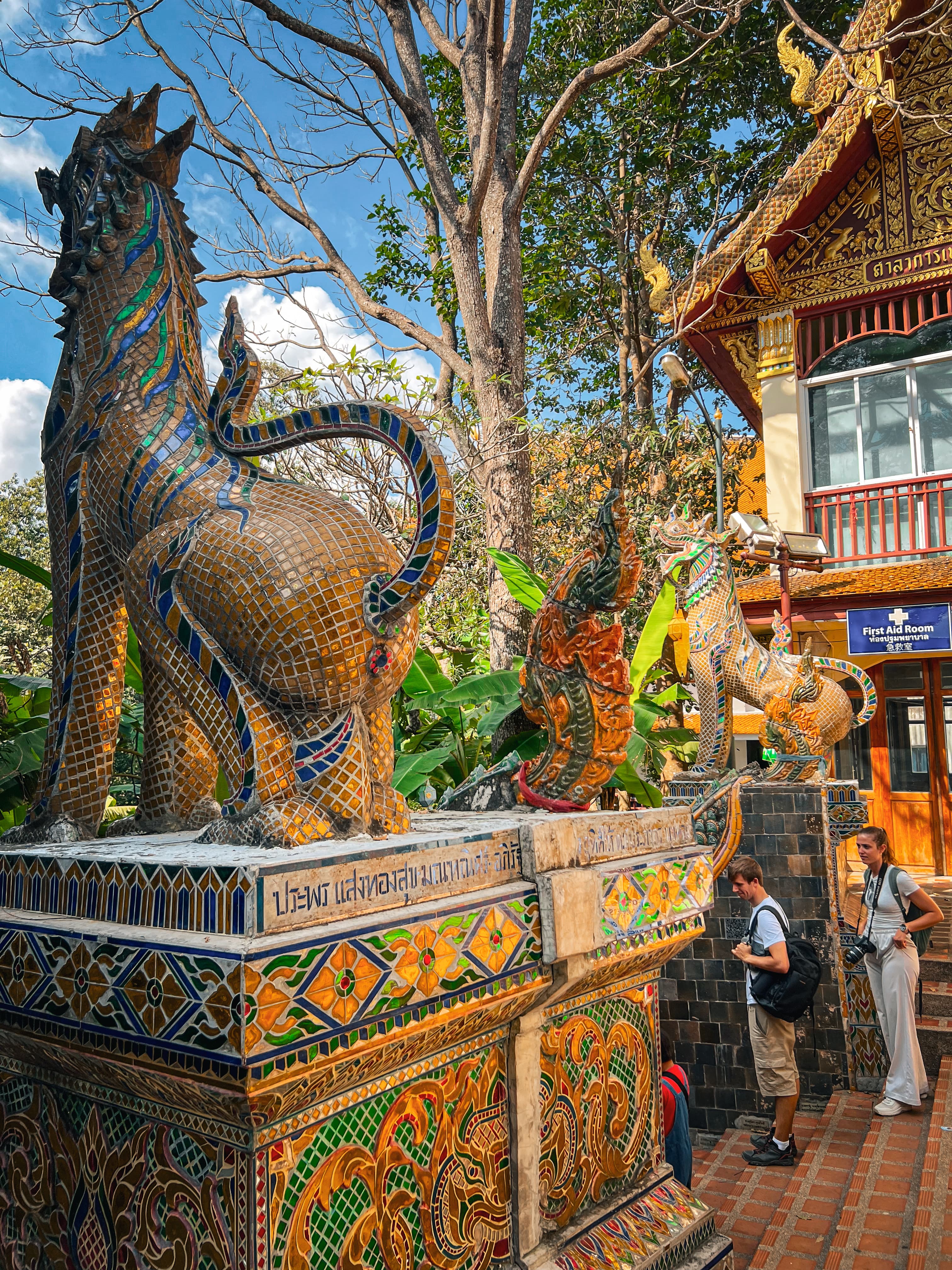
At the doorstep to Wat Pha Lat temple
4. Try Northern Thailand's Specialty Dish: Khao Soi
Khao Soi is a Chiang Mai specialty unlike anything else in Thai cuisine — a curry-coconut milk broth with hand-cut egg noodles, shallots, lime, fried chillies, and meat. The dish evolved from Muslim traders who brought the spices, so the original version uses chicken or beef. Skip the tourist-facing restaurants; this is a dish that's best in the places locals actually eat.
My top picks:
- •Khao Soi Mae Sai — order the chicken Khao Soi (number 1 on the menu). Rich, spicy, the real thing.
- •Mae Sri Khao Soi — also excellent; near Doi Suthep if you're heading up the mountain.
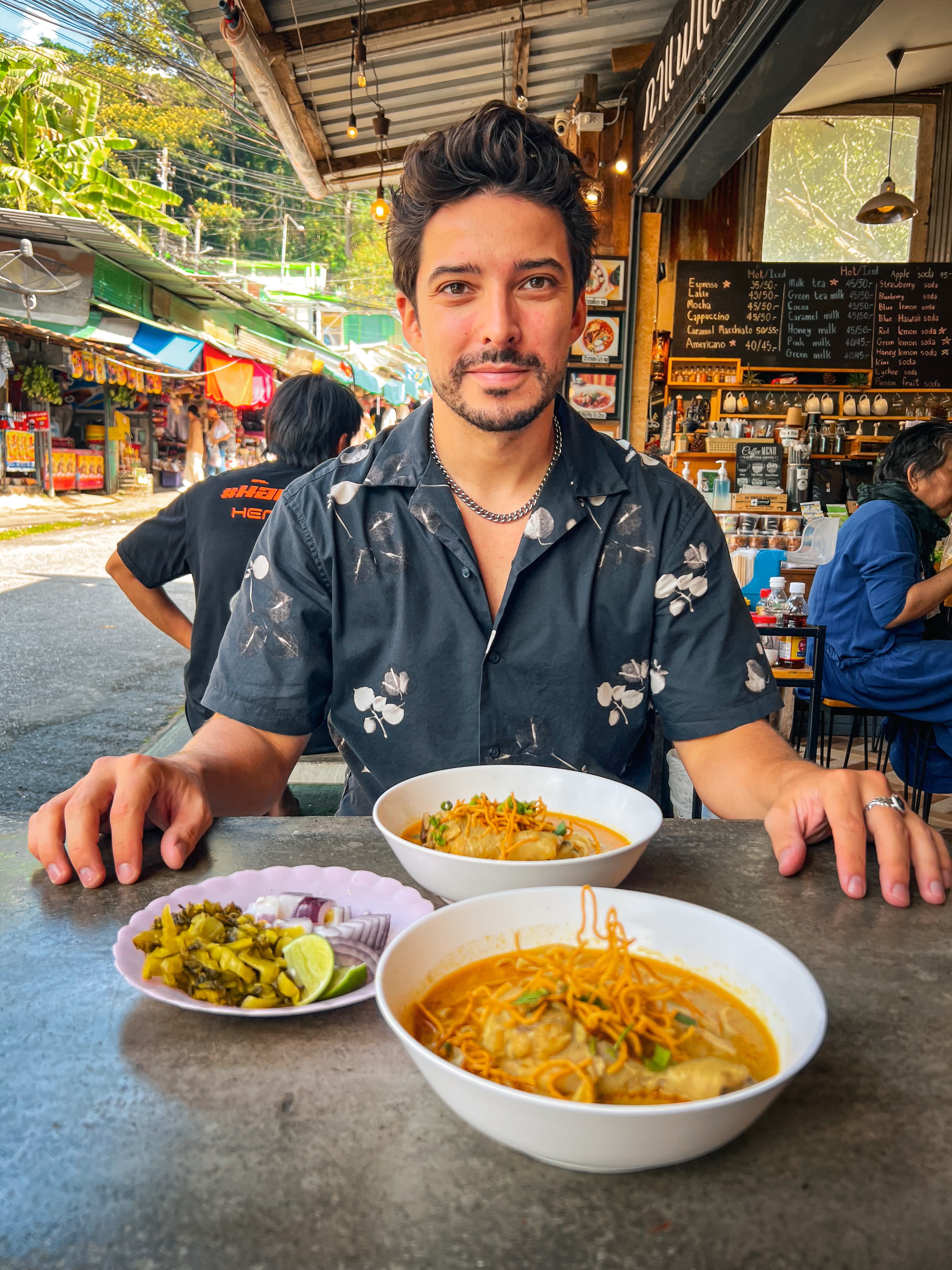
Khao Soi at Mae Sri Khao Soi
5. Half-day trip to Doi Suthep
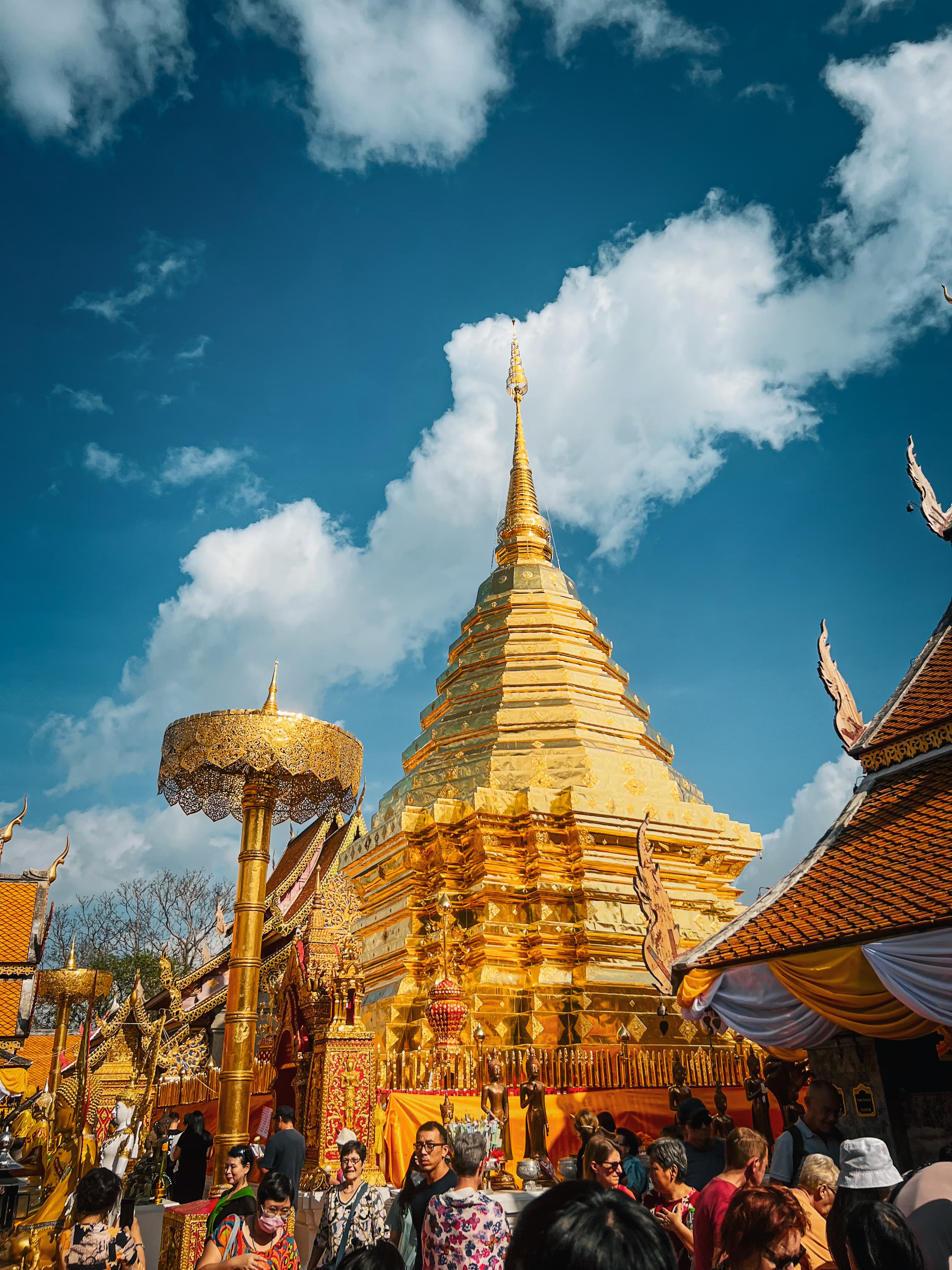
Thirty minutes from central Chiang Mai, up in the tropical mountains, sits the 14th-century Wat Phra That Doi Suthep. Visiting this temple was one of the best highlights of my stay. To reach it, you walk up 306 steps in the shape of a serpent (or take the funicular). On a clear day, the eastern terrace opens up to a panoramic view over the entire Chiang Mai valley.
If you want to earn the view, hike the Monk's Trail up instead of taking the road. For a longer weekend escape, Mae Rim and Mon Jam in the mountains are also worth the trip.
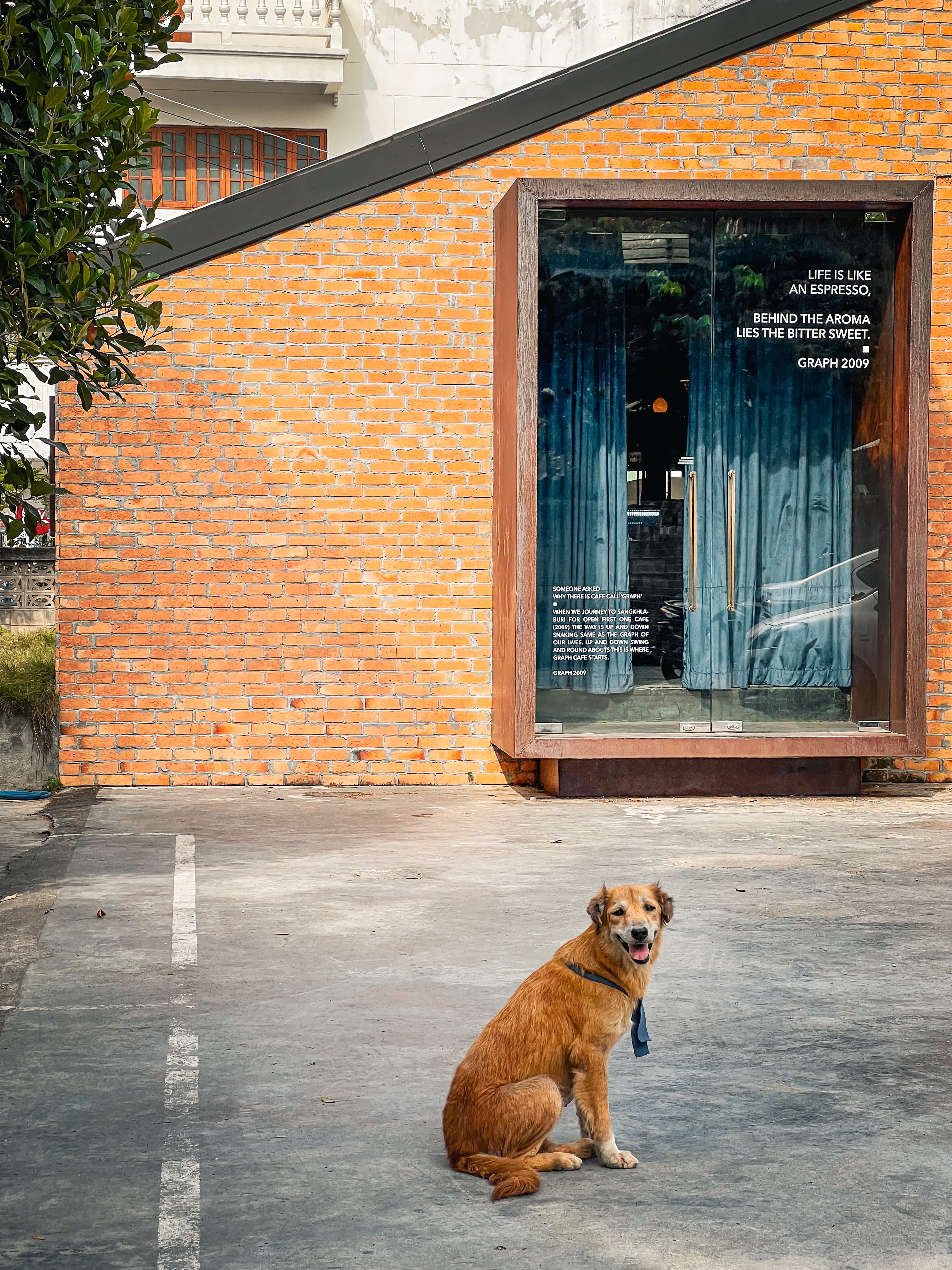
6. Go Cafe Hopping and Try Coffee from Small Single-Origin Local Farms
If you're someone who thinks about coffee the next minute you wake up, and if you're curious about different varieties you've never tried — well, I bet you've never tried coffee from Mae Kampong or Doi Chang.
That was everything I did day to day, moving around with my laptop, talking to small coffee shop owners, stumbling upon awarded local roasters like Roast8ry and Fohhide and trying new flavours I wouldn't discover otherwise — because this coffee rarely makes it out of Thailand and is very rare to encounter worldwide.
3–5 Day Solo Itinerary for Chiang Mai
If you're spending a long weekend or a short working week here, this is how I'd structure it.
Day 1: Land, settle, explore Nimman
Grab from the airport to Nimman. Walk the sois off Nimmanhaemin Road, pick a café, and work for a few hours. Evening: head to the One Nimman food court for gyozas and noodles, then walk the Night Bazaar or the Nimman Saturday market if the timing lines up.
Day 2: Old City temples + Sunday Night Market
Morning: Grab to the Old City and spend a few hours at Wat Chedi Luang and Wat Phra Singh — the two best temples in the walled quarter. Afternoon: work from one of the indie cafés in the alleys. If it's Sunday, stay for the Sunday Night Market on Ratchadamnoen Road.
Day 3: Doi Suthep + Khao Soi
Take a Grab or negotiate a songthaew up to Doi Suthep (30 minutes). Walk the 306 steps to the 14th-century temple and take in the valley views from the terrace. On the way down, stop at Mae Sri Khao Soi for chicken Khao Soi — one of the best spots in the city.
Days 4–5: Monk's Trail + coworking + coffee
Hike the Monk's Trail to Wat Pha Lat (30–40 minutes through jungle and temple ruins). Afternoon: get a day pass at Yellow Coworking or Alt_ChiangMai. Wind down with a day of café-hopping in Nimman — try single-origin beans from Mae Kampong or Doi Chang at a local roaster like Roast8ry or Fohhide.
Where to Meet Other Nomads
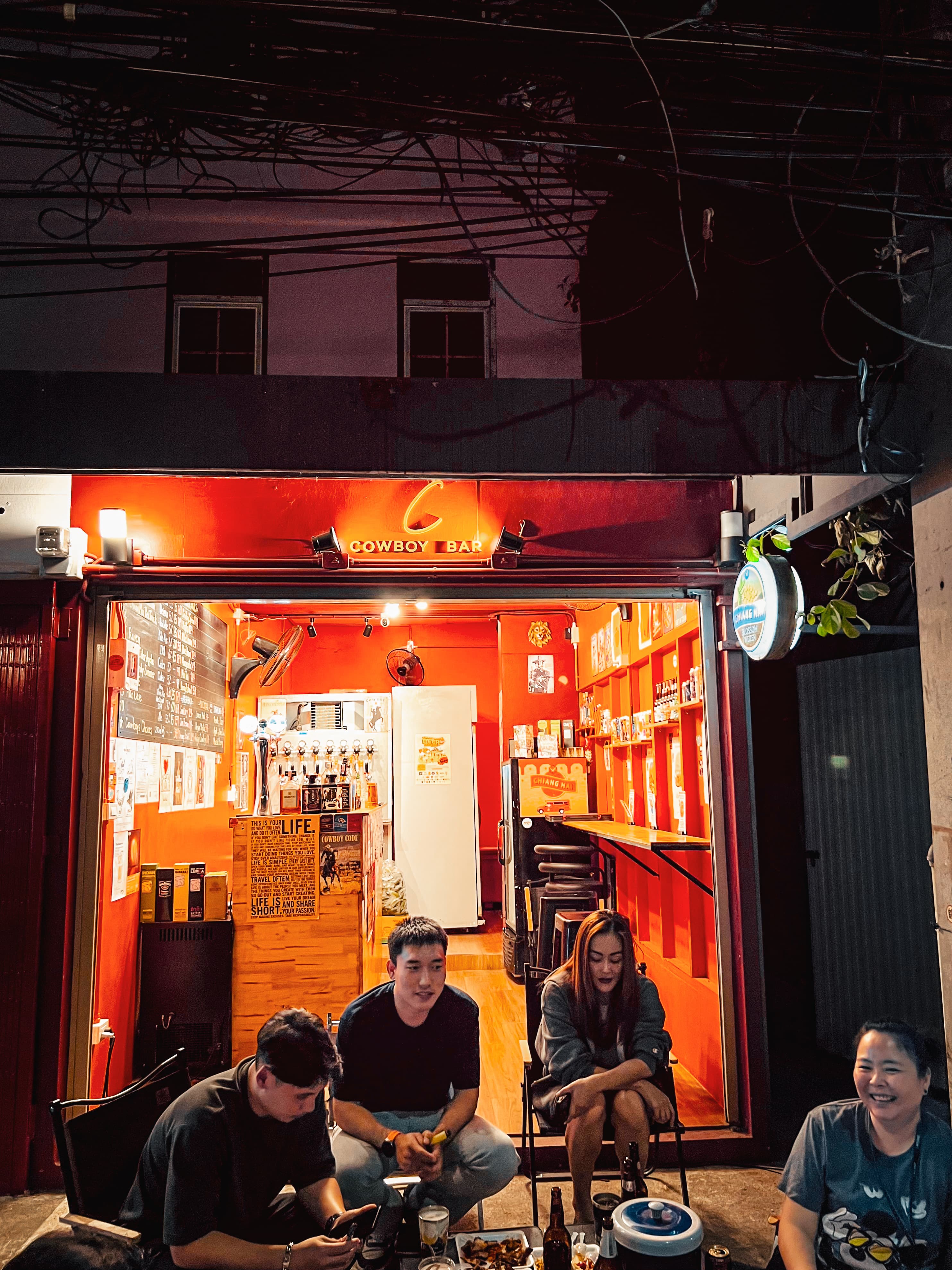
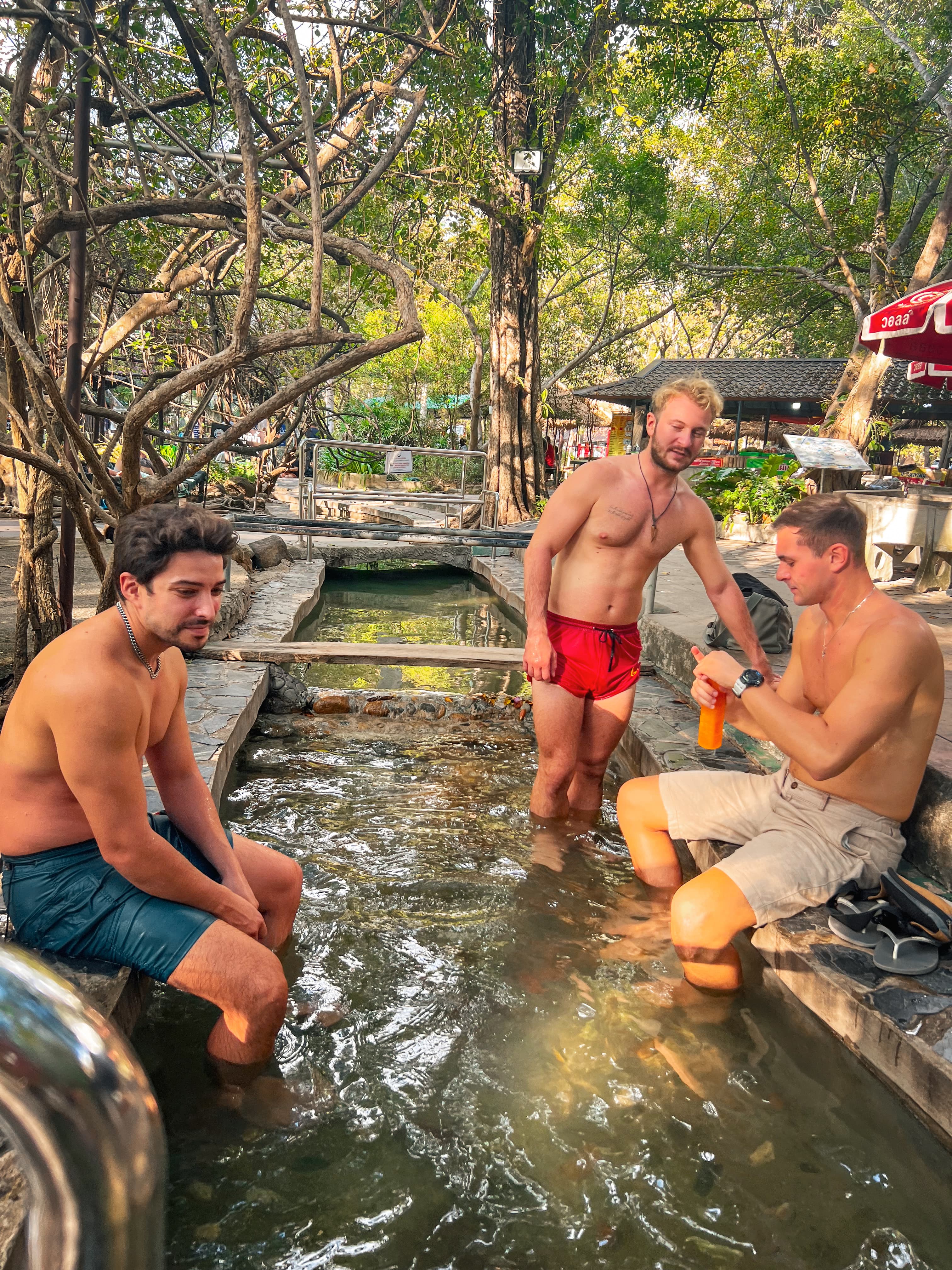
I found it easy to connect with people in Chiang Mai. The easiest way: get a day pass at a coworking space and go a couple of times. You'll be sharing a table with someone interesting within the hour. Beyond that, events are listed on Meetup.com, including nomad brunches and networking events.
Facebook groups worth joining
- •Chiang Mai Digital Nomads — the main hub for remote workers, freelancers, and online business owners. Good for local tips and questions.
- •Welcome Chiang Mai Nomads! — beginner-friendly, good for short- or long-term visitors asking about visas, housing, and SIM cards.
- •Chiang Mai Nomad Community — co-ed social and discussion group for meetups and community exchanges.
- •Chiang Mai Nomad Girls and Chiang Mai Nomad Women — female-focused networks connecting expats, travellers, and nomads in the area.
Frequently Asked Questions
Yes. Chiang Mai ranks among the safest cities in Asia for solo women, and it's a soft landing for anyone travelling alone for the first time. Nimman is residential and walkable, and the Old City is easy to cover on foot. The main risk to stay aware of is the road: if you don't have scooter experience, stick to Grab, Bolt, or the red songthaews.
A comfortable nomad budget with rent, food, and coworking lands around $1,200 – $1,500 USD a month. You can get by on less if you stay in the Old City and eat street food daily — a small condo there starts from $400 USD. Nimman costs more: $600 – $1,200 USD for a condo, depending on size and amenities.
Burning season runs roughly from February to April, when smoke from agricultural and forest fires across northern Thailand pushes PM2.5 levels to unhealthy levels. If you have flexibility, skip these months and come during the cool season (November – January), when the air is clear and temperatures are at their best.
Get a day pass at a coworking space and go a couple of times — that's the fastest way. There are also events on Meetup.com and a few female-focused Facebook groups (Chiang Mai Nomad Girls, Chiang Mai Nomad Women) where you can find someone to co-work with or plan a night out.
I prefer Nimman as a base — abundant coworking spaces, cafés, markets, and all the practical day-to-day things, plus a 15-minute drive to the Old Town. If you'd rather have Buddhist temples on your doorstep and prefer a more atmospheric apartment, the Old City works well and costs less (from $400 USD/month vs. $600+ in Nimman).
The easiest one is Doi Suthep — 30 minutes up the mountain, 14th-century temple, great views over the valley, and Mae Sri Khao Soi next to the temple for lunch. If you want to earn the view, hike the Monk's Trail via Wat Pha Lat instead. For a weekend escape, Mae Rim and Mon Jam in the mountains are worth the trip.
Yellow Coworking in Nimman is the go-to for fast internet, ergonomic setups, and a good nomad community. Alt_ChiangMai combines coliving and coworking and is built around events. If you're new in town, get a day pass at a couple of spaces first — it's also the easiest way to meet people.
For a short stay, most nationalities enter visa-free, but Thailand shortened its visa-exempt period in September 2026 (to 30 days for most, 15 for some), so check your passport's current allowance on the official Thai e-Visa website before you book. For longer stays, the Destination Thailand Visa (DTV) is a five-year, multiple-entry visa that lets you stay up to 180 days per entry, extendable once by another 180 days. Requirements were updated in 2026 — verify current proof-of-funds requirements before applying.
Most long-term rentals are small condos, many with a gym or pool. Prices start from around $400 USD/month in the Old City and $600 USD in Nimman. The Welcome Chiang Mai Nomads! Facebook group is a good place to ask. Walking into condo buildings and asking at reception often gets you a better price than online listings.
Yes. Internet in Chiang Mai is fast and fiber is common — coworking spaces like Yellow Coworking handle video calls and heavy remote work without a problem. For mobile data, pick up a local SIM at the airport or set up an eSIM before you land.
You don't need one. Grab and Bolt work well for most trips, and the red songthaews are a cheap shared option for getting around the city. If you stay in the Old City, you can cover most of it on foot. I wouldn't recommend renting a scooter unless you already have experience and a motorbike licence — police checkpoints in the Old City are regular, and the fine is 500 – 1,000 THB.
Both are great, but different. Bangkok is one of the world's great cities — massive, culturally overwhelming, with an incredible food scene and a huge expat crowd. Chiang Mai is the softer landing: mountains on the horizon, temples everywhere, food markets, and a coffee shop on every corner. It's easier to build a routine here.
No. Tap water in Chiang Mai is not safe to drink. Refill stations are everywhere — look for the blue or yellow machines on street corners — and cost around 1 THB per litre. Most condo buildings and guesthouses have a filtered water dispenser. Carry a reusable bottle and refill it there rather than buying plastic bottles every day.
Final Thoughts
With all my love for Bangkok, Chiang Mai completely stands on its own as one of the best places to base yourself as a solo female traveller. A scenic backdrop of forested mountain peaks, temples on every street, food markets to explore at any hour, and a coffee shop on every corner. You're going to like it here if you enjoy browsing night markets, hopping between cafés with your laptop, and going deep into ancient history and Buddhist culture.
I genuinely think Chiang Mai's status as the digital nomad capital is deserved, and it keeps going strong. I hope this guide helps you plan your stay.
You may also like

Best Solo Female Travel Destinations & Digital Nomad Hubs (2026)

Underrated Solo Female Travel Destinations: 6 Cities Worth Reconsidering
Best Coffee Shops to Work From in Antigua, Guatemala
Some of the links on this site are affiliate links. This means I may earn a small commission if you purchase them at no extra cost to you. I only recommend things I genuinely use or believe in.