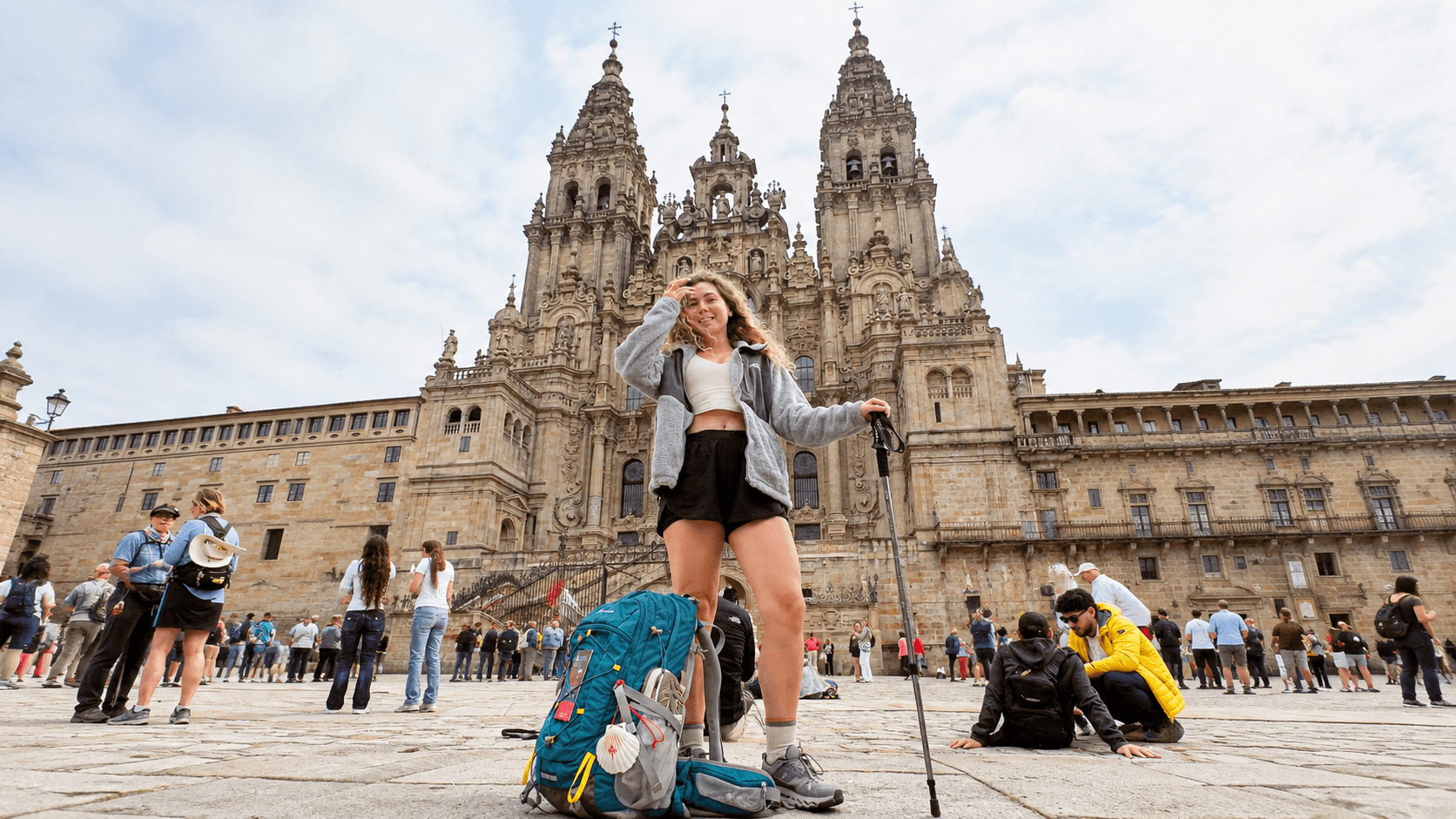
The First-Timer's Guide to the Camino de Santiago: Preparation & Reality Check
September 29, 2026
A few years ago I started noticing more and more people around me completing the Camino de Santiago — a pilgrimage and long-distance walking route of 244 km (150 miles) to 800 km (500 miles), depending on the chosen route. By the time I looked into it properly, I was already deep into hiking and outdoor activities, so a long-distance walk felt like a natural next step.
I knew I was physically ready — I walk a lot, go to the gym, occasionally run. What I wasn't sure about was the time commitment. Turns out I was wrong to worry: while the Camino can be a 3–6 week route, it's very customizable and can fit into your actual schedule with good planning.
I've just completed my Camino de Santiago solo and am already planning a different route next year. If you're at the research stage — trying to figure out if it's actually worth it, what it feels like day to day — this is the article I wish I'd had.
In this article
- Most popular route: Camino Francés — 242,179 pilgrims a year (46% of the total)
- Fastest-growing route: Camino Portugués — blew up on social media in 2026, especially among solo female travellers
- Minimum for Compostela: 100 km on foot — introduced in 2025, roughly 5 days of walking
1. Is the Camino de Santiago Worth Doing?
Why do people walk the Camino?
The crowd who walks the Camino doesn't look like the typical religious pilgrim you'd imagine. The modern experience has changed a lot. Today you see people walking for disconnection — to take a break from their daily routine and come back recharged, excited to resume life with a fresher perspective. Nearly half of pilgrims are still walking for spiritual reasons, but close to 20% walk for cultural experience, physical challenge, and mixed personal reasons.
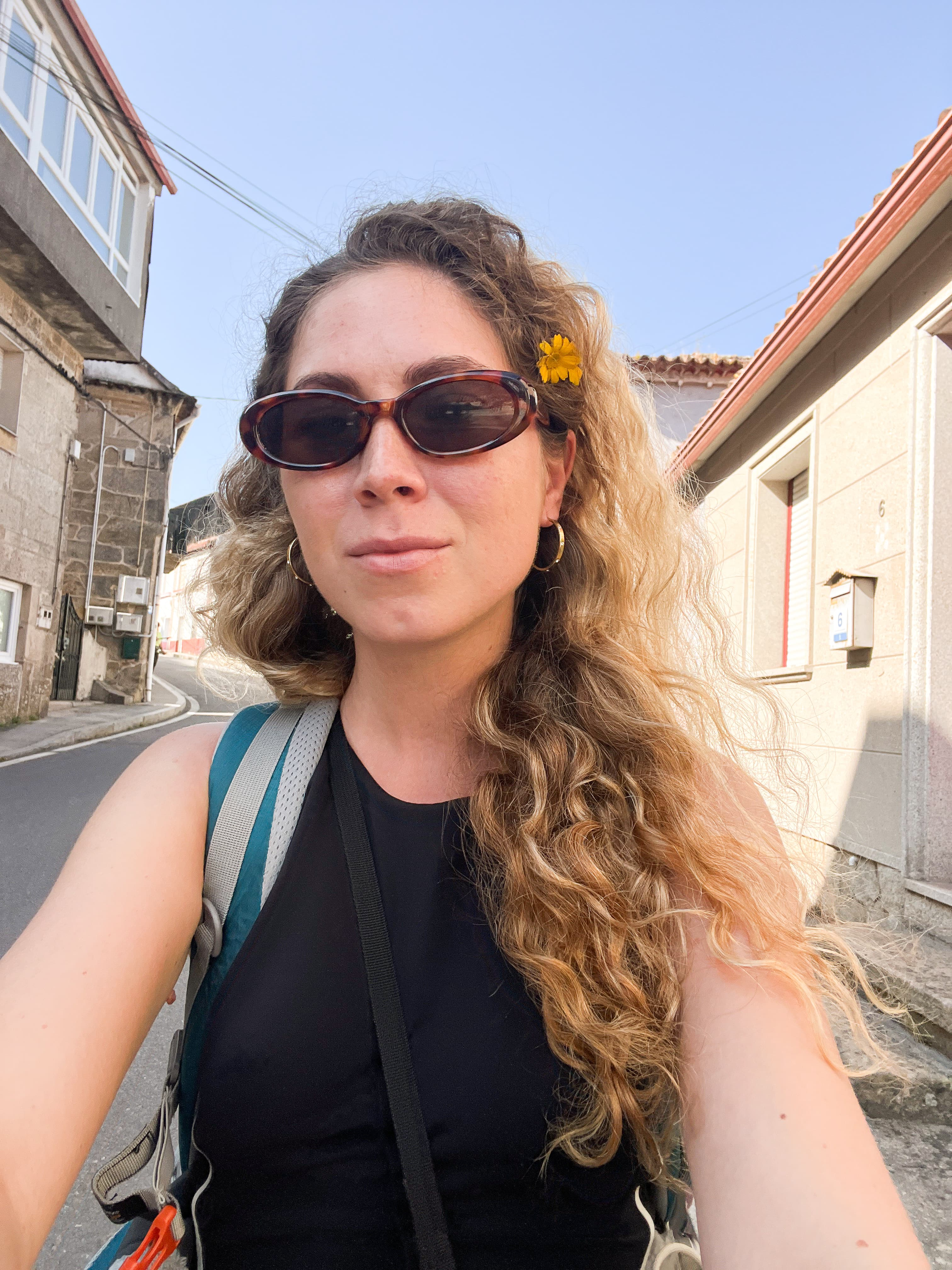
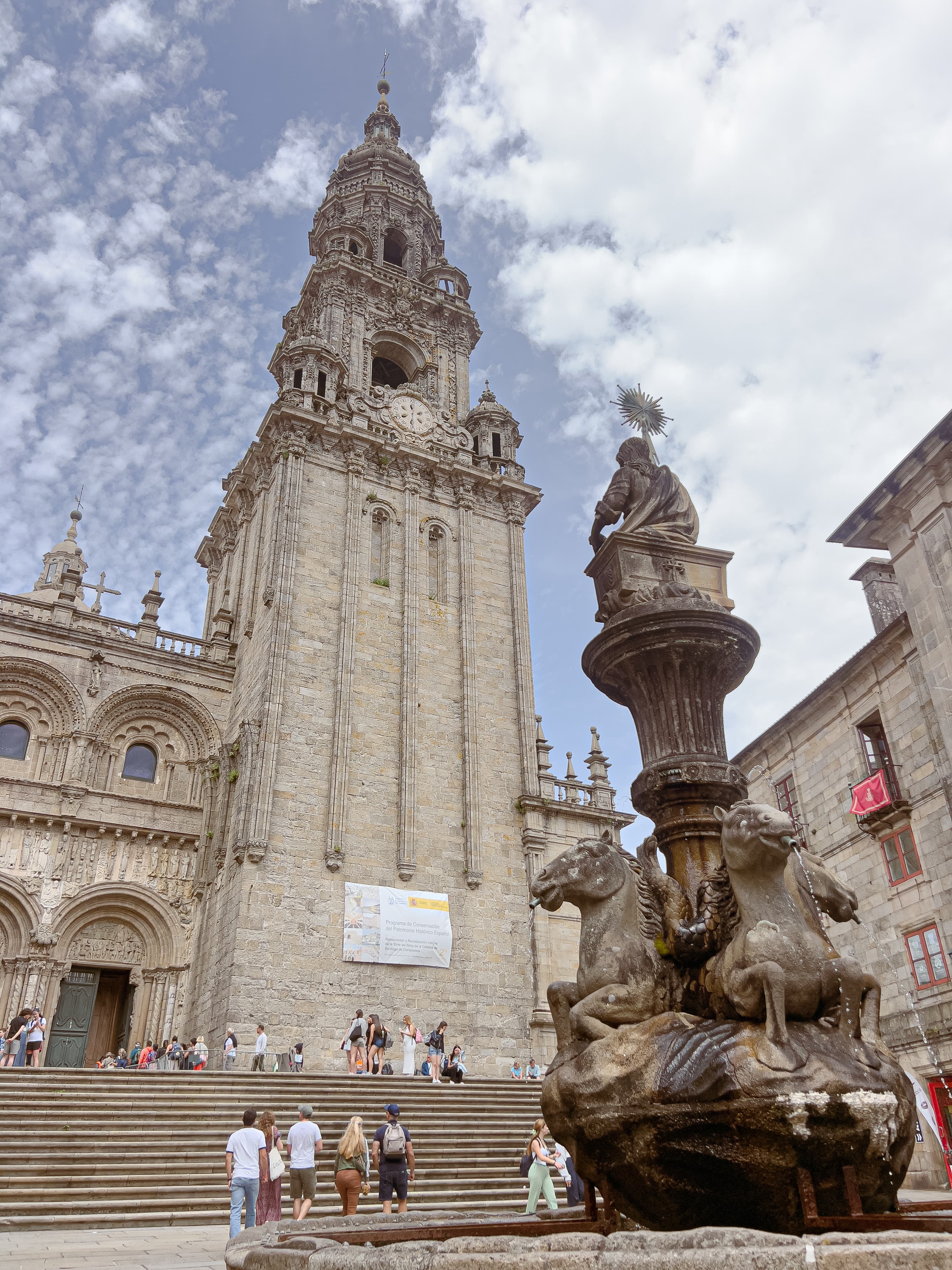
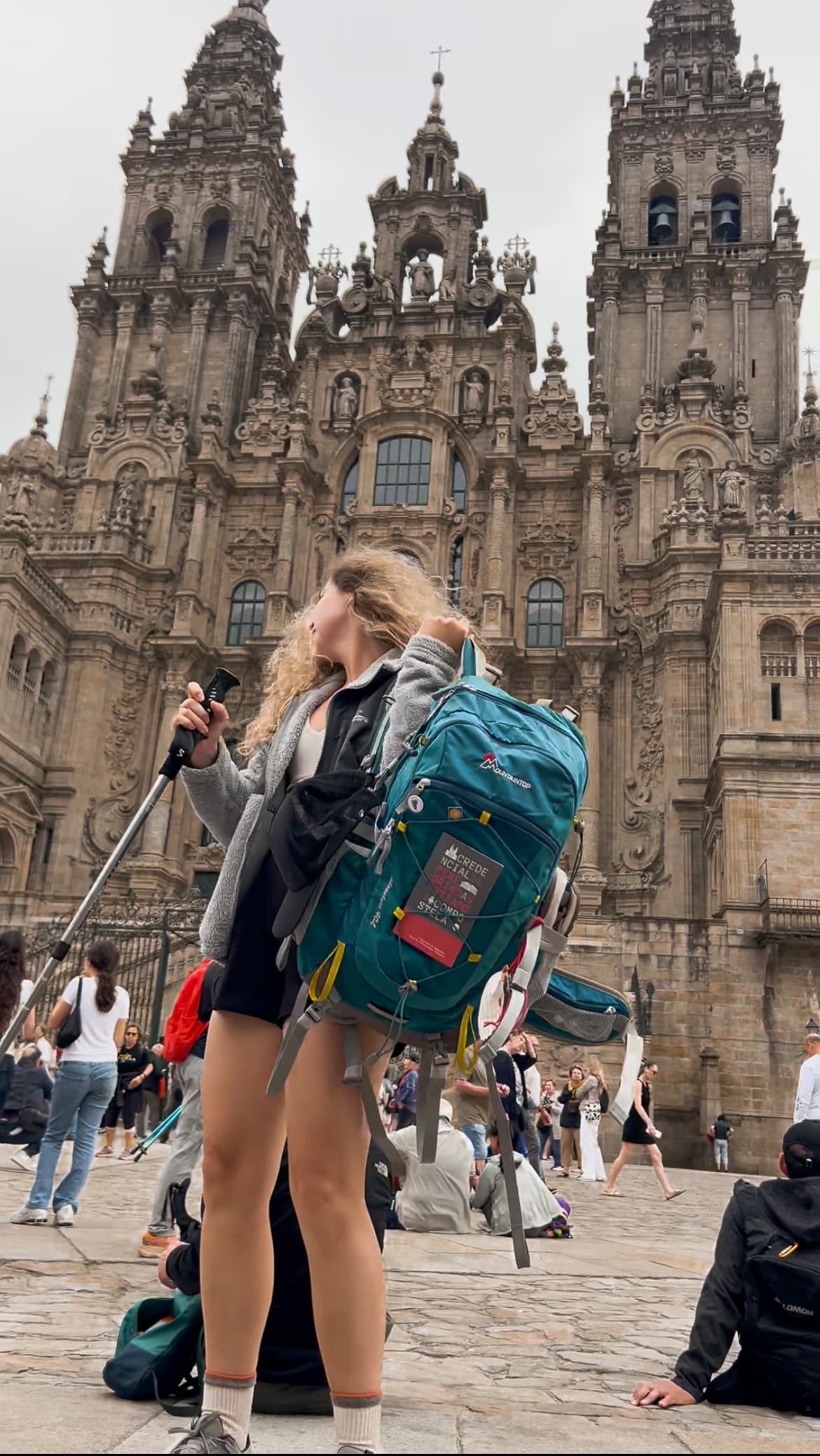
For me, what drew me in was the immersive experience of walking a centuries-old route across Galicia — a part of Spain I'd never visited (and probably would have struggled to visit otherwise) — learning more about ancient pilgrimage and St James, and spending a week walking 6 hours a day as both a physical and mental challenge. The pilgrims I spoke with shared a similar mix:
- •Cultural immersion — walking through historic villages, UNESCO sites, and working countryside.
- •Social community — the fellowship among pilgrims is genuinely unlike anything else.
- •Mental reset — disconnecting from screens and daily noise for days at a time.
Reasons it might not be for you
Many people romanticize long-distance adventures. I want to be honest here, because this experience won't fit everyone.
Physical strain
The Camino is a highly strenuous activity. Walking on stretches of asphalt, gravel, cobblestone, and wooden boardwalks for hours a day will make you feel every muscle in your body — rewarding you with soreness and burn the next morning. What makes it harder: with little time to recover, you go back on the road again the following day. If you have any injuries or health issues, make sure this won't do you more harm.
Shared accommodation
I had friends who were genuinely excited about the Camino — right up until I mentioned sleeping in a room full of 20 strangers. A decisive no. I get it. Big rooms, bunk beds, shared bathrooms, zero privacy. The good news: modern privately-owned hostels have improved considerably — newer beds, clean linens, curtains on every bed, a night lamp, and a phone outlet. Minimal, but after a long day of walking, you won't need anything more.
Crowds and logistics
Peak summer season (May–October) on the final 100 km gets genuinely crowded. The camaraderie is real, but so is the noise — enjoying wide sun-drenched vineyards without another human in sight becomes impossible. The logistics are also demanding: you sleep somewhere new every single day, eat on the go, and live out of a backpack. Many pilgrims don't book ahead and rely on municipal albergues (€10 donation, first come first served). In peak season, finding a bed while exhausted after six hours of walking can turn into a stressful quest.
2. How to Prepare for the Camino de Santiago
I went on the Camino fairly spontaneously when I spotted a suitable window in my schedule. I'd been very active for the three months before — so I felt physically ready — but there are a few things that would have made it smoother. Adapt these to however much time you have.
Physical training (1–3 months out)
Slow transition
The simplest way to feel what the Camino will do to your body is to recreate parts of it before you go. No travel needed. Start with long walks, building up steadily — 3 hours, then 4, then 5, then on a weekend, 6 hours straight. Progress from flat neighborhood pavement to gravel and dirt roads in a local park, carrying a weighted pack.
Back-to-back walking days
If you can, plan one weekend where you walk 15–25 km on two consecutive days. Pack your bag, go somewhere with actual terrain — a natural park, a long trail outside the city — and let your body adjust to the rhythm of walking day after day.
Footwear & gear readiness
Break in your shoes before you go — no skipping this. Brand-new shoes on day one means blisters, and blisters on the Camino turn the whole experience into something you're enduring rather than enjoying. And invest in good socks: merino wool hiking socks manage moisture and temperature and prevent blisters in a way cotton socks simply can't.
Mental preparation happens naturally through all of the above. You develop the ability to stay focused, deal with minor changes of plans, weather, and physical discomfort. The bigger lessons are still ahead — the Camino builds character and grit.
3. How to Pack for the Camino de Santiago
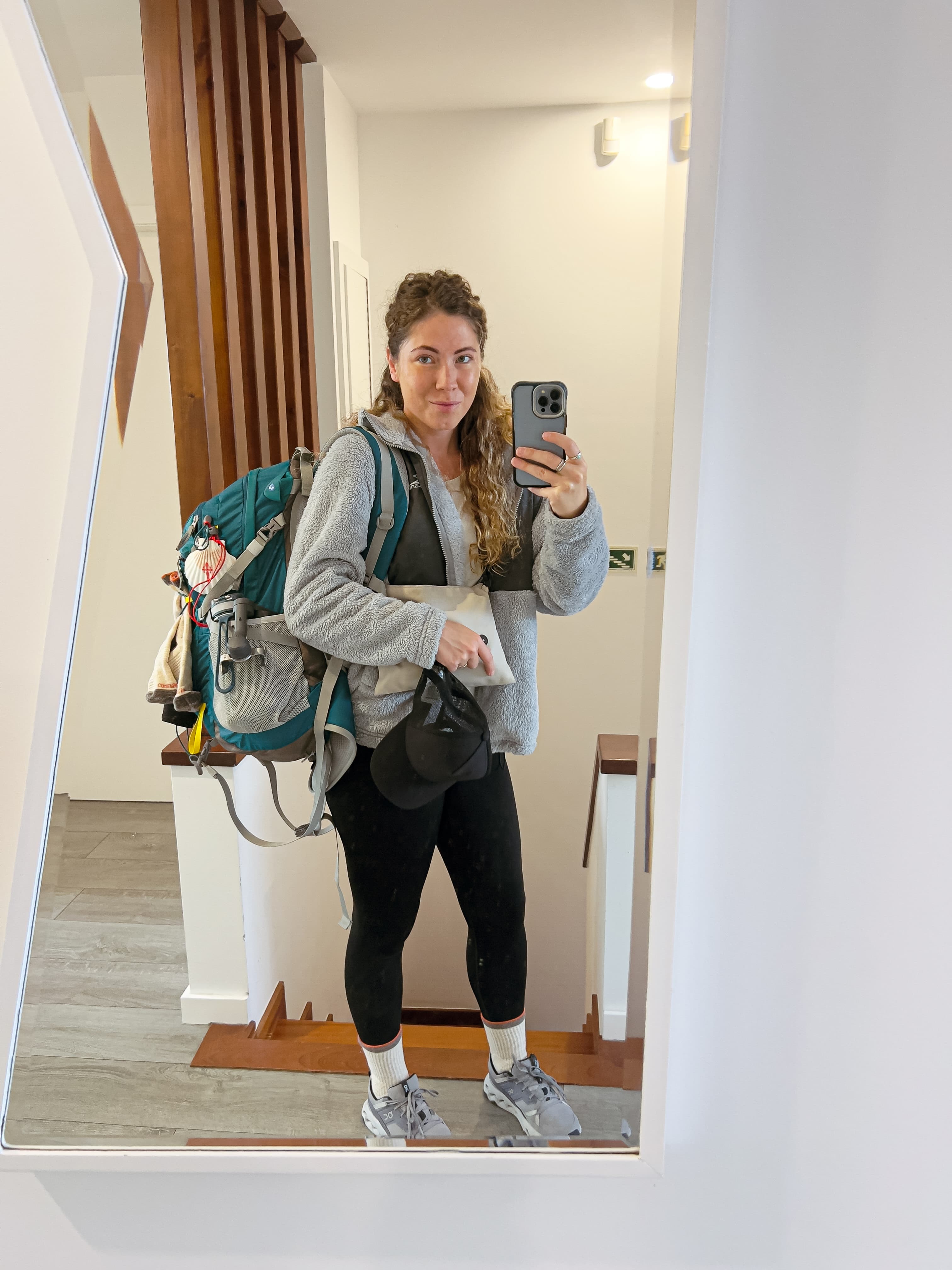
I made the most common, most avoidable mistake: I terribly overpacked. This mistake is irreversible — once you're on the road you carry everything all the way to Santiago. Every person I spoke to who had done the Camino before unanimously mentioned the 10% rule: your backpack should never exceed 10% of your body weight, staying within a 6–8 kg (17 lb) limit. It needs to feel comfortable after three hours of walking, not just three minutes in the shop.
Essential gear
- •30–40L backpack
- •Moisture-wicking clothing — 2–3 outfits maximum; wash nightly
- •Quality rain poncho or jacket
- •Pilgrim passport (Credencial) for stamps along the way
- •Merino wool hiking socks — these matter more than your shoes
- •Blister kit: Compeed patches, blister tape, Vaseline (apply before walking each morning)
See my full packing list in the Coastal Route itinerary article:
If you've overpacked
If you realise on the plane that you brought too much, Porto is your last chance to store the excess. Bounce has dozens of pick-up points across the city — I used them before my Camino. If you only figure it out once you're already walking, there are luggage forwarding services that will send your bag ahead to the next stage so you can walk with just a daypack.
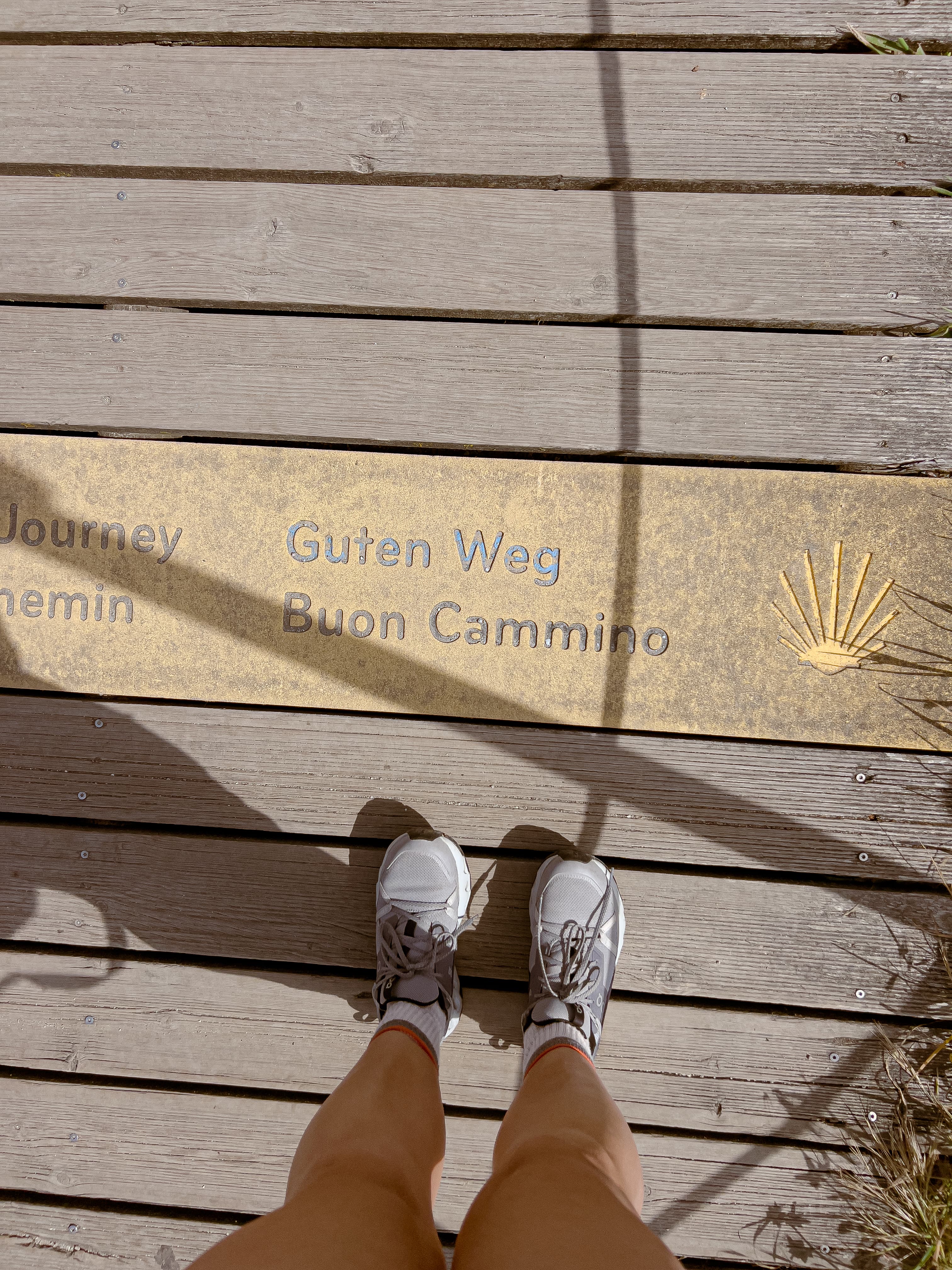
4. How to Choose a Route & Plan Logistics
Which Camino route to walk?
The decision factors that shaped my choice: I wanted to visit Porto again (one of my favourite places), I wanted coastal views, and I had 10 days. Here's the overview:
- •Camino Francés — the classic. Known for pilgrim density, the widest choice of albergues, and a strong returning-pilgrim community. Long but very well-supported.
- •Camino Portugués (Coastal) — ideal for shorter timeframes, coastal scenery, and flatter terrain. This is the one I walked. Full 10-day itinerary here.
- •Camino del Norte — ocean views, great food, and steep trails. Best for experienced hikers who want a challenge and don't mind the extra difficulty.
- •Camino Primitivo — the oldest and hardest. Mountain terrain through Asturias, not recommended as a first Camino.
Questions worth asking before you decide:
- •Which countries do you want to walk through — Portugal, France, Spain, or a mix?
- •How many days are you willing to budget?
- •What difficulty level are you comfortable with?
- •Do you prefer coastal walking or forested mountains?
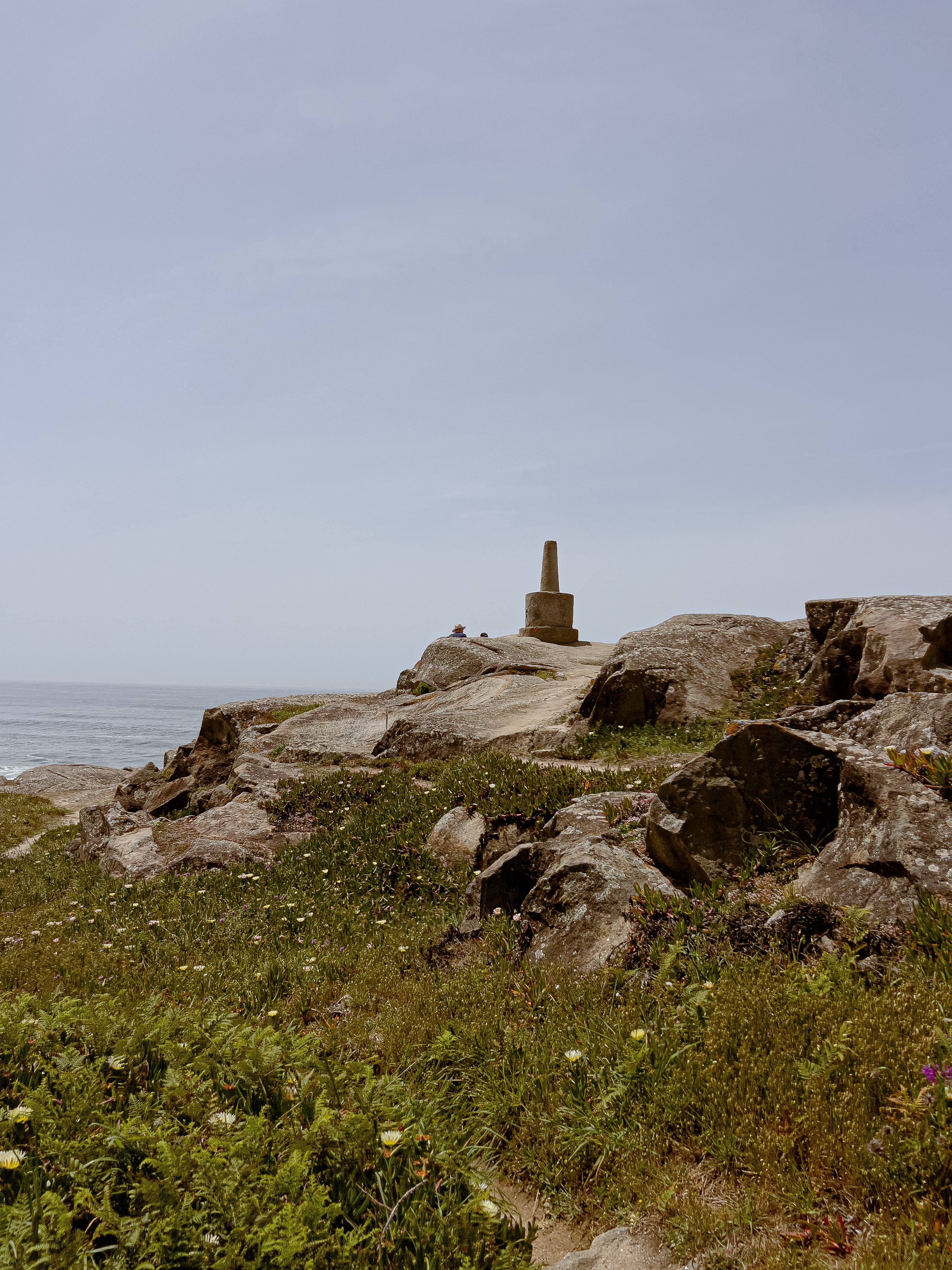
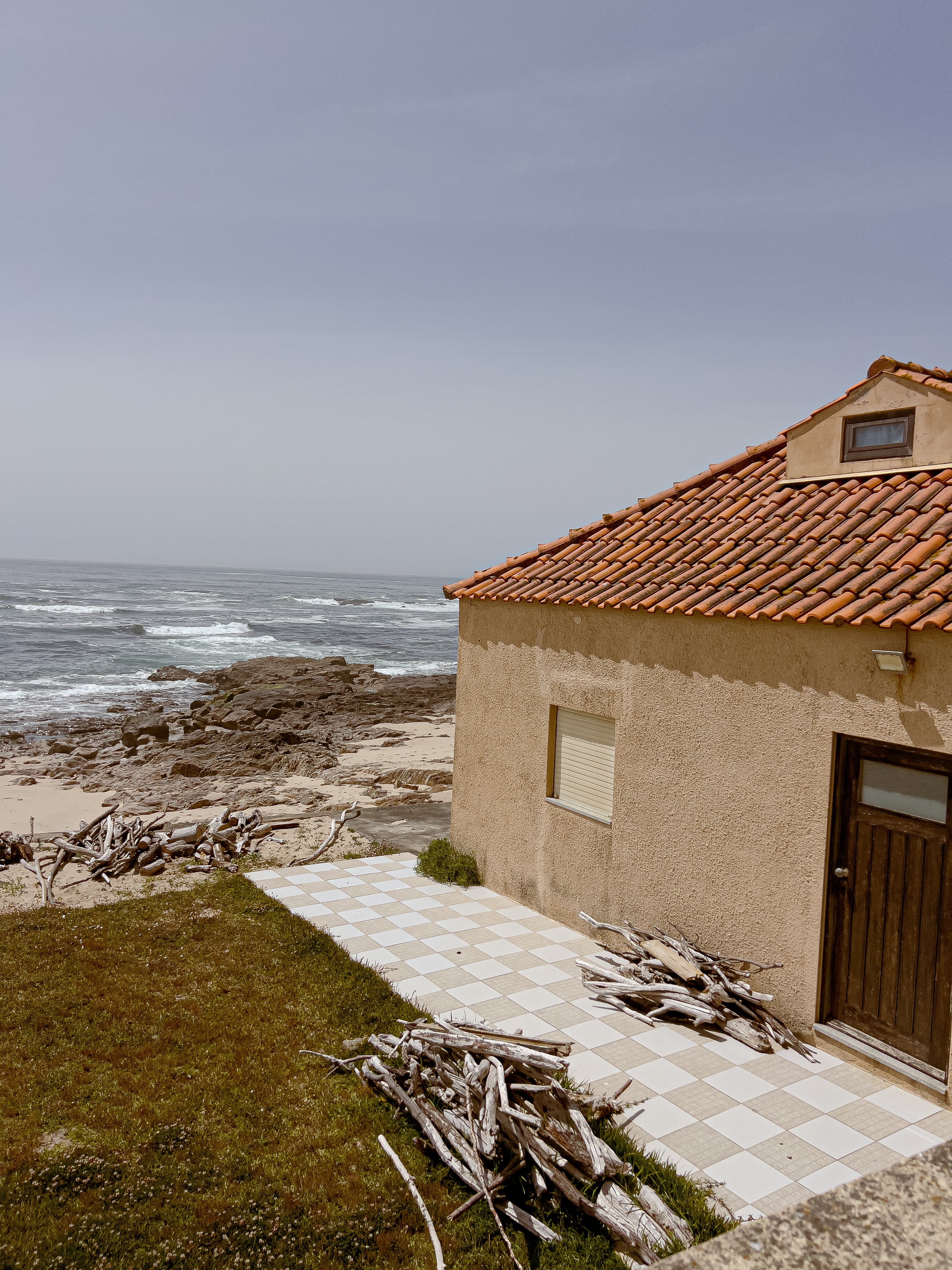
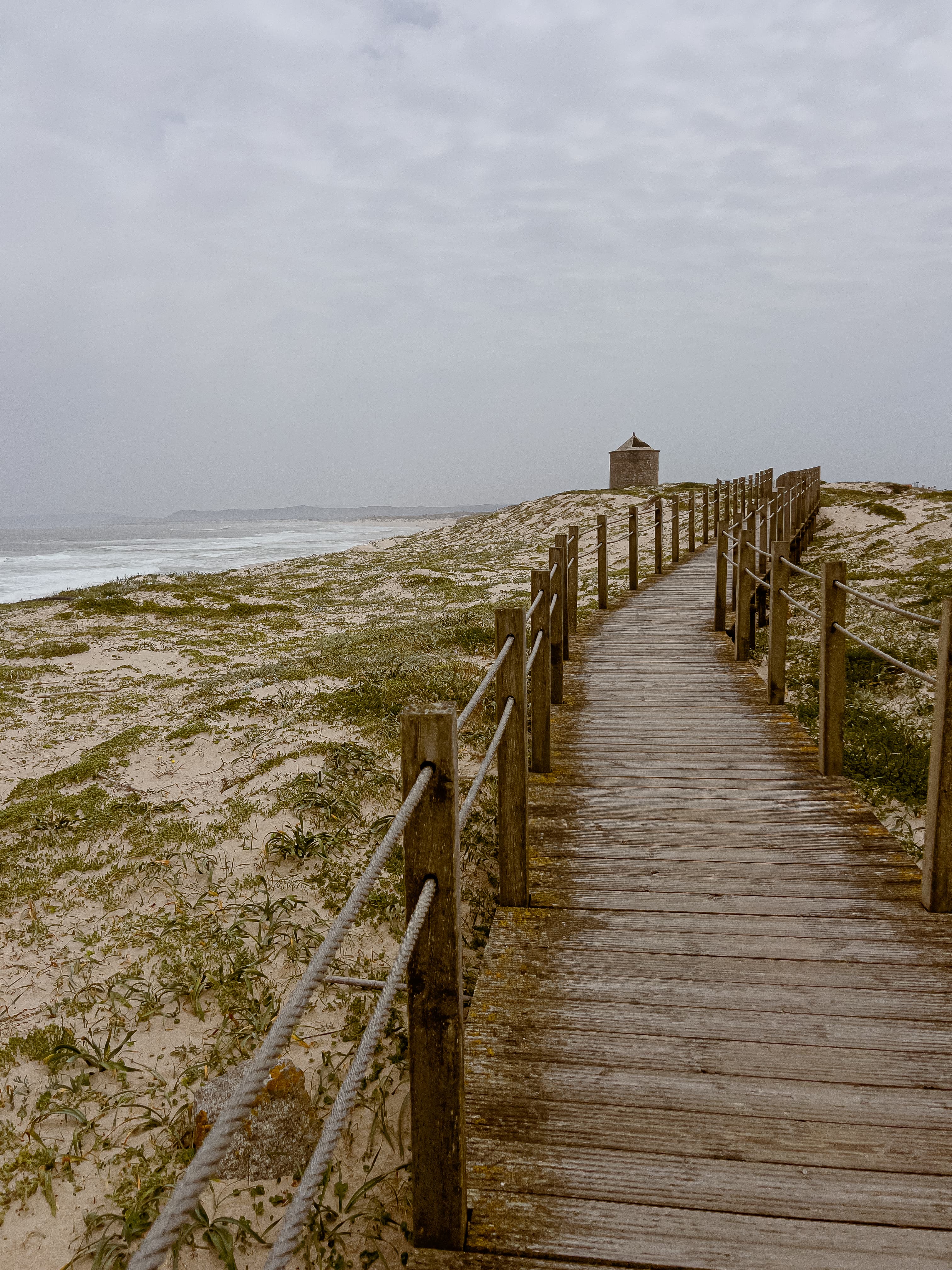
Coastal views along Camino Português
Route difficulty comparison
| Route | Difficulty | Key factors |
|---|---|---|
| Camino Primitivo | 8.5 / 10 | Continuous steep mountain climbs, rocky footing, loose shale, and frequent muddy conditions through Asturias. |
| Camino del Norte | 7.5 / 10 | Constant coastal ascents and descents combined with high-impact walking on asphalt. |
| Camino Francés | 5.5 / 10 | Tough mountain sections (the Pyrenees and O Cebreiro) balanced by hundreds of kilometres of flat gravel across the Meseta. |
| Camino Portugués (Coastal) | 3.0 / 10 | Mostly flat with ocean boardwalks and easy rural paths. Very few steep climbs. |
Accommodation options
For over 1,200 years, pilgrims have stayed at municipal albergues — shared dorms of 20–30 beds for around €10 (donation basis, first come first served). Private hostels have grown a lot in recent years: smaller dorms of 6–8 beds, clean linens, sometimes breakfast, around €25 per bed. If you want privacy, private rooms and hotels start from €80–120 and are available on most of the popular routes.
Best time of year
Spring (April–June) and autumn (September–October) are the best windows. Summer can be extremely hot — if you go in July or August, start walking very early to avoid the heat. From November, the route is open but some privately run hostels close for winter; those that stay open often have lower prices on private rooms.
5. Daily Life on the Camino: What to Expect
"So you just wake up and start walking… all day? Is there anything else?" — this was the question most of my friends had before I went.
Here's what it actually looked like for me walking the Coastal Route in late May. I'd be on the road by around 6:30 to beat the heat, grabbing something quick — a yogurt, a pastry — to eat on the way. First real breakfast around 9 or 9:30. Every two hours or so I'd stop to put down the backpack, maybe change socks, drink water, or top up on snacks. While walking you can chat with other pilgrims or stay in your own thoughts, enjoy the view, listen to an audiobook, journal a bit. Lunch around noon, a proper hour-long break, then a couple more hours of walking.
Municipal albergues work on first come first served — the earlier you arrive, the better. Private hostels don't open until around 3pm, and you've usually checked in online the day before. After checking in, there's no better feeling than a hot shower and putting your feet up for a while.
I described the day-by-day experience in detail in my Coastal Route article, including the hostels I stayed at and can actually recommend.
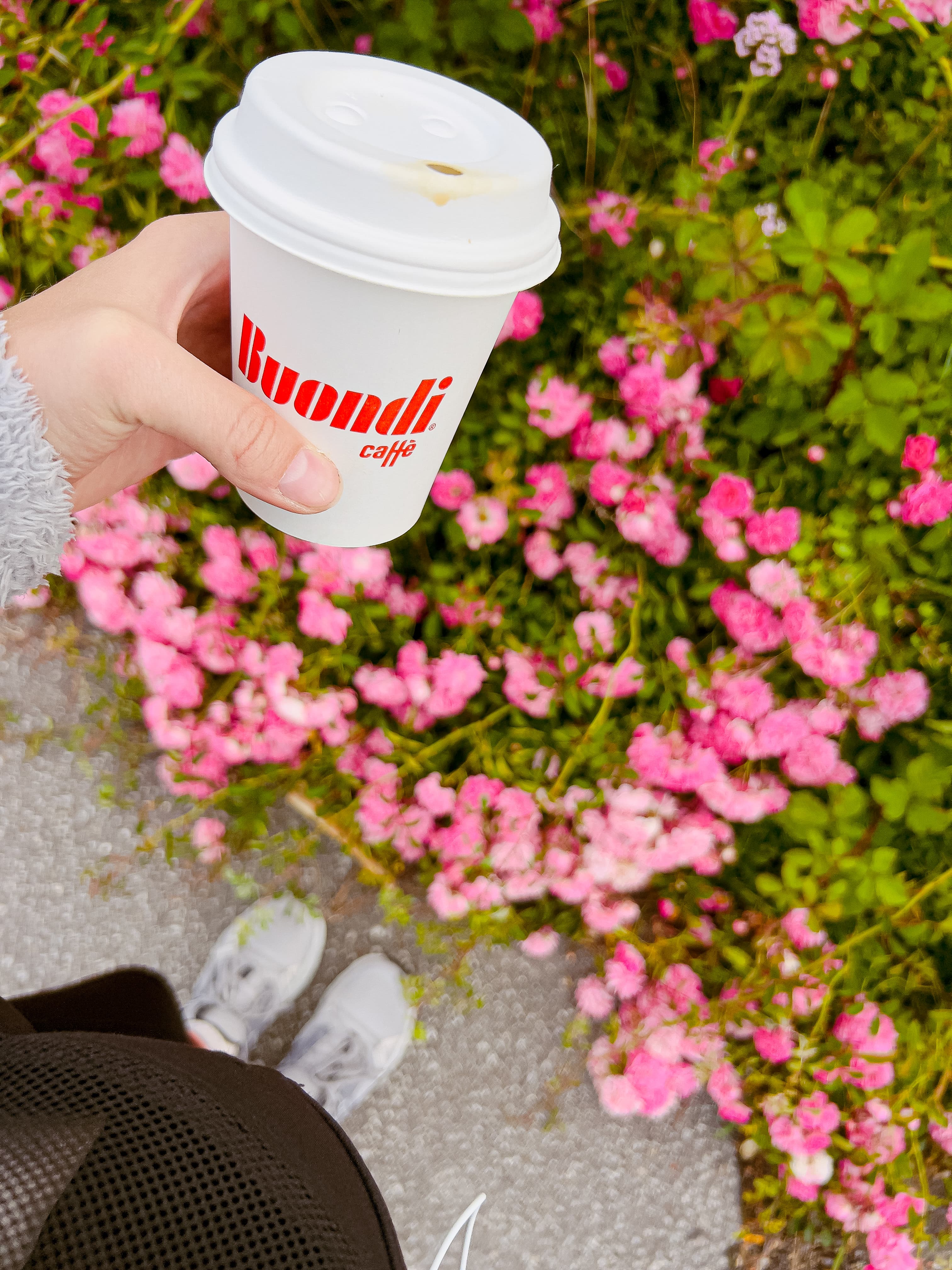
6. Budget Breakdown
The Camino can be done on various budgets. Here's what I spent:
Accommodation / night
- Municipal albergue€10
- Private hostel (dorm)€25
- Private roomfrom €80
- Hotelfrom €120
Food / day
- Menú del día / pilgrim menu€20
- Breakfast€15
- Snacks (grocery shop)€15
Average daily budget
€65
7. Final Verdict: Who Should Go?
The Camino has climbed high on the list of things people want to do at least once, and I think it deserves that reputation. I found it one of the best things I've ever done — and I've traveled a lot. But I want to be honest about the tricky parts too: the lack of private accommodation, the physical toll, the involved logistics. These are real, and they put some people off.
You'll love it if you spend time outdoors regularly, enjoy hiking or running on weekends, travel for landscapes, and feel at peace on long walks by the ocean or in the forest. If you're not someone who spends much time outside but really want to try a long-distance walk, the Camino Portugués is a great place to start — it's beginner-friendly, low-altitude, mostly flat, extremely well-equipped, and very safe. Thousands of pilgrims walk it every year and form a genuinely friendly, supportive community.
Buen Camino.
Frequently Asked Questions
It depends entirely on the route and how much you walk each day. The full Camino Francés (800 km) takes 5–6 weeks. The minimum distance for the Compostela certificate is 100 km on foot, which most people complete in 5 days. The Portuguese Coastal Route from Porto to Santiago is around 280 km and takes 10 days at a comfortable pace.
No. About half of pilgrims walk for non-religious reasons — sport, cultural experience, mental reset, or personal challenge. The route is open to everyone and the pilgrim community is very mixed. You do receive a certificate (the Compostela) at Santiago Cathedral, but there's no requirement around religion to obtain it.
Yes — and growing more so every year. When I walked the Coastal Route in May, every second person was a woman. The pilgrim community is self-policing and supportive, albergues and hostels are well-managed, and the route is well-marked and populated throughout. Basic common sense applies, as with any travel.
For private hostels and hotels: yes, especially in summer. They fill up and walking 25 km without a bed booked is stressful. Municipal albergues are first come first served and can't be booked in advance — arriving early (before noon) gives you the best chance. A hybrid approach works well: book private hostels where you want guaranteed rest, leave a few nights flexible for municipal albergues if you want to be spontaneous.
Your backpack — including everything in it — should weigh no more than 10% of your body weight. For most people that's 6–8 kg (13–17 lb). Heavier than that and you'll feel it in your knees and shoulders by day three. Most people overpack their first Camino. Lay everything out, then remove half of it.
You may also like
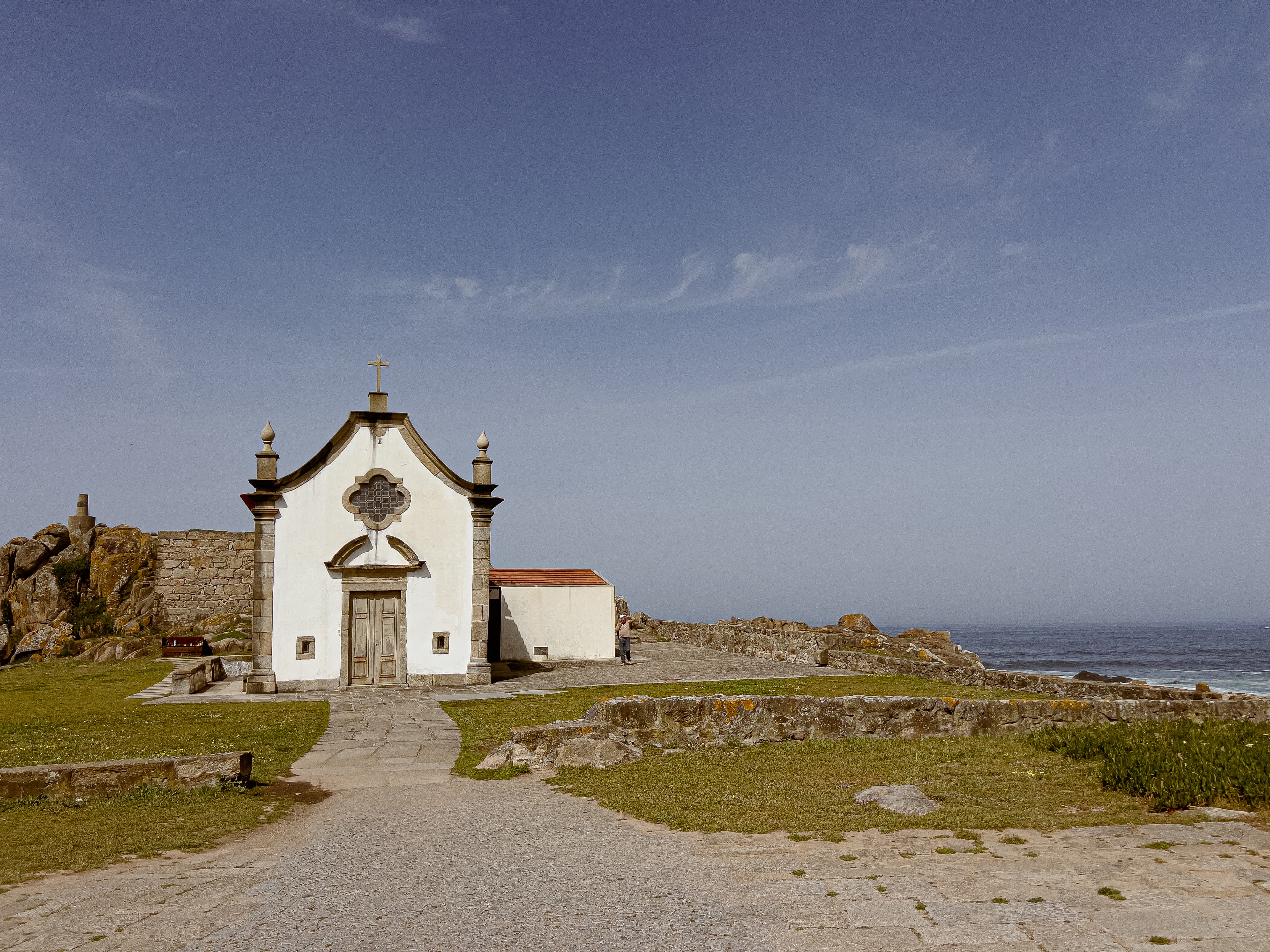
Walking the Portuguese Coastal Camino in 10 Days: Full Itinerary from Porto to Santiago
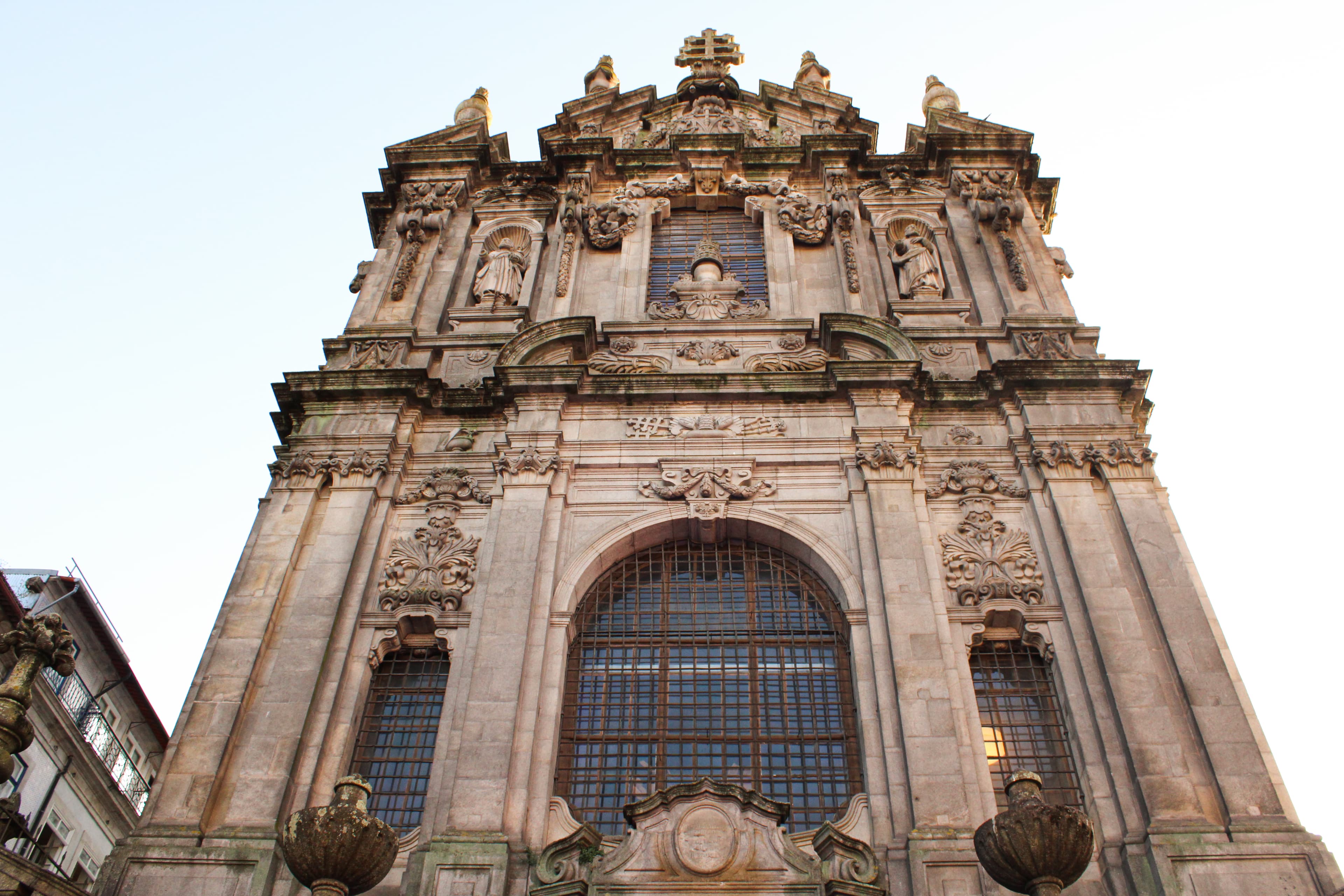
Explore Porto in 24 Hours — A Guide for Camino Pilgrims
The Perfect 7-Day Argentine Patagonia Itinerary
Some of the links on this site are affiliate links. This means I may earn a small commission if you purchase them at no extra cost to you. I only recommend things I genuinely use or believe in.