In this article
- 1.What Is the Camino de Santiago?
- 2.Coastal vs Central Route
- 3.Before You Go
- 4.The Itinerary
- Day 0 — Porto, Prep Day
- Day 1 — Porto → Vila do Conde
- Day 2 — Vila do Conde → Esposende
- Day 3 — Esposende → Viana do Castelo
- Day 4 — Train to Spain
- Day 5 — Tui → Redondela
- Day 6 — Redondela → Pontevedra
- Day 7 — Pontevedra → Caldas de Reis
- Day 8 — Caldas de Reis → Padrón
- Day 9 — Padrón → Santiago
- Day 10 — Santiago, Rest Day
- 5.Accommodation List
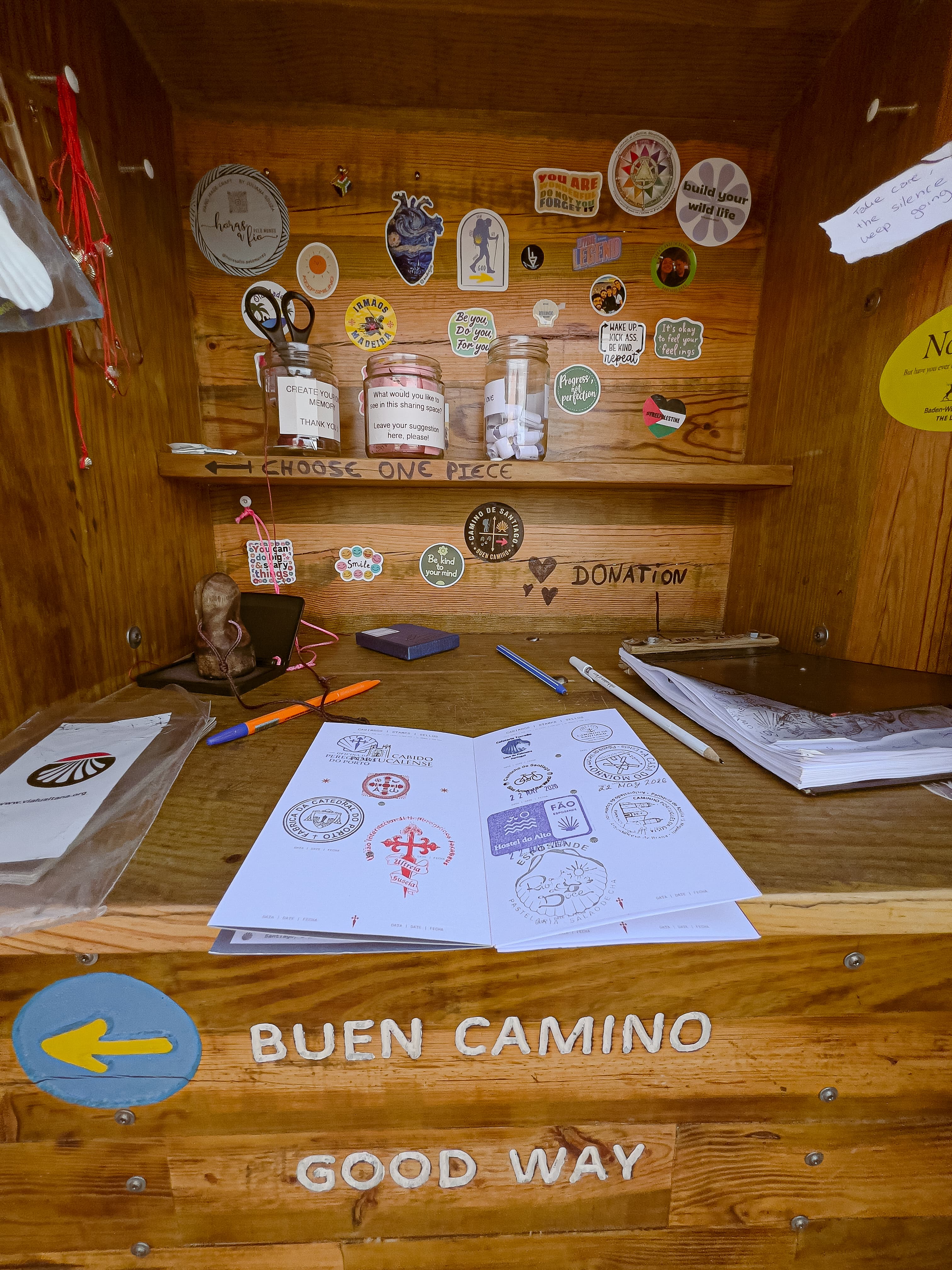
- 6.The Credential & Stamps
- 7.Tips From The Trail
- 8.FAQ
What Is the Camino de Santiago?
The Camino de Santiago is a network of ancient pilgrimage routes that all lead to the Cathedral of Santiago de Compostela in Galicia, northwest Spain — where the remains of Saint James are believed to be buried. People have been walking it for over a thousand years. It's the second most popular long-distance walk in the world, and the Portuguese route is the second most popular Camino after the French route.
The Camino Portugués starts either in Lisbon (the full route, ~610 km) or Porto (the most popular starting point, ~265 km coastal / ~244 km central). Both end in Santiago de Compostela.
You don't need to be religious to walk it. Most people aren't. You do need to be comfortable walking 20–28 km a day, sleeping in shared dorms, and hand-washing your socks in a sink every night. It is significantly more interesting than it sounds.
Coastal Route vs Central Route — The Honest Comparison
This is the question everyone asks first. Both routes end in Santiago. Both are beautiful. They're beautiful in completely different ways.
| Coastal Route | Central Route | |
|---|---|---|
| Distance from Porto | ~270 km | ~244 km |
| Days needed | 11–13 | 10–12 |
| Terrain | Easier — boardwalks, flat coastal sections | More climbs — cobblestone, more elevation |
| Scenery | Atlantic views, boardwalks, sea breeze, beaches | Roman bridges, medieval villages, vineyards |
| Pilgrim traffic | Lighter until Redondela | More pilgrims throughout |
| Porto exit | Via Litoral boardwalks — skips industrial outskirts | 15 km of industrial Porto suburbs to start |
| Best for | First-timers, ocean views, lighter crowds | Classic pilgrim feel, village culture, history |
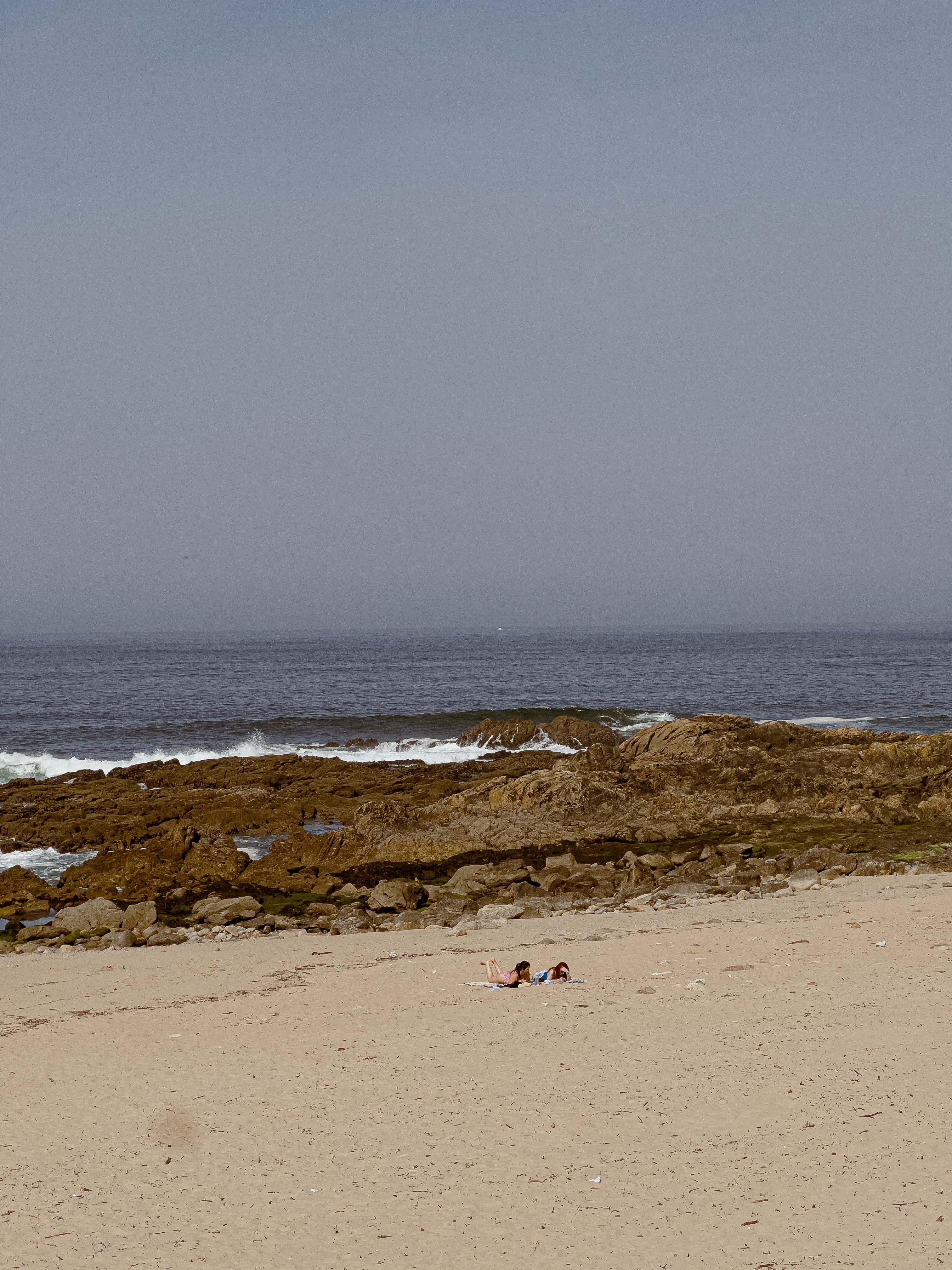
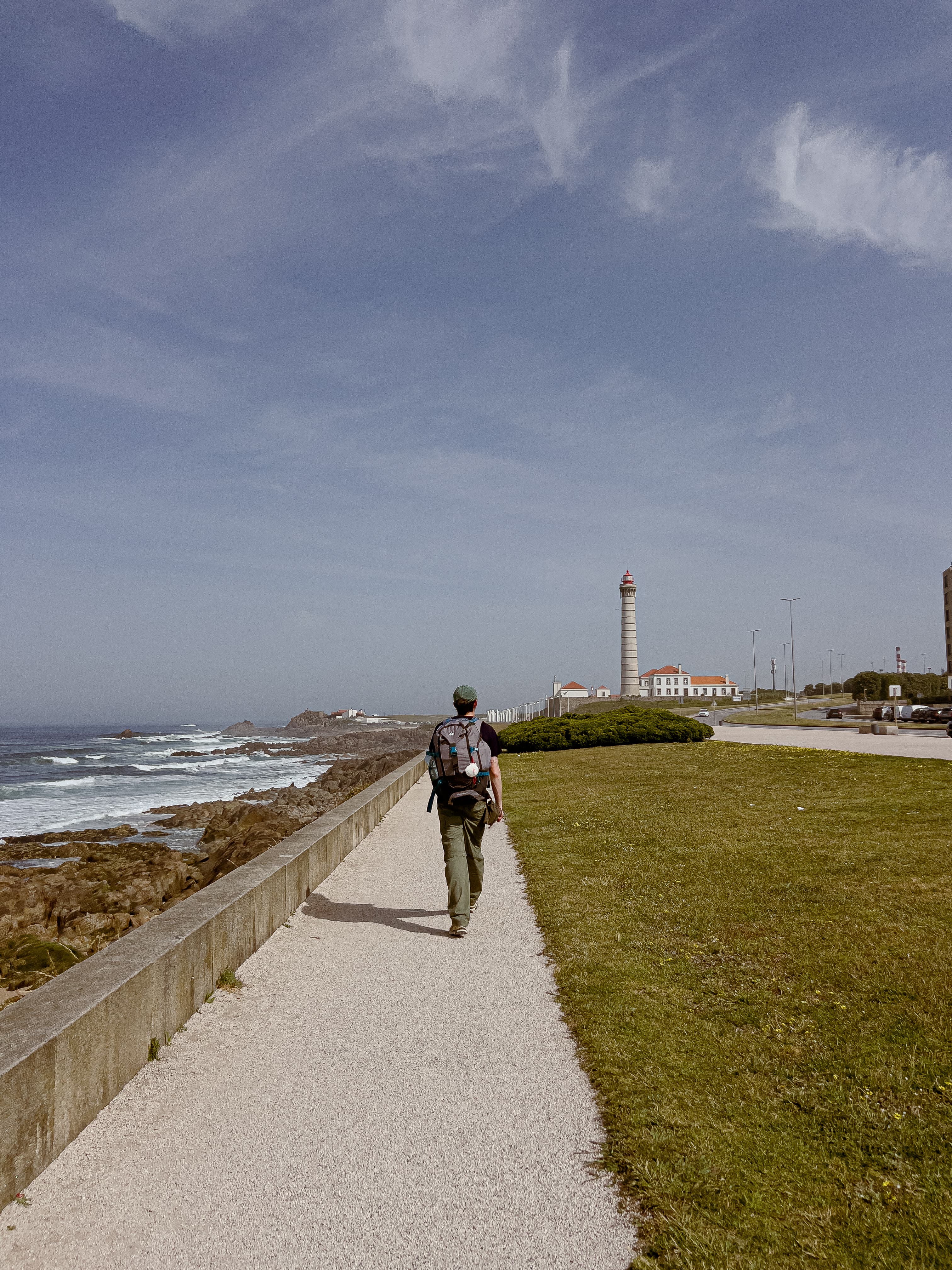
My pick for May or June: start coastal, merge inland at Redondela. You get the Atlantic for the Portuguese section — boardwalks, sea breeze, fewer pilgrims — then pick up the historic Galician villages for the second half once you cross into Spain. The coastal route's exit from Porto is also just better. Skipping 15 km of industrial suburbs via the Litoral boardwalks is not a small thing on day one.
After Redondela, both routes are the same road to Santiago.
Before You Go — What To Sort In Advance
The credential (pilgrim passport)
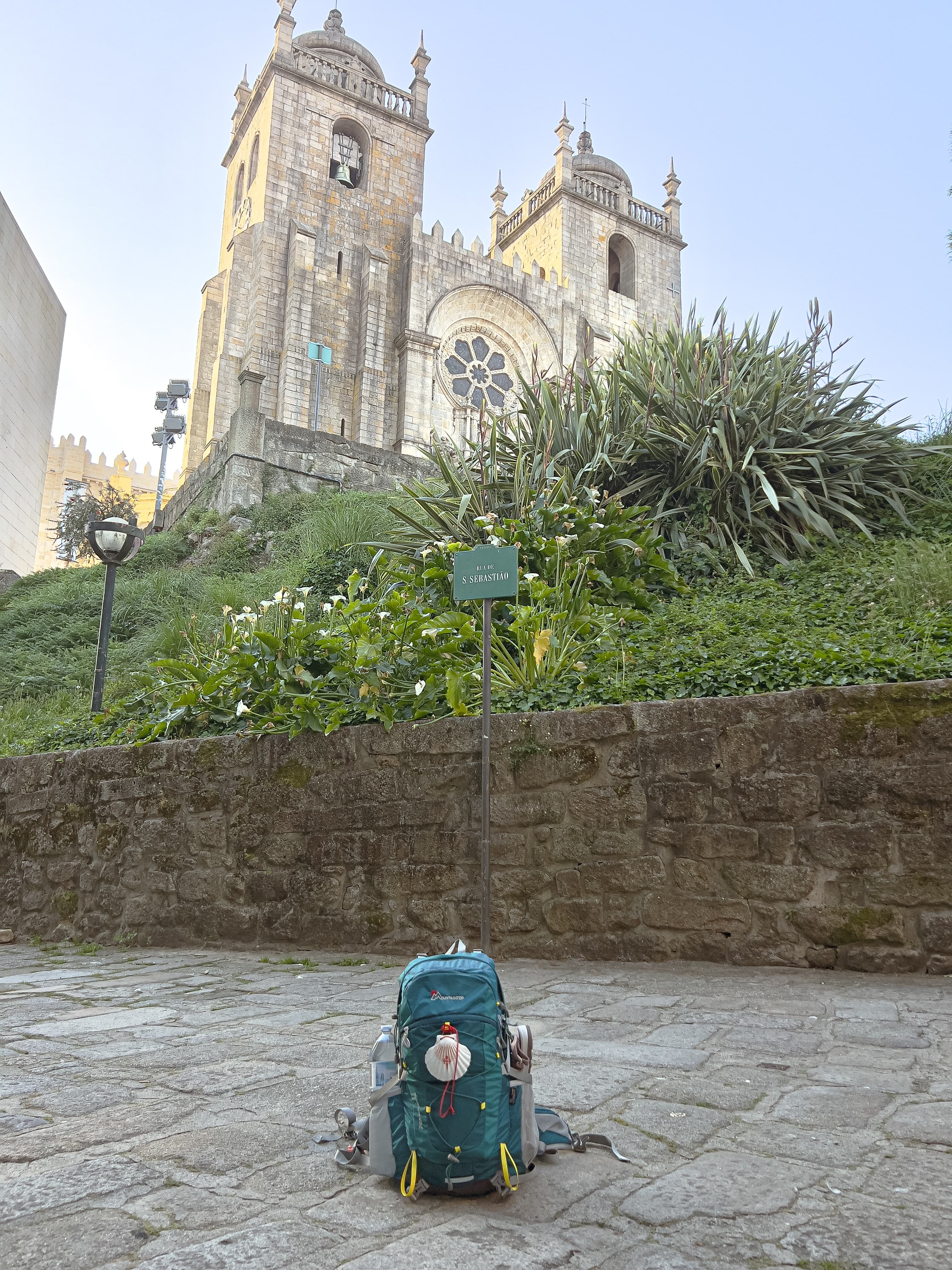
Pick this up at Porto Cathedral (Sé do Porto) on your prep day. It costs €2. This is your pilgrim passport — a small folded paper booklet you collect stamps in at albergues, cafés, churches, and tourist offices along the route. You need a minimum of 2 stamps per day from Tui onwards for your Compostela to be valid. Carry it in a ziplock bag. Getting it wet is the most common pilgrim mistake.
The Compostela
To claim your Compostela certificate in Santiago, you need to have walked the last 100 km (from Tui, in this itinerary) and have 2+ stamps per day in your credential from Tui to Santiago. The Pilgrim's Office at Rúa Carretas 33 processes them — queue is usually 30–60 minutes.
What to book ahead
- •Porto accommodation for your arrival night and return night
- •Santiago accommodation — book for 2 nights so you have a rest day. Book a week ahead minimum; it fills up.
- •Tui albergue (May 24 in my itinerary): Convento del Camino or Ideas Peregrinas
- •Redondela (May 25): Dpaso Urban Hostel (Booking.com)
- •Renfe Celta train Viana → Valença: book at venta.renfe.com (€6.05, 31 min)
- •Bus Santiago → Porto: ALSA 14:00 (~€16–30, ~3h 30m)
- •Bus Porto → Lisbon: Rede Expressos or FlixBus (€5–15, ~3h 15m)
The pack — under 8 kg, non-negotiable
Your back will tell you if you got this wrong around day 3. The rule is simple: if you're unsure whether to pack it, leave it. You can buy almost anything at a Decathlon along the route.
- •Trail runners (broken in — not new, not boots)
- •Merino socks + liner socks (the liner sock trick is real — it prevents blisters)
- •Compeed blister patches and blister tape. More than you think you'll need.
- •Vaseline or anti-chafe balm. Apply before you start walking, not after.
- •Rain shell — waterproof, hooded, under 400g. Galicia will rain on you.
- •Silk sleeping bag liner (most albergues have blankets but it's nice to have your own layer)
- •Earplugs + eye mask. Non-negotiable. Snorers will find you.
- •€100 cash — many albergues don't take card
Apps to install before leaving
- •Buen Camino or Camino Ninja — route + albergue map, works offline. The one you actually need.
- •Google Maps offline: download Northern Portugal + Galicia regions
- •Wise — for spending in both Portugal and Spain without fees
- •ALSA + Rede Expressos — for the bus home
The Itinerary — 8 Walking Days, Porto to Santiago
Total distance: ~187 km walked
Qualifies for Compostela: 116 km (Tui to Santiago)
Daily budget: €40–60 (albergue + meals)
Weather (late May): 18–22°C, mostly mild, expect 3–6 days of light rain
Day 0
Porto, Prep Day
One full day to pick up your credential, test your pack, eat well, and sleep before the long days begin.
Morning
Coffee and pastel de nata at Manteigaria or Fábrica da Nata. Walk down to the Ribeira. This is Porto at its best — before the tour groups arrive.
9:00 — Porto Cathedral (Sé do Porto)
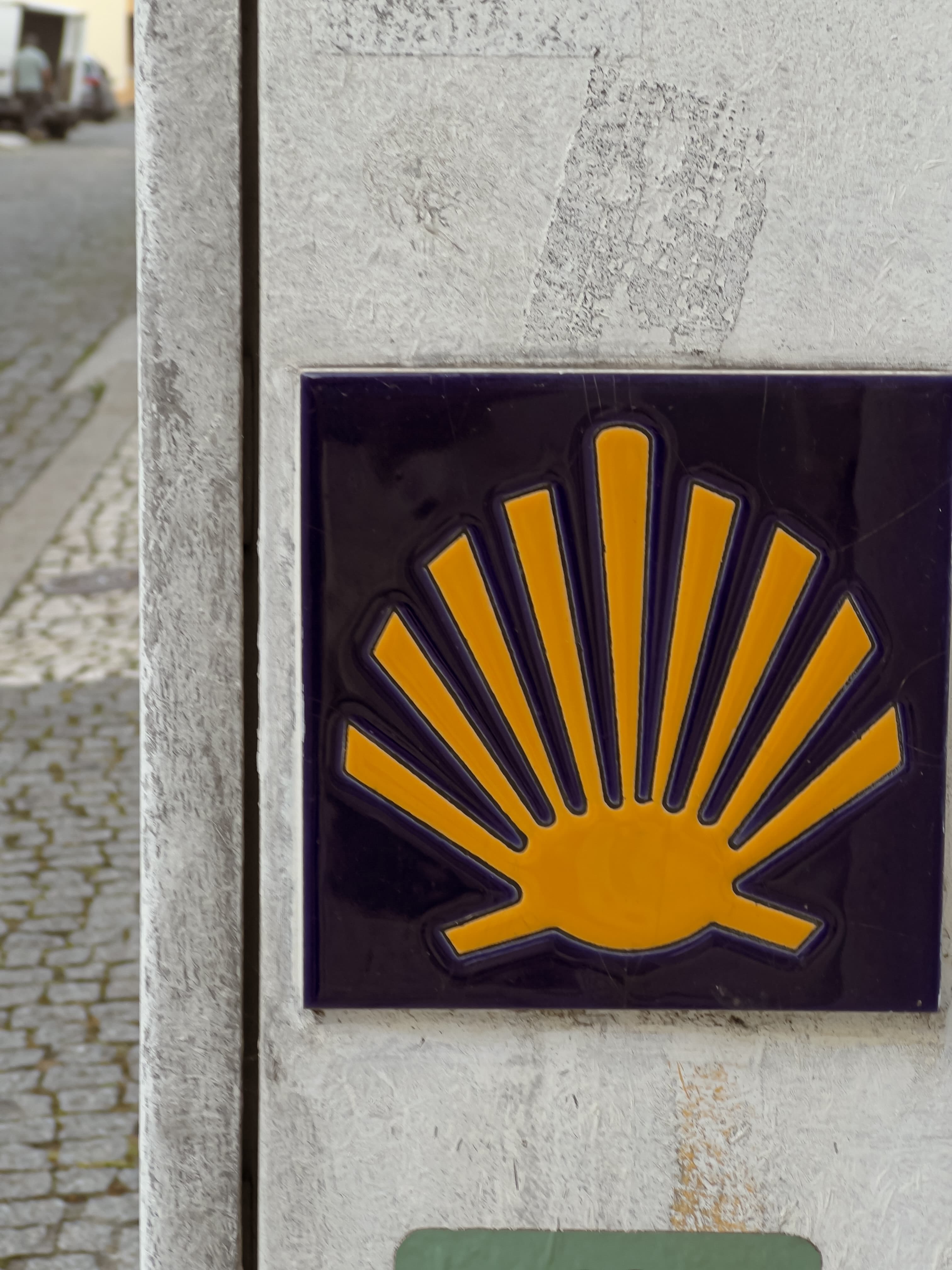
Pick up your credencial del peregrino at the pilgrim office inside (€2). This is also the official starting point of the Camino — you'll photograph the yellow arrow here before leaving tomorrow.
10:30 — Decathlon run
The Norteshopping location (metro: Sete Bicas) is the biggest. Pick up anything missing: blister tape, electrolytes, microfibre towel, dry bag, sandals if you don't have them (~€15).
12:00 — Lunch
Francesinha at Café Santiago or a lighter prato do dia on Rua das Flores.
14:00 — Test walk
30-minute loop with your fully loaded pack. Adjust the hip belt. Check for pressure points. Better to find problems today than at km 5 tomorrow.
16:00 — Port tasting, Vila Nova de Gaia
Graham's, Taylor's, or Ramos Pinto. Cross the Dom Luís I bridge on foot. This is its own small pilgrimage and a decent send-off ritual.
20:00 — Early dinner, lights out by 22:00
Day 1 starts at dawn.
Day 1
Porto → Foz → Vila do Conde
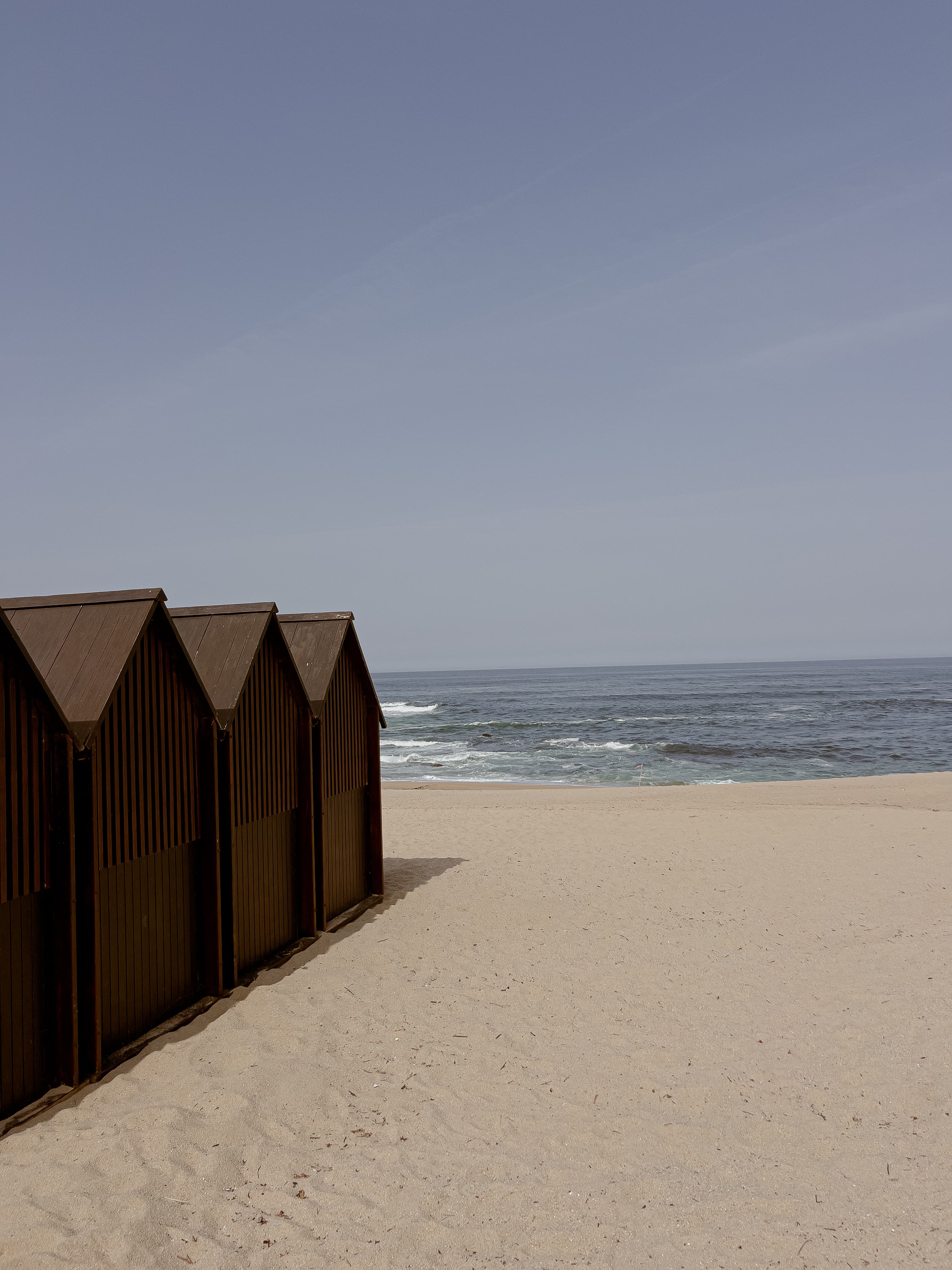
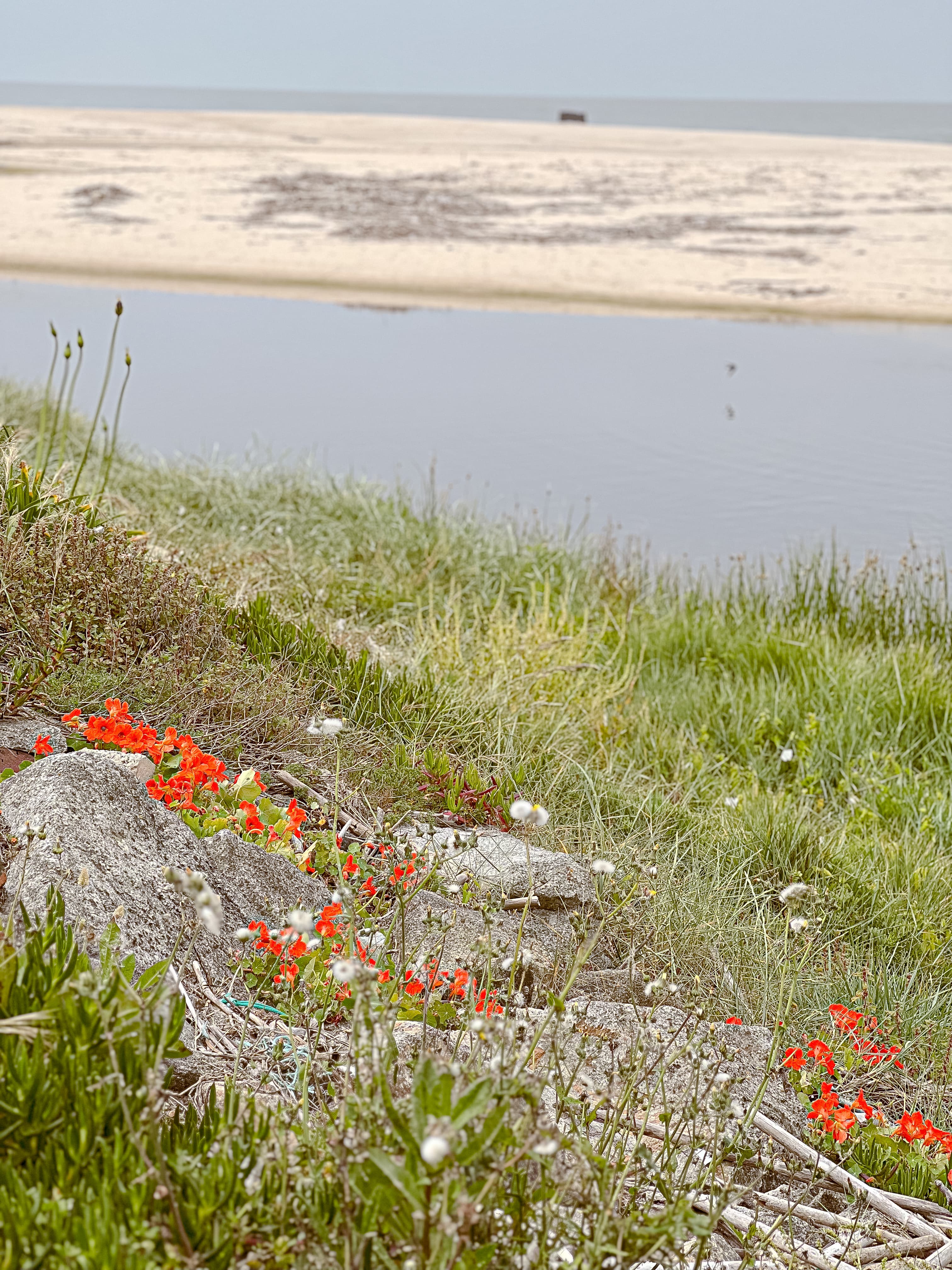
27 km · Ocean Day 1
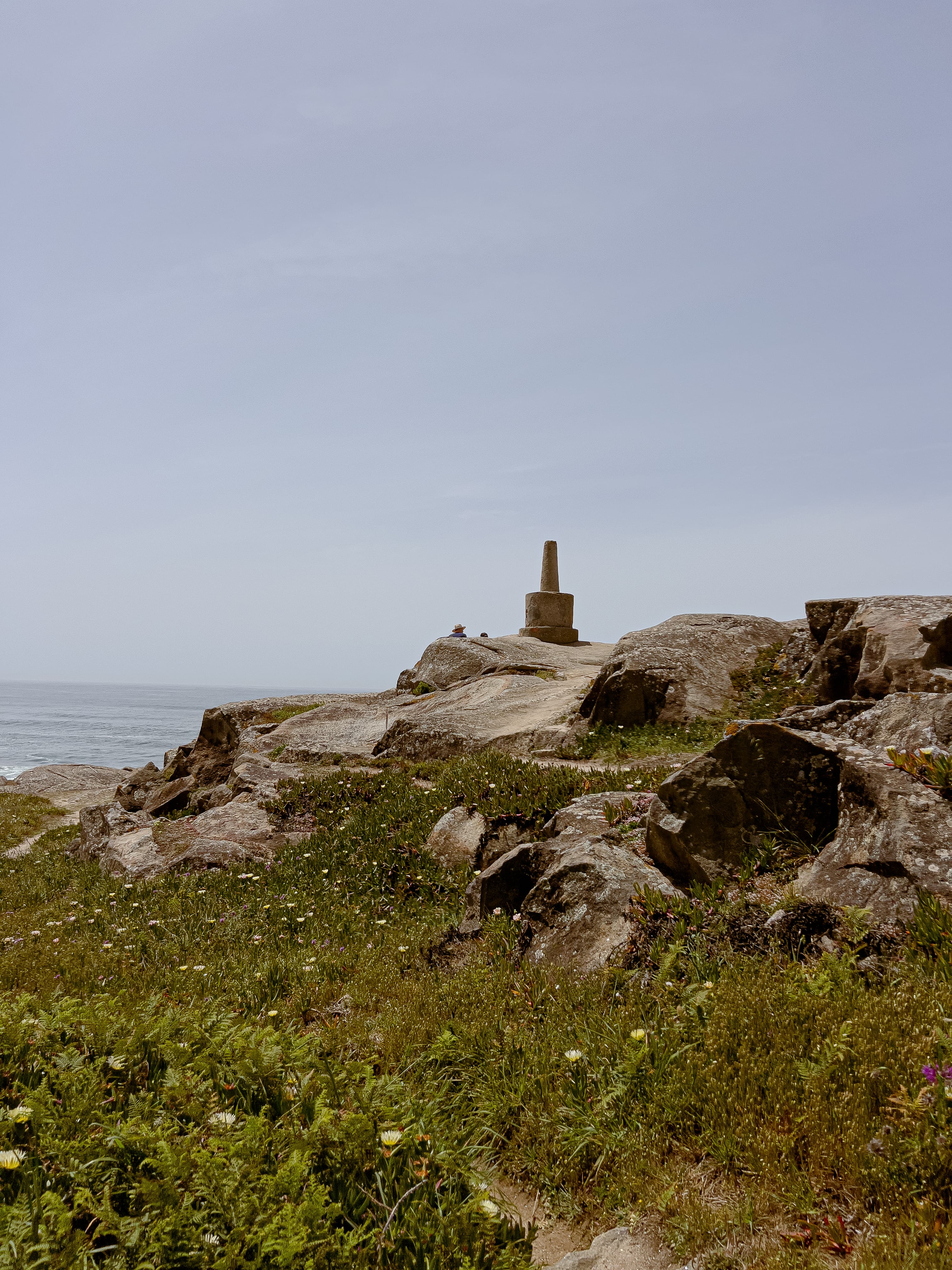
The route: Leaves Porto via the coastal Litoral boardwalks, passes Foz do Douro at the river mouth, follows the Atlantic north. Flat, scenic, light on pilgrim traffic.
Stay* — Vila do Conde: HI Vila do Conde – Pousada de Juventude · €25/night
Day 2
Vila do Conde → Esposende
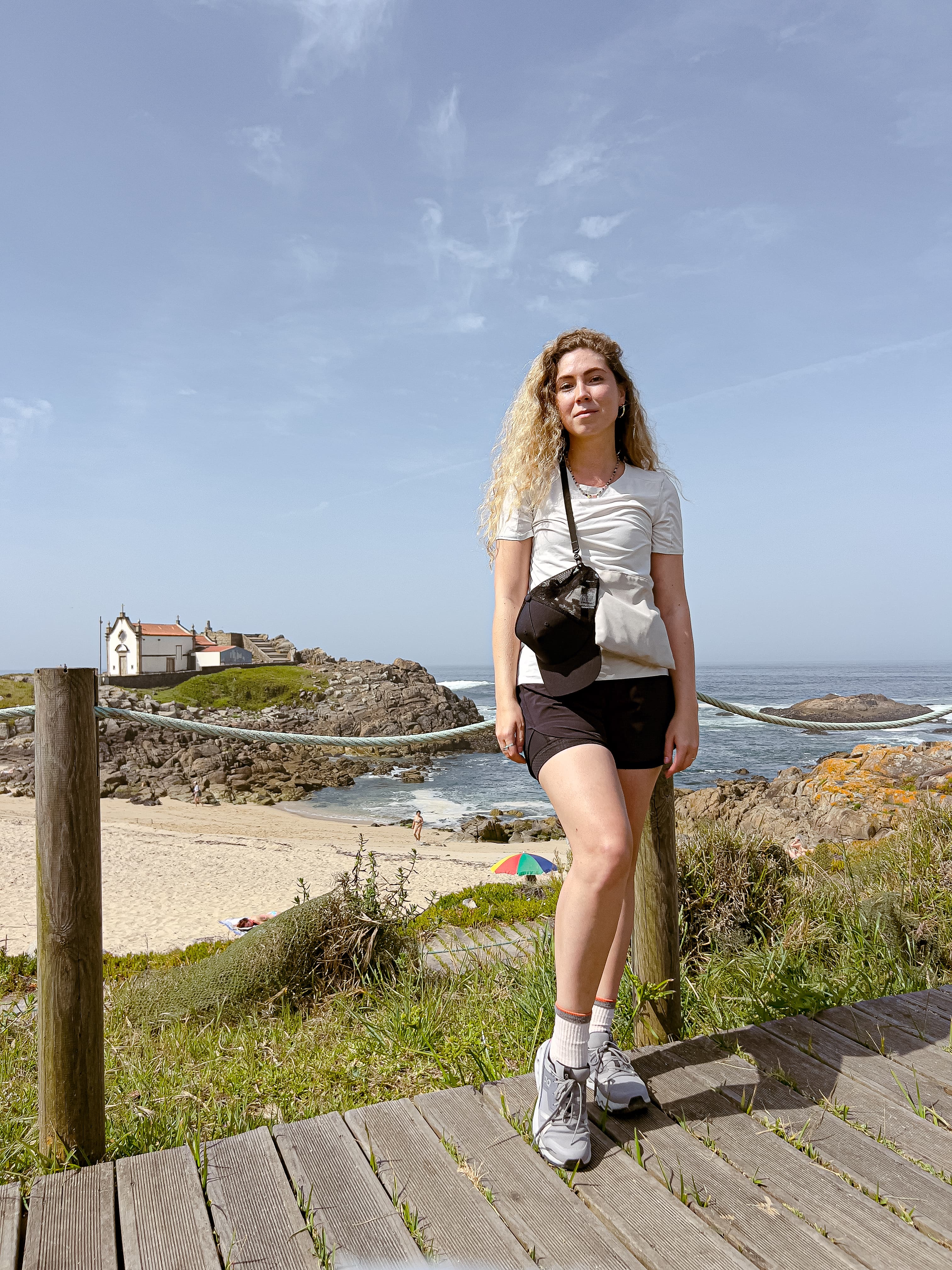
24 km · Coast Day 2
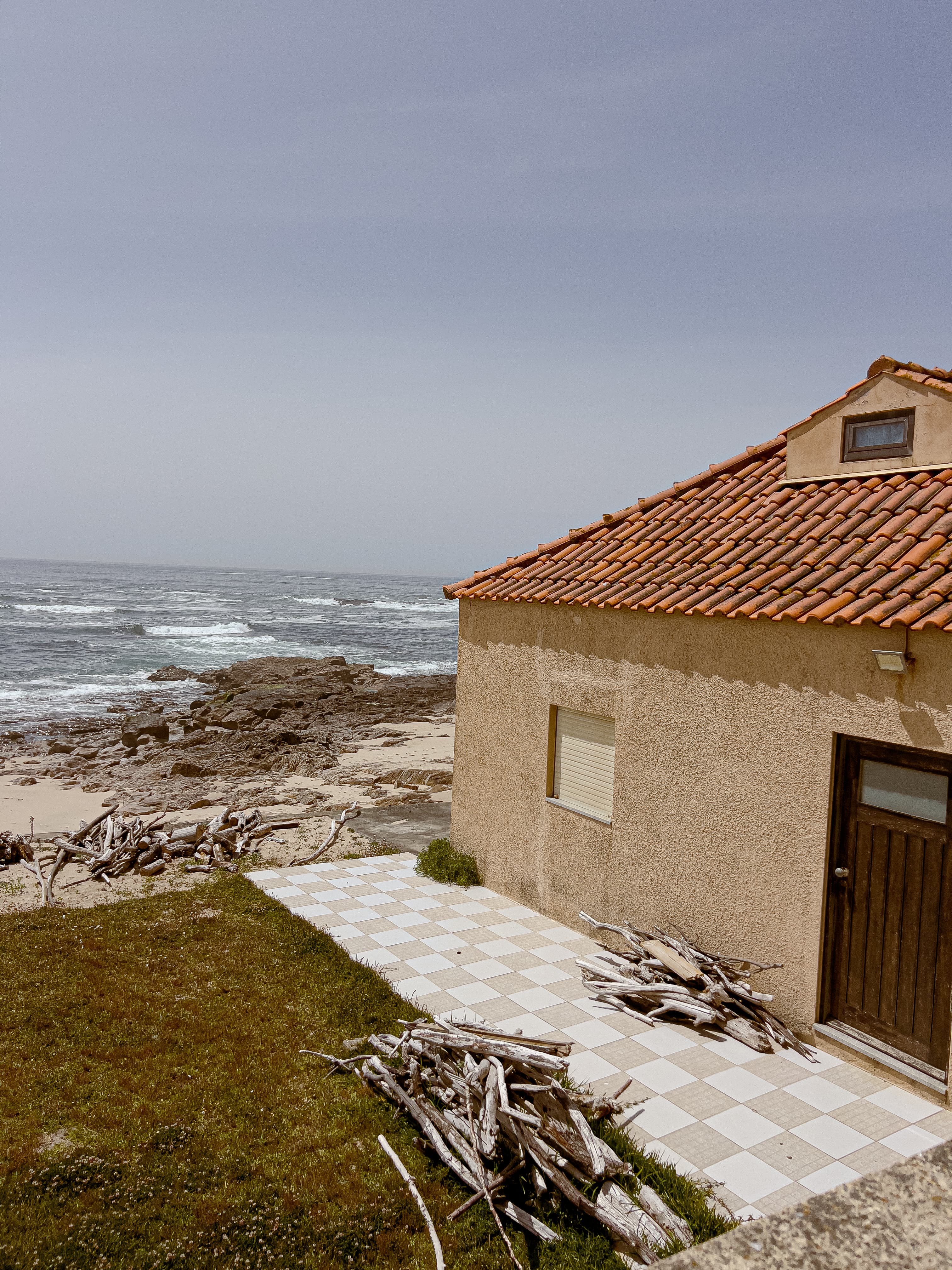
The route: Continues north along the coast, through pine forest and boardwalk sections. Fão is a stop just before Esposende — small fishing village, home of the clarinhas.
Side Quest: The Clarinhas of Fão
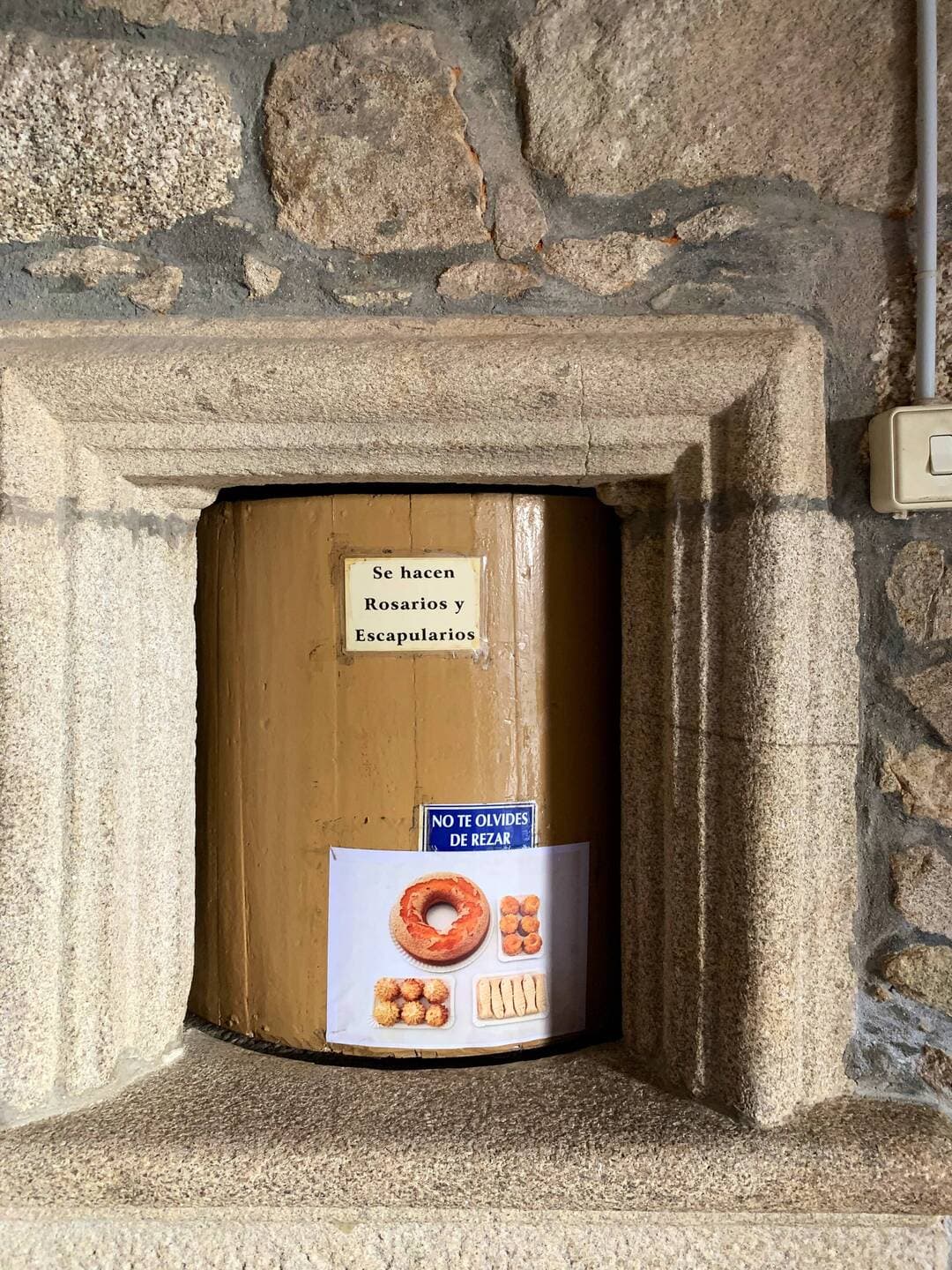
Fão is where the clarinhas come from — a small rolled pastry dusted in sugar, tied to the Convento de Santa Clara in nearby Vila do Conde (founded 1318). The nuns made them; “clarinhas” means “little Claras.” The convent was suppressed in 1834 but the recipe survived in the local bakeries. You won't read about this in any guidebook. The bakeries in Fão still make them. Get them warm.
Stay* — Esposende: Hostel do Alto
Day 3
Esposende → Viana do Castelo
25 km · Riverside town, Day 3
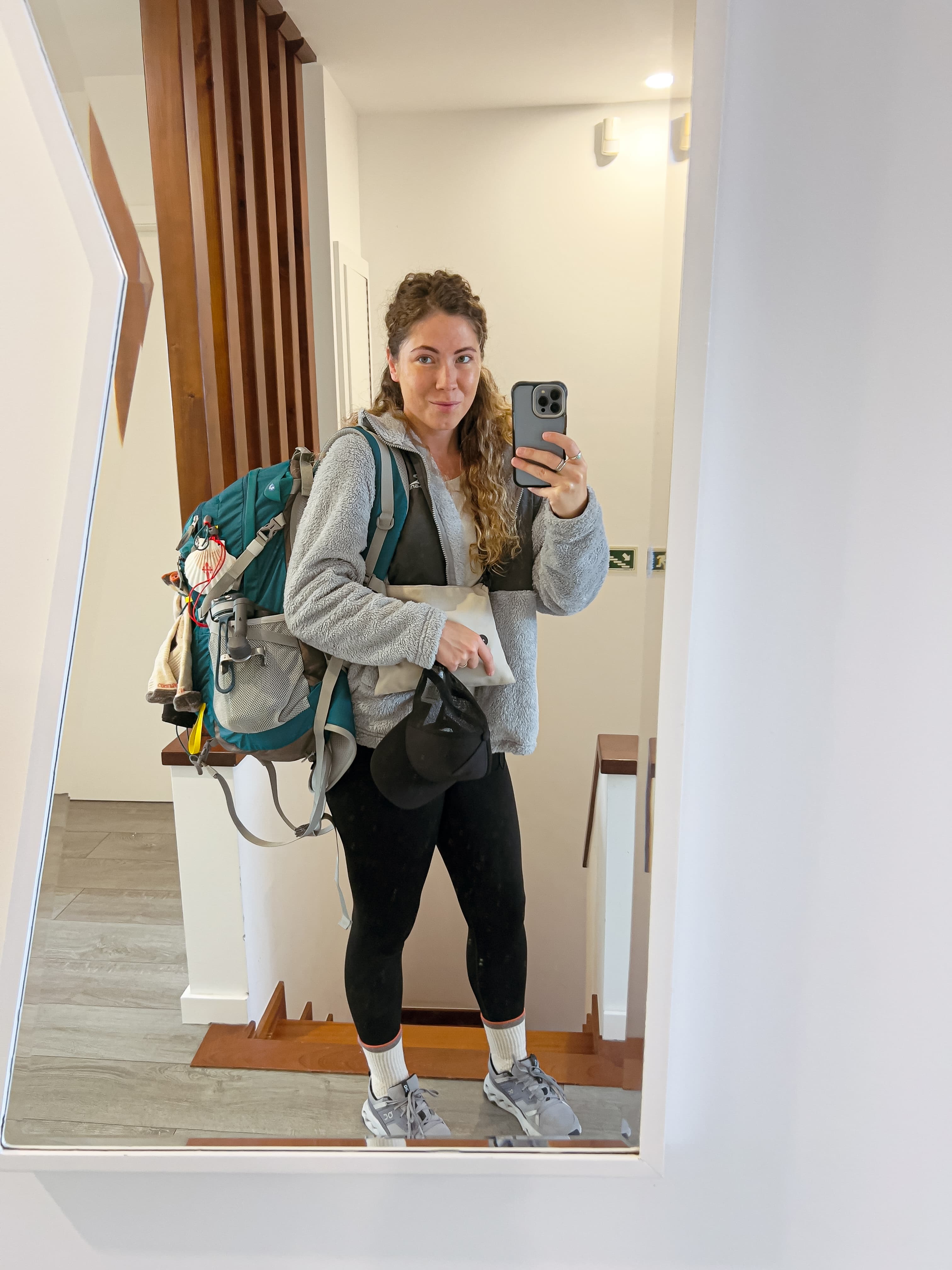
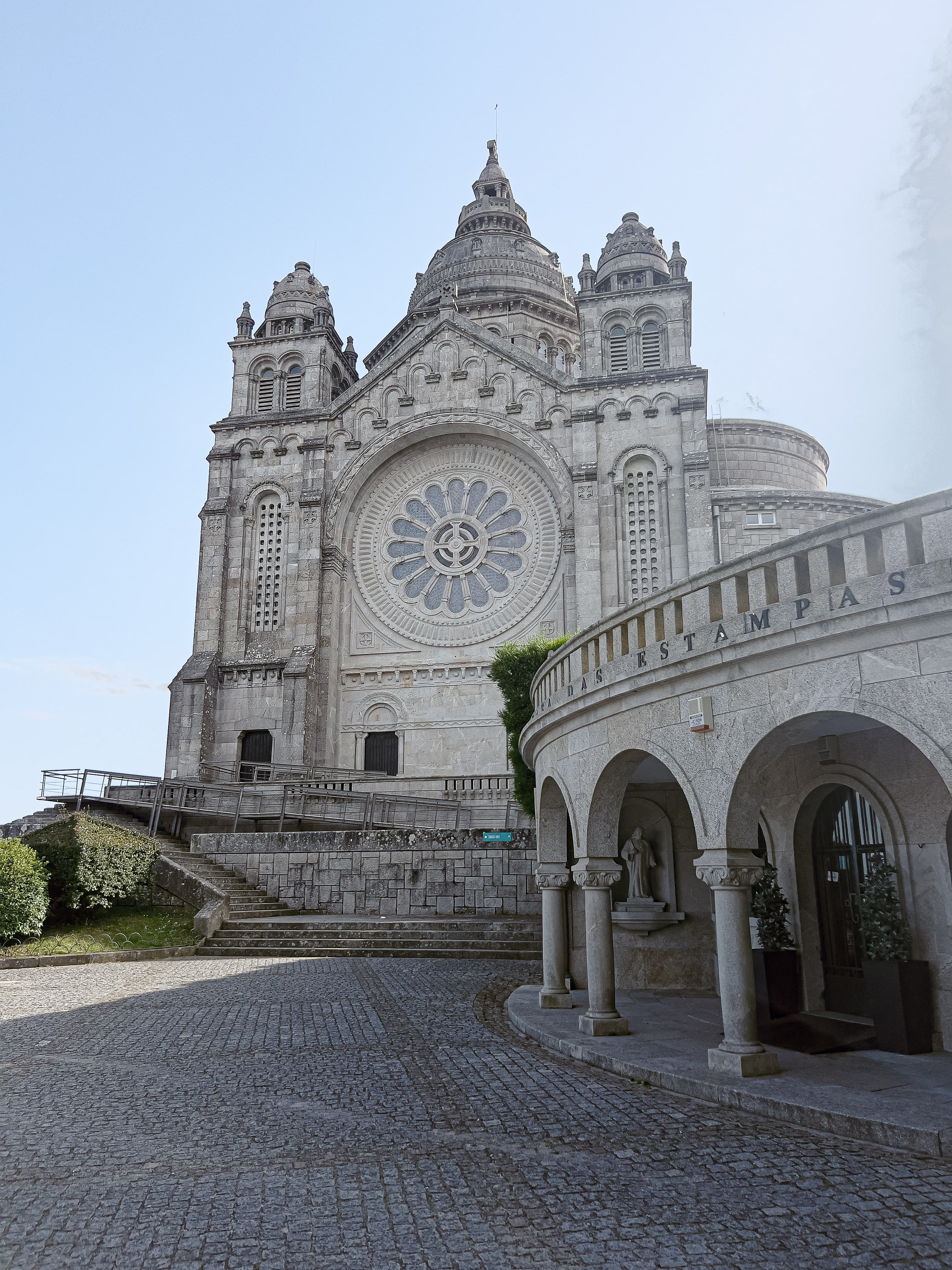
The route: Last full coastal day. Ends in Viana do Castelo, a proper town on the Lima river with a basilica (Santa Luzia) visible from miles out. One of the most beautiful arrivals on the Portuguese coastal section.
Stay* — Viana do Castelo: Albergue de Santa Luzia – Peregrinos de Santiago
Day 4
Viana do Castelo → Train → Valença → Tui
Rest day — 31 min train, then cross into Spain
This day is a transition. You take the Renfe Celta train from Viana do Castelo to Valença (€6.05, 31 min — book at venta.renfe.com, departure 09:28). Then you walk across the International Bridge into Tui, Spain. The bridge walk is one of the best moments of the whole route — the Minho river below you, Tui's medieval walls ahead.
Tui is a rest day. The town is small, walled, beautiful. Find the Cathedral, eat a pilgrim lunch, let your feet recover. Tomorrow the Compostela clock starts.
Stay* — Tui: Albergue Villa San Clemente
Day 5
Tui → O Porriño → Mos → Redondela
28 km · Routes converge · Compostela Day 1
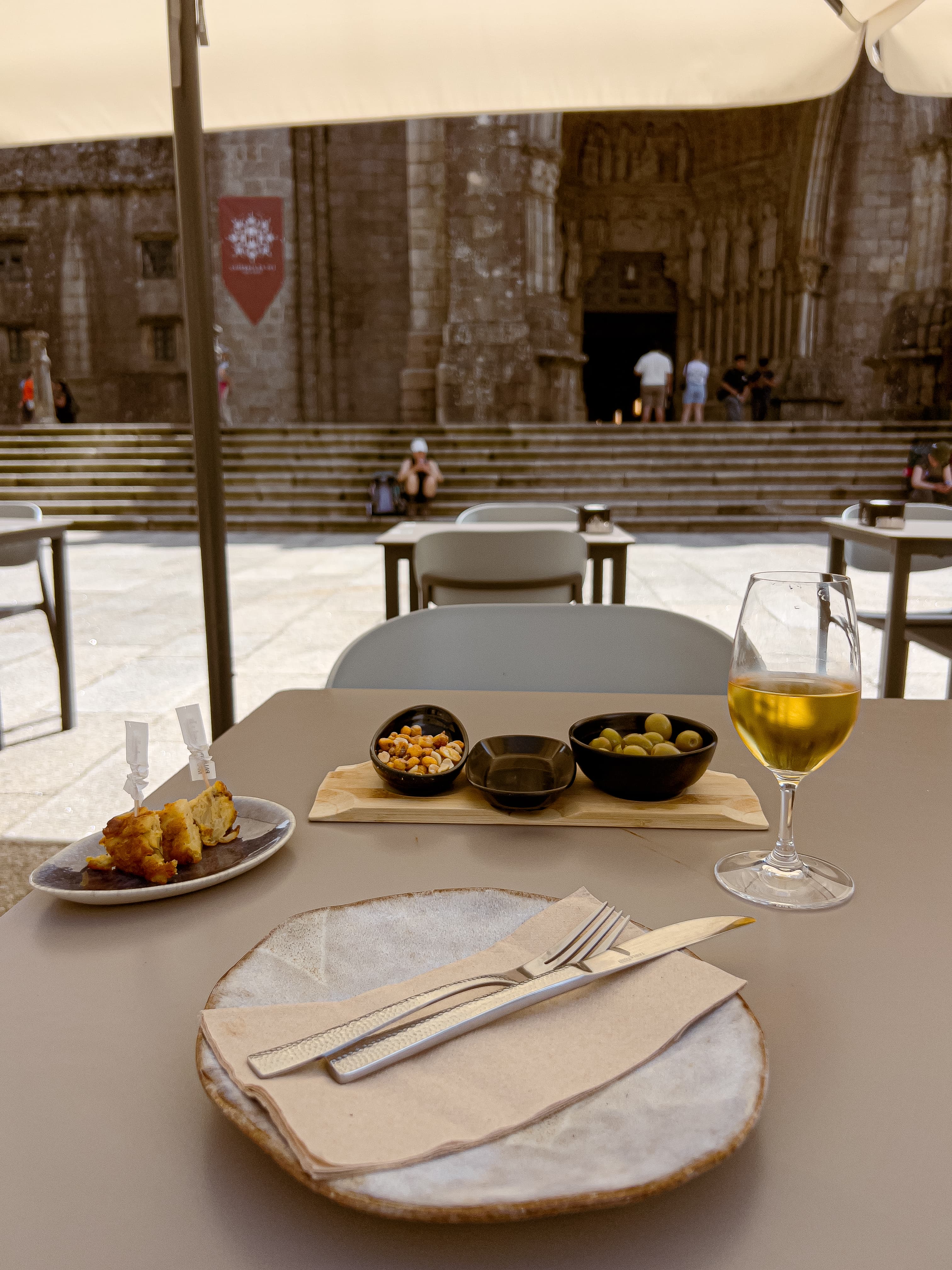
The longest day. This is where the coastal and central routes merge — Redondela is the convergence point, and from here to Santiago everyone is on the same road. You'll feel the pilgrim numbers increase noticeably.
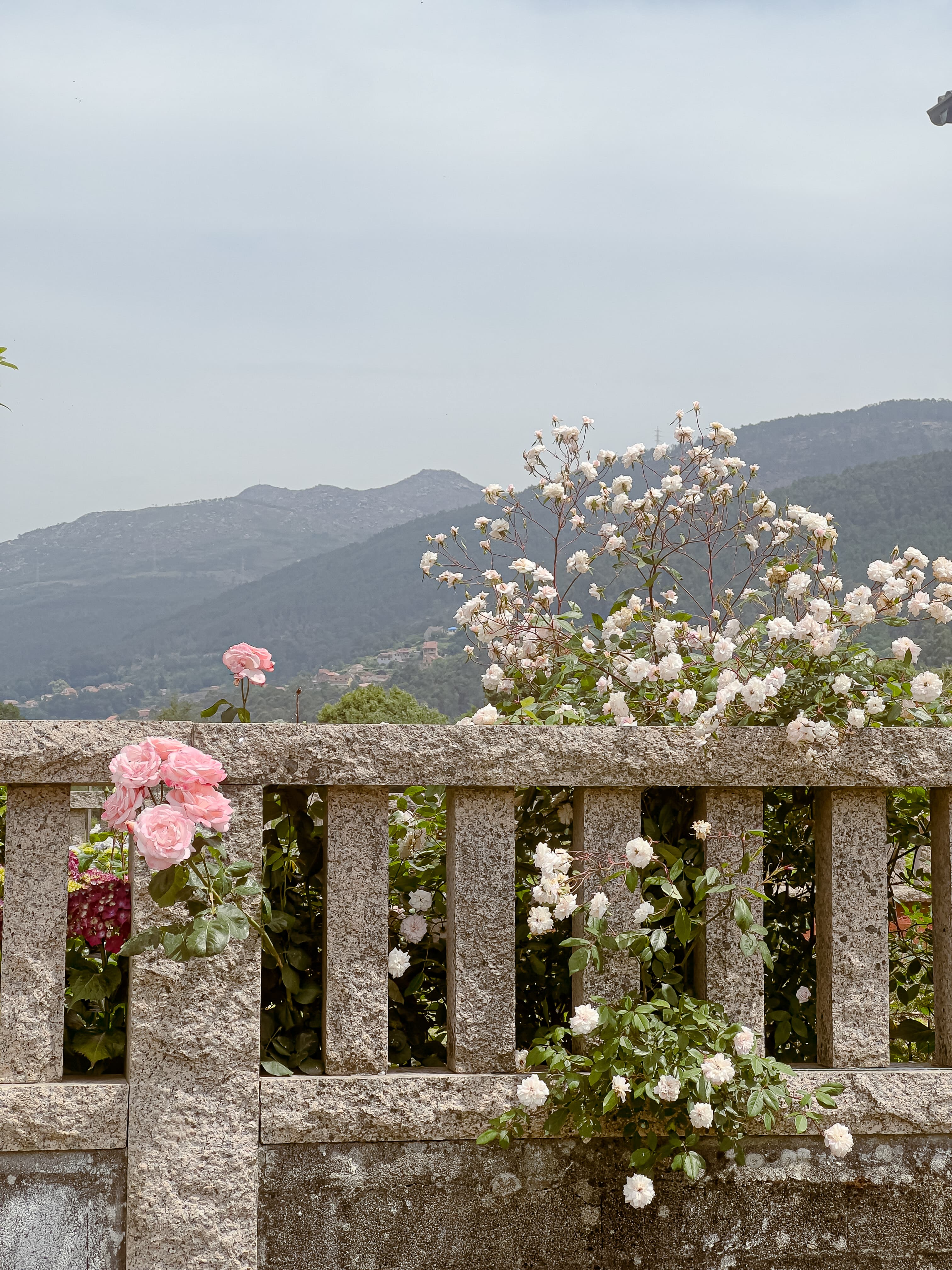
The landscape shifts from coastal Portugal to Galician interior — granite, eucalyptus forests, stone granaries (hórreos) in village squares.
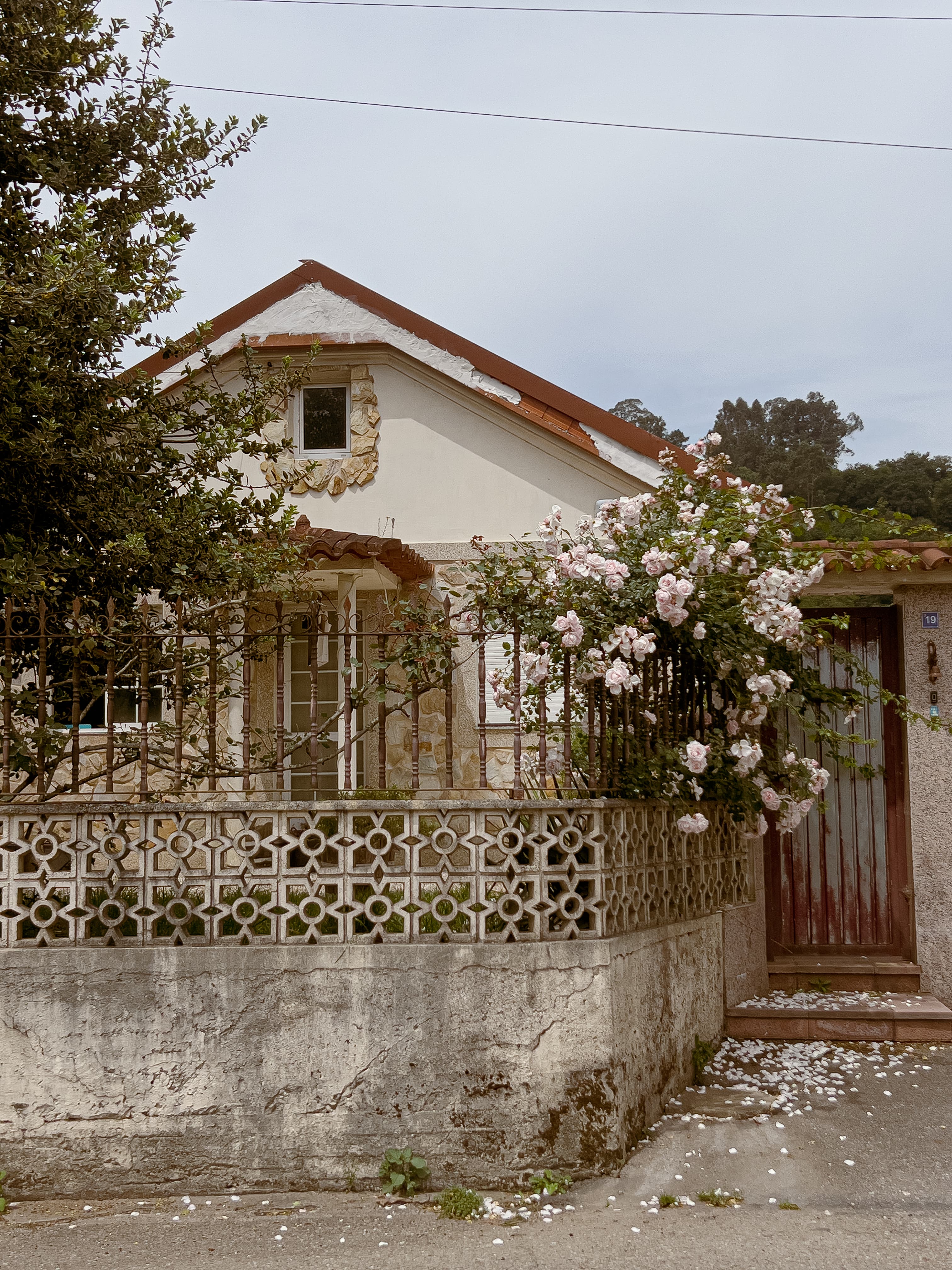
Stay* — Redondela: A Darsena do Frances — a very cute small albergue with a great garden with a view to chill and sunbathe.
Day 6
Redondela → Arcade → Pontevedra
20 km · Oyster lunch in Arcade · Compostela Day 2
A shorter day — and one of the best for eating. Arcade is famous for its oysters. Pull up a plastic chair at a market stall, order a dozen for €6–8, and eat them with lemon and cheap white wine at 11am. This is not optional.
Pontevedra is the largest town between Tui and Santiago. It's genuinely beautiful — a medieval old town mostly car-free, good restaurants, and enough pilgrim infrastructure that you can rest without effort.
Stay* — Pontevedra: I stayed at Bulezen Urban Hostel — it's huge, 22 bunkbeds per room, the night wasn't smooth. Where I actually wanted to stay: Hostel Charino, but it was fully booked. Book Charino early.
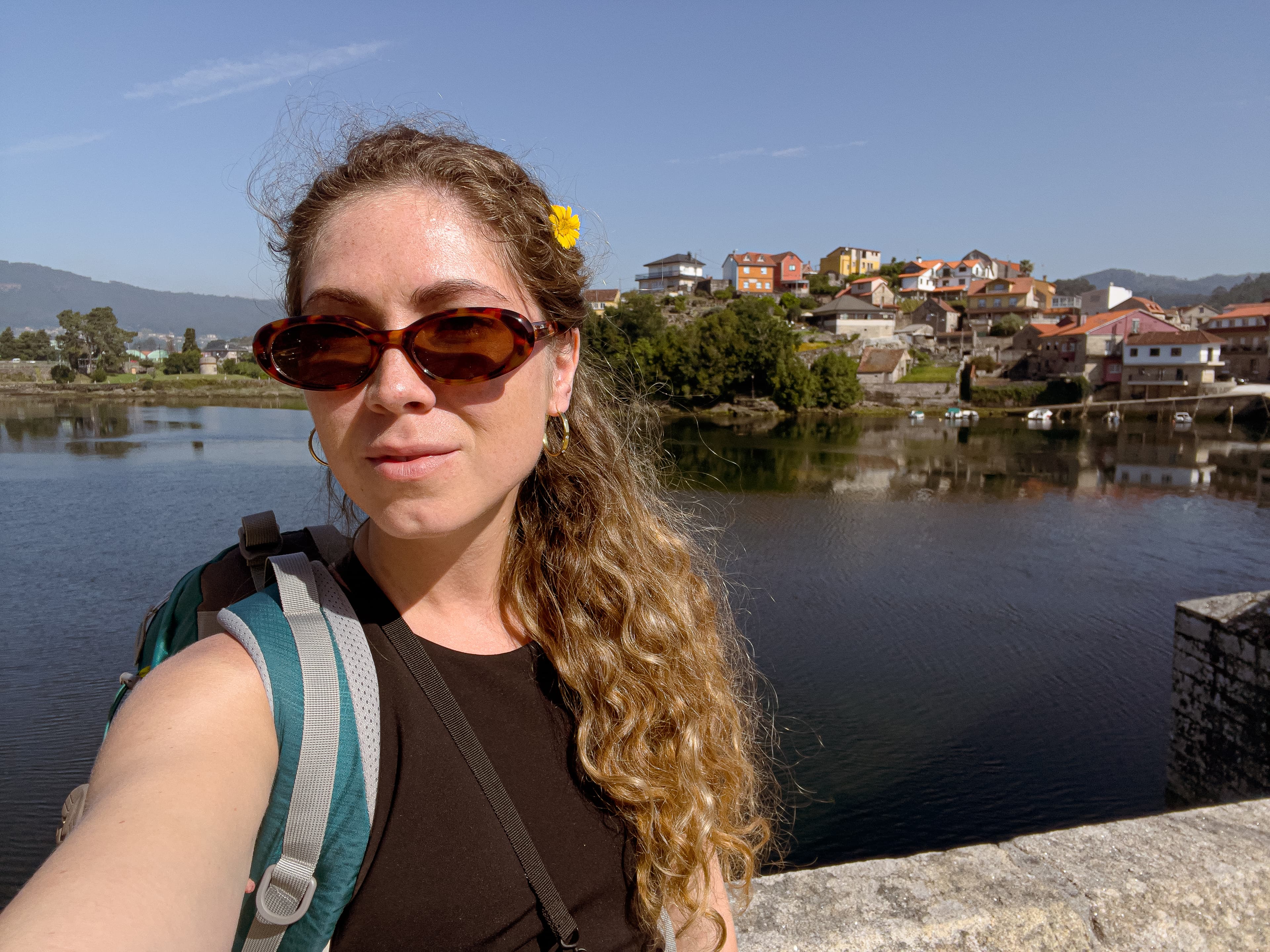
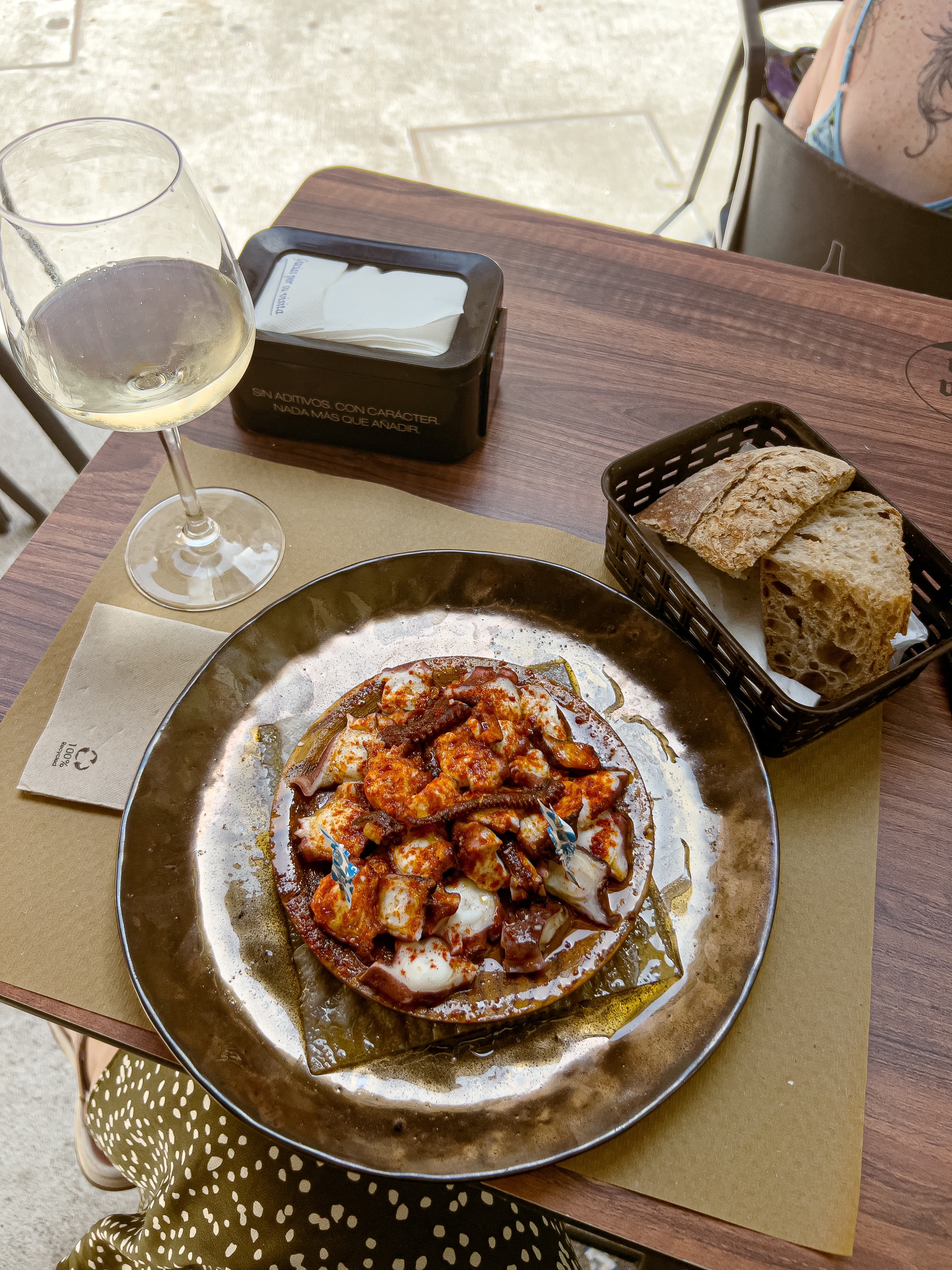
Day 7
Pontevedra → Caldas de Reis
21 km · Hot springs · Compostela Day 3
Caldas de Reis means “hot springs of the kings.” The thermal waters run through the town. Most pilgrims soak their feet in the public fountain on arrival. Do this.
Stay* — Caldas de Reis: Therma Pilgrim Hostel — small, cozy, and genuinely lovely. Recommended.
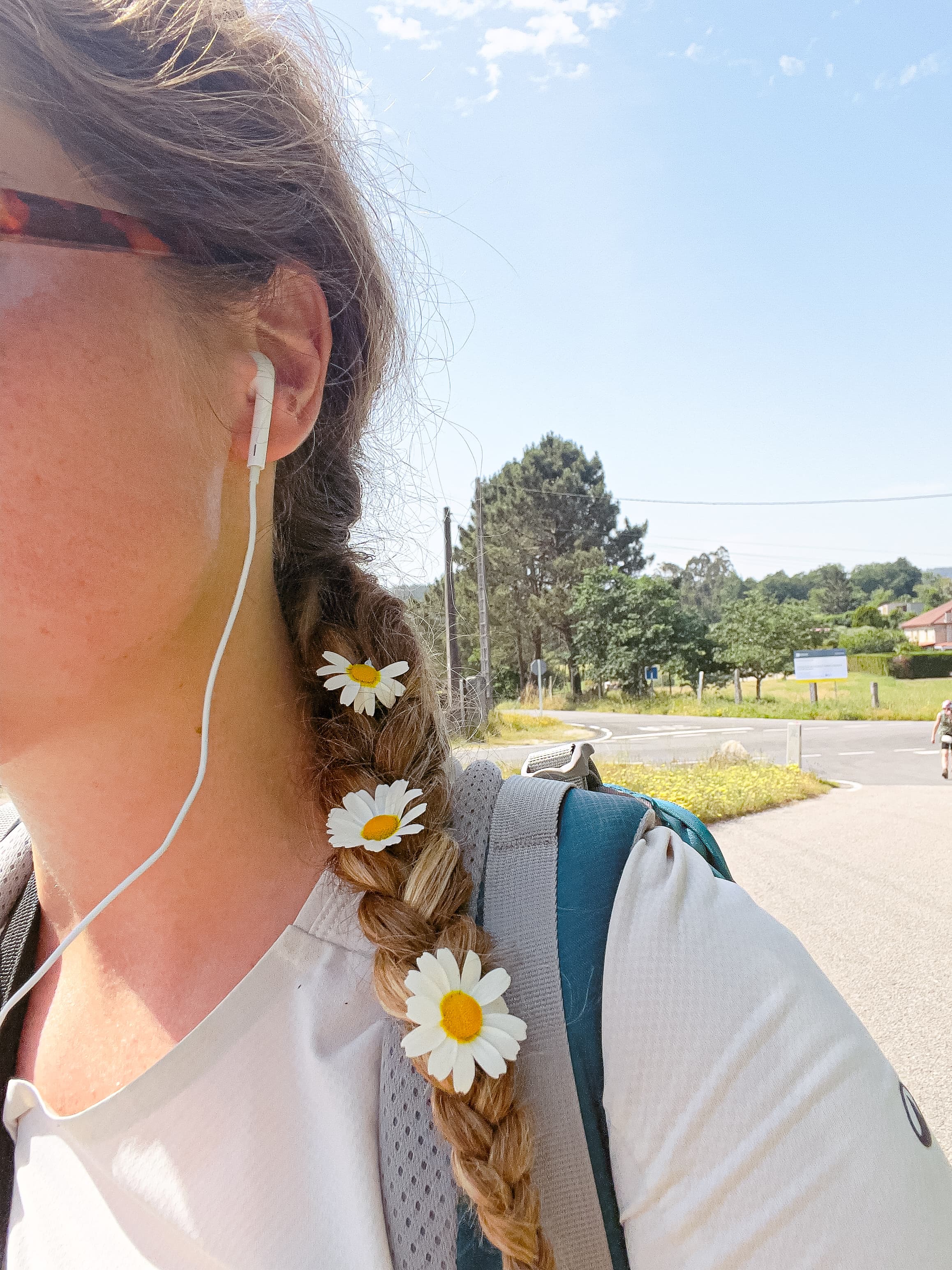
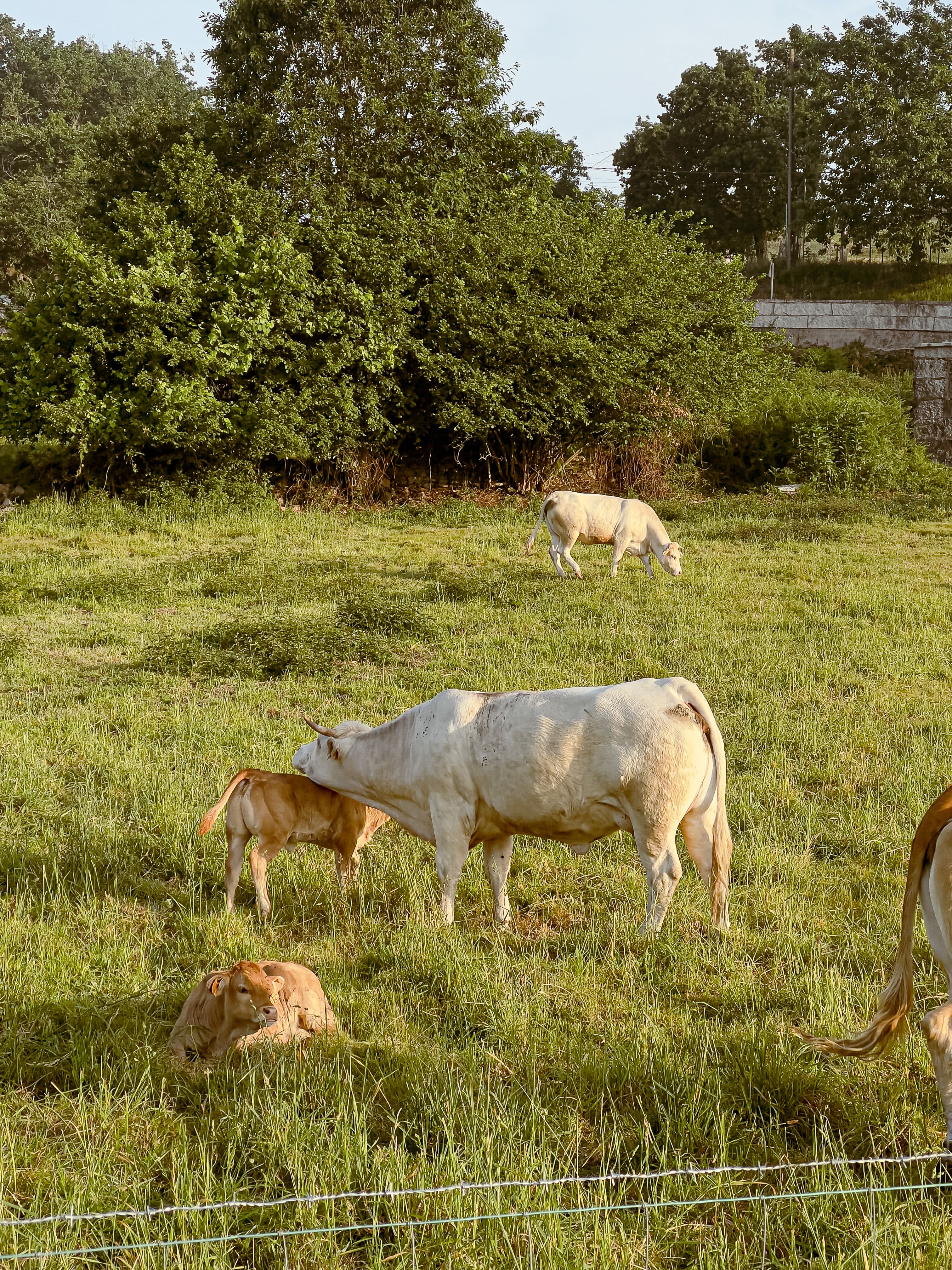
Day 8
Caldas de Reis → Padrón
18 km · Padrón peppers · Compostela Day 4
Padrón is where the peppers come from — pimientos de Padrón, the small green peppers fried in olive oil and salt that you've eaten at every tapas bar in Spain. One in ten is spicy. No way to tell which one until you bite it.
Padrón is also a significant stop on the Camino — it's where Saint James's body allegedly arrived by boat before being carried to Santiago. The church of Santiago in Padrón has one of the best stamps on the route.
Tomorrow is the last day. Pack the night before.
Stay* — Padrón: Albergue con encanto d'camiño — small, great location.
Day 9
Padrón → Santiago de Compostela
25 km · The last walk · Compostela Day 5
Leave Padrón at 6:30. Mostly forest paths — eucalyptus and pine, gentle climbs, quiet mornings. Then, somewhere around the final 5 km, the cathedral spires appear over the rooftops.
Aim to arrive by 13:00.
On arrival — Santiago schedule
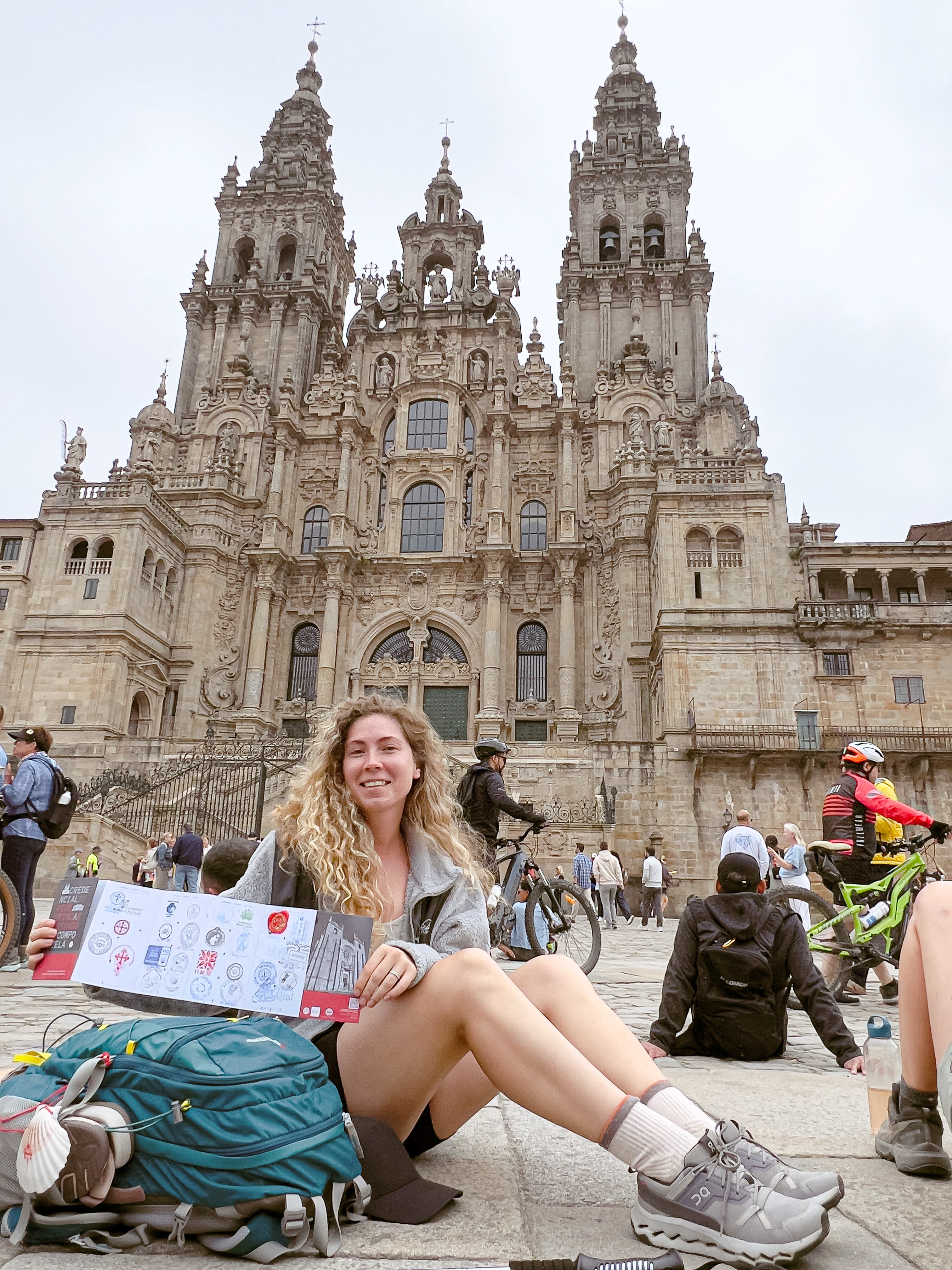
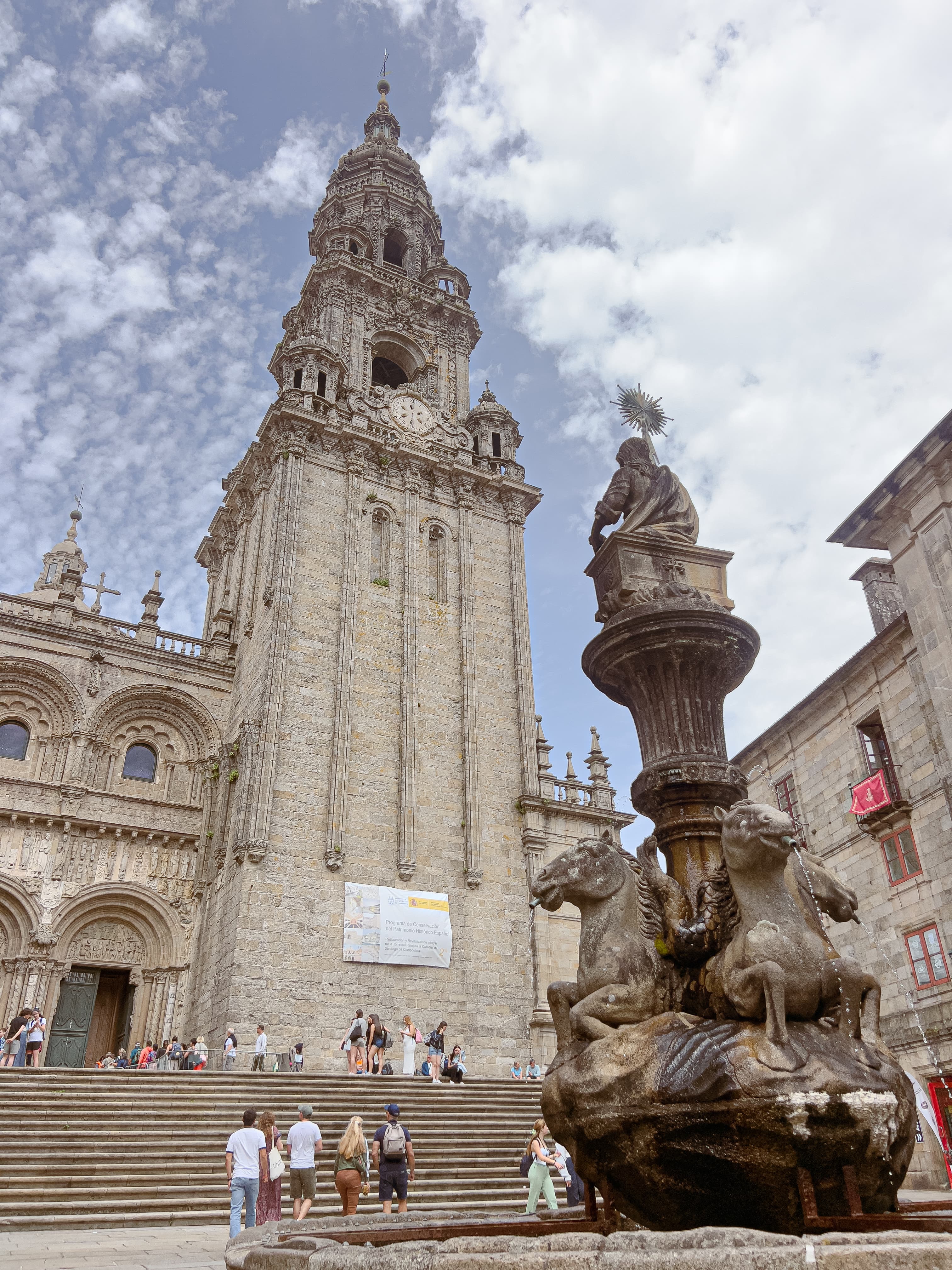
Praza do Obradoiro
Sit down in front of the Cathedral. Breathe. Take it in. You did it. This is the moment.
Pilgrim's Office, Rúa Carretas 33
Claim your Compostela. Show your credential with 2+ stamps per day from Tui to Santiago. Queue is usually 30–60 minutes.
Long lunch
Tarta de Santiago at one of the cafés on Praza do Obradoiro. Order it. You earned it.
Pilgrim's Mass at the Cathedral
Daily, free. The botafumeiro — the giant incense censer — swings on Sundays. Check the schedule on arrival for special occasions.
Old town
The medieval old town is best after the day-trippers leave. Tapas crawl on Rúa do Franco. Celebrate however feels right.
Stay* — Santiago de Compostela (2 nights — book May 29 + 30)
| Accommodation | Price | Notes |
|---|---|---|
| Albergue Seminario Menor La Asunción | €22–24 dorm / €26–84 private | Historic, 169 beds. Avenida Quiroga Palacios 2-A |
| The Last Stamp | €20–26 dorm | Central boutique pilgrim hostel, 62 beds. Rúa do Preguntoiro 10 |
| Hospedería San Martín Pinario | €80+ private | Splurge. 16th-century monastery. Praza da Inmaculada 3 |
Book Santiago a week ahead — and book 2 nights. You will want the rest day.
Day 10
Santiago, Rest Day
No walking. Cathedral again in the morning when it's quiet. Mercado de Abastos for breakfast — the covered market, open since 1941, best octopus in the city. Museum of the Pilgrimage if you want context for what you just did. Wander. Eat. Sleep early.
Accommodation List
Where I stayed (or wished I had) — every stop on the route, in order. All links go to Booking.com.
Day 1 — Vila do Conde
HI Vila do Conde – Pousada de Juventude
€25/night dorm
Day 2 — Esposende
Hostel do Alto
Popular with pilgrims — hangout backyard, good spot to connect
Day 3 — Viana do Castelo
Albergue de Santa Luzia – Peregrinos de Santiago
Renovated, privately owned, attached to the church — genuinely cute
Day 4 — Tui
Albergue Villa San Clemente
Centuries-old property with a big backyard to chill and sunbathe
Day 5 — Redondela
A Darsena do Frances
Cute little farm-stay with small rooms and a lot of outdoor space
Day 6 — Pontevedra
Hostel Charino
Book early — fills fast
Day 7 — Caldas de Reis
Therma Pilgrim Hostel
Small, cozy — recommended
Day 8 — Padrón
Albergue con encanto d'camiño
The smallest albergue on the route — right next to the convent
Day 9–10 — Santiago
The Last Stamp
€20–26 dorm · Central boutique pilgrim hostel, 62 beds
Day 9–10 — Santiago
Albergue Seminario Menor La Asunción
€22–24 dorm / €26–84 private · 169 beds, historic building
Day 9–10 — Santiago (splurge)
Hospedería San Martín Pinario
€80+ private · 16th-century monastery
The Credential and Stamps — How It Works
The credential is your pilgrim passport. Pick it up at Porto Cathedral on prep day for €2.
Where to get stamps (sellos / carimbos)
Almost any pilgrim-facing business will stamp it. Just hand it over and say Sello, por favor (Spain) or Carimbo, por favor (Portugal).
- •Albergues and hotels — automatic on check-in
- •Cafés and restaurants — ask when you order
- •Churches and cathedrals — Tui, Pontevedra's Virxe Peregrina, and Padrón's Santiago church all have beautiful unique stamps
- •Tourist offices, town halls, pharmacies, even some museums
The minimum rule (updated 2025)
From Tui onwards: 2 stamps per day, minimum. The Pilgrim's Office checks. Easy habit: stamp at your albergue when you wake up, stamp at your first morning café. Done by 9am. Many pilgrims collect 4–6 a day — each is unique, dated, and the credential becomes a keepsake.
Practical: start stamping on prep day in Porto — Cathedral + a café. Gets you into the habit and makes a nice opening page.
Tips From The Trail
- 1.
Bring cash and budget around €55–60 per day.
Most albergues, small cafés, and pilgrim menu restaurants along the route are cash only — especially once you leave Porto and move into smaller towns. Your daily spend will cover accommodation (€15–35 depending on whether you book a dorm or private room), two to three meals, coffee stops, and the occasional cold drink you absolutely deserve after hour five. Don't rely on finding an ATM when you need one — withdraw before you leave a bigger town.
- 2.
Change your socks every few hours and dry them on your backpack.
This is the single most effective thing you can do to prevent blisters. Clip your worn pair to the outside of your backpack and let them dry in the sun while you walk — by the time you stop for lunch they're ready to rotate back in. Three pairs is enough if you're doing this properly.
- 3.
Send your backpack ahead on your longest days.
The backpack delivery service (mochila transfer) runs between most albergues along the route for around €5–8 per stage. On days over 25km it's genuinely worth it — the pack is the first thing that drains you on a long stretch, and walking without it feels like a completely different experience. Book it the evening before at your albergue reception.
- 4.
Pre-book about 80% of your accommodation, but leave some nights open.
Booking everything in advance gives you peace of mind and means you're not queuing for a bed at 6pm after a 28km day. But leave a couple of nights unbooked — you will hear about a great albergue from other pilgrims on the road and you'll want to be able to go. The Camino has a way of pointing you somewhere unexpected and it's worth being able to follow that.
- 5.
Start walking early — before 7am if you can.
The first few hours of the morning are the best hours on the Camino. The light is different, it's cooler, the route is quieter, and you'll arrive at your destination with enough afternoon left to actually enjoy it. Starting late means walking in peak heat and arriving to find the best spots already taken.
- 6.
Take an Uber or taxi when you genuinely need to — no guilt.
The Camino is not a competition and nobody is keeping score. If you've already walked 25km and your albergue is up a steep hill, get in a car. If you're having a rest day and need to skip a stage by train, do it. Being realistic about your body is what keeps you walking the next day, and the day after that.
- 7.
Wear your sandals for the last few kilometres of each day.
Switching from walking shoes or boots to sandals for the final stretch gives your feet a completely different kind of support and lets them breathe. It sounds small but after 20km it makes a noticeable difference. Lightweight packable sandals add almost nothing to your bag weight and are worth every gram.
- 8.
Stop every hour — even when you don't feel like you need to.
Put the backpack down, stretch your hip flexors, drink water, look around. You don't need to stop for long — ten minutes is enough. Pilgrims who skip breaks because they feel fine in the morning are usually the ones who hit a wall at hour five. Consistent small breaks keep your pace steady across the whole day.
- 9.
The pilgrim menu is always the right choice.
Almost every café and restaurant along the route offers a pilgrim menu for around €12–15 — typically a starter, main, dessert, bread, and a drink. It's almost always generous, filling, and significantly better value than ordering à la carte. Ask for it by saying "menú peregrino" and you'll rarely be disappointed. The bacalhau à brás at a small tasca will beat a tourist restaurant in Porto every time.
- 10.
Talk to people — but also protect your solitude.
The Camino has a social energy unlike anything else, and some of the best conversations you'll have in your life happen on this road. But it's also one of the rare opportunities to spend long stretches completely alone with your thoughts, your music, your audiobooks. Both are valid. You don't have to choose — some days you'll walk with someone for hours, other days you'll have your headphones in from start to finish, and both versions are exactly right.