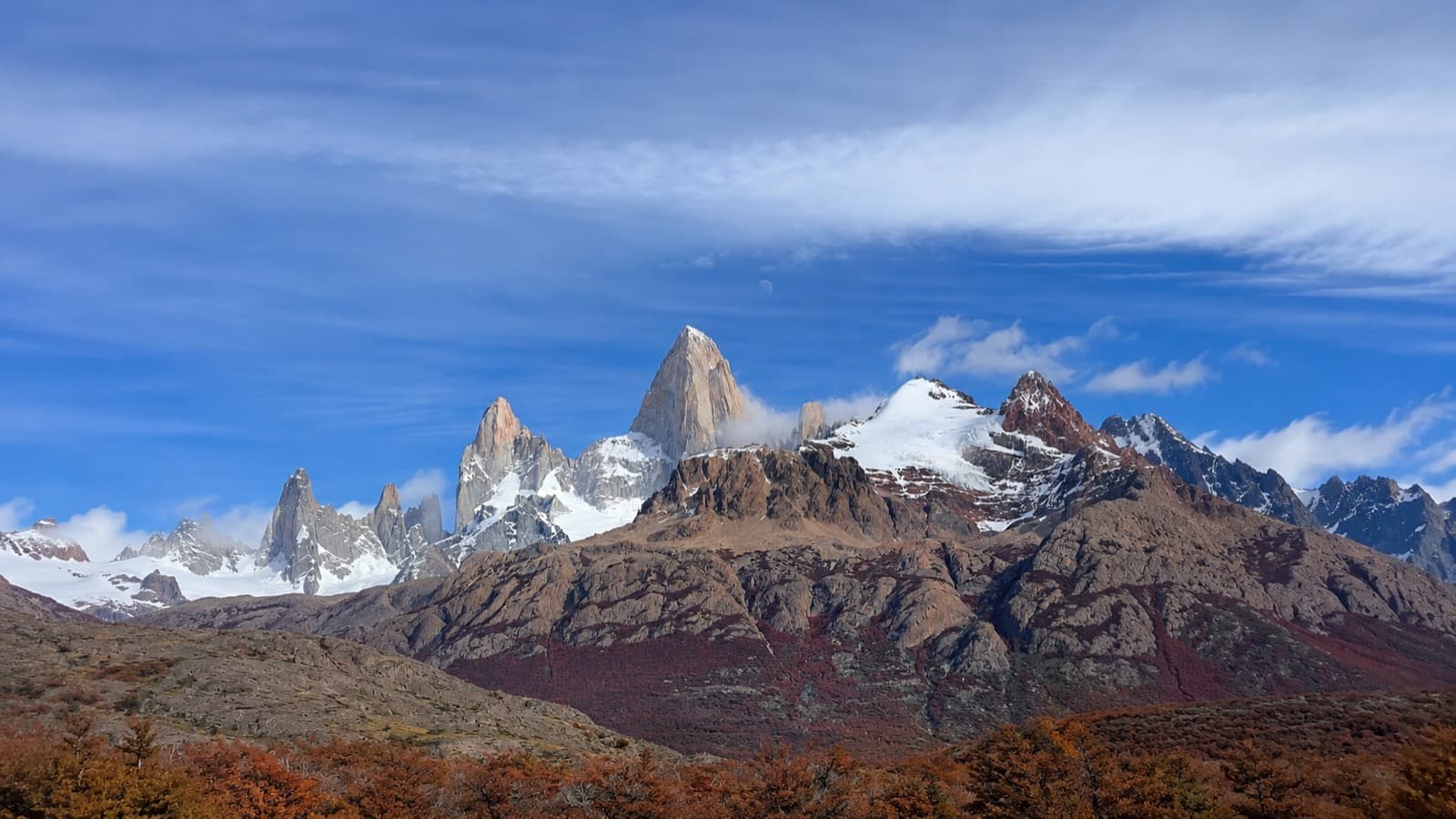
The 7-Day Argentine Patagonia Itinerary: Glaciers, Guanacos and Hikes in Natural Reserves
July 10, 2026 · Updated October 8, 2026
This 7-day Argentine Patagonia itinerary splits one week between two base towns: El Calafate for the glaciers, and El Chaltén for the mountains. You drive Route 40 north between them, then loop back. Sharing with you my exact itinerary that I did this April: honest review and practical tips that will save you time and money.
At the beginning of this year, I had an intention and a plan to spend a long six months in Latin America — and even though I'm now convinced it wasn't enough, I got a good gist and taste of this continent. When I landed in Buenos Aires, Argentina, I knew two things: I wanted to stay 2.5 months in the city, and I had a spare week to explore elsewhere. It didn't take long to decide on Patagonia.
When you think of Argentine Patagonia, what comes to mind is a landscape of mythic proportions: monolithic granite spires cutting into steel-gray skies and massive walls of blue glacial ice calving into pristine lakes. Like many travelers, I assumed that experiencing this edge-of-the-world wilderness required weeks of roughing it. I didn't have much time, and I was committed to making it work anyway. After hours of research, I put together the itinerary that fits the most important landmarks and activities. If you're in search of a short-but-fit-it-all travel plan, read on.
Itinerary
- Laguna Nimez Reserve — flamingos and foxes
- Perito Moreno Glacier hike with crampons
- Mirador de los Cóndores
- Laguna de los Tres — the Fitz Roy ridge hike
- Estancia Los Huemules — Glaciar Huemul
Is Argentine Patagonia Safe for Travelers?
Yes — El Chaltén and El Calafate are very safe, probably the safest towns in all of Argentina. They're full of tourists, and where there are tourists there can be petty crime, so stay alert. But the real safety issues here are weather issues. Always check the forecast, and always tell someone your location before you set out.
Safety on the trail when the weather turns
- Check the forecast twice: the night before, and again the morning of. Wind is the number the locals watch, not temperature.
- Tell your accommodation your route and your expected return time. There's no cell coverage on the trails, so nobody will notice you're missing unless someone was expecting you back.
- Start early. Wind usually builds through the afternoon, and the exposed sections are worst late in the day.
- Layer, and make the outer layer windproof. Skip cotton entirely — once it's wet it stays wet, and that's how hypothermia starts.
- Carry more water and food than you need. There are no shops, huts or taps on these trails.
- Download offline maps before you leave town. Maps.me (opens in new tab) or Google Maps offline both work. There's no signal between towns or on the trails.
- Sun protection, even when it's cold. The UV this far south is stronger than the temperature suggests.
- Turn back if the weather turns. The last kilometre to Laguna de los Tres is steep, loose, and fully exposed — not the place to be caught in a storm. The mountain will still be there tomorrow.
Best Time to Visit Argentine Patagonia
The warmest — and busiest — season is the EU and US winter months: December, January, February. Highs reach 15°C to 20°C (59°F to 68°F), with up to 15 to 18 hours of daylight. It's also peak pricing.
Shoulder season: my recommendation
We went in April, which falls in shoulder season — and it's considered the best time for hikers and explorers. We had the greatest luck with the weather: roughly 70% of the time it was bright and sunny, and only on a few days did we have to adjust plans because of rain. Be prepared for colder nights (layers helped a lot).
That's the best time to experience Patagonia without crowds and inflated prices, and to see it in autumn colors. One thing to know: Patagonia has a "four seasons in one day" phenomenon. The weather can be incredibly warm and sunny one morning and hit you with a storm by afternoon. Plan around it, not against it.
The Perfect 7-Day Argentine Patagonia Itinerary
Before you go: one national park, one ticket
Perito Moreno Glacier, Laguna de los Tres and Laguna Torre are all part of the same national park — Los Glaciares. We didn't know that going in, and we overpaid.
Here's what you need to know: a single-day ticket only covers one entrance zone — either the El Calafate side (Zona Sur, Perito Moreno) or the El Chaltén side (Zona Norte, Fitz Roy trails). It does not cover both. Buying two separate single-day tickets across two towns is exactly the trap we fell into.
The 3-day Flexipass works across both zones and is the smarter buy if you're doing hikes in both towns. As of January 2025, prices for foreigners are: $45,000 ARS for a single day, $90,000 ARS for the 3-day Flexipass, and $157,500 ARS for the 7-day. Both multi-day passes are valid for six months and the days don't have to be consecutive — you can wait out bad weather.
The El Chaltén (Zona Norte) tickets are online only (opens in new tab). No cash accepted at the portal, and the signal at the entrance is weak enough that card payments often fail — buy it from town.
One more note: the El Chaltén entrance fee only started in October 2024. Before that, the Fitz Roy trails were free. Half the blog posts you'll read while planning still say free — that's why.
Day 1: Arrival in El Calafate and picking up the car
We arrived late at night and picked up the car from the airport. Patagonia means long stretches of road, far distances between points, and very limited taxi or public transport options — if you drive, I strongly recommend getting a rental. Most rentals in Patagonia are manual (stick shift). If you need automatic, book it the moment your flights are confirmed — automatics go first.
My general advice: pre-book the car (opens in new tab) regardless of season. You do not want to land and find there's nothing left.
Day 2: Laguna Nimez — flamingo watching and wild fox spotting
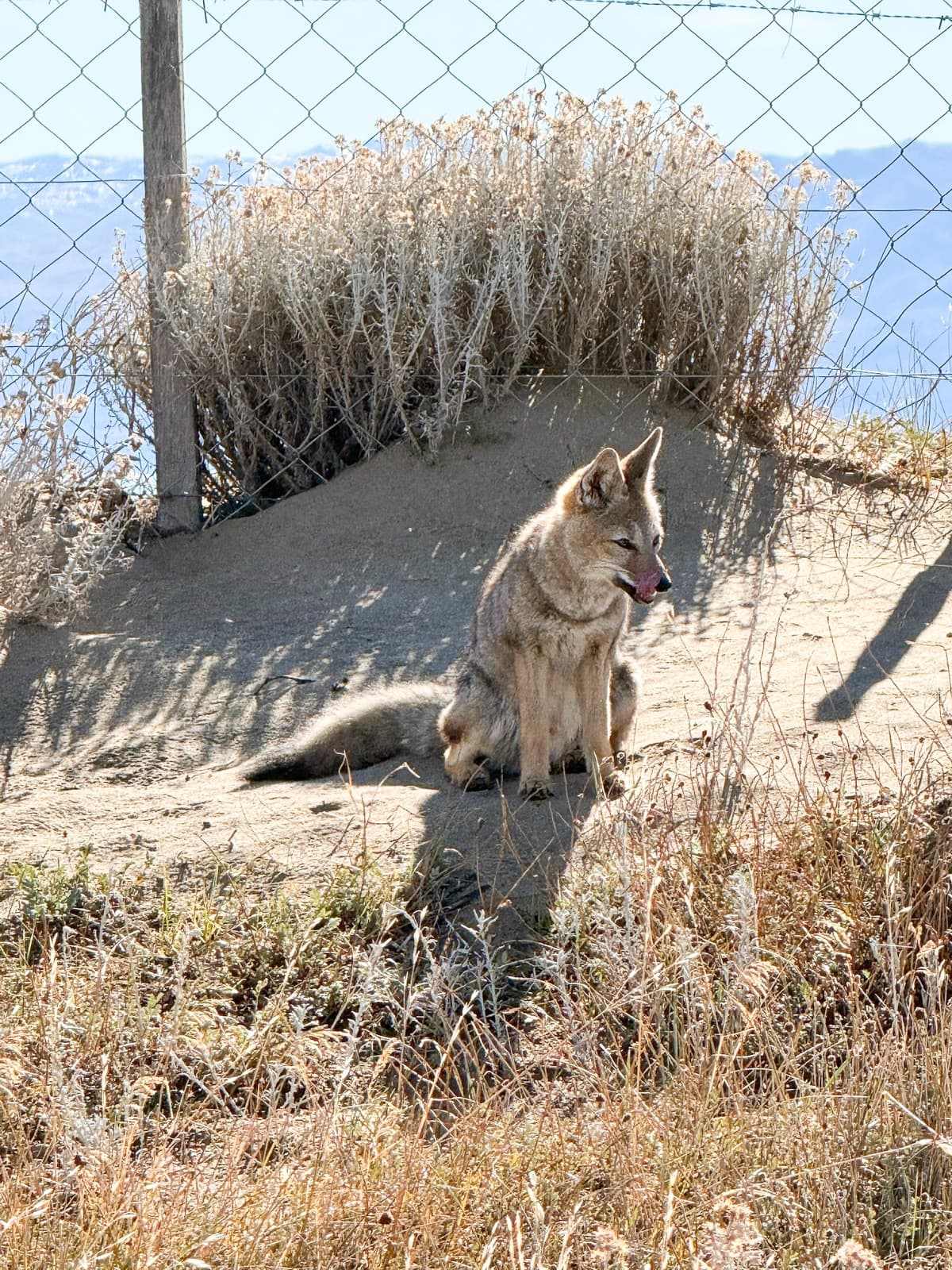
Laguna Nimez is a small wildlife reserve right on the edge of El Calafate — an easy, flat walk with flamingos, Patagonian foxes, and dozens of bird species. It's a gentle way to ease into the trip after arrival day.
Bring cash. The Laguna Nimez ticket is cash only — no cards at the gate.
Day 3: Perito Moreno Glacier
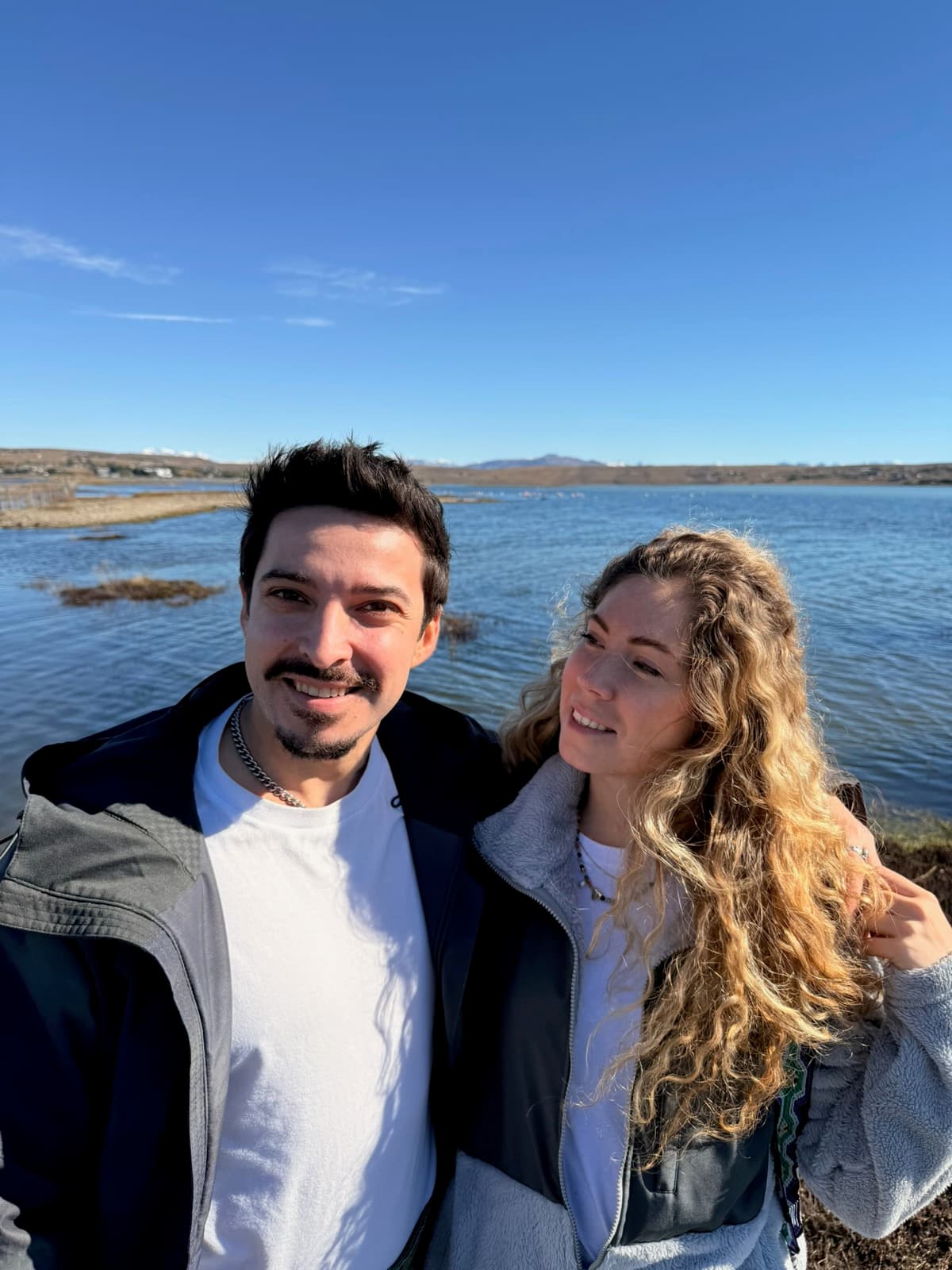
That was one of our must-see things and a standalone reason we headed to Patagonia. Growing up in Russia — even though it's cold — I'd never seen a glacier up close (only on the Discovery Channel, frankly). My Texan husband and our Colombian friend were equally excited to not only see it, but to hike it. Yes, you can actually walk on the glacier wearing crampons — it's safe, comfortable, and unlike anything else I've done. The cherry on top: a glass of whiskey chilled with 1,000-year-old glacier ice.
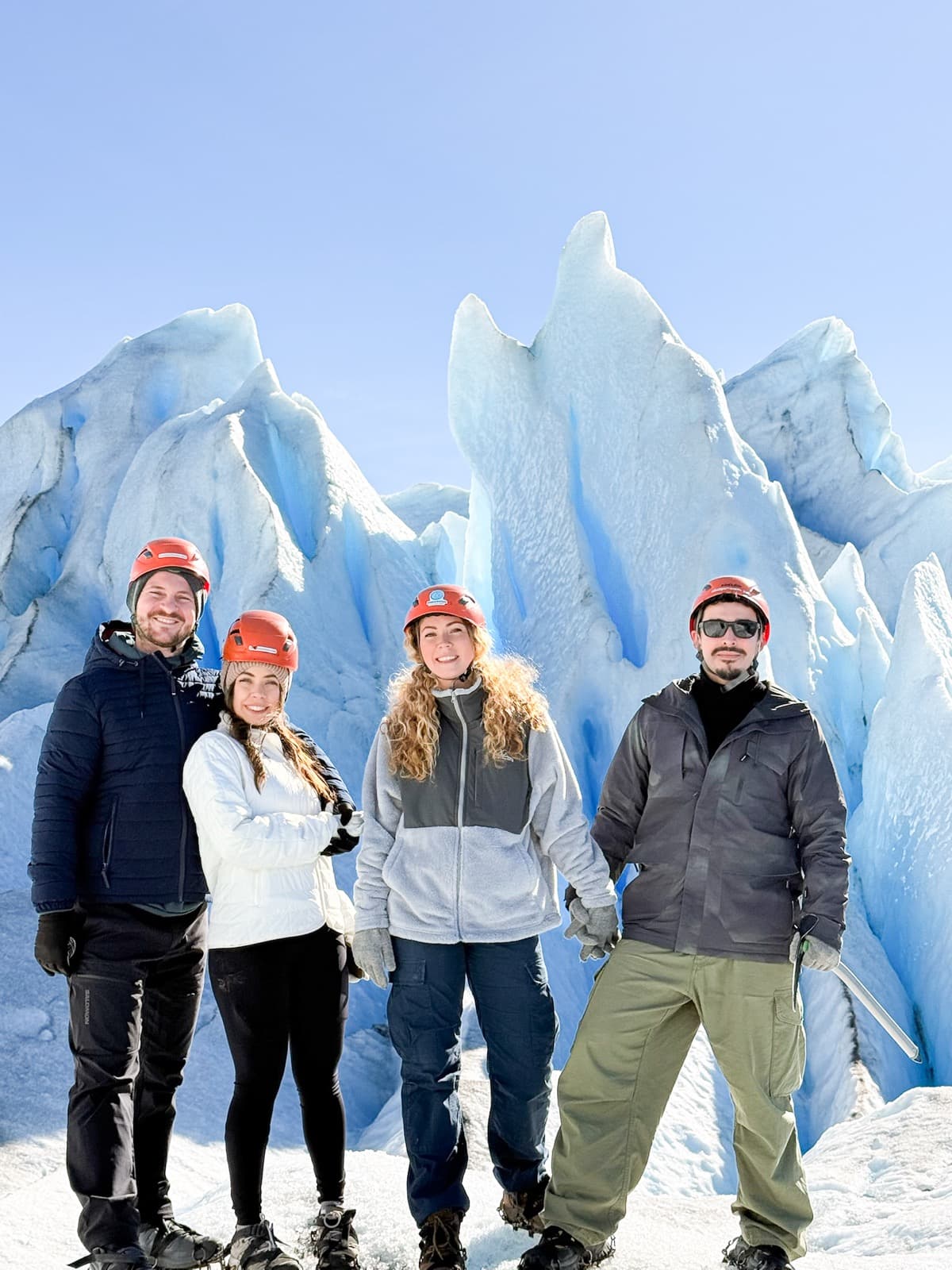
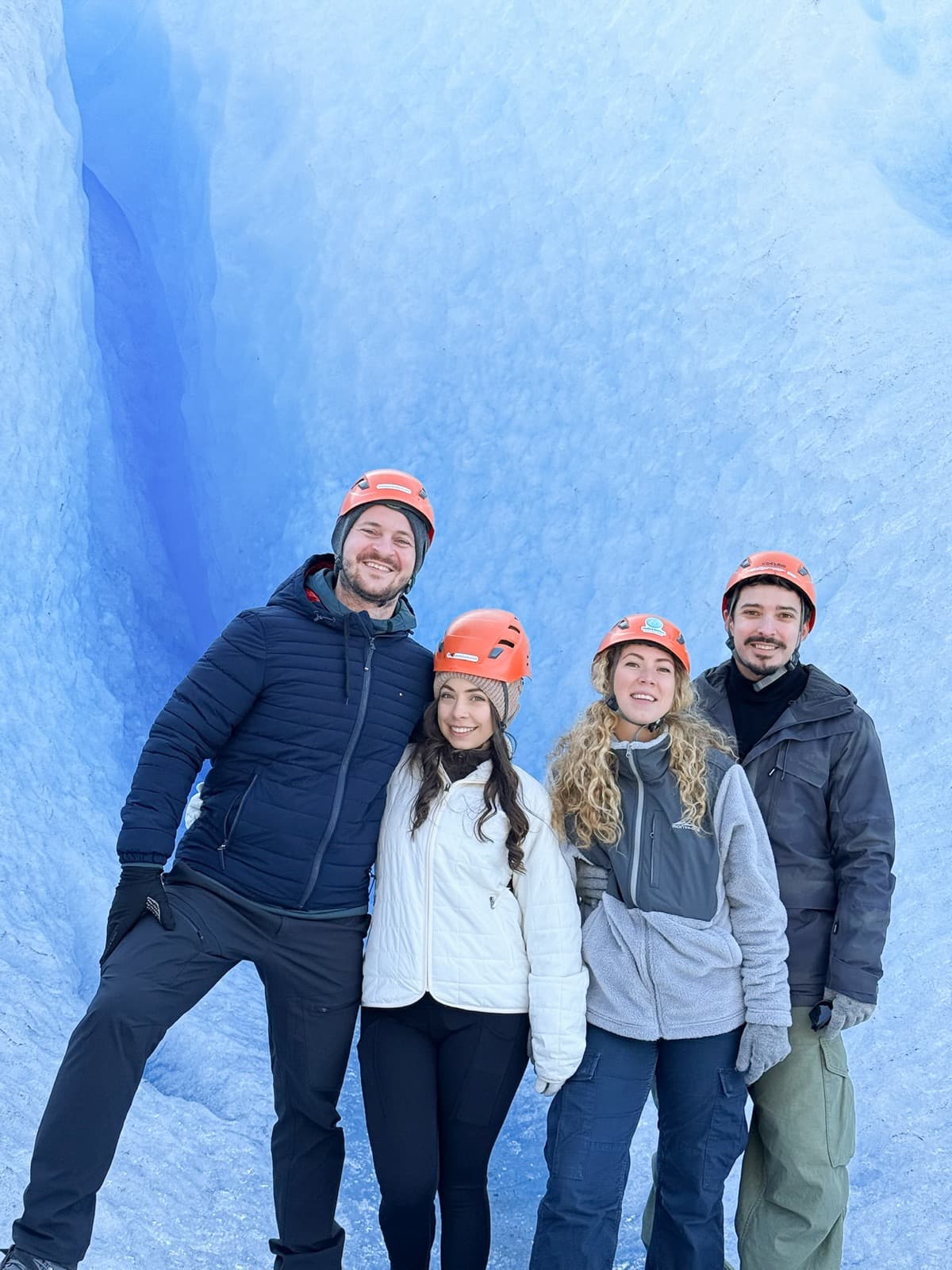
If you're not ready to hike it, a boat tour gives you a view that isn't accessible any other way, and you can walk the national park boardwalks through pine trees and autumn leaves.
Note: if you book a boat or minitrekking tour, it does not include the national park entrance ticket. You'll need to purchase that separately.
Day 4: Driving Route 40 to El Chaltén
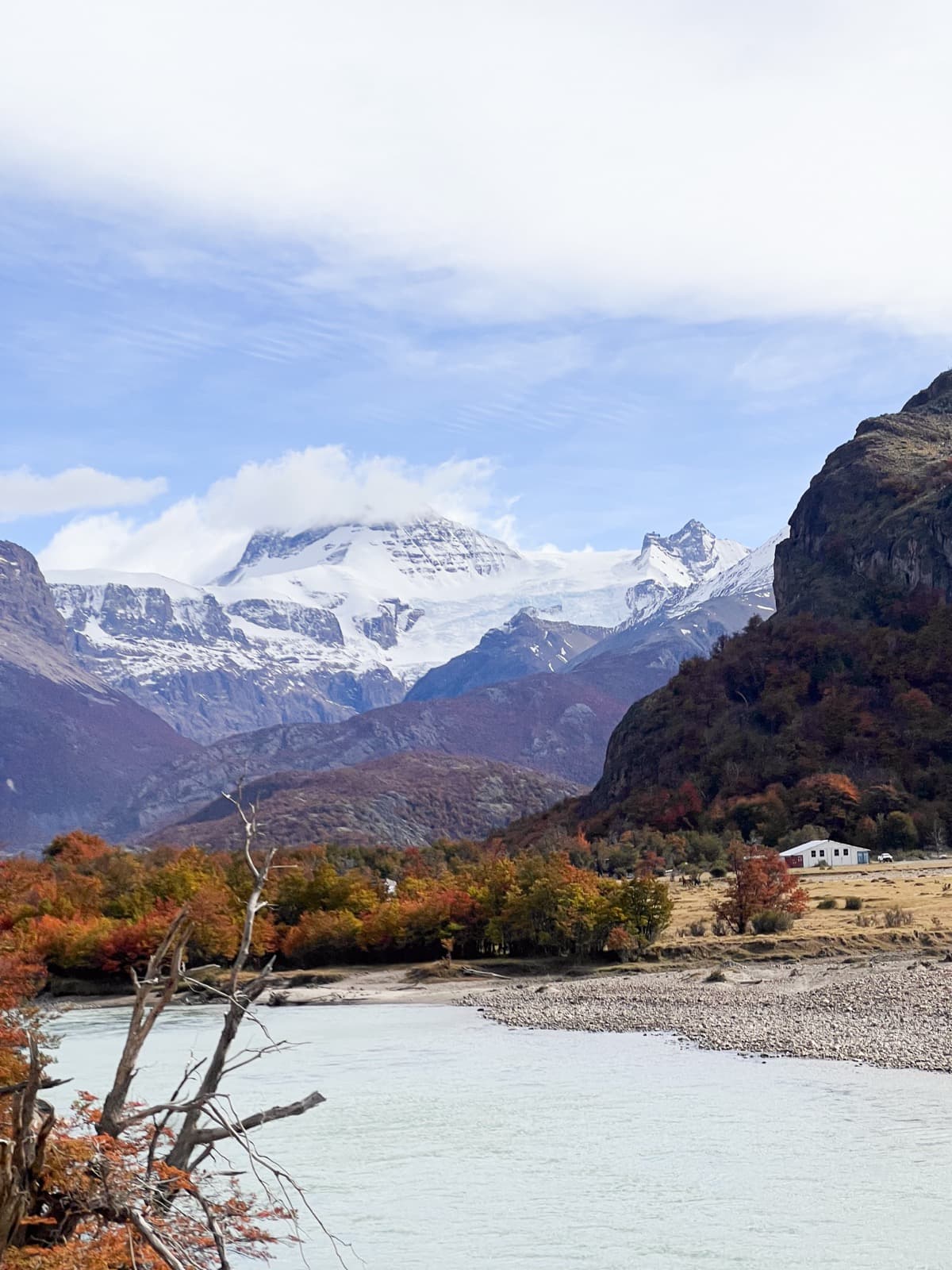
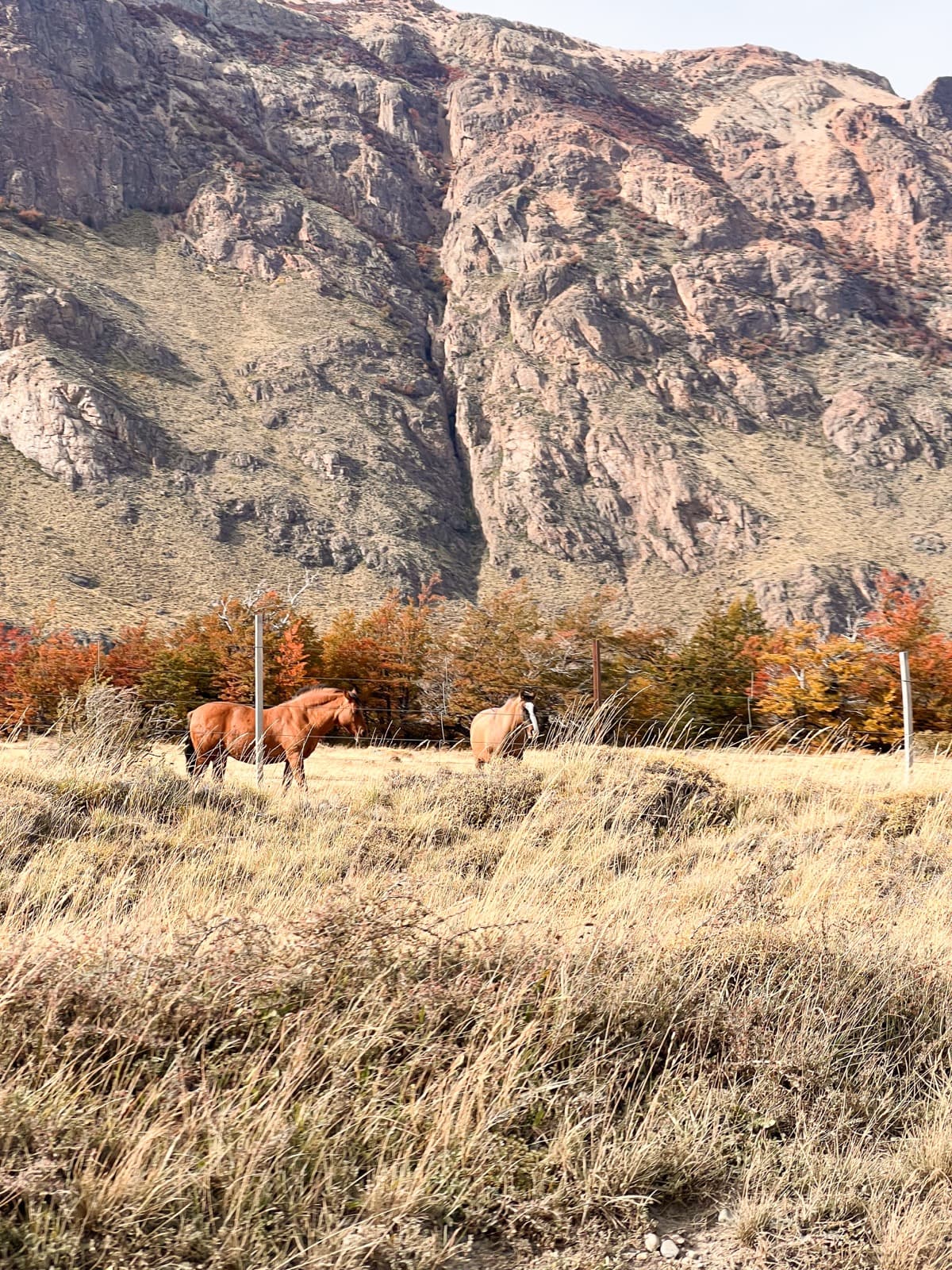
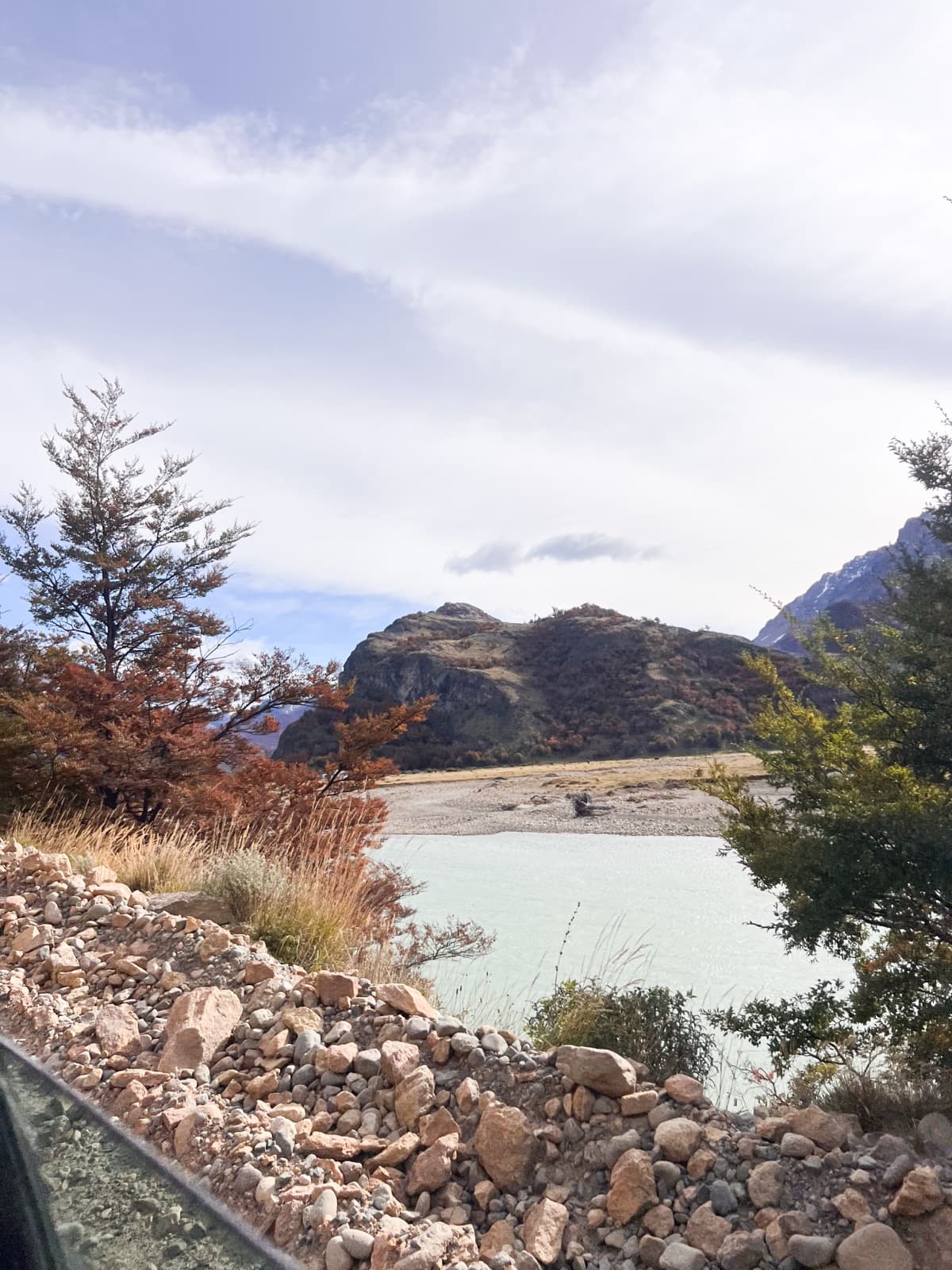
The route itself is beautiful — an adventure on its own. It kept me glued to the car window for a straight two hours (the drive is roughly 215 km, about three hours total). We stopped several times to take pictures and get a closer look at roaming guanacos. Patagonia's answer to llamas, and they wander freely.
Keep an eye on your fuel. It is very common to drive for miles without spotting a gas station. We filled the tank in El Calafate right before leaving and were glad we did — El Chaltén has only one YPF, sometimes with limited supply. Always top off before you leave El Calafate.
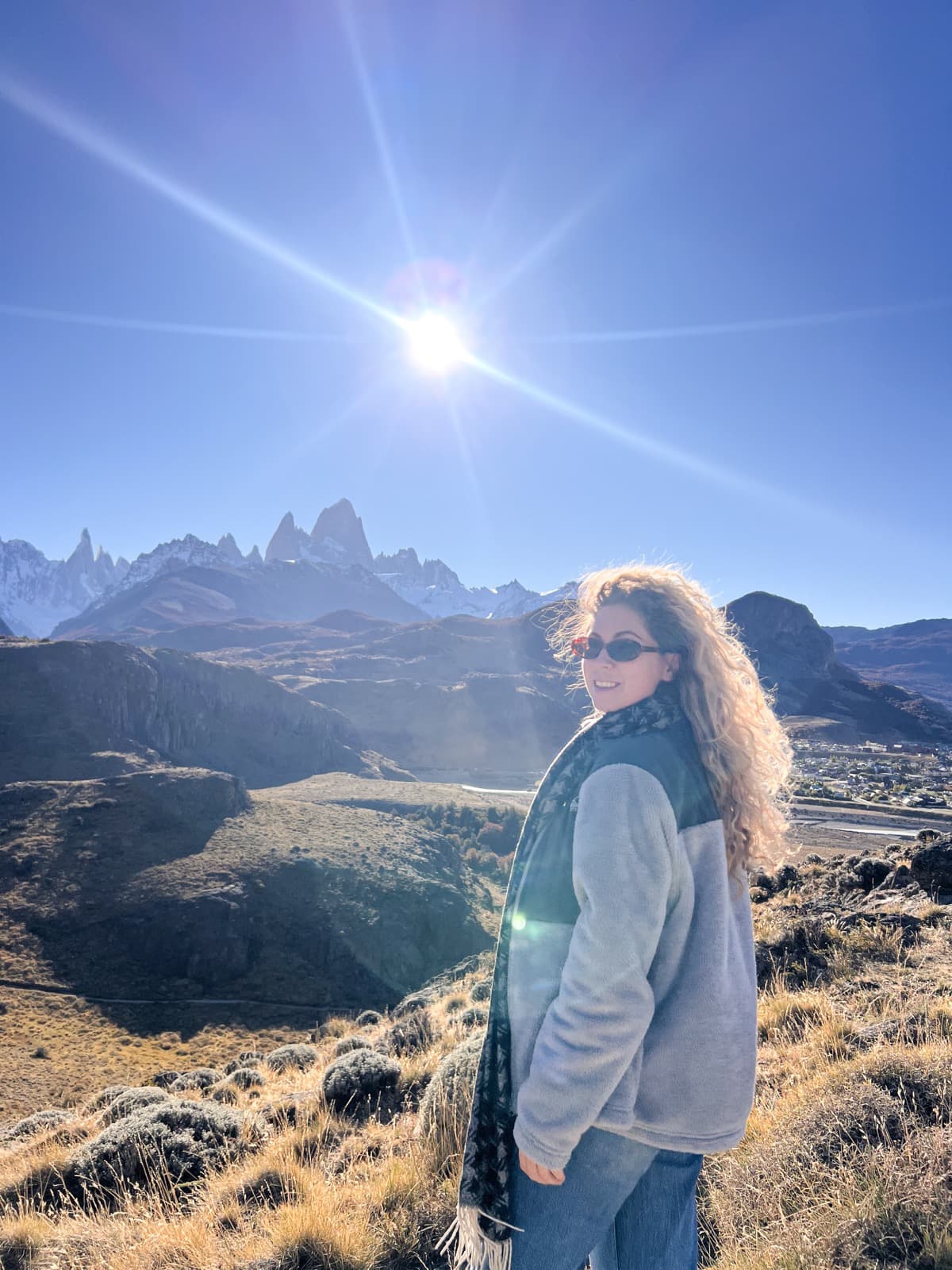
Day 5: The big hike to Mount Fitz Roy (Laguna de los Tres)
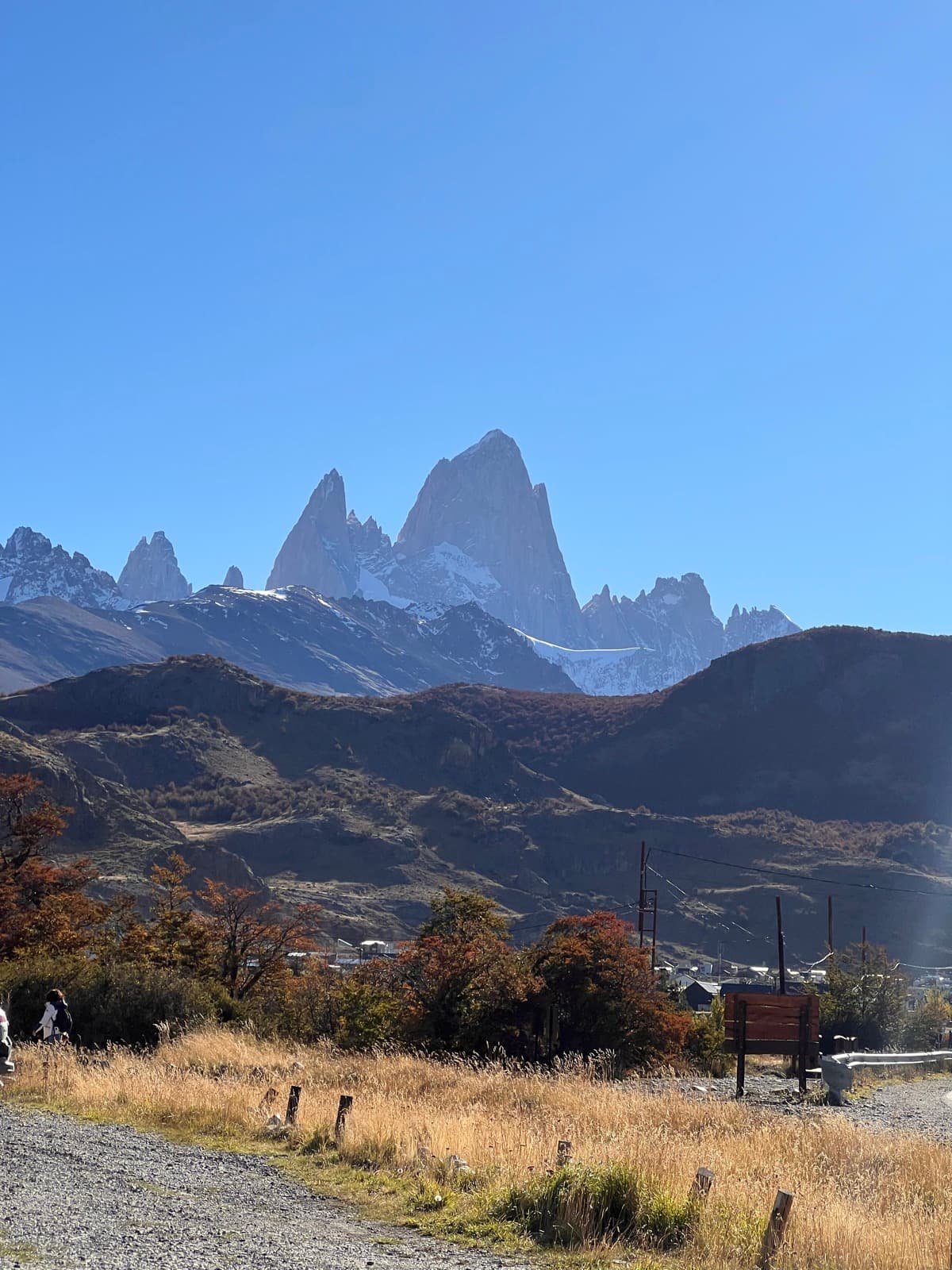
A full-day, eight-hour hike that starts very easy and flat — through a walkable section of national park, jumping across little mountain rivers and walking under pine trees — and then, around hour two, turns into a moderate climb to the lagoon at the foot of Fitz Roy, where the glacier opens up in front of you.
This is the hike from the Patagonia clothing logo. It earns the reputation.
Day 6: Laguna Torre and driving back to El Calafate
Laguna Torre is a spectacular, highly rewarding 5–7 hour flat day hike that takes you straight to a glacial lagoon filled with floating icebergs, beneath the sharp granite spires of Cerro Torre. We skipped it because of bad weather, but it's one of the gems you really shouldn't miss if the conditions allow.
Day 7: Estancia experiences, chocolate, or departure logistics
Don't worry if you have to alter your plans on the fly — we had a rain day and stayed inside, watched a movie, and headed to a nearby restaurant instead of a full day of activities. After Laguna de los Tres, a rest day can also be a genuinely good idea, especially if you don't hike often.
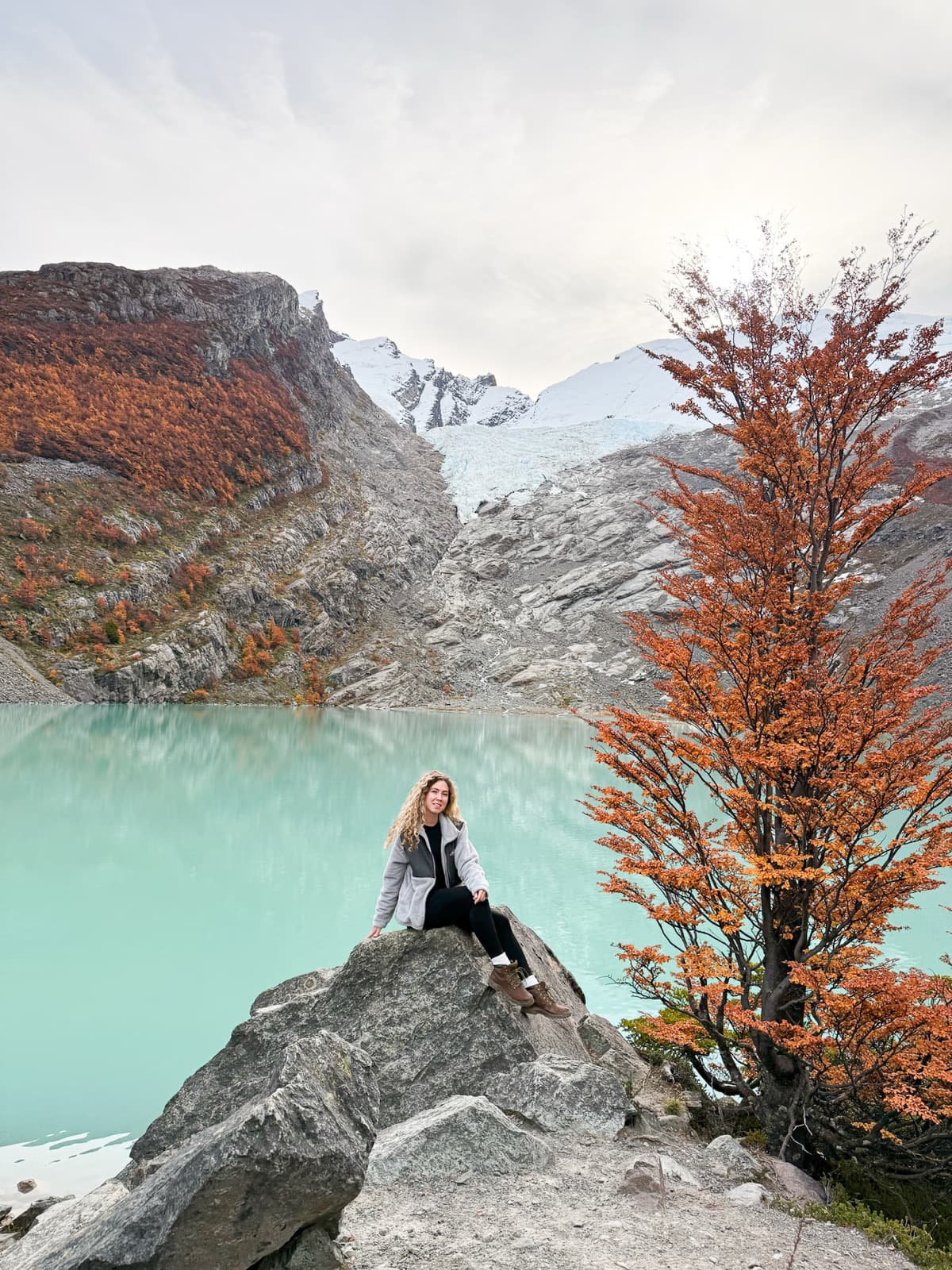
If the weather cooperates, Estancia Los Huemules is a good use of a spare day. It's a private reserve about 17 km north of El Chaltén on RP 41, bordering the national park, with short trails to Laguna Azul and Laguna Verde and a longer one to Glaciar Cagliero. Two things to know: your park ticket does not cover it (it's private land, with its own entrance fee and a daily visitor quota — book in advance (opens in new tab)), and it's closed from May to mid-October.
Renting a Car in Patagonia: What You Need to Know
Most rentals in Patagonia are manual. If you need automatic, book it the moment your flights are confirmed. Pre-book (opens in new tab) regardless — high and shoulder season both run thin on supply.
2WD vs 4WD
If you stick to this itinerary, most driving is on paved roads and a 2WD is fine. If you decide to go anywhere that requires driving off-road, consider 4WD.
In Patagonia, the winds blowing straight from the Atlantic are severe enough to damage car doors when you open them — we had to be careful about that to get our deposit back.
And watch for guanacos on the road. They're cute. They also run into traffic. We were told by an estancia owner — who had noticed our surprise at the empanadas con guanaco on his display — that guanacos get hit by cars all the time. I'm not entirely sure if he was messing with us about the roadkill empanadas. Drive carefully either way.
How to Explore Patagonia Without a Car
Once you fly into El Calafate, you need to get to your hotel. Options: taxi or shuttle.
To catch our early flight home we took a taxi — 42,000 ARS (~$35 USD) for the trip from city center to El Calafate airport, which is an established rate. Taxi makes sense if you're traveling as a group and splitting costs. When you clear arrivals you'll see the official Taxi Cóndor booth. Most don't accept cards, so have cash ready.
If I were doing it solo, I'd book the shuttle instead — about $12 USD and perfectly comfortable.
There are also shuttle buses running between El Calafate and El Chaltén — check the timetable here (opens in new tab). If you want to travel outside of the schedule or prefer a more comfortable option, I recommend booking a private transfer (opens in new tab).
Cards vs cash in Patagonia
Buenos Aires you can get by almost entirely on card. Patagonia is harder. About 70% of the time we could pay by card — most restaurants, cafés, and supermarkets. But sometimes card wasn't accepted. Argentina is still recovering from peso instability, and plenty of small businesses prefer cash.
Carry pesos — but don't get them from an ATM. Withdrawal fees run 10–15%, which is a brutal way to lose money. Use Western Union instead. The exchange rate is the best you'll find. Sort it out in Buenos Aires before you fly south.
Where to Stay in El Calafate and El Chaltén
I researched and hand-picked a few of the best hotels in the area, so you don't have to spend time searching. Here're our favourites:
El Calafate
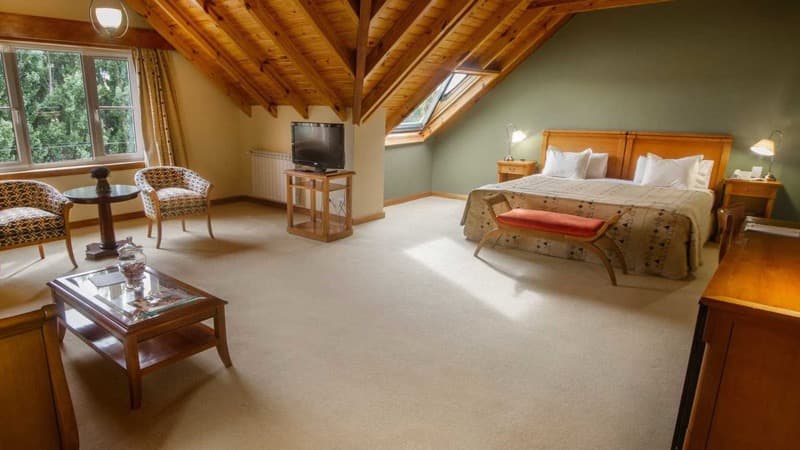
Alpine-style building with a spa and sports complex. Closest of these options to the city center.
Check availability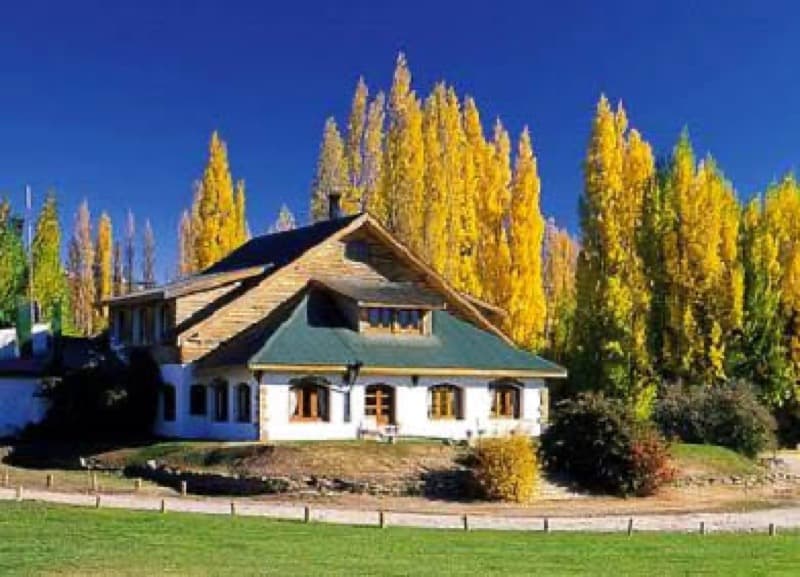
Tucked away from the main drag but still within walking distance. Bicycle rental available at the property.
Check availability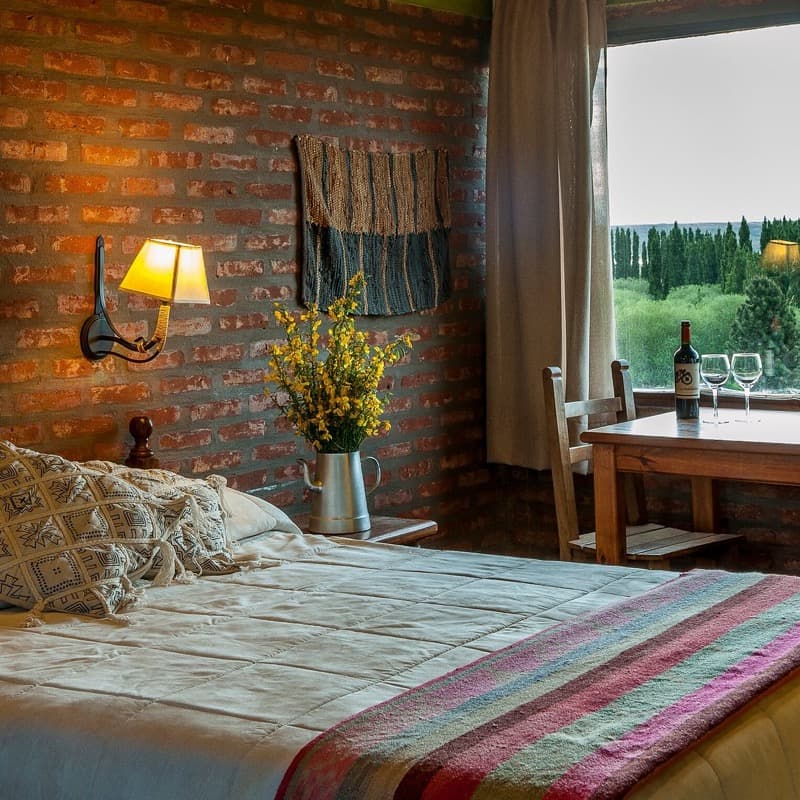
Beautiful farm-stay property with gorgeous views and heated floors. Very close to Laguna Nimez — ideal if you're doing the flamingo walk on Day 2.
Check availability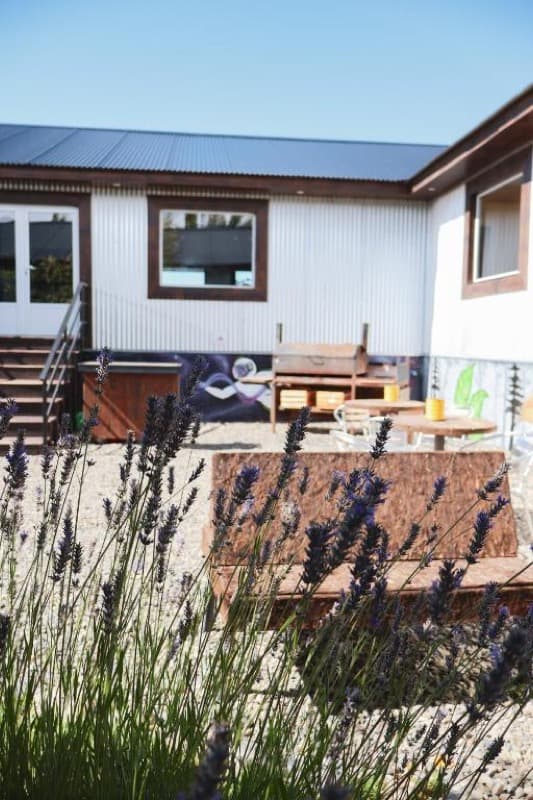
Private rooms available. Good budget pick in El Calafate.
Check availabilityEl Chaltén
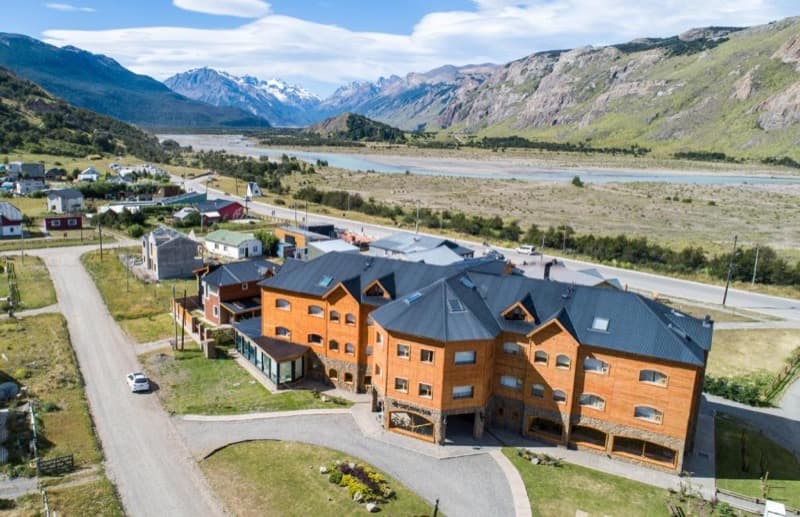
The most comfortable option in El Chaltén, with a spa for post-hike recovery.
Check availability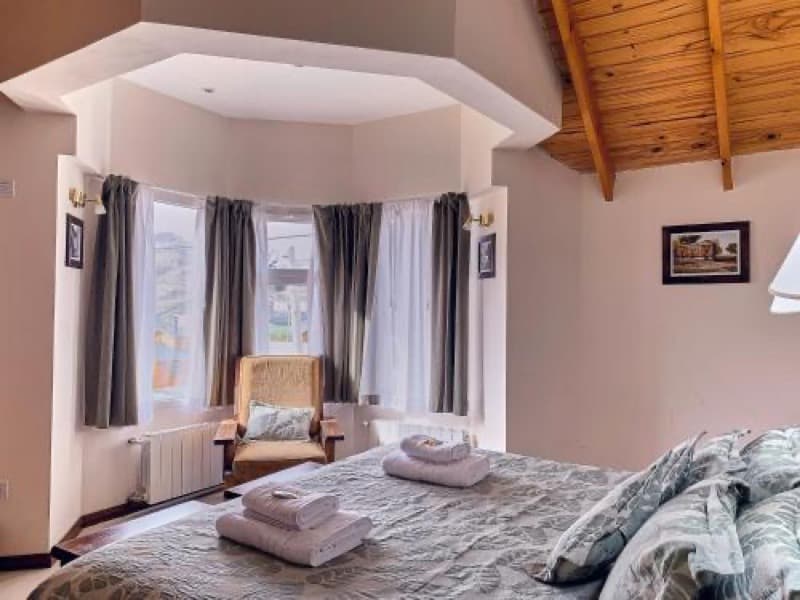
Solid mid-range in a good location for both trails.
Check availability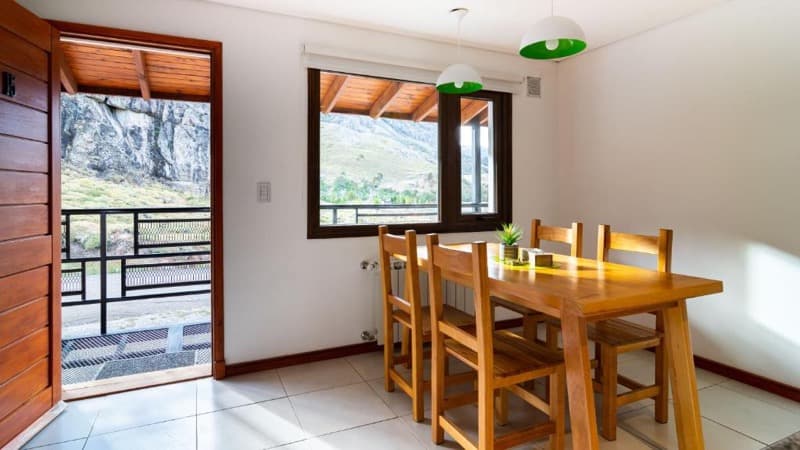
Located very close to the trailhead — great if you want an early start without losing 20 minutes walking through town.
Check availability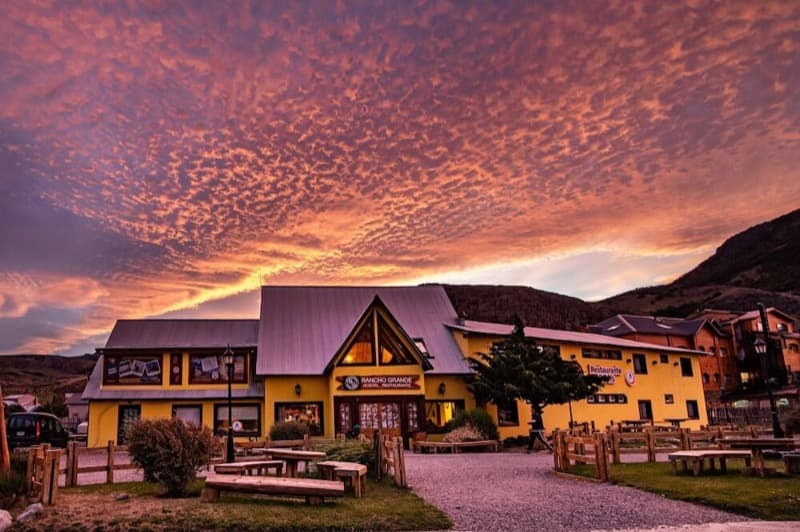
Well-known hostel with private rooms available. Popular with solo hikers.
Check availability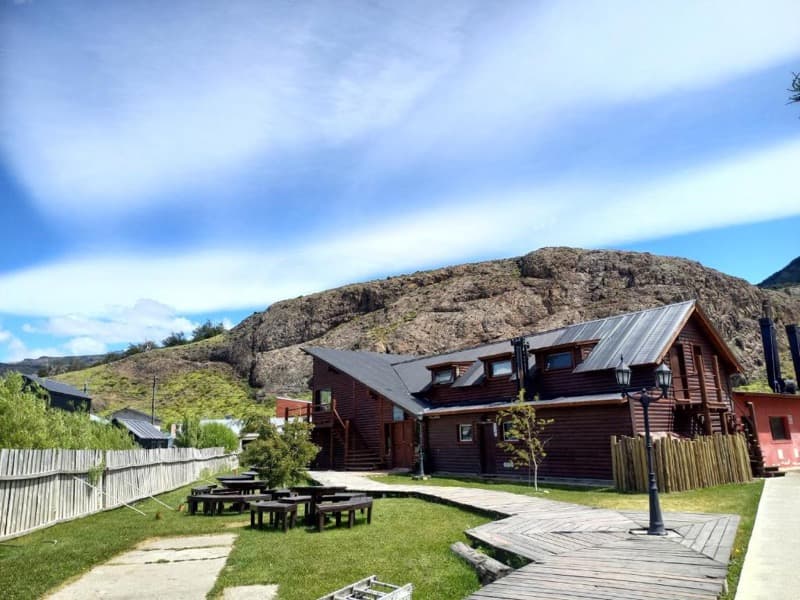
Budget bunks in a 2-bed room. The cheapest reliable option in town.
Check availabilityWhat to Eat in Argentine Patagonia
Argentina is famous for chimichurri steaks, empanadas, and alfajores — classics of the country. In Patagonia the food takes an unexpected turn. We ate a lot of Patagonian lamb, guanaco empanadas and carpaccio, and wrapped up the feast with Patagonian berry gelato. Highly recommend.
Nomad Warning: Expect a Digital Detox
As a remote worker, I always check whether I can work from wherever I'm visiting — and I have to be honest: working during this trip was extremely difficult. The internet is very spotty and drops during strong winds, especially in El Chaltén. The drive from El Calafate to El Chaltén had no data coverage at all, which is exactly when we used those offline maps.
An eSIM won't conjure signal on Route 40 — nothing will. It's worth having in El Calafate and Buenos Aires, though.
My advice: finish your high-focus work blocks in Buenos Aires or El Calafate before heading to El Chaltén. Treat the mountain days as the digital detox they are.
Grocery Shopping and Restaurants
Stock up on groceries in El Calafate before heading north. The main supermarket is La Anónima, with two branches: Av. del Libertador 902 (corner of Perito Moreno, right in the centre) and Hermanos Vidal 166. Both are open 09:00–22:00, seven days a week. Bring your passport if you're paying by card — it's often requested.
El Chaltén is a very small mountain village. You can get some basics, but the local shops and pharmacies are family-run, the logistics are complicated, and prices reflect it — expect to overpay by at least 30% compared to El Calafate.
Is a Short Patagonia Trip Worth It?
Short answer: even if you don't have time to explore both Argentine and Chilean Patagonia, it's absolutely worth hitting the road and seeing one of the most untouched parts of Argentina. One week didn't sound like enough to me either — but by focusing on specific highlights rather than trying to see everything, we left with maximum rewards and minimum travel fatigue.
We saw the most beautiful mountains Patagonia is famous for. It ended up being one of the trips I'll never forget.
Argentine Patagonia Itinerary FAQ
Some of the links on this site are affiliate links. This means I may earn a small commission if you make a purchase through them at no extra cost to you. I only recommend things I genuinely use or believe in.
You may also like
Hiking Acatenango Volcano Solo as a Female Traveller
Things to Do in Oaxaca as a Digital Nomad
What to Eat in Oaxaca: A First-Timer's Guide
Some of the links on this site are affiliate links. This means I may earn a small commission if you purchase them at no extra cost to you. I only recommend things I genuinely use or believe in.