Where to Eat in El Calafate & El Chaltén: 5 Must-Try Foods + 2 Hidden Gems
If you asked me what I was looking forward to more — Argentinian food or Patagonian hikes — it would have been pretty close. As a big admirer of Argentine classics like empanadas and chimichurri, which I'd had a chance to try in Buenos Aires, I was patiently counting the days until our Patagonia trip. I wanted to taste local slow-roasted lamb, more lomo steaks, and gaucho microbrewery culture. There's nothing like eating a big hot meal after a long day on the mountain trails — here's where to go and what to order in El Calafate and El Chaltén.
The 5 Must-Try Staples of Patagonia
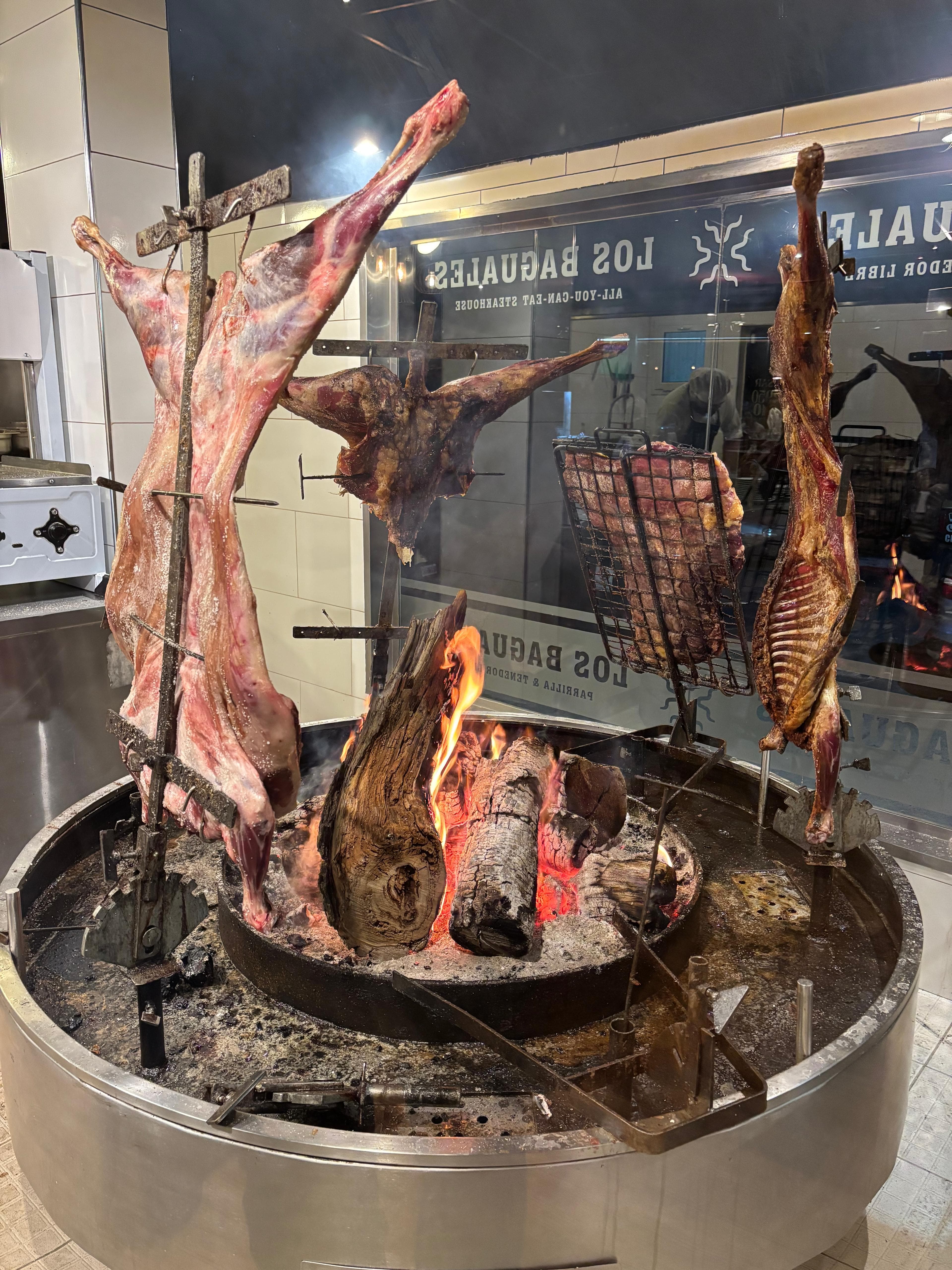
1. Cordero Patagónico (Patagonian Spit-Roasted Lamb)
Los Baguales Parrilla y Tenedor Libre, El Calafate (opens in new tab)
The dining format here is called Tenedor Libre — you eat as much as you want for a fixed fee of 48,000 ARS (~$32 USD). It's a great deal.
Patagonian roast is when a lamb is cooked skewered on iron crosses over a bed of wood embers, often using native woods like espinillo or quebracho. The meat absorbs a rich, campfire smoke flavor — subtler than Texan BBQ — and the grill master continuously bastes it with salmuera, a warm-water brine of rock salt, garlic, rosemary, and sometimes laurel. The seasoning goes all the way through, giving it a garlicky, savory edge.
We had a glass of Malbec each, and it was such a good combination. Look for Catena Zapata, Luigi Bosca, Salentein, or any Malbec from Patagonia — Bodega Chacra or Humberto Canale are both worth trying.
2. Bife de Lomo (Argentine Steak Night)
Oveja Negra, El Chaltén (opens in new tab)
We stumbled upon this cozy log cabin restaurant after finishing the Laguna de los Tres hike — it was pitch black by then, and after 8 hours of hiking all we were thinking about was a hot, heavy meal. This restaurant sits right near the trail exit, and it felt like a lifesaver. We grabbed a big table with a few hiker friends we'd made on the trail and all ordered hot lomo steaks. Lomo is the Argentine tenderloin — lean, with a buttery texture and incredibly tender cut. We added grilled vegetables and papas fritas Provençal. I recommend doing exactly this: finish the hike and come straight here.
The place gets busy but you can usually get a table after about a 5-minute wait. They prefer cash and will give you a 15% discount for it.
3. Post-Hike Craft Beer & Lamburger
Cervecería Patagonia, El Chaltén (opens in new tab)
This was the best post-hike hangout spot we found, and it attracts interesting crowds from all over the world.
Their amber lager is sold all around El Chaltén — that's actually how we first learned about it, falling in love with it before we ever visited the brewery. At the restaurant, order the Lamburger. It's rich and juicy and exactly what you want after a full day on the trail.
They also have a rotating tap called “Octava Canilla” (The 8th Tap) dedicated to highly experimental brews. A recent standout was Limón Silvestre — an incredibly unique beer served in a custom mountain-shaped glass, designed to taste like a sweet, creamy lemon pie.
4. Hot Soup for a Rainy Day
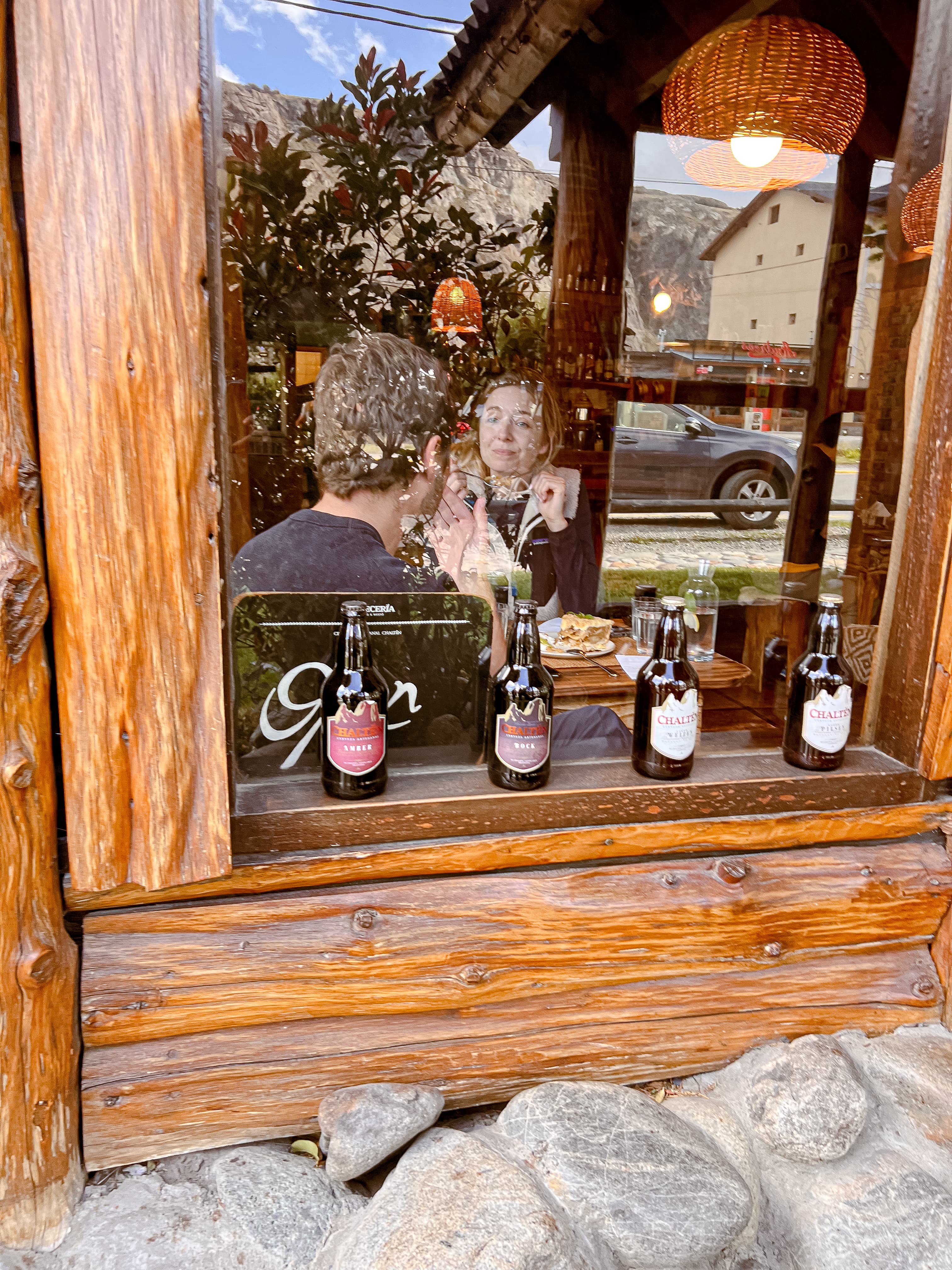
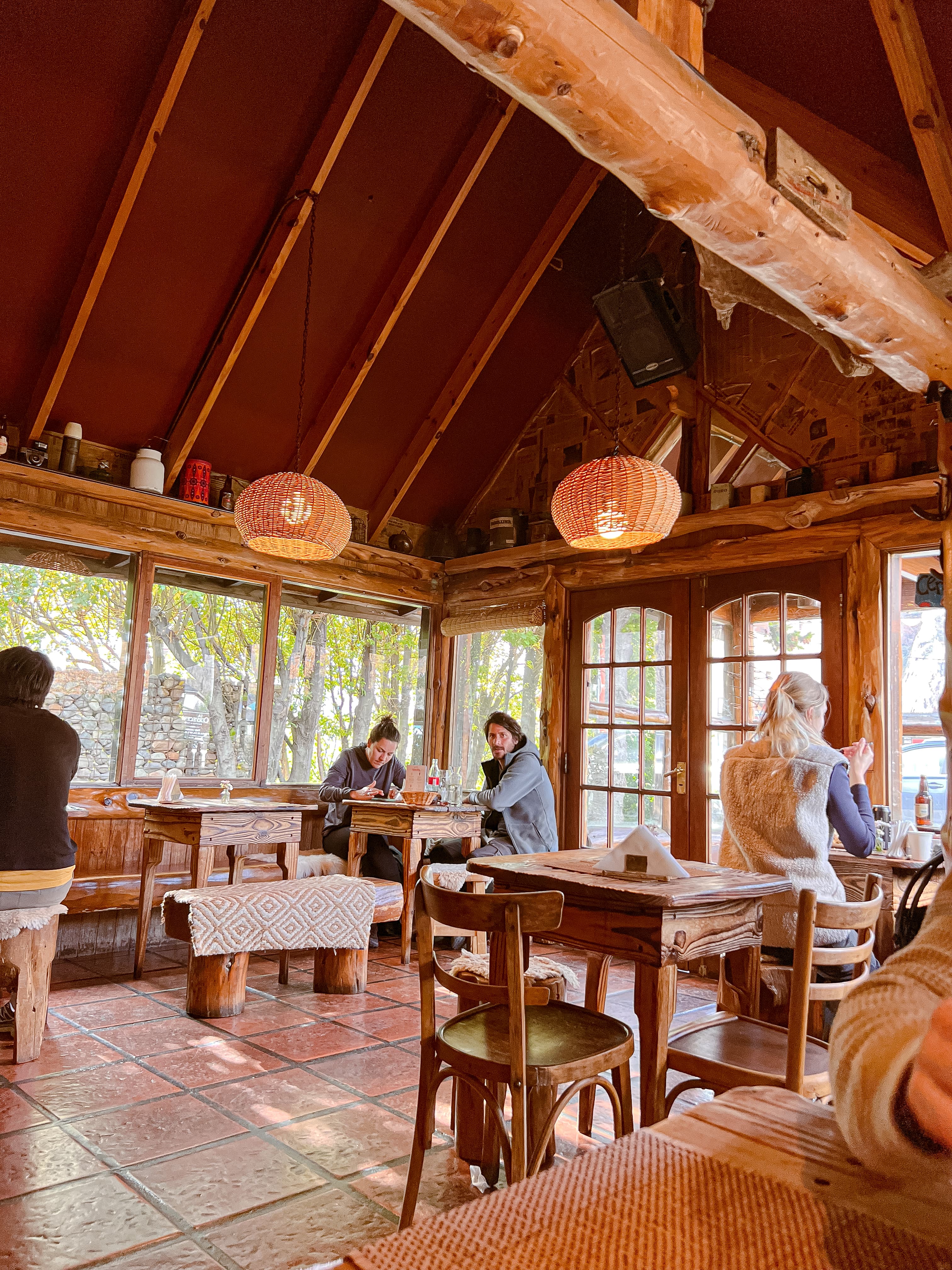
La Cervecería Chaltén, El Chaltén (opens in new tab)
It was a gloomy, rainy day in Patagonia. We couldn't go hiking, we couldn't go exploring, and it was very, very sad. Until we found a cute, cozy cabin-like restaurant serving locro — a typical Argentine soup — alongside great home-brewed beer.
Originally from the Andes, locro spread across Argentina fast. It's thick and hearty, made with slow-cooked corn, squash stew, and generous meat cuts. It was healing my soul with every spoonful. Pair it with an amber lager or Bock from their artisanal brewery.
5. Patagonian Artisanal Gelato
Heladería Acuarela, El Calafate (opens in new tab)
On our last day in El Calafate, strolling and shopping before departure, we stopped at Heladería Acuarela — very centrally located and deservingly popular. They carry 20+ flavours of Argentine helado, which started as Italian gelato brought over by immigrants but has since become its own thing. The flavour combinations are nothing like what you'd find in Sicily — distinctly local, and better for it. My recommendation: Patagonia berries and dulce de leche. They love dulce de leche here, and in all of Argentina, for good reason.
Note on low season (May–September): During this period it's not safe on the trails due to snow, ice, and wind — and many restaurants close due to low tourist traffic. Check their status on Google Maps before making plans; most are marked as temporarily closed during low season.
The 2 Culinary Hidden Gems
Hidden Gem #1: Medio Perro
Medio Perro, El Calafate (opens in new tab)
We were starving after a long day of exploring and found this place based on its outstanding reviews. The restaurant is set inside the spacious living room of a hostel with panoramic views, and almost every table is occupied by other hikers and nomads. We were greeted by the owner — an extremely charismatic man who was visibly passionate about what he served. He brought us probably the best meat cuts we had in all of Patagonia: a mixed grill with empanadas, lomo steak, and slow-cooked lamb. Don't skip this one.
Hidden Gem #2: La Tapera
La Tapera, El Chaltén (opens in new tab)
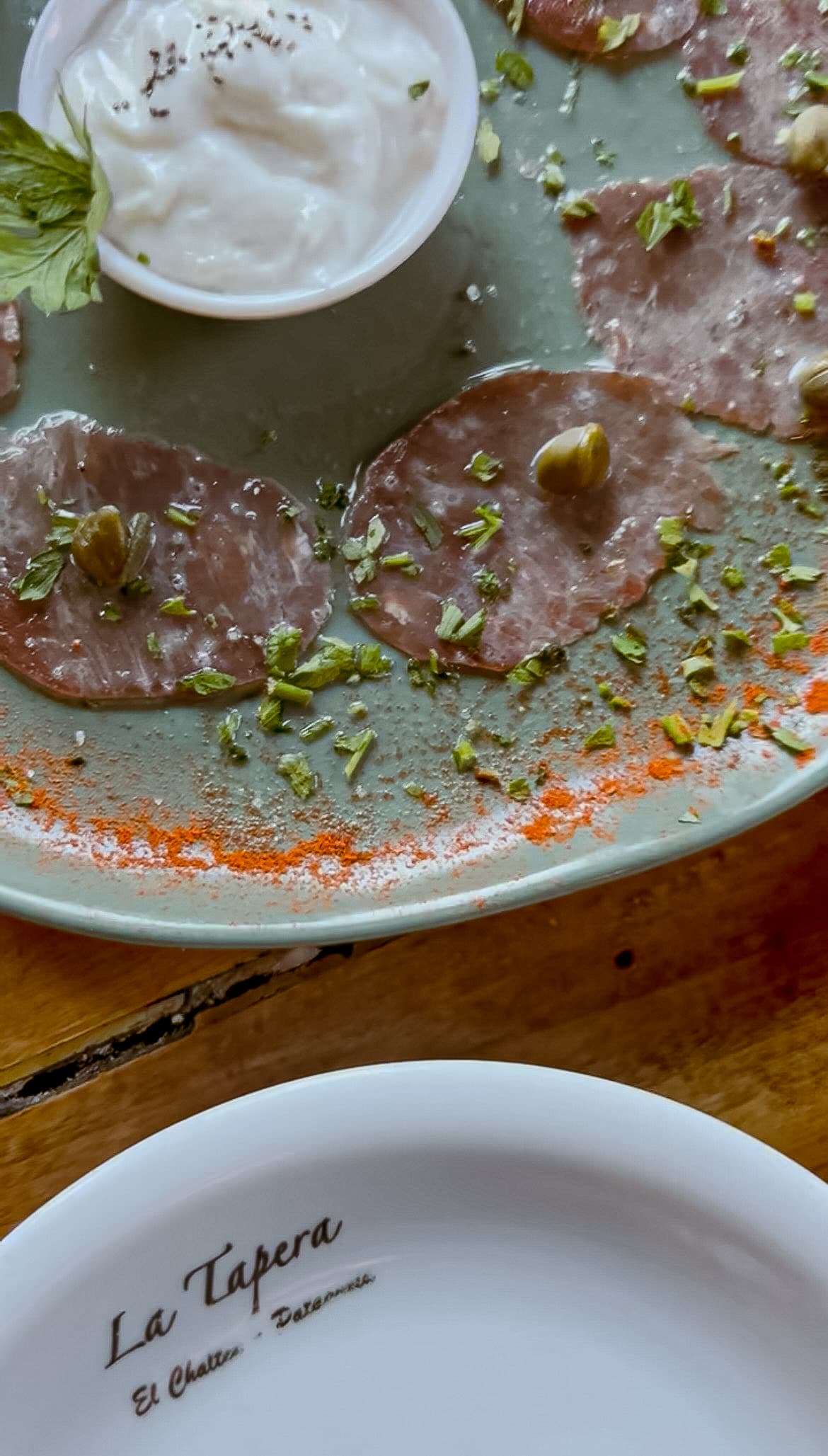
Guanaco carpaccio got us in the door — where else would you try something like that? The taste is unlike anything else: deep red meat, very soft, low in fat, slightly earthy, and noticeably more gamey than standard beef.
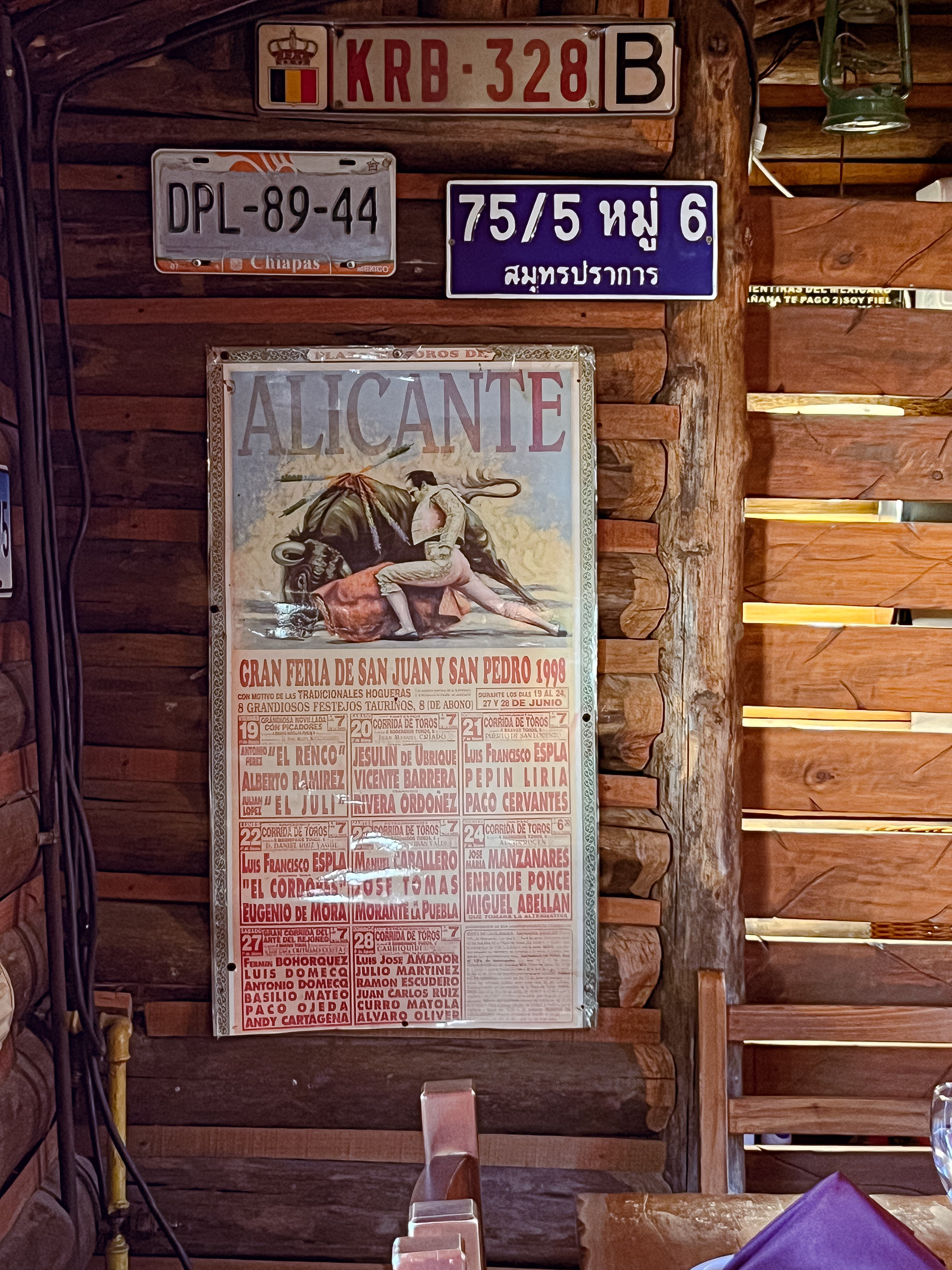
Their other specials: lamb ravioli and a blue cheese & caramelised pear salad. Like most restaurants in El Chaltén, it's a cozy winter cabin setup — but what makes La Tapera unique is their collection of car plates and posters from around the world. We had fun making each other spot specific plates and guess where they were from. After dinner, a lovely waiter served us their house liqueur made from local herbs and berries.
During shoulder season, it was easy to get a table — but I'd still recommend arriving by 7pm to avoid a wait.
Where to Stay
To stay within walking distance of the breweries, steakhouses, and trailheads — without needing a car — here are the hotels I'd recommend in each town.
El Calafate
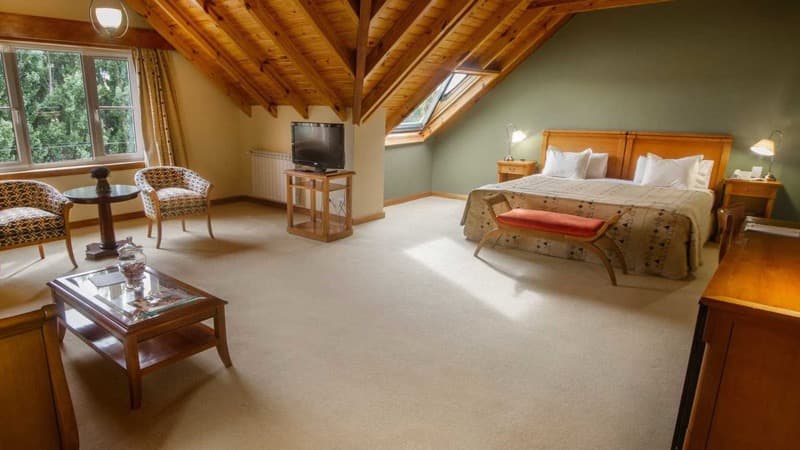
Alpine-style building with a spa and sports complex. Closest of these options to the city center.
Check availability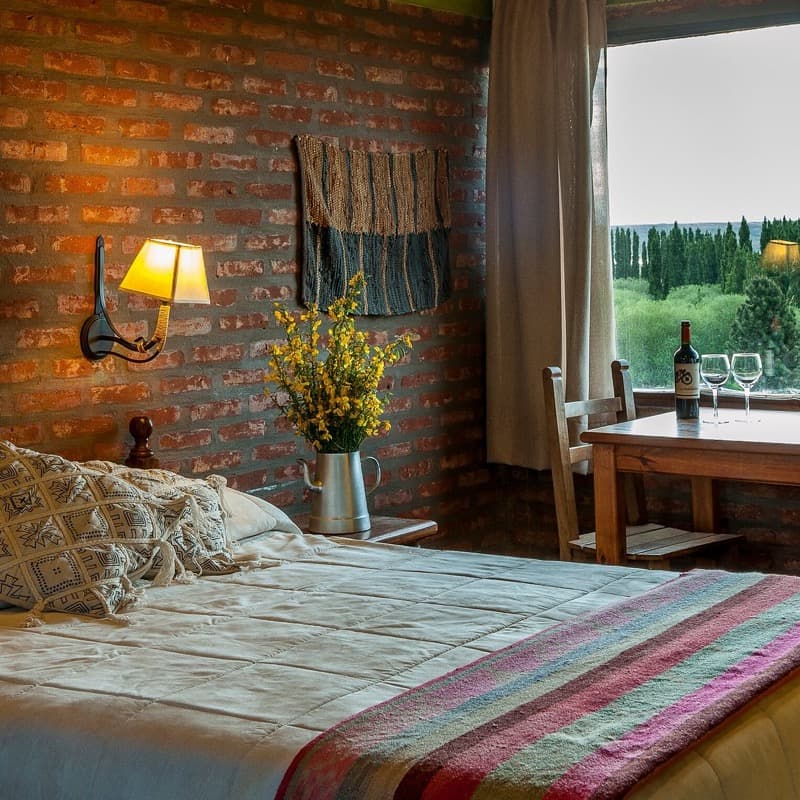
Beautiful farm-stay property with gorgeous views and heated floors. Very close to Laguna Nimez.
Check availabilityEl Chaltén
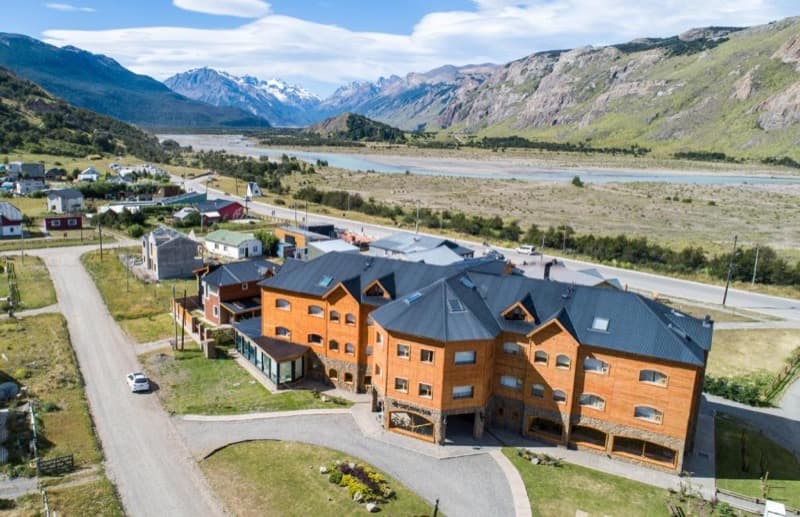
The most comfortable option in El Chaltén, with a spa for post-hike recovery.
Check availability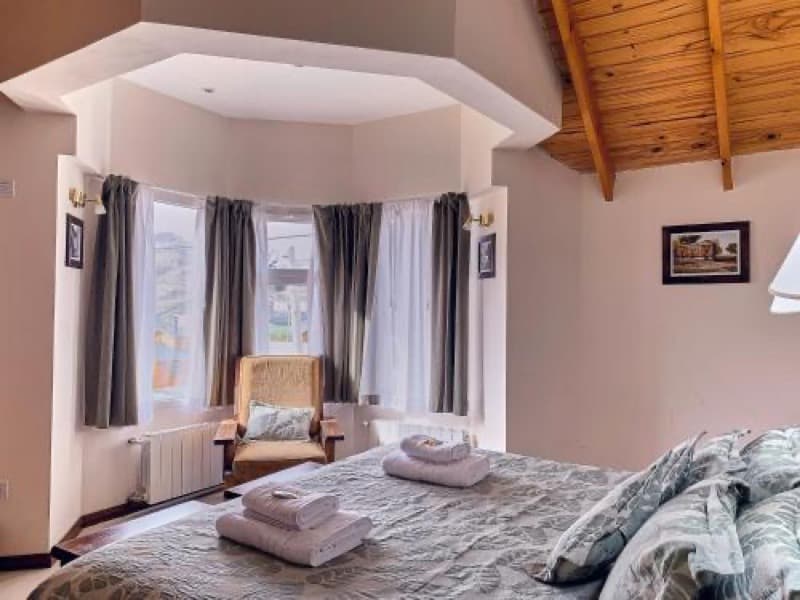
Solid mid-range in a good location for both trails.
Check availabilityFor the full week-by-week breakdown of both towns — including hike logistics, park costs, and how to get around — read the 7-day Argentine Patagonia itinerary.
Frequently Asked Questions
You may also like
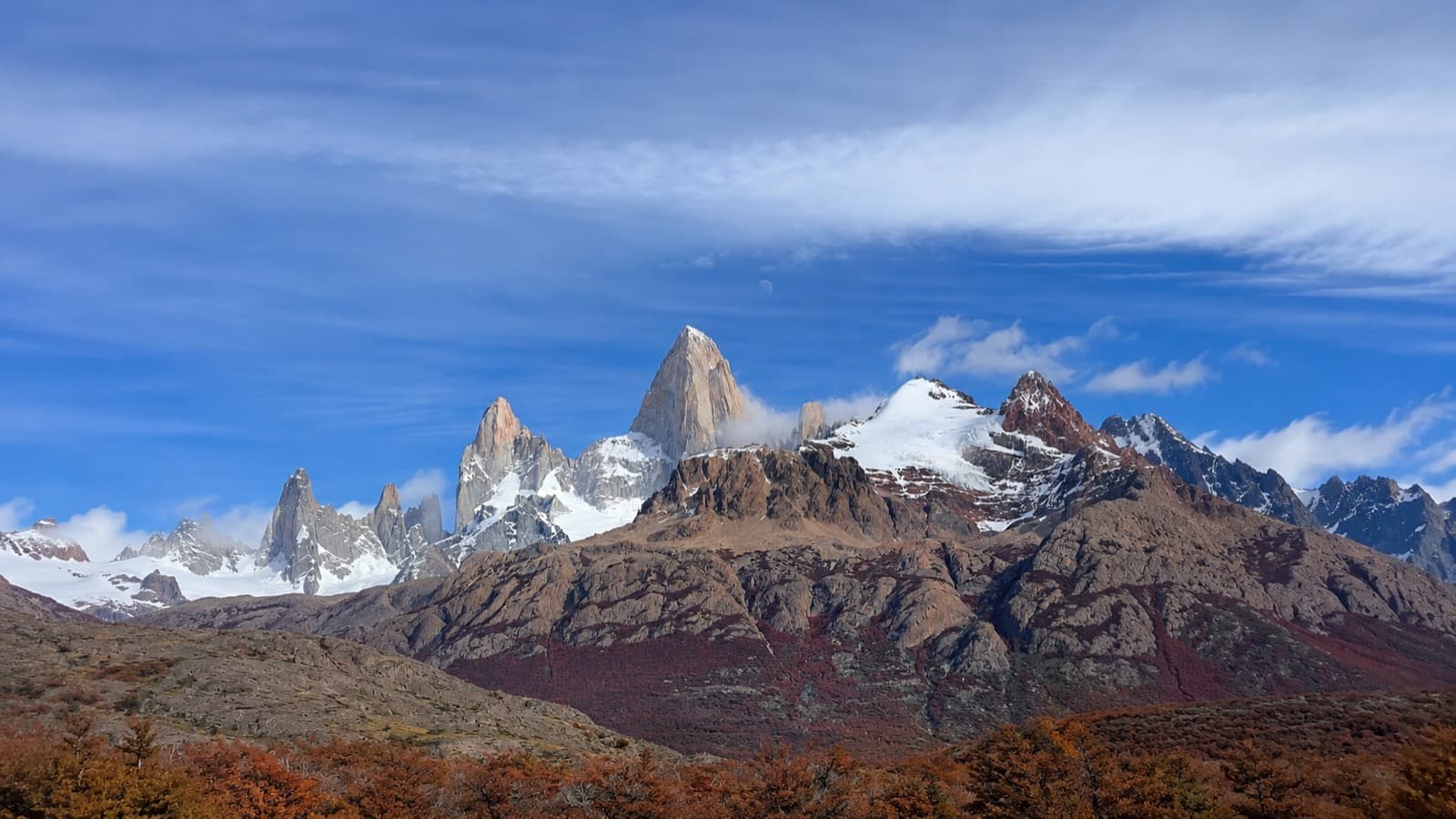
The 7-Day Argentine Patagonia Itinerary: Glaciers, Hikes and Real Costs
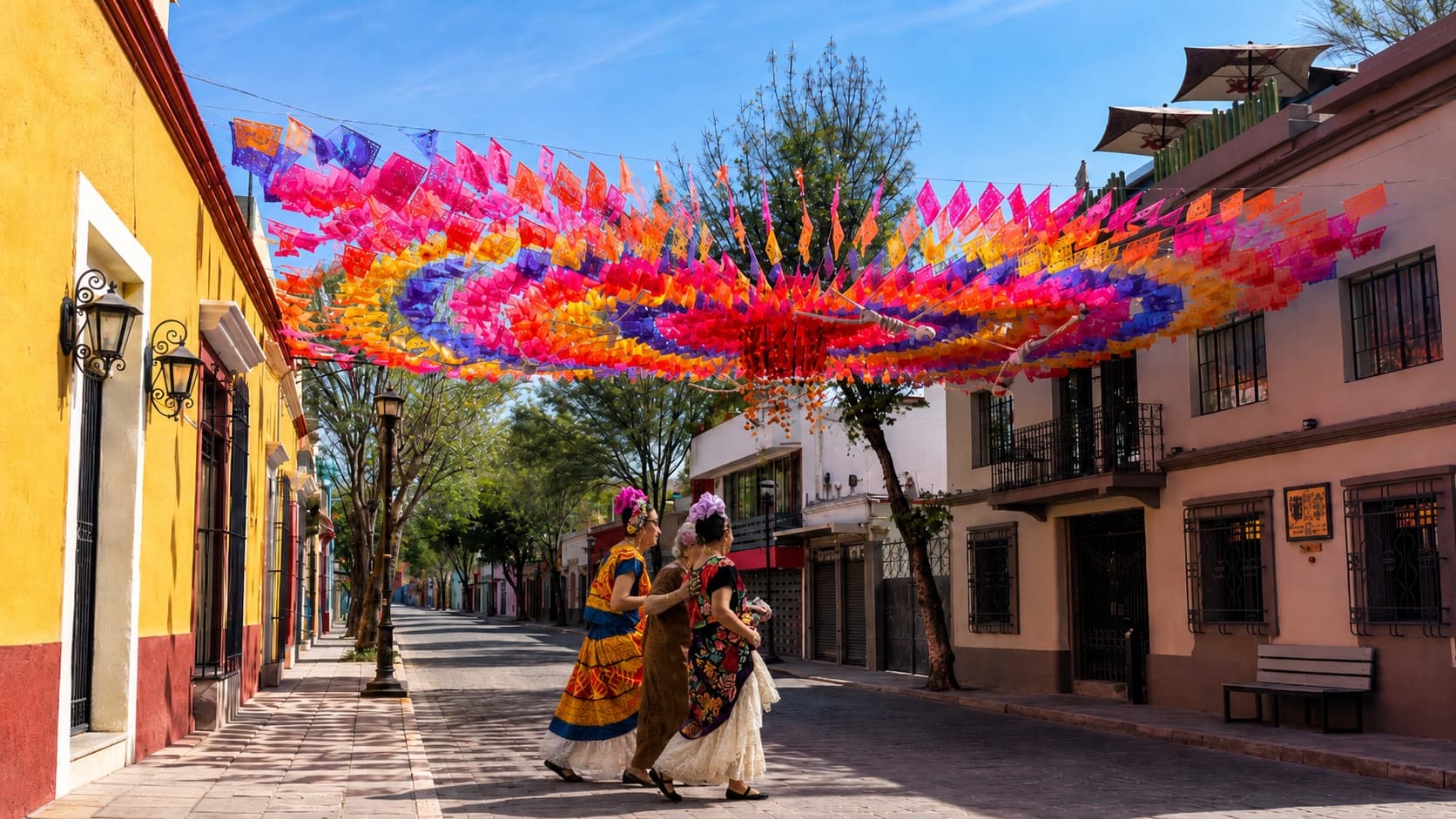
What to Eat in Oaxaca: A Foodie's Guide to the Best Dishes, Restaurants & Bars
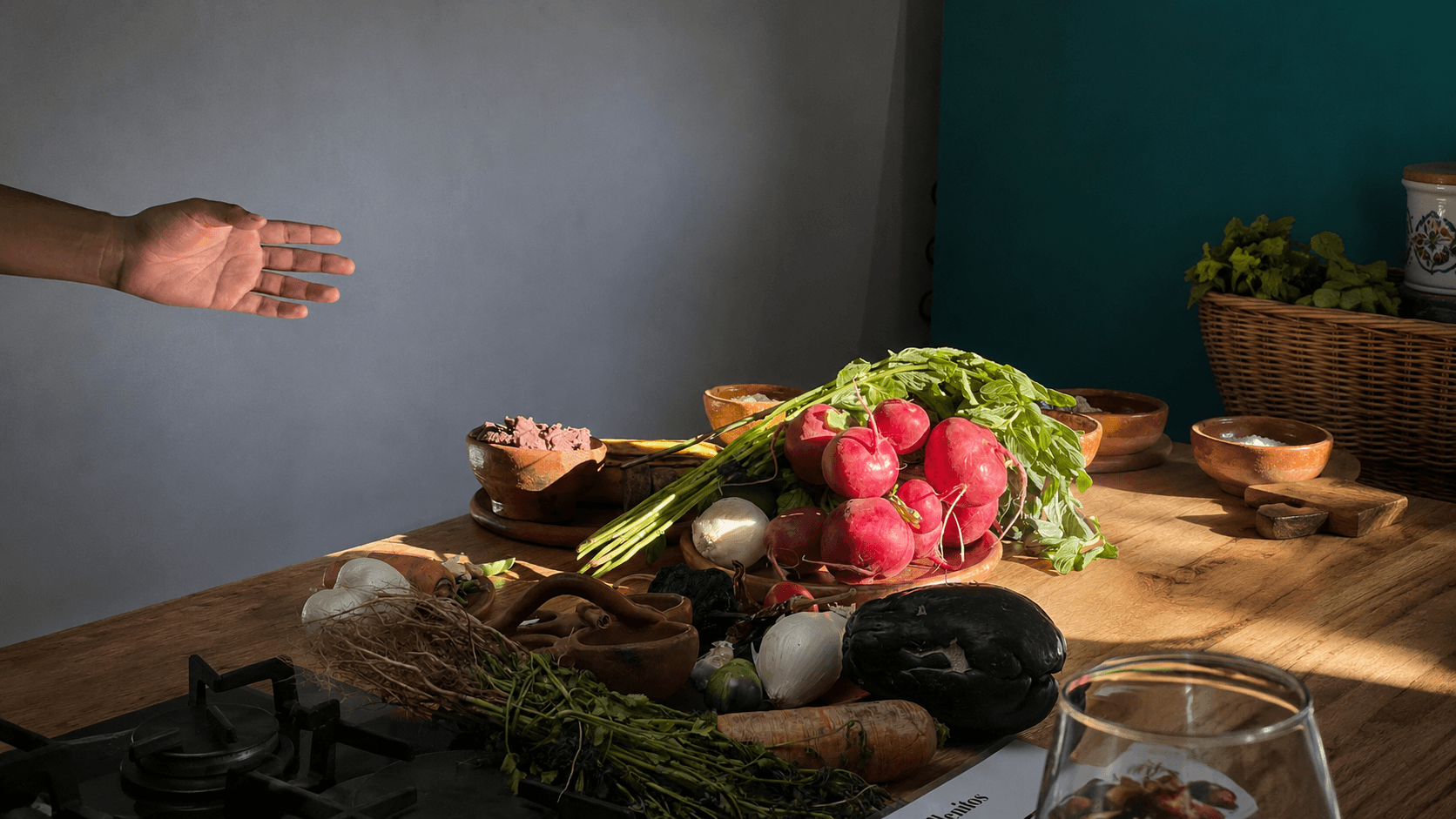
We Took a Cooking Class in Antigua — Here's What Happened
Some of the links on this site are affiliate links. This means I may earn a small commission if you purchase them at no extra cost to you. I only recommend things I genuinely use or believe in.
The Patagonia food scene got us genuinely excited. Asado here reaches another level — lamb over iron crosses with woodfire smoke and aromatic salmuera, guanaco empanadas and carpaccio, Patagonian berry gelato as a sour-sweet finish. This is soulful food with its own character, made from ingredients that belong to this landscape. I hope you enjoy cocina Patagónica as much as we did.
Some of the links on this site are affiliate links. If you book through them, I may earn a small commission at no extra cost to you. I only link to places I've personally used or would genuinely recommend.