An Honest Antigua Cooking Class Review: Is It Worth Your Time?
July 7, 2026 · Updated October 8, 2026
Short answer: yes — an Antigua cooking class is well worth your time, even if you only have a spare afternoon between volcano hikes.
I booked a last-minute class at La Tortilla Cooking School for $50, walked out three hours later stuffed with chicken pepián, and left with the recipes to make it all again at home. Below is my honest review of what was great, what wasn't, and how to pick the right class for you.
When you think of Guatemala, what comes to mind is dramatic views of smoking volcanic peaks and Mayan heritage carved into ancient stone temples. But in my humble opinion, Guatemalan cuisine criminally flies under the radar.
Like many travelers who arrive in Guatemala to tackle the famous scenic volcano hike, I had some spare time to hang out in Antigua and explore the local culture. From more than five active years on the road, I've learned that nothing beats a cooking class run by locals — it's where you get a first-hand look at the unique, ancestral ingredients that define Maya-Mestizo cuisine.
Strolling around Antigua, I had a couple of meals that stole my heart. Chicken pepián was confidently one of them — it's the plate that wraps you up in its rich, comforting flavours and spices. I loved it so much that, a day after my hike, when I was dead tired dragging myself along Antigua's streets and spotted a poster for a cooking class with pepián on it, I was booking a spot minutes later. A day after that, I was there, getting my hands dirty chopping carrots for pepián.
At a Glance: The Antigua Cooking Class I Booked
| Class type | Hands-on traditional Guatemalan cuisine (Pepián, Jocón, Rellenitos, etc.) |
| Average cost | $30–$80 USD |
| What I paid | $50 USD |
| Duration | 2.5–3 hours |
| Where | La Tortilla Cooking School, Antigua, Guatemala |
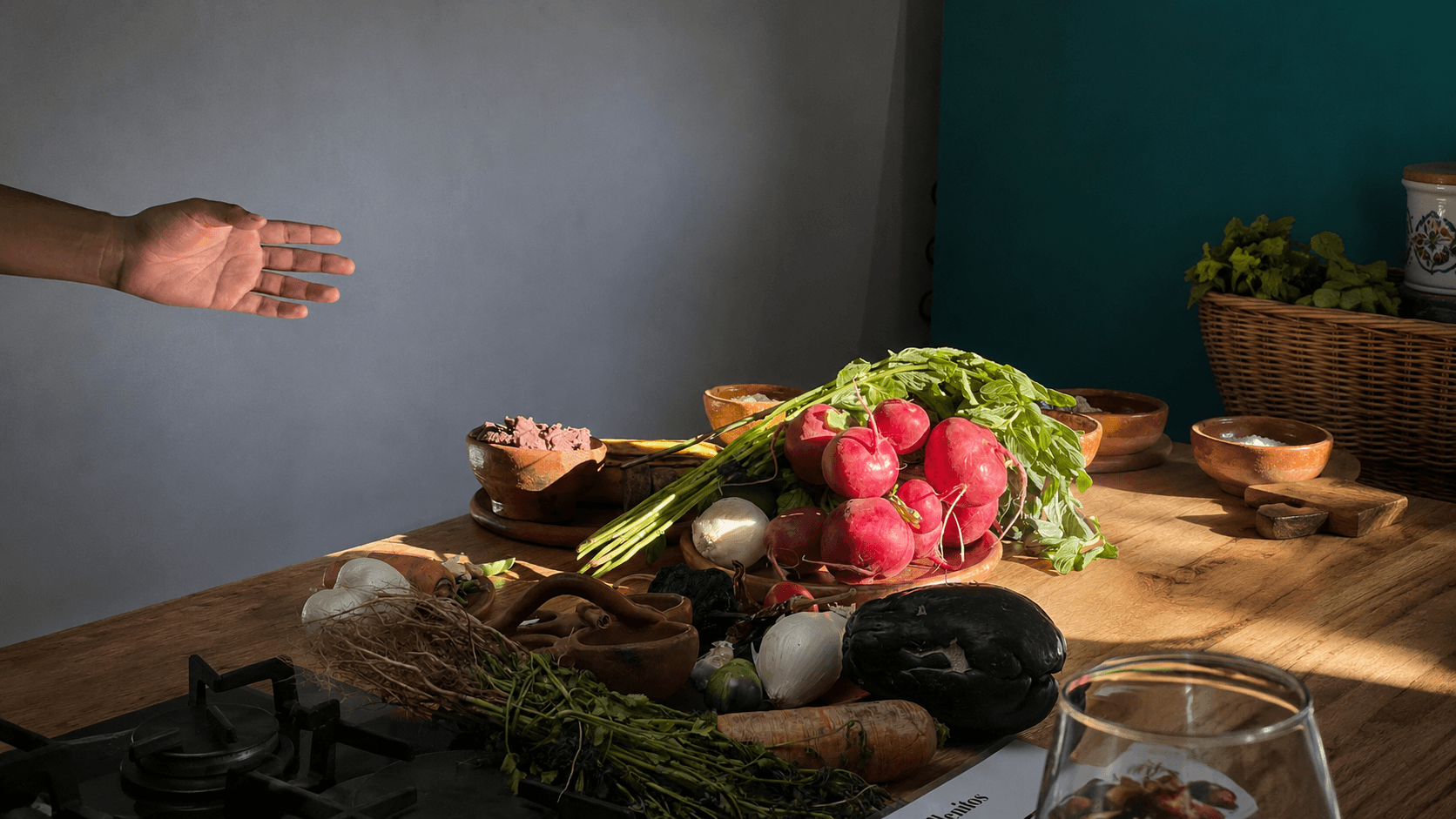
I did the class with La Tortilla Cooking School, and as I mentioned, it was on very short notice. Once I arrived at the cooking studio, the first thing that caught my eye was the interior: the main dinner table — where you sit down to eat after cooking — was decorated with fresh vegetables straight from the farm, arranged in a beautiful composition of radish, mint, onion, carrot, and tomato sourced from a local market.
Here's the exact class I booked. (opens in new tab)
What I Thought Was Great
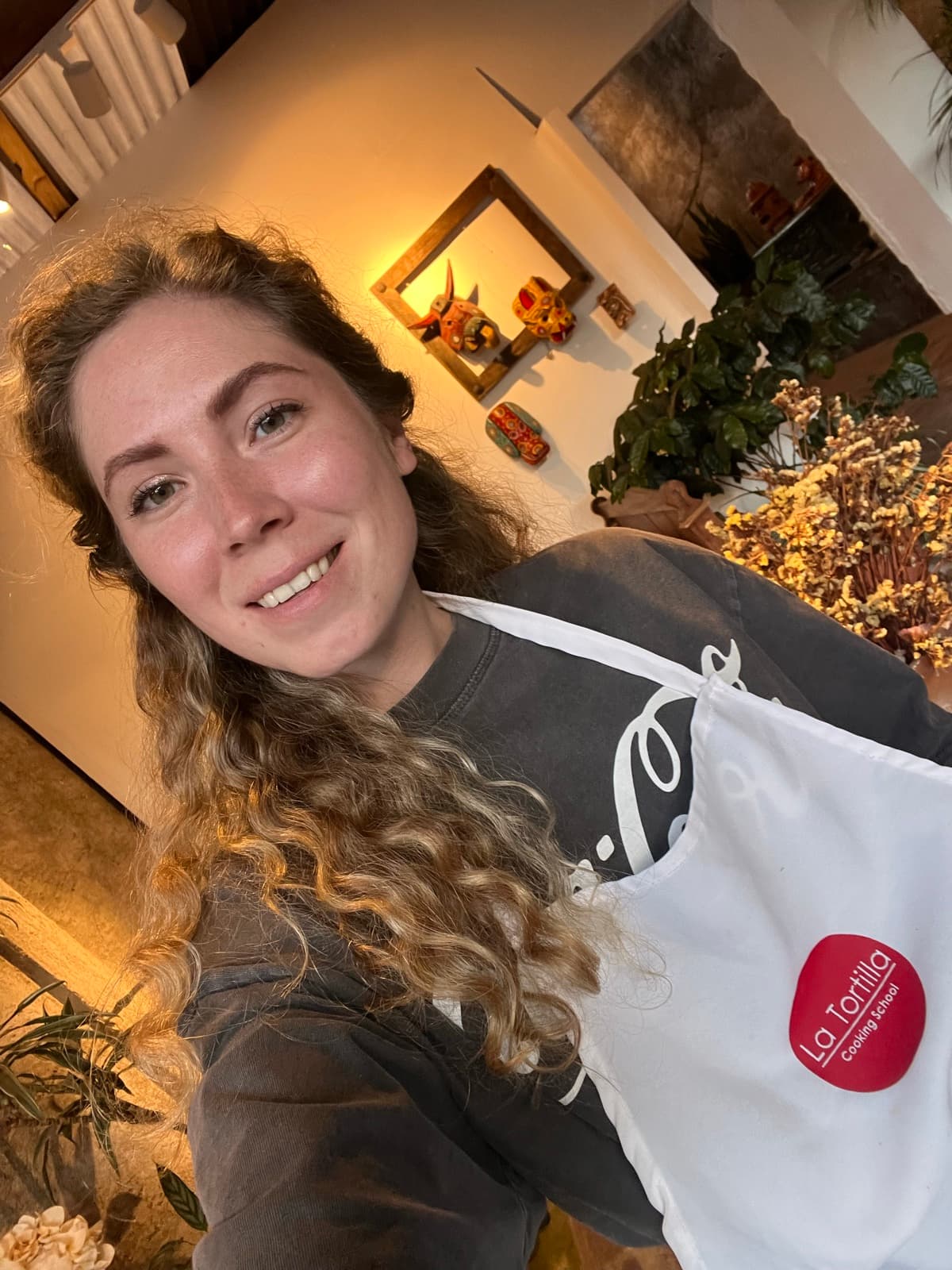
The chef was a cheerful, young, charismatic Guatemalan woman who spoke Spanish throughout the whole class, alongside an assistant who helped with translations and took photos of the group. That was a great bonus for me — I'm currently working on my Spanish and love every chance to practise.
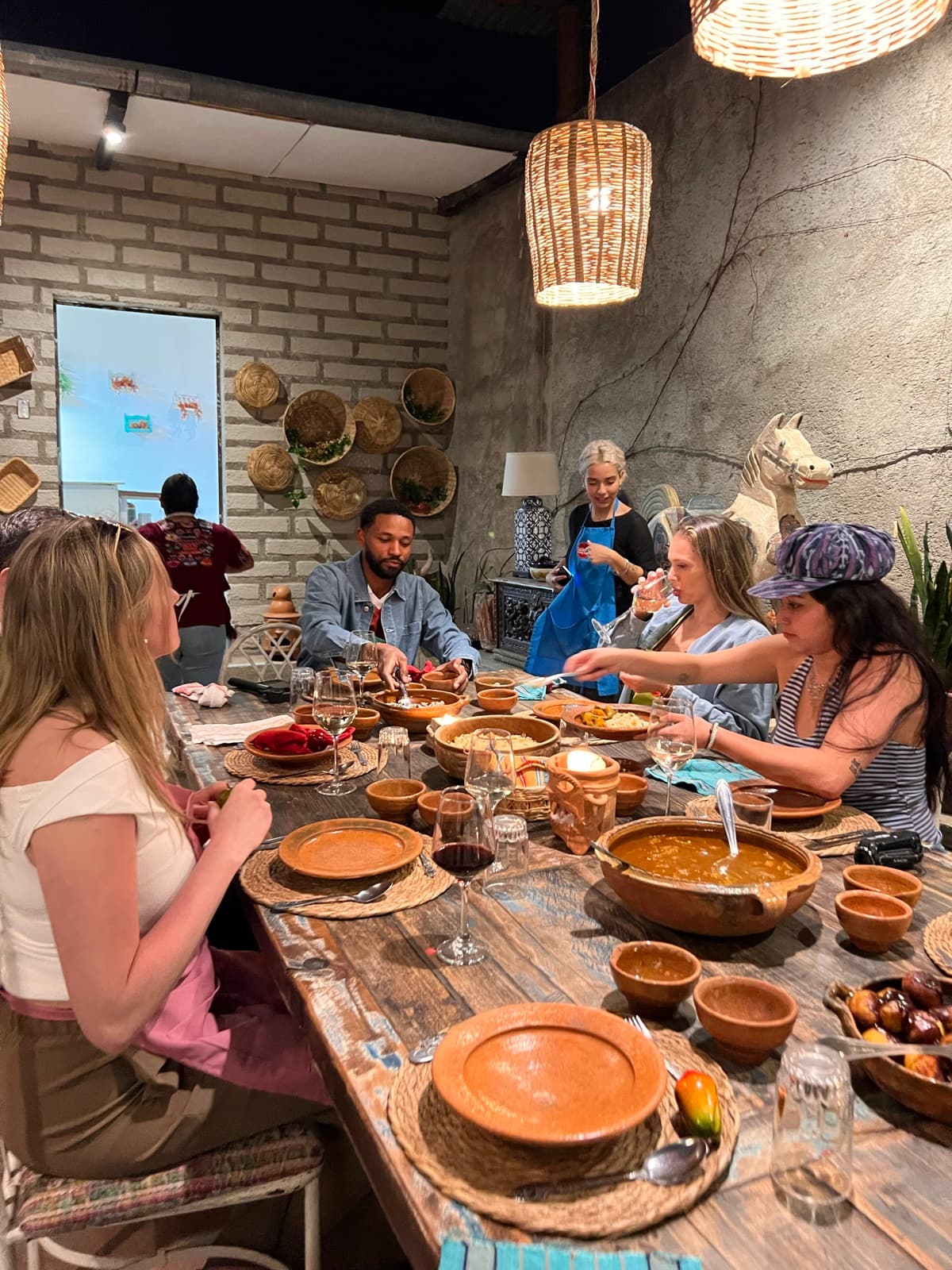
The class advertised unlimited house wine, and it lived up to the promise. We were offered a wine of choice — red or white — the moment we started cooking, and the “wine service” carried right on through dinner.
The chef's assistant took all the photos and videos for us, so we didn't have to worry about pulling out our phones and could focus on the process and on getting to know each other. The next day, we were sent all the footage over WhatsApp — and the photos were excellent.
We were also sent all the recipes afterwards so we could recreate them at home, which was exciting: it meant I got to impress my family with chicken pepián.
The venue itself was aesthetic and cozy, full of little thoughtful details and décor that add to the rustic, authentic atmosphere the moment you walk in.
What You Might Not Like (and a Few Tips to Do It Better)
The class I did didn't include a market tour, and I do love wandering market stalls — especially when a local family shows you exactly where they source their produce. If a market tour is a must for you, check with La Tortilla in advance; they don't run it every day, but they may be able to arrange it for the date you need.
If a market visit is non-negotiable, take a look at this class that includes a market tour (opens in new tab).
Compared to other classes, mine was on the pricier end — totally justified, though, given the unlimited wine, the gorgeous venue, and the fact that I jumped in last minute. But if you're travelling on a tighter budget, browse these more affordable classes (opens in new tab).
And if you have a little more time and want full cultural immersion, consider a class in a village outside Antigua where you cook alongside a Guatemalan family in their actual home kitchen. That genuine hospitality is something a studio class simply can't replicate. Here's a class where you cook with a local family (opens in new tab).
Why a Cooking Class Belongs on Your Antigua Itinerary
I'm writing this as someone who travels the world while working remotely, so everything here is filtered through the lens of a person who doesn't take vacations and instead weaves travel into life on the go. Here's why I think a cooking class in Antigua earns its spot:
The community element. Connecting with other travellers in a low-pressure setting was something I genuinely enjoyed. Stepping away from my laptop for a few hours was a beautiful, natural way to break up a busy work week, share an activity with like-minded people, and sit down to a huge, family-style feast at the end.
The cultural bridge. A cooking class connects you with locals in a meaningful way. Even though I recognise these classes are largely built for tourists, I wouldn't file this one under “plain touristy activity.” The real value is learning directly from a local chef or cocinera who can trace the Mayan and Spanish roots behind every spice and cooking method.
The Cooking Space and Vibe
Since I booked on a whim, I walked in with no expectations — and was pleasantly surprised. The chef guided me straight to a lounge waiting area and sat me down on a red velvet couch. The room was filled with antique, one-of-a-kind pieces; an upside-down basket repurposed as a chandelier, hanging from the ceiling, was probably the most astounding of them all.
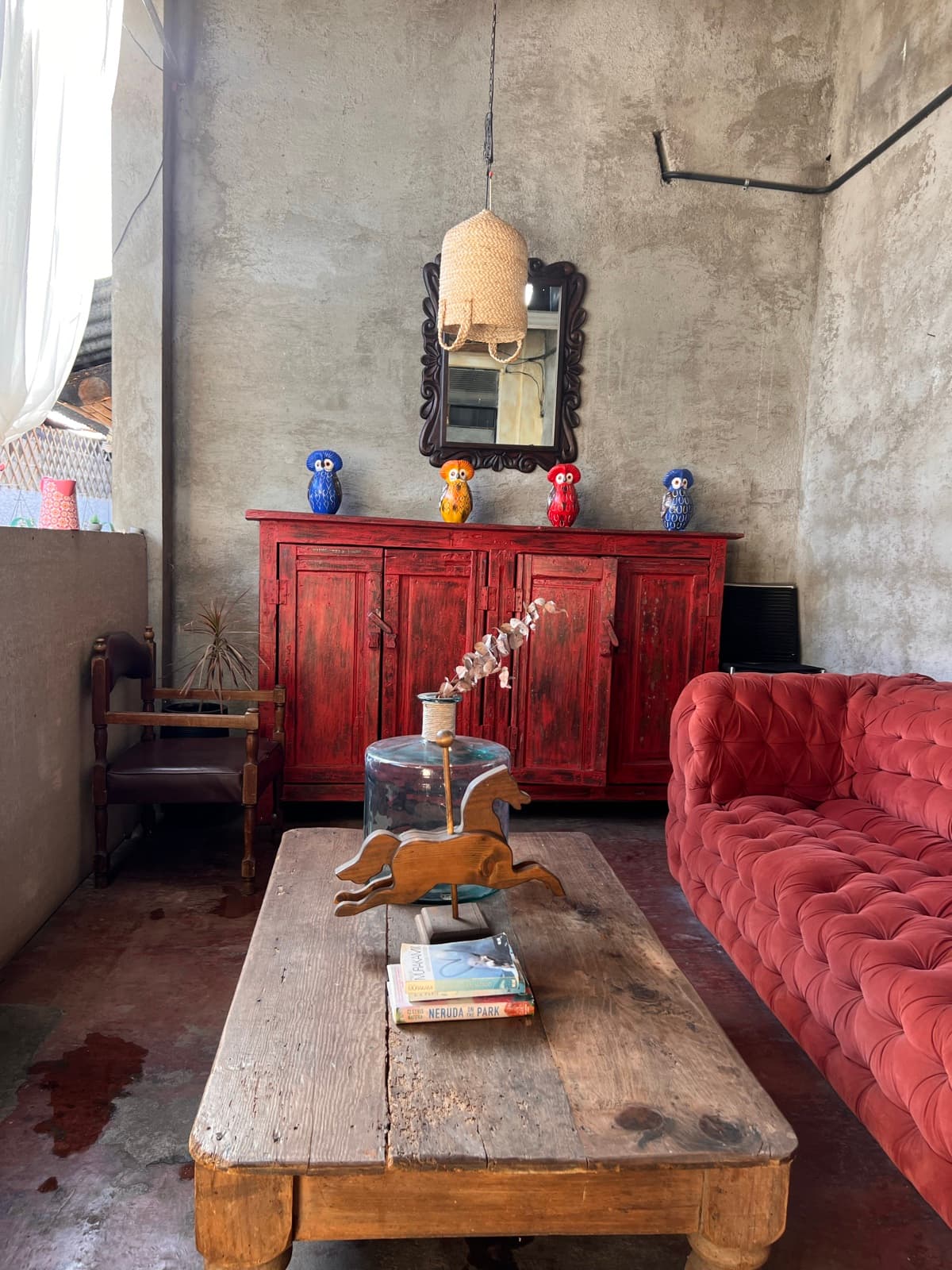
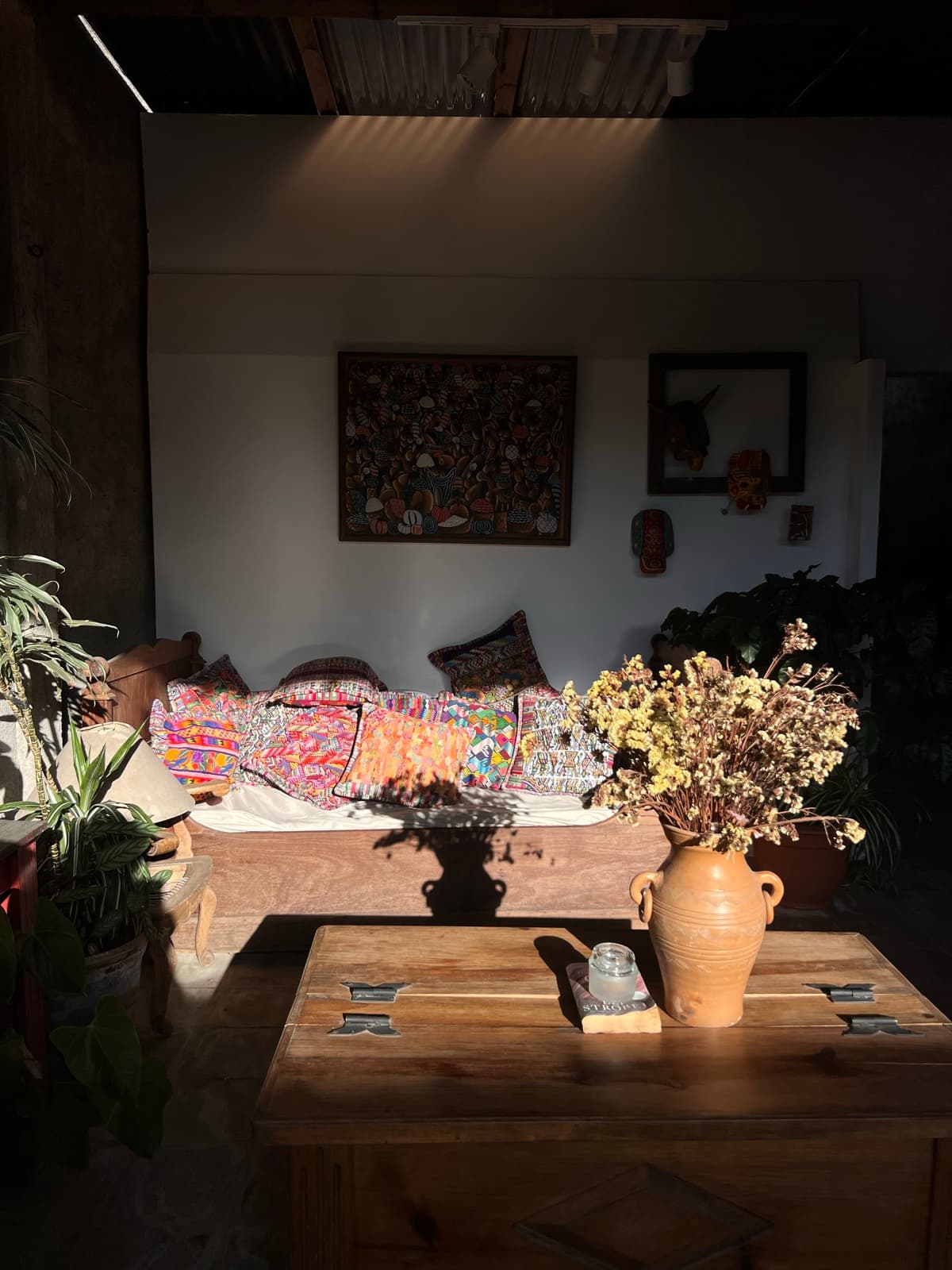
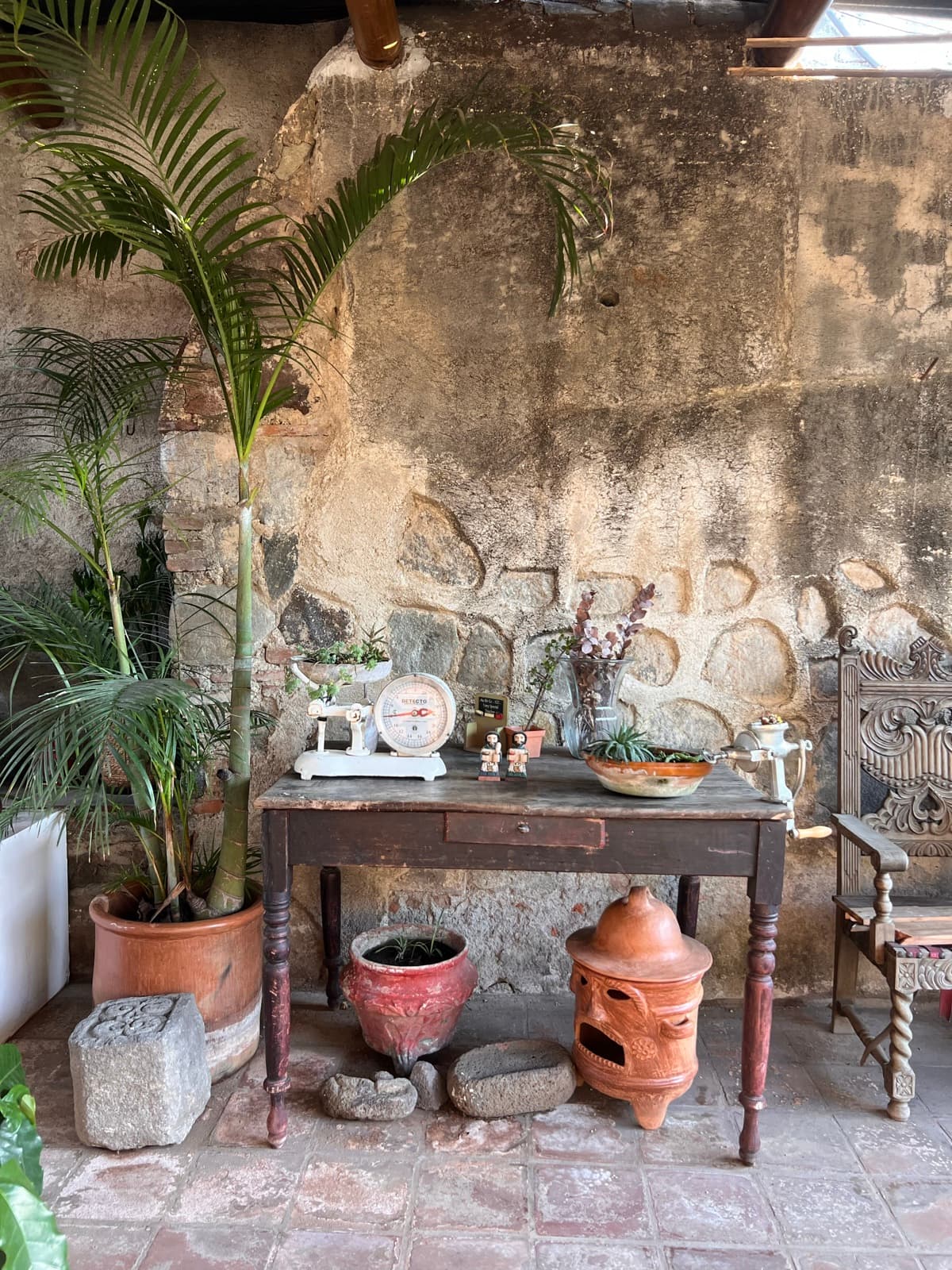
Guatemalans are known for their love of fortune-owl statues, and it was lovely to learn from the chef that they're used a bit like our piggy banks. Step through, and you're greeted by a beautifully styled colonial courtyard with a rustic, family-run kitchen — which I'll always take over a sleek modern interior that has no character or sense of place.
Once in the kitchen, I found neatly arranged prep stations crowned with vibrant fresh ingredients, all but inviting us to get down to business.
Everyone who showed up was genuinely nice and interesting, which made for great conversation while chopping a salad. There were two couples and two solo girls plus me — I'd turned up alone, looking for fun things to do in Antigua. So I'd say it won't feel awkward for a solo female traveller to join: it's not overly couple- or family-centric, and it's genuinely fun.
What's on the Menu? A Step-by-Step Look at the Class
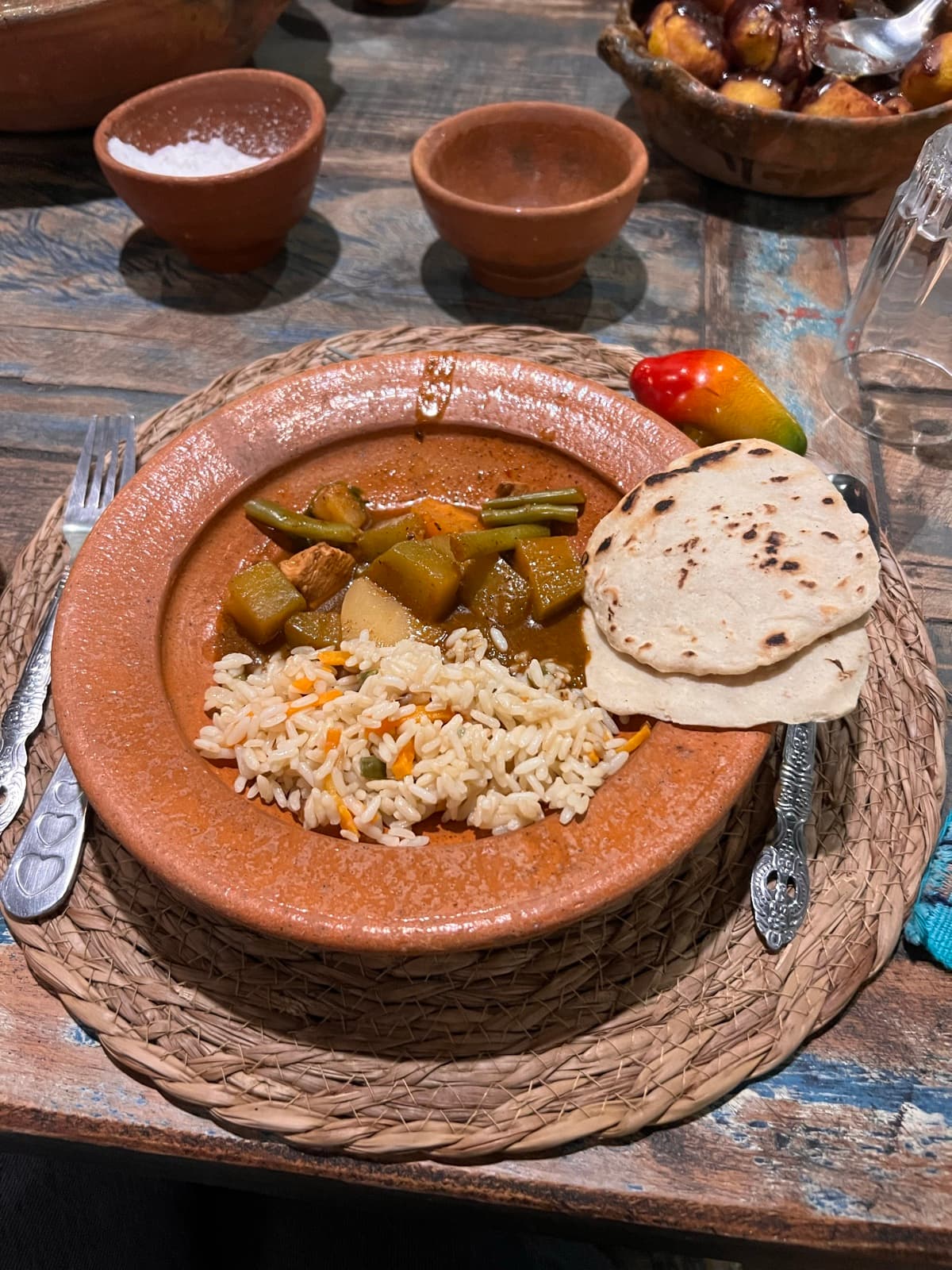
We had a real challenge ahead of us: cooking five different dishes — picado de rábano, arroz guatemalteco, pepián, tortillas, and rellenitos.
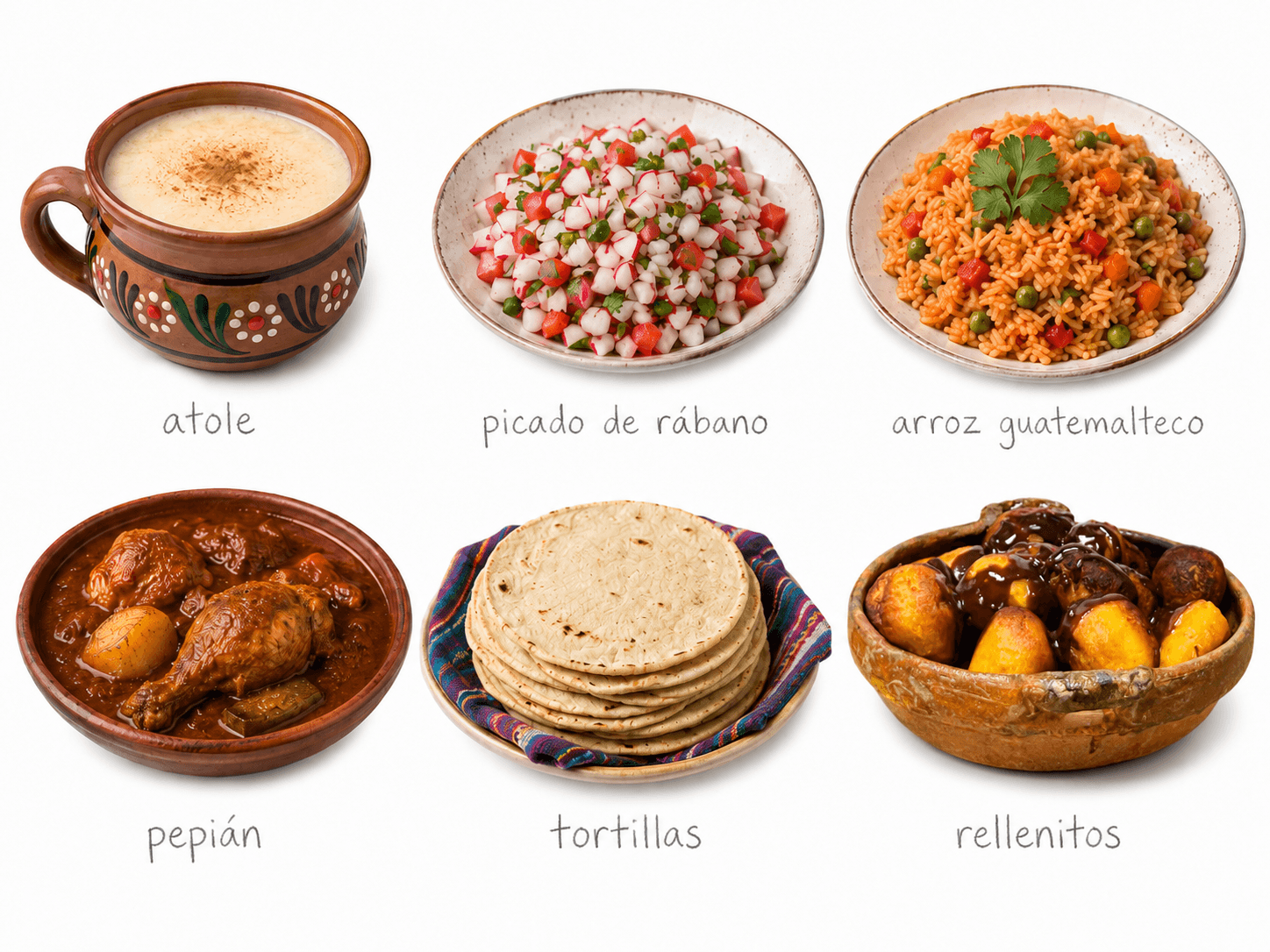
Our chef walked us through pepián first, and it turned out to be the most involved dish of the day. We started by simmering chicken in a big pot of salted water with a quartered onion, which slowly became the broth for the sauce. While the pot bubbled away, we dry-toasted pumpkin seeds and sesame seeds on a comal until they turned golden and nutty — no oil, just patience.
Next came the whole spices: cinnamon, cloves, and peppercorns, toasted until the whole kitchen smelled warm and fragrant. Then we charred the tomatoes, tomatillos, onion, garlic, and dried guaque and pasa chiles directly over the heat until their skins blistered and blackened in spots. Our chef explained that this charring step is the real secret behind pepián's deep, smoky flavour — rush it, and the sauce falls flat.
We blended it all down with a ladle of the reserved broth into a thick, glossy recado, then poured it back over the chicken to simmer until it thickened. The smells along the way were mouthwatering, and watching that rich, complex sauce come together was the part that made everyone impatient to taste the final result.
I'd actually tried chicken pepián before the class at one of the local canteens, so I knew roughly what to expect — and had something to compare ours to. But the sauce we made turned out beyond anything I'd imagined: rich with cinnamon yet deeply savoury at the same time, a wild combination for my Eastern European palate.
Making the tortillas was the part that had us all laughing. You'd think it's as easy as the pros make it look — but there's more to it. The real difficulty is patting the dough into a perfectly round, even disc without it cracking or sticking, all while keeping pace with local experts who make it look completely effortless. There was a lot of laughing at my lopsided first attempts.
The picado de rábano — a simple radish salad — was an unexpected highlight. The moment I was handed the peppermint to chop, its strong scent (one of my favourite smells in the world) transported me somewhere else entirely. And the radish-and-peppermint combination was so refreshing: a sour-fresh twist that cut right through the rich, at times heavy, flavours of the pepián.
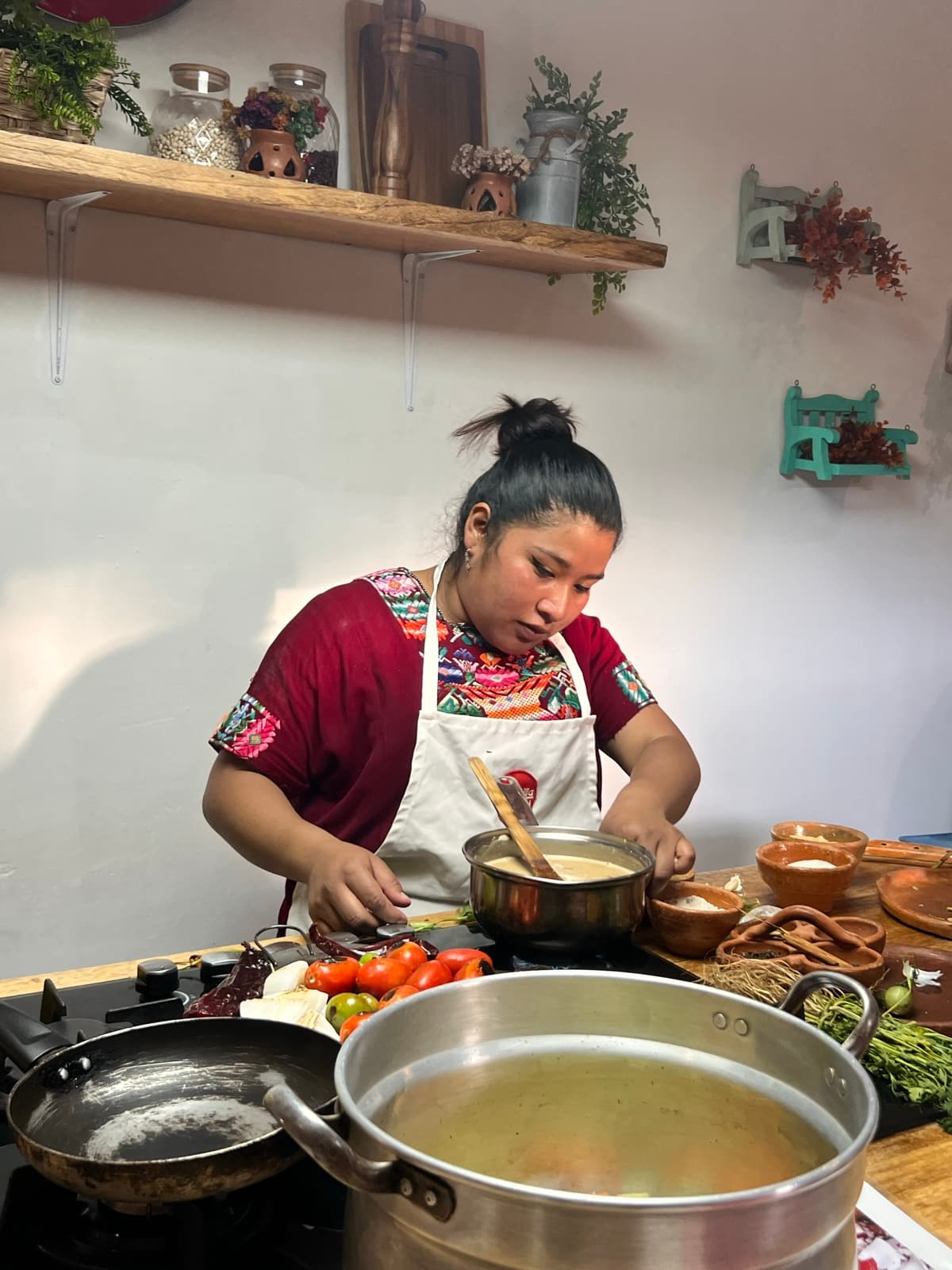
Rolling the rellenitos was the part my fellow cooks loved most. Made from plantain dough, filled with chocolate, and fried in the pan, they're a fantastic little dessert. By the time I got to mine I'd nearly run out of dough, so my last rellenito came out tiny — distinctly the baby among all the bigger rolls, which at least made it easy to spot my own on the plate once they reached the table.
The Food Coma Is Guaranteed
Let me be transparent with every nomad and slow traveller who comes to Antigua with a to-do list and work to get done: these classes are heavily immersive, and the final meal is incredibly filling.
Do not expect to head straight from the table to a café to smash out an intense four-hour client project — you'll want nothing more than a long walk or a nap. The amount of food I ate was not compatible with any further work blocks for at least two hours afterward.
Is an Antigua Cooking Class Worth It? My Honest Verdict
So, is an Antigua cooking class worth your time and money? For me, absolutely. Between the community, the cultural context, the free-flowing wine, and a take-home digital recipe book that turns one afternoon into a lifelong souvenir, it earned every quetzal — even at the pricier end.
If you're a nomad passing through Guatemala, just plan it for a day when your only follow-up task is digesting.
Need a café to work from afterward?
Once the food coma lifts, Antigua has a solid café scene for getting actual work done. I tested Wi-Fi speeds, outlet access, and coffee quality across five spots.
5 Work-Friendly Cafés in Antigua — reviewed for nomads →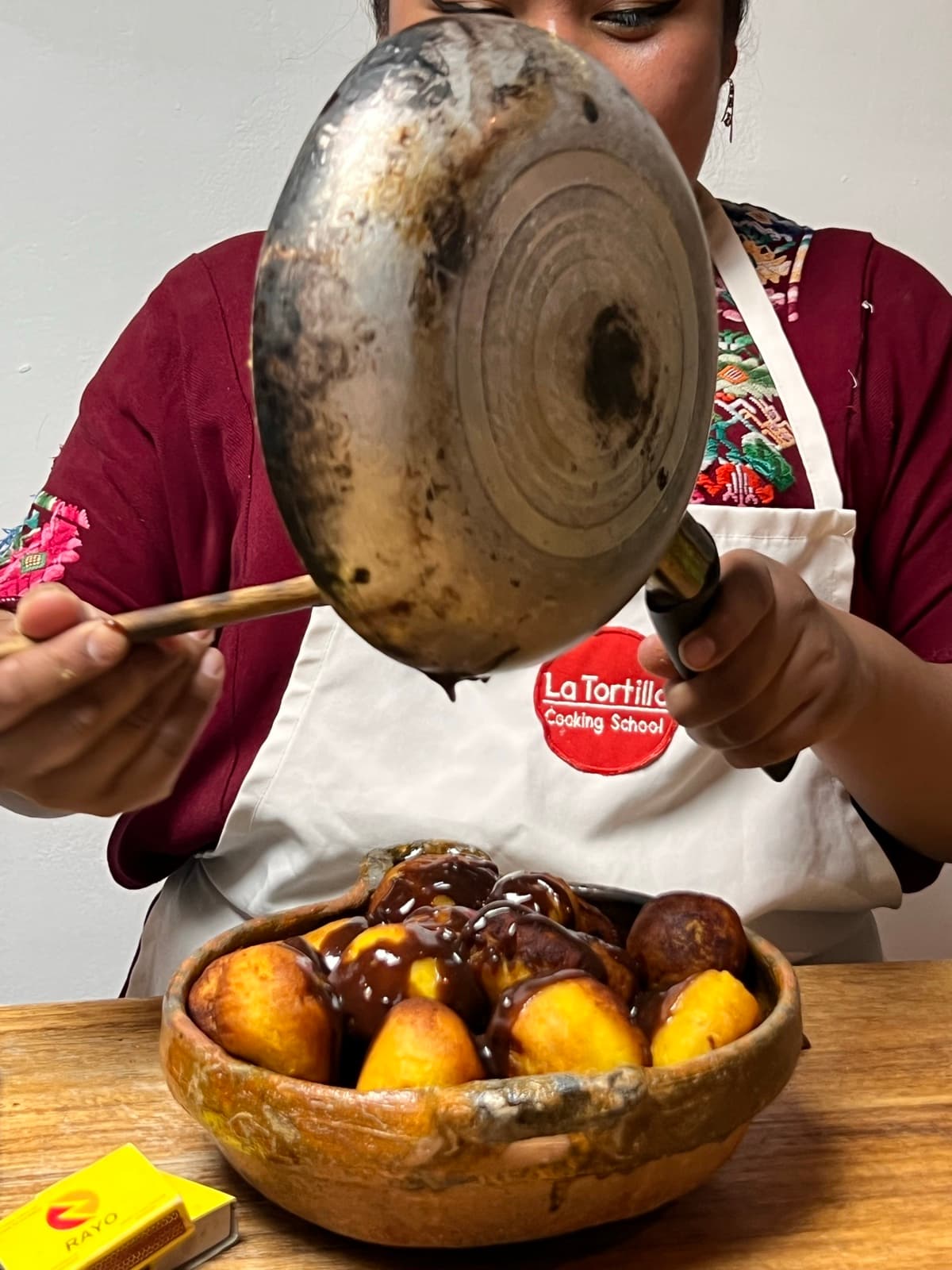
Where to Stay in Antigua: My Favourite Picks
Whether you're here for one night before the volcano or a week of slow travel, Antigua has good options across every budget.
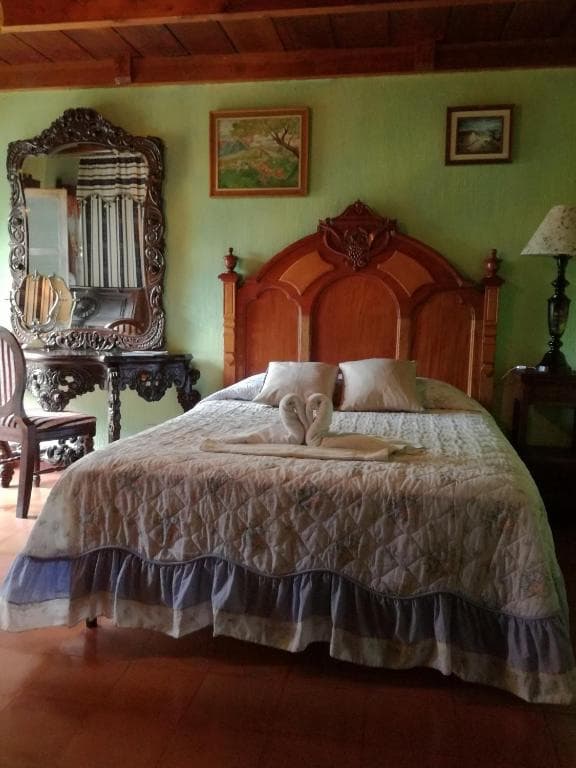
Antigua Centro · $
Old-school and cozy — the kind of place that feels like it's barely changed in 30 years, which is exactly the charm.
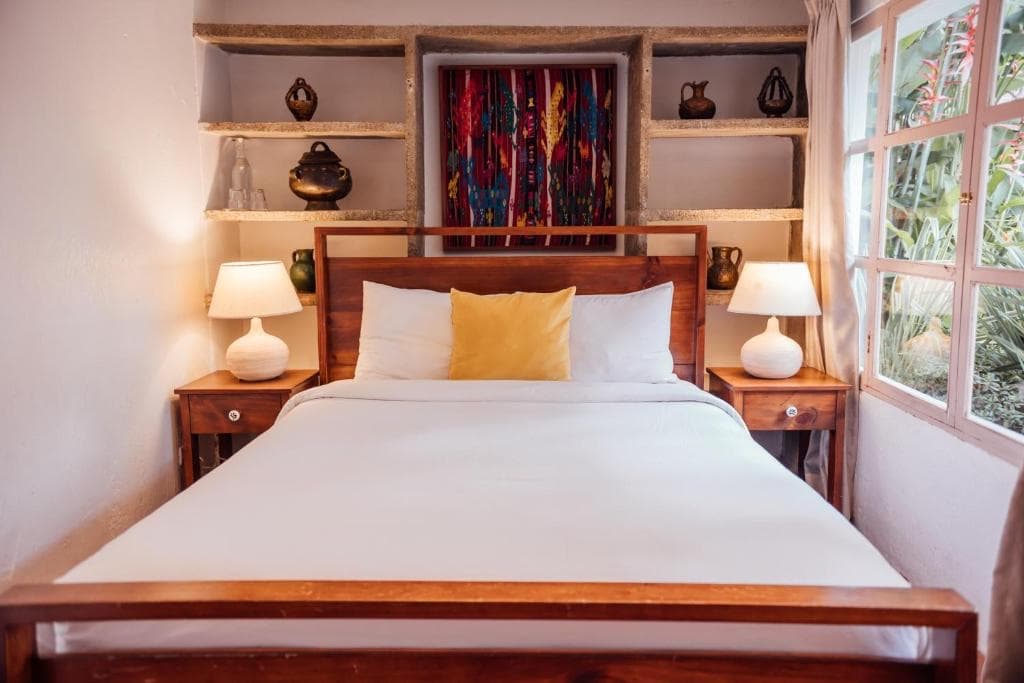
Antigua Centro · $$
Stylish boutique with a great courtyard and central location. Good energy, good breakfast.
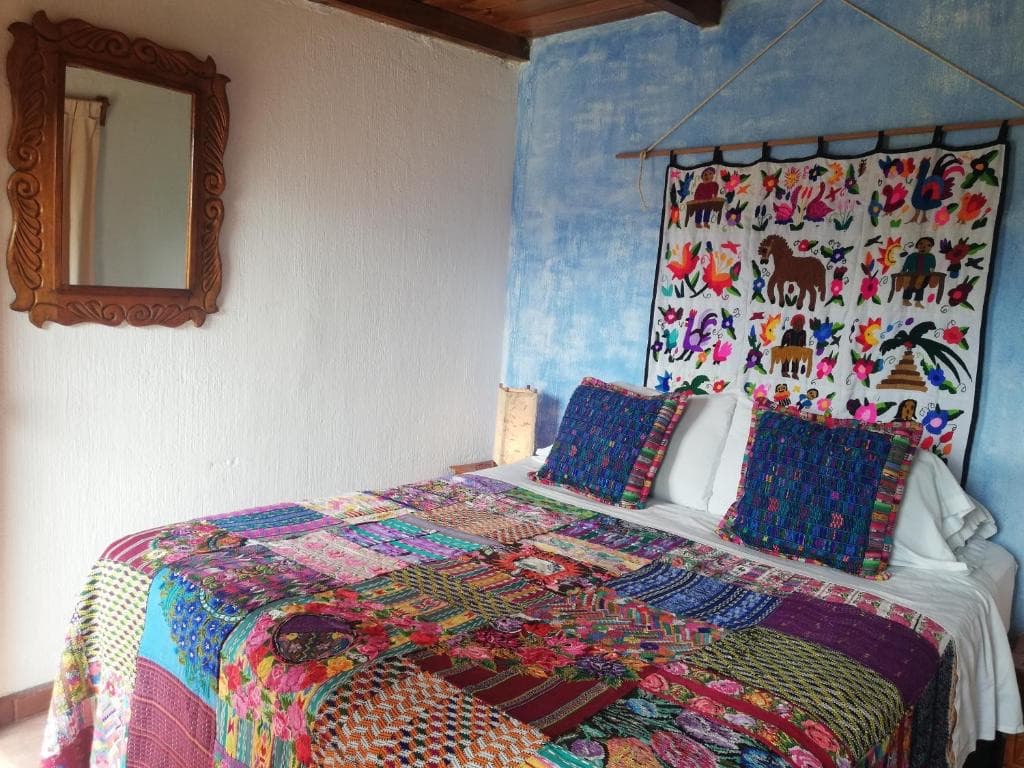
Antigua Centro · $
One of the best-known hostels in Antigua — social, well-run, and full of the kind of people you actually want to meet.
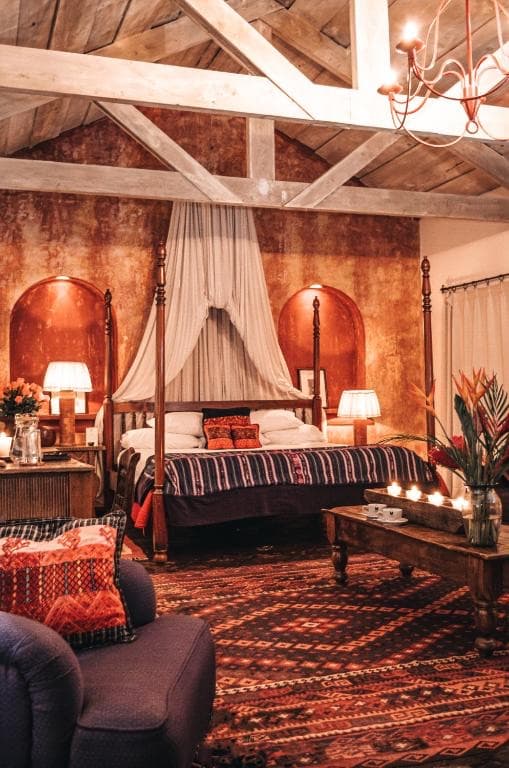
Antigua Centro · $$$
One of the best hotels in Antigua — impeccable service, gorgeous gardens, and a restaurant worth booking even if you're not staying here.
Antigua Cooking Class FAQ
You may also like
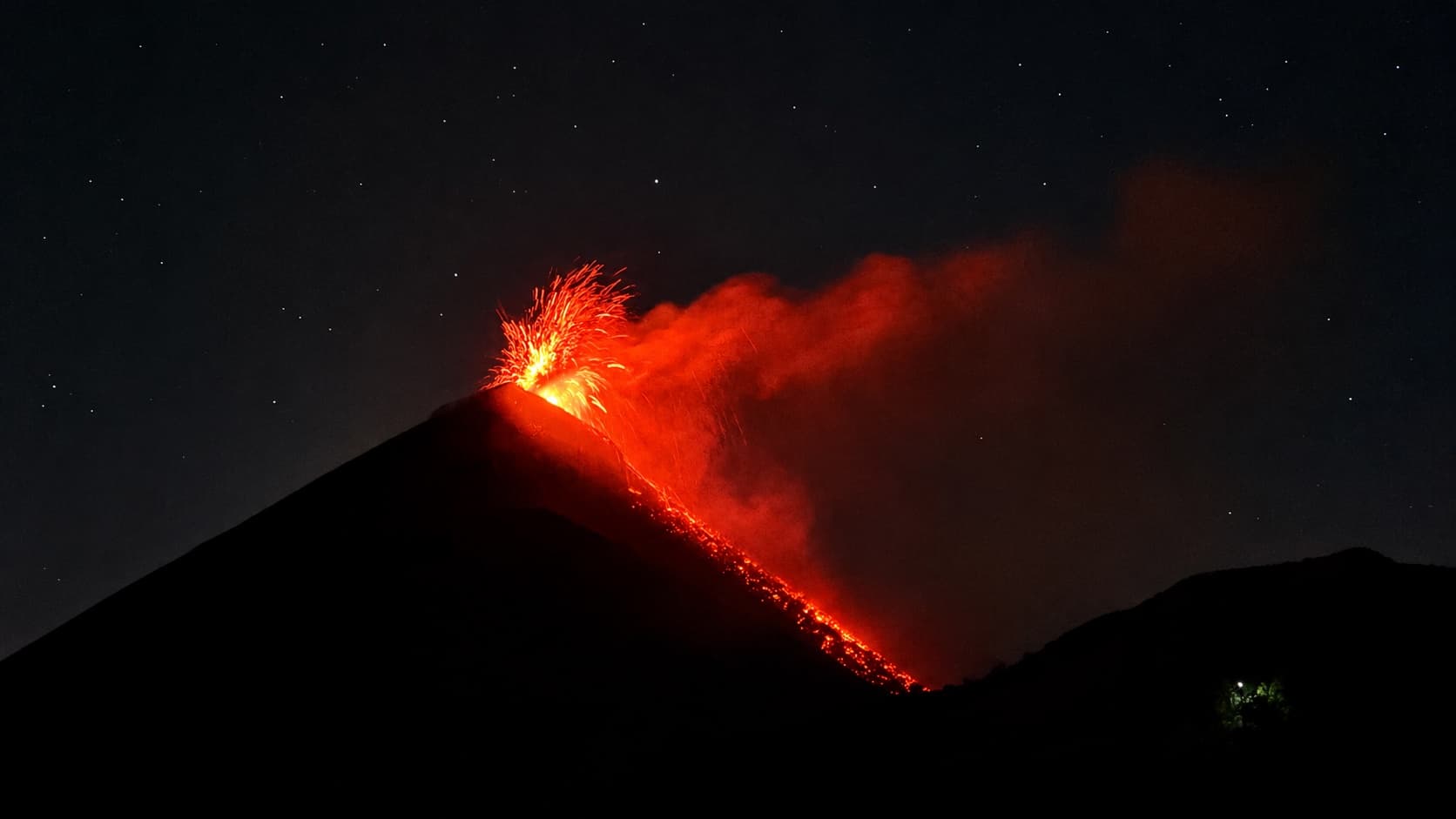
Hiking Acatenango Volcano Solo as a Female Traveller
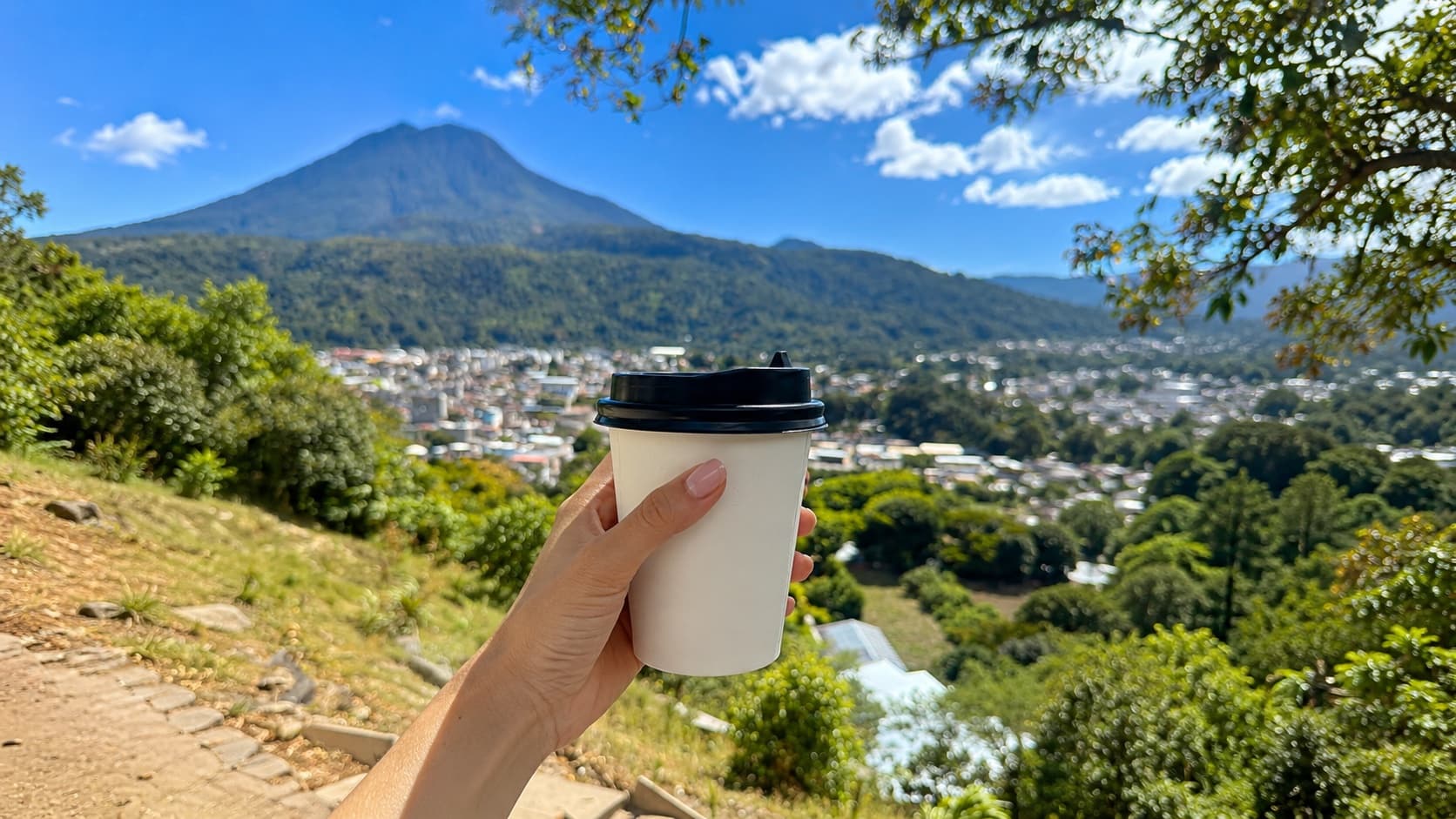
5 Work-Friendly Cafés in Antigua, Guatemala
Things to Do in Oaxaca as a Digital Nomad
Some of the links on this site are affiliate links. This means I may earn a small commission if you purchase them at no extra cost to you. I only recommend things I genuinely use or believe in.