Spain | Costa Brava
8 Best Things to Do in Cadaqués, Spain: Travel Guide & Where to Stay
Last updated: October 8, 2026
Cadaqués was one of those places I almost skipped — too far, too inconvenient, not enough time. I'm glad I didn't. It's a whitewashed fishing village on the Costa Brava, about three hours from Barcelona by bus, and it feels like it belongs to a different era. Dalí lived here for decades, and you can feel why — the light is strange, the bay is beautiful, and the town is small enough that you actually slow down. Here's what to do, where to eat, and where to stay.
In this article
- 1.Visit the Salvador Dalí House-Museum
- 2.Hike Cap de Creus Natural Park
- 3.Take a boat tour to snorkel and sea caves
- 4.Explore Santa Maria Church and the Old Town
- 5.Walk the Camí de Ronda to Cala Nans Lighthouse
- 6.Have dinner with authentic Catalan cuisine
- 7.Browse the antiques and vintage market
- 8.Order a drink at a bar with bay views
- 9.Where to stay in Cadaqués
- 10.How to get there
- 11.FAQ
This July I was staying in Barcelona for a couple of weeks, which can get a little too hot and a bit crowded with tourists coming from around the world to see Gaudí's masterpieces or make their escape to the Costa Brava beaches. However, even in Barcelona, there are ways to explore a little off-grid and stay in places that help you see the city from a different perspective, through the eyes of a local — and I wrote a short guide on that.
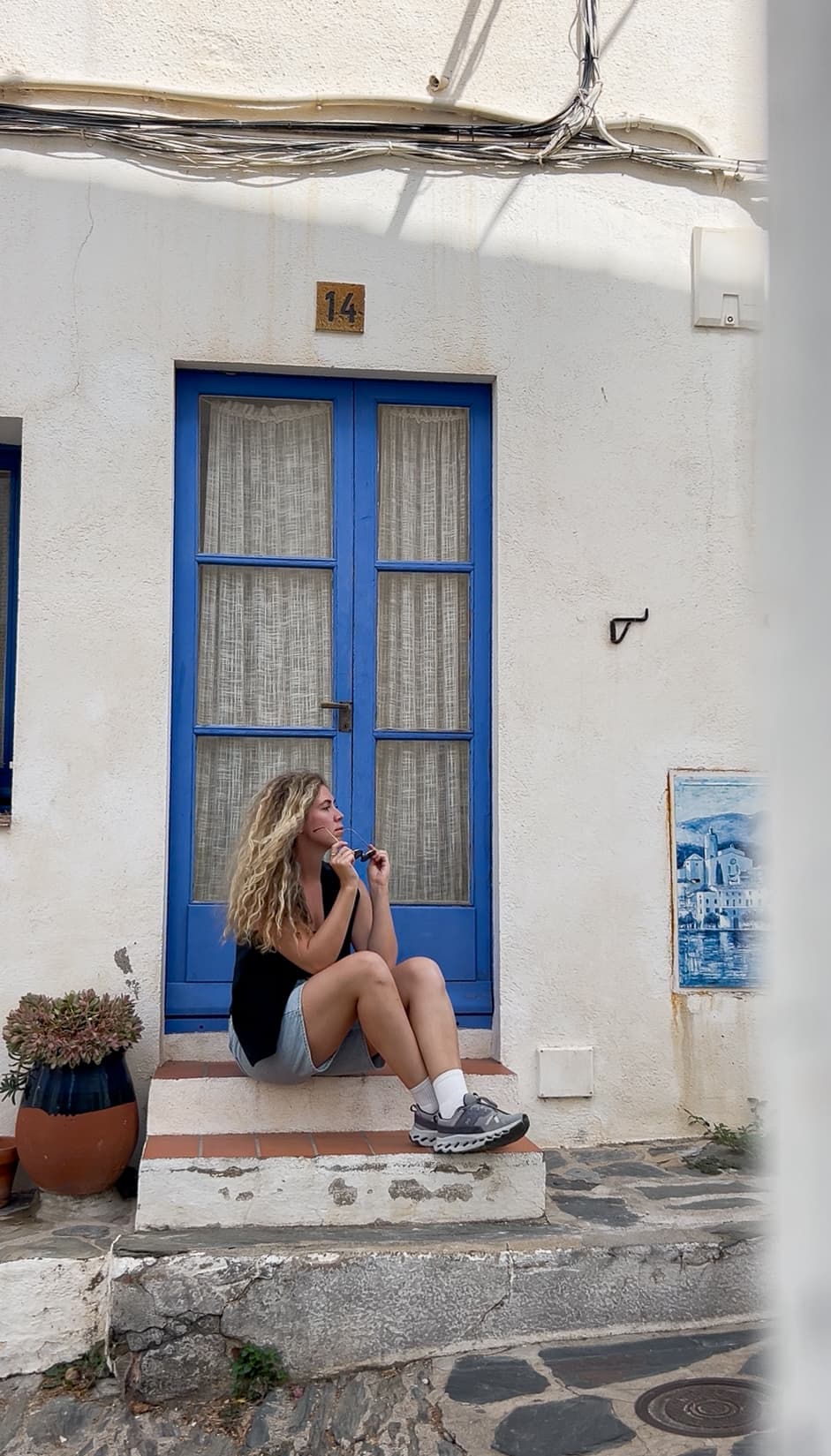
July is not a bad time to visit Costa Brava — it's slightly cooler than cities further south, and just being by the sea is refreshing. I was looking forward to exploring more hidden gems along the Costa Brava and decided to head to Cadaqués, which Condé Nast Traveller called an arty fishing village that's Spain's best-kept secret (opens in new tab).
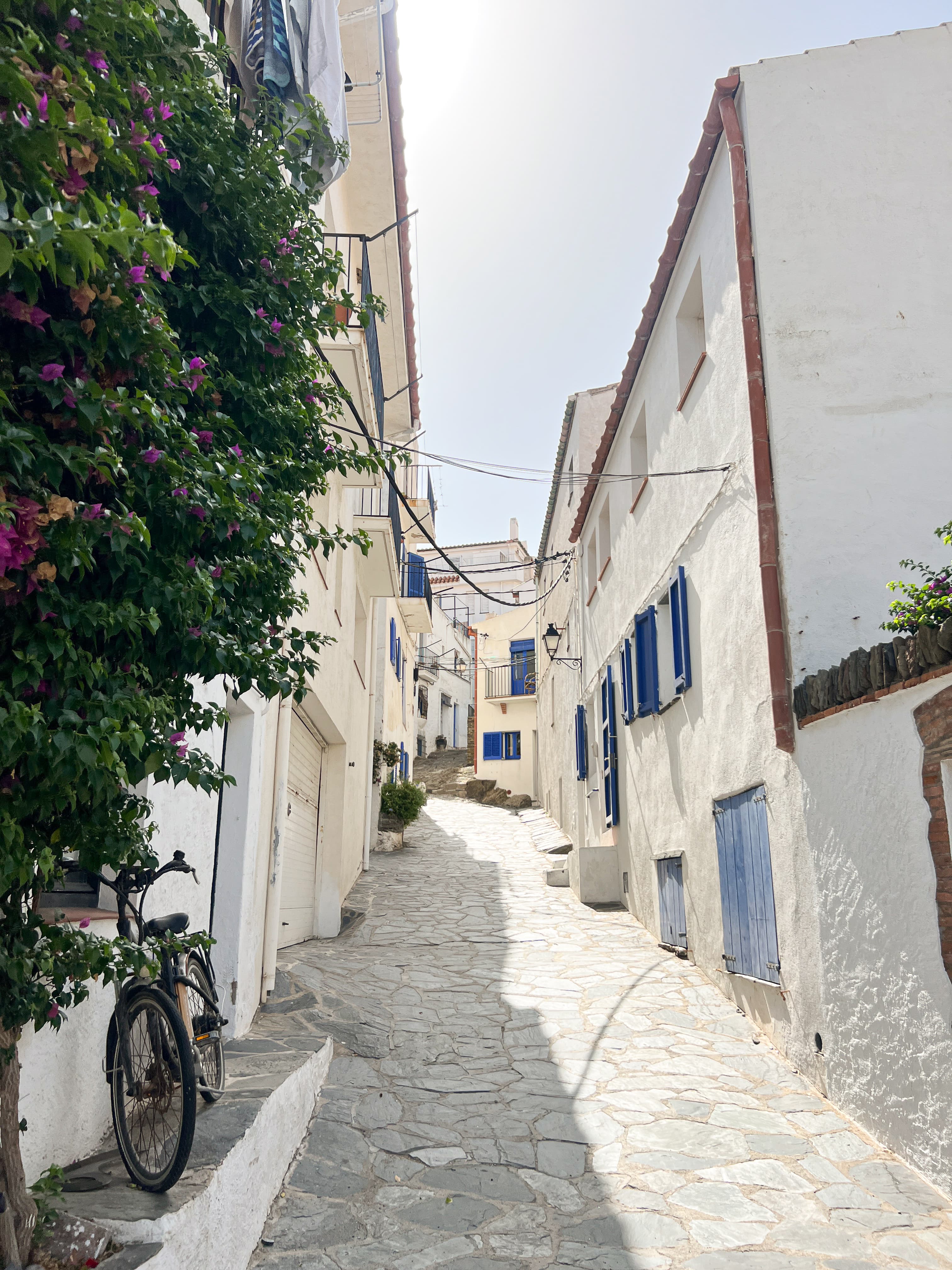
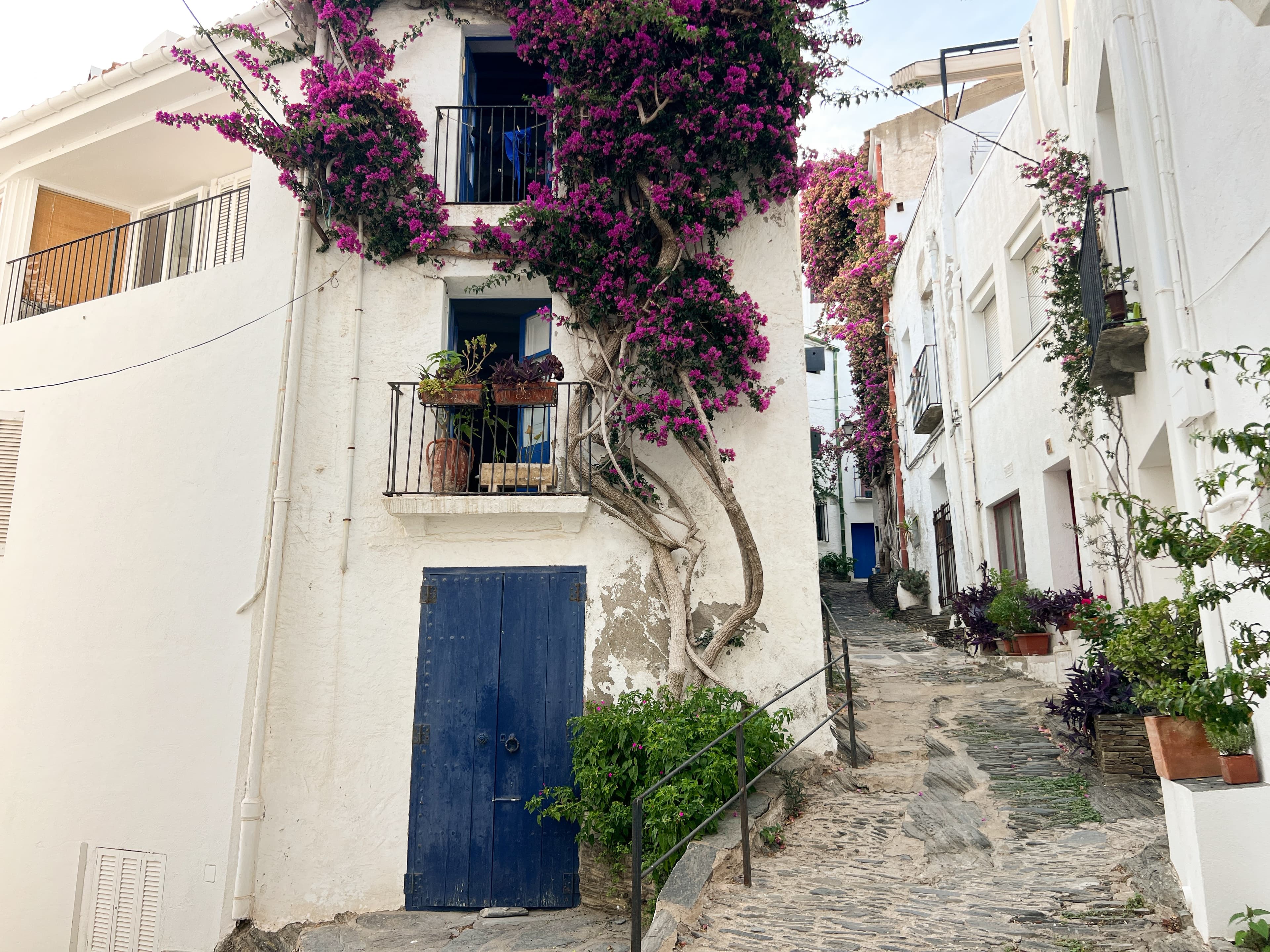
Cadaqués genuinely feels like you've slipped through the cracks of time into a secluded, sun-drenched sanctuary with no connection to the modern world. Cut off from the rest of Spain by the Pení mountains, it has preserved a rare, authentic soul that feels entirely different from the rest of the bustling Costa Brava. The last hour on the bus takes you through winding, serpentine mountain roads (which could be a little rough if you struggle with car sickness), but once you arrive, you completely feel like you've reached an isolated pocket the rest of the world doesn't know about. The more I travel, the more I crave places exactly like this. The blinding white-washed houses against deep-blue sea waters are hard for your eyes to get used to, and hard to believe are real — it feels more like a living canvas than an actual city with real inhabitants. But unlike many places I've been that felt this way — almost museum-like, built for tourists — Cadaqués absolutely doesn't feel that way. Strolling its streets, I quickly noticed how livable it is: locals drying their laundry in the sun, people walking their dogs through narrow, century-old alleys, señoras tending their blooming gardens. Cadaqués in summer is deep in blooming trees, pink and red flowers of every kind, and bright blue paint framing every building.
I stayed at Hotel Blaumar, a charming blue-and-white property just outside the old town — more on that in the Where to Stay section below.
Top Things to Do in Cadaqués, Costa Brava
1. Visit the Salvador Dalí House-Museum in Portlligat
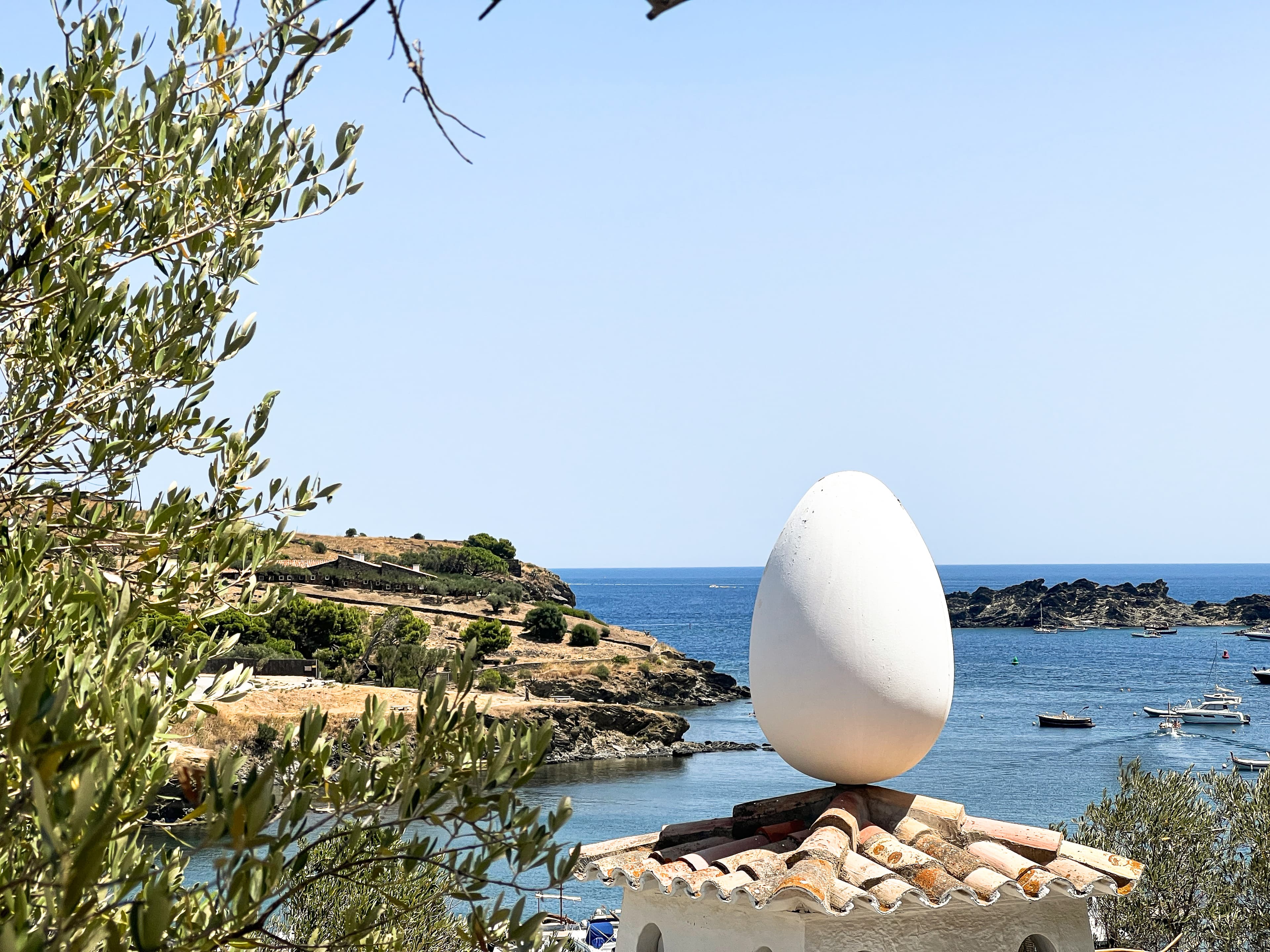
The Salvador Dalí House-Museum in Portlligat is a labyrinthine complex built out of several converted fisherman's huts where the surrealist artist lived and worked from 1930 to 1982. You can explore Dalí's private studio and the house where he lived, see the window frames that inspired his bay landscapes, and wander through the surrealist olive grove gardens featuring his iconic pink lips-shaped couch.
Practical tip
One of the things that inspired me to go to Cadaqués was my long-time love for Salvador Dalí, which started when I came across a biography of him at 18. I remember thinking, after reading just a few pages, “this man is crazy… but he's so interesting.” Salvador Dalí is definitely someone you'd call an individual — a genius who relentlessly worked to turn his obsessions and psychological struggles into art.
2. Hike the Wild Coastline of Cap de Creus Natural Park
This trail plunges into a raw, alien landscape where the Pyrenees Mountains abruptly crash straight into the Mediterranean Sea. The wind-sculpted terrain features bizarre, jagged black slate and orange limestone formations that famously inspired Salvador Dalí's surrealist paintings, making it feel like walking across the surface of another planet. You'll reach the easternmost point of the Iberian Peninsula, with dramatic 360-degree views from atop sheer, plunging sea cliffs, plus access to secret, emerald-water coves (calas) that are entirely inaccessible by car.
Trail details
- Distance: 8.2–8.8 miles (13–14 km) round-trip
- Moving time: 3.5–4.5 hours
- Start: Portlligat trailhead (near Dalí's house) or the Cap de Creus lighthouse
I did parts of this trail at sunrise, before the July heat kicked in, and I absolutely loved it — I've never really seen terrain like this. It's wild, featuring bizarre, jagged black slate and orange limestone formations that make you appreciate why Salvador Dalí was so inspired by them.
Important warnings
3. Take a Boat Tour to Snorkel Near Cap de Creus and Visit Sea Caves
I arrived in Cadaqués in the afternoon, and it was too hot to do anything besides hide in the hotel room or get in the sea. Whenever there's a great opportunity to get on a boat and see some beautiful vistas, I don't usually think too long. Here, just moments from the easternmost point of Spain, is a landscape best described as a surreal, windswept, lunar terrain where the Pyrenees plunge straight into the Mediterranean Sea. I was told that this peninsula is deeply indented with calas (narrow, steep-sided bays) hidden between towering cliffs, which is fantastic to see from the water. I didn't hesitate to book a small-group boat tour around the Cap de Creus peninsula, not far from the French border.
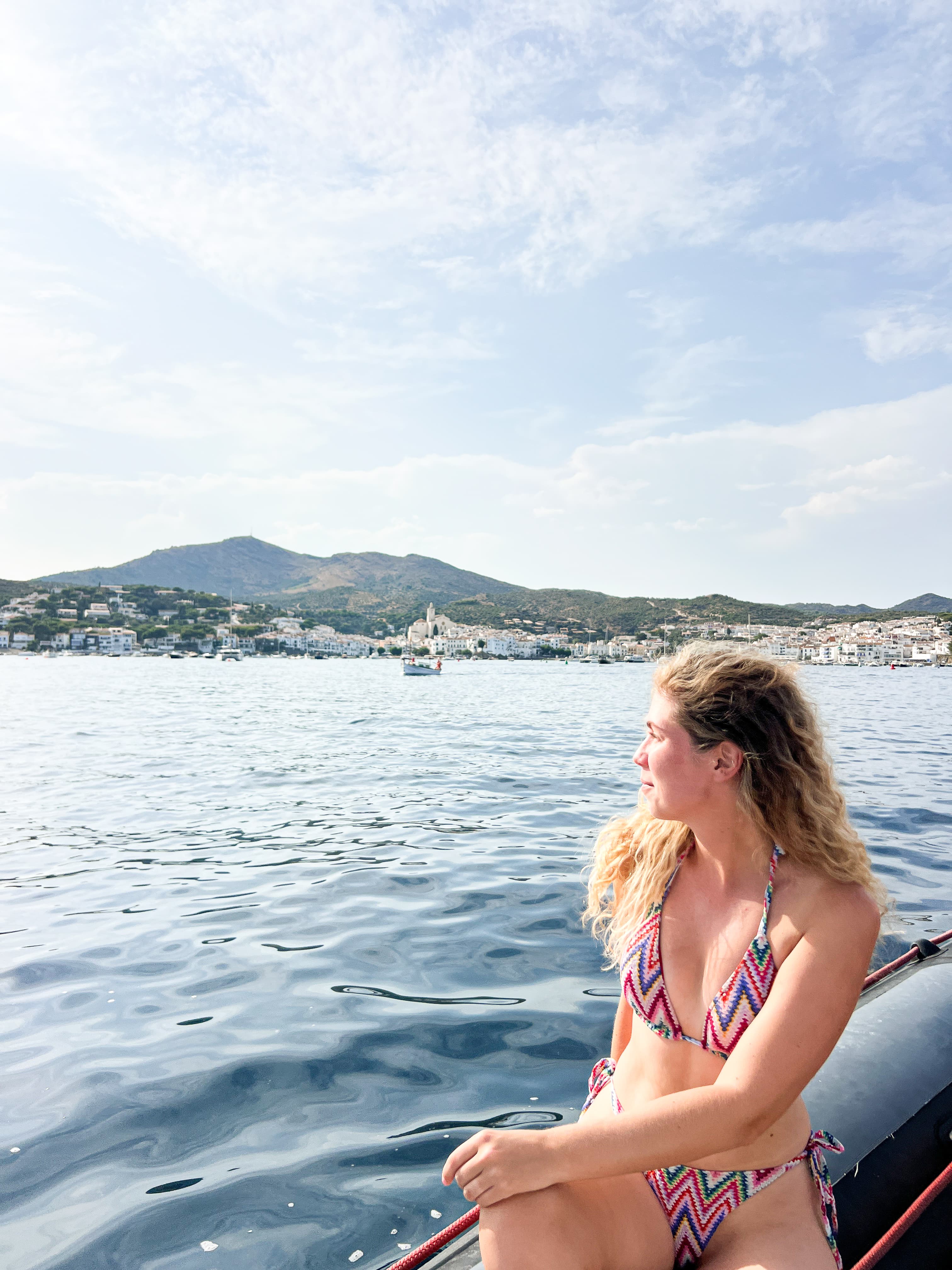
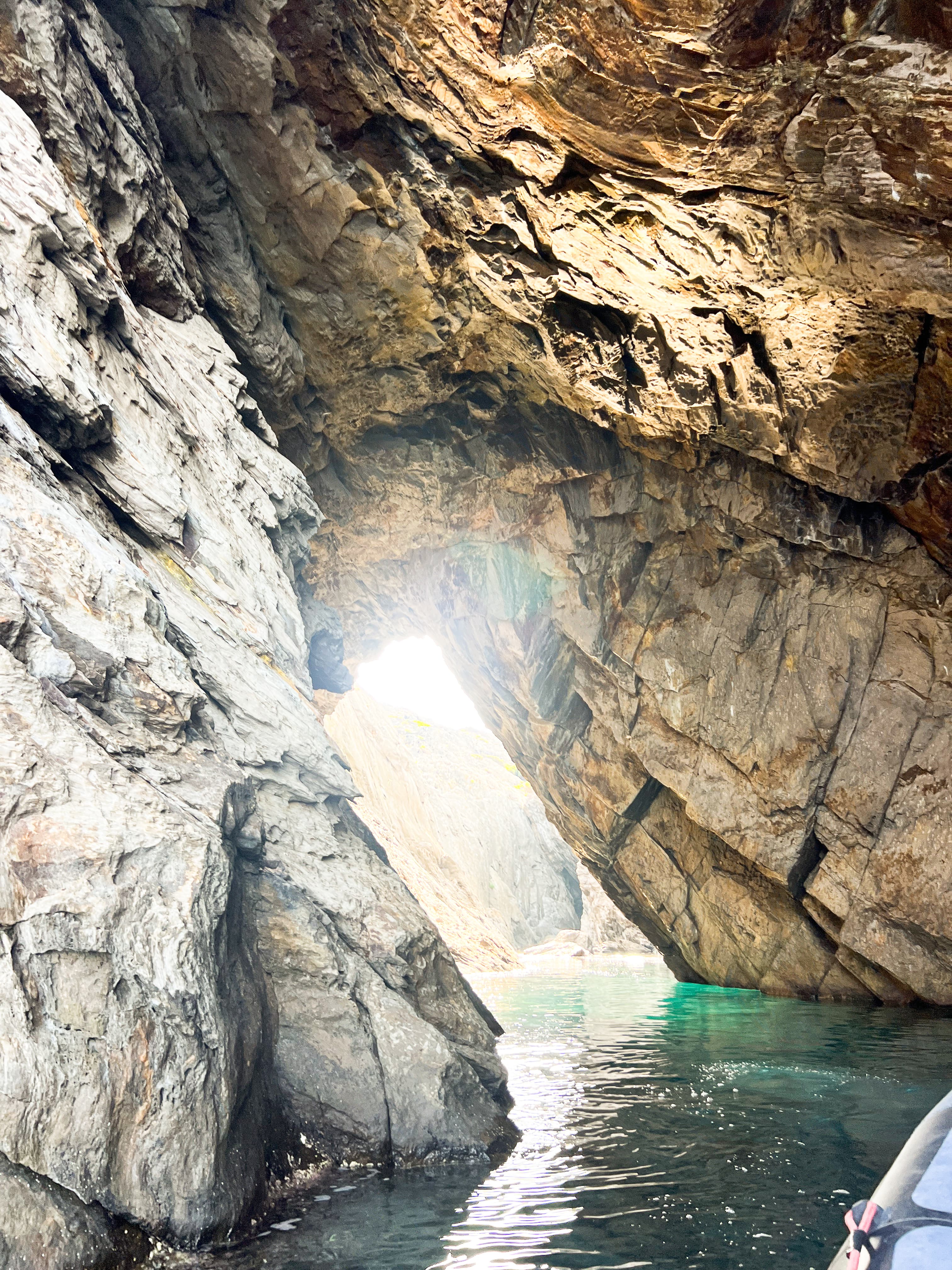
We sailed past mysterious sea chasms like the Cave of Hell (Cova de l'Infern) (opens in new tab) and Tamariu Cave, alongside untouched, turquoise-water coves like Cala Culip and Cala Jugadora (opens in new tab) — the latter named for fishermen who used to compete over who could catch the biggest, rarest fish there.
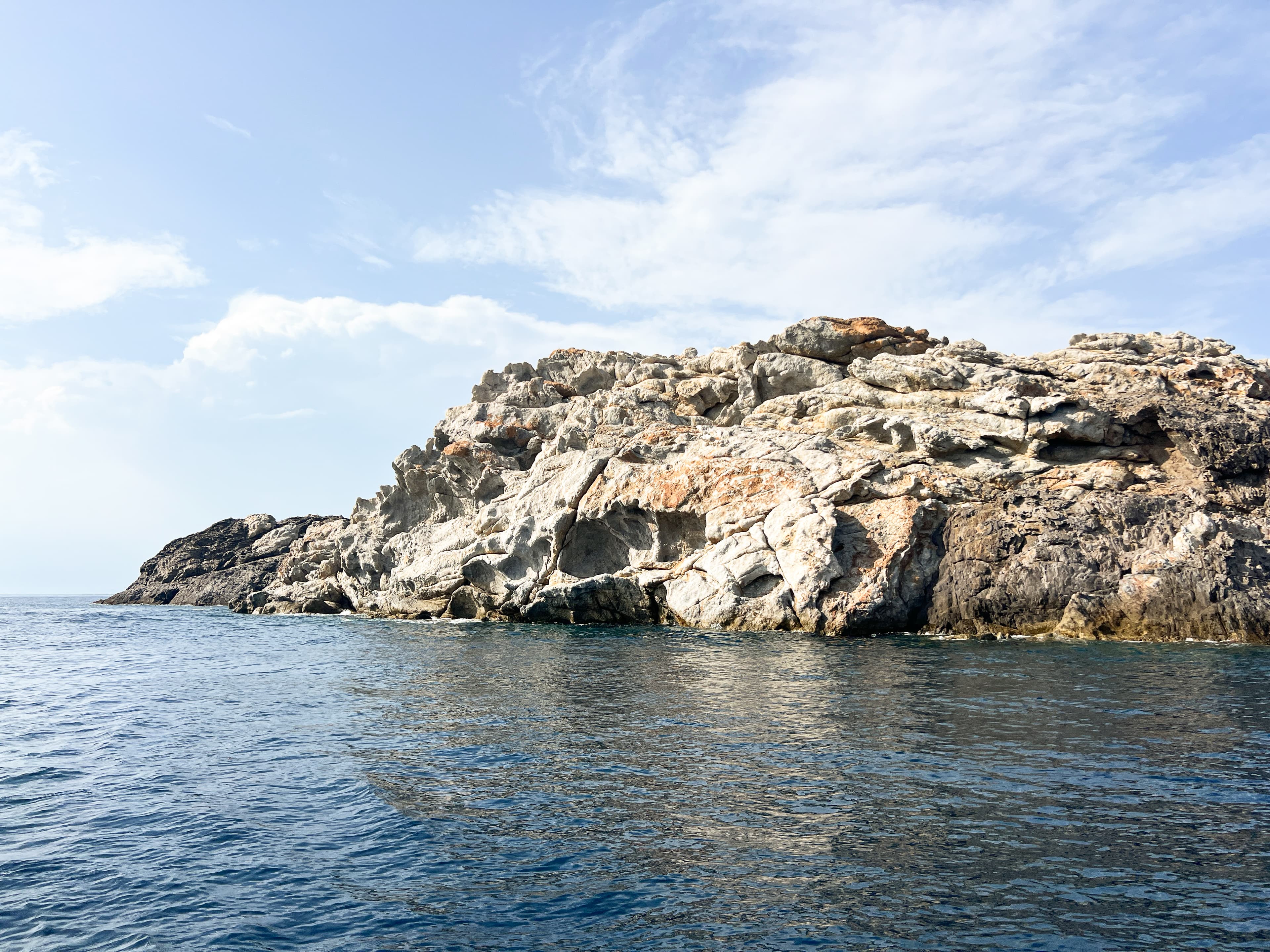
It's always better with a small group — it's not crowded, there's enough space on the boat for everyone, and you can also work out your own route or pace with the captain. We had two stops to swim and snorkel with the goggles provided by the boat, though the visibility was fantastic even without them — you could see straight down to the seafloor and watch gigantic fish swim past, along with sea urchins and starfish hiding between the rocks.
We visited two caves, and one of my favorite spots was the Cave of Hell (Cova de l'Infern), where sunlight filtering through an opening in the top of the cave paints its walls a bright orange. On our return journey, we cruised past some of the most expensive properties on the peninsula.
4. Explore Santa Maria Church and the Historic Old Town
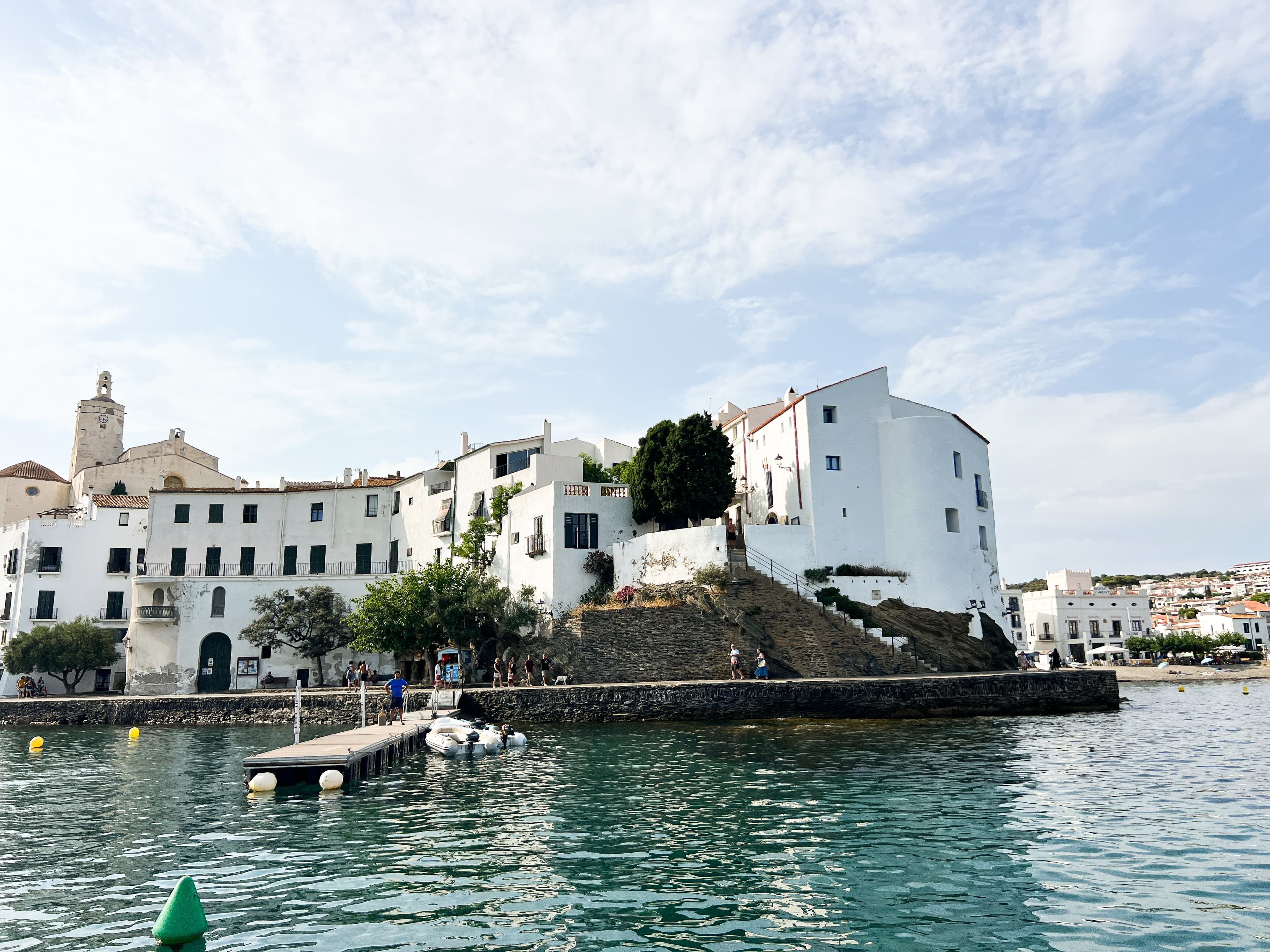
The church sits at the highest elevation of the historic old town (Casco Antiguo). On the way to the church, you pass through narrow streets with white-washed houses and steep, hilly pathways constructed with rastell (or es rastell) — a traditional and ingenious style of paving unique to the old town of Cadaqués, made from narrow slate stones harvested directly from the surrounding Cap de Creus mountains. I strongly recommend sturdy shoes with good grip, or at least avoiding heels — these streets are a delight to walk on for the tactile experience, feeling the texture underfoot and hearing a distinct, hollow sound, but they can also be a little slippery and unstable.
Santa Maria houses one of the most spectacular Baroque altarpieces in Catalonia — well worth the climb.
5. Walk the Coastal Path (Camí de Ronda) to Cala Nans Lighthouse
The walk along the Camí de Ronda from the center of Cadaqués to the Cala Nans Lighthouse (Far de Cala Nans) is a 4.4–5-mile (7–8 km) round-trip hike that typically takes 2 to 2.5 hours to complete. The name Cala Nans comes from the nanses — traditional artisanal fishing traps — that were once set here. The trail leads all the way to this restored historic lighthouse, perched right at the top of the cliff. This spot is unreachable any other way than on foot — no car can drive here, as the natural area is protected and restricted. You won't find the whimsical, wind-formed rock structures of Cap de Creus here, but this is a great alternative if you're short on time and can't complete the longer Cap de Creus hike. You won't be disappointed with the views, and the area feels utterly peaceful, quiet, and untouched.
6. Have a Sit-Down Dinner with Authentic Catalan Cuisine
I had only one night to make my dinner plans, and after a careful and strategic scroll through every restaurant in Cadaqués, I decided to head to Oli Bar.
Oli Bar ($$$)
Oli Bar is tucked into a nook on one of the narrow streets, completely overgrown with flower-filled bushes, and set inside an 18th-century former olive mill that still has its original millstone.
Address: Carrer d'en Guillem de Bruguera, 10, 17488 Cadaqués (opens in new tab)
Website: olibarcadaques.com (opens in new tab)
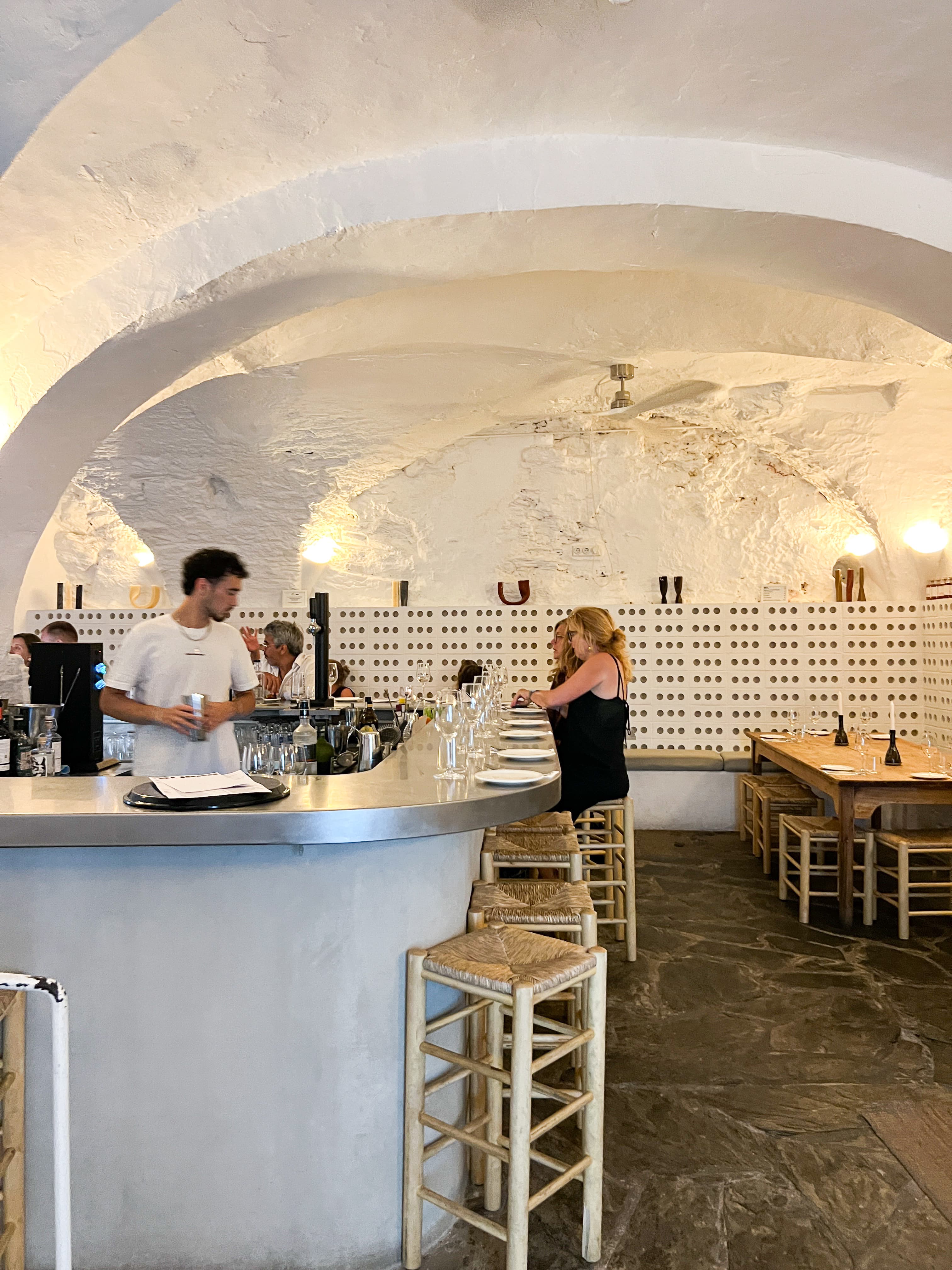
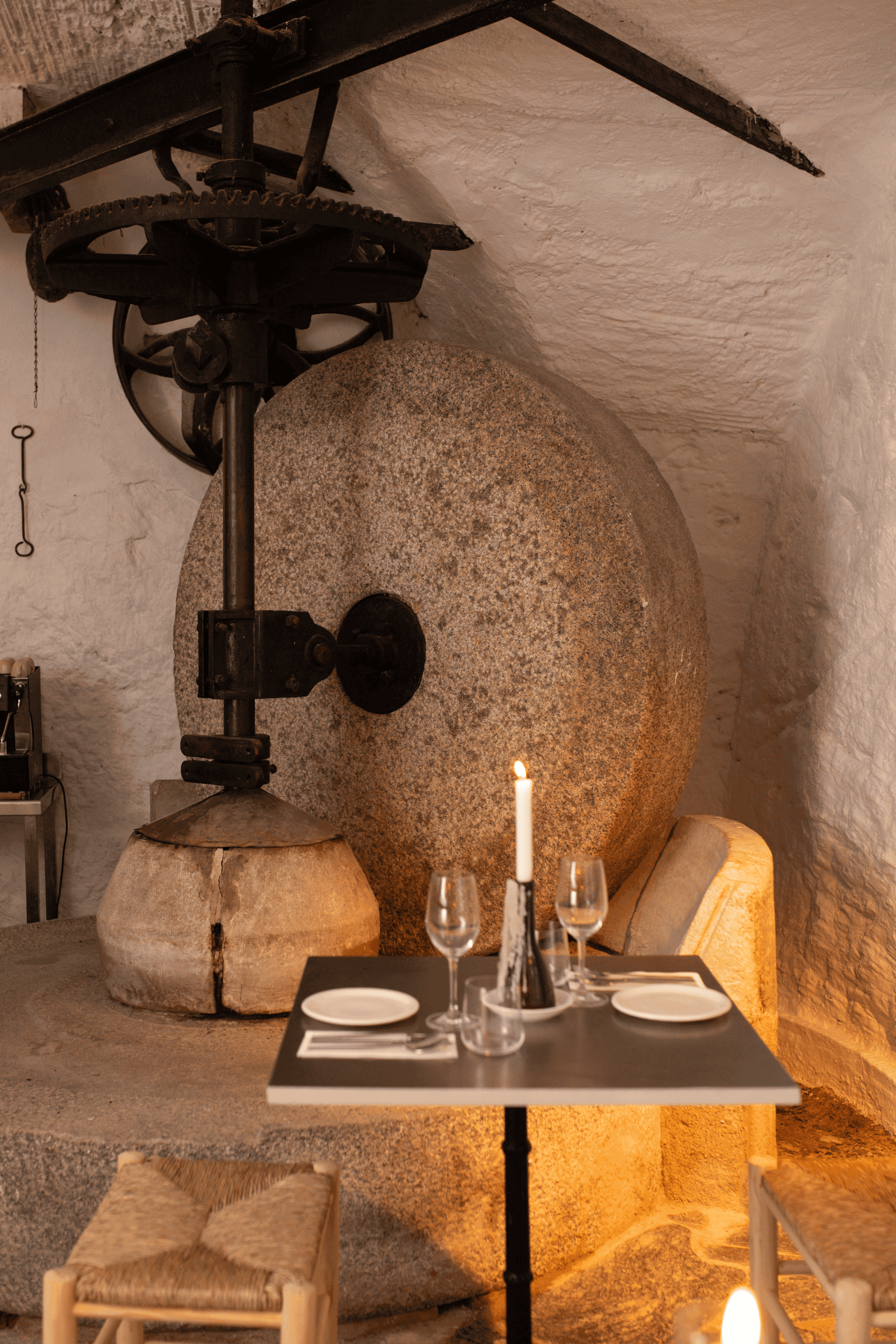
The moment you walk in, you face a central bar wrapped around an open kitchen, where chefs cook right in front of you under dim lighting that creates a romantic, laid-back atmosphere. It's perfect to sit right at the bar if you're visiting alone, as I did, or with a friend or partner. The tables and stools, on the other end, are tightly packed, making it a bit uncomfortable and noisy.
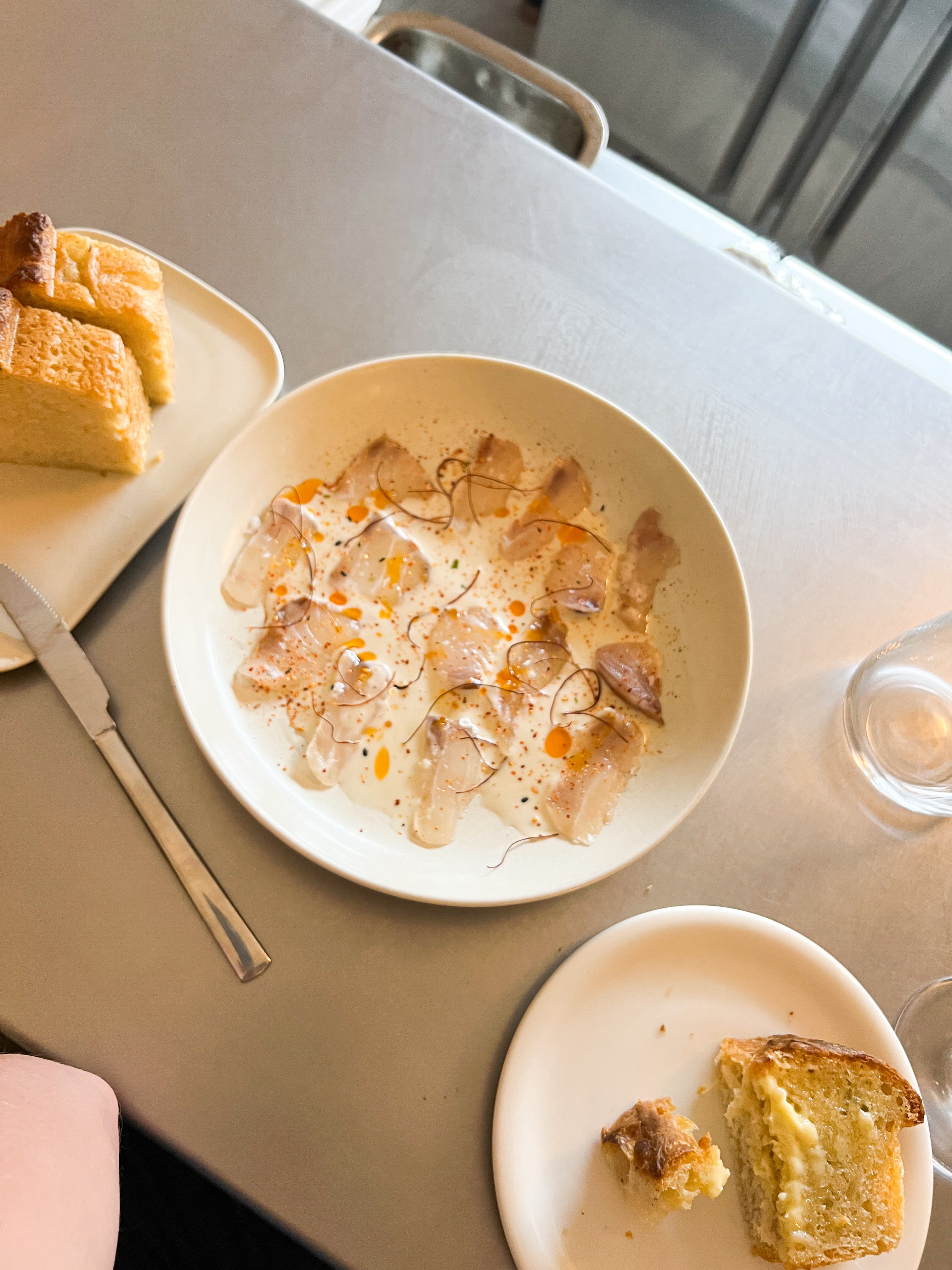
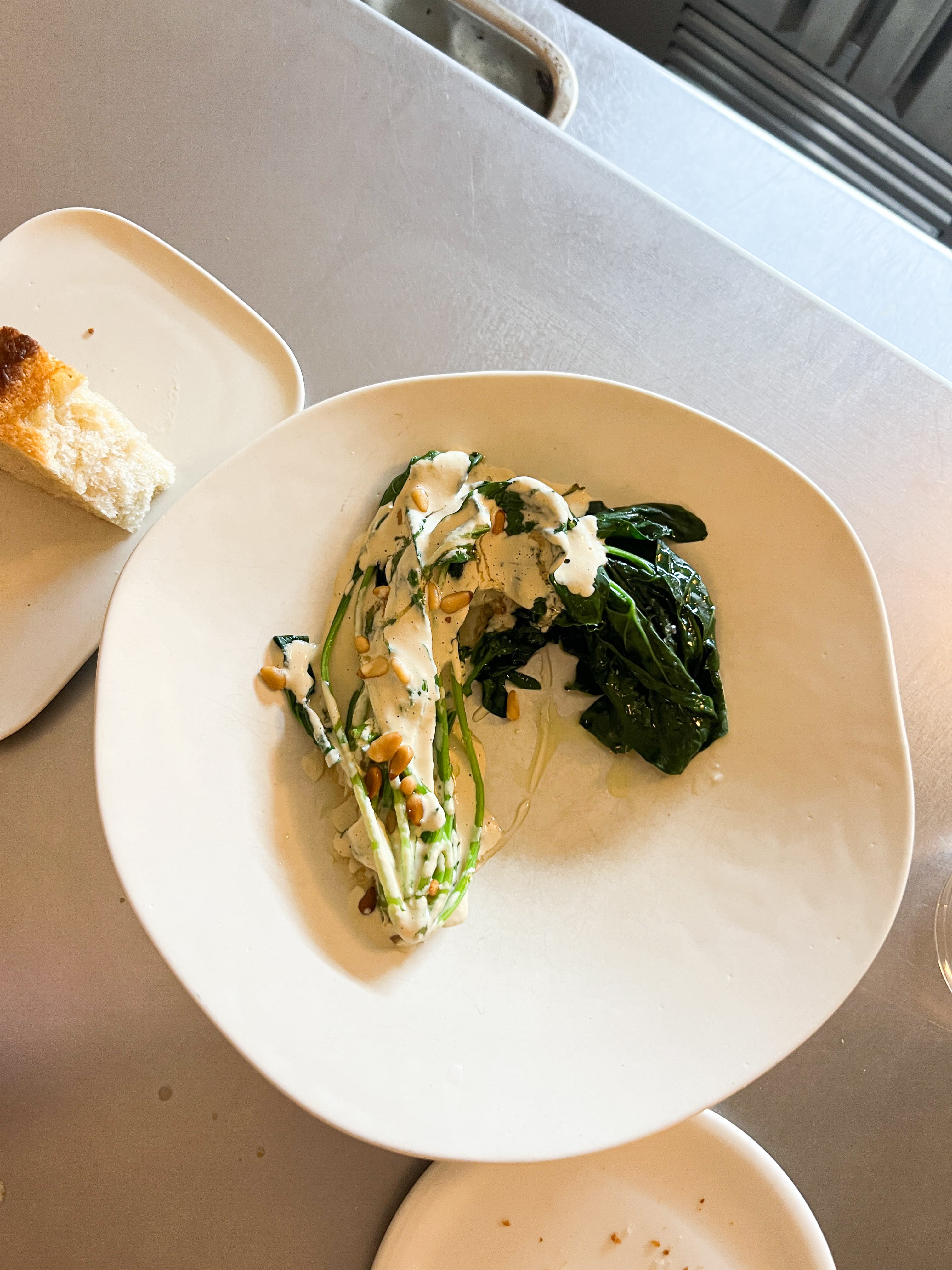
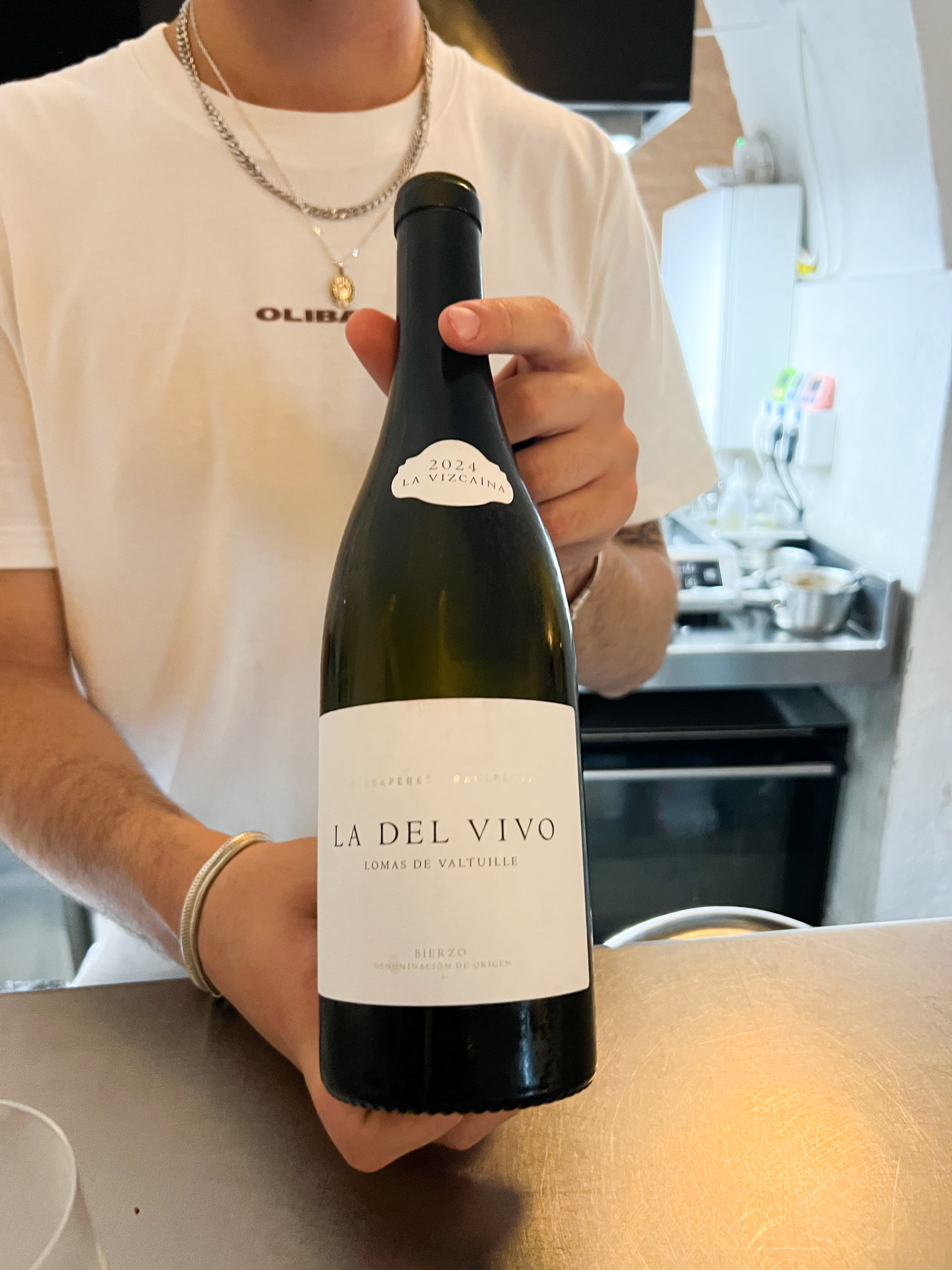
The first thing that catches your eye — and is hard to ignore — is a stack of house-made focaccia. I ordered it immediately and it arrived, as it should, with homemade butter. The team recommended the Crudo Picante — a cured sea bass with a spicy shrimp-head sauce (suc de les capgrosses in Catalan). My second plate was spinach with a tuna-based sauce and pine nuts — a great fresh vegetable add-on, and the sauce made it rich, umami, and delicious. For a drink, their hit cocktail is Aperol with local Catalan herbs — a twist on the classic Italian Spritz. The wine I was recommended was fruity but fresh and crisp — exactly what I wanted.
Casa Anita ($$$)
A Cadaqués institution since 1960, this tiny, no-frills restaurant seats guests at shared tables under walls covered in old photos and art. There's no printed menu — you eat whatever the kitchen has pulled in that day, from grilled sardines and prawns to homemade desserts. It's been a favorite of everyone from Salvador Dalí to Kirk Douglas.
Address: Carrer Miquel Rosset, 16, 17488 Cadaqués (opens in new tab)
Instagram: @casaanitacdq (opens in new tab)
Compartir ($$$)
Opened in 2012 by three former El Bulli chefs (Mateu Casañas, Oriol Castro, and Eduard Xatruch), Compartir serves modern Mediterranean dishes designed for the table to share — rice dishes, oysters, and seasonal plates — inside a restored 18th-century building with a large courtyard terrace. It holds a Michelin selection.
Address: Riera de Sant Vicenç, s/n, 17488 Cadaqués (opens in new tab)
Website: compartircadaques.com (opens in new tab)
7. Browse the Cadaqués Antiques and Vintage Market
Cadaqués holds an antiques and vintage market right along the water on the Passeig Marítim, on the third and fourth Sunday of each month — around 20 stalls of antique furniture, vintage clothing, and one-of-a-kind curiosities. If you're around on a Monday instead, the town's regular weekly market takes over Sa Riera from 8:00 AM to 2:00 PM with fresh produce, crafts, and clothing.
8. Order a Drink at a Bar with Bay Views
For a sundowner or a lazy afternoon drink, head to Bar Set (opens in new tab) ($) on Passeig del Mar — a Cadaqués classic known for its terrace right over the water and views across the whole bay. It's been a hangout for artists and locals since Marcel Duchamp used to play chess there. Order a coffee, a sangria, or a glass of cava and settle in for some people-watching.
Where to Stay in Cadaqués: Best Hotels & Neighborhoods
Waterfront & Sea View Hotels
Best area: Promenade / Bayfront
- •Hotel Playa Sol ($$$) — This upscale 4-star property provides an idyllic retreat for couples. It sits directly on Cadaqués Bay, featuring a garden-enclosed swimming pool, an outdoor jacuzzi, and a sunny terrace overlooking the beach.
- •Hotel Llané Petit ($$) — Situated on a quieter beach cove just down the shore, this hotel is a peaceful harbor for couples or solo travelers who want morning coffee on a private balcony right above the lapping waves.
Boutique Hotels in Cadaqués Old Town
Best area: Pedestrian Historic Center
- •Casa Nereta ($$$) — A gorgeous, upscale boutique hotel with artistic flair, ideal for solo travelers or couples looking for design inspiration. Its hidden courtyards offer an oasis of calm within the historic pedestrian center.
- •Tramuntana Hotel ($$) — This minimalist, adults-only property strips away all the noise. Hidden in a narrow white-walled lane, its intimate scale ensures maximum privacy and personalized attention for couples.
Quiet Escapes & Scenic Hideaways
If you'd prefer something tucked a little further away from the tourist concentration, with a bigger property or more spacious suites, room to lounge by a pool, and easier parking, this is the area to stay. That was my choice, since I was mainly planning to explore the Dalí house and start an early-morning hike to Cap de Creus — and it worked out great with my plan.
Area: Port Lligat / Cap de Creus boundary
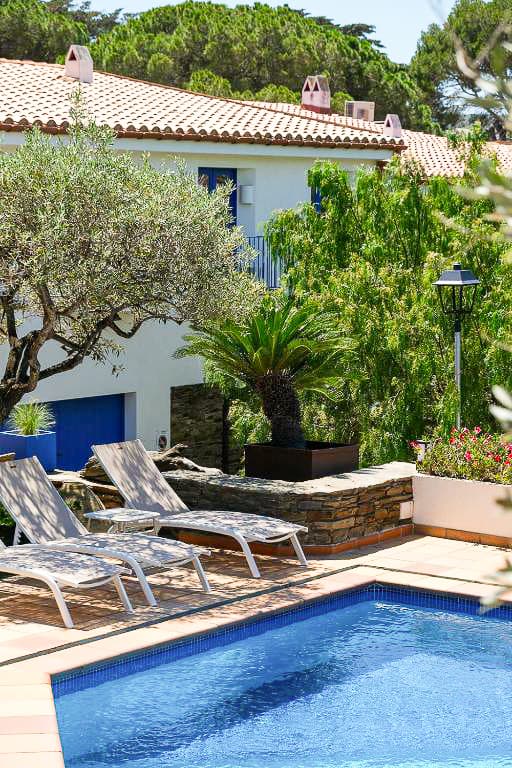
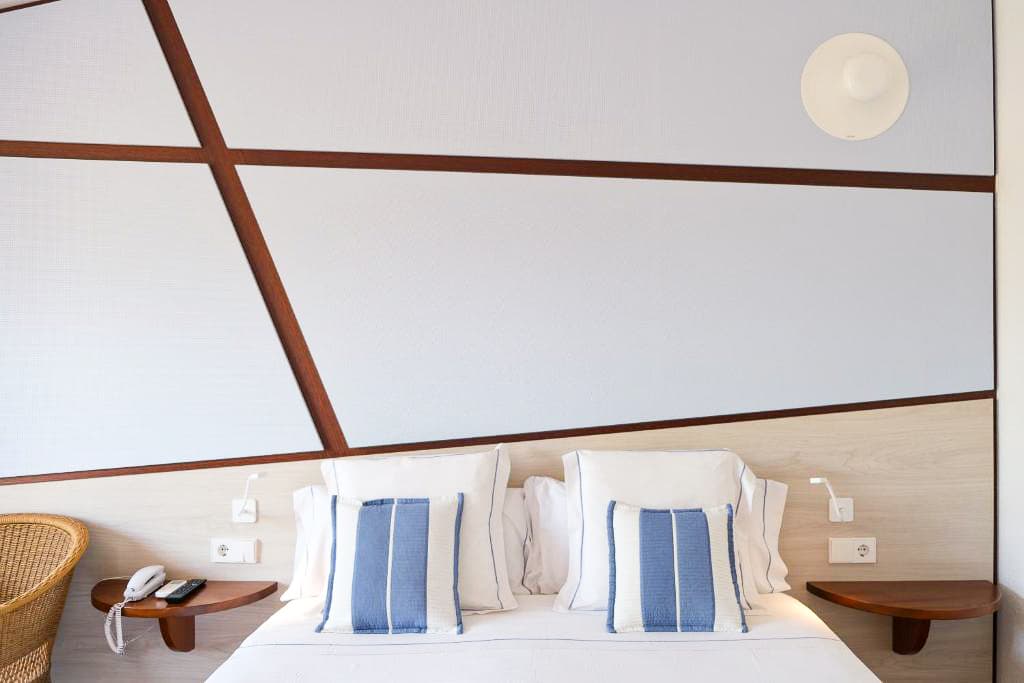
- •Hotel Blaumar ($$) — A charming, traditional blue-and-white property located in a quiet residential area. Tucked away just a 2-minute walk from the sea, it has a serious outdoor pool and sun terrace, private balconies with village views, and only a 10-minute bayside stroll into town. I enjoyed my room — it was well shaded and air-conditioned, located on the first floor, very close to the dining area and just steps from the pool. Despite the proximity, I had zero issues with noise.
- •Hotel Sol Ixent (Adults Only, $$) — Features a gorgeous, large seasonal outdoor pool surrounded by loungers, an excellent on-site contemporary restaurant, a chic bar, and easy private parking.
How to Get to Cadaqués
From Barcelona
Direct buses depart from Barcelona's Estació d'Autobusos Nord. The trip takes about 2 hours and 45 minutes, running several times a day year-round, with increased frequency in summer.
From Girona
Buses depart from the main Girona Bus Station (Estació d'Autobusos, right next to the train station). The ride takes about 1 hour and 45 minutes, but schedules can be limited — often just once a day on weekdays, and rarely on weekends.
Booking your bus
Frequently Asked Questions About Visiting Cadaqués
You may also like
The Honest Weekend Guide to the Aeolian Islands
How I Walked the Camino de Santiago Portuguese Coastal Route in 10 Days

Acatenango Volcano Hike: Solo Female Guide
Some of the links on this site are affiliate links. This means I may earn a small commission if you purchase them at no extra cost to you. I only recommend things I genuinely use or believe in.