Portugal | Lisbon
7 Best Things to Do in Lisbon (And 2 Things to Skip)
Lisbon has been one of my go-to places for a long time — I probably spent more than 6 months there in and out in total as a digital nomad, and this place is one of those that feels like home now.
Whenever my friends ask me to tell them what it's like in Lisbon, I always say that it is one of those places that has this interesting blend of historical places and tradition — with its tascas and Portuguese restaurants, and a new wave that brought modern dining and brunching, specialty coffee shops, and modern art galleries. Whether you're looking for one or the other, if you're in the process of researching what to do in Lisbon during your trip — you're in the right place. I wrote this detailed guide, designed to fit all the best things you can do in Lisbon — and 2 that you should skip entirely. I hope it will help you plan your upcoming Lisbon journey! Still choosing a base? Here's where to stay in Lisbon.
In this guide
- 1.Visit Castelo de São Jorge
- 2.Get pastéis de nata at Manteigaria in Chiado
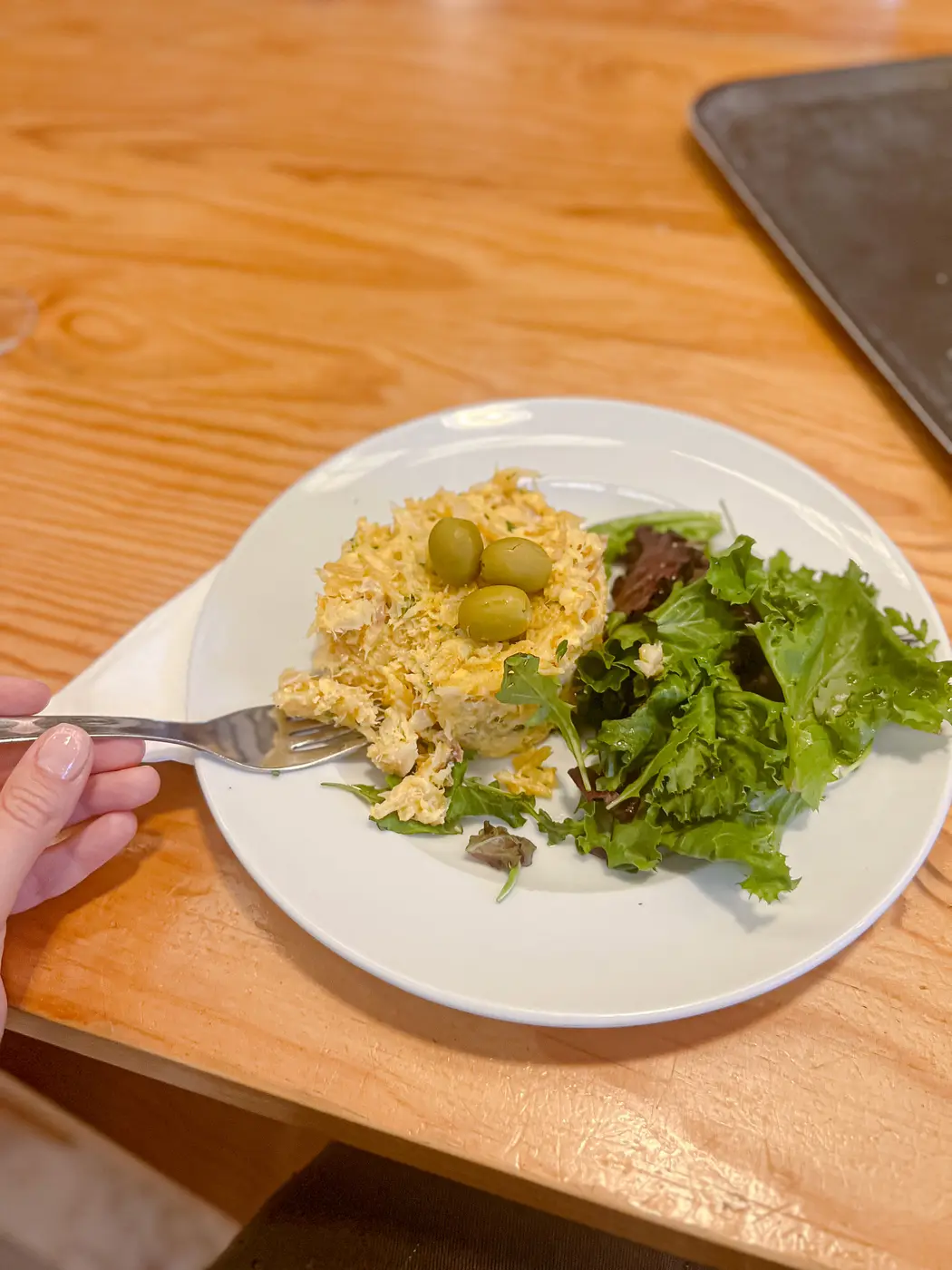
- 3.Have bacalhau à brás at a local tasca
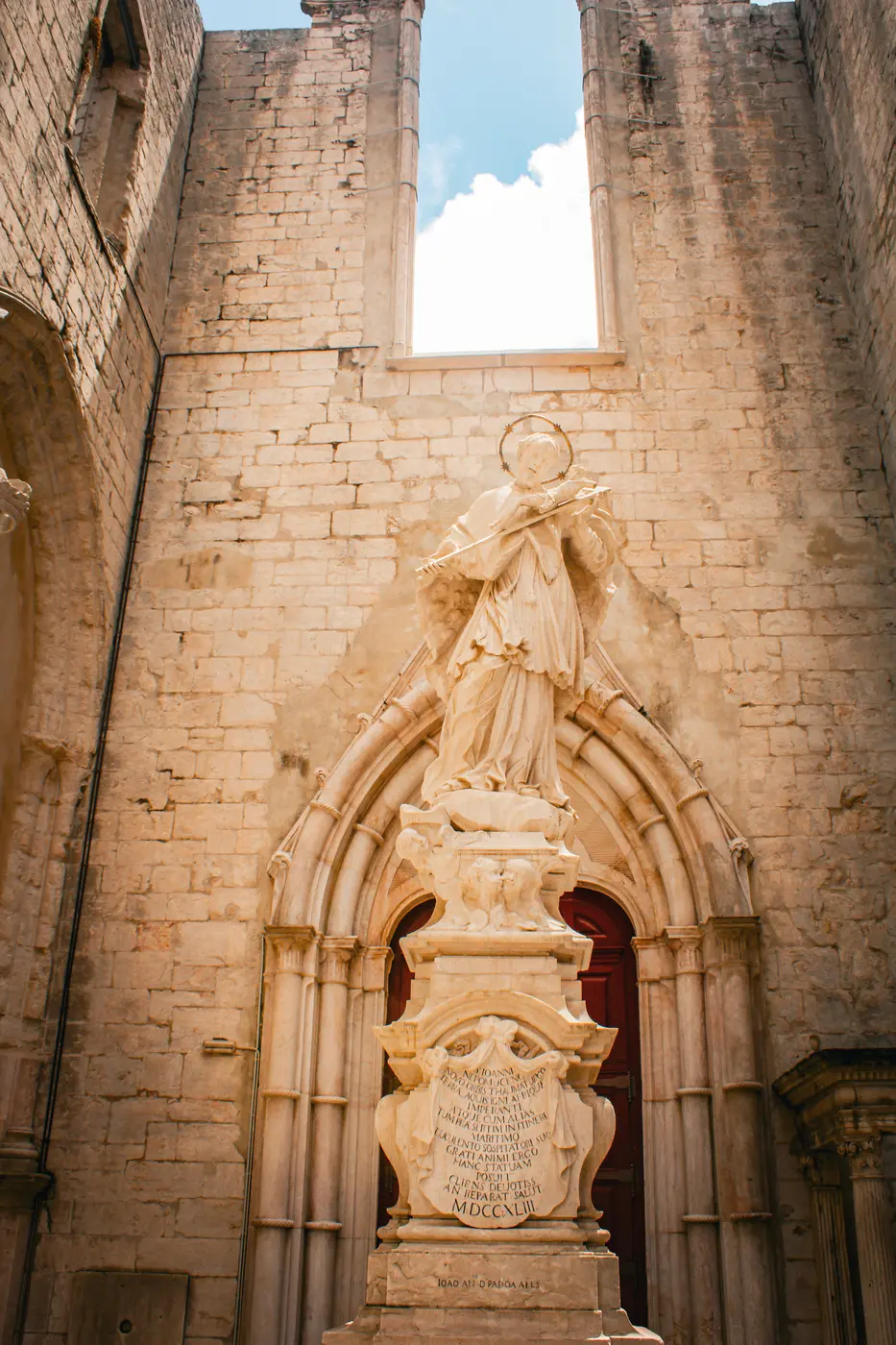
- 4.Wander the open-air ruins of Carmo Convent
- 5.Watch the sunset at Miradouro de Santa Luzia
- 6.See fado in Alfama or Mouraria
- 7.Take a day trip to Sintra
- 8.The 2 things I’d skip
- 9.Best time to visit Lisbon
- 10.Related Lisbon guides
- 11.Final words
- 12.FAQ
Best Things to Do in Lisbon
1. Visit Castelo de São Jorge
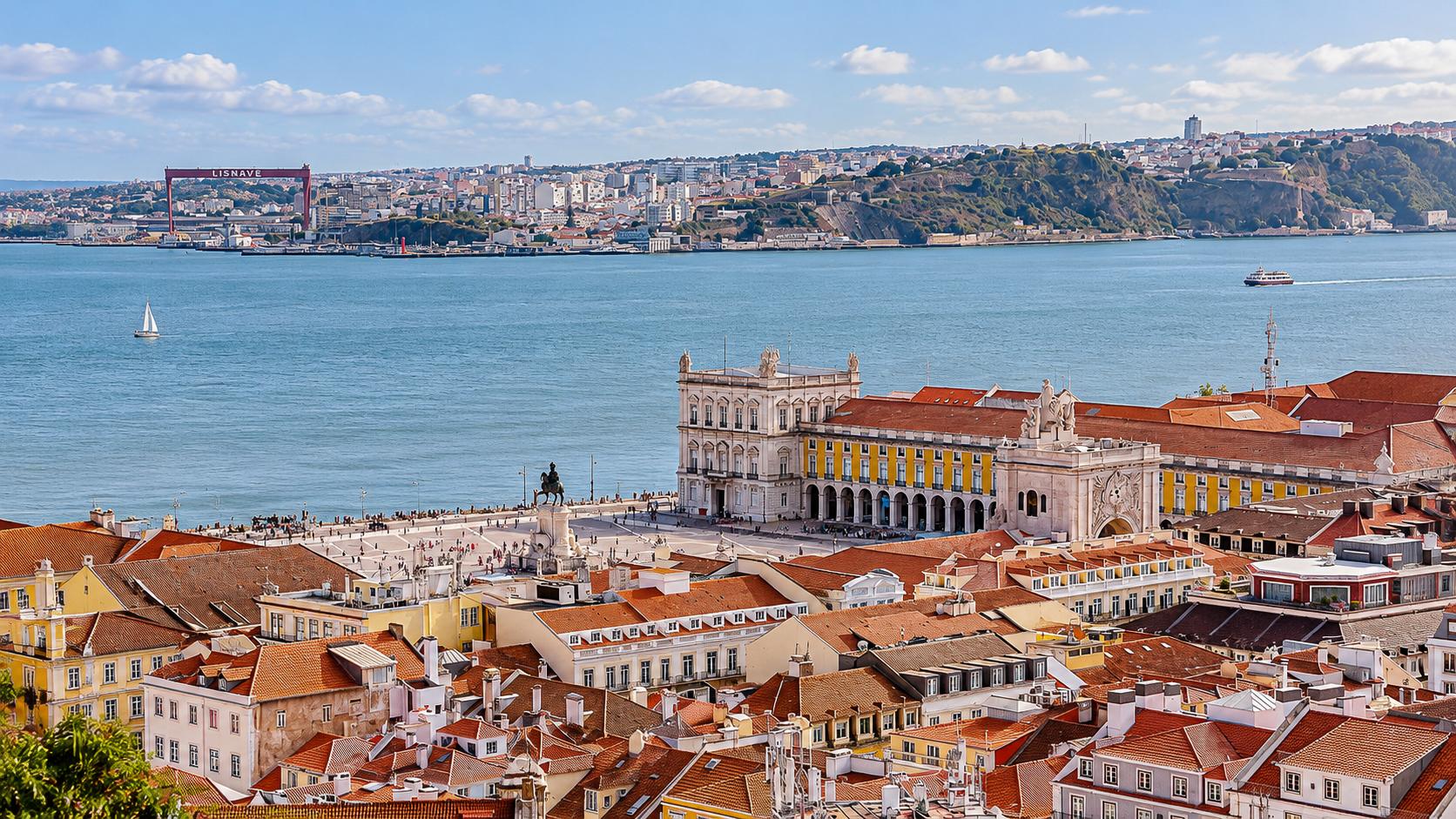
We headed to the oldest historical area of Lisbon — the area that largely survived the 1755 earthquake — to get to one of the best viewpoints to enjoy the early morning, crisp winter view over the Tagus River. The place is not so secret, and you've probably seen it printed on every second postcard — it's Castelo de São Jorge, an 11th-century Moorish castle crowning the highest hill of Lisbon, giving an unbeatable 360-degree view of the city.
I was quite surprised the moment I stumbled upon a flock of peacocks, which roam freely through the shaded pine courtyards and gardens. Apparently, the peacocks were brought by King Manuel I in the early 16th century, which back then symbolised prestige, wealth and status.
Since then, birds have safely bred on the hilltop for hundreds of years — they are now entirely domesticated to the location and choose to stay, with a whole team of vets supervising their health and care.

2. Get Pastéis de Nata at Manteigaria in Chiado
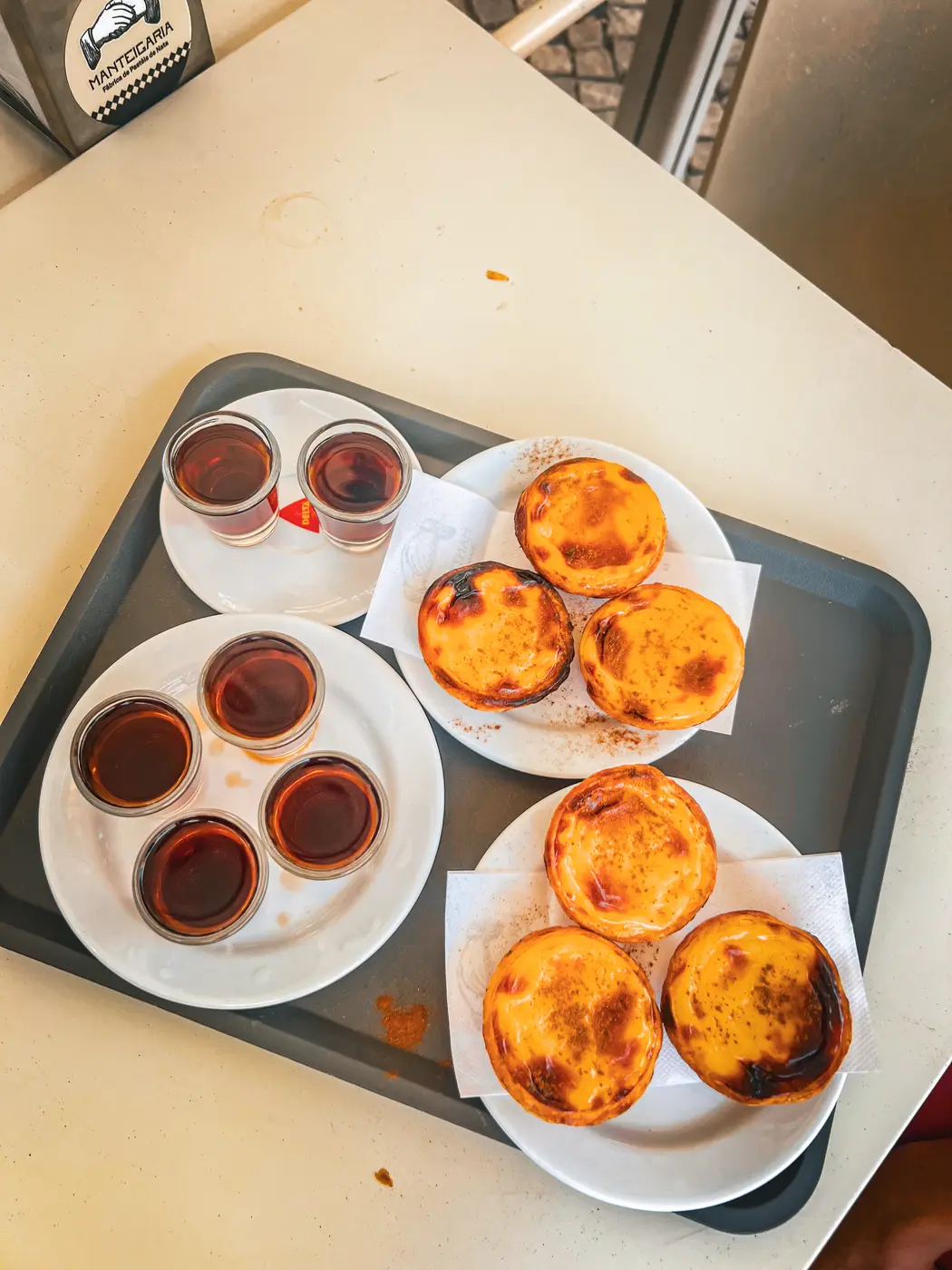
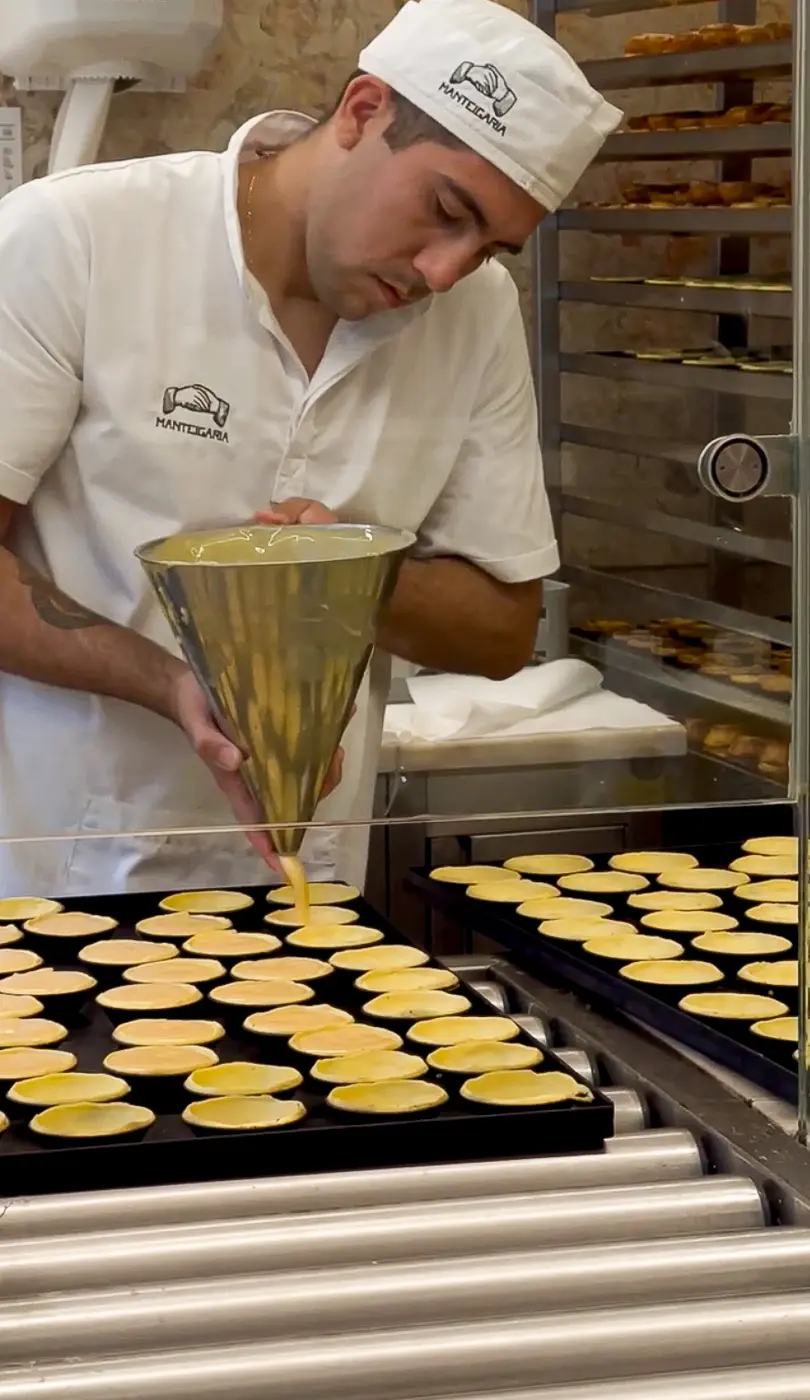
The other day I went to Paris, and the first thing I saw getting out of the metro — Manteigaria, at the center of Paris. I wasn't surprised at all. I always thought that among other places that make pastéis de nata, this one nailed the recipe just right. I have been arguing with my friends and other people visiting Lisbon — as many people prefer Pastéis de Belém or Fábrica de Nata. But for me the choice is obvious. Let me paint that picture: imagine a crisp, thin layered dough baked to perfection — so it's not too dry, not too moist — and a sweet, milky, creamy custard filling, powdered with a pinch of cinnamon on top. Sounds simple, but wait until you try it in a few places, and you'll join my Manteigaria team. Forever and ever!
Head to Manteigaria in Chiado — hop off Tram 28 or take a slow walk. My perfect order: 2 Pastéis de Nata, a cortado and ginja, a sweet cherry liqueur that goes perfectly with natas.
3. Have Bacalhau à Brás at a Local Tasca
One of the first dishes I ever tried was Bacalhau à Brás — and I have to say, it hits the spot on a chilly winter day. Alternatively, if you prefer a plate of hot soup — go for Caldo Verde. The most important thing is to get it at one of the traditional tascas. I always say that Portuguese food is one of the cuisines that is lesser known abroad and, I have to say, a little misunderstood. I have many friends who'd pick any other cuisine over Portuguese, but all I say in response — you should try it in the right places!
I have a list of best places I keep coming back to, and I put them in this guide: best spots to eat in Lisbon.
4. Wander the Open-Air Ruins of Carmo Convent
One of the places I only got a chance to check out during my last trip to Lisbon is Carmo Convent, when my good friend arrived in Lisbon for the first time to visit it with me — and I wish I had done that sooner! It's an open-air Gothic ruin damaged in the 1755 earthquake, with only a corpus of it that survived, which makes you appreciate its architectural style. Besides the open-air area, there's also a covered room in the back that houses a permanent collection of unclaimed treasures from all over Portugal that were brought by Joaquim Possidónio Narciso da Silva to the Carmo ruins.

5. Watch the Sunset at Miradouro de Santa Luzia
Miradouros, or viewpoints, are a very unique hangout spot for both locals and visitors in Lisbon. Every miradouro has a little kiosk that serves wine and warm coffee — there's nothing that can beat a warm drink with a view on a chilly morning. Take a 5-minute stroll and stop for a warm coffee at Miradouro de Santa Luzia to enjoy the view.
6. See Fado in Alfama or Mouraria
Skip polished tourist shows and experience street-level Fado in Mouraria (its birthplace) or cozy, candlelit taverns in Alfama over a glass of Douro red wine. If you'd rather plan ahead, book a candlelit fado evening (opens in new tab).
7. Take a Day Trip to Sintra
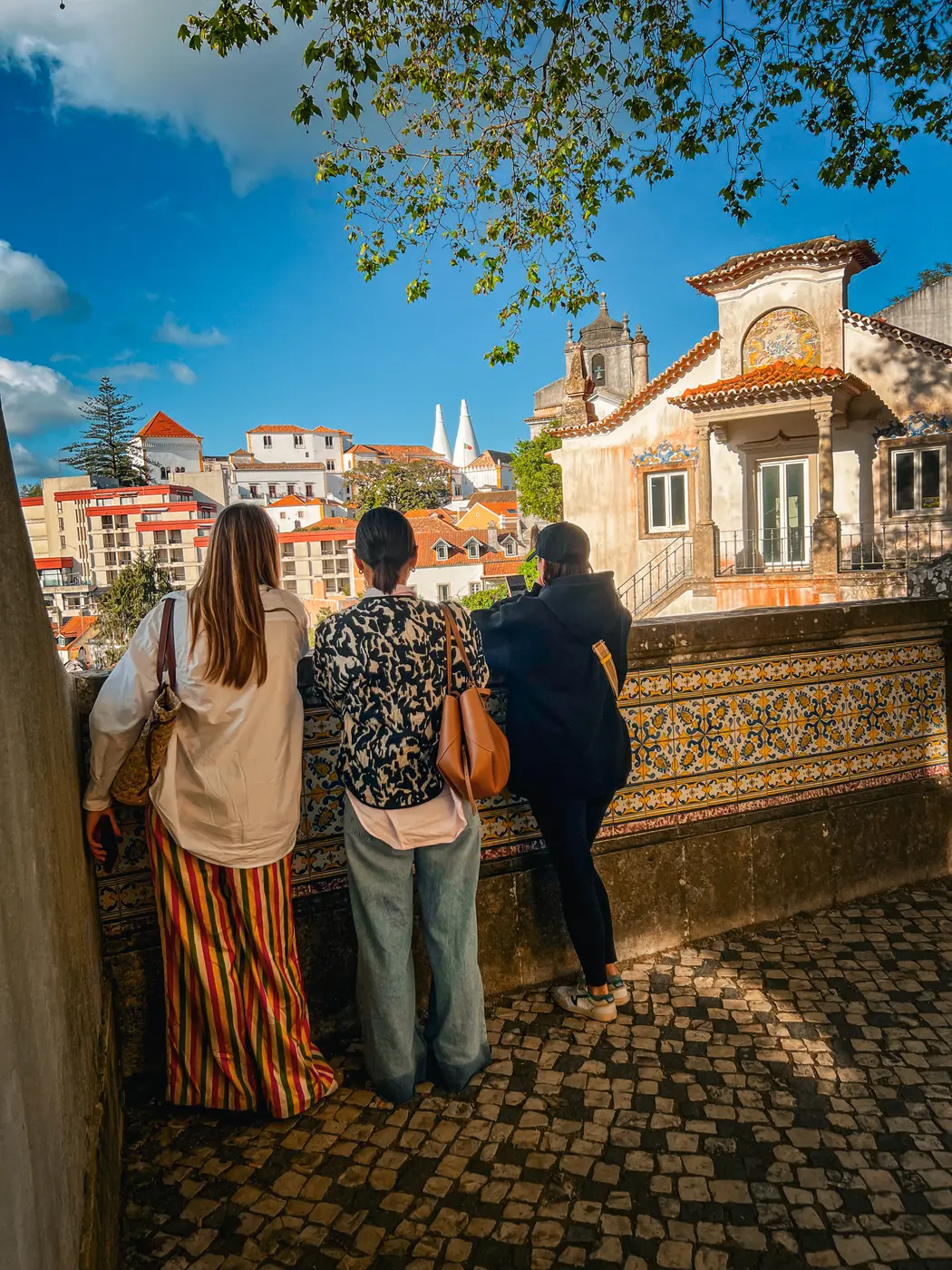
First stop in Sintra (after a coffee, of course) is Pena Palace. It's a Romanticist colourful castle that looks so dreamy framed by winter morning fog. First thing to know about Sintra — due to its location it has its own micro-climate, so it's almost always misty and gloomy. But it kinda makes it even more charming, especially in winter. Pena is hiding in plain sight — a Romanticist palace nestled on a high peak within the Sintra Mountains along the Portuguese Riviera. It was commissioned by King Ferdinand II on the ruins of a 16th-century monastery and to this day it remains a UNESCO World Heritage Site. To say it's eclectic is probably just a slight understatement: it's a mixture of various architectural styles, which was an extremely popular approach to building palaces and castles in the 1800s. Romanticism celebrated emotion, fantasy, drama, and exoticism, so architects intentionally combined completely different eras and cultures to evoke a sense of wonder, making the building feel like an organic “dream sequence” rather than a traditional palace.
Get prepared for a long wait to get in if you don't come over early in the morning, before the crowds get there — arrive at 9:00 so you can grab a place in the queue. Get your ticket online and come 15 minutes before your session to get in on time.
If you have your Lisboa Card, Pena Palace is one of the rare sights not included, but the card gives you a good 10% priority discount.
The 2 Things I'd Skip in Lisbon (And What to Do Instead)
Skip #1: Tram 28 at Peak Hours
The line at Martim Moniz stretches around the block, the tram is hot and crammed shoulder-to-shoulder, and it is a prime target for pickpockets targeting tourists.
This tram ride is super popular due to its route that takes you to all places worth seeing in Lisbon. If you want to ride it, take Tram 28 early in the morning (before 8:30 AM) when it's empty. Otherwise, walk the route through Chiado, Alfama, and Graça on foot, or use local funiculars like Elevador da Bica.
There's one winter hack I learned: take Tram 28 early in the morning to beat tourist crowds and shelter from the cold wind. It has a perfect route that covers the best Lisbon highlights, which makes it very convenient to explore — but it also attracts crowds and pickpockets, so watch out and keep your stuff in a closed bag that you hold tight!
Skip #2: The Elevador de Santa Justa
Why skip it: The ticket queues are absurdly long, cost extra, and only deliver you to a platform you can reach for free. Instead, go to any of the miradouros to enjoy the view — and you can get some wine or a coffee at the kiosk that every viewpoint usually has.
Best Time to Visit Lisbon
- •Jacaranda & festival season: May (purple jacaranda blossoms blooming citywide) and June (Festas de Lisboa / Sardine Festival in Alfama).
- •Winter & off-peak benefits: November to February offers cheaper hotel rates, thin tourist crowds, and cozy tasca dining (just pack high-traction boots for slick, rain-polished calçada portuguesa cobblestones).
Whichever season you pick, check which Lisbon neighborhood suits you before you book: some areas are flat and easy with luggage, others are all hills and stairs.
Related Lisbon Guides
- •Need a complete daily plan? Read the detailed 3 days in Lisbon in winter itinerary.
- •Planning your neighborhood base? Check out the guide to exploring Lisbon like a local and where to stay in Lisbon.
- •Hungry? Here are the tascas where locals eat.
Final Words
Lisbon rewards you for getting up early: the castle and the miradouros at sunrise, Tram 28 before the crowds, and Pena Palace before the queue. Spend the rest of the day on what the city does best — pastéis de nata, a long tasca lunch, and fado by candlelight. For after dark, my guides to wine bars, vintage cocktail bars and unique cocktail bars in Lisbon have you covered.
Where to drink in Lisbon
 6 places
Wine bars of Lisboa
Portugal makes some of the most interesting wine in Europe and almost nobody outside the country knows it yet. These are the rooms where you can actually taste it — small-producer naturals at Black Sheep on Praça das Flores, sommelier-led flights through every Portuguese region at Bico in Bairro Alto, indigenous-variety deep-dives at By the Wine on Rua das Flores.
 6 places
Unique cocktail bars of Lisboa
The cocktail bars locals send each other to. Nine-seat speakeasies, Basque-Italian cocktail dens, secret rooms tucked into Praça das Flores — every one of them small, distinctive, and the kind of place you normally find wandering the streets off the beaten path.
 3 places
Vintage cocktail bars of Lisboa
Some Lisbon bars feel like they were built last year. These ones feel like they've always been there. Pavilhão Chinês with its five rooms of antique tin soldiers, Procópio behind an unmarked red door celebrating 50 years of jazz and political conversation, Foxtrot with its fireplace and snooker table running until 2am — these are the bars where the city's writers, intellectuals, and old guard have been drinking for decades. Save this guide for the night you want Lisbon to feel like Lisbon.
FAQ
Read next
3 Days in Lisbon in Winter
A day-by-day Lisbon itinerary for the colder months, with where to eat, what to see, and where to stay.