10 Best Things to Do in Chiang Mai (And 2 Things You Should Definitely Skip)
In this article
- 1.Local specialty coffee
- 2.Monk's Trail & Doi Suthep
- 3.Khao Soi
- 4.Weekend walking streets
- 5.Cooking class
- 6.Lantern festivals
- –Loy Krathong (river lanterns)
- –Yi Peng (sky lanterns)
- 7.Doi Inthanon National Park
- 8.Day trip to Pai
- 9.Wat Umong
- 10.Huay Tung Tao Lake
- 11.2 things to skip
- –Tiger Kingdom
- –Every single temple
- 12.Logistics & insider tips
- 13.FAQ
The 10 best things to do in Chiang Mai are drinking local specialty coffee, hiking up to Wat Pha Lat and Doi Suthep, eating Khao Soi, browsing the weekend walking streets, taking a cooking class, catching the lantern festivals, driving up Doi Inthanon, escaping to Pai, exploring Wat Umong, and eating Tom Yum in a bamboo hut on Huay Tung Tao Lake. Just as important are the two things to skip: tiger photo ops and the race to see every single temple.
Chiang Mai is Thailand's cultural capital — a city of over 300 temples, mountain jungle, night markets, and some of the best coffee I've had anywhere in the world. This guide goes beyond the standard tourist traps: it's built from the places I actually loved during my month in Chiang Mai, plus the ones I'd tell a friend to cross off the list. Skipping the unethical and overwhelming attractions leaves you more time for the things that make this city so special.
My favourite hotels in Chiang Mai
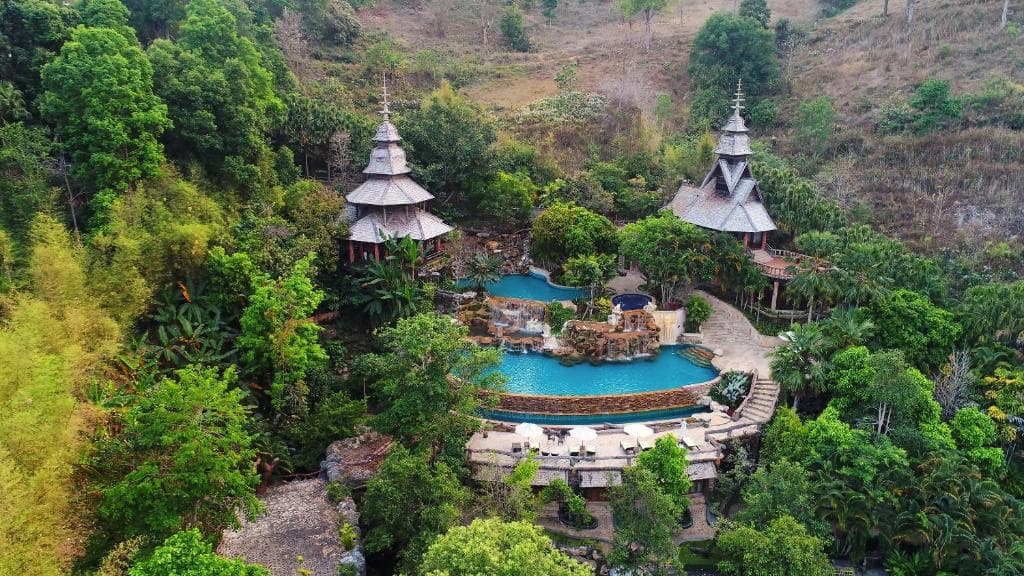
Luxury spa resort set in the lush hills north of the city. Private pool villas, thermal springs, and valley views — worth it for a splurge night before or after a long stay.
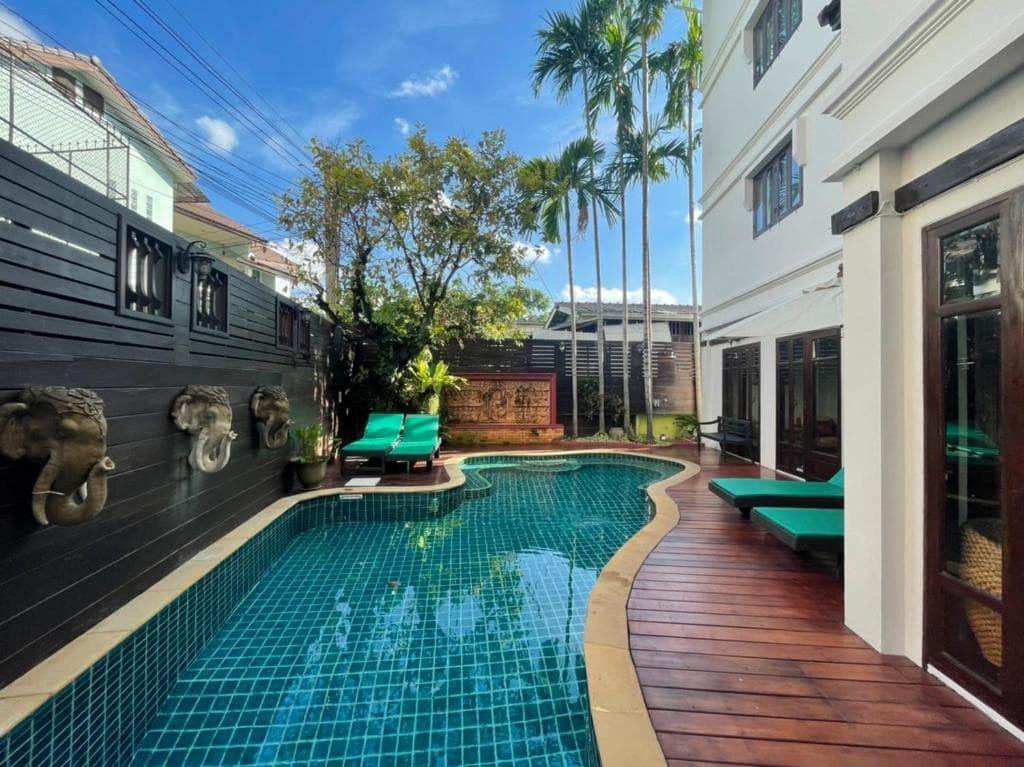
Boutique guesthouse with traditional Lanna-style architecture in the heart of the Old City. Quiet, walkable to all the major temples, and excellent value for the area.
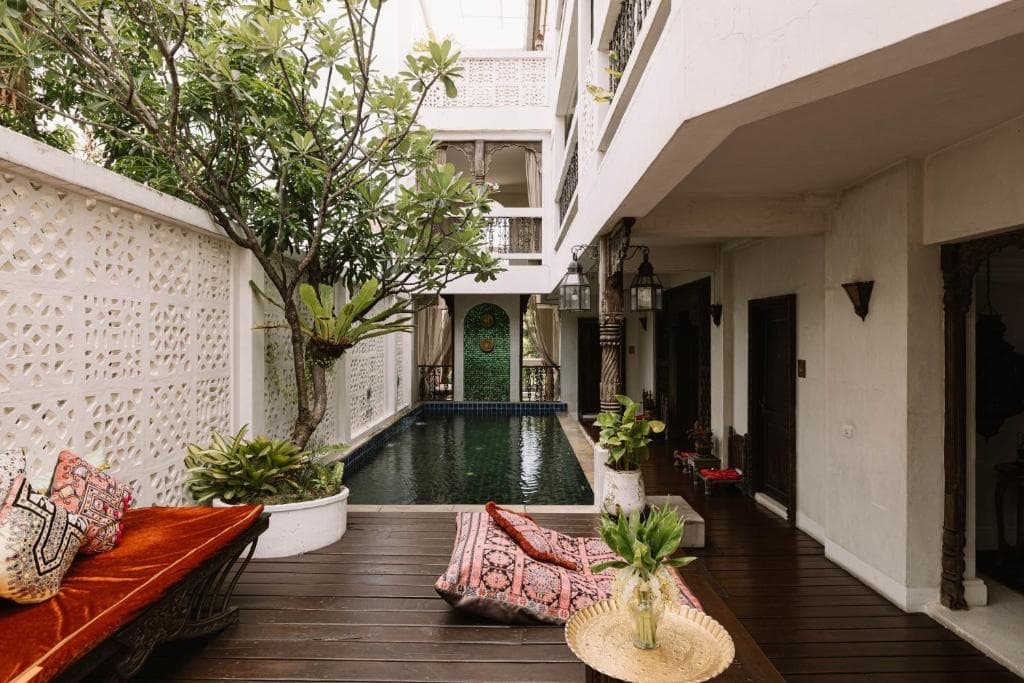
Design hotel steps from the Nimman coffee shops and weekend markets. Minimalist rooms, a relaxed lobby good for working, and easy walking distance to coworking spaces.
1. Explore Local Specialty Coffee from Small Single-Origin Farms
Chiang Mai has more than 200 specialty coffee shops and cafés, which is why it has been deservedly named a specialty coffee capital. When you're in any given neighborhood, you'll see a coffee place or two on your left and on your right — which made me the happiest girl in the world, because I am someone who can't take a single step without a coffee cup in my hand.
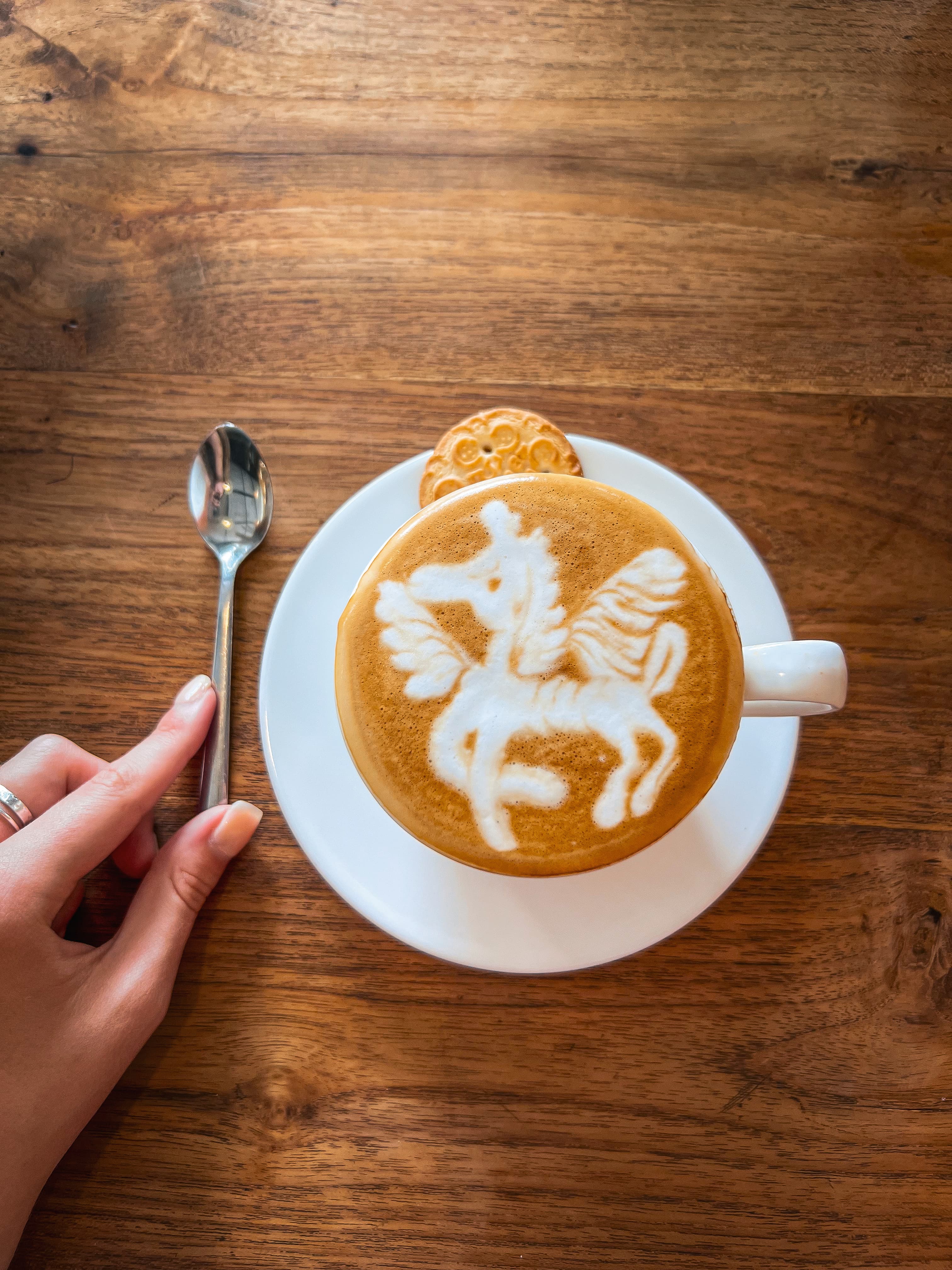

Northern Thailand coffee has a distinctive flavour that, interestingly, I haven't encountered in any specialty coffee shops around the world, even in nearby places like Bali.
Akha Ama Coffee
A one-of-a-kind specialty coffee place and a pioneer in its field is Akha Ama Coffee, founded by Lee Ayu of the Akha, an indigenous community that grows coffee. They even organize a very special multi-day immersion trip to the Maejantai coffee farm — not quite the commercial tourist trip you might picture, but something more unique and very local. They gather the groups during the season, which is November–January, so if you're going to visit the café, ask the staff how to join — the group is usually very small and the trip is not publicly announced.
Roast8ry
It was founded by Arnon Thitiprasert, a World Latte Art Champion — a very curious title that is given to someone who outcompetes other baristas at pouring techniques, making an ornament or a picture on a perfectly poured latte surface, followed by presentation and storytelling of the created pattern. Their signature coffee was my go-to whenever I was passing by — the Satan Latte. Despite its unfriendly name, it hides a special recipe that uses a double shot of their ristretto blend to make a coffee rich in flavour, but still very silky from the milk.
Specialty Coffee of Northern Thailand: A Chiang Mai Guide
Single-origin farms, champion baristas, and where to find the best cup in the city
2. Hike the Monk's Trail to Wat Pha Lat & Doi Suthep
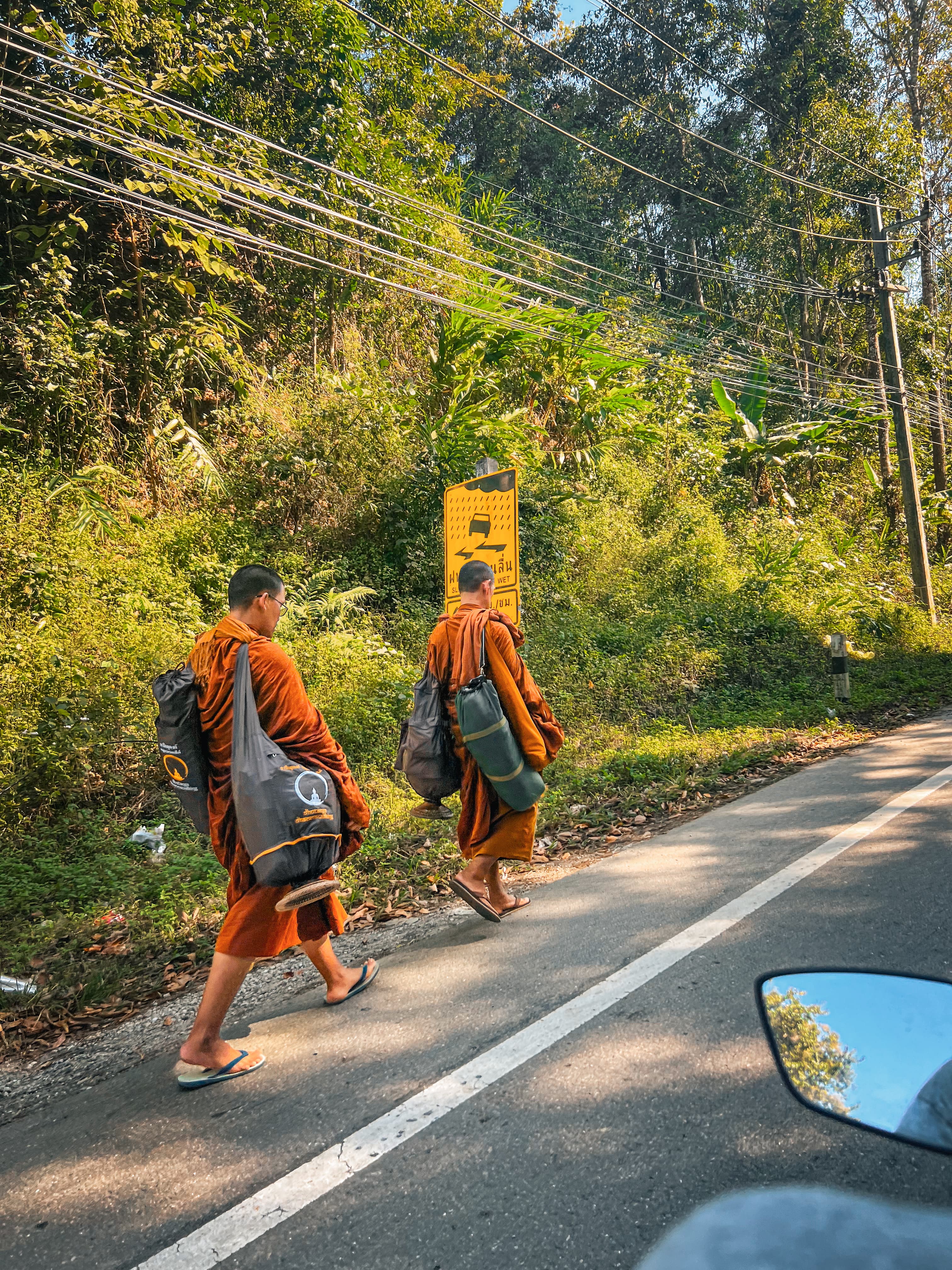
We did this whole route on motorbikes, which is still pretty picturesque.
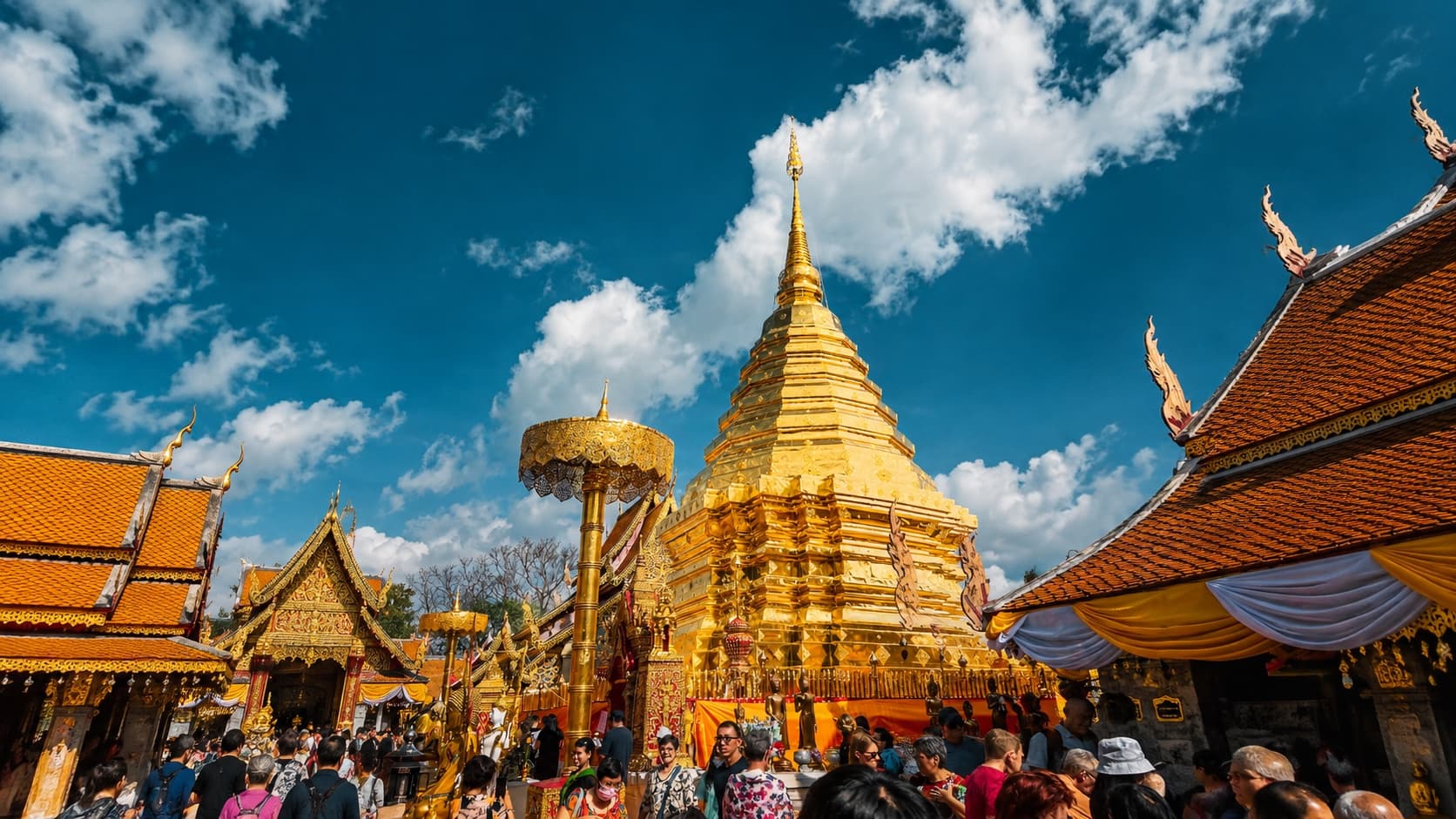
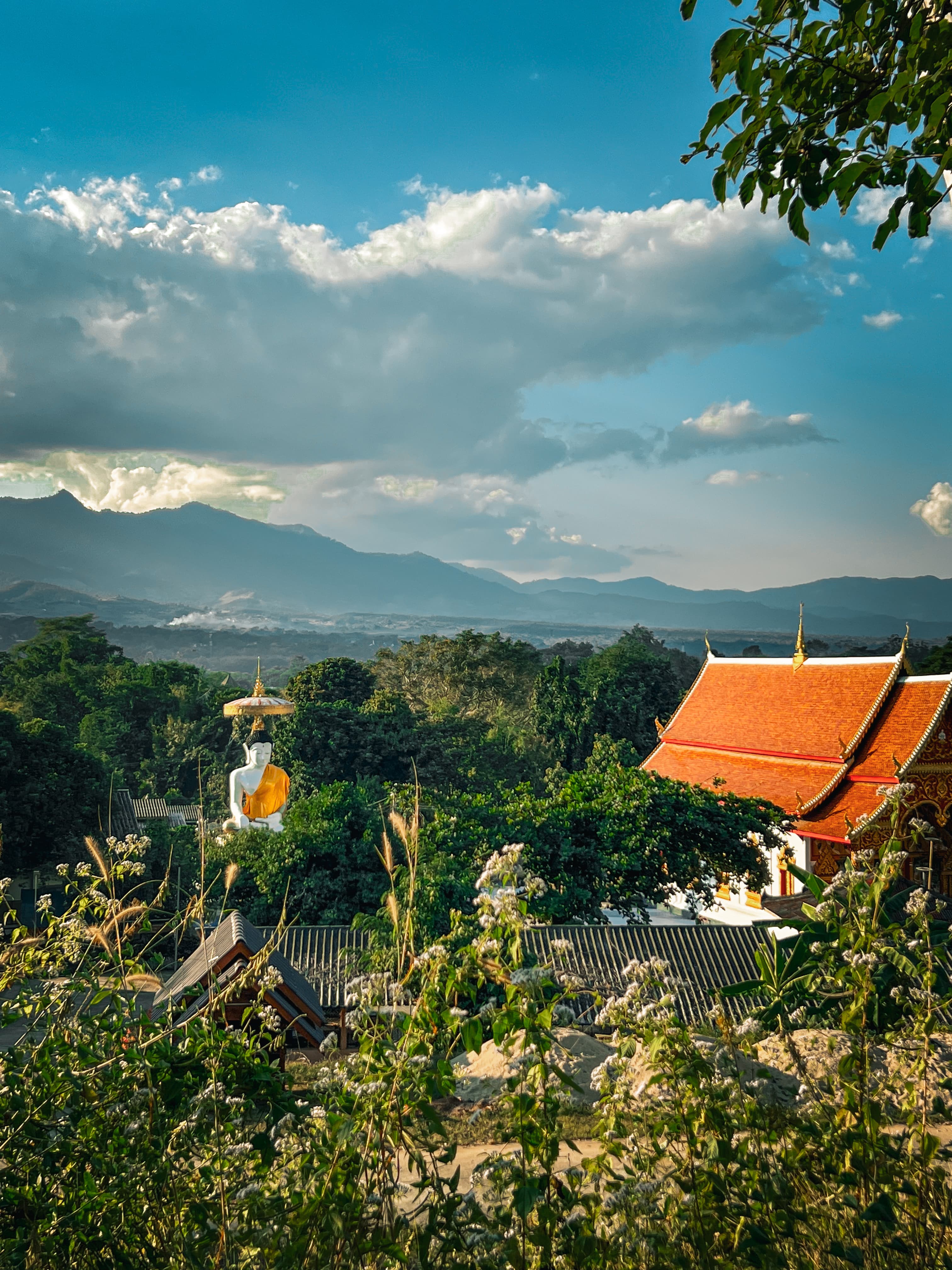
The trail takes you through a peaceful jungle path to hidden Wat Pha Lat, then continues up to Wat Phra That Doi Suthep for panoramic sunset views over the city.
Hiking is something that's more fun with a group, so if you're keen to trek through the jungle up to one of the most important temples of Chiang Mai, but would rather do it in the company of a good guide and meet new friends, take a look at guided Monk's Trail hike options on local tour platforms.
3. Eat Authentic Khao Soi at Local Hotspots
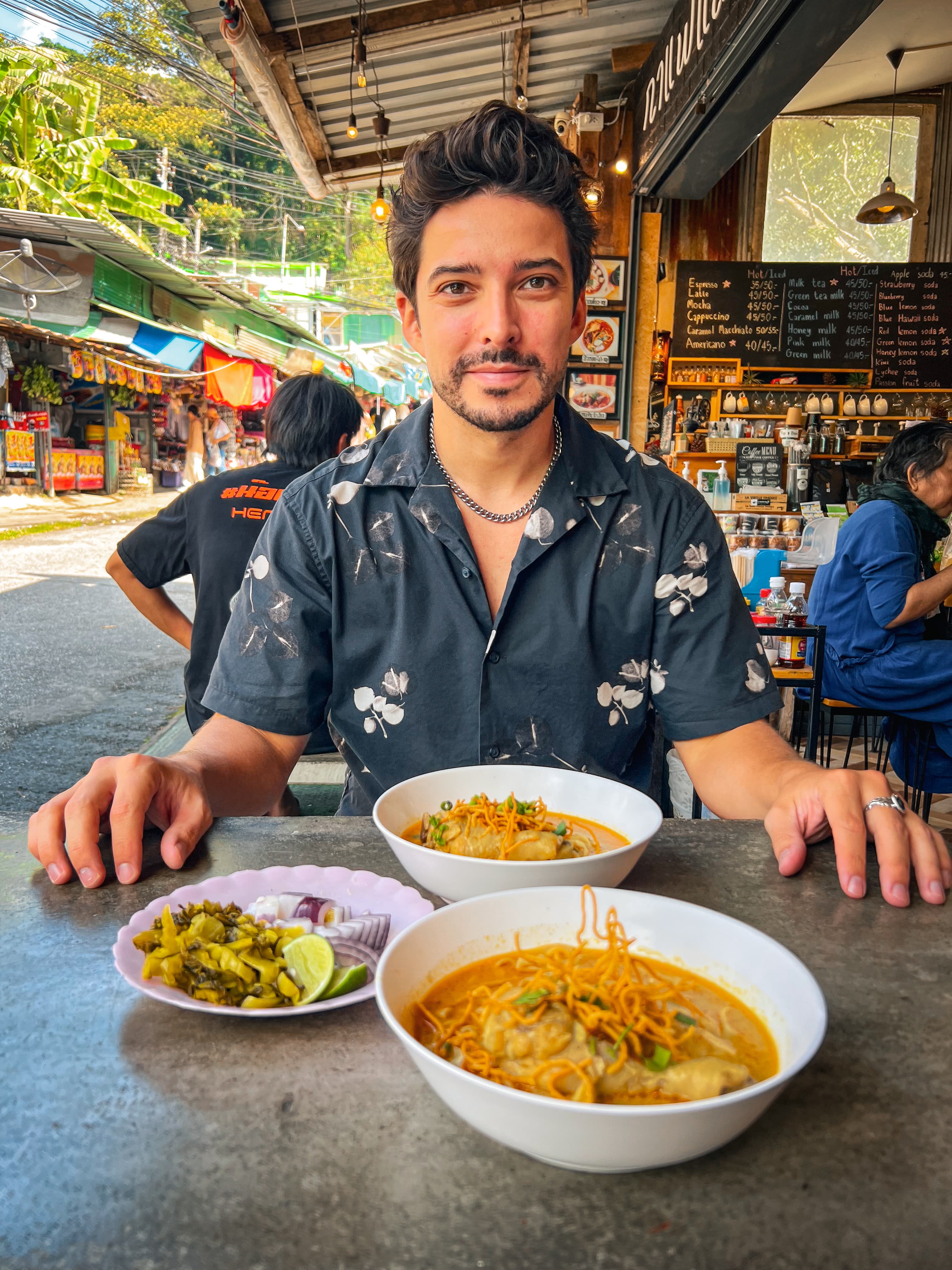
It wasn't my first time in Thailand; before Chiang Mai, I'd spent months living in Bangkok and tried all the Thai food market staples, but I had never encountered Khao Soi. Khao Soi is Northern Thailand's iconic coconut curry noodle soup.
It's a curry-coconut milk broth with hand-cut egg noodles, shallots, lime, fried chillies, and some kind of meat — chicken is the original, but you can also go with pork or beef. Skip the tourist-facing restaurants; this is a dish that's best in the places locals actually eat.
My top picks:
- •Khao Soi Mae Sai — order the chicken Khao Soi (number 1 on the menu). Open 8 AM–4 PM, closed Sundays.
- •Mae Sri Khao Soi — also excellent; near Doi Suthep if you're heading up the mountain. Open daily, 9 AM–4:30 PM.
4. Try Street Food and Shop Around at the Weekend Walking Streets
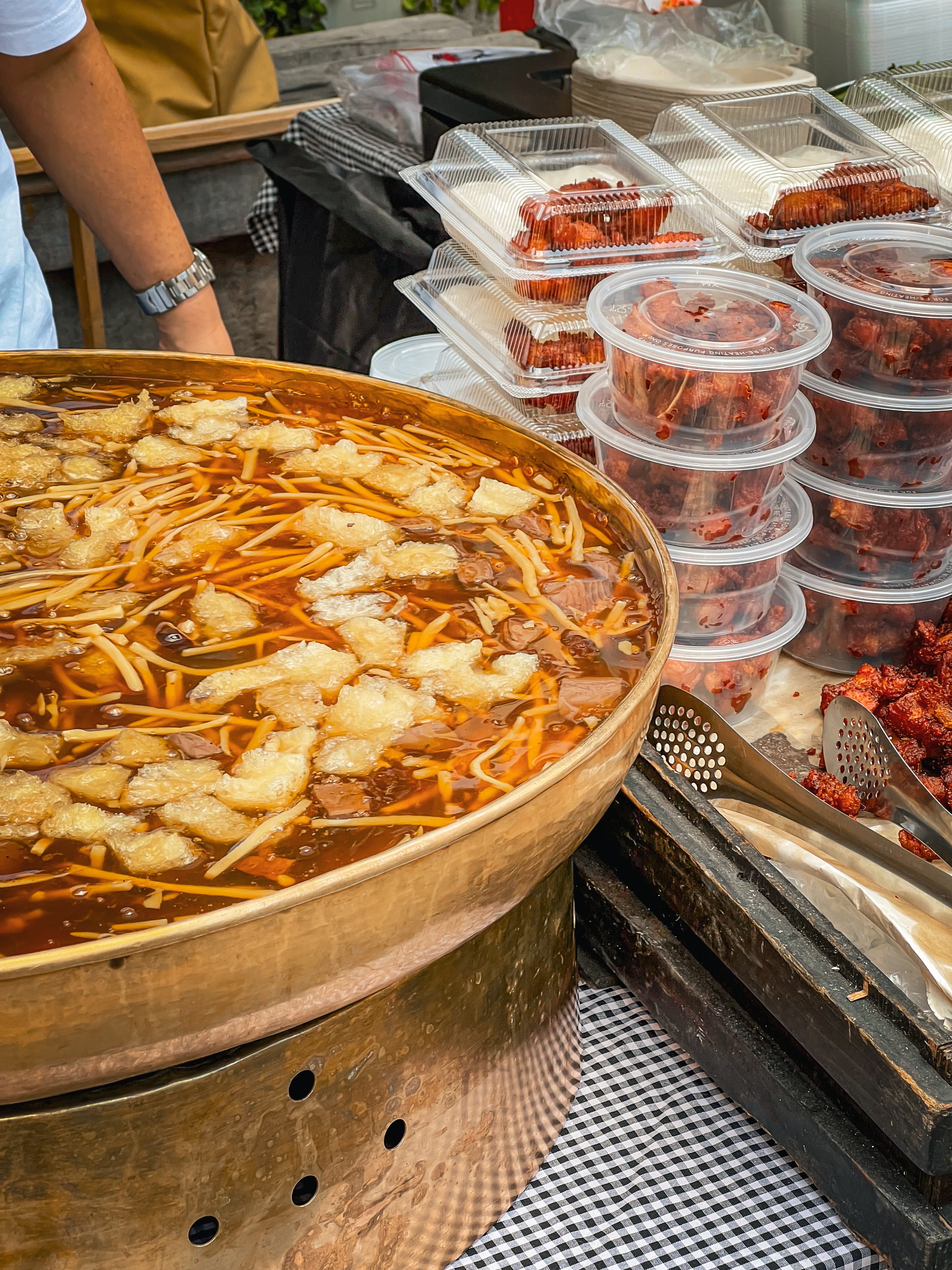
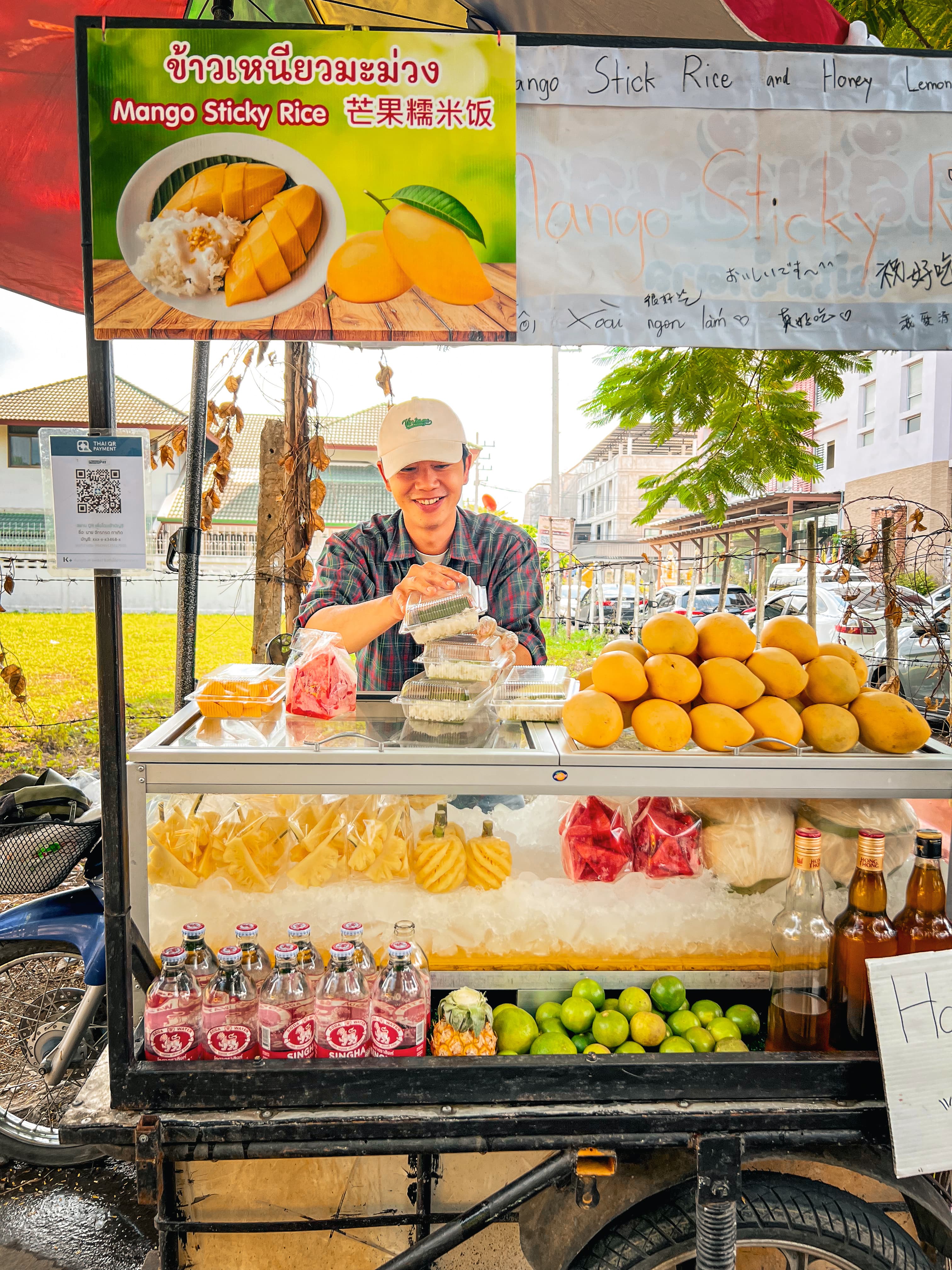
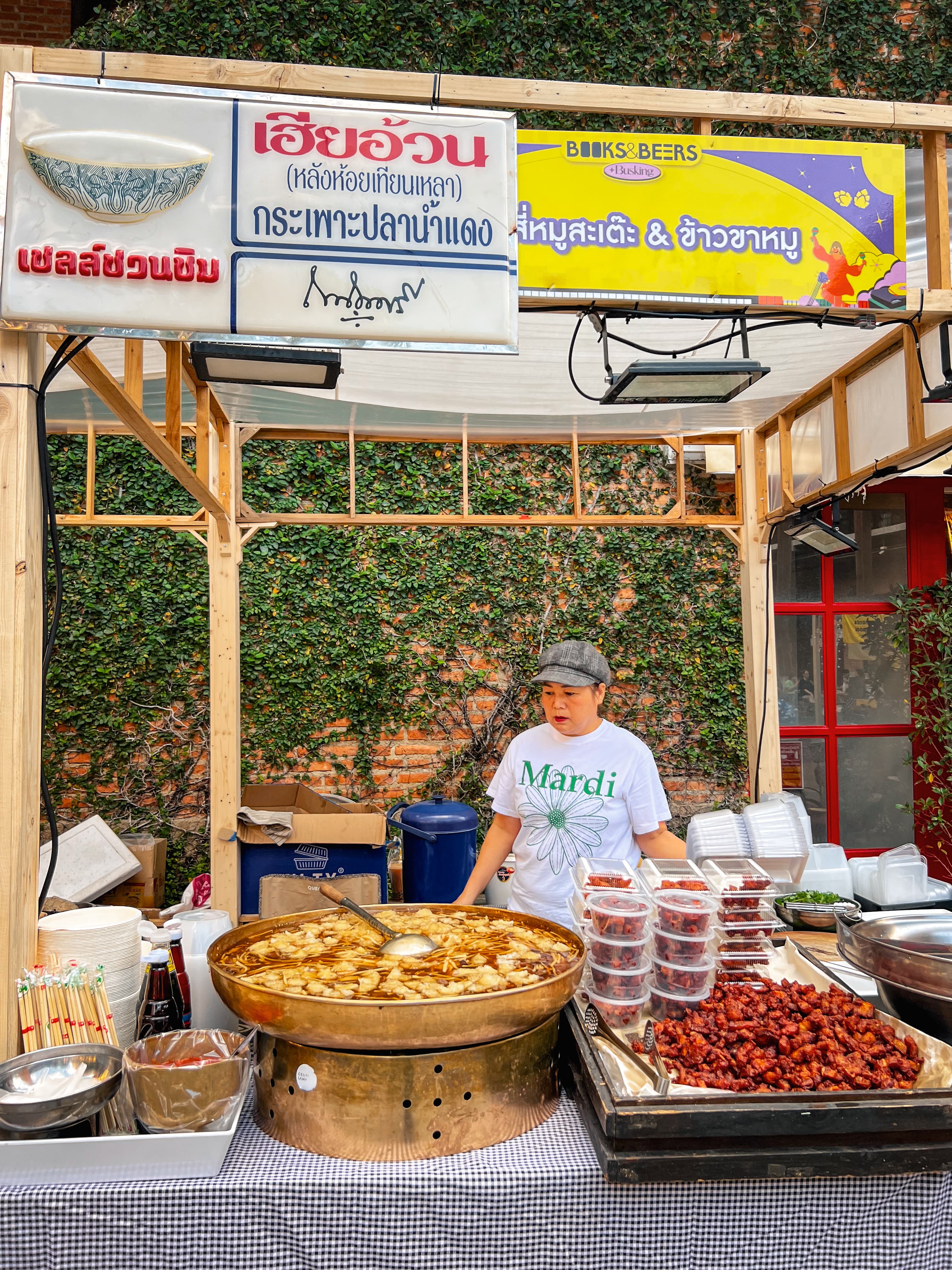
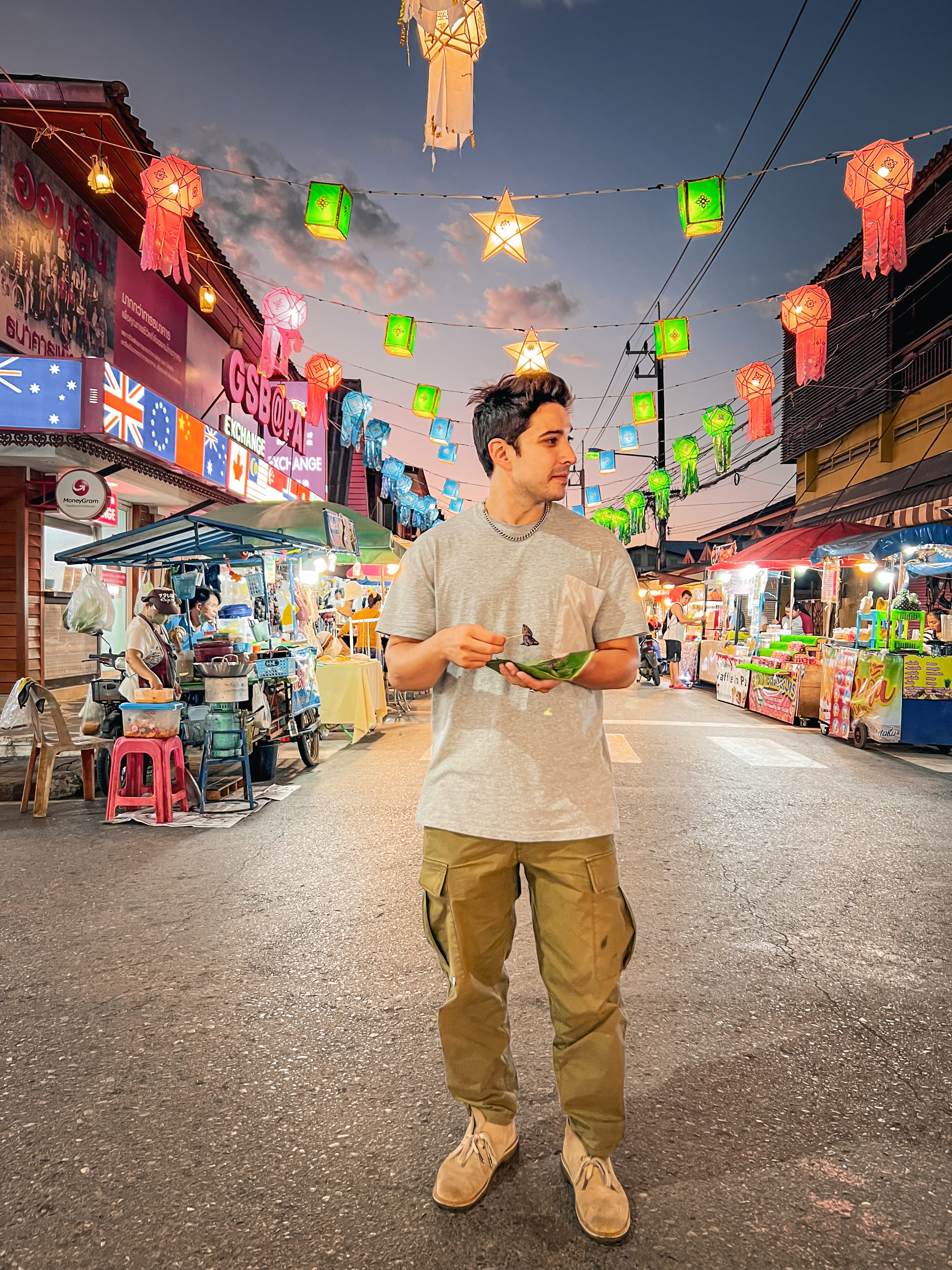
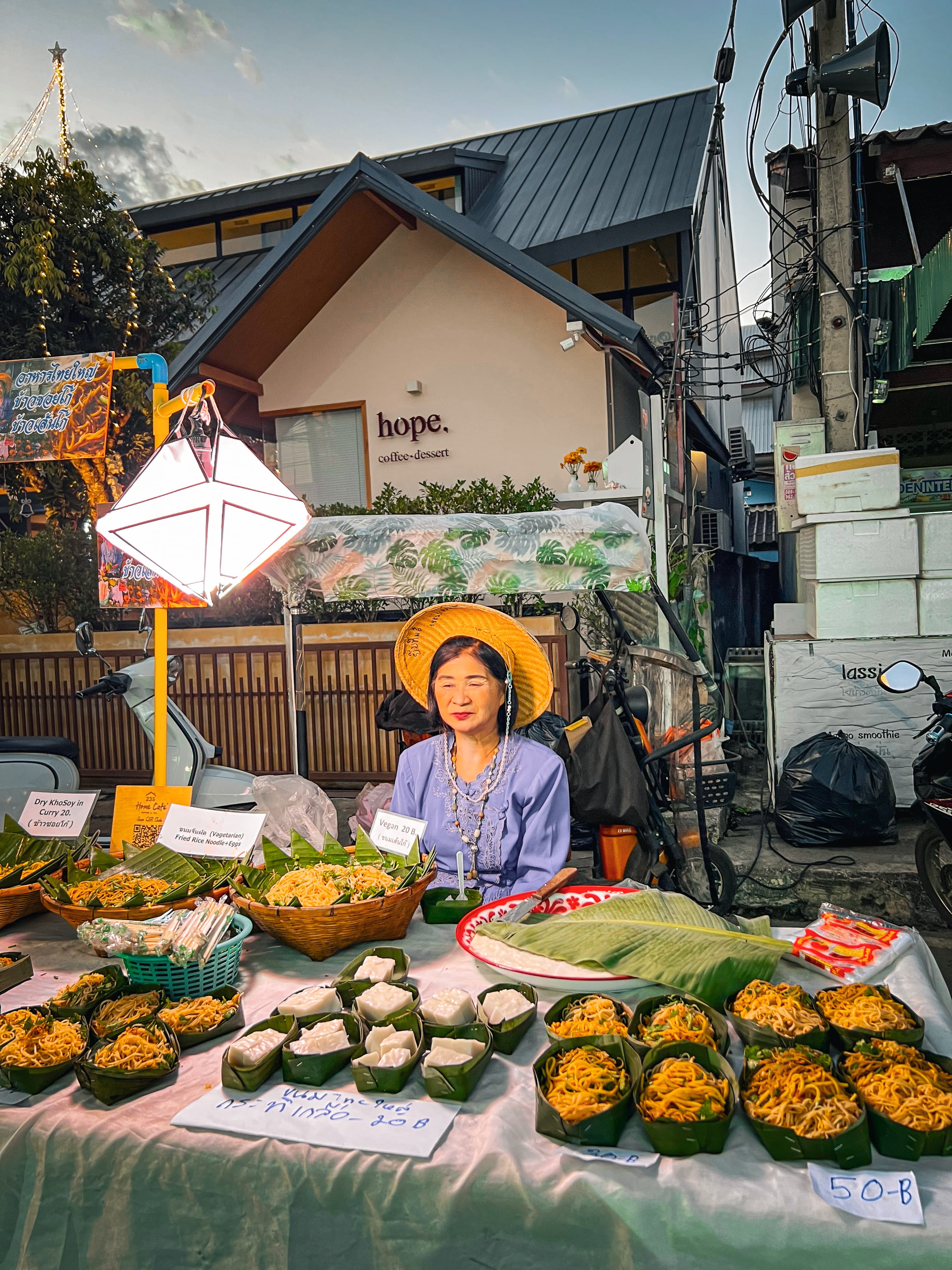
Every night, and especially every weekend, Chiang Mai's streets transform into a very busy, noisy and bubbly version of themselves — everywhere you go, there's either a food stall frying and selling something deep-fried and mouthwatering, or a cute little boutique with handmade jewelry, garments or clothing. I am a big fan of this hustle and bustle; it always gives me so much energy to spend time just browsing the streets and window-shopping for something unique.
If that sounds intriguing, the best places to soak in the atmosphere, local street food, and artisan handicrafts are the Sunday Walking Street (Ratchadamnoen Road, from about 5 PM on Sundays) and the Saturday Night Market (Wualai Road, about 5–11 PM on Saturdays).
5. Take a Northern Thai Cooking Class
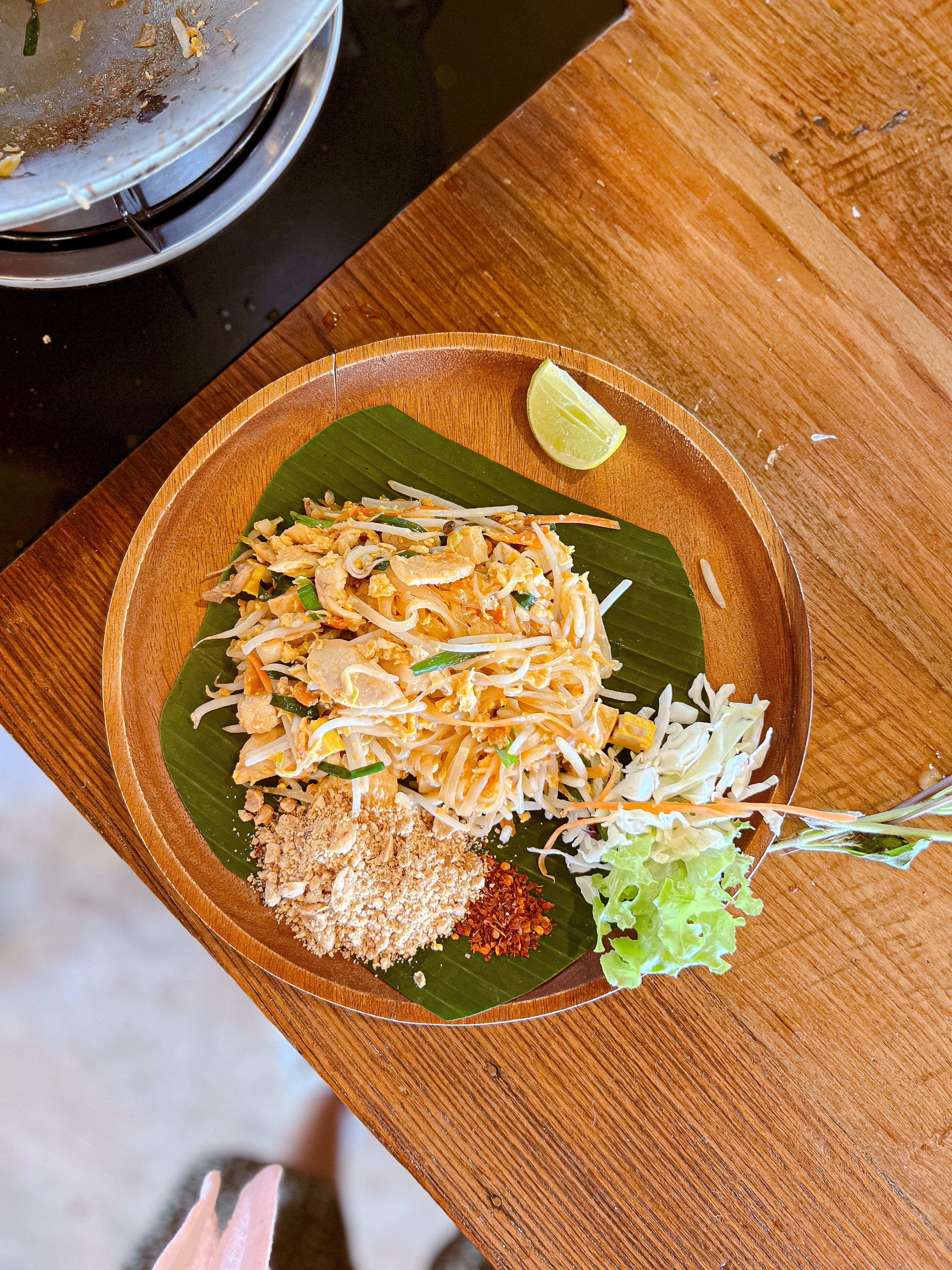
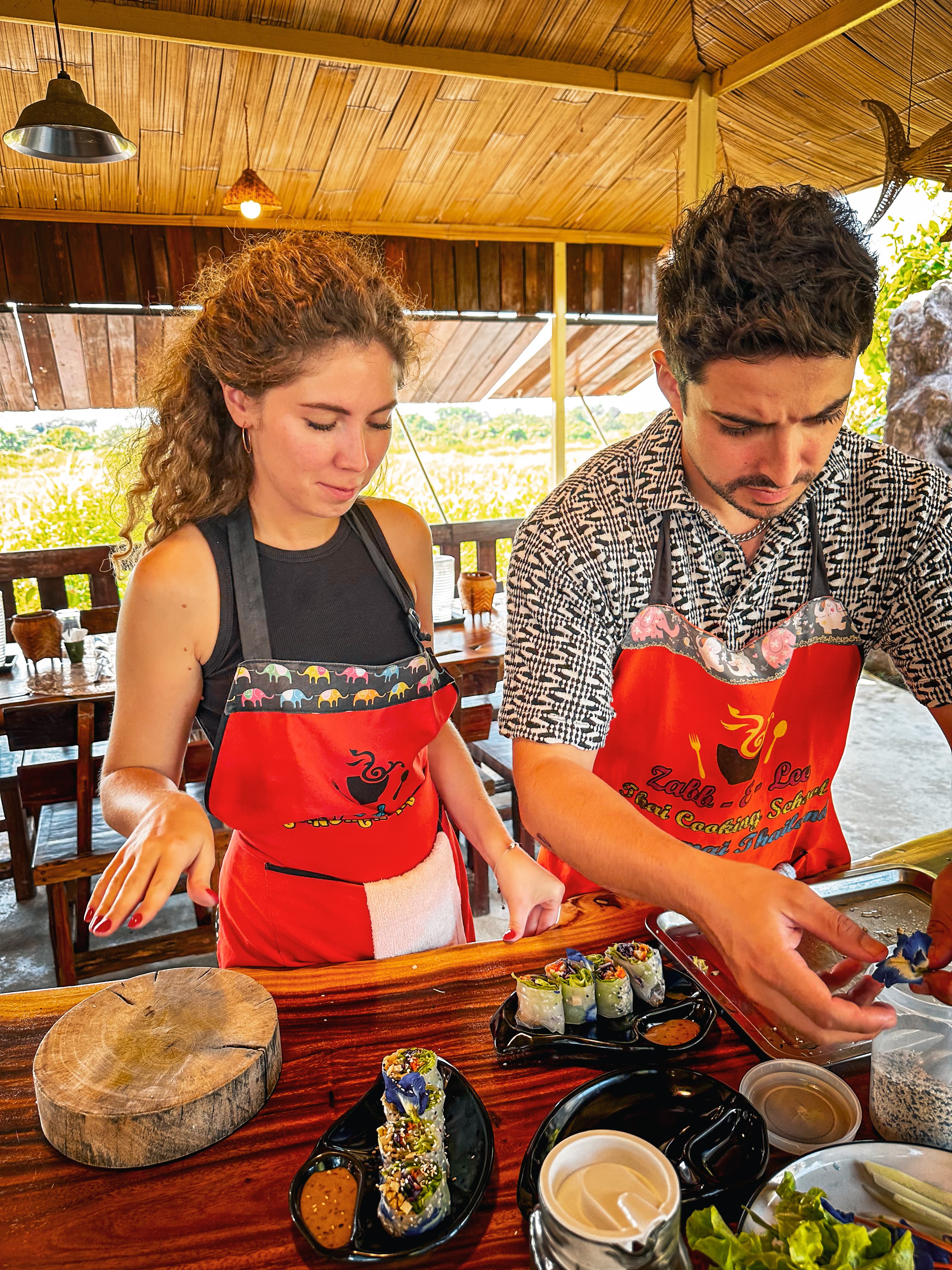
Looking for ideas for what to do on one of the weekends when we wanted a little break from visiting temples, we stumbled across the idea of a cooking class — it sounded like a great and fun activity to do with a group of friends. Most of the cooking classes start with a market tour, where you browse through raw ingredients and get a chance to grab something you might experiment with later at home — like stalks of aromatic lemongrass (which I love brewing as a tea), galangal, and fresh kaffir lime leaves.
After the market haul, we arrived at the farm that hosted the cooking class, where we split up into teams, and each team was united over their preferred choice of recipe. The property itself was stunning, with curving paths of stepping stones over the lake, a lush garden deep in greenery, palm trees, and an open-air bamboo studio with individual cooking stations. They had such a wide variety of dishes to choose from that we left having learned how to cook several types of curry and 4 dishes (2 appetizers, 1 soup, and 1 main + mango sticky rice). If you didn't get a chance to try Khao Soi yet, here you can actually try to cook it yourself. It's just one of the most fun things to do when travelling — it makes you connect with local culture and gets your hands dirty.
We booked this cooking school, which won in the selection because of great reviews and proximity to where we were staying. Price: 1,400 THB (~$42). Book here →
6. Experience the Lantern Festivals (Yi Peng & Loy Krathong)
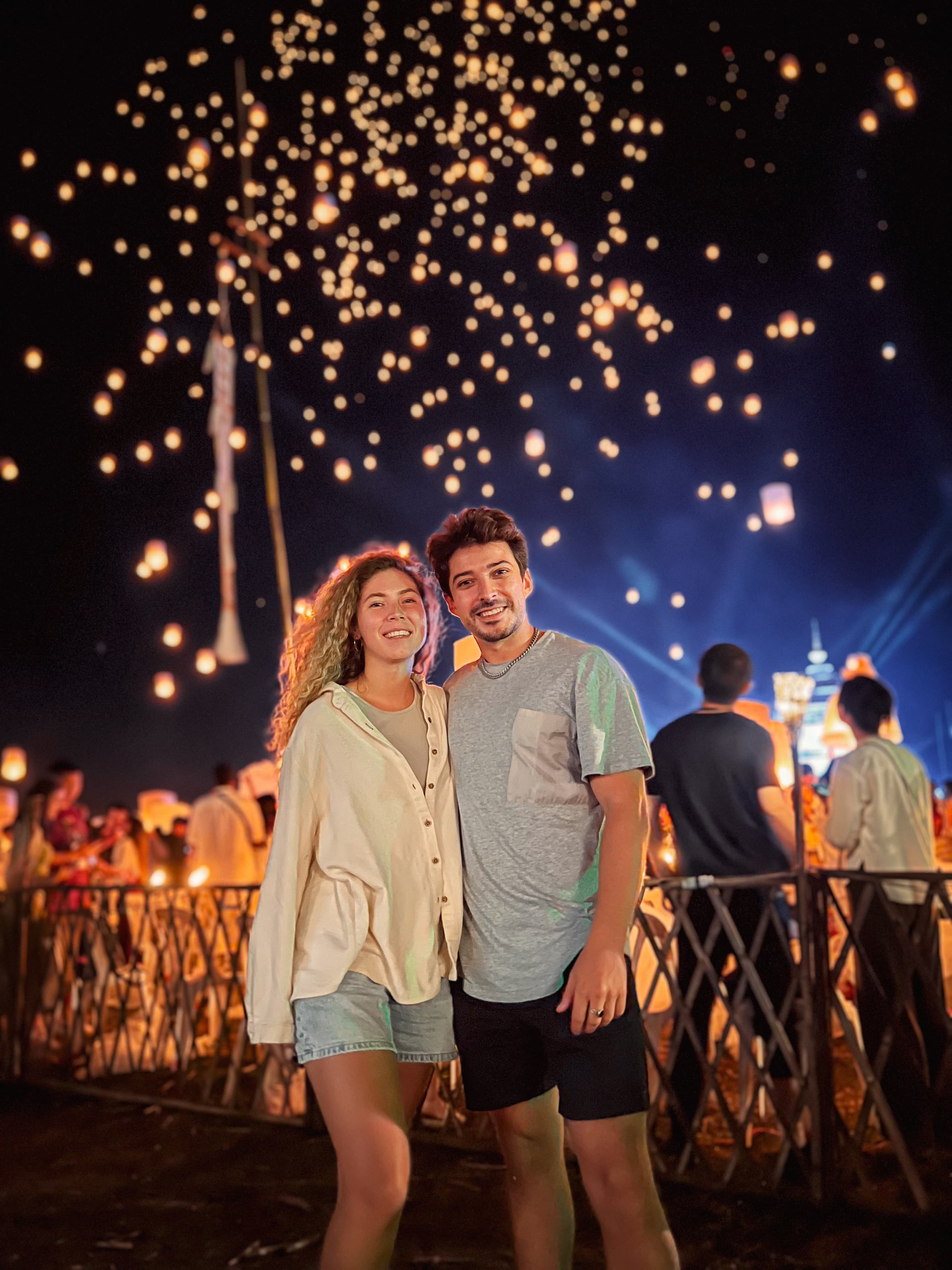
If you've watched Disney's Tangled, there's one of the most memorable scenes, where Rapunzel and Flynn are in a small wooden boat surrounded by tens of thousands of glowing sky lanterns. Well, I have great news for you — this lantern scene is widely said to be inspired by a very real event that recurs in Thailand every year. Actually, there are two events that are slightly different from each other.
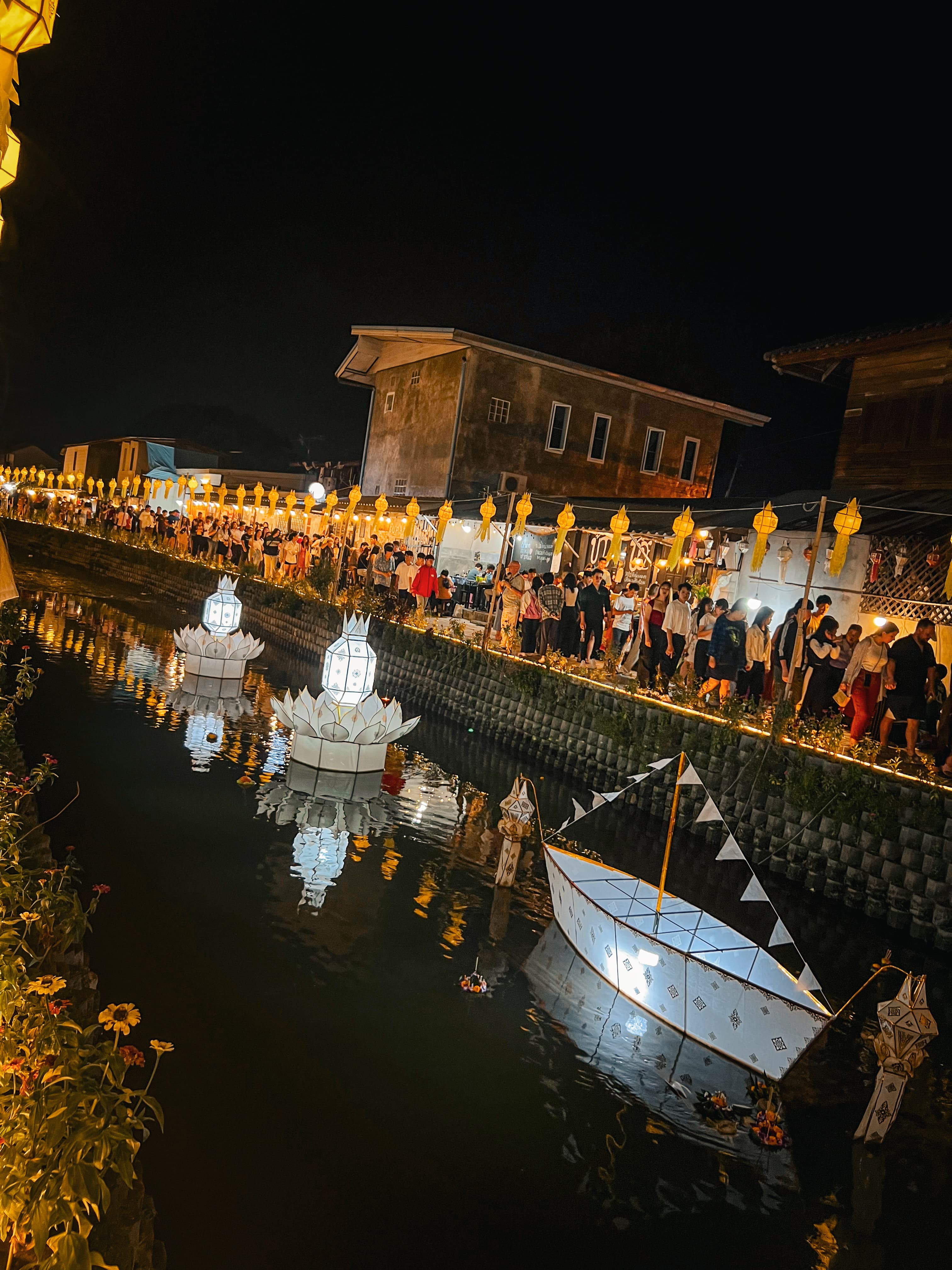
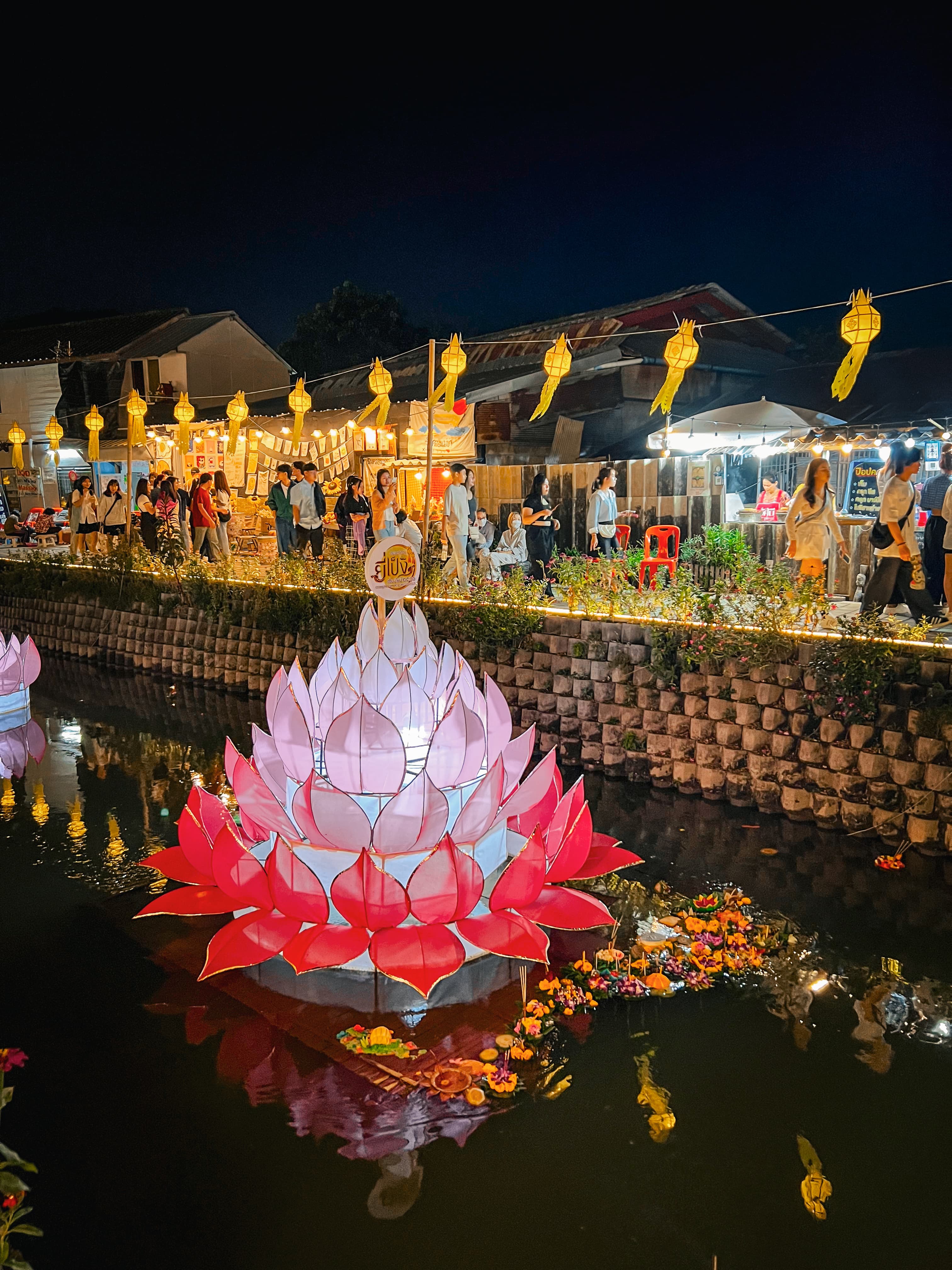
If you're in Chiang Mai during 24–26 November, there's a way for you to catch both. I got a chance to witness thousands of sky lanterns (khom loi) light up the sky and illuminated lotus baskets (krathong) drift down the Ping River in November — and let me tell you, that was a once-in-a-lifetime experience. It's something that makes your inner child so happy, as it's so magical and fairytale-like, when thousands of lanterns first light up the river and, the very next day, the sky.
Loy Krathong (River Lanterns)
- •Date: 24 November 2026
- •Where: On the Ping River
- •Cost: Free
- •Nawarat Bridge — the most popular spot; crowds are big but the view is worth it.
- •The Iron Bridge (Sapaan Lek) — just south of Nawarat, pedestrian-friendly and a fantastic viewpoint to see the river glowing with candles. Highly popular for launching baskets.
- •Nakorn Ping Bridge to Iron Bridge Riverside — the entire riverbank walking path between these bridges features hundreds of local vendors, street food stalls, and small bamboo docks built specifically to let you safely lower your krathong into the water.
Most celebrations begin at dusk and continue into the night. The busiest period is usually between 8:00 PM and 10:00 PM, when waterways are filled with candlelight and crowds gather at major viewing areas.
Yi Peng (Sky Lanterns)
- •Date: 25 November 2026
- •Where: Festival venue outside of Chiang Mai (1 hour away)
The Yi Peng Lantern Festival requires a ticket to attend, and most tickets include 2 lanterns for you to launch, access to a lounge area with a food market with everything included, and most likely transportation to the event location. Tickets for the best-known event start at around 4,900 THB (~$145) and go up to about 15,900 THB (~$475), depending on the category.
We got the full ticket, but decided to drive ourselves on the bike just to avoid waiting for the transfer there and back, and to be a little more flexible with arrival and leaving times.

7. Travel to the Highest Peak of Thailand at Doi Inthanon National Park
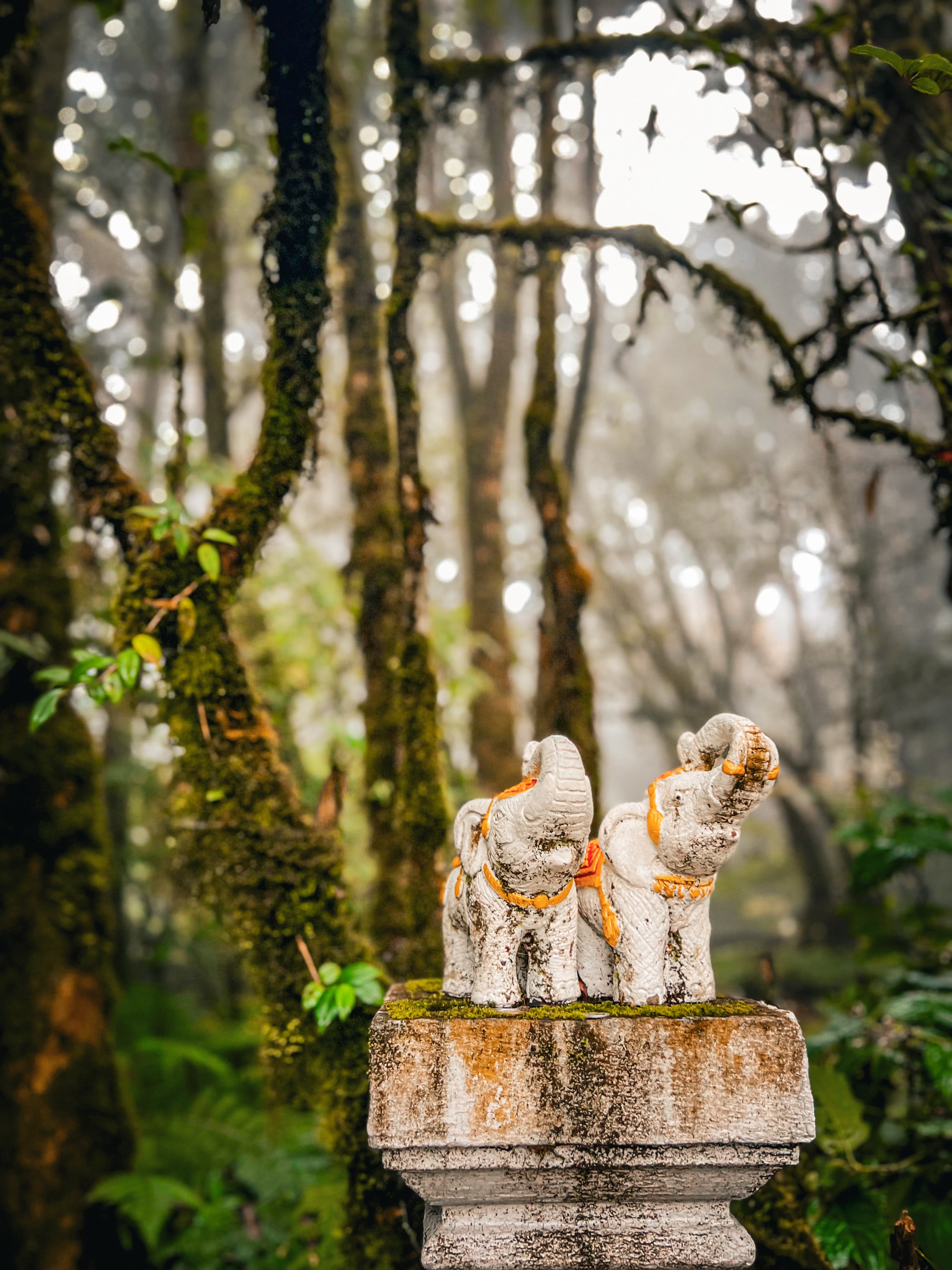
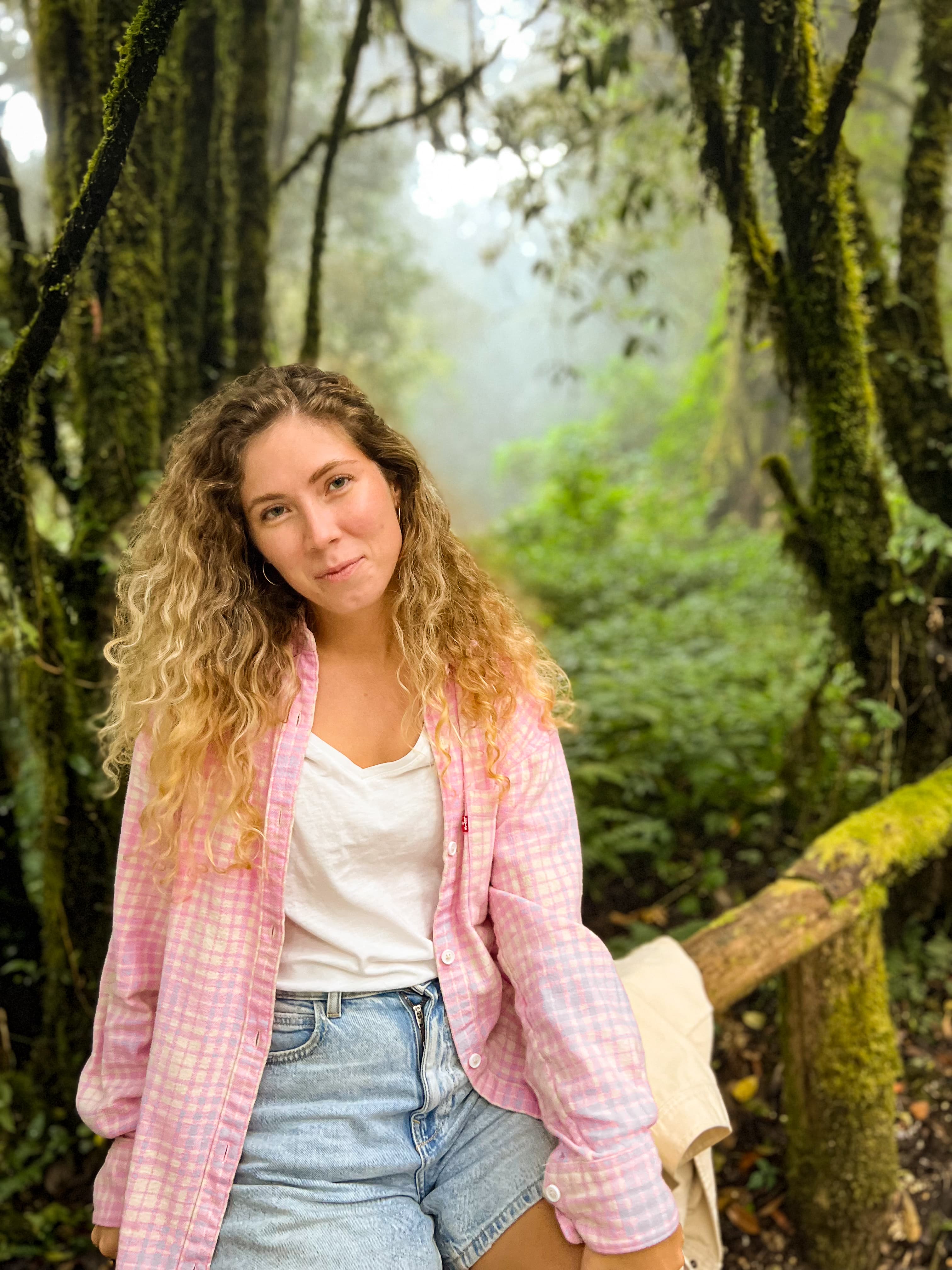
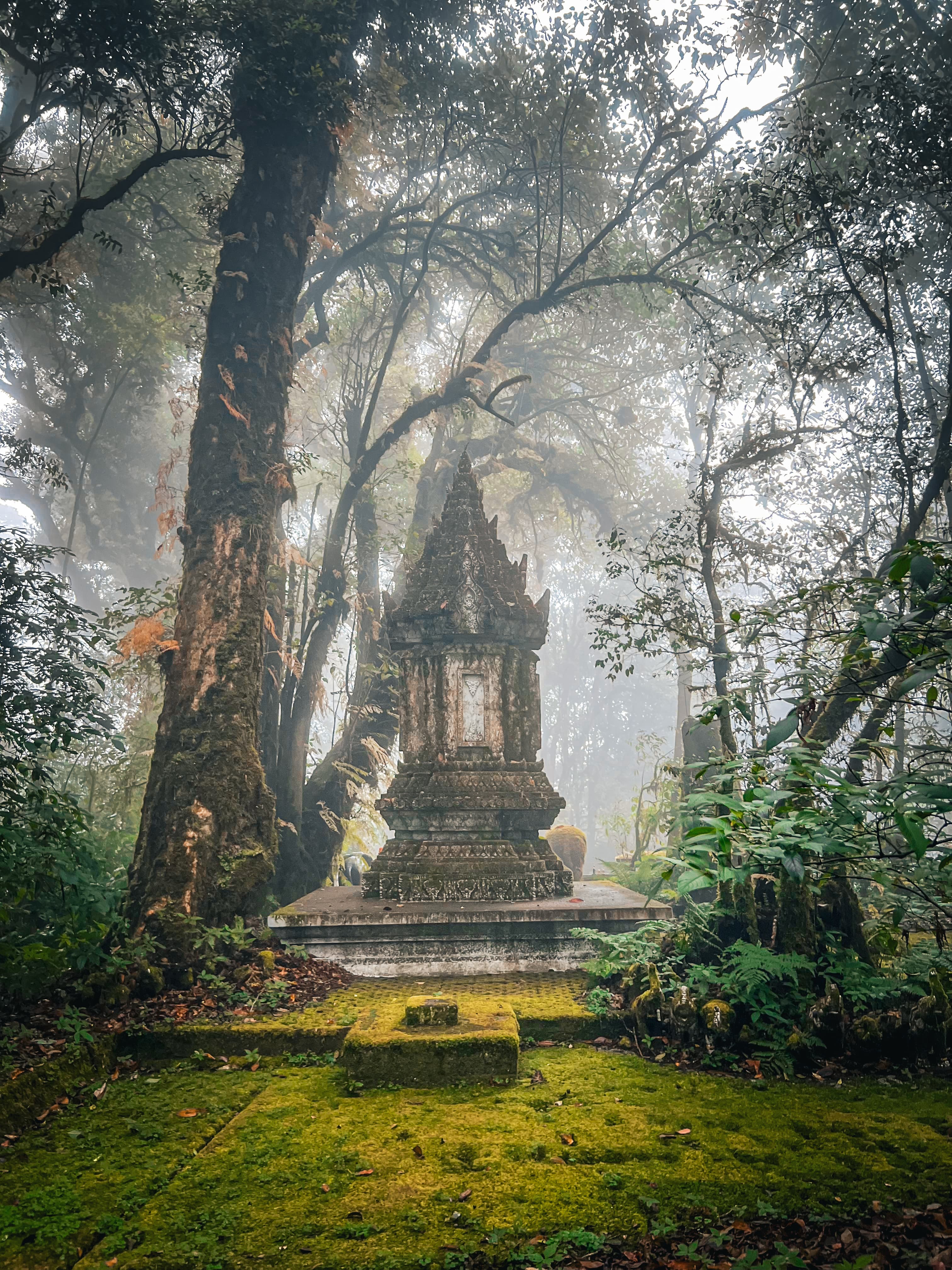
Standing on the highest peak in Thailand was by far the best thing I did during my stay in Chiang Mai. The mountain climate is so unique: you get to walk through a cloud forest that feels like an enchanted forest — with little statues of elephants overgrown with moss and winding trails through the hanging green branches.
It's about 2–2.5 hours of driving from Chiang Mai (roughly 106 km each way, heading south-west via Route 108 and Chom Thong). The ride itself is very scenic, but it takes good driving skills to navigate the sharp turns and partially patchy road. But it is so worth it — if you can drive, you definitely should do it on the bike.
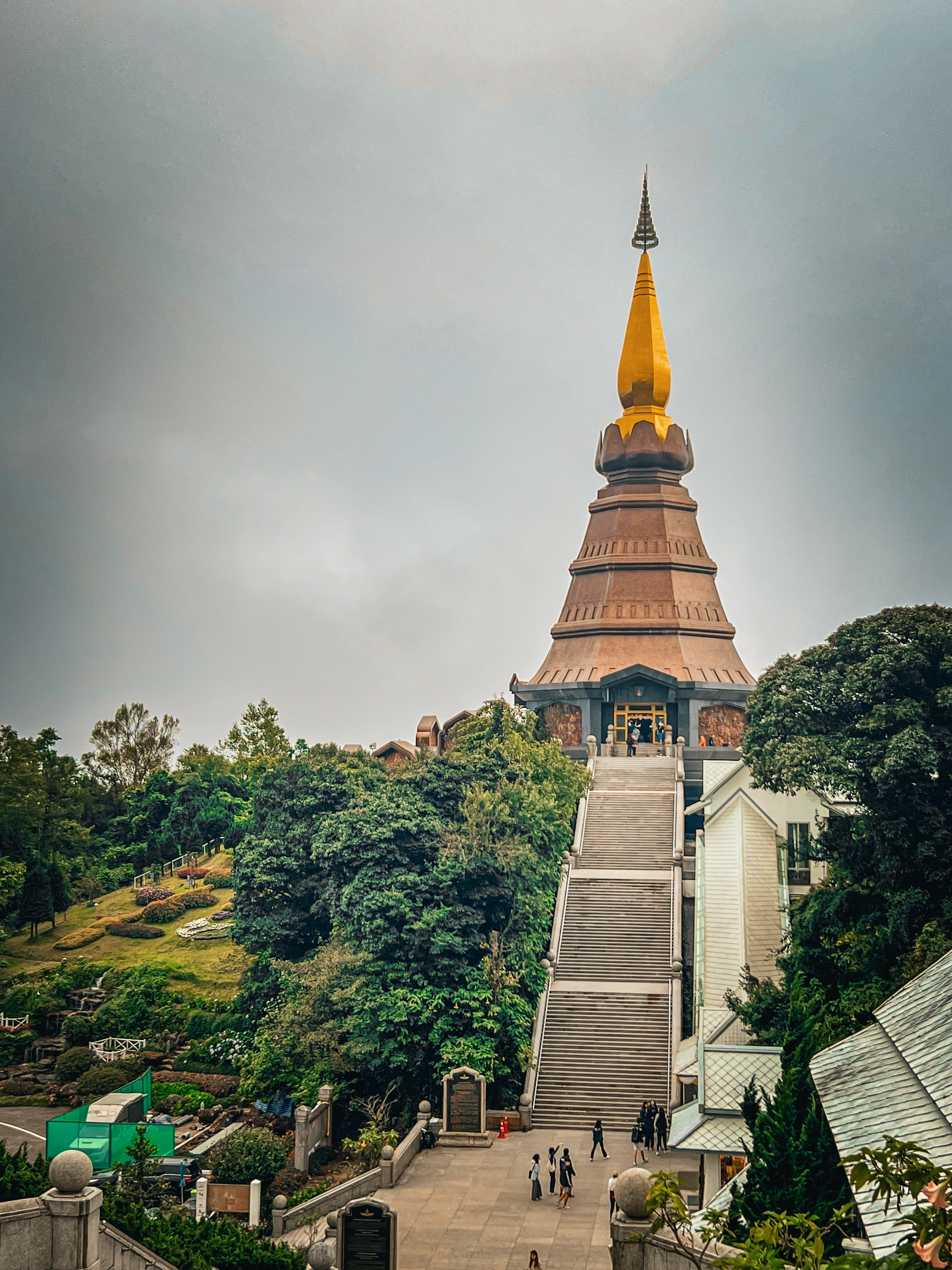
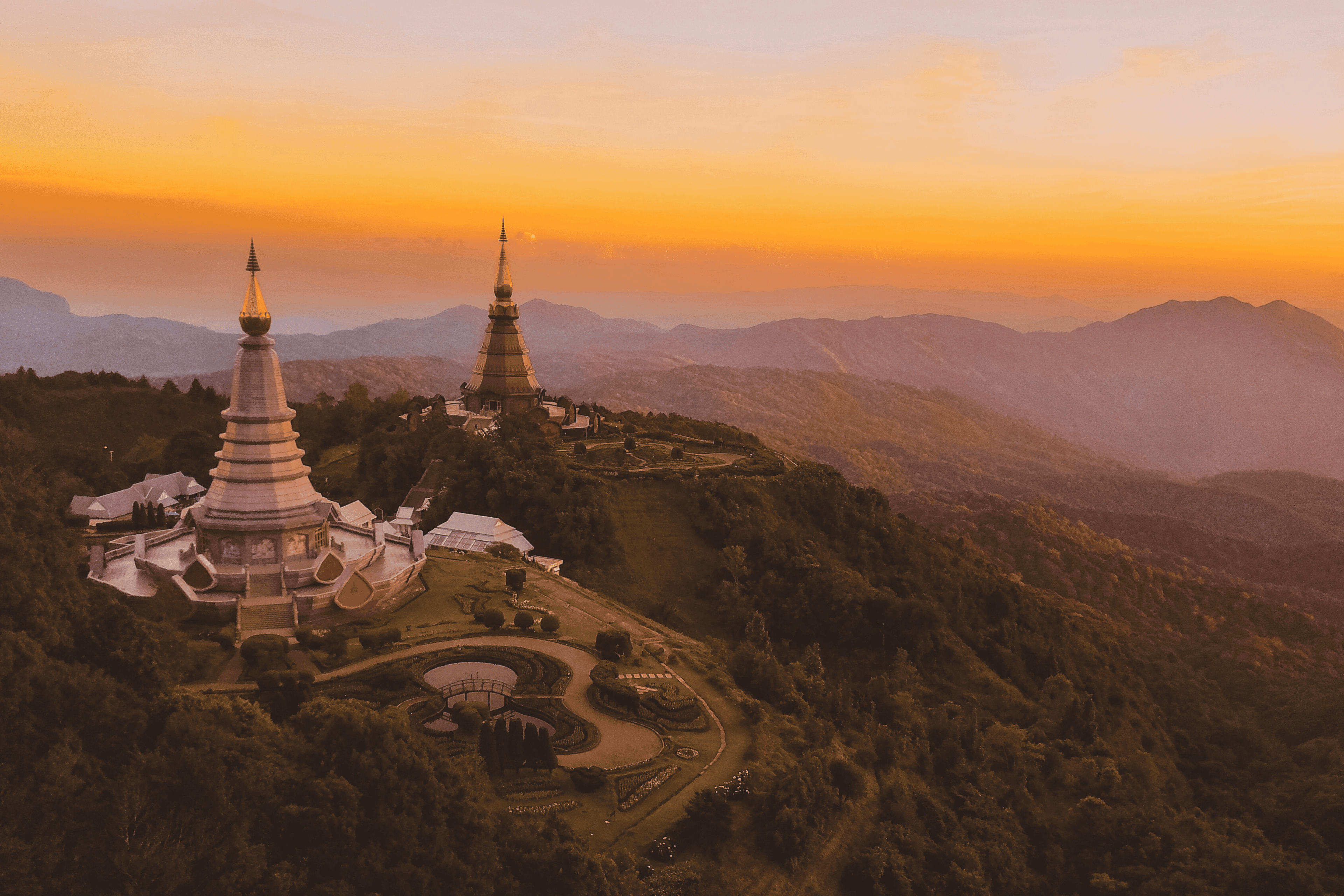
Once there, you get the chance to go hiking the Kew Mae Pan Nature Trail and to visit the Twin Royal Pagodas. The national park entry fee for foreigners is 300 THB (~$9), plus a small vehicle fee.
8. Take a Day Trip (or Weekend Escape) to Mountainous Pai
I would do this again just for the sake of the 3-hour ride up the mountains of Northern Thailand on my motorbike, navigating the scenic 762 curves up to Pai. It takes advanced experience, though, to navigate the sharp turns, patches of loose gravel, and steep inclines that are so easy to slip on — drive very carefully, or consider booking a car transfer.
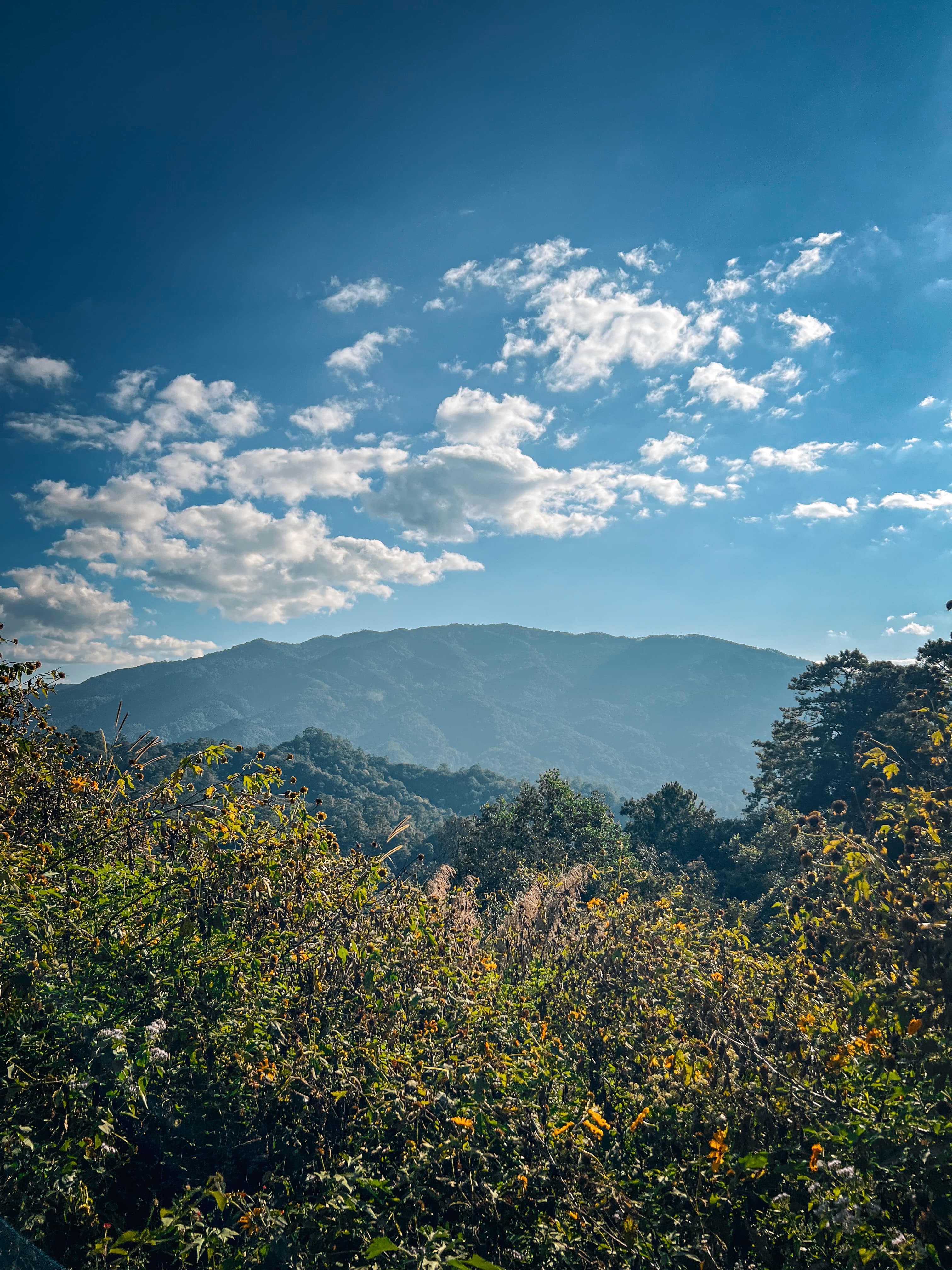
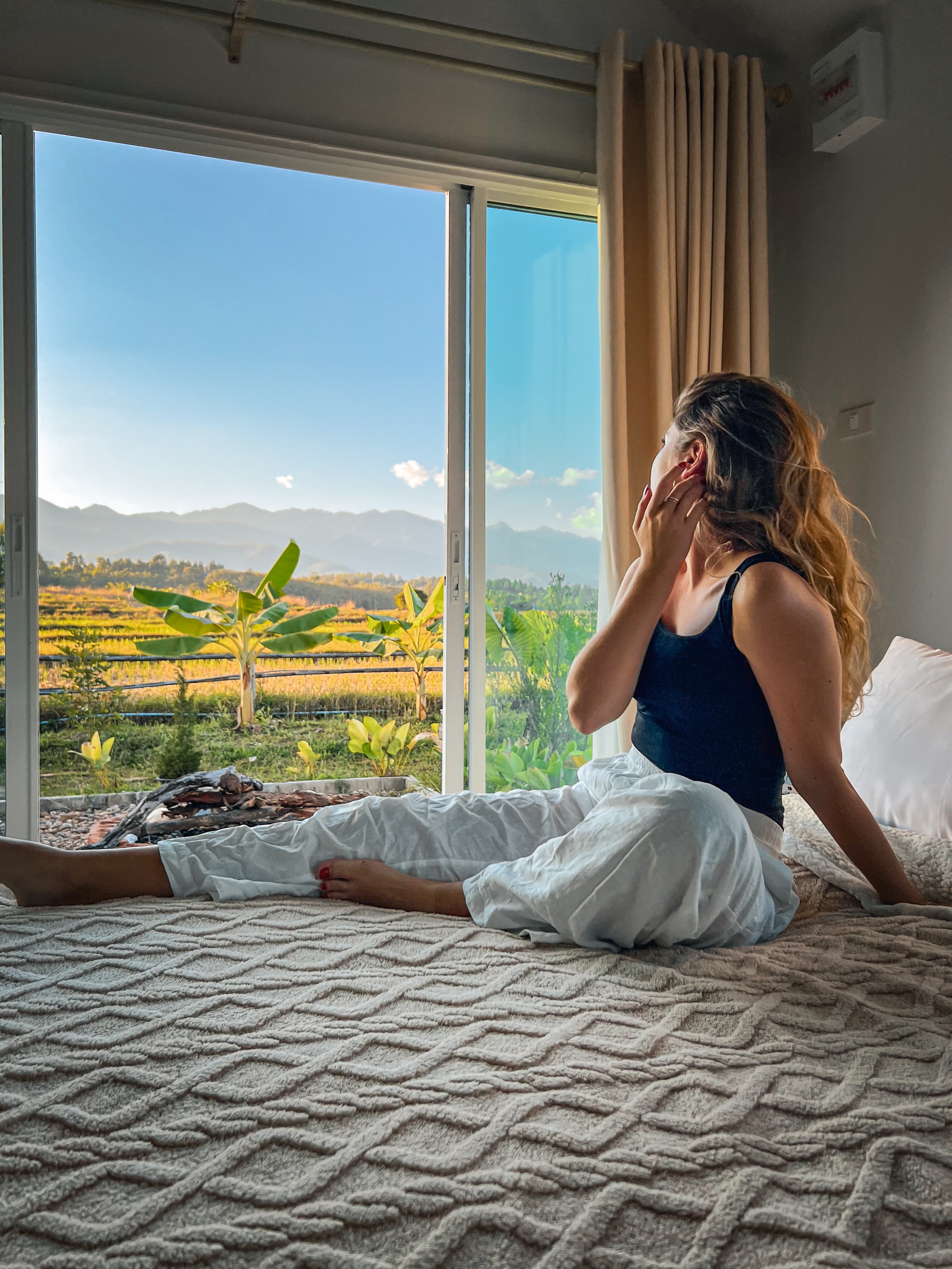
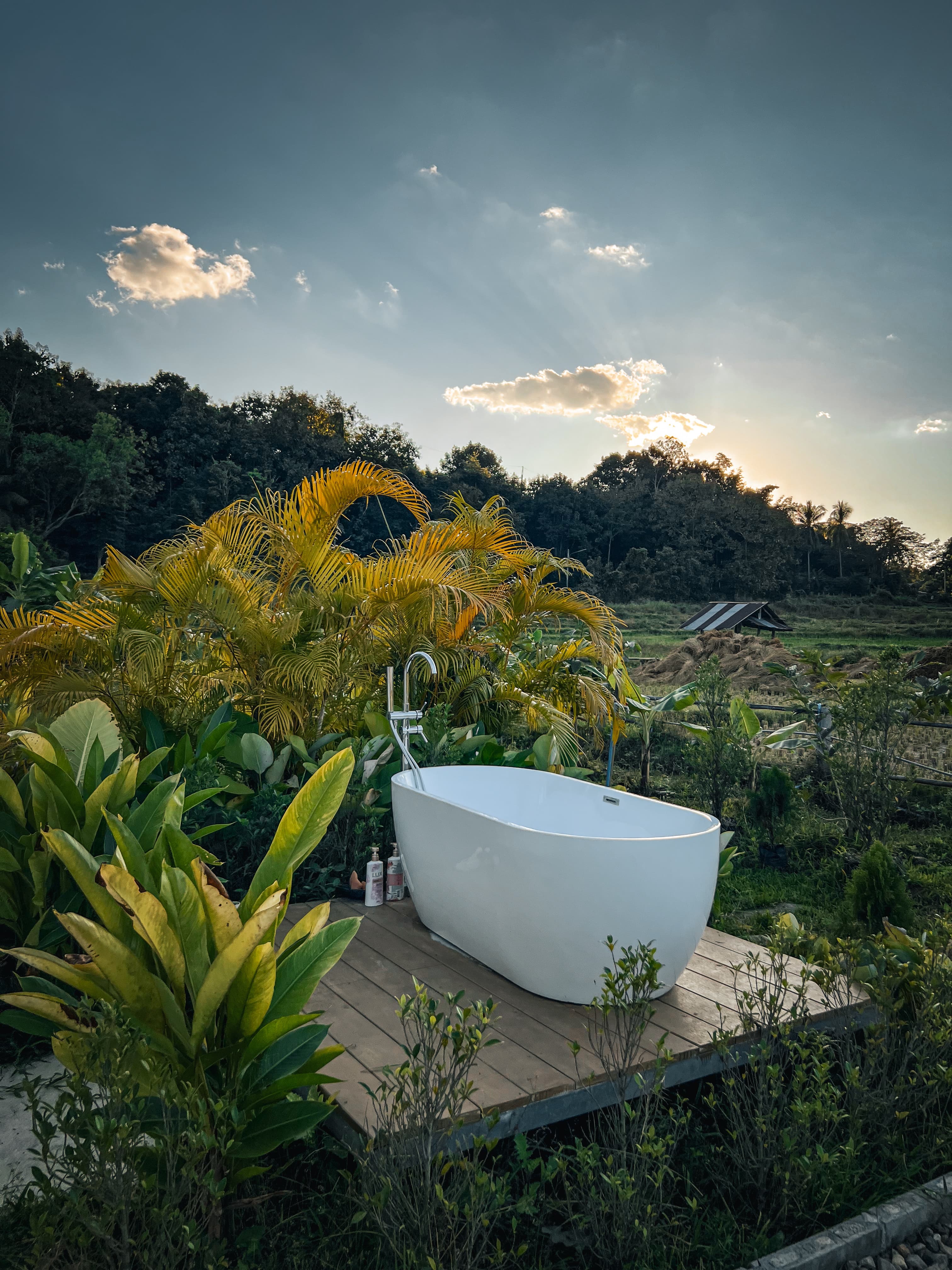
When we finally parked our bikes, we took a moment to look around and soak in Pai's unique atmosphere. It's a tiny and quaint town, surrounded by rice fields and dense jungle, which makes it an unbelievable place for a weekend nature escape, where you can curl up with a book on a couch overlooking the rice fields, or get into an outdoor bathtub to enjoy a moment of relaxation.
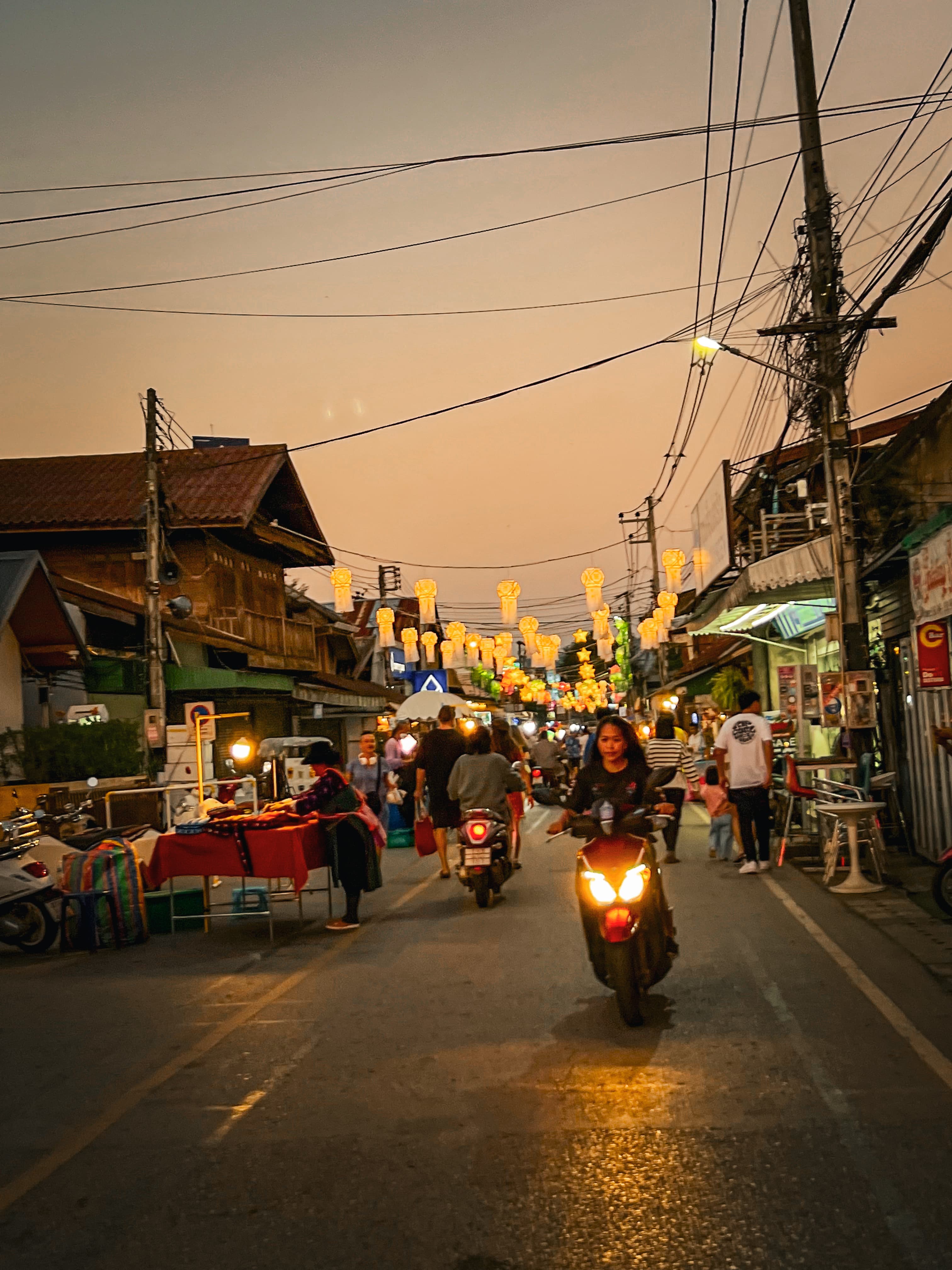
Our evenings in Pai were typically reserved for a Night Market visit. We'd come painfully hungry so we could try more things — and walk around street vendors selling freshly cut exotic fruits, grilled sausages called Sai Ua, and my favourite gyozas from Gyoza Queen that I can eat in uncontrollable amounts. There are also plenty of other things to do in Pai district — like visiting Pai Canyon (Kong Lan) or a few waterfalls (Mo Paeng Waterfall and Pam Bok Waterfall).
9. Explore Wat Umong (The Underground Forest Temple)
That one has been on my list of places to explore, but I ran out of time and couldn't make it in the end — I'm including it here so you can give it a chance.
The pictures I've seen blew me away, though. It looks like a place where you get to wander through 700-year-old brick meditation tunnels set inside a serene, wooded sanctuary. The 15-acre complex sits at the base of Doi Suthep Mountain, wrapped in towering trees, bamboo groves, and moss-covered stone paths.
- •Location: Wat Umong on Google Maps
- •Hours: Open daily from 6:00 AM to 5:00 PM
- •Admission: Free (donations welcome)
- •Dress code: Cover your shoulders and knees
10. Eat Legit Tom Yum in a Bamboo Hut on Huay Tung Tao Lake
I would have never discovered this place if I didn't have a Thai girl who was my employee for a couple of years and was based in Chiang Mai — she told me about this cool ritual that locals do with their families: going to the lake and having a meal over the water, sitting on the floor of bamboo huts rising above the water.
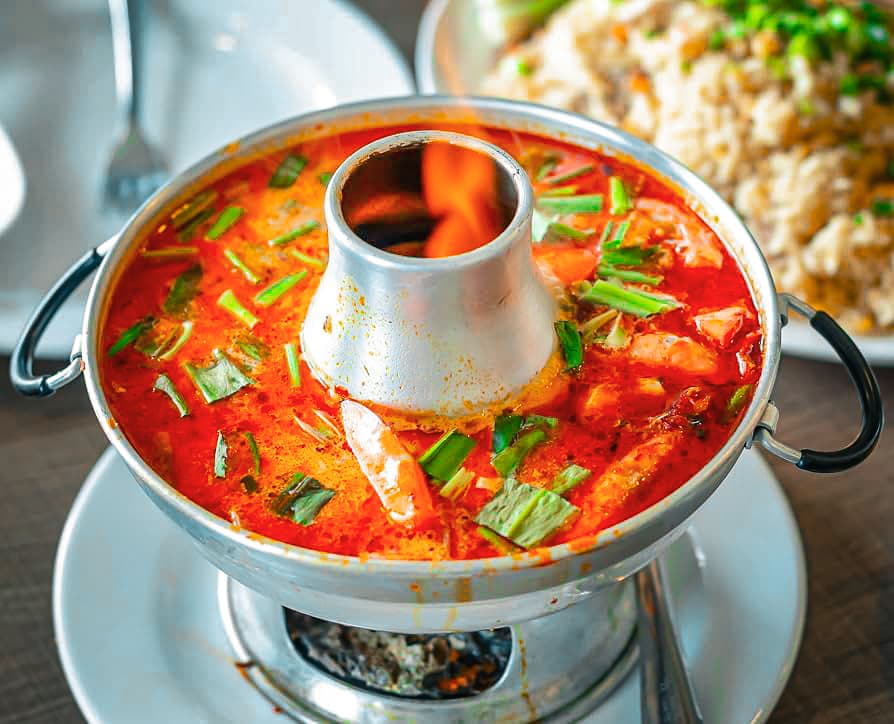
The idea of escaping the city heat to relax in a private floating bamboo hut, eating authentic, spicy Tom Yum soup and fresh grilled fish with views of the mountains sounded so great that we drove all the way there with a group of friends to spend a full day. The Tom Yum you can get there is so real (read: spicy as hell) that it barely lets you take a breath after one spoonful of broth. I think I developed my spice tolerance during this month-long trip in Chiang Mai, and that Tom Yum contributed to this training of my taste buds. The soup is served for a few people in a big aluminium bowl that is heated from the bottom to keep it hot.
The best advice I can give, if you're ready for this experience: get a coconut, as it soothes the heat from the spice — drink it when you feel like you're struggling and need to cool down the spice on your tongue.
- •Location: Huay Tung Tao Lake on Google Maps
- •Getting there: About 12–15 km north-west of the Old City, roughly a 20–25 minute drive. Grab will take you there, but finding a ride back can be tricky, so a bike or a hired driver is easier.
- •Entry: 50 THB (~$1.50) per person; bamboo huts are free as long as you order food or drinks.
- •Hours: Roughly 6:30 AM–5:30 PM; most lakeside restaurants wind down around sunset.
2 Things You Should Skip in Chiang Mai
1. Skip Exploitative Tiger Kingdom
- •Tigers at these venues are widely reported to be kept chained or sedated for photo ops.
- •The interaction looks exciting in photos but puts wild animals into deeply unnatural situations.
- •If you want a wildlife experience, look for ethical sanctuaries where animals roam freely and contact is kept to a minimum.
You might see plenty of advertisements left and right for so-called Tiger Kingdoms. It does sound fantastic; who doesn't want a cute picture with a wild tiger? But if you don't want to support a business that puts animals through bad treatment, cross it off your travel plan.
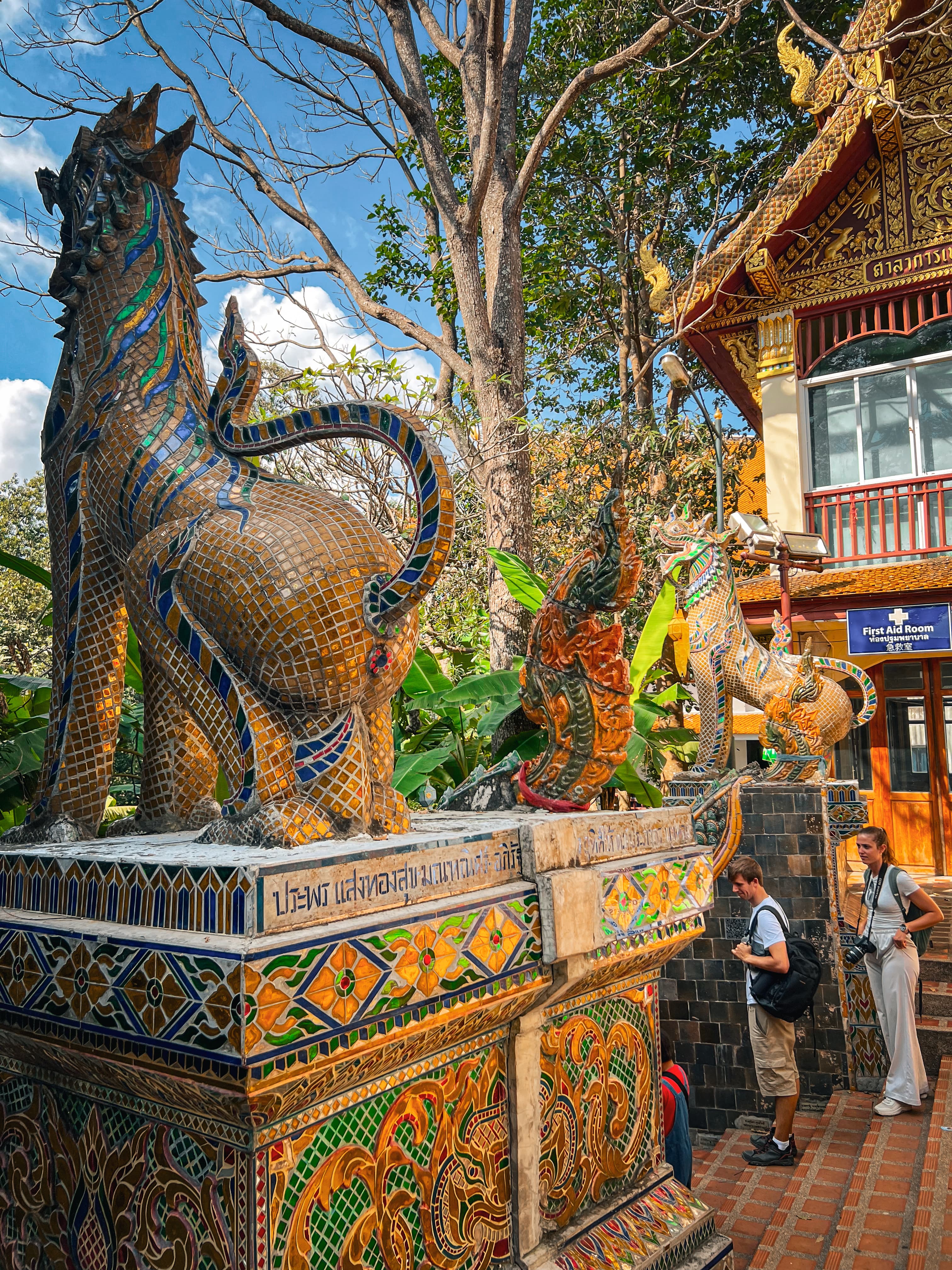
2. Don't Try to Visit Every Single Temple
I've heard too many people talking about Temple Burnout, as funny as it might sound. Being surrounded by temples in Chiang Mai, I also felt this urgency — until I learned it would be impossible time-wise. Chiang Mai has over 300 temples; rushing between dozens of them will just exhaust you and blur everything together.
- •Wat Pha Lat — jungle setting on the Monk's Trail, fewer crowds, genuinely beautiful.
- •Wat Umong — 700-year-old meditation tunnels set in a wooded sanctuary. Atmospheric and quiet.
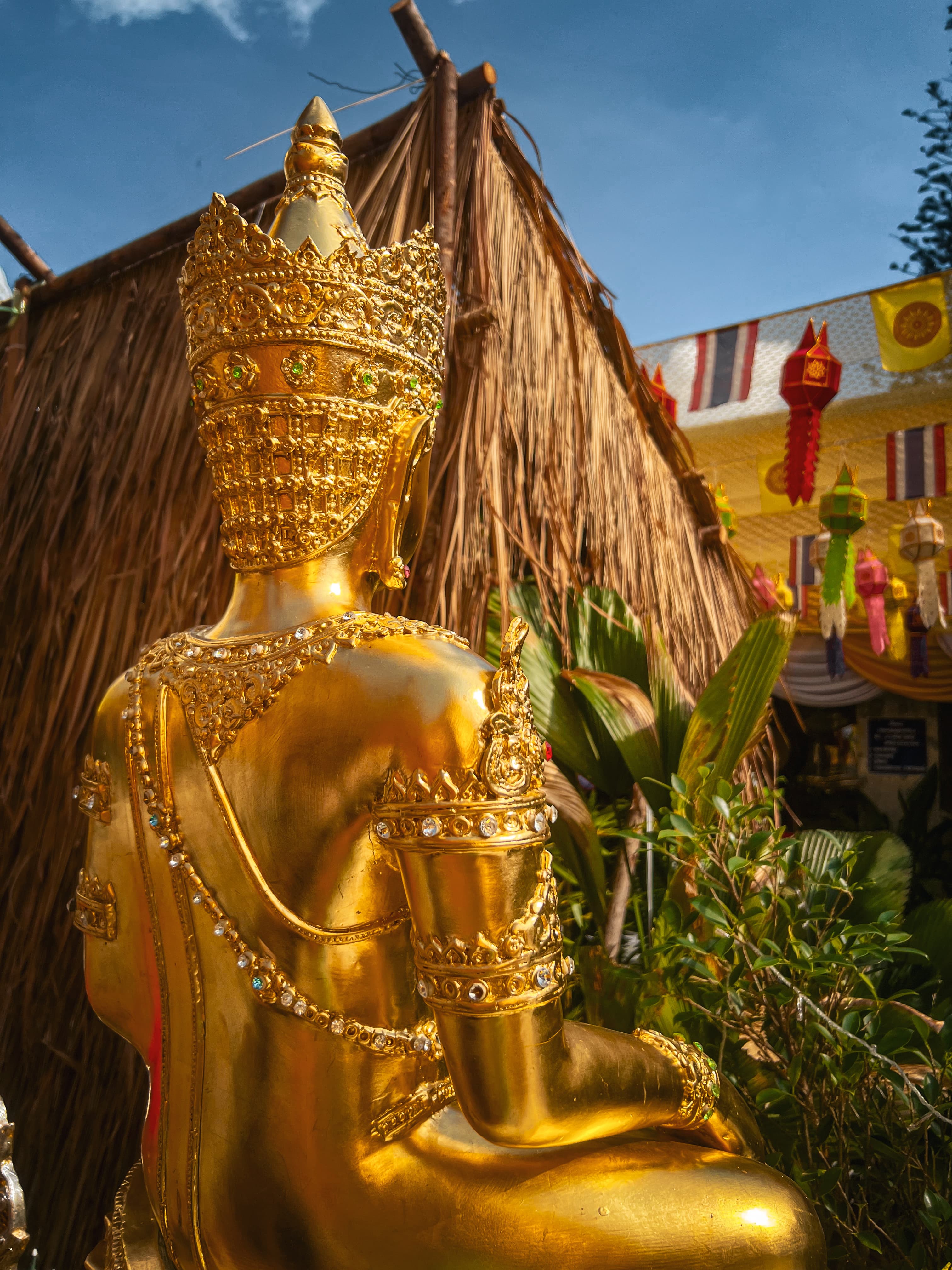
- •Wat Phra That Doi Suthep — the most important temple in northern Thailand, with valley views from the terrace.
Pick two or three, spend proper time at each, and leave the rest for scholars of Buddhism.
Logistics & Insider Tips for Visiting Chiang Mai
Best time to visit: November to January — cool, dry weather; ideal for Yi Peng and outdoor hikes.
Getting Around
Chiang Mai is small, and getting around is easy and cheap — even if you never get on a scooter.
Grab and Bolt
Download both apps before you land. Prices change, and sometimes one is cheaper than the other. A car from the Old City to Nimman costs around 60–90 THB (~$2–3). A motorbike taxi is even cheaper if you travel light. Prices go up a little during rush hour (7–9 AM and 4:30–7 PM). Grab is also the easiest way to get from the airport: 80–180 THB (~$2.50–$5.50) to Nimman or the Old City, in 15–20 minutes.
Songthaews (red trucks)
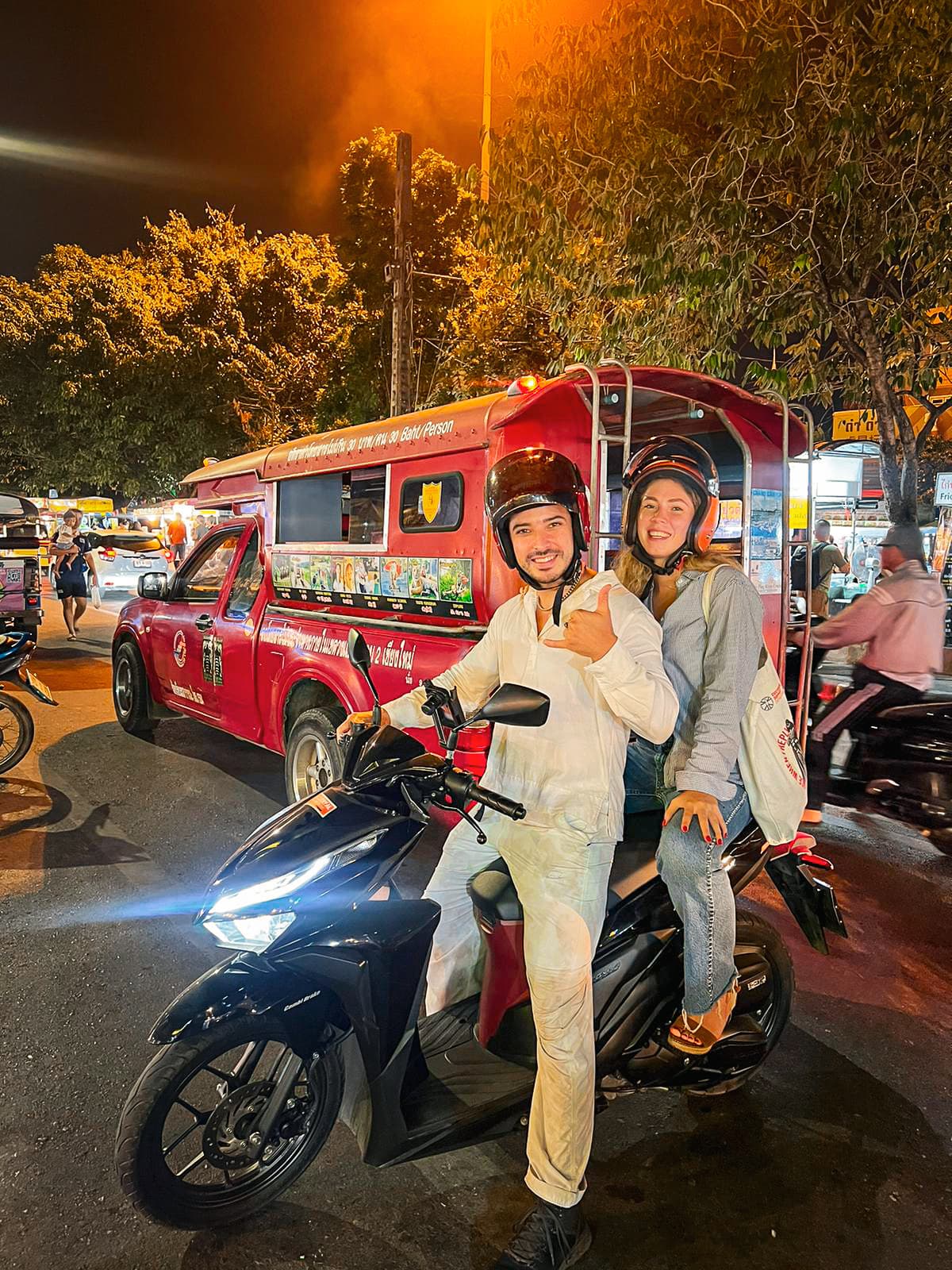
These are shared taxis — red pickup trucks with two benches in the back. Wave one down, tell the driver where you're going before you get in, and if he nods, hop on. A ride within the city (Old City, Nimman, Night Bazaar) is usually a flat 30 THB (~$1) per person. Agree on the price first; drivers waiting at tourist spots sometimes quote more. You can also hire the whole truck for the day to Doi Suthep for around 800–1,200 THB (~$24–36) and split it with others.
Renting a scooter
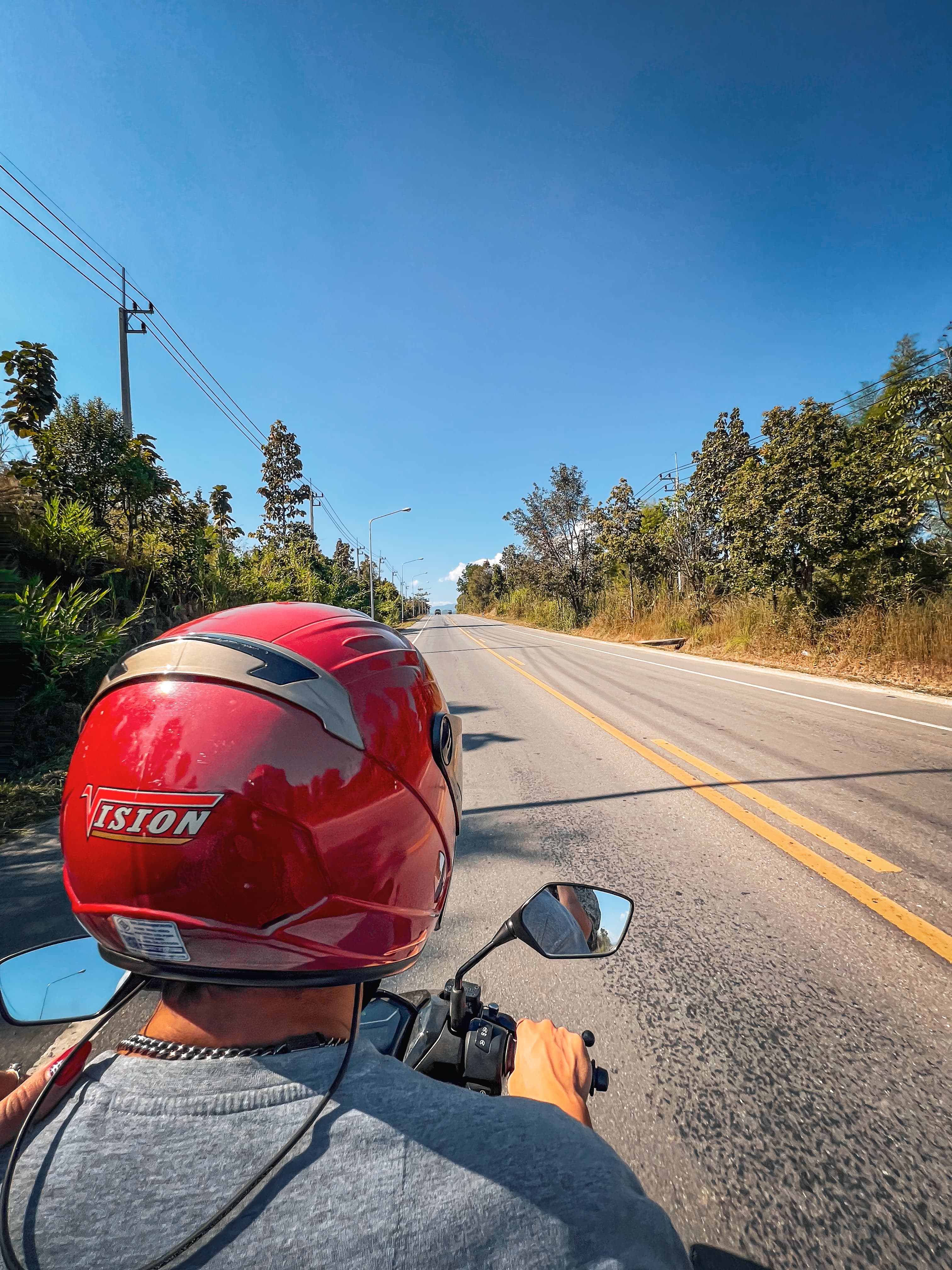
Renting a scooter costs 2,000–4,000 THB (~$60–$120) a month, and you'll see plenty of nomads on them. I wouldn't recommend it if you don't already have experience. Traffic can be chaotic; the mountain roads to Doi Suthep are steep and winding.
It would be a little tricky to rent a scooter in Thailand if you don't carry an international driving licence for motorcycles (Category A). Unlike in other Southeast Asian countries, there are strict regulations requiring tourists to have a valid licence. To stay out of trouble, if you don't have a licence, stick to Grab. I wrote up our full experience in the Chiang Mai digital nomad guide.
Temple etiquette
Most rules include covering shoulders and knees, removing shoes before entering temples, and waiting for other tourists to finish their visit to avoid overcrowding. During your visit you'll see everyone else doing it — just follow the example of other visitors and the signs at the entrance.
Frequently Asked Questions
Final Thoughts
Chiang Mai rewards you for slowing down. Pick a handful of things from this list, skip the tiger selfies and the temple marathon, and leave room for long coffee mornings and spontaneous rides into the mountains.
You may also like
Chiang Mai Digital Nomad Guide 2026 for Solo Female Travelers
Best Solo Female Travel Destinations & Digital Nomad Hubs (2026)

Underrated Solo Female Travel Destinations: 6 Cities Worth Reconsidering
Some of the links on this site are affiliate links. This means I may earn a small commission if you purchase them at no extra cost to you. I only recommend things I genuinely use or believe in.