Mexico City was the first city in Mexico I ever visited, in 2023, but ever since, it has become one of the places where I feel at home away from home – because after the time I spent there, all the things about it became so familiar – the taste of smoky salsas and barbacoa tacos, Art Deco buildings, spread-out parks, plazas and tree-lined streets, weekend mercados and cycling city Sundays – all that is something that cemented in my memory and occasionally comes back, reminding me to visit CDMX soon yet again.
However, choosing the right area (or colonia) shapes your entire trip, from walking out your door to tree-lined café streets in Condesa versus navigating the daytime bustle of Centro Histórico or the elevated calm of Coyoacán – all three versions almost feel like three completely different experiences. I worked on this guide to make it a little easier on you and help you decide where to stay during your next trip to Mexico City – from the best areas to money-saving booking tips and favorite hotel recommendations.
Where to stay in Mexico City?
| Traveler Profile / Goal | Top Recommended Area | Walkability, Terrain & Safety Note | Lead Stay Picks |
|---|---|---|---|
| First-Timers & Food/Cafe Lovers | Roma Norte & Roma Sur | Flat grid, tree-lined, lively evenings, safe & walkable | |
| Solo Female Travelers & Greenery | La Condesa | Flat pedestrian loops, park-centric, top safety feel | |
| Luxury, Fine Dining & Security | Polanco | Wide flat avenues, maximum security, designer flagships | |
| Near Nightlife & Trendy Bars | Juárez (Reforma Edge) | Flat, central, close to speakeasies; pick calmer side streets | |
| Calmer Evenings & Village Charm | Coyoacán | Flat cobblestone plazas, artistic, 30 min south by Uber | |
| Month-Long Remote Work | Condesa, Roma Sur, or Escandón | Laptop-friendly cafes, coworking hubs, local market access |
|
Neighborhood Map: Recommended Areas in Mexico City
Unlike hilly cities, central CDMX sits in a flat valley basin, so walking between some of my favourite areas, such as Roma, Condesa, Juárez, and Polanco, would have no hills at all.
The first thing I noticed is that tree roots regularly buckle paving stones across Roma and Condesa, which can turn wearing high heels into a bit of a challenge – however, it’s still doable, it just requires you to watch your steps with extreme care or choose flat walking shoes instead.
1. Roma Norte & Roma Sur
Creative energy · specialty coffee · tree-lined avenues
If you ask ten repeat visitors (and me) where to base yourself on a first trip to Mexico City, nine of them will point you straight to Roma Norte. Developed in the early 20th century with French-inspired Beaux-Arts mansions and Art Nouveau facades, it has evolved into the creative, culinary heart of CDMX. For a 3-to-5-day trip, this is usually my default pick because you can walk out your front door at 8:00 AM for a cardamom bun at Panadería Rosetta, check out independent galleries along Calle Colima by afternoon, and walk home from a natural wine bar at midnight without ever needing an Uber.
It has a very flat grid, lots of people walking down the streets day and night, and it felt very safe for solo exploration.
Roma Sur is south of Avenida Baja California, and it felt to me as beautiful, green and trendy as Roma Norte, but slightly more local. If I had to come back to Mexico City again and have a longer stay of 1+ months, I’d base myself there – it has a perfect balance of feeling like you’re in the right spot, but it’s also more suitable for a slow day-to-day life.
What are Roma Norte & Roma Sur like?
Flat, leafy, full of sidewalk cafés, concept stores, and some of the best restaurants you could find in Latin America – anything from street-corner suadero taco stands to Michelin-starred dining. Roma Norte feels lively and well-lit well into the evening, which made it an easy, comfortable base during our stay.
On the flip side: Roma Norte is the epicenter of CDMX’s expat and tourist boom, and so many times I heard very negative feedback from locals who used to live in Roma Norte themselves, but have been pushed out because of the climbing prices. The prices here are among the highest compared to neighboring districts. Whenever we’d go out for a weekend brunch, we almost always encountered queues going down the block. There’s also noticeable street noise if your hotel or apartment faces busy corridors like Avenida Álvaro Obregón or Insurgentes.
Best Hotels in Roma Norte & Sur
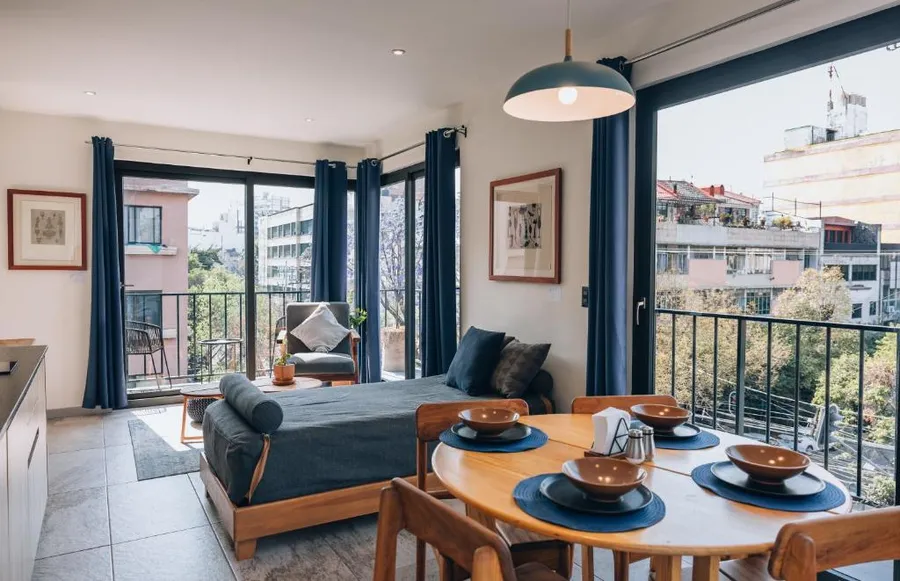
Aparthotel on Calle Manzanillo in Roma Sur, with kitchenettes, balconies with city views and a shared terrace. Private check-in and a 24-hour front desk.
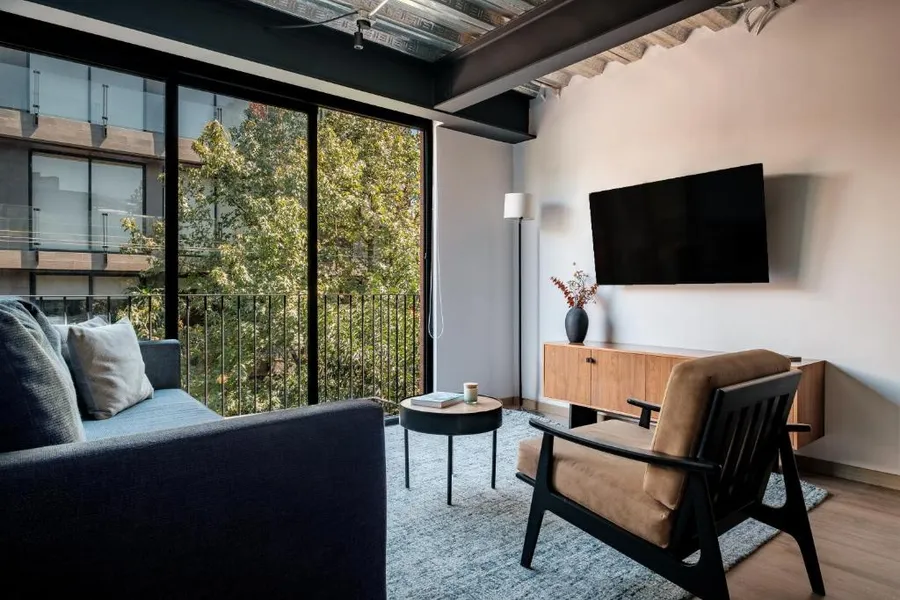
Apartments on Río Niágara, a short walk from Paseo de la Reforma, with full kitchens, work desks and balconies or terraces with city views. Sun terrace, concierge and laundry service.
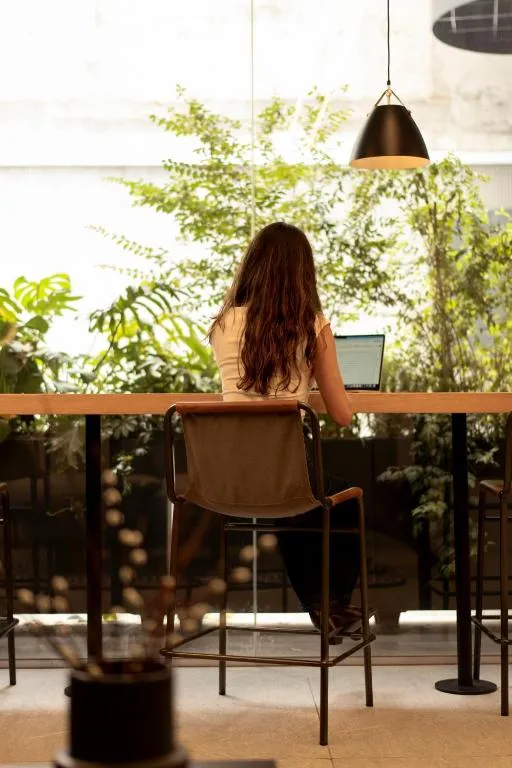
5-star hotel on Calle Puebla in Roma Norte, with a restaurant, fitness centre and sun terrace. 24-hour front desk, concierge and daily housekeeping.
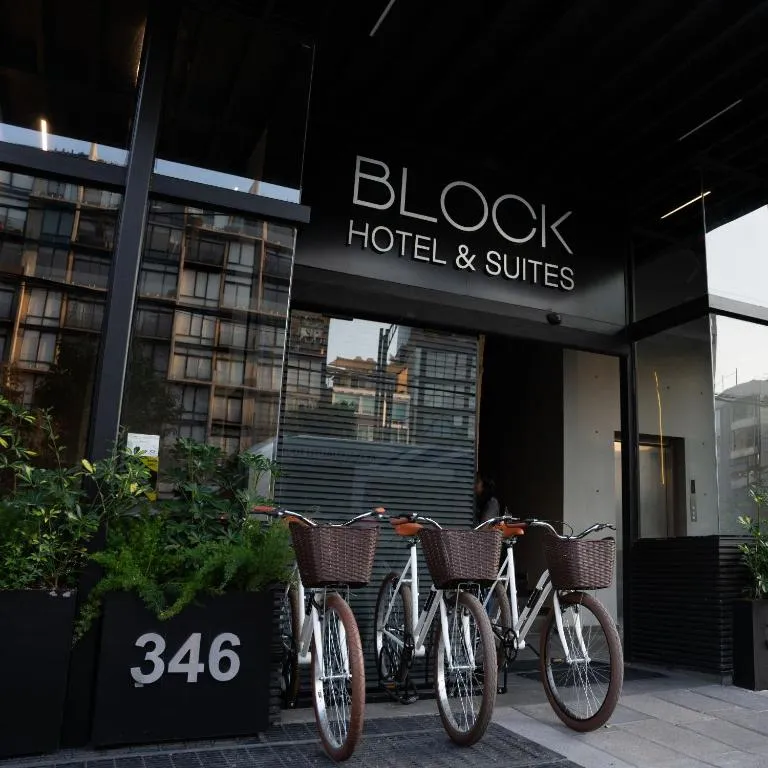
Suites on Avenida Chapultepec at the edge of Roma Norte, a 5-minute walk from Reforma. Some suites have a kitchenette, and there’s a 24-hour front desk.
2. La Condesa: Leafy Parks, Art Deco & Top Pick for Solo Women
Whenever I pass through La Condesa, it just always feels like exhaling after a busy sightseeing (or just busy) day. Built around the oval, tree-canopied pedestrian median of Avenida Ámsterdam, right by Parque México and Parque España, it has a distinctly neighborhood rhythm. Whenever I stay in CDMX for a month or longer, Condesa is where I tend to stay – starting the morning with a lap around the park alongside joggers and dog walkers before opening my laptop at one of the sunlit corner cafés.
What is La Condesa like?
Lush, flat, and effortlessly stylish, lined with 1920s Art Deco apartment buildings, outdoor dog-friendly cafés, and shaded walkways. Because people are out walking, jogging, and dining on sidewalks from early morning until late evening, it consistently feels like the safest, lowest-stress neighborhood in the city for solo female travelers.
On the flip side: Like Roma Norte, Condesa is heavily international – everywhere I went, I heard plenty of English at neighboring café tables. When searching for where to stay, I found that the boutique hotel inventory is smaller than in Polanco or Reforma. Also, giant ficus tree roots have buckled the limestone sidewalks across the neighborhood, so keep your eyes on the pavement rather than your phone while walking.
Best Hotels in La Condesa
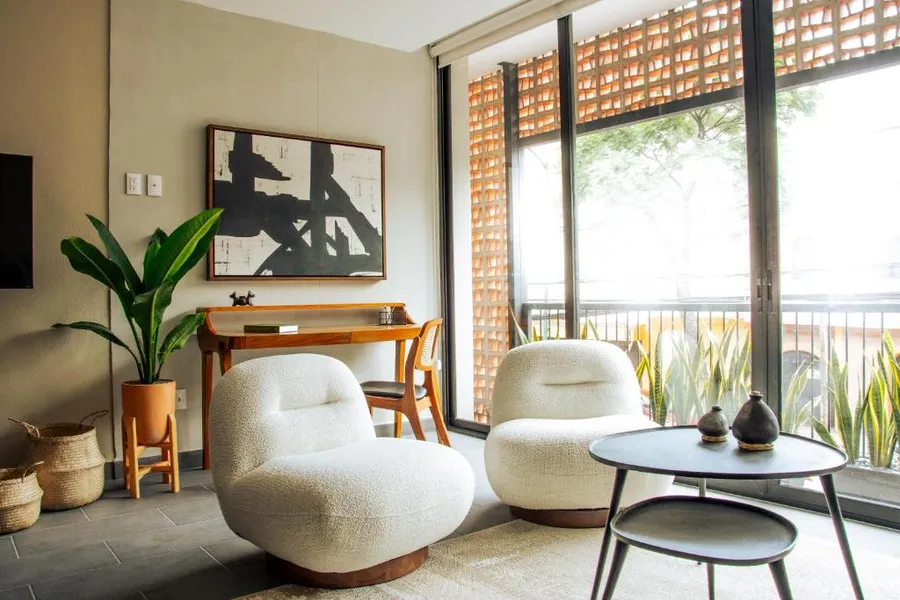
Two-bedroom, three-bathroom apartment on Calle Minería, on the Escandón side of Condesa. Full kitchen, washing machine, lift and security around the clock. Pet-friendly.
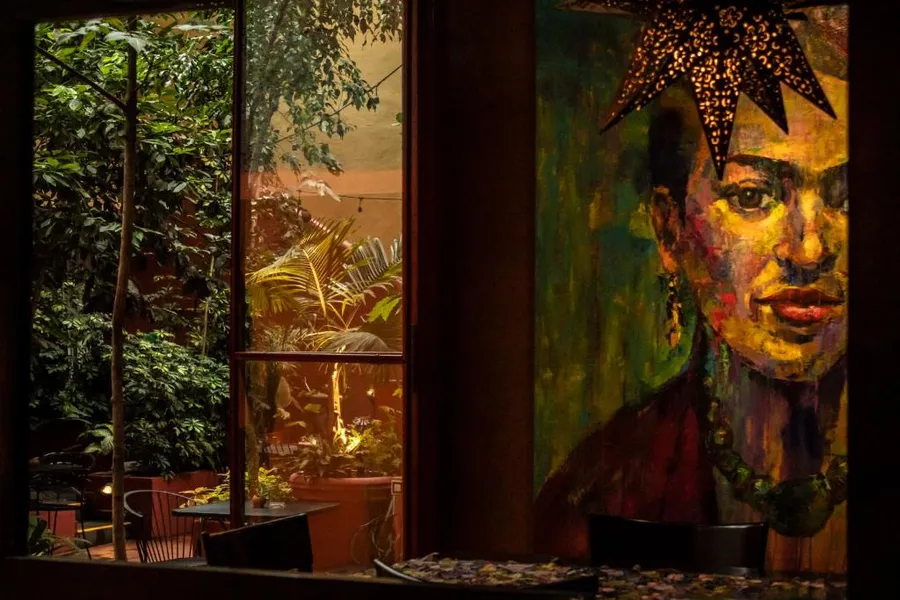
Bed and breakfast on Calle Culiacán in Condesa, with a garden, a terrace and a buffet breakfast every morning. Rooms have kitchenettes and balconies.
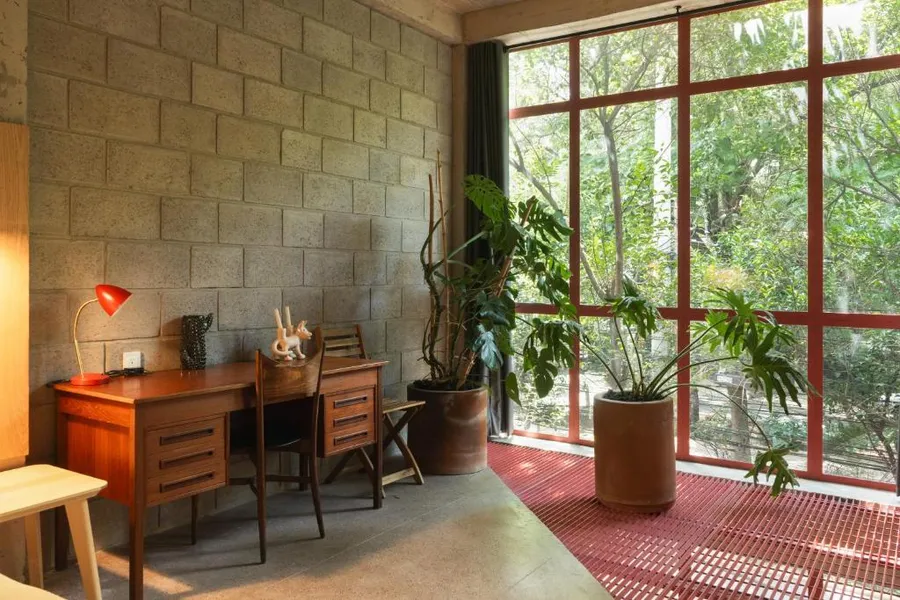
Apartments on Avenida Mazatlán with a kitchen and washing machine in every unit, a terrace and daily housekeeping. Security on site around the clock.
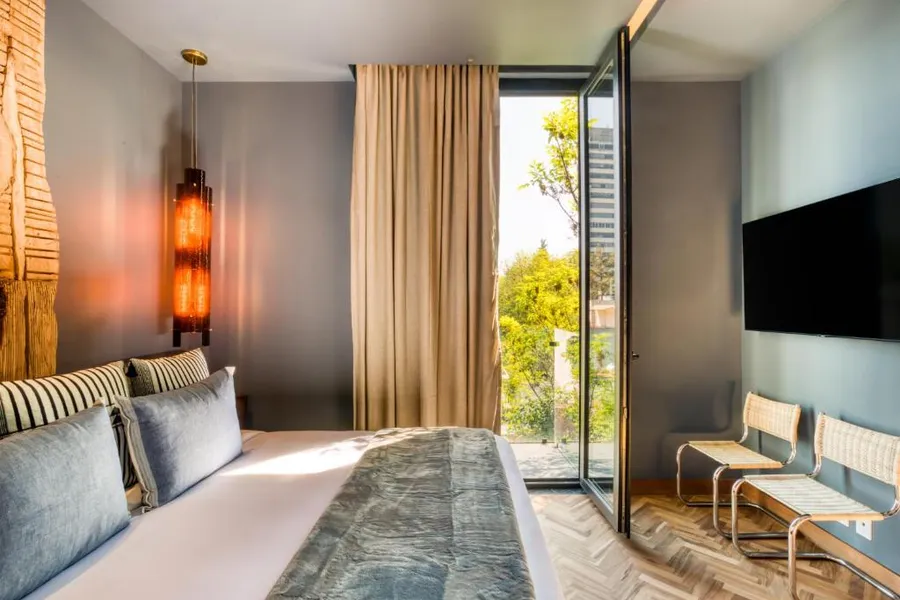
Renovated aparthotel on a quiet street in Hipódromo Condesa, with kitchenettes, coffee machines and balconies with city views.
3. Polanco: High-End Luxury, Museums & Maximum Security
Designer flagships · fine dining · polished boulevards
Crossing north through Bosque de Chapultepec into Polanco feels like stepping into an absolutely different city. I’ve stayed here multiple times, and every single time it was just because I found accommodation that I liked. Wider avenues, manicured hedges, embassies, and sleek contemporary architecture. While it’s less bohemian than Roma or Condesa, it’s unbeatable if you want 5-star hotel service, world-class museums within walking distance, and zero worries around street safety.
What is Polanco like?
Upscale, clean, and cosmopolitan, anchored by the luxury boutiques of Avenida Presidente Masaryk, iconic culinary institutions like Pujol and Quintonil, and architectural landmarks like the silver-tiled Museo Soumaya and Museo Jumex. Sidewalks are smooth, flat, and heavily patrolled day and night.
On the flip side: Polanco sits slightly separated from the Roma/Condesa/Juárez cluster by Chapultepec Park, so whenever I stayed there, going out required an Uber to reach Centro Histórico or Coyoacán – and rush-hour traffic along Reforma and Masaryk can easily double a 15-minute ride. It also feels noticeably more corporate and expensive than central neighborhoods.
Best Hotels in Polanco
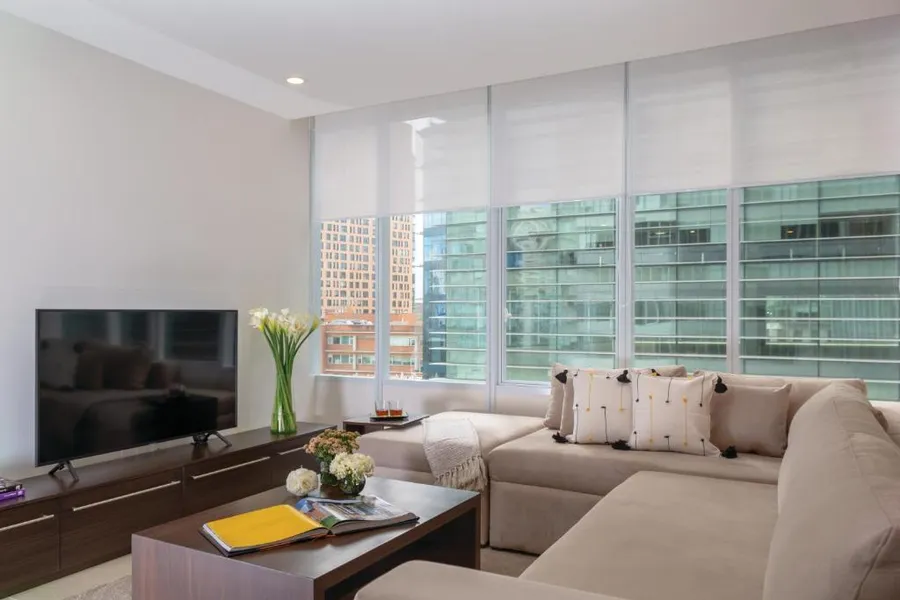
One-bedroom apartment on Lago Zúrich in Nuevo Polanco, with a full kitchen, washing machine, work desk and city views. 24-hour front desk and concierge.
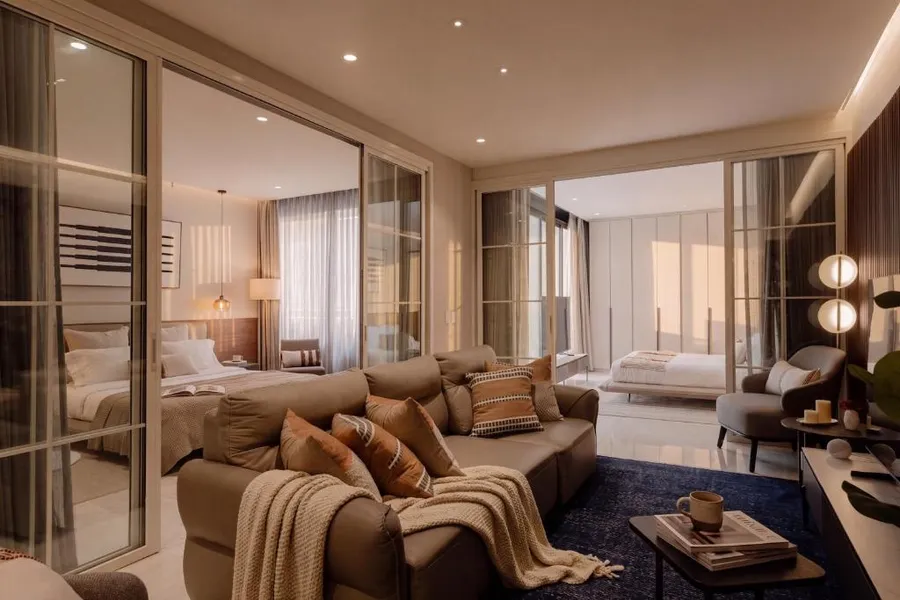
Apartments on Edgar Allan Poe in Polanco with kitchenettes and balconies. Daily housekeeping, a lift and a 24-hour front desk with security.
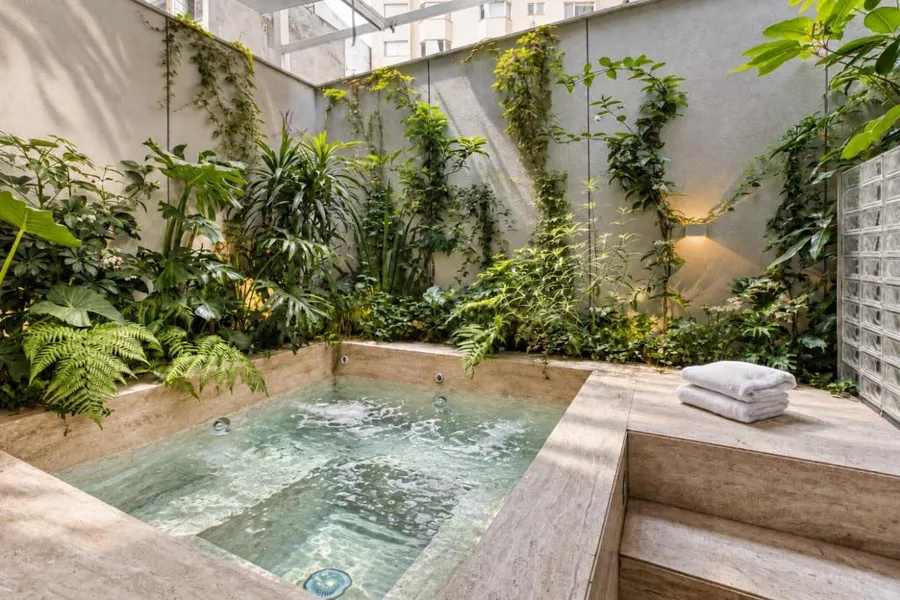
Aparthotel on Rubén Darío, across from Chapultepec Park, with a hot tub, fitness centre and daily housekeeping.
Dog-friendly B&B in a historic building on Julio Verne in Polanquito, with a sun terrace, a coffee shop and breakfast with vegetarian and vegan options.
4. Juárez & Paseo de la Reforma: Central Transit & Speakeasy Culture
Speakeasy bars · grand mansions · central transit
Tucked directly between Roma Norte and the skyscrapers of Paseo de la Reforma, Colonia Juárez has undergone one of the biggest transformations in Mexico City. Faded aristocratic townhouses now sit next to third-wave coffee roasters, hidden mezcal speakeasies, and the bustling Korean eateries of Pequeño Seúl. What I love about this area is that staying here totally gives you immediate access to the city’s best nightlife without having to commute across town.
What is Juárez like?
Central, flat, and full of contrast with its historic urban architecture and trendy cocktail lounges, queer nightlife in Zona Rosa, and fast access to Sunday car-free cycling along Reforma. Staying on the quieter blocks near Calle Milán or Liverpool gives you easy walking access to both Roma Norte and Reforma.
On the flip side: Juárez totally varies block by block more than Condesa or Polanco. While the northern blocks near Reforma and Roma are polished and lively, the southern edges closer to Avenida Chapultepec and parts of Zona Rosa get loud past 2:00 AM and require a little bit more street smarts late at night.
Favorite Accommodation Picks
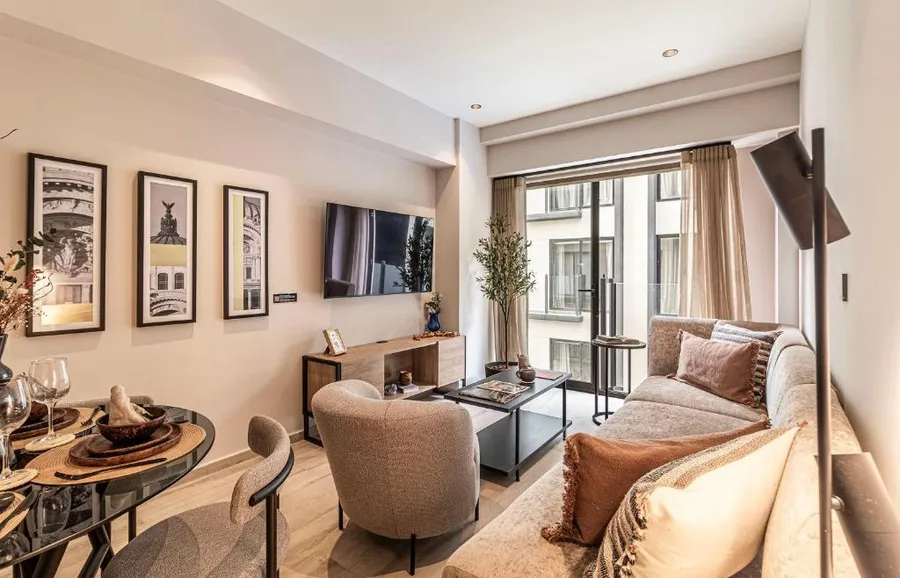
Apartments on Insurgentes Sur with full kitchens, washing machines and balconies, plus a lounge, coffee shop and games room in the building.
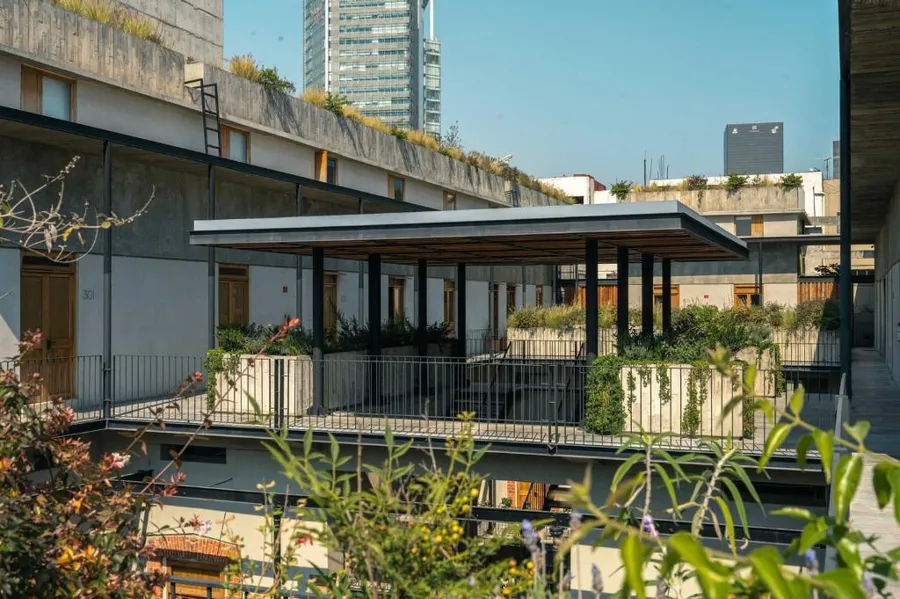
One-bedroom loft in a restored historic building on Emilio Dondé, with two bathrooms, a full kitchen, a washing machine and a work desk.
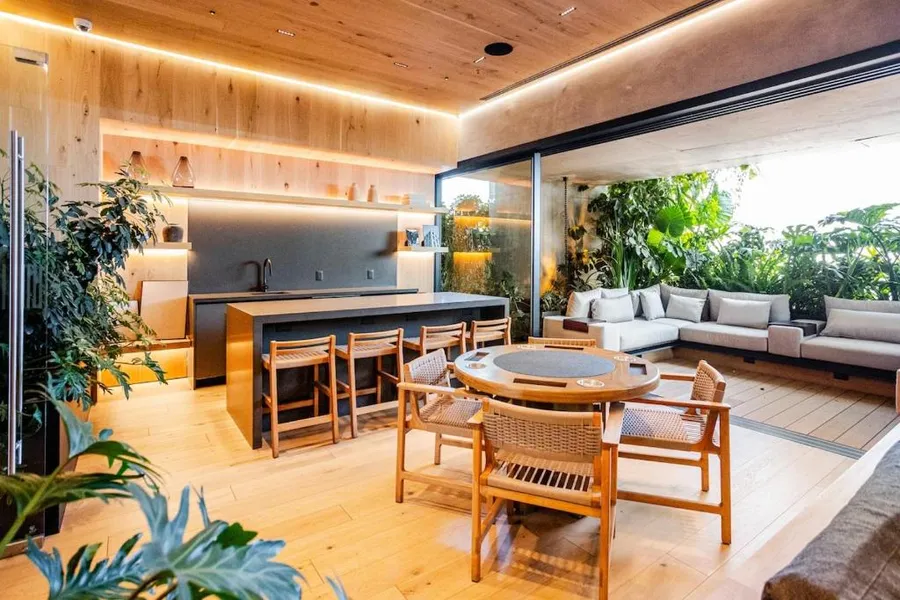
One-bedroom loft on Calle Viena with a city-view balcony, full kitchen and washing machine. The building has an outdoor pool, sauna and gym.
5. Coyoacán: Historic Cobblestones & Bohemian Village Calm
Cobblestone plazas · Frida Kahlo’s Casa Azul · artistic history
Located about 30 minutes south of the city center, Coyoacán was an independent colonial village long before Mexico City expanded around it, and the best thing about it is that it still feels like one. I love coming down here when I want a break from the big-city pace: wandering past colorful stucco walls, grabbing café de olla and tostadas at the local market, and sitting beneath the trees in Jardín Centenario.
It’s historic, bohemian, and centered around twin leafy plazas, the 16th-century Church of San Juan Bautista, artisan craft markets, and Frida Kahlo’s cobalt-blue Casa Azul. Once daytime museum visitors head back north, evenings become remarkably peaceful and residential.
On the flip side: Distance is one big trade-off when it comes to the decision to base yourself here. Because Coyoacán sits far south of Roma, Condesa, and Polanco, commuting back and forth for dinner or museums would eat up 35 to 60 minutes in CDMX traffic. It would be better suited for slow travelers or repeat visitors, rather than someone who has a very tight 3-day first itinerary.
Best Hotels in Coyoacán
Coyoacán is home to some of my favorite hotels with a very unique feel, interior design and little details that make it feel like you’re in rural Mexico, somewhere in Oaxaca de Juárez – instead of one of the biggest capitals in the world.
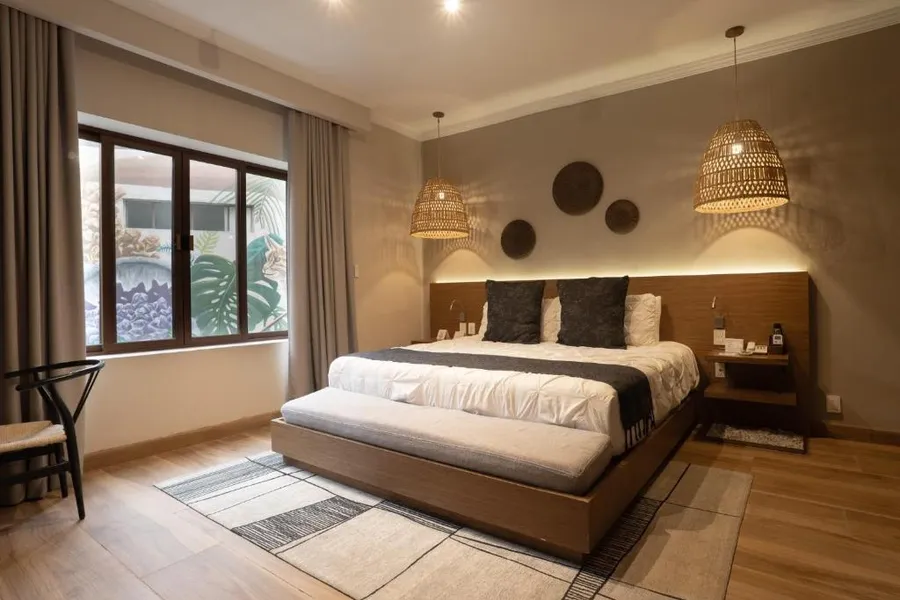
Boutique hotel on Avenida México with a pool, spa, sun terrace and a restaurant serving Mexican food. Yoga classes and a 24-hour front desk.
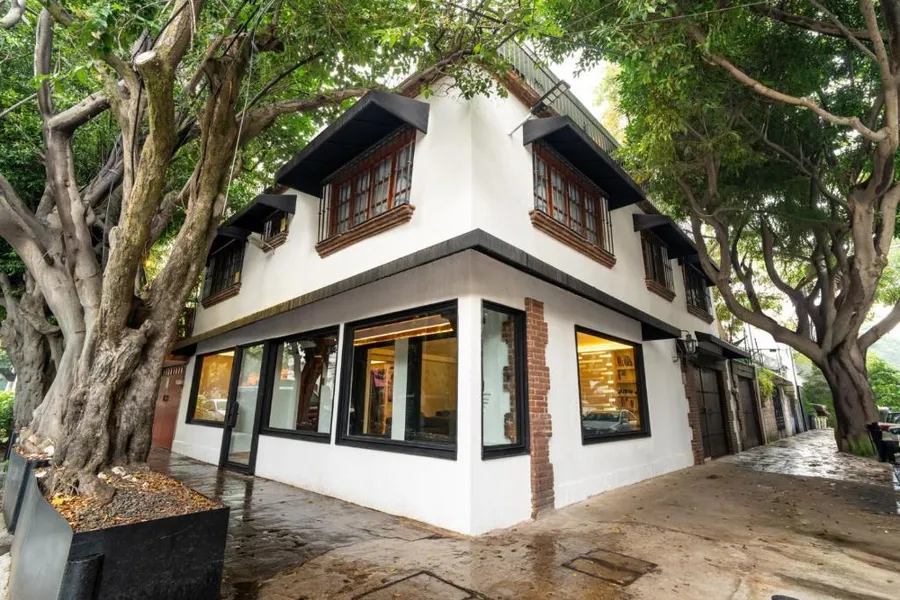
Adults-only guest house on Xicoténcatl in El Carmen, with a garden patio, a shared kitchen and a coffee shop.
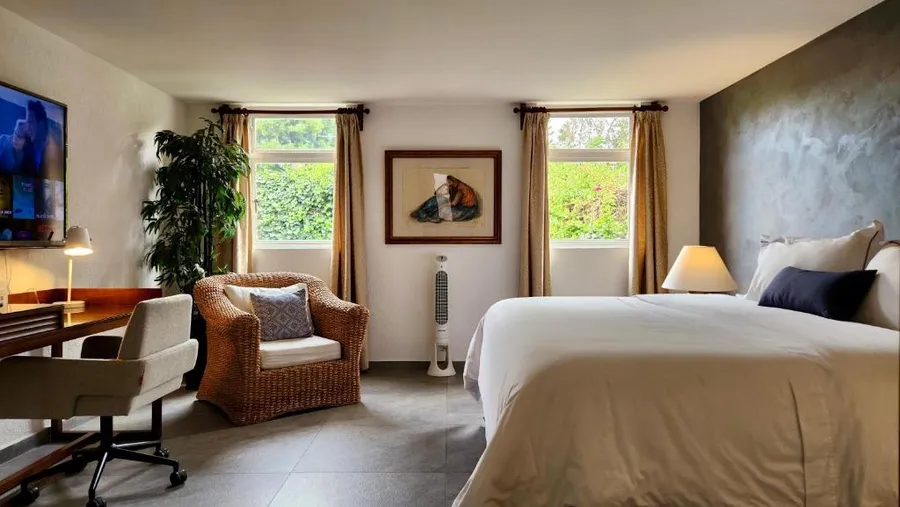
Guest house on Presidente Carranza with a garden and terrace, a shared kitchen, and rooms with work desks and garden views.
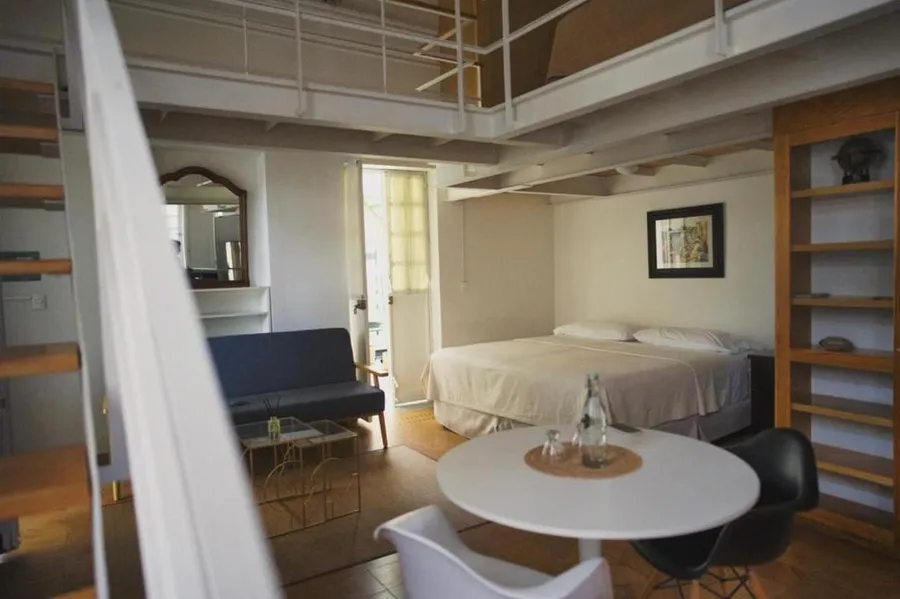
Small hotel on Calle Moctezuma with concierge service, daily housekeeping and a breakfast with fresh fruit every morning.
What to Book for a 3-Day Stay vs. What I’d Book If Staying for 1–3 Months
Picking a base where to stay is really something that colors and defines your whole trip, and after traveling for more than 5 years, I learned the hard way what it means to pick the wrong neighborhood – and by wrong, I mean that sometimes it’s just too far from the top highlights I want to see, or it seemed close on the map, but I didn’t factor in the city’s traffic and logistics reality. And this is where I usually understood: “okay, now the whole itinerary has to be altered”, preparing myself to cross out things I was hoping to do or to see. I wouldn’t wish it on anyone, so I want you to have a good idea of where to stay – given the time you plan to spend in CDMX!
- •For a 3–5 day trip – book your stay in Roma Sur.
- •For a 1-week trip – book something in Condesa.
- •For a 2-week stay – book something in Polanco.
- •For 1 month or more – pick Escandón for quiet residential streets, local markets, and apartment kitchens; Coyoacán for peace and quiet, distinctly Mexican culture and architecture, and an old-world rustic feel.
Strategic Micro-Neighborhoods & Areas to Reconsider
Escandón & San Rafael: Local Budget Alternatives Next to the Action
Escandón (directly south of Condesa) and San Rafael (north of Reforma) are smart picks for longer stays with their authentic neighborhood markets, lower nightly rates, and a 10-minute walk into Condesa or Juárez.
Centro Histórico: Great for Sightseeing, Tricky for Sleeping
Staying right on the Zócalo works well for iconic rooftop views (Gran Hotel Ciudad de México or Downtown Mexico), but streets empty out after 20:00 – requiring Uber rides back after dinner.
Neighborhoods to Avoid Booking Accommodation In
Tepito, Doctores, and Iztapalapa
Locals told me to avoid booking hotels here due to higher petty and violent crime rates after dark. I only visited this area for the Lucha Libre match at Arena México in Doctores and post-match tacos – it was a bit chaotic, but I didn’t ever feel unsafe; however, I wouldn’t choose to book a stay here. More on that in my guide to whether Mexico City is safe to travel.
Longer Stays & Remote Work in Mexico City
Serviced Apartments for 30+ Days
Mexico City has a growing selection of serviced apartments due to the expanding community of expats from around the world who came to work in international companies or branches of businesses operating in the LatAm market. That gives plenty of options to choose from when it comes to long-term accommodation. Whenever I had to stay for 30+ days, I tried and tested three ways:
- 1.Airbnb – very obvious and expected, but reliable and works great every single time. One trick I use on Airbnb is to extend my trip a little over 30 days and book for 32 or 33 days instead, which grants you 30% savings on your booking. It’s a win-win for both the host and you – as you get a better price, and the host saves on service and cleaning fees that are reduced in case of a stay that’s longer than one calendar month.
- 2.Facebook groups – more than once, I was able to just find someone in one of the Facebook groups, usually a local. One of the stays we booked was the apartment of a Mexican girl who was winter-birding in Bali and subleased her place, which was filled with probably over 100 exquisite mezcal bottles that she insisted we could help ourselves to and try whenever we liked, as she just had too many of them. Do I have to mention that every homemade steak taco dinner was accompanied by a few sips of Tepeztate mezcal from a little clay shot?
- 3.Outsite – I can’t recommend these guys enough, as this co-living setup just works perfectly for someone willing to stay a little longer, meet new people, have some social time (occasionally) and have a desk to work at. It has the comfort of a hotel with spacious private rooms, but with being plugged into a community that just feels very homey, with a ‘you’re not alone’ vibe. Locations: Roma Sur (opens in new tab) and Colonia San Miguel (opens in new tab).
What I usually check before booking a month-long stay
- •Reliable fiber Wi-Fi speeds (ask for a speed-test screenshot)
- •Drinking water filtration system and water pressure in the shower
- •At least one working desk (or a place that can be turned into one, for example, a dining room)
- •Interior courtyard bedrooms to buffer street noise
Practical Hotel Booking Tips for CDMX
Noise & Single-Pane Windows
Historic buildings in Roma Norte and Juárez often have single-pane glass; light sleepers should avoid rooms directly facing busy avenues (Insurgentes, Álvaro Obregón) or late-night mezcalerías.
Heating & Seasonal Temperature Swings
Even in spring and winter, central heating is rare (or, I would say, non-existent outside of new apartment complexes) in CDMX. If you’re visiting between November and February, confirm your hotel provides space heaters or heavy duvets for 7°C (45°F) nights. Places that I booked had heated blankets that saved me during cold December nights.
Getting Around from Your Hotel
Download Uber (opens in new tab) and DiDi (opens in new tab) before landing at MEX; cross-town rides between Roma, Condesa, Polanco, and Centro typically cost 4–8 USD.
FAQ
Read next
10 Best Things to Do in Mexico City (And 2 Things to Skip)
What’s worth your time in CDMX once you’ve picked a base, and what you can skip.